
#btrst
btrst
5,343 views
33 Discussing
Hot
Latest
·
--
$BTR تُثير عملة BTR اهتمام المتابعين في أسواق الرقميات، نظرًا لارتباط الرمز بمشروعين بارزين: الأول هو Bitlayer (BTR) كشبكة طبقة ثانية برزت كأحد الحلول التقنية لتوسيع بيئة بيتكوين (Bitcoin L2)، والثاني هو Bitrue Coin (BTR) كالرمز الخدمي المخصص لمنصة التداول العالمية Bitrue.
أبرز خصائص المشروع والقيمة المضافة
توسيع شبكة البيتكوين (Bitlayer BTR): تعتمد شبكة Bitlayer على تقنيات تسريع وتخفيض تكلفة المعاملات وتوفير بيئة عقود ذكية مبنية على أمان بيتكوين الأساسي (BitVM)، مما يتيح التفاعل مع تطبيقات التمويل اللامركزي (DeFi) بمرونة عالية.
الخدمات المنصية والحوكمة (Bitrue BTR): كتوكين خدمي لمنصة Bitrue، يُستخدم الرمز لتخفيض رسوم التداول، والمشاركة في الاكتتابات الأولوية (Yield Farming / Launchpool)، وتأمين مكافآت الإيداع.
توفير السيولة والأمان: تتيح البنية التحتية المرتبطة بالرمز استغلال آليات التجميع والربط لتداول الأصول بمرونة بين شبكة بيتكوين والشبكات الرئيسية الأخرى.
الوضع الحالي والمستقبل
تشهد حركة BTR في الأسواق تذبذبًا متأثرًا بحجم السيولة والتداول في بورصات العملات الرقمية. يعتمد الأداء المستقبلي للرمز على مدى توسع منظومة التطبيقات على شبكات الطبقة الثانية لبيتكوين، إلى جانب حجم الإقبال اليومي واستقرار منصات التداول الحاضنة للعملة.
$BTR #BTR #BTRFLY #BTRST #BTRtokens
{alpha}(560xfed13d0c40790220fbde712987079eda1ed75c51)
{future}(BTRUSDT)
$BTR تُثير عملة BTR اهتمام المتابعين في أسواق الرقميات، نظرًا لارتباط الرمز بمشروعين بارزين: الأول هو Bitlayer (BTR) كشبكة طبقة ثانية برزت كأحد الحلول التقنية لتوسيع بيئة بيتكوين (Bitcoin L2)، والثاني هو Bitrue Coin (BTR) كالرمز الخدمي المخصص لمنصة التداول العالمية Bitrue.
أبرز خصائص المشروع والقيمة المضافة
توسيع شبكة البيتكوين (Bitlayer BTR): تعتمد شبكة Bitlayer على تقنيات تسريع وتخفيض تكلفة المعاملات وتوفير بيئة عقود ذكية مبنية على أمان بيتكوين الأساسي (BitVM)، مما يتيح التفاعل مع تطبيقات التمويل اللامركزي (DeFi) بمرونة عالية.
الخدمات المنصية والحوكمة (Bitrue BTR): كتوكين خدمي لمنصة Bitrue، يُستخدم الرمز لتخفيض رسوم التداول، والمشاركة في الاكتتابات الأولوية (Yield Farming / Launchpool)، وتأمين مكافآت الإيداع.
توفير السيولة والأمان: تتيح البنية التحتية المرتبطة بالرمز استغلال آليات التجميع والربط لتداول الأصول بمرونة بين شبكة بيتكوين والشبكات الرئيسية الأخرى.
الوضع الحالي والمستقبل
تشهد حركة BTR في الأسواق تذبذبًا متأثرًا بحجم السيولة والتداول في بورصات العملات الرقمية. يعتمد الأداء المستقبلي للرمز على مدى توسع منظومة التطبيقات على شبكات الطبقة الثانية لبيتكوين، إلى جانب حجم الإقبال اليومي واستقرار منصات التداول الحاضنة للعملة.
$BTR #BTR #BTRFLY #BTRST #BTRtokens
1
191

·
--
$BTR #BTRST
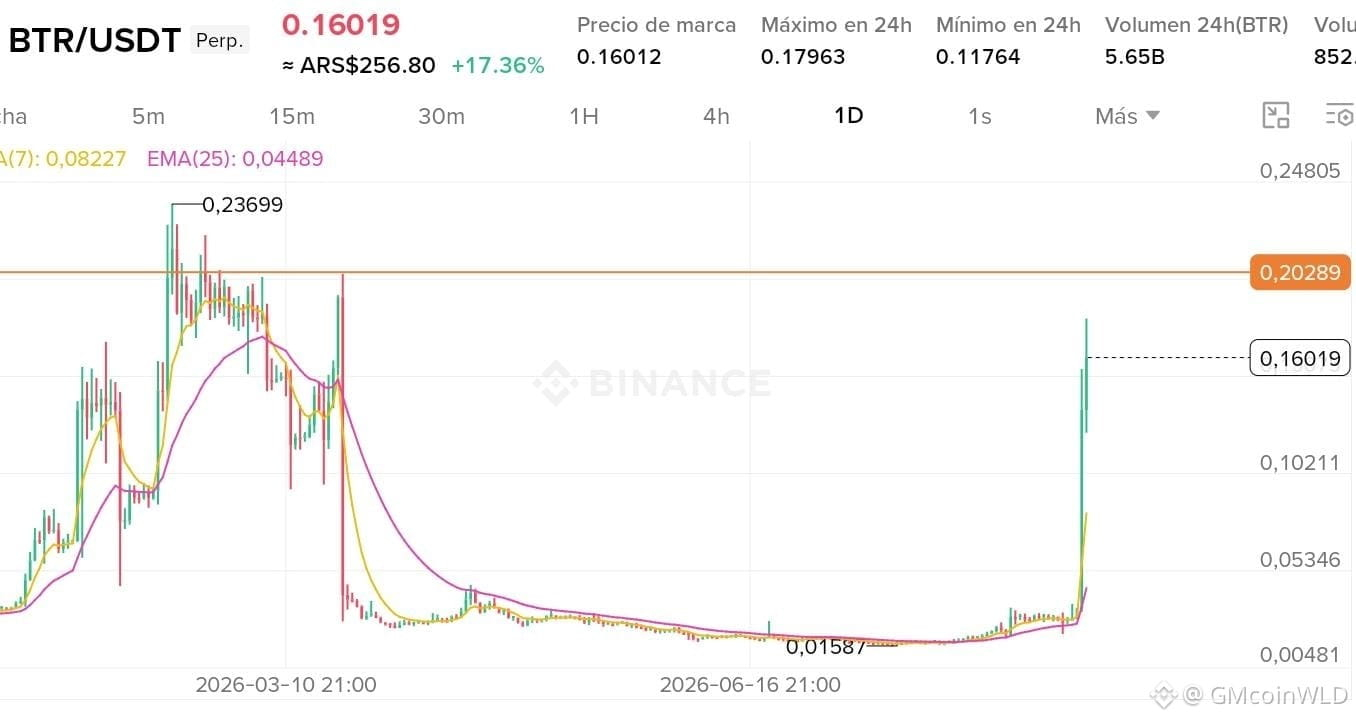
$BTR (Bitlayer) se dispara un 296% hoy, cotizando a $0.137 impulsado por un próximo airdrop.Las respuestas de la
$BTR #BTRST
$BTR (Bitlayer) se dispara un 296% hoy, cotizando a $0.137 impulsado por un próximo airdrop.Las respuestas de la
$BTR (Bitlayer) se dispara un 296% hoy, cotizando a $0.137 impulsado por un próximo airdrop.Las respuestas de la
628

·
--
Hey millionaire let's trade 👋
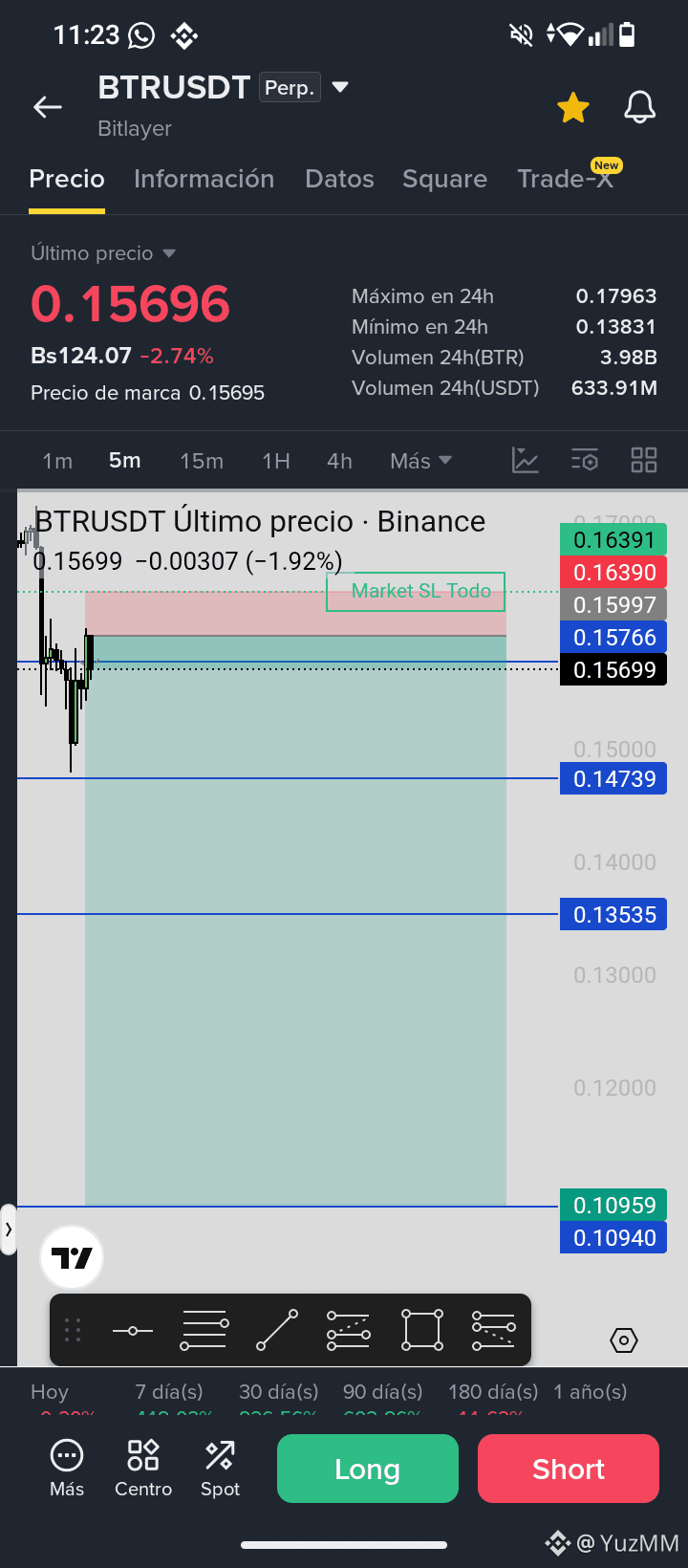
🚨 BTR/USDT — Short Setup
$BTR
{future}(BTRUSDT)
Market Context: This bearish setup is focused on the $0.170–$0.178 area. It remains valid only while price stays below the stated invalidation level.
Entry Zone: $0.170–$0.178
Stop-Loss / Invalidation: $0.185
Take-Profit Levels:
• TP1: $0.155
• TP2: $0.140
• TP3: $0.120
Trade Logic: The thesis relies on rejection from, or inability to sustain above, the entry zone. A move above $0.185 invalidates this specific short setup. Avoid chasing a decline below the entry range, since that can worsen the risk-to-reward profile.#BTRST #BTRToken
Hey millionaire let's trade 👋
🚨 BTR/USDT — Short Setup
$BTR
Market Context: This bearish setup is focused on the $0.170–$0.178 area. It remains valid only while price stays below the stated invalidation level.
Entry Zone: $0.170–$0.178
Stop-Loss / Invalidation: $0.185
Take-Profit Levels:
• TP1: $0.155
• TP2: $0.140
• TP3: $0.120
Trade Logic: The thesis relies on rejection from, or inability to sustain above, the entry zone. A move above $0.185 invalidates this specific short setup. Avoid chasing a decline below the entry range, since that can worsen the risk-to-reward profile.#BTRST #BTRToken
222


·
--
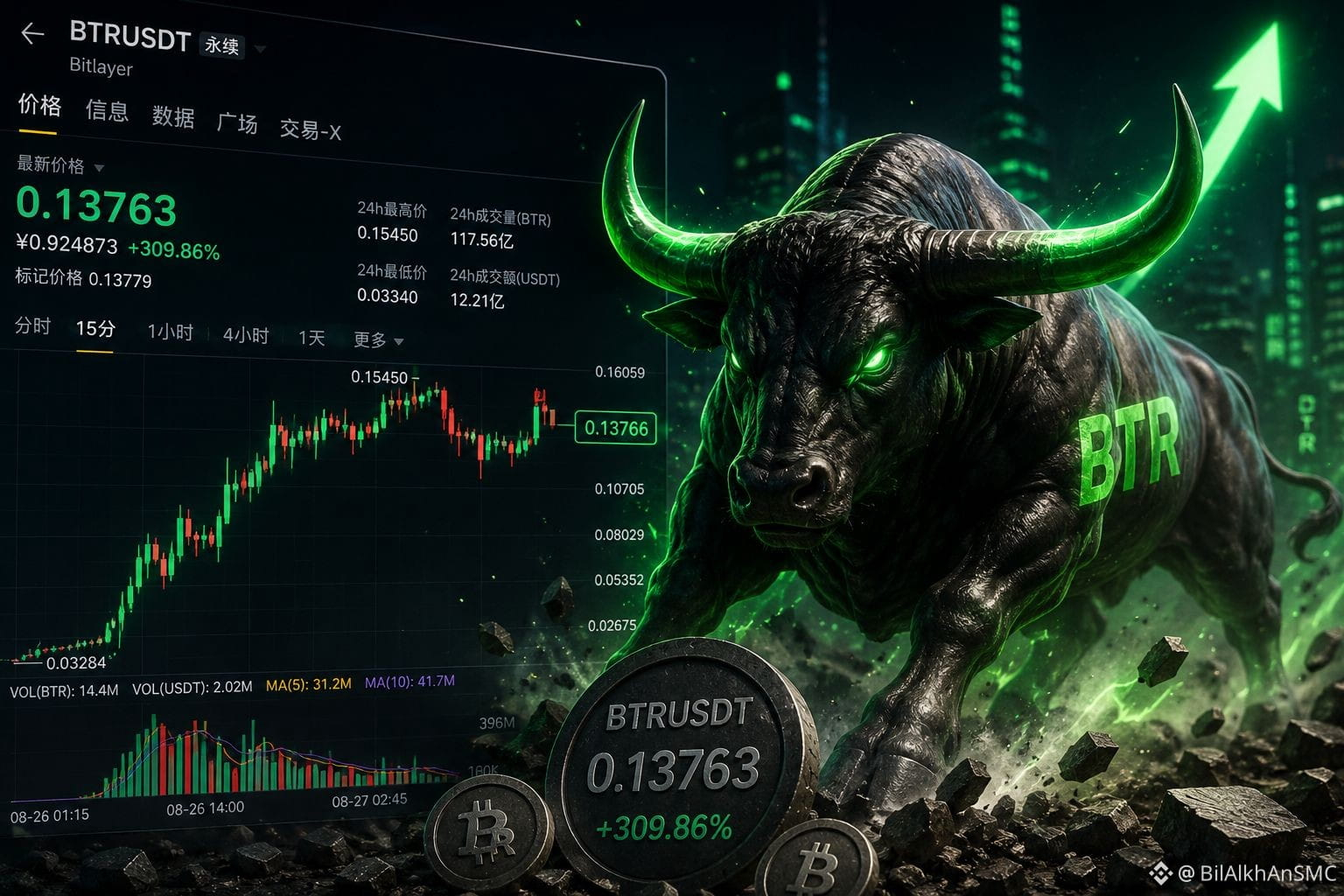
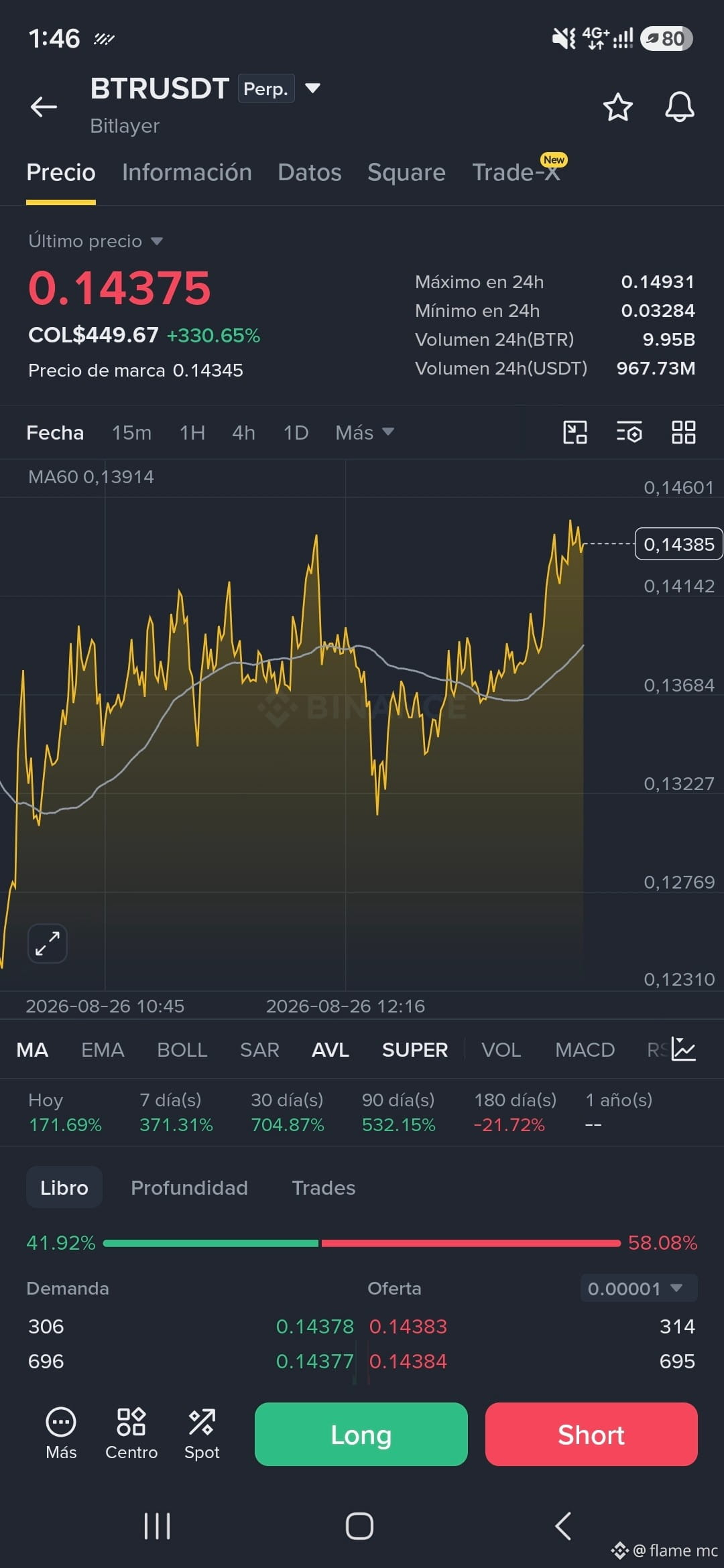
$BTR todos esperando la caida de este mounstro que no no hace mas que subir , a todo cerdito le llega su navidad #BTRST
$BTR todos esperando la caida de este mounstro que no no hace mas que subir , a todo cerdito le llega su navidad #BTRST
1
549

AML, counter-terrorist financing, and travel rule obligations under Hong Kong's Cap. 615.Under Hong Kong’s Anti-Money Laundering and Counter-Terrorist Financing Ordinance (Cap. 615; AMLO)—and reinforced by the Virtual Asset Services Legislation (Amendment) Bill 2026—virtual asset service providers (VASPs) face statutory anti-money laundering (AML), counter-terrorist financing (CTF), and travel rule obligations modeled on Financial Action Task Force (FATF) standards. As the 2026 bill broadens licensing from trading platforms to dealing, advisory, management, and custody, those same AML/CTF and transfer transparency controls anchor ongoing supervision.
Core AML and CTF Obligations Under Cap. 615
Risk-Based Approach and Institutional Risk Assessment: VASPs must identify, assess, and document money laundering and terrorist financing risks across their products, delivery channels, customer base, and geographic exposure, updating controls as risks evolve.Tiered Customer Due Diligence (CDD): Firms must verify customer and beneficial owner identities before establishing business relationships or executing qualifying occasional transactions. High-risk profiles—such as politically exposed persons (PEPs), complex offshore structures, unusual transaction patterns, or higher-risk wallet exposure—require enhanced due diligence (EDD), including source-of-funds and source-of-wealth checks.Sanctions Screening and Ongoing Monitoring: VASPs must screen customers, beneficial owners, and counterparties against applicable sanctions lists—operating alongside Hong Kong’s United Nations sanctions framework—and run continuous transaction monitoring (including on-chain analytics) to flag suspicious activity.Suspicious Transaction Reporting (STR) and Non-Tipping Off: Personnel must file an STR as soon as reasonably practicable after forming a suspicion of money laundering or terrorist financing—regardless of transaction value—and are strictly barred from tipping off the subject.Governance, Training, and Record-Keeping: VASPs must appoint qualified responsible officers and compliance leadership, train staff by role, and retain CDD, transaction, and transfer records in accessible form for statutory retention periods (generally five to six years under Hong Kong AMLO/SFC rules).
Travel Rule Requirements for Virtual Asset Transfers
Hong Kong’s Travel Rule extends wire-transfer transparency standards to virtual asset transfers under Cap. 615 and the SFC’s AML/CFT Guideline:
Threshold and Information Scope: Travel Rule data applies across virtual asset transfers, with a HK$8,000 (roughly US$1,000) threshold distinguishing full originator/beneficiary details from the minimum baseline set (originator and beneficiary names plus account numbers or unique transfer reference numbers). For transfers at or above HK$8,000, additional originator identifiers—such as address, customer or ID document number, or date and place of birth—are required.Timing of Transmission: Originator VASPs must submit required information to the beneficiary VASP before or simultaneously with the transfer—not after settlement completes—and verify counterparty data-security and privacy safeguards.Self-Hosted Wallets and Shell VASPs: Transfers involving self-hosted (unhosted) wallets require collecting counterparty/wallet details and applying risk-based controls proportionate to wallet risk. VASPs are prohibited from dealing with "shell" VASPs or unverified institutions that lack effective supervision or AML/CTF controls.
Summary of Obligations and Enforcement Exposure
#SFCAlert #etherreum #BTRST
AML, counter-terrorist financing, and travel rule obligations under Hong Kong's Cap. 615.
Under Hong Kong’s Anti-Money Laundering and Counter-Terrorist Financing Ordinance (Cap. 615; AMLO)—and reinforced by the Virtual Asset Services Legislation (Amendment) Bill 2026—virtual asset service providers (VASPs) face statutory anti-money laundering (AML), counter-terrorist financing (CTF), and travel rule obligations modeled on Financial Action Task Force (FATF) standards. As the 2026 bill broadens licensing from trading platforms to dealing, advisory, management, and custody, those same AML/CTF and transfer transparency controls anchor ongoing supervision.
Core AML and CTF Obligations Under Cap. 615
Risk-Based Approach and Institutional Risk Assessment: VASPs must identify, assess, and document money laundering and terrorist financing risks across their products, delivery channels, customer base, and geographic exposure, updating controls as risks evolve.Tiered Customer Due Diligence (CDD): Firms must verify customer and beneficial owner identities before establishing business relationships or executing qualifying occasional transactions. High-risk profiles—such as politically exposed persons (PEPs), complex offshore structures, unusual transaction patterns, or higher-risk wallet exposure—require enhanced due diligence (EDD), including source-of-funds and source-of-wealth checks.Sanctions Screening and Ongoing Monitoring: VASPs must screen customers, beneficial owners, and counterparties against applicable sanctions lists—operating alongside Hong Kong’s United Nations sanctions framework—and run continuous transaction monitoring (including on-chain analytics) to flag suspicious activity.Suspicious Transaction Reporting (STR) and Non-Tipping Off: Personnel must file an STR as soon as reasonably practicable after forming a suspicion of money laundering or terrorist financing—regardless of transaction value—and are strictly barred from tipping off the subject.Governance, Training, and Record-Keeping: VASPs must appoint qualified responsible officers and compliance leadership, train staff by role, and retain CDD, transaction, and transfer records in accessible form for statutory retention periods (generally five to six years under Hong Kong AMLO/SFC rules).
Travel Rule Requirements for Virtual Asset Transfers
Hong Kong’s Travel Rule extends wire-transfer transparency standards to virtual asset transfers under Cap. 615 and the SFC’s AML/CFT Guideline:
Threshold and Information Scope: Travel Rule data applies across virtual asset transfers, with a HK$8,000 (roughly US$1,000) threshold distinguishing full originator/beneficiary details from the minimum baseline set (originator and beneficiary names plus account numbers or unique transfer reference numbers). For transfers at or above HK$8,000, additional originator identifiers—such as address, customer or ID document number, or date and place of birth—are required.Timing of Transmission: Originator VASPs must submit required information to the beneficiary VASP before or simultaneously with the transfer—not after settlement completes—and verify counterparty data-security and privacy safeguards.Self-Hosted Wallets and Shell VASPs: Transfers involving self-hosted (unhosted) wallets require collecting counterparty/wallet details and applying risk-based controls proportionate to wallet risk. VASPs are prohibited from dealing with "shell" VASPs or unverified institutions that lack effective supervision or AML/CTF controls.
Summary of Obligations and Enforcement Exposure
#SFCAlert #etherreum #BTRST
5
·
--
Bearish
{future}(MAGMAUSDT)
🚨 MAGMA — EXTREME PUMP, POSSIBLE REVERSAL? 🔻
$MAGMA just made a powerful vertical move, but price is now facing a major resistance zone around $0.5795. A strong upper rejection wick suggests sellers are becoming active at the highs. ⚠️
📉 TRADING BIAS: SHORT
📍 Entry Zone: $0.5550 – $0.5700
🛑 Stop Loss: $0.6050
🎯 Take Profit
• TP1: $0.5180
• TP2: $0.4500
• TP3: $0.3650
📊 Why watch the short?
• Heavy rejection near $0.5795
• Price significantly extended above MA25 & MA99
• Volume shows signs of exhaustion
• Mean-reversion setup could develop if support breaks
⚠️ Risk Warning: MAGMA is highly volatile. Don’t FOMO into a vertical candle, and always manage your position size and SL.
Not financial advice — trade the setup, not the hype. 🧠📉
#MAGMAUSDT #BTRST #Short #Binance #Altcoins
78
·
--
Bullish
$BTR (BTR) هي العملة الأساسية لشبكة Bitlayer، وهي طبقة ثانية (Layer 2) للبيتكوين تعتمد على تقنية (BitVM). تهدف الشبكة لتوفير توافق كامل مع آلة الإيثريوم الافتراضية (EVM)، مما يتيح تشغيل العقود الذكية وتطبيقات التمويل اللامركزي (DeFi) مباشرة على بنية البيتكوين.
حالات الاستخدام الفعلي (Utility):
التخزين (Staking): تستخدم لتأمين الشبكة وتشغيل عُقد المدققين (Nodes).
الحوكمة (Governance): تمنح حامليها حق التصويت على ترقيات البروتوكول وتعديلات هيكلة الرسوم.
إدارة الإيرادات: يتضمن البروتوكول آلية لتوجيه جزء من إيرادات الشبكة لمكافأة المدققين، أو لتنفيذ عمليات إعادة شراء للتوكنات (Buybacks) لدعم استقرار القيمة.
اقتصاديات الرمز (Tokenomics):
الحد الأقصى للإمداد: 1 مليار توكن.
التوزيع الأساسي: 40% مخصصة لتحفيز مجتمع المطورين ونمو النظام البيئي، و12% للفريق.
التحكم في التضخم: تخضع حصص الفريق والمستثمرين لفترات إغلاق زمني (Vesting) صارمة وطويلة الأمد لمنع صدمات البيع في السوق المفتوح.
$BTR #BTR #BTRFLY #BTRST #BTRSHORT #BTRToken
{alpha}(560xfed13d0c40790220fbde712987079eda1ed75c51)
{future}(BTRUSDT)
$BTR (BTR) هي العملة الأساسية لشبكة Bitlayer، وهي طبقة ثانية (Layer 2) للبيتكوين تعتمد على تقنية (BitVM). تهدف الشبكة لتوفير توافق كامل مع آلة الإيثريوم الافتراضية (EVM)، مما يتيح تشغيل العقود الذكية وتطبيقات التمويل اللامركزي (DeFi) مباشرة على بنية البيتكوين.
حالات الاستخدام الفعلي (Utility):
التخزين (Staking): تستخدم لتأمين الشبكة وتشغيل عُقد المدققين (Nodes).
الحوكمة (Governance): تمنح حامليها حق التصويت على ترقيات البروتوكول وتعديلات هيكلة الرسوم.
إدارة الإيرادات: يتضمن البروتوكول آلية لتوجيه جزء من إيرادات الشبكة لمكافأة المدققين، أو لتنفيذ عمليات إعادة شراء للتوكنات (Buybacks) لدعم استقرار القيمة.
اقتصاديات الرمز (Tokenomics):
الحد الأقصى للإمداد: 1 مليار توكن.
التوزيع الأساسي: 40% مخصصة لتحفيز مجتمع المطورين ونمو النظام البيئي، و12% للفريق.
التحكم في التضخم: تخضع حصص الفريق والمستثمرين لفترات إغلاق زمني (Vesting) صارمة وطويلة الأمد لمنع صدمات البيع في السوق المفتوح.
$BTR #BTR #BTRFLY #BTRST #BTRSHORT #BTRToken
215
·
--
$BTR تواصل عملة BTR (الرمز المميز التابع لـ Bitrue Coin والخاص بمنصة التداول المشفرة Bitrue لتسهيل المعاملات وتوفير خصومات الرسوم ومكافآت الاستثمار) حركتها التجميعية الجانبية خلال تعاملات اليوم الثلاثاء؛ حيث يتراوح سعر الرمز حول مستويات 0.0090 إلى 0.0100 دولار أمريكي (ما يعادل تقريباً 0.090 إلى 0.100 درهم مغربي). وتستقر القيمة السوقية الإجمالية للمشروع قرب مستويات 3.4 إلى 3.6 ملايين دولار مع وجود معروض متداول يناهز 358.4 مليون قطعة (من أصل 1 مليار قطعة كحد أقصى) وسط أحجام تداول يومية متوازنة تتراوح بين 350 ألف و 1.7 مليون دولار عبر البورصات المشفرة.
أبرز المعطيات والمؤشرات المحركة لعملة BTR اليوم:
التماسك الفني أعلى نطاقات الدعم الحرج:
تستقر التداولات اليوم أعلى مستوى الدعم الفوري الواقع في نطاق 0.0088 - 0.0092 دولار؛ حيث ينجح المشترون في امتصاص أوامر الضغط البيعي الموضعية، مما يساعد السعر على بناء قاعدة تجميعية متماسكة عقب تراجعات الأسابيع الماضية.
الاعتماد على خدمات المنصة وحوافز التداول ($Exchange Utility & Staking$):
تستمد $BTR$ قيمتها التشغيلية والاستثمارية من ربط الرمز بحوافز خفض رسوم التداول داخل منصة Bitrue، بالإضافة إلى استخدام الرمز في حوكمة إدراج الرموز الجديدة ($Power Piggy$) وآليات التحصيص وعوائد السيولة.
$BTR #BTR #BTRFLY #BTRST #BTRtokens #BTRRewards
{alpha}(560xfed13d0c40790220fbde712987079eda1ed75c51)
{future}(BTRUSDT)
$BTR تواصل عملة BTR (الرمز المميز التابع لـ Bitrue Coin والخاص بمنصة التداول المشفرة Bitrue لتسهيل المعاملات وتوفير خصومات الرسوم ومكافآت الاستثمار) حركتها التجميعية الجانبية خلال تعاملات اليوم الثلاثاء؛ حيث يتراوح سعر الرمز حول مستويات 0.0090 إلى 0.0100 دولار أمريكي (ما يعادل تقريباً 0.090 إلى 0.100 درهم مغربي). وتستقر القيمة السوقية الإجمالية للمشروع قرب مستويات 3.4 إلى 3.6 ملايين دولار مع وجود معروض متداول يناهز 358.4 مليون قطعة (من أصل 1 مليار قطعة كحد أقصى) وسط أحجام تداول يومية متوازنة تتراوح بين 350 ألف و 1.7 مليون دولار عبر البورصات المشفرة.
أبرز المعطيات والمؤشرات المحركة لعملة BTR اليوم:
التماسك الفني أعلى نطاقات الدعم الحرج:
تستقر التداولات اليوم أعلى مستوى الدعم الفوري الواقع في نطاق 0.0088 - 0.0092 دولار؛ حيث ينجح المشترون في امتصاص أوامر الضغط البيعي الموضعية، مما يساعد السعر على بناء قاعدة تجميعية متماسكة عقب تراجعات الأسابيع الماضية.
الاعتماد على خدمات المنصة وحوافز التداول ($Exchange Utility & Staking$):
تستمد $BTR $ قيمتها التشغيلية والاستثمارية من ربط الرمز بحوافز خفض رسوم التداول داخل منصة Bitrue، بالإضافة إلى استخدام الرمز في حوكمة إدراج الرموز الجديدة ($Power Piggy$) وآليات التحصيص وعوائد السيولة.
$BTR #BTR #BTRFLY #BTRST #BTRtokens #BTRRewards
75
·
--
$BTR تشهد عملة BTR (الرمز المميز لكل من منصة Bitrue ومحرك Bitlayer لشبكات الطبقة الثانية لبيتكوين) حركة ملحوظة في أسواق العملات الرقمية نتيجة تداخل الزخم الفني مع الفعاليات الترويجية.
أبرز المحركات السوقية والفنية
مكاسب قياسية وتصحيح طبيعي: سجلت عملة BTR (Bitlayer) ارتفاعاً تجاوز 300% خلال الأيام الماضية لترتفع إلى مستويات $0.15. ودخلت اليوم في مرحلة تجميع وتصحيح فني نتيجة عمليات جني الأرباح وزيادة استحواذ البيتكوين على السيولة العامة.
إطلاق حملات Staking جديدة: أعلنت منصة Bitrue عن إطلاق برنامج Launchpool خاص لـ BTR يبدأ اليوم 29 أغسطس. يتيح هذا البرنامج للمستخدمين تجميد (Stake) رمز BTR لمدة 3 أيام لربح حصص من مشروع PONS، مما أسهم في امتصاص جانب من سيولة البيع.
المؤشرالقيمة التقريبية اليومالسعر الحالي$0.152 - $0.154حجم التداول (24 ساعة)~$108M - $340Mالقيمة السوقية~$50Mمستوى الدعم الرئيسي$0.12 - $0.14مستوى المقاومة الرئيسي$0.20 - $0.23
النظرة المستقبلية القريبة
تتحرك BTR في نطاق متذبذب شديد الحساسية؛ الثبات فوق مستويات الدعم عند $0.12 ينبئ بإمكانية اختبار مستويات القمة السابقة عند $0.23، بينما قد يؤدي كسره إلى تصحيح أعمق نحو مستويات $0.08 وسط ترقب لإفتحاحات جديدة في المعروض الكلي وتغيرات حركة البيتكوين.
$BTR #BTR #BTRFLY #BTRST #BTRToken #BTRtokens
{alpha}(560xfed13d0c40790220fbde712987079eda1ed75c51)
{future}(BTRUSDT)
$BTR تشهد عملة BTR (الرمز المميز لكل من منصة Bitrue ومحرك Bitlayer لشبكات الطبقة الثانية لبيتكوين) حركة ملحوظة في أسواق العملات الرقمية نتيجة تداخل الزخم الفني مع الفعاليات الترويجية.
أبرز المحركات السوقية والفنية
مكاسب قياسية وتصحيح طبيعي: سجلت عملة BTR (Bitlayer) ارتفاعاً تجاوز 300% خلال الأيام الماضية لترتفع إلى مستويات $0.15. ودخلت اليوم في مرحلة تجميع وتصحيح فني نتيجة عمليات جني الأرباح وزيادة استحواذ البيتكوين على السيولة العامة.
إطلاق حملات Staking جديدة: أعلنت منصة Bitrue عن إطلاق برنامج Launchpool خاص لـ BTR يبدأ اليوم 29 أغسطس. يتيح هذا البرنامج للمستخدمين تجميد (Stake) رمز BTR لمدة 3 أيام لربح حصص من مشروع PONS، مما أسهم في امتصاص جانب من سيولة البيع.
المؤشرالقيمة التقريبية اليومالسعر الحالي$0.152 - $0.154حجم التداول (24 ساعة)~$108M - $340Mالقيمة السوقية~$50Mمستوى الدعم الرئيسي$0.12 - $0.14مستوى المقاومة الرئيسي$0.20 - $0.23
النظرة المستقبلية القريبة
تتحرك BTR في نطاق متذبذب شديد الحساسية؛ الثبات فوق مستويات الدعم عند $0.12 ينبئ بإمكانية اختبار مستويات القمة السابقة عند $0.23، بينما قد يؤدي كسره إلى تصحيح أعمق نحو مستويات $0.08 وسط ترقب لإفتحاحات جديدة في المعروض الكلي وتغيرات حركة البيتكوين.
$BTR #BTR #BTRFLY #BTRST #BTRToken #BTRtokens
1
200


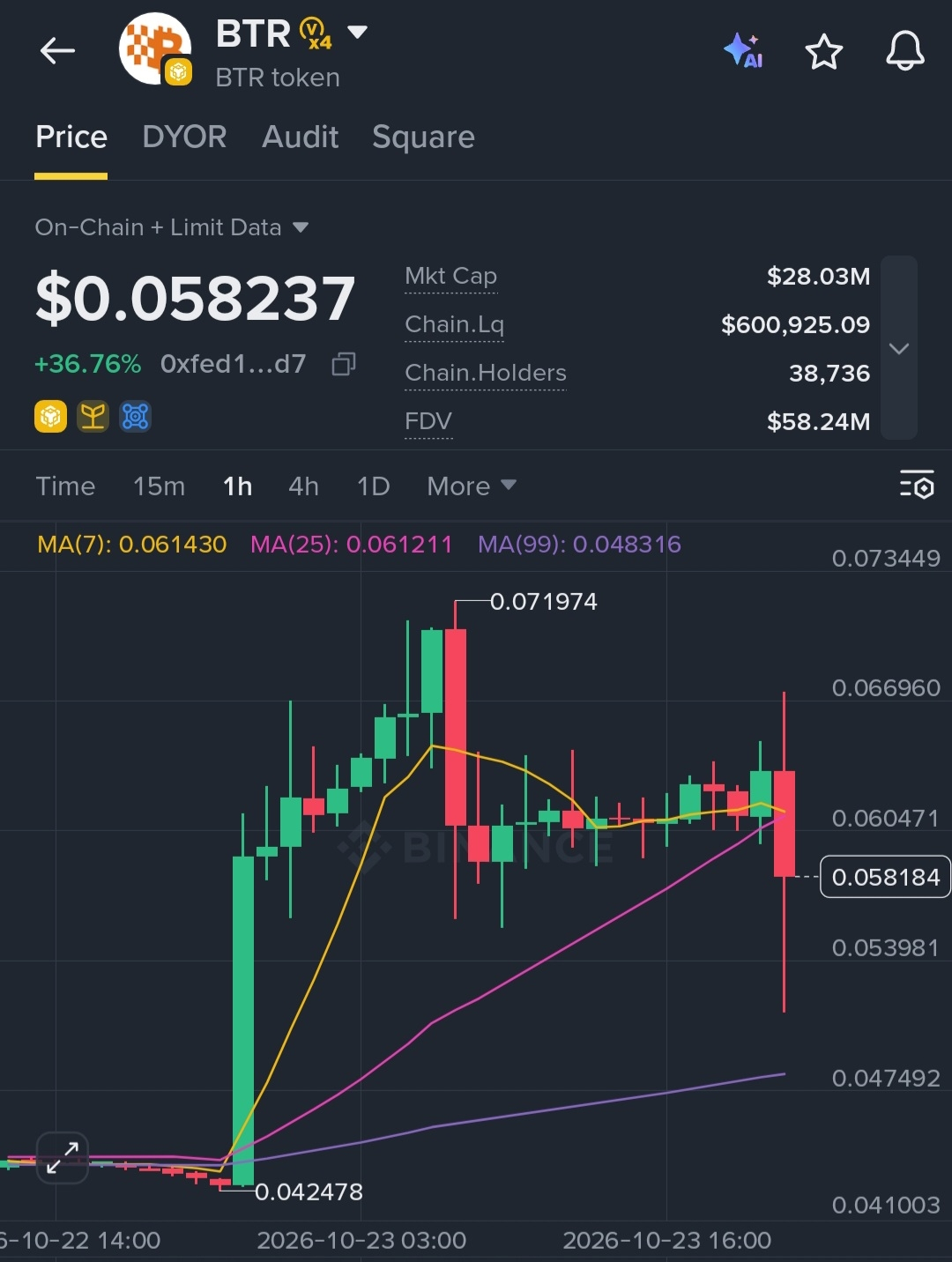
🟧 $BTR /USDT — 🟢 LONG · Conf 80%
━━━━━━━━━━━━━━
📍 Entry: 0.0580623 – 0.0584117
🛑 SL: 0.0432370
🎯 TP1: 0.0611489
✅ TP2: 0.0634783
🏆 TP3: 0.0669726
━━━━━━━━━━━━━━
🔎 MA25 (0.061211) is still above MA99 (0.048316), so the larger trend holds while 1H wobbles under MA25 (reclaim needed).
🧠 $BTR : Binance Alpha token; $28.03M mkt cap vs $58.24M FDV (~48% circulating) with only $600,925 chain liquidity.
💬 After a 37% day, is losing MA25 a normal reset or lower-high distribution?
#BTR #Alpha #BTRFLY #BTRST #web3
{future}(BTRUSDT)
🟧 $BTR /USDT — 🟢 LONG · Conf 80%
━━━━━━━━━━━━━━
📍 Entry: 0.0580623 – 0.0584117
🛑 SL: 0.0432370
🎯 TP1: 0.0611489
✅ TP2: 0.0634783
🏆 TP3: 0.0669726
━━━━━━━━━━━━━━
🔎 MA25 (0.061211) is still above MA99 (0.048316), so the larger trend holds while 1H wobbles under MA25 (reclaim needed).
🧠 $BTR : Binance Alpha token; $28.03M mkt cap vs $58.24M FDV (~48% circulating) with only $600,925 chain liquidity.
💬 After a 37% day, is losing MA25 a normal reset or lower-high distribution?
#BTR #Alpha #BTRFLY #BTRST #web3
━━━━━━━━━━━━━━
📍 Entry: 0.0580623 – 0.0584117
🛑 SL: 0.0432370
🎯 TP1: 0.0611489
✅ TP2: 0.0634783
🏆 TP3: 0.0669726
━━━━━━━━━━━━━━
🔎 MA25 (0.061211) is still above MA99 (0.048316), so the larger trend holds while 1H wobbles under MA25 (reclaim needed).
🧠 $BTR : Binance Alpha token; $28.03M mkt cap vs $58.24M FDV (~48% circulating) with only $600,925 chain liquidity.
💬 After a 37% day, is losing MA25 a normal reset or lower-high distribution?
#BTR #Alpha #BTRFLY #BTRST #web3

1
489

·
--
Partly True
$BTR تشهد عملة BTR (المعروفة كرمز لمنصة Bitrue وأيضاً مشروع Bitlayer) اهتماماً ملحوظاً في سوق العملات الرقمية مع نهاية شهر أغسطس 2026، حيث تتأثر بتحركات السوق الإجمالية والتطورات التقنية الخاصة بالنظام البيئي.
أبرز العوامل المؤثرة على BTR حالياً:
الأداء السعري والتذبذب: تتداول العملة ضمن مستويات التجميع السعرية بعد موجات متفرقة من الارتفاعات التي شهدتها بعض العملات البديلة خلال الشهر.
تطورات النظام البيئي: يركز مشروع Bitlayer على تطوير بروتوكولات الربط وحلول التوسع لشبكة البيتكوين (Layer 2)، بينما تواصل منصة Bitrue تعزيز الخدمات المقدمة لحاملي رمز BTR من حوافز التداول والتخزين (Staking).
معنويات السوق: تظل النظرة العامة متأثرة بتحركات البيتكوين والسيولة الموجهة للعملات المتوسطة والصغيرة.
مؤشرات وأرقام سريعة (30 أغسطس 2026)
المؤشرالتقدير الحاليالنطاق السعري لـ Bitrue Coin (BTR)~$0.0150 - $0.0157مستوى الدعم القريب$0.0135مستوى المقاومة القريب$0.0180الاتجاه العام المدى القصيرتجميعي / حذر
تعتمد النظرة المستقبلية للعملة على مدى استمرار زخم التداول على المنصات والتقدم في تنفيذ خرائط الطريق التقنية للمشاريع المرتبطة بها.
$BTR #BTR #BTRFLY #BTRST #BTRSHORT #BTRToken
{alpha}(560xfed13d0c40790220fbde712987079eda1ed75c51)
{future}(BTRUSDT)
$BTR تشهد عملة BTR (المعروفة كرمز لمنصة Bitrue وأيضاً مشروع Bitlayer) اهتماماً ملحوظاً في سوق العملات الرقمية مع نهاية شهر أغسطس 2026، حيث تتأثر بتحركات السوق الإجمالية والتطورات التقنية الخاصة بالنظام البيئي.
أبرز العوامل المؤثرة على BTR حالياً:
الأداء السعري والتذبذب: تتداول العملة ضمن مستويات التجميع السعرية بعد موجات متفرقة من الارتفاعات التي شهدتها بعض العملات البديلة خلال الشهر.
تطورات النظام البيئي: يركز مشروع Bitlayer على تطوير بروتوكولات الربط وحلول التوسع لشبكة البيتكوين (Layer 2)، بينما تواصل منصة Bitrue تعزيز الخدمات المقدمة لحاملي رمز BTR من حوافز التداول والتخزين (Staking).
معنويات السوق: تظل النظرة العامة متأثرة بتحركات البيتكوين والسيولة الموجهة للعملات المتوسطة والصغيرة.
مؤشرات وأرقام سريعة (30 أغسطس 2026)
المؤشرالتقدير الحاليالنطاق السعري لـ Bitrue Coin (BTR)~$0.0150 - $0.0157مستوى الدعم القريب$0.0135مستوى المقاومة القريب$0.0180الاتجاه العام المدى القصيرتجميعي / حذر
تعتمد النظرة المستقبلية للعملة على مدى استمرار زخم التداول على المنصات والتقدم في تنفيذ خرائط الطريق التقنية للمشاريع المرتبطة بها.
$BTR #BTR #BTRFLY #BTRST #BTRSHORT #BTRToken
101
Log in to explore more content
Join global crypto users on Binance Square
⚡️ Get latest and useful information about crypto.
💬 Trusted by the world’s largest crypto exchange.
👍 Discover real insights from verified creators.
Email / Phone number
Trending Topics
1
#CanMarketsReboundAfterThanksgiving?
135,592 views
1,664 Discussing
2
#CouldSpaceX’sOrbitalDataCentersBoostAIChipDemand?
65,225 views
1,020 Discussing
3
#SouthKoreaProposesMandatoryDigitalAssetTransactionDisclosure
1,570 views
57 Discussing
4
#EvolveAtBinanceBlockchainWeek
780,799 views
9,781 Discussing
5
#KoreaFSCSeeksPowerToSuspendCryptoListings
14,112 views
244 Discussing
6
#SouthKoreaPlansToRequireTetherCircleLocalReserves
11,569 views
180 Discussing
7
#UKFCAReportedlyPlansDeFiAuthorizationRules
9,414 views
115 Discussing
8
#ZcashDevelopersUrgeZECMoveToIronwood
18,213 views
115 Discussing
9
#TetherGoldFaces$2.55BUnrealizedLoss
2,070 views
12 Discussing
10
#CorePCEBeatLiftsFedHikeOdds
269,254 views
1,769 Discussing