
币圈气氛组
227 Posts

币圈气氛组
Report
Block User
Memecoin Trader | Vibe Committee
Frequent Trader
2.4 Years
15 Following
682 Followers
2.1K+ Liked
Posts
All
Videos
·
--
Article
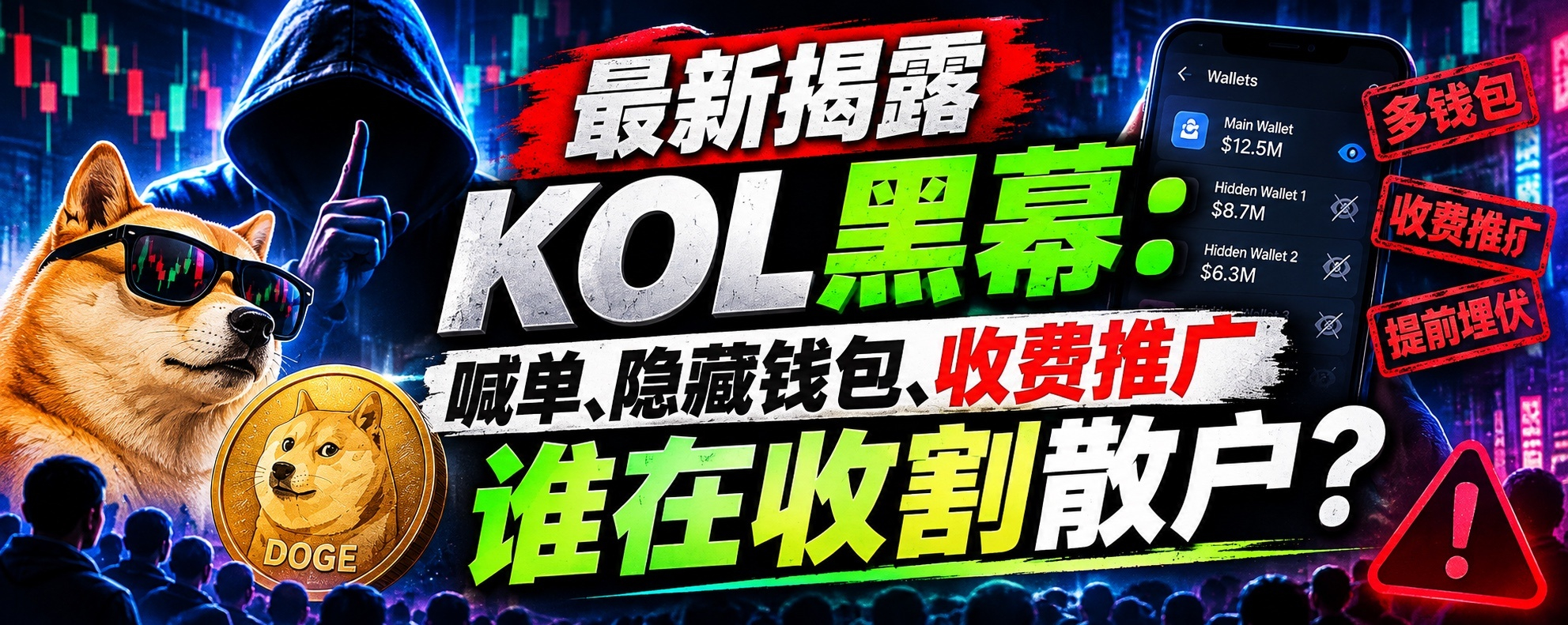
Latest exposé of KOL schemes: trading calls, hidden wallets, paid promotions—who’s profiting at retail traders’ expense?Do you think top trading KOLs rely on their trading skills?
Sometimes, the real money may come not just from trading, but from an entire business built around traffic, promotion, wallets, and market sentiment.
Recently, a KOL controversy has erupted in the overseas crypto community.
It began when on-chain analytics platform Bubblemaps published a scathing post, claiming that some top trading KOLs use public wallets to attract copy traders, while trading and selling through other wallets.
Then Sahil Arora made public a batch of purported private chat logs, screenshots of transfers, and promotional partnership materials, targeting well-known figures in the community such as Ansem, Machi Big Brother, and Mario Nawfal.
Latest exposé of KOL schemes: trading calls, hidden wallets, paid promotions—who’s profiting at retail traders’ expense?
Do you think top trading KOLs rely on their trading skills?
Sometimes, the real money may come not just from trading, but from an entire business built around traffic, promotion, wallets, and market sentiment.
Recently, a KOL controversy has erupted in the overseas crypto community.
It began when on-chain analytics platform Bubblemaps published a scathing post, claiming that some top trading KOLs use public wallets to attract copy traders, while trading and selling through other wallets.
Then Sahil Arora made public a batch of purported private chat logs, screenshots of transfers, and promotional partnership materials, targeting well-known figures in the community such as Ansem, Machi Big Brother, and Mario Nawfal.
2
12
·
--
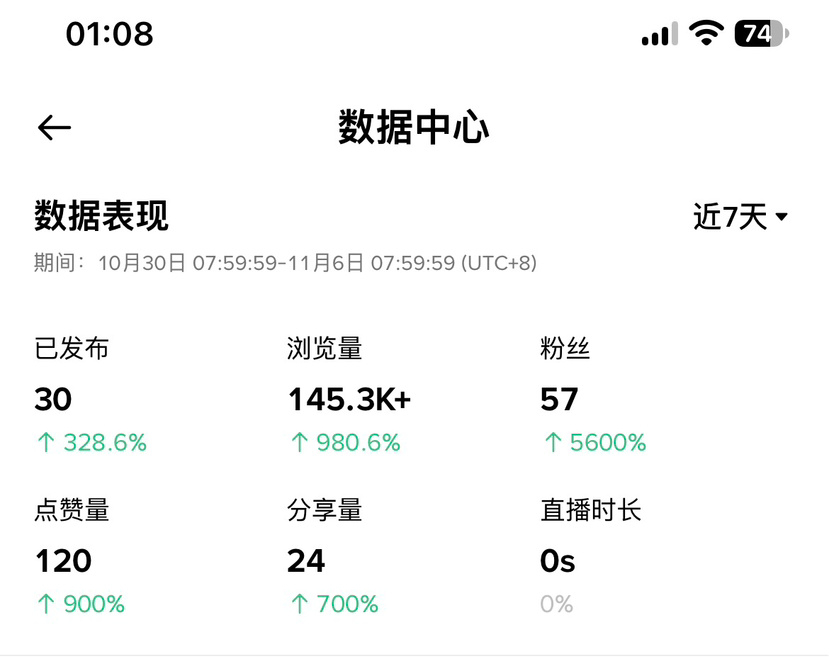
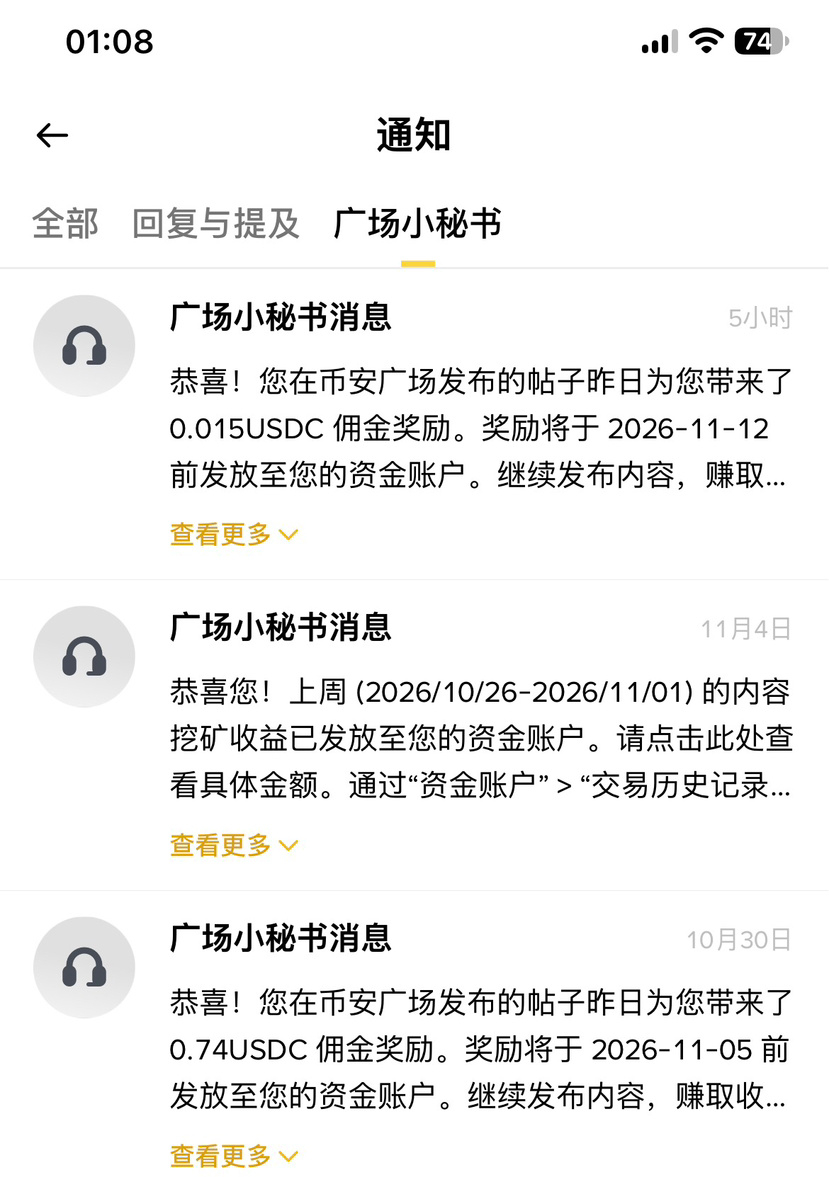
Binance Square still gets some traffic these days!
But the revenue isn't great anymore. How can I improve it? $BNB
Binance Square still gets some traffic these days!
But the revenue isn't great anymore. How can I improve it? $BNB
But the revenue isn't great anymore. How can I improve it? $BNB
1
176
·
--
Verified
🐕 $DOGE, Dogecoin is trying to move beyond the meme era!
Recently, Dogecoin Labs officially launched, bringing together the MyDoge wallet, the DogeOS app platform, and the Such App payment tool.
From wallets and the developer ecosystem to QR code payments at merchants, the DOGE community is working to give Dogecoin more real-world use cases.
And with the attention Elon Musk has brought to it over the years, DOGE’s story is clearly about more than just an internet meme.
Memes are the starting point; the ecosystem is the next step!
I remain bullish on DOGE. In the next meme rally, Dogecoin deserves a closer look! 🐕🚀
$DOGE
🐕 $DOGE , Dogecoin is trying to move beyond the meme era!
Recently, Dogecoin Labs officially launched, bringing together the MyDoge wallet, the DogeOS app platform, and the Such App payment tool.
From wallets and the developer ecosystem to QR code payments at merchants, the DOGE community is working to give Dogecoin more real-world use cases.
And with the attention Elon Musk has brought to it over the years, DOGE’s story is clearly about more than just an internet meme.
Memes are the starting point; the ecosystem is the next step!
I remain bullish on DOGE. In the next meme rally, Dogecoin deserves a closer look! 🐕🚀
$DOGE

1
617
·
--
Verified
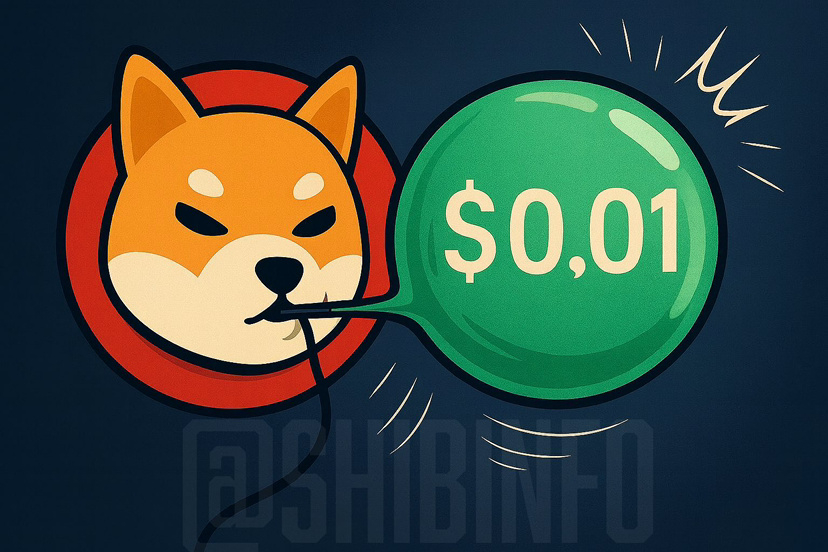
🐕 $SHIB, a true community is about more than just slogans!
Many meme communities only care about price, but the ShibArmy has always been working to build the ecosystem.
Shibarium continues to grow, cross-chain swaps have launched, and ShibDAO has begun advancing community governance.
From a single Shiba Inu at the beginning to an ever-expanding ecosystem today, SHIB clearly wants to be more than just a meme.
Market trends come and go, but communities that keep building are worth paying attention to.
SHIB Army, can you prove yourselves again in the next cycle? 🐕🔥
$SHIB
🐕 $SHIB , a true community is about more than just slogans!
Many meme communities only care about price, but the ShibArmy has always been working to build the ecosystem.
Shibarium continues to grow, cross-chain swaps have launched, and ShibDAO has begun advancing community governance.
From a single Shiba Inu at the beginning to an ever-expanding ecosystem today, SHIB clearly wants to be more than just a meme.
Market trends come and go, but communities that keep building are worth paying attention to.
SHIB Army, can you prove yourselves again in the next cycle? 🐕🔥
$SHIB
3
913
·
--
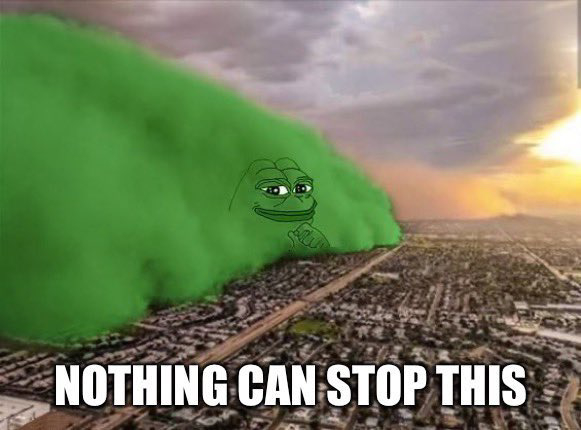
🐸 BTC pulls back, and Meme funds start looking for a new direction!
The market has recently gone through a round of deleveraging, and risk appetite is looking for a new outlet.
Notably, PEPE has shown some relative strength recently. The liquidity and community consensus behind this established Meme coin remain its advantages.
My view is simple:
If the next Meme rally gets underway, PEPE deserves another spot on your watchlist!
$PEPE—don't underestimate this frog! 🐸
Personal opinion only; not investment advice.
1
789
·
--
Verified
Article
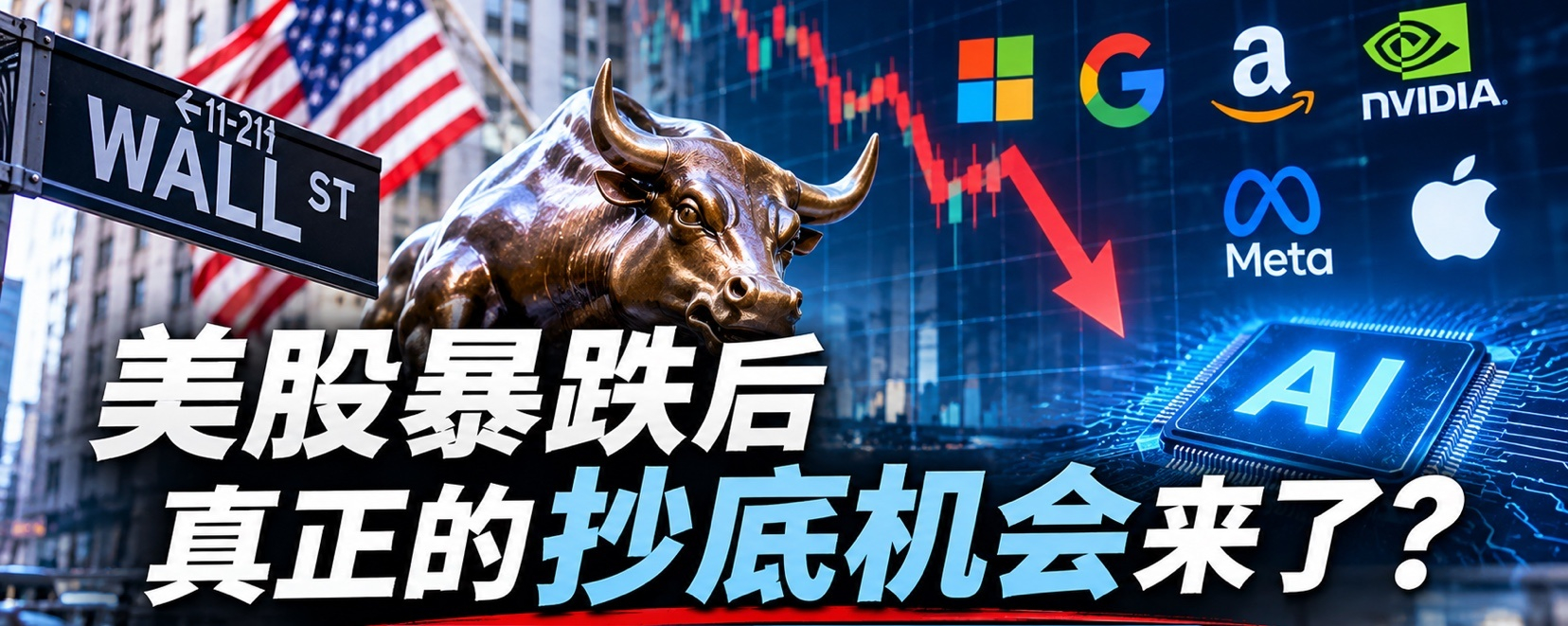
After the U.S. stock market plunge, is the real buying opportunity here? These 6 stocks deserve a closer look!U.S. stocks have undergone a sharp correction, with the Nasdaq falling for several consecutive sessions and AI chipmakers and tech stocks facing a wave of selling.
Many investors are starting to wonder: Is the AI rally over?
My view is exactly the opposite.
The long-term growth story of the AI industry hasn’t changed because of a single election or a short-term market correction. But the market is changing: in the past, anything associated with AI could rise; now investors are taking a closer look at companies’ profitability, cash flow, and returns on investment.
This means the next rally may not lift all AI stocks together. Instead, investors may redirect their money toward companies with a genuine competitive edge.
After the U.S. stock market plunge, is the real buying opportunity here? These 6 stocks deserve a closer look!
U.S. stocks have undergone a sharp correction, with the Nasdaq falling for several consecutive sessions and AI chipmakers and tech stocks facing a wave of selling.
Many investors are starting to wonder: Is the AI rally over?
My view is exactly the opposite.
The long-term growth story of the AI industry hasn’t changed because of a single election or a short-term market correction. But the market is changing: in the past, anything associated with AI could rise; now investors are taking a closer look at companies’ profitability, cash flow, and returns on investment.
This means the next rally may not lift all AI stocks together. Instead, investors may redirect their money toward companies with a genuine competitive edge.
1
429
·
--
Article
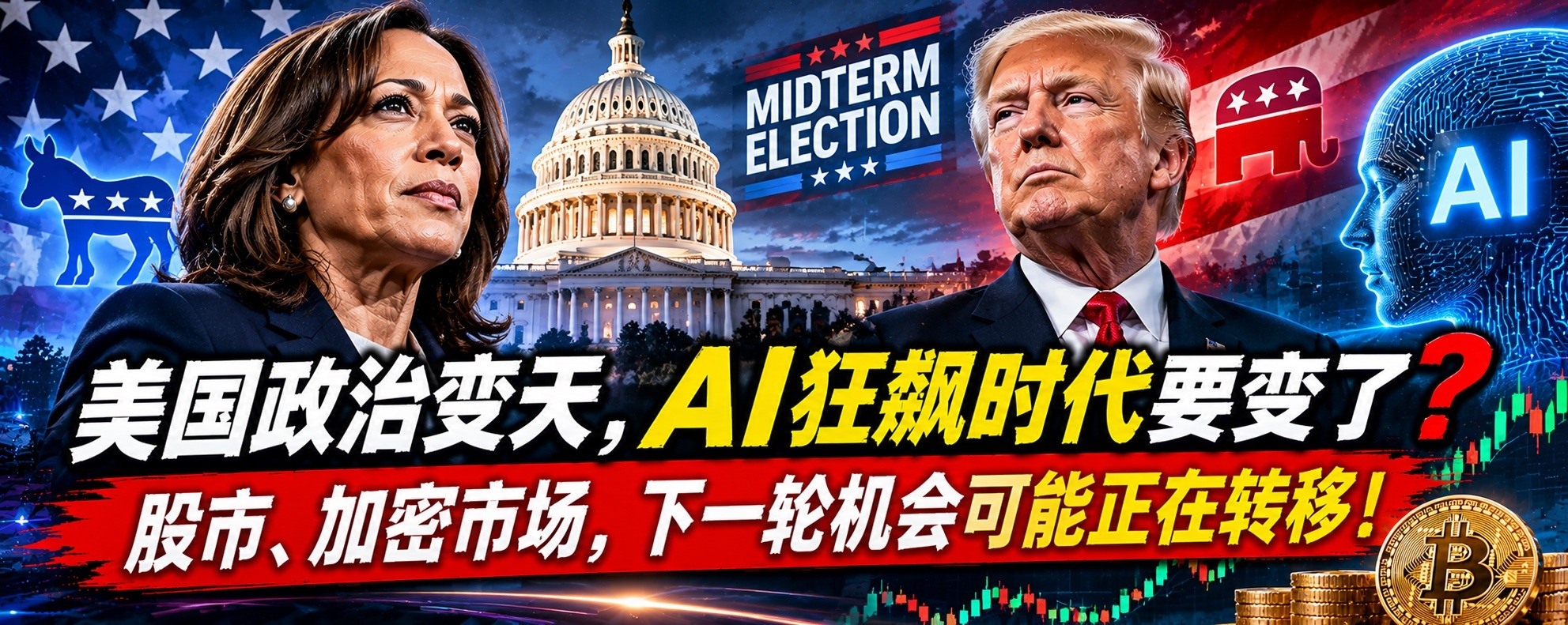
A political shake-up in the U.S.—is the era of AI’s meteoric rise about to change? The next wave of opportunities may be shifting across stocks and crypto!The U.S. midterm elections have ended, with Democrats taking control of both the House and the Senate.
The impact on the tech industry could be greater than many people expect.
Over the past two years, the Trump administration has pushed for deregulation and support for AI infrastructure development, while U.S. tech giants have poured money into data centers, chips, and computing power. AI has become one of the most important growth stories in the U.S. stock market.
But now, the political landscape in Washington has changed.
First, the AI industry may face tighter regulation.
Democrats are already preparing to advance a series of AI bills, focusing on requiring large AI models to undergo independent safety evaluations, clarifying companies’ liability when their AI products cause harm, and limiting data centers’ ability to pass electricity costs on to ordinary residents.
A political shake-up in the U.S.—is the era of AI’s meteoric rise about to change? The next wave of opportunities may be shifting across stocks and crypto!
The U.S. midterm elections have ended, with Democrats taking control of both the House and the Senate.
The impact on the tech industry could be greater than many people expect.
Over the past two years, the Trump administration has pushed for deregulation and support for AI infrastructure development, while U.S. tech giants have poured money into data centers, chips, and computing power. AI has become one of the most important growth stories in the U.S. stock market.
But now, the political landscape in Washington has changed.
First, the AI industry may face tighter regulation.
Democrats are already preparing to advance a series of AI bills, focusing on requiring large AI models to undergo independent safety evaluations, clarifying companies’ liability when their AI products cause harm, and limiting data centers’ ability to pass electricity costs on to ordinary residents.
3
6.2k

·
--
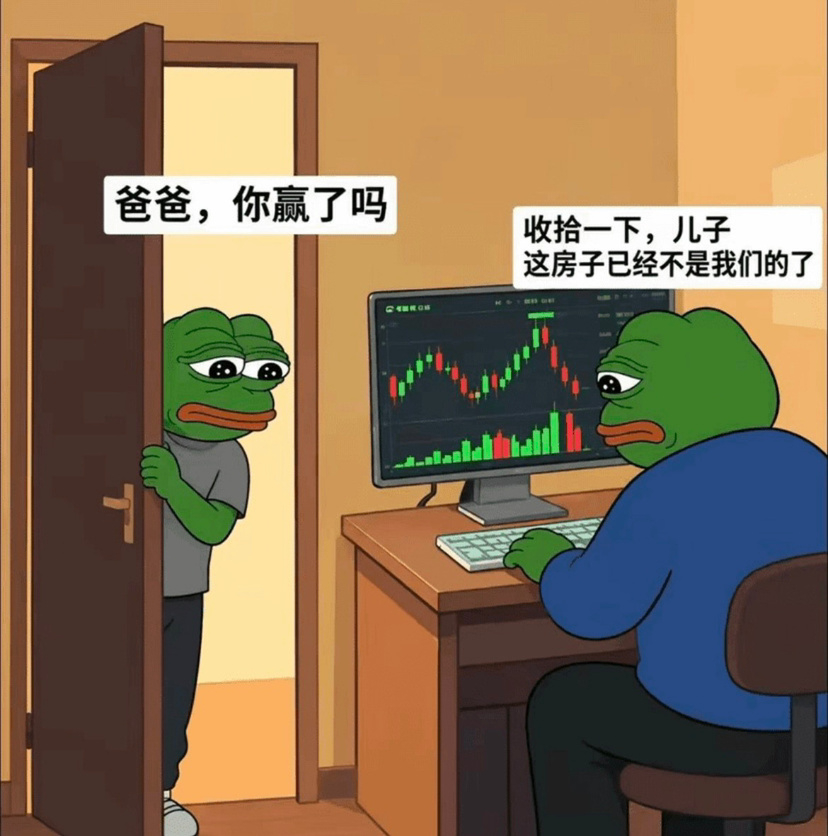
I'm starting to feel bullish on $PEPE again.
The real drivers behind Meme coin rallies are often not technology, but attention, traffic, and consensus.
Here are a few recent signals worth watching:
1. Social buzz is picking up: PEPE has returned to the center of market discussions, with fresh catalysts from KOL commentary, social sharing, and growing community interest.
2. Whales are making moves: Reports say that an address linked to Justin Sun recently held a large amount of PEPE, and market interest in whale positioning has clearly heated up.
3. Trading activity: The latest data shows PEPE's 24-hour trading volume at around $380 million, with its daily gain briefly exceeding 10%.
4. Brand strength: PEPE is already one of the most recognizable Meme IPs worldwide. If the market enters a Meme season, it has a natural advantage in spreading.
What matters to me isn't how much it's gained today, but whether it has regained the market's attention.
If social buzz continues to grow, trading volume follows, and on-chain funds keep flowing in, PEPE still has a chance to become a core asset in the next Meme rally.
Sometimes the Meme market doesn't need a new story—it needs an old IP that can bring everyone back to a shared consensus.
And PEPE is worth keeping a close eye on. 🐸
Of course, whale holdings don't necessarily mean continued buying, and the potential selling pressure from hacker-related addresses shouldn't be ignored. Being bullish doesn't mean blindly chasing the price higher. $PEPE
2
7
7.6k
·
--
Verified
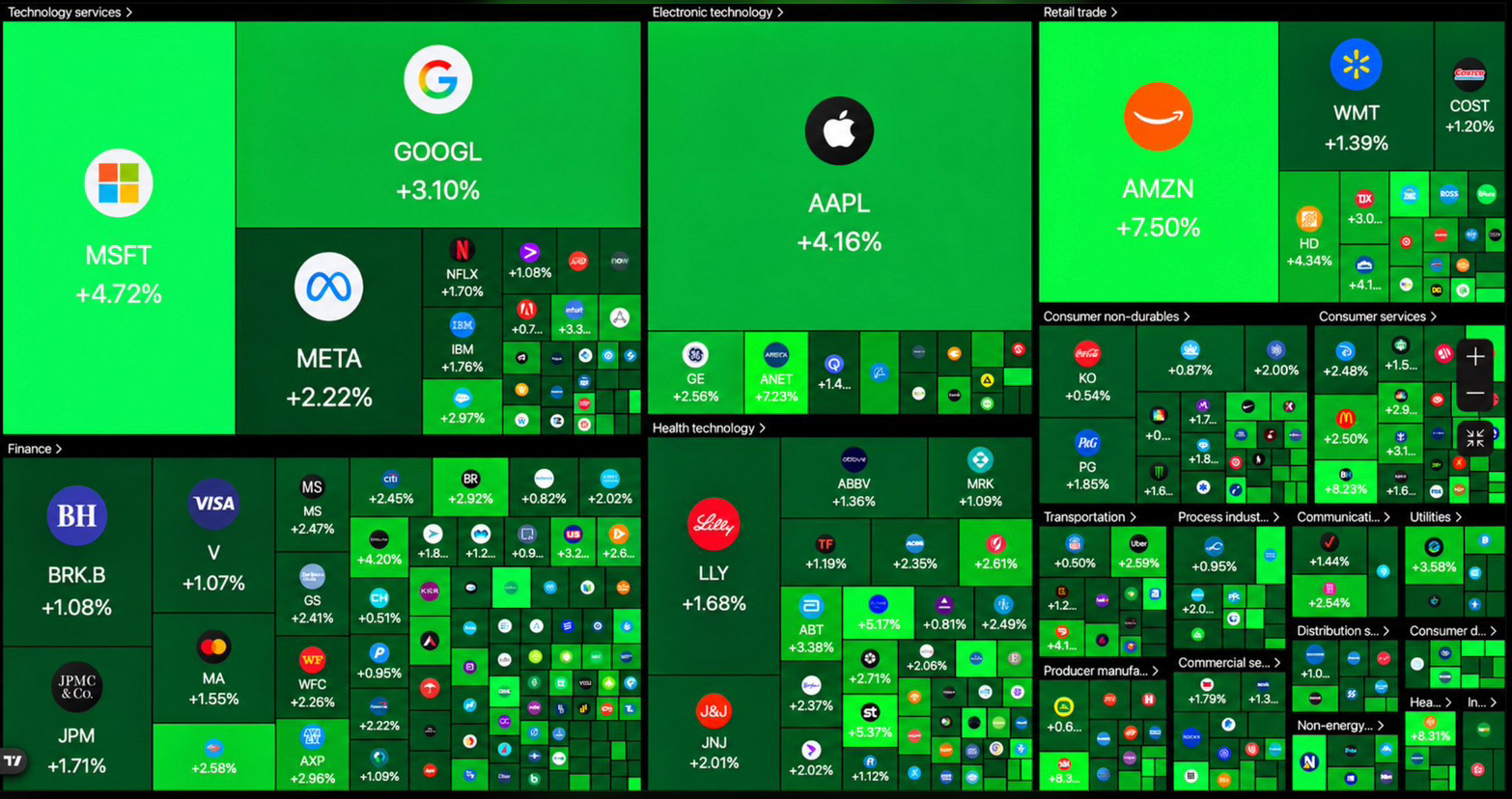
The U.S. stock market saw an unexpected rally!
On November 4, the Democratic Party won control of both the House of Representatives and the Senate in the midterm elections, ending the Republicans’ previous control of both chambers of Congress.
After the news was announced, U.S. stocks rebounded strongly.
Amazon rose about 7.4%, Apple gained nearly 7%, and Microsoft, Google, and Meta also climbed.
According to Reuters, if the gains hold, the combined market value of these five tech giants could increase by more than $750 billion.
Interestingly, the market didn’t panic over the Democrats regaining power. Instead, investors bet that a divided Congress would limit major policy shifts and reduce market uncertainty.
However, not everyone in the AI industry is benefiting. Fears that the Democrats will tighten regulation of data centers have instead triggered sell-offs in companies that provide related infrastructure.
This rally is another reminder that capital markets trade not only on economic data, but also on expectations for future policy and the shape of the industry.
2
4.7k
·
--
Article
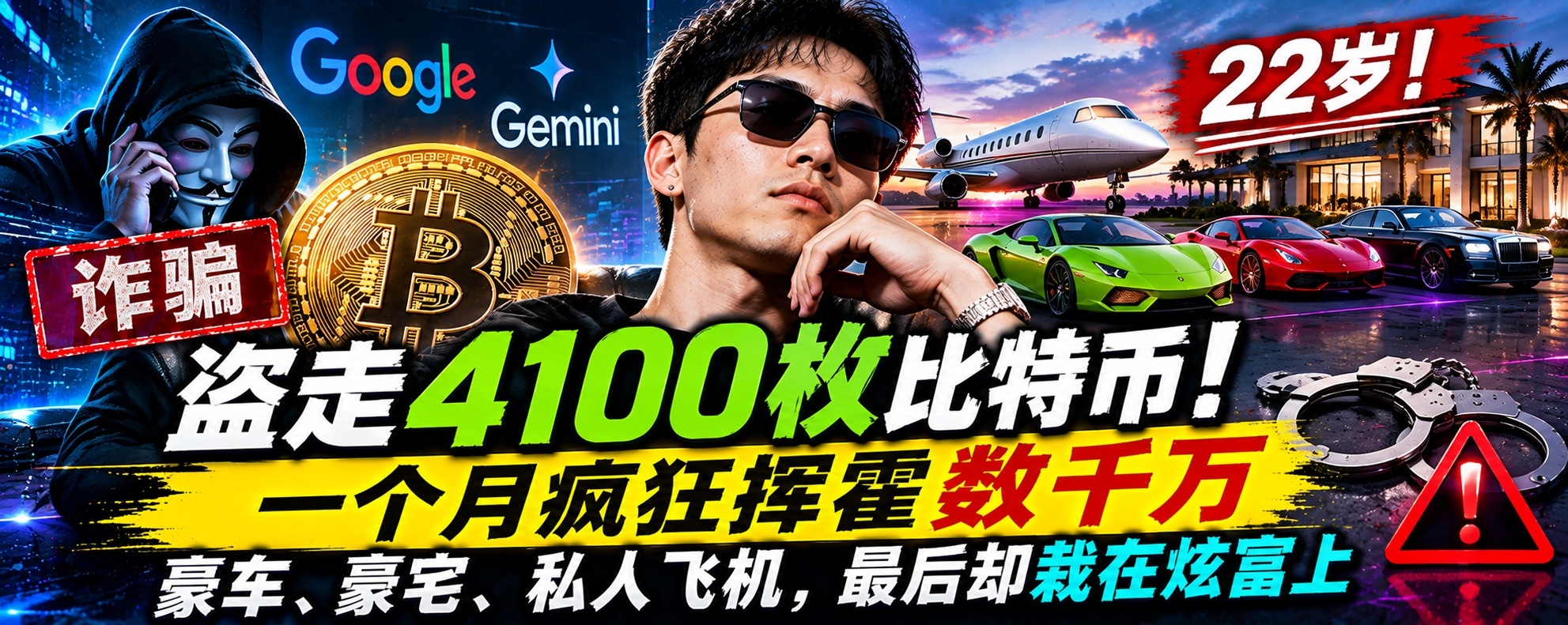
22-Year-Old Steals 4,100 Bitcoin! He Blows Tens of Millions in a Month on Luxury Cars, Mansions, and Private Jets—Only to Get Caught Showing Off!What would a 22-year-old do if he suddenly came into possession of more than $200 million worth of Bitcoin?
Malone Lam’s answer was: buy luxury cars, rent a mansion, fly on private jets, and spend lavishly at nightclubs.
But this money wasn’t earned by him.
In August 2024, a cryptocurrency holder in Washington, D.C., was suddenly targeted in a carefully planned scam.
Malone Lam and his accomplices set their sights on a victim holding a large amount of crypto assets.
They didn’t attack an exchange directly or crack some complex smart contract. Instead, they used a method that could more easily lull people into a false sense of security: impersonating official staff.
22-Year-Old Steals 4,100 Bitcoin! He Blows Tens of Millions in a Month on Luxury Cars, Mansions, and Private Jets—Only to Get Caught Showing Off!
What would a 22-year-old do if he suddenly came into possession of more than $200 million worth of Bitcoin?
Malone Lam’s answer was: buy luxury cars, rent a mansion, fly on private jets, and spend lavishly at nightclubs.
But this money wasn’t earned by him.
In August 2024, a cryptocurrency holder in Washington, D.C., was suddenly targeted in a carefully planned scam.
Malone Lam and his accomplices set their sights on a victim holding a large amount of crypto assets.
They didn’t attack an exchange directly or crack some complex smart contract. Instead, they used a method that could more easily lull people into a false sense of security: impersonating official staff.
1
5
4.1k
·
--
Article
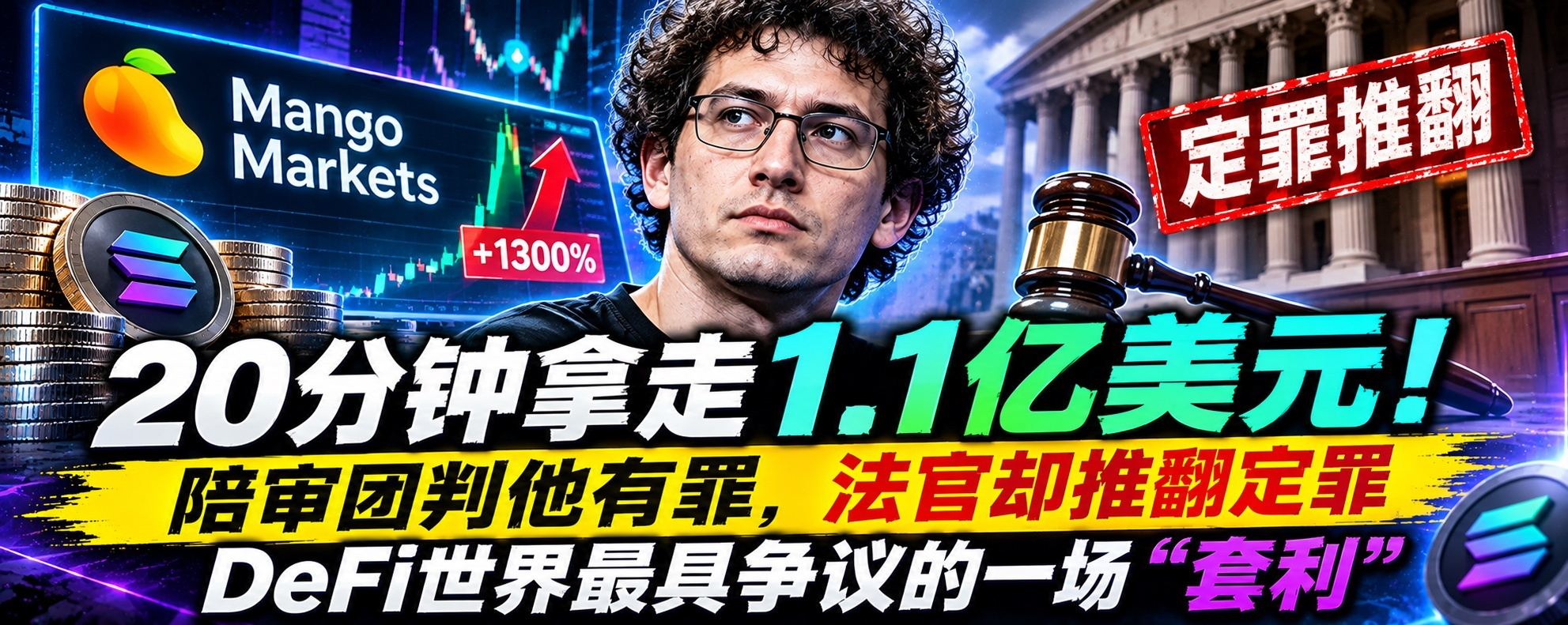
He Walked Away with $110 Million in 20 Minutes! A Jury Found Him Guilty, but the Judge Suddenly Overturned the Conviction: DeFi’s Most Controversial “Arbitrage”!In October 2022, an incident rocked the entire crypto industry at Mango Markets, a DeFi platform in the Solana ecosystem.
A trader named Avraham Eisenberg used around $5 million in funds to ultimately walk away with about $110 million worth of crypto assets from the platform.
The key move in the whole operation was neither cracking a private key nor attacking a server, but exploiting the platform’s pricing mechanism.
What exactly did he do?
Simply put, Mango Markets allowed users to borrow funds using assets in their accounts as collateral.
The platform used an oracle to obtain token prices, then calculated how much users could borrow based on the value of their collateral.
He Walked Away with $110 Million in 20 Minutes! A Jury Found Him Guilty, but the Judge Suddenly Overturned the Conviction: DeFi’s Most Controversial “Arbitrage”!
In October 2022, an incident rocked the entire crypto industry at Mango Markets, a DeFi platform in the Solana ecosystem.
A trader named Avraham Eisenberg used around $5 million in funds to ultimately walk away with about $110 million worth of crypto assets from the platform.
The key move in the whole operation was neither cracking a private key nor attacking a server, but exploiting the platform’s pricing mechanism.
What exactly did he do?
Simply put, Mango Markets allowed users to borrow funds using assets in their accounts as collateral.
The platform used an oracle to obtain token prices, then calculated how much users could borrow based on the value of their collateral.
2
1.8k
·
--

Article
He stole 50,000 bitcoins from the dark web and hid them in a popcorn tin! When police found them, they were worth more than $3.3 billion!If you stole 50,000 bitcoins in 2012, hid them away, and left them untouched for ten years, what would happen to you?
That’s exactly what James Zhong did.
In 2012, the dark web marketplace Silk Road was still operating. The site was known for anonymous transactions, and payments on the platform were made using Bitcoin.
James Zhong discovered a vulnerability in the platform’s withdrawal system.
He didn’t sell anything or buy anything. Instead, he registered about nine accounts, deposited Bitcoin into them, then exploited the system vulnerability to make rapid, repeated withdrawals.
The U.S. Department of Justice disclosed that in one instance, he deposited 500 BTC, then, in less than five seconds, made five consecutive withdrawals of 500 BTC each, netting 2,000 BTC.
He stole 50,000 bitcoins from the dark web and hid them in a popcorn tin! When police found them, they were worth more than $3.3 billion!
If you stole 50,000 bitcoins in 2012, hid them away, and left them untouched for ten years, what would happen to you?
That’s exactly what James Zhong did.
In 2012, the dark web marketplace Silk Road was still operating. The site was known for anonymous transactions, and payments on the platform were made using Bitcoin.
James Zhong discovered a vulnerability in the platform’s withdrawal system.
He didn’t sell anything or buy anything. Instead, he registered about nine accounts, deposited Bitcoin into them, then exploited the system vulnerability to make rapid, repeated withdrawals.
The U.S. Department of Justice disclosed that in one instance, he deposited 500 BTC, then, in less than five seconds, made five consecutive withdrawals of 500 BTC each, netting 2,000 BTC.
1
1.8k
·
--
Article
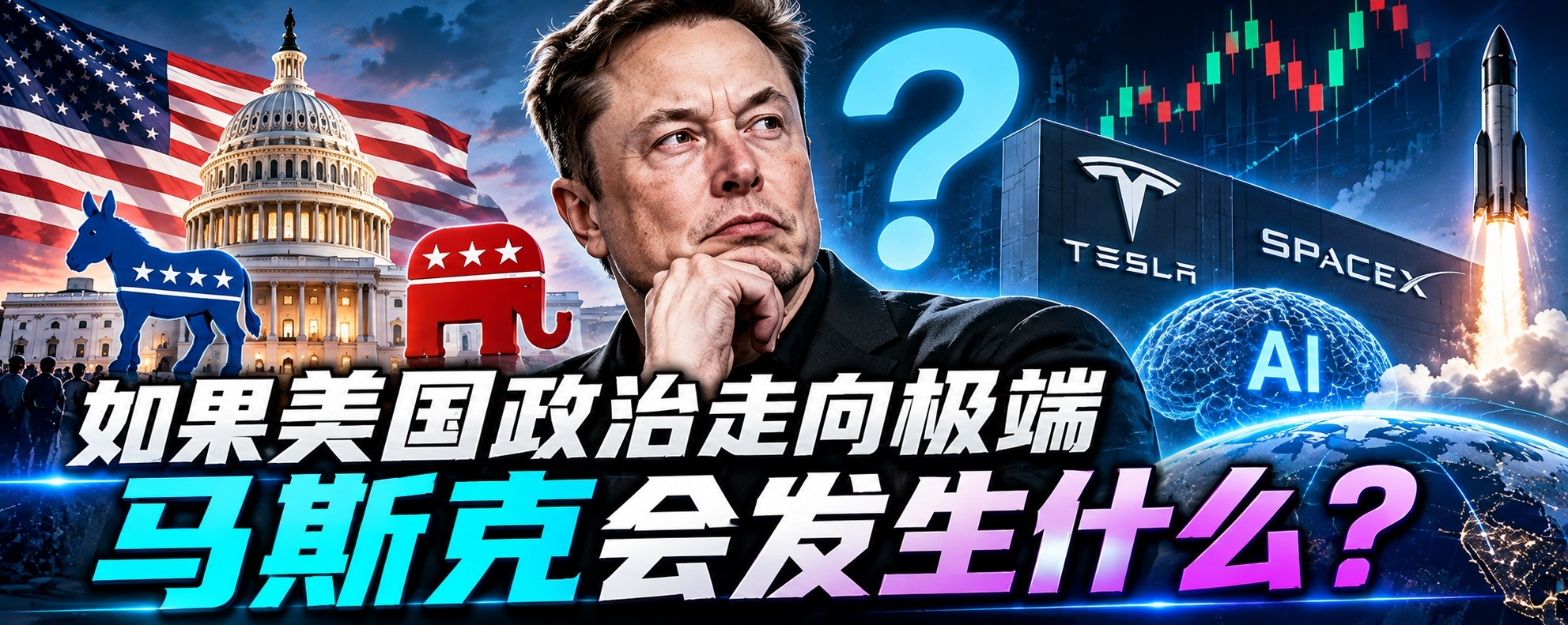
What Would Happen to Musk If American Politics Took an Extreme Turn? His Real Vulnerability May Not Be Money!Elon Musk may be facing the most complex challenge of his business career.
Over the past few years, he has not only been one of the world’s most influential entrepreneurs, but has also gradually become a figure in American politics who cannot be ignored.
He owns Tesla, controls SpaceX and Starlink, runs the social platform X, is investing in AI and chip infrastructure, and is directly involved in politics—supporting candidates and publicly expressing his political views.
The question is: When a business empire is deeply intertwined with political power, what happens if the political climate changes dramatically?
What Would Happen to Musk If American Politics Took an Extreme Turn? His Real Vulnerability May Not Be Money!
Elon Musk may be facing the most complex challenge of his business career.
Over the past few years, he has not only been one of the world’s most influential entrepreneurs, but has also gradually become a figure in American politics who cannot be ignored.
He owns Tesla, controls SpaceX and Starlink, runs the social platform X, is investing in AI and chip infrastructure, and is directly involved in politics—supporting candidates and publicly expressing his political views.
The question is: When a business empire is deeply intertwined with political power, what happens if the political climate changes dramatically?
1
1.5k
·
--
Article
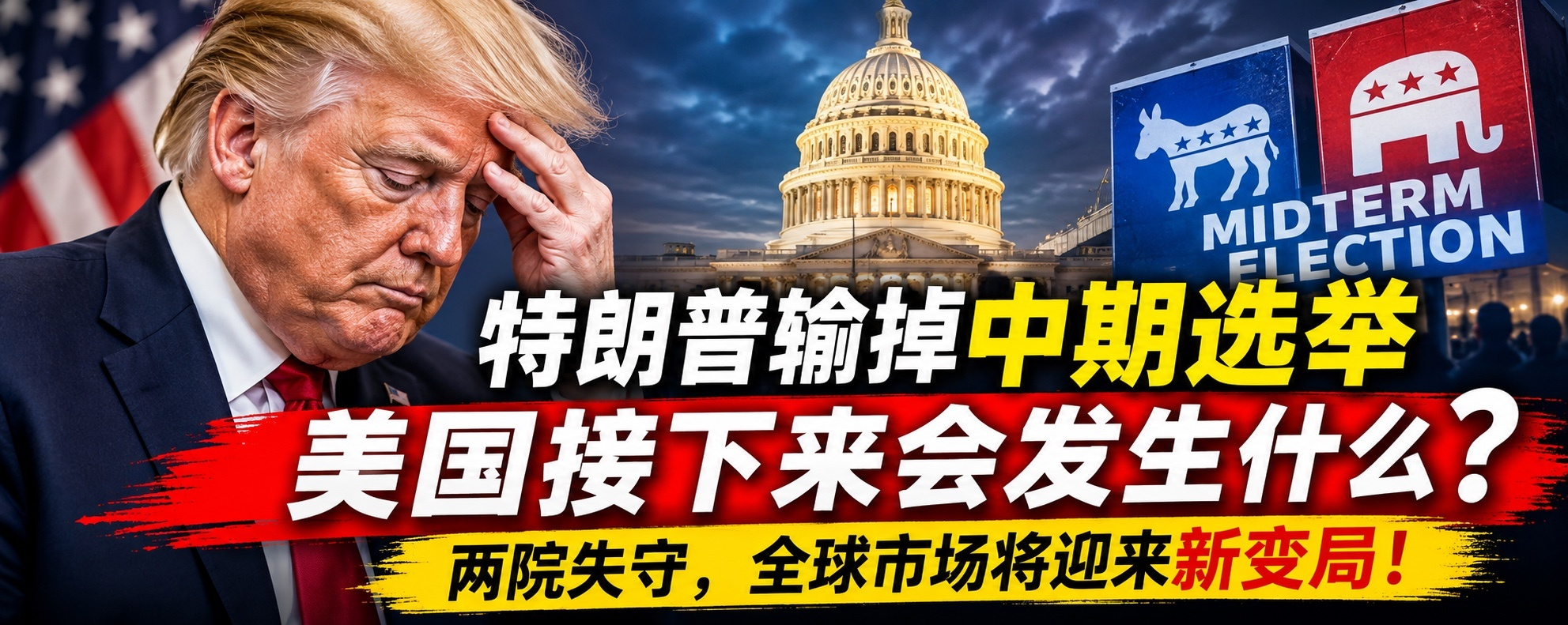
Trump Loses the Midterm Elections: What Happens Next in the U.S.? With Both Chambers Lost, What Political Storm Awaits Over the Next Two Years?The U.S. midterm elections concluded on November 3, 2026.
The result surprised many: Democrats not only retook the House of Representatives, but also won the Senate. Republicans lost control of both chambers of Congress, leaving the Trump administration in a very difficult position after two years in office.
What really matters in this election is not how many seats the Democrats won, but how much room Trump will have to advance his policies from here on.
To understand this, we first need to clarify a key feature of the U.S. political system:
The president holds executive power, while Congress has checks and balances over legislation, budgets, oversight, and key appointments.
Trump Loses the Midterm Elections: What Happens Next in the U.S.? With Both Chambers Lost, What Political Storm Awaits Over the Next Two Years?
The U.S. midterm elections concluded on November 3, 2026.
The result surprised many: Democrats not only retook the House of Representatives, but also won the Senate. Republicans lost control of both chambers of Congress, leaving the Trump administration in a very difficult position after two years in office.
What really matters in this election is not how many seats the Democrats won, but how much room Trump will have to advance his policies from here on.
To understand this, we first need to clarify a key feature of the U.S. political system:
The president holds executive power, while Congress has checks and balances over legislation, budgets, oversight, and key appointments.
1
1
9
11.8k
·
--
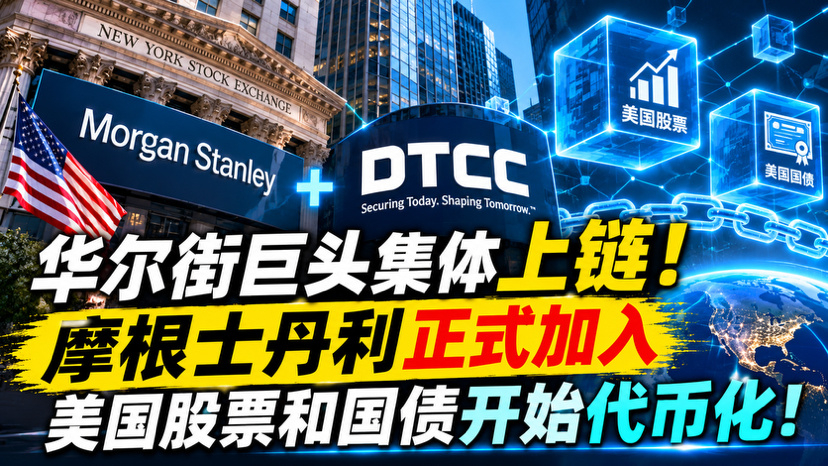
Wall Street giants are moving on-chain en masse! Morgan Stanley officially joins as U.S. stocks and Treasuries begin to be tokenized!
The convergence of traditional finance and blockchain is entering a new phase.
On November 4, The Block reported that Wall Street giant Morgan Stanley, which manages vast client assets, has begun tokenizing U.S. stocks and Treasuries using the Depository Trust & Clearing Corporation’s (DTCC) tokenization infrastructure.
This isn’t a crypto startup conducting an experiment—it’s a transformation being driven by the core infrastructure of the U.S. financial markets.
On October 28, DTCC officially launched its securities tokenization service.
A total of 20 financial institutions have signed up for the initial rollout, including Morgan Stanley, JPMorgan Chase, Citi, Bank of America, Fidelity, UBS, and State Street.
Even more noteworthy is DTCC’s scale:
The securities assets held in custody by its subsidiary, the Depository Trust Company (DTC), exceed $114 trillion.
The service’s initial offering supports 34 types of securities, representing around $30 trillion in market value, including shares of some of the largest U.S.-listed companies, ETFs, and U.S. Treasuries.
This means traditional financial markets are exploring ways to turn real financial assets, such as stocks and bonds, into digital tokens on the blockchain.
What could change?
In the future, securities could be transferred more flexibly, settled more efficiently, and managed as collateral more easily. Some on-chain asset transfers could also bypass the trading-hour restrictions of traditional markets.
Of course, this doesn’t mean the entire U.S. stock market has moved onto the blockchain, nor does it mean these securities have become freely tradable DeFi assets. Tokenized securities remain subject to regulatory, custody, and compliance requirements.
But the trend is already crystal clear:
In the past, the crypto industry worked to enter Wall Street. Now Wall Street is bringing blockchain into its own core financial infrastructure.
If stocks, Treasuries, funds, and more real-world assets can all circulate on-chain in the future, RWA may become more than just a hot concept in the crypto market—it could be an important part of the next generation of financial infrastructure.
1
7
8.1k
·
--
Article
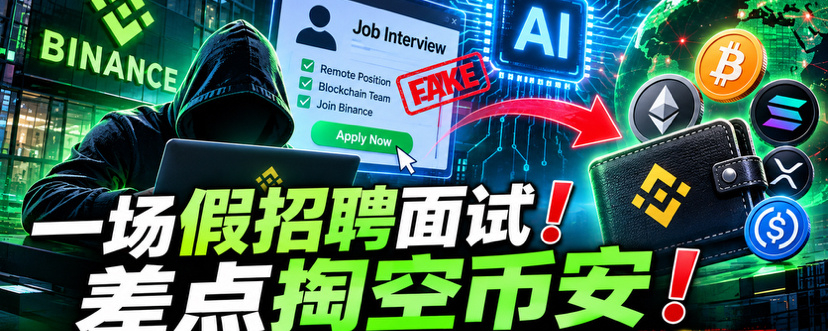
A fake interview cracked open Binance’s $6.3 billion wallet! North Korean hackers’ real killer move exposed!The most surprising thing about this attack on Binance wasn’t how sophisticated the hackers’ code was, but that it began with an ordinary job interview.
According to Binance’s preliminary investigation and a November 3 report by Reuters, the attackers used a fake hiring process to gradually infiltrate a Binance employee’s work computer, ultimately gaining access to the internal wallet-signing system.
The entire process was quite covert.
A Binance software engineer posted their résumé on a job platform and was then contacted by a stranger claiming to be a project director. The stranger said there was a potential position and wanted to discuss it further.
A fake interview cracked open Binance’s $6.3 billion wallet! North Korean hackers’ real killer move exposed!
The most surprising thing about this attack on Binance wasn’t how sophisticated the hackers’ code was, but that it began with an ordinary job interview.
According to Binance’s preliminary investigation and a November 3 report by Reuters, the attackers used a fake hiring process to gradually infiltrate a Binance employee’s work computer, ultimately gaining access to the internal wallet-signing system.
The entire process was quite covert.
A Binance software engineer posted their résumé on a job platform and was then contacted by a stranger claiming to be a project director. The stranger said there was a potential position and wanted to discuss it further.
1
1.3k
·
--

Article
Who exactly is Satoshi Nakamoto? If I had to pick one person, I suspect it’s this cryptographer!Whenever Bitcoin comes up, there’s one question we can’t avoid:
Who exactly is Satoshi Nakamoto? One person—or a team—created Bitcoin, left behind the original software, white paper, and millions of bitcoins mined in the early days, then vanished completely in 2011.
More than a decade has passed, and countless journalists, cryptographers, and investigators around the world have tried to unravel this mystery, but no answer has ever gained widespread acceptance.
I recently took another look at some of the most controversial candidates.
Interestingly, if we move the timeline further back, the person truly worth paying attention to may not be someone who later worked on Bitcoin, but someone who was already researching digital currency before Bitcoin was created.
Who exactly is Satoshi Nakamoto? If I had to pick one person, I suspect it’s this cryptographer!
Whenever Bitcoin comes up, there’s one question we can’t avoid:
Who exactly is Satoshi Nakamoto? One person—or a team—created Bitcoin, left behind the original software, white paper, and millions of bitcoins mined in the early days, then vanished completely in 2011.
More than a decade has passed, and countless journalists, cryptographers, and investigators around the world have tried to unravel this mystery, but no answer has ever gained widespread acceptance.
I recently took another look at some of the most controversial candidates.
Interestingly, if we move the timeline further back, the person truly worth paying attention to may not be someone who later worked on Bitcoin, but someone who was already researching digital currency before Bitcoin was created.
1
558
·
--
Verified
Samsung: 820,000? No, 82 million devices! SUI is vying for the next-generation payment gateway!
SUI recently announced a partnership worth watching: Samsung Wallet is integrating with the Sui network, allowing eligible Galaxy users in the U.S. to hold and transfer USDC through Samsung Wallet.
The partnership covers approximately 82 million Galaxy devices in the U.S.
More notably, Sui is also building out infrastructure for AI agents, Bitcoin-backed lending, and stablecoin payments.
In October, Sui and Google Cloud jointly developed an AI agent verification system; the Hashi mainnet also secured over $500 million in committed funding.
This shows that SUI is doing more than telling a public blockchain story—it is seeking to enter multiple markets, including payments, AI, and on-chain finance.
Of course, Samsung Wallet’s initial support is for USDC and does not directly support the SUI token, and ecosystem growth does not guarantee that the token price will rise.
But if these applications achieve real scale, SUI’s long-term value could have much greater potential.
Key things to watch next: stablecoin transaction volume, capital inflows into the ecosystem, and selling pressure from SUI unlocks. $SUI



SUI-1.98%
GOOGUS+1.10%
2
1.1k
·
--
Article
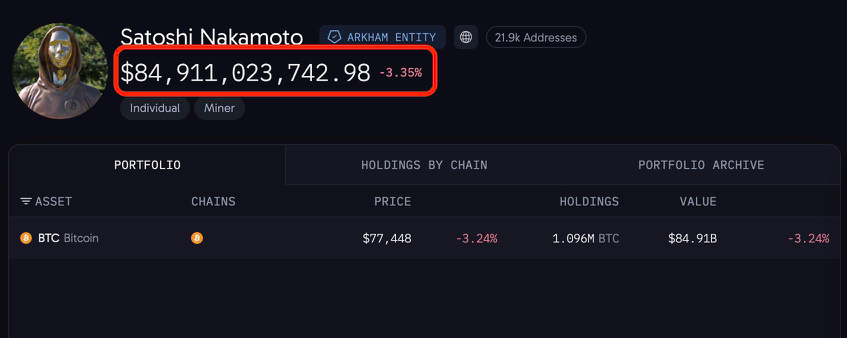
$84 billion sitting in Bitcoin addresses—why has no hacker anywhere in the world been able to take it yet?If someone told you that Bitcoin’s creator, Satoshi Nakamoto, might own more than 1 million BTC, would you find that hard to believe?
Based on analyses of early blockchain mining data, researchers used a mining pattern known as the “Patoshi Pattern” to estimate that one early miner mined about 1.1 million BTC. These bitcoins are generally believed to be associated with Satoshi Nakamoto.
At the current Bitcoin price of about $76,400, they would be worth roughly $84 billion.
But there’s an important caveat: the 1.1 million BTC figure is a research estimate, not a publicly confirmed list of assets from Satoshi Nakamoto himself. The Patoshi Pattern identifies an early miner, but whether that miner was Satoshi remains a strong inference, not cryptographic proof.
$84 billion sitting in Bitcoin addresses—why has no hacker anywhere in the world been able to take it yet?
If someone told you that Bitcoin’s creator, Satoshi Nakamoto, might own more than 1 million BTC, would you find that hard to believe?
Based on analyses of early blockchain mining data, researchers used a mining pattern known as the “Patoshi Pattern” to estimate that one early miner mined about 1.1 million BTC. These bitcoins are generally believed to be associated with Satoshi Nakamoto.
At the current Bitcoin price of about $76,400, they would be worth roughly $84 billion.
But there’s an important caveat: the 1.1 million BTC figure is a research estimate, not a publicly confirmed list of assets from Satoshi Nakamoto himself. The Patoshi Pattern identifies an early miner, but whether that miner was Satoshi remains a strong inference, not cryptographic proof.
1
1.1k
Log in to explore more content
Join global crypto users on Binance Square
⚡️ Get latest and useful information about crypto.
💬 Trusted by the world’s largest crypto exchange.
👍 Discover real insights from verified creators.
Email / Phone number
Trending Topics
JobsReportRaisesHikeOdds
510,138 views
3,291 Discussing
TradFi News | US Adds 165,000 Jobs in October, More Than Double the 65,000 Forecast, as Unemployment Falls to 4.1%
Binance News
·42 Likes
·24.1k views
CPITestsDecemberRateOutlook
145,795 views
1,080 Discussing
BitcoinRebounds$75KAsChipsLead
46,401 views
338 Discussing