
Professor James PJ
2.3k Posts

Professor James PJ
Report
Block User
Spot & Futures | Market Insights | Official Traders | Portfolio Growth | Trading Master | Twitter (X) @Professor James PJ
42 Following
2.7K+ Followers
1.2K+ Liked
Posts
All
Quotes
Live
·
--
Bearish
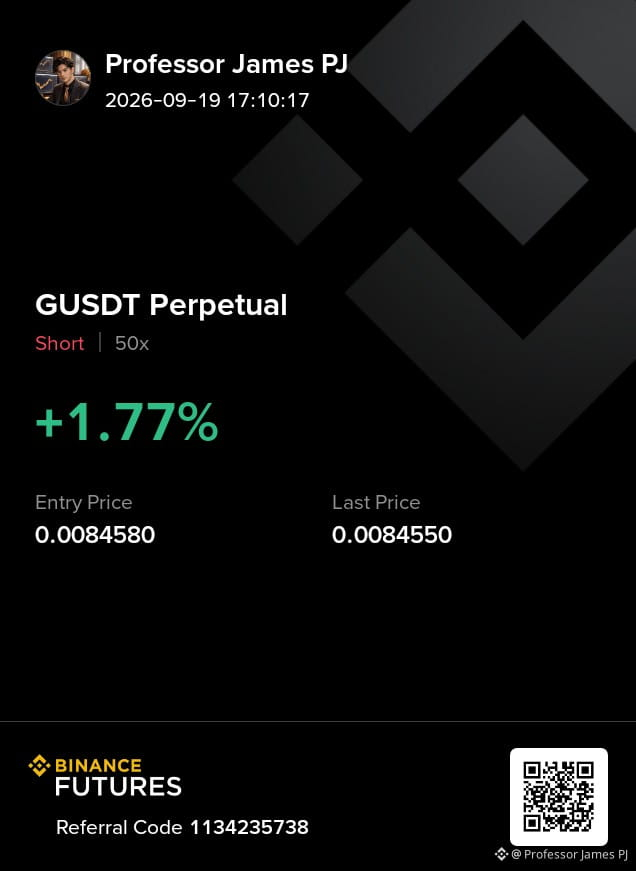
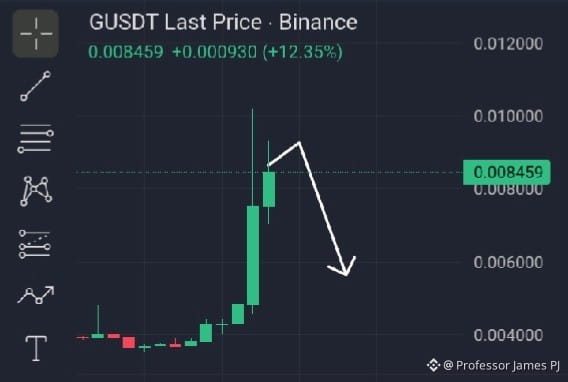
guys, crash alert...‼️...$G is in strong selling pressure at the top...‼️...Sellers pushed $G strongly...I am going short now...Soon $G hits $0.004...‼️
guys, crash alert...‼️...$G is in strong selling pressure at the top...‼️...Sellers pushed $G strongly...I am going short now...Soon $G hits $0.004...‼️
264
·
--
Bullish
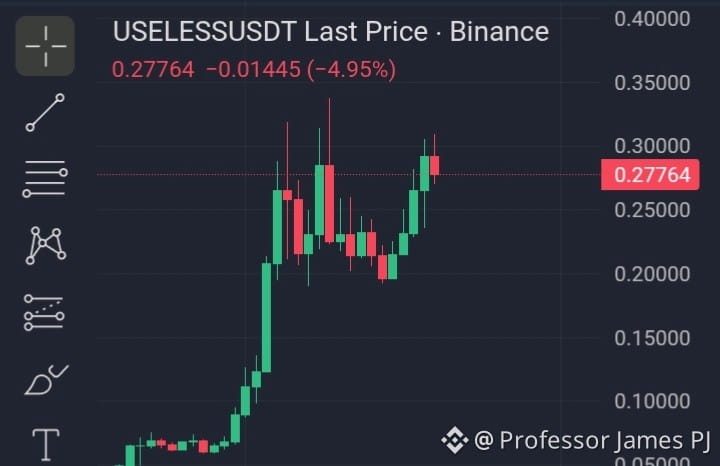
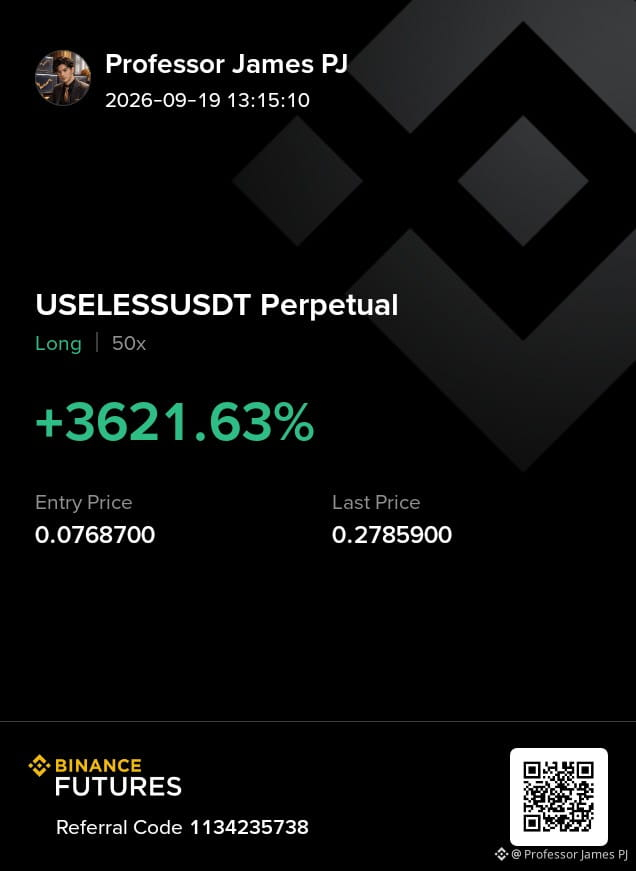
Guys, $USELESS is preparing for another pump and $0.5 in not impossible for $USELESS ...‼️...Hope you all understand this...‼️
Guys, $USELESS is preparing for another pump and $0.5 in not impossible for $USELESS ...‼️...Hope you all understand this...‼️
1
398
1st trade and profit locked 🎀....$SIREN ...+240% ROI ... Don't miss the next opportunity ....
{future}(SIRENUSDT)
1st trade and profit locked 🎀....$SIREN ...+240% ROI ... Don't miss the next opportunity ....
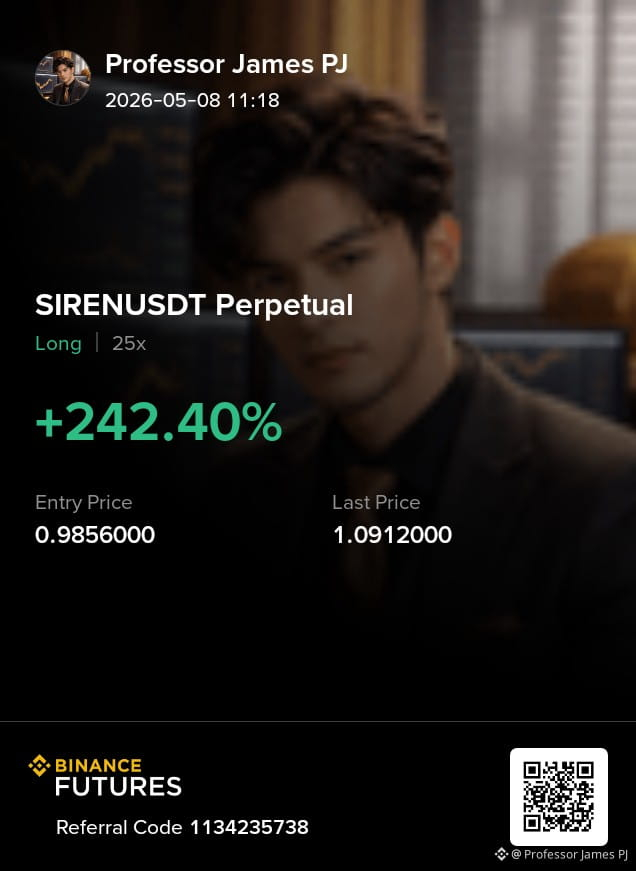
Professor James PJ
·
--
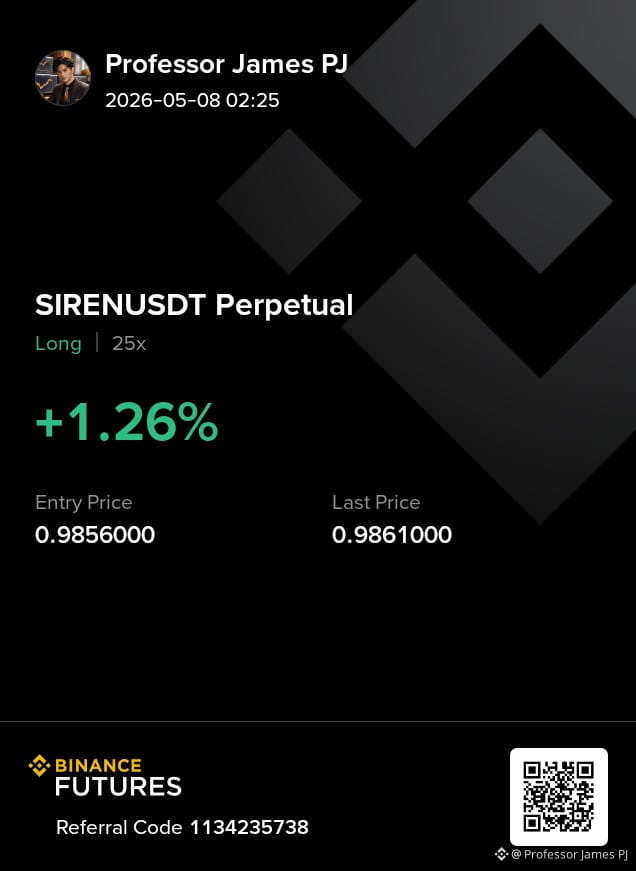
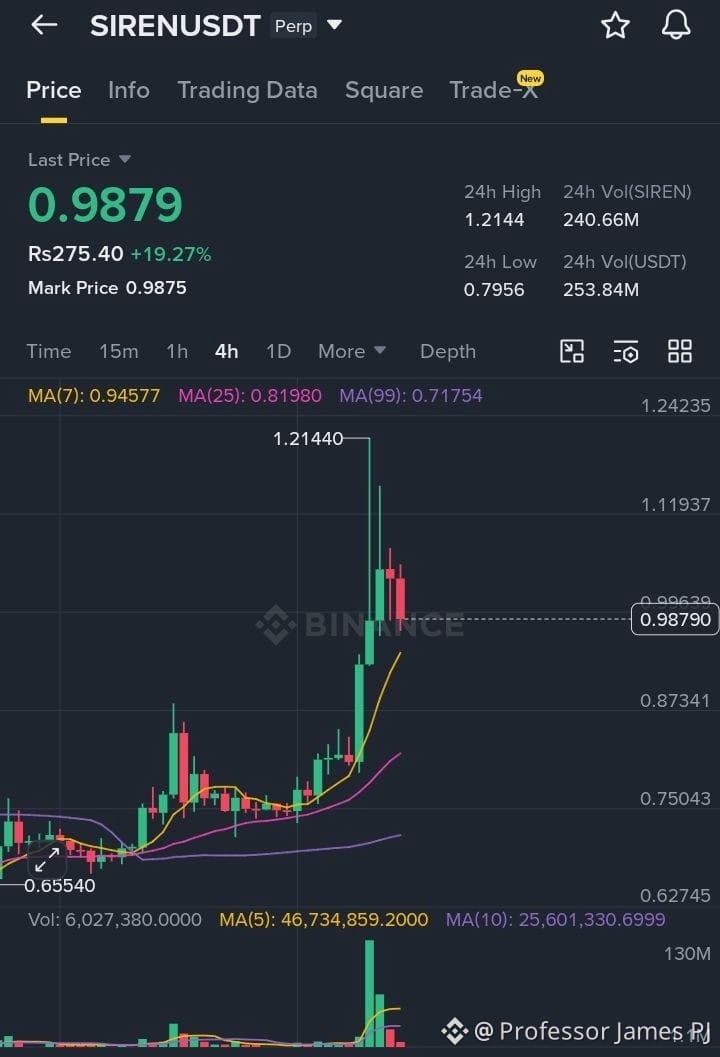
$SIREN going to explode 🏹......TP $5 .....enter now and thanks me later ♥️
1
193
$SIREN going to explode 🏹......TP $5 .....enter now and thanks me later ♥️
$SIREN going to explode 🏹......TP $5 .....enter now and thanks me later ♥️
1
1
346
Article
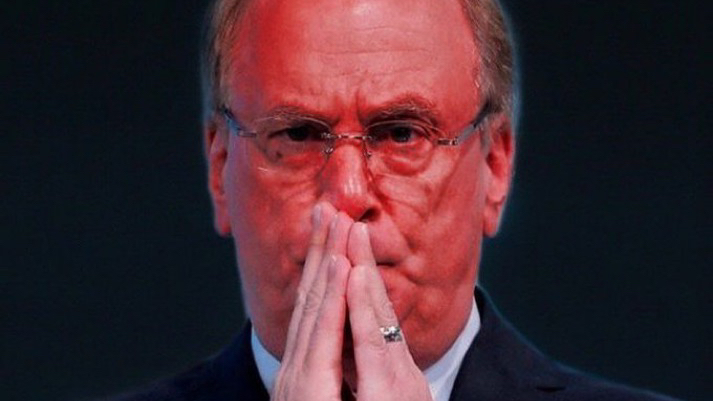
THE WORLD'S BIGGEST ASSET MANAGER, BLACKROCK, IS IN TROUBLE.BlackRock’s HPS Corporate Lending Fund, which manages about $26 billion, received $1.2 billion in withdrawal requests this quarter. That equals roughly 9.3% of the fund’s assets.
But the fund only allows 5% of assets to be redeemed each quarter.
So BlackRock paid out about $620 million and restricted the remaining withdrawals.
This type of limit is built into many private credit funds.
It exists because the underlying assets are long-term loans to companies, and those loans cannot be sold quickly when investors want their cash back.
Private credit has grown rapidly since the 2008 financial crisis.
When regulators forced banks to reduce risk, large asset managers stepped in to provide loans directly to companies. Today the sector has expanded to around $2–3 trillion globally.
These funds lend to:
• mid-sized companies
• private equity backed businesses
• highly leveraged borrowers
• firms that cannot easily get bank financing
Investors were attracted because the loans often pay 8%–12% yields, which is much higher than traditional bonds.
But the structure has an important weakness.
Investors can request withdrawals periodically, yet the underlying loans often last 3–7 years and are not traded on public markets.
That creates a liquidity mismatch.
If many investors request their money at the same time, the fund cannot easily sell the loans to generate cash.
BlackRock’s situation is not isolated.
Earlier this week, Blackstone also faced elevated withdrawal requests in its private credit vehicle and increased its redemption limit while injecting $400 million of internal capital to meet demand.
Another large player, Blue Owl, has also dealt with redemption pressure in a similar type of fund.
These developments come at a time when investors are becoming more cautious about credit risk.
Some borrowers funded by private credit lenders have already faced bankruptcies, including companies in sectors such as auto parts and subprime auto lending.
At the same time, several macro factors are creating uncertainty for corporate borrowers:
• higher interest costs
• slowing economic growth expectations
• geopolitical tensions affecting markets
• technological disruption affecting some industries
Private credit now plays a large role in corporate financing.
Insurance companies alone hold about $1.8 trillion in exposure to this market.
Because of that size, analysts and regulators closely watch signs of stress in the sector.
BlackRock limiting withdrawals does not mean the system is failing, but it definitely shows weakness.
The broader question investors are now asking is whether this is simply a temporary reaction to market volatility or the early stage of a larger credit cycle slowdown.
Private credit expanded rapidly over the last decade.
Events like this are the first real test of how the system behaves when investors start asking for their money back at the same time.
THE WORLD'S BIGGEST ASSET MANAGER, BLACKROCK, IS IN TROUBLE.
BlackRock’s HPS Corporate Lending Fund, which manages about $26 billion, received $1.2 billion in withdrawal requests this quarter. That equals roughly 9.3% of the fund’s assets.
But the fund only allows 5% of assets to be redeemed each quarter.
So BlackRock paid out about $620 million and restricted the remaining withdrawals.
This type of limit is built into many private credit funds.
It exists because the underlying assets are long-term loans to companies, and those loans cannot be sold quickly when investors want their cash back.
Private credit has grown rapidly since the 2008 financial crisis.
When regulators forced banks to reduce risk, large asset managers stepped in to provide loans directly to companies. Today the sector has expanded to around $2–3 trillion globally.
These funds lend to:
• mid-sized companies
• private equity backed businesses
• highly leveraged borrowers
• firms that cannot easily get bank financing
Investors were attracted because the loans often pay 8%–12% yields, which is much higher than traditional bonds.
But the structure has an important weakness.
Investors can request withdrawals periodically, yet the underlying loans often last 3–7 years and are not traded on public markets.
That creates a liquidity mismatch.
If many investors request their money at the same time, the fund cannot easily sell the loans to generate cash.
BlackRock’s situation is not isolated.
Earlier this week, Blackstone also faced elevated withdrawal requests in its private credit vehicle and increased its redemption limit while injecting $400 million of internal capital to meet demand.
Another large player, Blue Owl, has also dealt with redemption pressure in a similar type of fund.
These developments come at a time when investors are becoming more cautious about credit risk.
Some borrowers funded by private credit lenders have already faced bankruptcies, including companies in sectors such as auto parts and subprime auto lending.
At the same time, several macro factors are creating uncertainty for corporate borrowers:
• higher interest costs
• slowing economic growth expectations
• geopolitical tensions affecting markets
• technological disruption affecting some industries
Private credit now plays a large role in corporate financing.
Insurance companies alone hold about $1.8 trillion in exposure to this market.
Because of that size, analysts and regulators closely watch signs of stress in the sector.
BlackRock limiting withdrawals does not mean the system is failing, but it definitely shows weakness.
The broader question investors are now asking is whether this is simply a temporary reaction to market volatility or the early stage of a larger credit cycle slowdown.
Private credit expanded rapidly over the last decade.
Events like this are the first real test of how the system behaves when investors start asking for their money back at the same time.
But the fund only allows 5% of assets to be redeemed each quarter.
So BlackRock paid out about $620 million and restricted the remaining withdrawals.
This type of limit is built into many private credit funds.
It exists because the underlying assets are long-term loans to companies, and those loans cannot be sold quickly when investors want their cash back.
Private credit has grown rapidly since the 2008 financial crisis.
When regulators forced banks to reduce risk, large asset managers stepped in to provide loans directly to companies. Today the sector has expanded to around $2–3 trillion globally.
These funds lend to:
• mid-sized companies
• private equity backed businesses
• highly leveraged borrowers
• firms that cannot easily get bank financing
Investors were attracted because the loans often pay 8%–12% yields, which is much higher than traditional bonds.
But the structure has an important weakness.
Investors can request withdrawals periodically, yet the underlying loans often last 3–7 years and are not traded on public markets.
That creates a liquidity mismatch.
If many investors request their money at the same time, the fund cannot easily sell the loans to generate cash.
BlackRock’s situation is not isolated.
Earlier this week, Blackstone also faced elevated withdrawal requests in its private credit vehicle and increased its redemption limit while injecting $400 million of internal capital to meet demand.
Another large player, Blue Owl, has also dealt with redemption pressure in a similar type of fund.
These developments come at a time when investors are becoming more cautious about credit risk.
Some borrowers funded by private credit lenders have already faced bankruptcies, including companies in sectors such as auto parts and subprime auto lending.
At the same time, several macro factors are creating uncertainty for corporate borrowers:
• higher interest costs
• slowing economic growth expectations
• geopolitical tensions affecting markets
• technological disruption affecting some industries
Private credit now plays a large role in corporate financing.
Insurance companies alone hold about $1.8 trillion in exposure to this market.
Because of that size, analysts and regulators closely watch signs of stress in the sector.
BlackRock limiting withdrawals does not mean the system is failing, but it definitely shows weakness.
The broader question investors are now asking is whether this is simply a temporary reaction to market volatility or the early stage of a larger credit cycle slowdown.
Private credit expanded rapidly over the last decade.
Events like this are the first real test of how the system behaves when investors start asking for their money back at the same time.
2
273
🇮🇷 UK preparing HMS Prince of Wales for possible deployment to the Middle East.
🇮🇷 UK preparing HMS Prince of Wales for possible deployment to the Middle East.

22
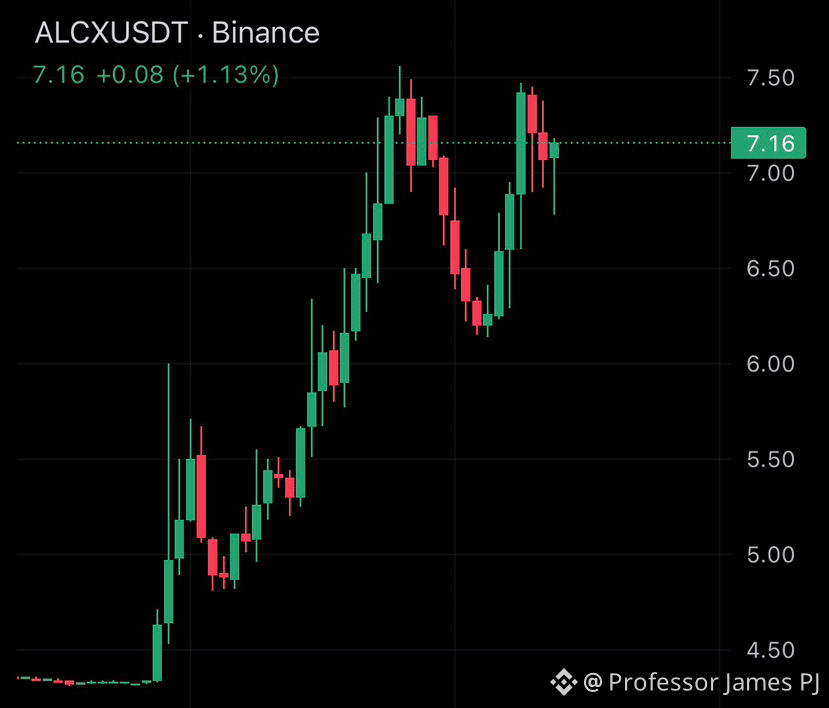
$ALCX
{spot}(ALCXUSDT)
1st tp hit 🤑
And other tps near to hit
Dont forget my trades fam……
$ALCX
1st tp hit 🤑
And other tps near to hit
Dont forget my trades fam……
1st tp hit 🤑
And other tps near to hit
Dont forget my trades fam……
Professor James PJ
·
--
Bullish$ALCX has shown a strong bullish surge, gaining more than 40% after bouncing from the 4.31 low and pushing toward the 6.50 resistance area. The strong momentum indicates increased buyer interest and short-term market strength.
Price is currently trading near a key resistance zone, where a brief consolidation may occur before the next move. Holding above the 6.00 support region could allow the trend to continue toward higher levels.
Buy Zone: 6.00 – 6.30
Stop Loss: 5.40
Targets:
Target 1: 6.80
Target 2: 7.40
Target 3: 8.20
After a strong rally, waiting for confirmation or a small pullback can help reduce risk before entering a position.
#NewGlobalUS15%TariffComingThisWeek #MarketPullback
Price is currently trading near a key resistance zone, where a brief consolidation may occur before the next move. Holding above the 6.00 support region could allow the trend to continue toward higher levels.
Buy Zone: 6.00 – 6.30
Stop Loss: 5.40
Targets:
Target 1: 6.80
Target 2: 7.40
Target 3: 8.20
After a strong rally, waiting for confirmation or a small pullback can help reduce risk before entering a position.
#NewGlobalUS15%TariffComingThisWeek #MarketPullback
2
143
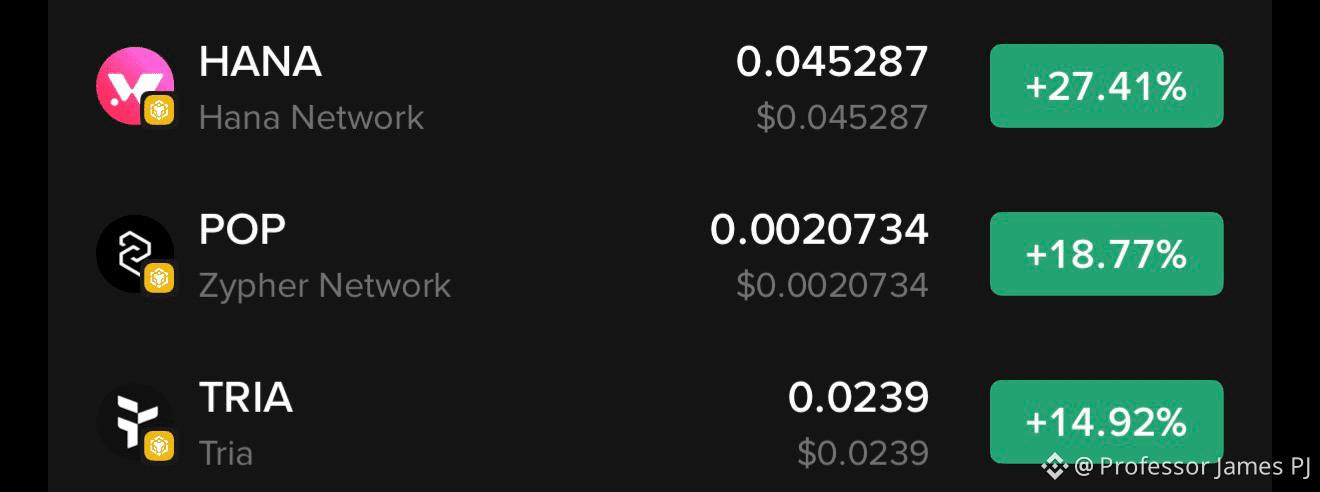
Alpha Gainers Market Update
Several altcoins are currently showing strong momentum and leading the market with significant gains. Increased volume and buying activity suggest strong short-term interest from traders.
$ALCX
Price: $7.33
24h Change: +63.62%
$DEGO
Price: $0.348
24h Change: +37.01%
$BANANAS31
Price: $0.007166
24h Change: +30.86%
These alpha gainers are attracting attention across the market. Traders should monitor volume strength and key resistance levels, as strong gainers can either continue their momentum or experience quick pullbacks.
Careful entry and proper risk management are essential in high-volatility assets.
#NewGlobalUS15%TariffComingThisWeek #MarketPullback #AltcoinSeasonTalkTwoYearLow
{spot}(BANANAS31USDT)
{spot}(DEGOUSDT)
{spot}(ALCXUSDT)
Alpha Gainers Market Update
Several altcoins are currently showing strong momentum and leading the market with significant gains. Increased volume and buying activity suggest strong short-term interest from traders.
$ALCX
Price: $7.33
24h Change: +63.62%
$DEGO
Price: $0.348
24h Change: +37.01%
$BANANAS31
Price: $0.007166
24h Change: +30.86%
These alpha gainers are attracting attention across the market. Traders should monitor volume strength and key resistance levels, as strong gainers can either continue their momentum or experience quick pullbacks.
Careful entry and proper risk management are essential in high-volatility assets.
#NewGlobalUS15%TariffComingThisWeek #MarketPullback #AltcoinSeasonTalkTwoYearLow
Several altcoins are currently showing strong momentum and leading the market with significant gains. Increased volume and buying activity suggest strong short-term interest from traders.
$ALCX
Price: $7.33
24h Change: +63.62%
$DEGO
Price: $0.348
24h Change: +37.01%
$BANANAS31
Price: $0.007166
24h Change: +30.86%
These alpha gainers are attracting attention across the market. Traders should monitor volume strength and key resistance levels, as strong gainers can either continue their momentum or experience quick pullbacks.
Careful entry and proper risk management are essential in high-volatility assets.
#NewGlobalUS15%TariffComingThisWeek #MarketPullback #AltcoinSeasonTalkTwoYearLow
29
12
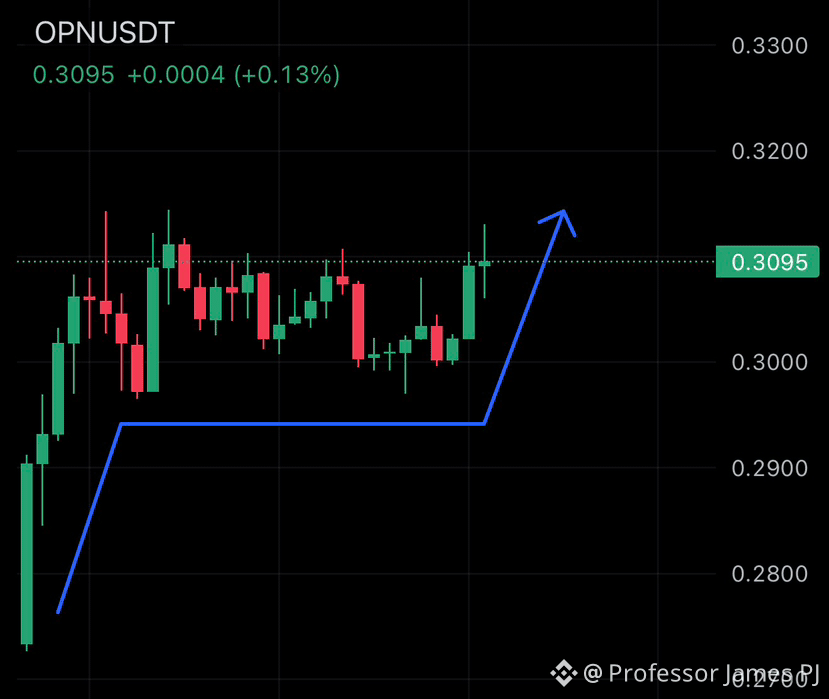
$OPN is currently trading around the 0.309 region after stabilizing above the 0.300 support level. The price structure shows consolidation after the recent volatility, indicating that the market may be preparing for the next directional move.
Holding above the 0.300 zone keeps the short-term structure stable and opens the possibility for a move toward higher resistance levels if buying pressure increases.
Entry Zone: 0.305 – 0.310
TargetsTP1: 0.320….TP2: 0.330….TP3: 0.345
Stop Loss: 0.289
Watching volume and price reaction near support will be important for confirmation. Proper risk management is recommended before entering the trade.
#NewGlobalUS15%TariffComingThisWeek #MarketPullback #JobsDataShock
{spot}(OPNUSDT)
$OPN is currently trading around the 0.309 region after stabilizing above the 0.300 support level. The price structure shows consolidation after the recent volatility, indicating that the market may be preparing for the next directional move.
Holding above the 0.300 zone keeps the short-term structure stable and opens the possibility for a move toward higher resistance levels if buying pressure increases.
Entry Zone: 0.305 – 0.310
TargetsTP1: 0.320….TP2: 0.330….TP3: 0.345
Stop Loss: 0.289
Watching volume and price reaction near support will be important for confirmation. Proper risk management is recommended before entering the trade.
#NewGlobalUS15%TariffComingThisWeek #MarketPullback #JobsDataShock
Holding above the 0.300 zone keeps the short-term structure stable and opens the possibility for a move toward higher resistance levels if buying pressure increases.
Entry Zone: 0.305 – 0.310
TargetsTP1: 0.320….TP2: 0.330….TP3: 0.345
Stop Loss: 0.289
Watching volume and price reaction near support will be important for confirmation. Proper risk management is recommended before entering the trade.
#NewGlobalUS15%TariffComingThisWeek #MarketPullback #JobsDataShock
1
120

Article
Rising Global Tensions: Why North Korea Keeps Challenging the United StatesIn recent years, tensions between North Korea and the United States have once again become a major topic in global politics. Many analysts believe that the situation is not just about missiles or military power — it is deeply connected to alliances, regional influence, and global power competition, especially involving China.
🇰🇵 North Korea’s Strategic Position
North Korea has long positioned itself as a nation that resists U.S. influence. The leadership in Pyongyang often portrays the United States as a threat to its sovereignty and survival. Because of this, the country continues to invest heavily in nuclear weapons, missile technology, and military development. From North Korea’s perspective, strong military capabilities are a way to deter potential attacks and maintain political leverage.
🇨🇳 China’s Role in the Equation
China plays a crucial role in the region. While China does not openly support conflict, it maintains a complex relationship with North Korea. For Beijing, North Korea acts as a buffer state between China and U.S.-allied countries like South Korea and Japan. This geopolitical reality makes the situation far more complicated than a simple rivalry.
🇺🇸 Why the United States Opposes North Korea
The United States views North Korea’s nuclear weapons program and missile tests as serious threats to regional and global security. Washington has imposed sanctions and strengthened military alliances in the region to counter these developments. The U.S. also maintains a strong military presence in South Korea and the Pacific, which North Korea sees as a direct challenge.
⚖️ Is War Really What North Korea Wants?
Many experts believe that North Korea does not necessarily want a full-scale war. Instead, its actions often serve as a strategic pressure tactic. Missile tests, strong rhetoric, and military demonstrations can be ways to:
• Gain international attention
• Strengthen domestic political control
• Push for negotiations or sanctions relief
• Demonstrate power to rivals
🌐 The Bigger Global Picture
The tensions between North Korea and the United States are part of a much larger geopolitical rivalry that includes China, Russia, and Western alliances. In today’s world, conflicts are rarely isolated — they are interconnected through economics, military strategy, and diplomacy.
Because of this complexity, most global powers prefer deterrence and diplomacy over direct confrontation. A major war in the region would have devastating consequences not just for Asia, but for the entire world economy and security structure.
The situation between North Korea, the United States, and China is less about immediate war and more about power balance, strategic signaling, and global influence. Understanding these dynamics helps explain why tensions rise periodically, yet full-scale conflict is usually avoided.
What are your thoughts on this evolving geopolitical situation
#USJobsData #JobsDataShock
#NewGlobalUS15%TariffComingThisWeek
Rising Global Tensions: Why North Korea Keeps Challenging the United States
In recent years, tensions between North Korea and the United States have once again become a major topic in global politics. Many analysts believe that the situation is not just about missiles or military power — it is deeply connected to alliances, regional influence, and global power competition, especially involving China.
🇰🇵 North Korea’s Strategic Position
North Korea has long positioned itself as a nation that resists U.S. influence. The leadership in Pyongyang often portrays the United States as a threat to its sovereignty and survival. Because of this, the country continues to invest heavily in nuclear weapons, missile technology, and military development. From North Korea’s perspective, strong military capabilities are a way to deter potential attacks and maintain political leverage.
🇨🇳 China’s Role in the Equation
China plays a crucial role in the region. While China does not openly support conflict, it maintains a complex relationship with North Korea. For Beijing, North Korea acts as a buffer state between China and U.S.-allied countries like South Korea and Japan. This geopolitical reality makes the situation far more complicated than a simple rivalry.
🇺🇸 Why the United States Opposes North Korea
The United States views North Korea’s nuclear weapons program and missile tests as serious threats to regional and global security. Washington has imposed sanctions and strengthened military alliances in the region to counter these developments. The U.S. also maintains a strong military presence in South Korea and the Pacific, which North Korea sees as a direct challenge.
⚖️ Is War Really What North Korea Wants?
Many experts believe that North Korea does not necessarily want a full-scale war. Instead, its actions often serve as a strategic pressure tactic. Missile tests, strong rhetoric, and military demonstrations can be ways to:
• Gain international attention
• Strengthen domestic political control
• Push for negotiations or sanctions relief
• Demonstrate power to rivals
🌐 The Bigger Global Picture
The tensions between North Korea and the United States are part of a much larger geopolitical rivalry that includes China, Russia, and Western alliances. In today’s world, conflicts are rarely isolated — they are interconnected through economics, military strategy, and diplomacy.
Because of this complexity, most global powers prefer deterrence and diplomacy over direct confrontation. A major war in the region would have devastating consequences not just for Asia, but for the entire world economy and security structure.
The situation between North Korea, the United States, and China is less about immediate war and more about power balance, strategic signaling, and global influence. Understanding these dynamics helps explain why tensions rise periodically, yet full-scale conflict is usually avoided.
What are your thoughts on this evolving geopolitical situation
#USJobsData #JobsDataShock
#NewGlobalUS15%TariffComingThisWeek
🇰🇵 North Korea’s Strategic Position
North Korea has long positioned itself as a nation that resists U.S. influence. The leadership in Pyongyang often portrays the United States as a threat to its sovereignty and survival. Because of this, the country continues to invest heavily in nuclear weapons, missile technology, and military development. From North Korea’s perspective, strong military capabilities are a way to deter potential attacks and maintain political leverage.
🇨🇳 China’s Role in the Equation
China plays a crucial role in the region. While China does not openly support conflict, it maintains a complex relationship with North Korea. For Beijing, North Korea acts as a buffer state between China and U.S.-allied countries like South Korea and Japan. This geopolitical reality makes the situation far more complicated than a simple rivalry.
🇺🇸 Why the United States Opposes North Korea
The United States views North Korea’s nuclear weapons program and missile tests as serious threats to regional and global security. Washington has imposed sanctions and strengthened military alliances in the region to counter these developments. The U.S. also maintains a strong military presence in South Korea and the Pacific, which North Korea sees as a direct challenge.
⚖️ Is War Really What North Korea Wants?
Many experts believe that North Korea does not necessarily want a full-scale war. Instead, its actions often serve as a strategic pressure tactic. Missile tests, strong rhetoric, and military demonstrations can be ways to:
• Gain international attention
• Strengthen domestic political control
• Push for negotiations or sanctions relief
• Demonstrate power to rivals
🌐 The Bigger Global Picture
The tensions between North Korea and the United States are part of a much larger geopolitical rivalry that includes China, Russia, and Western alliances. In today’s world, conflicts are rarely isolated — they are interconnected through economics, military strategy, and diplomacy.
Because of this complexity, most global powers prefer deterrence and diplomacy over direct confrontation. A major war in the region would have devastating consequences not just for Asia, but for the entire world economy and security structure.
The situation between North Korea, the United States, and China is less about immediate war and more about power balance, strategic signaling, and global influence. Understanding these dynamics helps explain why tensions rise periodically, yet full-scale conflict is usually avoided.
What are your thoughts on this evolving geopolitical situation
#USJobsData #JobsDataShock
#NewGlobalUS15%TariffComingThisWeek
2
99
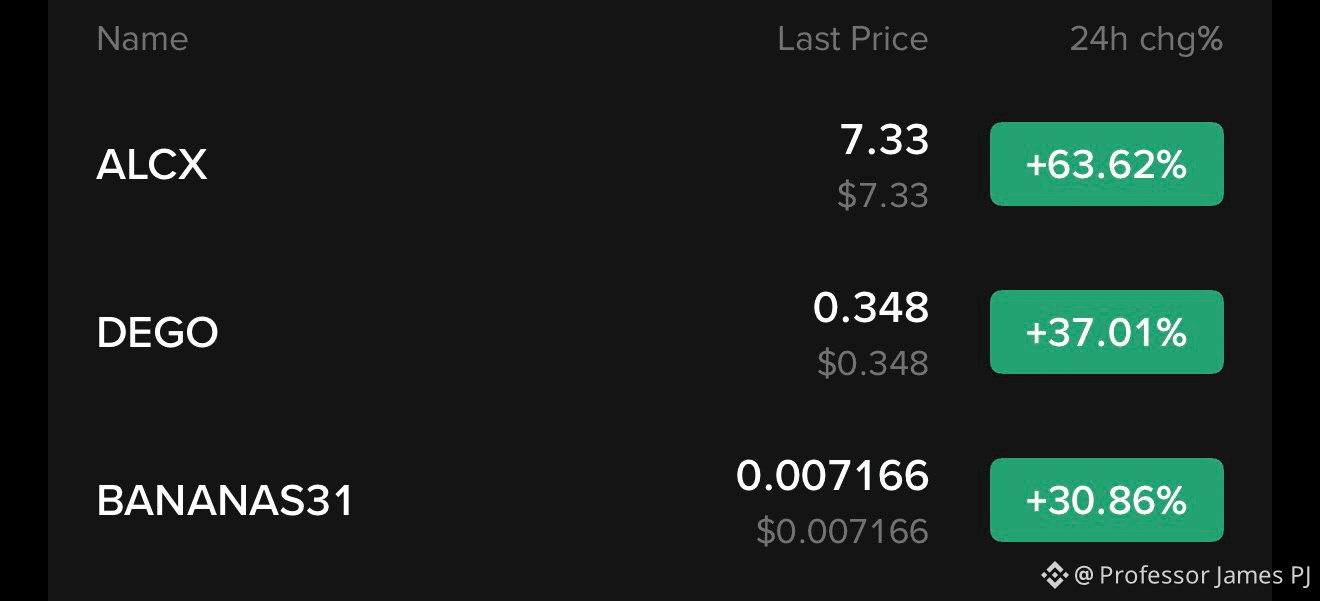
Market Update: Top Gainers Today
Several altcoins are showing strong momentum with significant price increases and rising trading activity. These moves indicate strong short-term buying interest in selected assets.
$ALCX : $7.3324h Change: +63.62%
$DEGO : $0.34824h Change: +37.01%
$BANANAS31 : $0.00716624h Change: +30.86%
These assets are currently leading the market in daily performance. Traders should monitor volume, resistance zones, and potential pullbacks before entering new positions.
Strong gainers often attract short-term momentum traders, but risk management remains essential due to possible volatility after sharp moves.
#AIBinance #SolvProtocolHacked #JobsDataShock
{spot}(ALCXUSDT)
{spot}(DEGOUSDT)
{spot}(BANANAS31USDT)
Market Update: Top Gainers Today
Several altcoins are showing strong momentum with significant price increases and rising trading activity. These moves indicate strong short-term buying interest in selected assets.
$ALCX : $7.3324h Change: +63.62%
$DEGO : $0.34824h Change: +37.01%
$BANANAS31 : $0.00716624h Change: +30.86%
These assets are currently leading the market in daily performance. Traders should monitor volume, resistance zones, and potential pullbacks before entering new positions.
Strong gainers often attract short-term momentum traders, but risk management remains essential due to possible volatility after sharp moves.
#AIBinance #SolvProtocolHacked #JobsDataShock
Several altcoins are showing strong momentum with significant price increases and rising trading activity. These moves indicate strong short-term buying interest in selected assets.
$ALCX : $7.3324h Change: +63.62%
$DEGO : $0.34824h Change: +37.01%
$BANANAS31 : $0.00716624h Change: +30.86%
These assets are currently leading the market in daily performance. Traders should monitor volume, resistance zones, and potential pullbacks before entering new positions.
Strong gainers often attract short-term momentum traders, but risk management remains essential due to possible volatility after sharp moves.
#AIBinance #SolvProtocolHacked #JobsDataShock
3
372
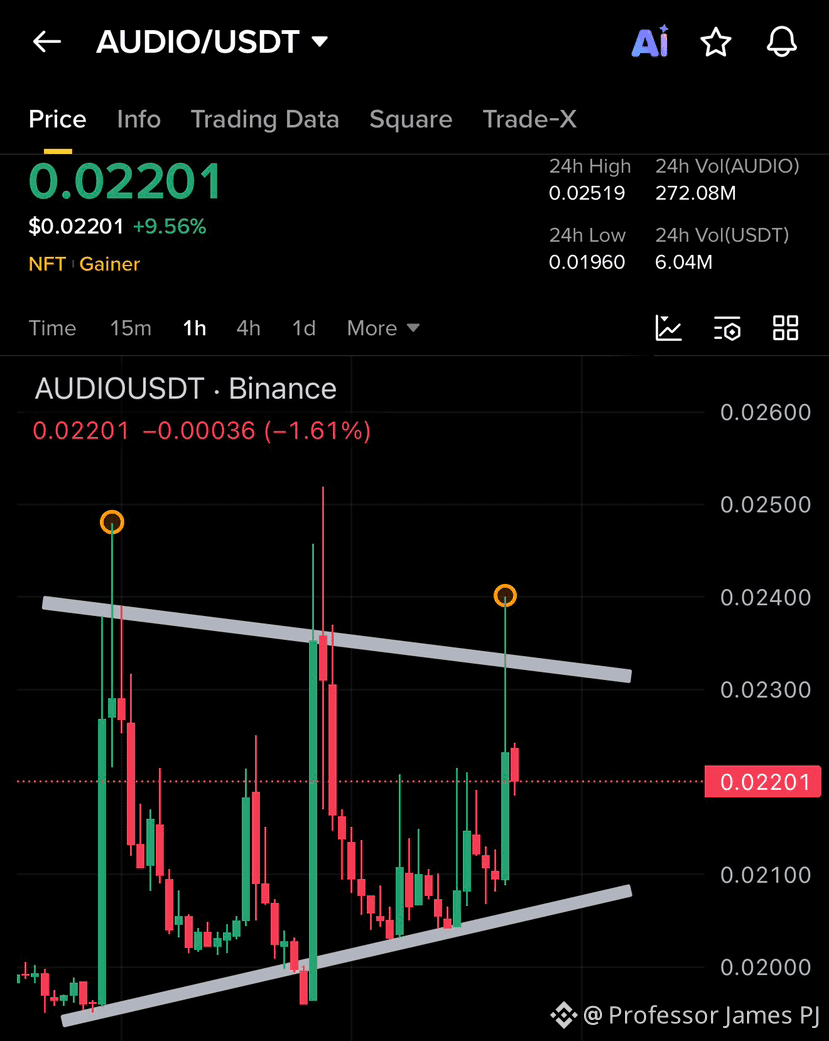
$AUDIO has shown strong momentum with a recent move of more than 9% supported by increasing trading volume. The price is currently holding around the $0.022 zone, which may act as short-term support.
If the price maintains strength above this level, the market could attempt a continuation toward the next resistance zones.
Entry Zone: $0.0218 – $0.0221
TargetsTP1: $0.0235TP2: $0.0248TP3: $0.0260
Stop Loss: $0.0208
The structure on lower timeframes suggests potential bullish continuation, but confirmation through volume and support holding is important. Proper risk management is recommended before entering the trade.
#NewGlobalUS15%TariffComingThisWeek #MarketPullback #AltcoinSeasonTalkTwoYearLow
{spot}(AUDIOUSDT)
$AUDIO has shown strong momentum with a recent move of more than 9% supported by increasing trading volume. The price is currently holding around the $0.022 zone, which may act as short-term support.
If the price maintains strength above this level, the market could attempt a continuation toward the next resistance zones.
Entry Zone: $0.0218 – $0.0221
TargetsTP1: $0.0235TP2: $0.0248TP3: $0.0260
Stop Loss: $0.0208
The structure on lower timeframes suggests potential bullish continuation, but confirmation through volume and support holding is important. Proper risk management is recommended before entering the trade.
#NewGlobalUS15%TariffComingThisWeek #MarketPullback #AltcoinSeasonTalkTwoYearLow
If the price maintains strength above this level, the market could attempt a continuation toward the next resistance zones.
Entry Zone: $0.0218 – $0.0221
TargetsTP1: $0.0235TP2: $0.0248TP3: $0.0260
Stop Loss: $0.0208
The structure on lower timeframes suggests potential bullish continuation, but confirmation through volume and support holding is important. Proper risk management is recommended before entering the trade.
#NewGlobalUS15%TariffComingThisWeek #MarketPullback #AltcoinSeasonTalkTwoYearLow
98
Trade Alert
🤑
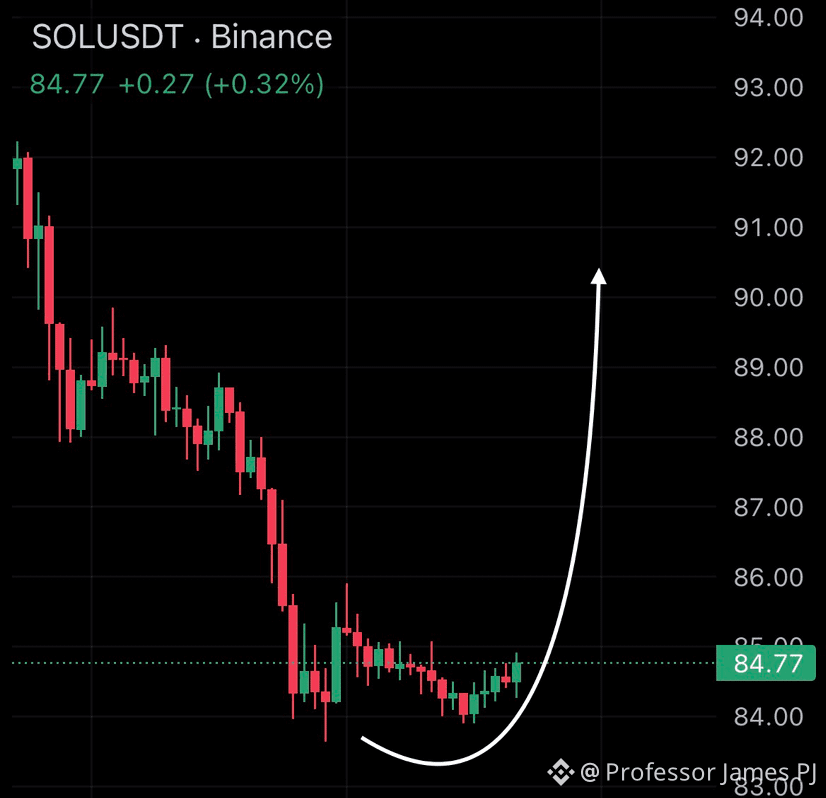
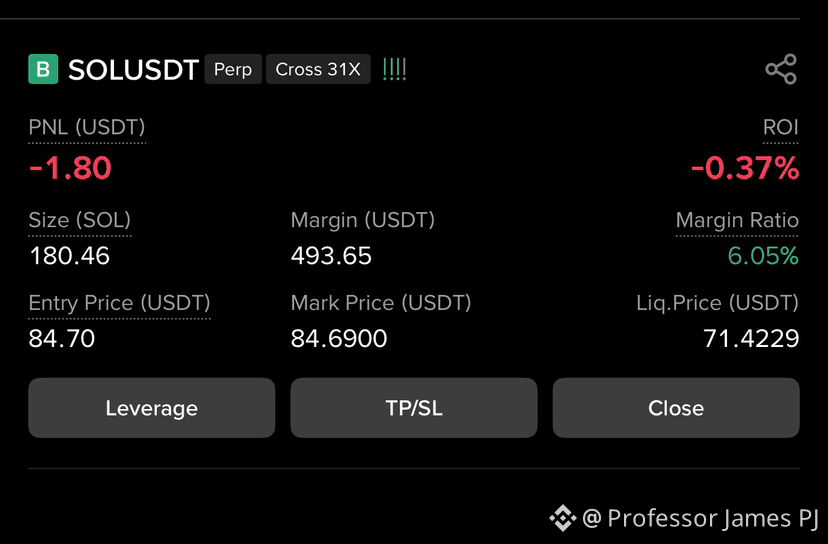
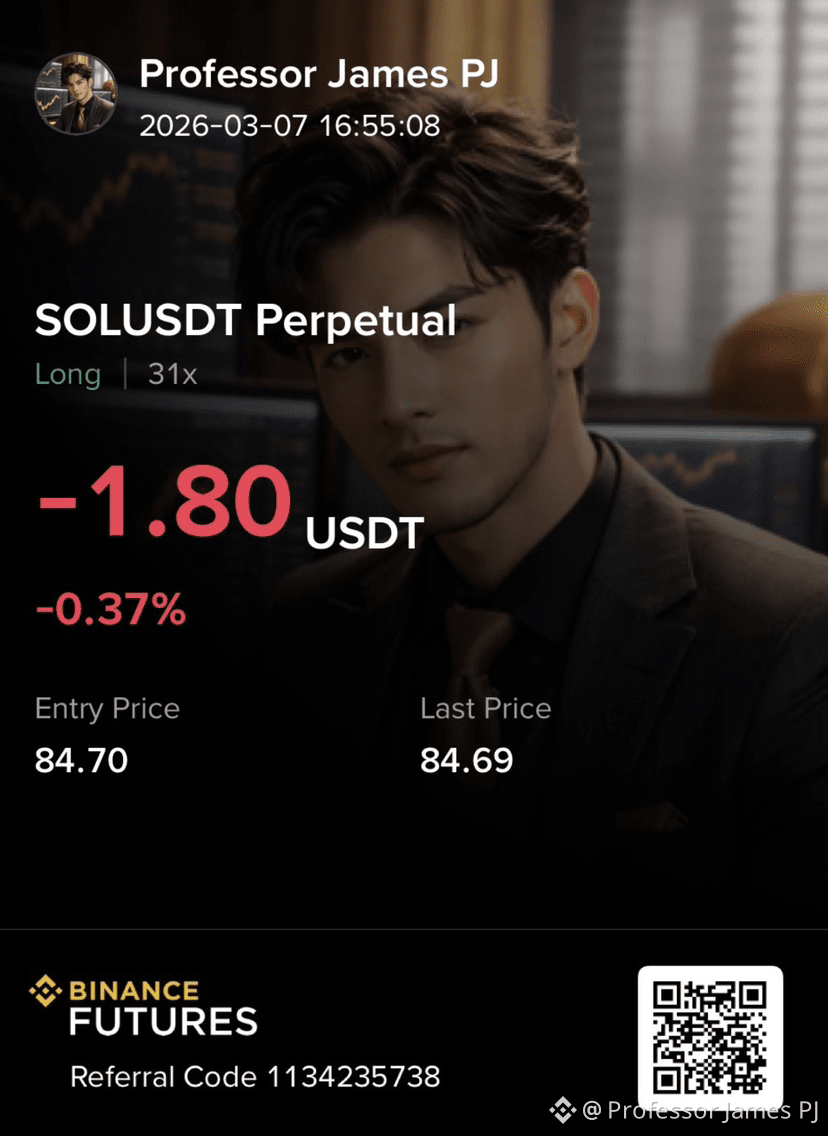
I have entered a LONG position on $SOL .
Entry: $84.77
Market is holding strong near support and showing signs of potential bounce. If momentum continues, we could see a move toward higher resistance levels.
TargetsTP1: $88TP2: $91TP3: $94
Stop Loss: $82
Risk management is important. Manage your trade wisely.
Who is entering this trade with me?
#NewGlobalUS15%TariffComingThisWeek #SolvProtocolHacked #JobsDataShock
{spot}(SOLUSDT)
Trade Alert
🤑
I have entered a LONG position on $SOL .
Entry: $84.77
Market is holding strong near support and showing signs of potential bounce. If momentum continues, we could see a move toward higher resistance levels.
TargetsTP1: $88TP2: $91TP3: $94
Stop Loss: $82
Risk management is important. Manage your trade wisely.
Who is entering this trade with me?
#NewGlobalUS15%TariffComingThisWeek #SolvProtocolHacked #JobsDataShock
🤑
I have entered a LONG position on $SOL .
Entry: $84.77
Market is holding strong near support and showing signs of potential bounce. If momentum continues, we could see a move toward higher resistance levels.
TargetsTP1: $88TP2: $91TP3: $94
Stop Loss: $82
Risk management is important. Manage your trade wisely.
Who is entering this trade with me?
#NewGlobalUS15%TariffComingThisWeek #SolvProtocolHacked #JobsDataShock
44
Key Market Insight 📉
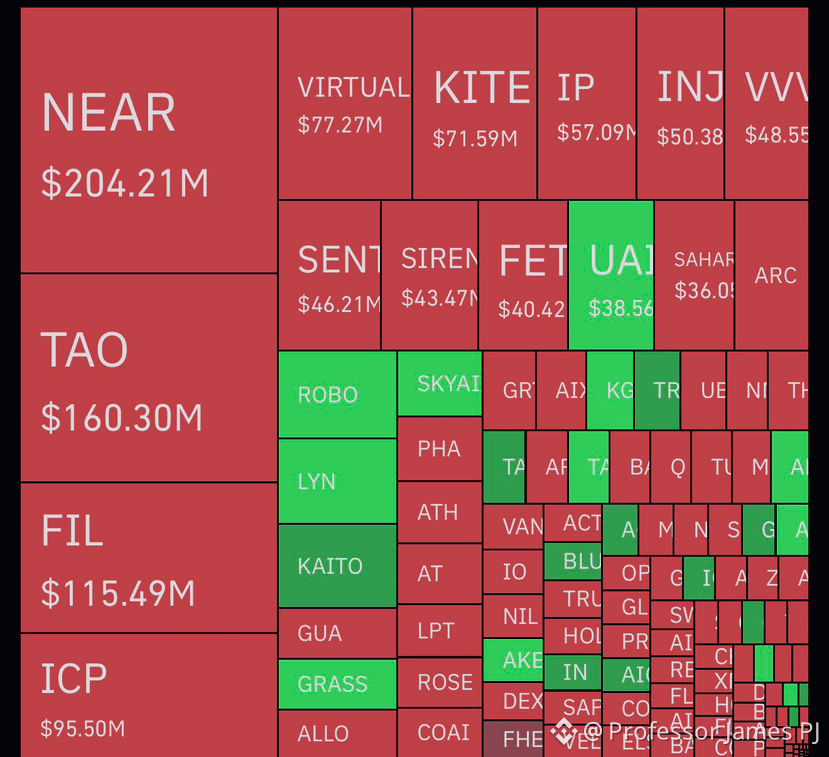
The market is currently dominated by heavy selling pressure. Major AI and infrastructure tokens are showing significant outflows.
Largest Capital Outflows:
• $NEAR Protocol — $204.21M
• $TAO — $160.30M
• $FIL — $115.49M
• Internet Computer — $95.50M
These large red blocks suggest institutional profit-taking or short-term market correction.
{spot}(TAOUSDT)
{spot}(FILUSDT)
{spot}(NEARUSDT)
Key Market Insight 📉
The market is currently dominated by heavy selling pressure. Major AI and infrastructure tokens are showing significant outflows.
Largest Capital Outflows:
• $NEAR Protocol — $204.21M
• $TAO — $160.30M
• $FIL — $115.49M
• Internet Computer — $95.50M
These large red blocks suggest institutional profit-taking or short-term market correction.
The market is currently dominated by heavy selling pressure. Major AI and infrastructure tokens are showing significant outflows.
Largest Capital Outflows:
• $NEAR Protocol — $204.21M
• $TAO — $160.30M
• $FIL — $115.49M
• Internet Computer — $95.50M
These large red blocks suggest institutional profit-taking or short-term market correction.
2
440
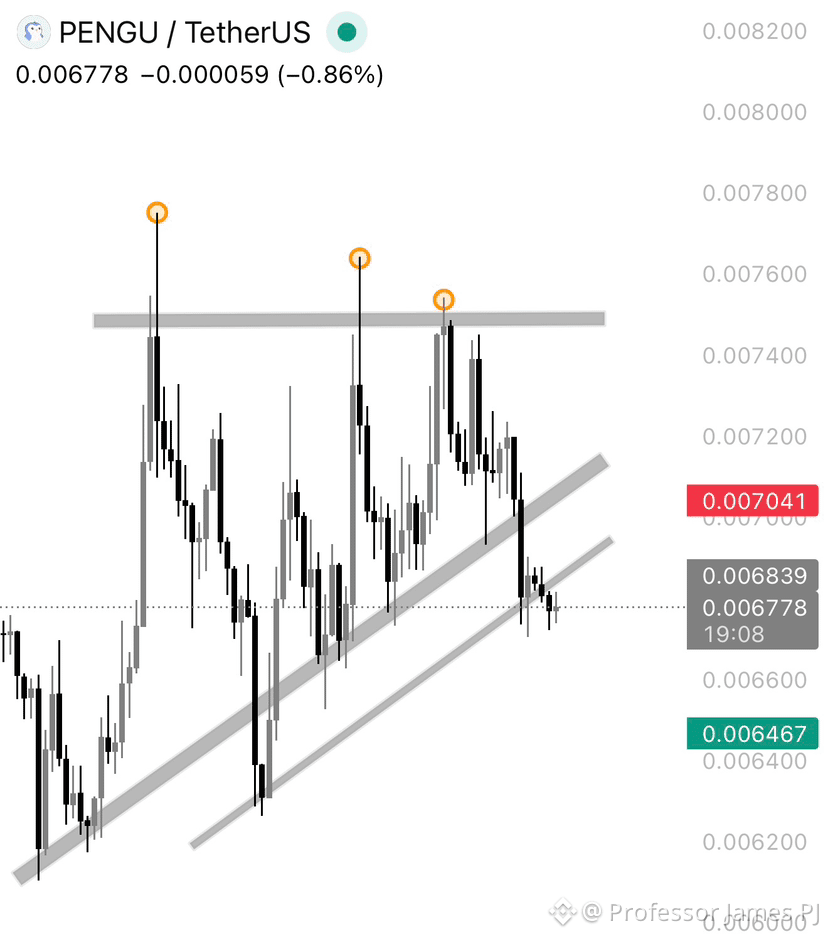
$PENGU is showing clear weakness after multiple rejections from the strong resistance zone near 0.0075. The repeated failure to break above this level indicates strong selling pressure and the formation of a potential distribution area.
Price has now broken below the ascending trendline support, suggesting a shift in short-term market structure. If the market continues to trade below this level, further downside momentum could follow.
Sell Zone: 0.00675 – 0.00695
Stop Loss: 0.00755
Targets:
Target 1: 0.00645
Target 2: 0.00610
Target 3: 0.00580
A confirmed rejection or continued weakness below the broken trendline may accelerate the bearish move. Proper risk management is recommended before entering the trade.
#NewGlobalUS15%TariffComingThisWeek #SolvProtocolHacked #JobsDataShock
{spot}(PENGUUSDT)
$PENGU is showing clear weakness after multiple rejections from the strong resistance zone near 0.0075. The repeated failure to break above this level indicates strong selling pressure and the formation of a potential distribution area.
Price has now broken below the ascending trendline support, suggesting a shift in short-term market structure. If the market continues to trade below this level, further downside momentum could follow.
Sell Zone: 0.00675 – 0.00695
Stop Loss: 0.00755
Targets:
Target 1: 0.00645
Target 2: 0.00610
Target 3: 0.00580
A confirmed rejection or continued weakness below the broken trendline may accelerate the bearish move. Proper risk management is recommended before entering the trade.
#NewGlobalUS15%TariffComingThisWeek #SolvProtocolHacked #JobsDataShock
Price has now broken below the ascending trendline support, suggesting a shift in short-term market structure. If the market continues to trade below this level, further downside momentum could follow.
Sell Zone: 0.00675 – 0.00695
Stop Loss: 0.00755
Targets:
Target 1: 0.00645
Target 2: 0.00610
Target 3: 0.00580
A confirmed rejection or continued weakness below the broken trendline may accelerate the bearish move. Proper risk management is recommended before entering the trade.
#NewGlobalUS15%TariffComingThisWeek #SolvProtocolHacked #JobsDataShock
1
15
US WAR IS NOT WITH IRAN.
US WAR WAS NOT WITH VENEZUELA.
The US war is just with one country.
"China."
For years, China has been taking cheap oil from 2 sources.
Iran and Venezuela.
Before the Venezuelan takeover, China absorbed between 50% and 89% of Venezuela's total crude oil exports.
Much of this trade was conducted through a "shadow fleet" and often rebranded as originating from countries like Malaysia to evade U.S. sanctions.
And here's one more thing.
Most of the China-Venezuela trade was happening in yuan, which was dragging dollar dominance down.
If talking about Iran, China purchased more than 80% of all Iranian crude oil exports last year.
Iranian oil typically trades at a steep discount of $8 to $13 per barrel below the international Brent benchmark, which allowed Chinese refiners to save an estimated $10 billion in a single year.
And just like Venezuela, the China-Iran deal was happening primarily in yuan too.
As per some estimates, China was importing 20% of its crude oil from Venezuela and Iran, bypassing the USD.
And the US is trying to break this.
That's why China has been criticizing US decisions against Venezuela and Iran.
Today, China officially opposed US and Israeli military action in Iran and also pushed Iran to reopen Strait of Hormuz.
China knows that if the war continues and US gains control over Iran's reserves, it'll have to do trade deals in USD, which will weaken its dominance.
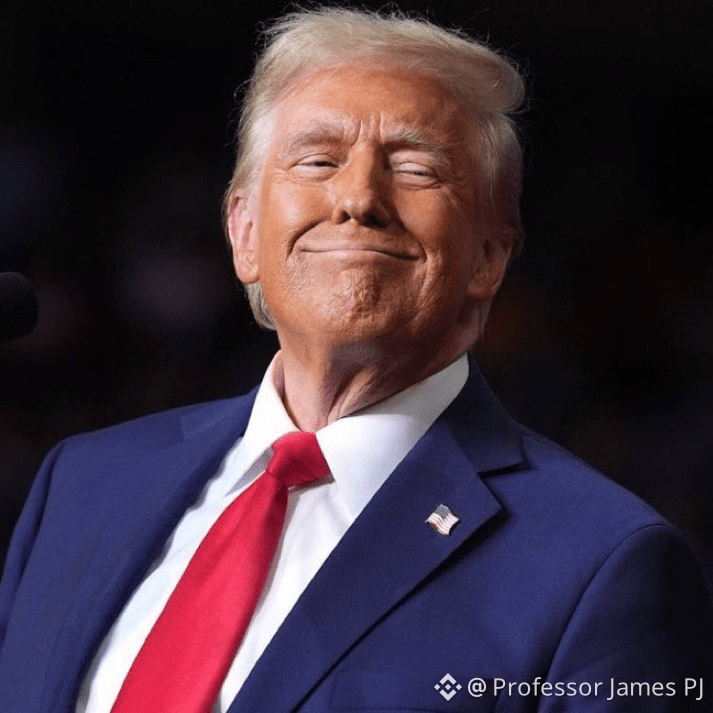
On the other hand, Trump's focus is to make China as weak as possible because there can't be 2 global superpowers.
US WAR IS NOT WITH IRAN.
US WAR WAS NOT WITH VENEZUELA.
The US war is just with one country.
"China."
For years, China has been taking cheap oil from 2 sources.
Iran and Venezuela.
Before the Venezuelan takeover, China absorbed between 50% and 89% of Venezuela's total crude oil exports.
Much of this trade was conducted through a "shadow fleet" and often rebranded as originating from countries like Malaysia to evade U.S. sanctions.
And here's one more thing.
Most of the China-Venezuela trade was happening in yuan, which was dragging dollar dominance down.
If talking about Iran, China purchased more than 80% of all Iranian crude oil exports last year.
Iranian oil typically trades at a steep discount of $8 to $13 per barrel below the international Brent benchmark, which allowed Chinese refiners to save an estimated $10 billion in a single year.
And just like Venezuela, the China-Iran deal was happening primarily in yuan too.
As per some estimates, China was importing 20% of its crude oil from Venezuela and Iran, bypassing the USD.
And the US is trying to break this.
That's why China has been criticizing US decisions against Venezuela and Iran.
Today, China officially opposed US and Israeli military action in Iran and also pushed Iran to reopen Strait of Hormuz.
China knows that if the war continues and US gains control over Iran's reserves, it'll have to do trade deals in USD, which will weaken its dominance.
On the other hand, Trump's focus is to make China as weak as possible because there can't be 2 global superpowers.
US WAR WAS NOT WITH VENEZUELA.
The US war is just with one country.
"China."
For years, China has been taking cheap oil from 2 sources.
Iran and Venezuela.
Before the Venezuelan takeover, China absorbed between 50% and 89% of Venezuela's total crude oil exports.
Much of this trade was conducted through a "shadow fleet" and often rebranded as originating from countries like Malaysia to evade U.S. sanctions.
And here's one more thing.
Most of the China-Venezuela trade was happening in yuan, which was dragging dollar dominance down.
If talking about Iran, China purchased more than 80% of all Iranian crude oil exports last year.
Iranian oil typically trades at a steep discount of $8 to $13 per barrel below the international Brent benchmark, which allowed Chinese refiners to save an estimated $10 billion in a single year.
And just like Venezuela, the China-Iran deal was happening primarily in yuan too.
As per some estimates, China was importing 20% of its crude oil from Venezuela and Iran, bypassing the USD.
And the US is trying to break this.
That's why China has been criticizing US decisions against Venezuela and Iran.
Today, China officially opposed US and Israeli military action in Iran and also pushed Iran to reopen Strait of Hormuz.
China knows that if the war continues and US gains control over Iran's reserves, it'll have to do trade deals in USD, which will weaken its dominance.
On the other hand, Trump's focus is to make China as weak as possible because there can't be 2 global superpowers.
1
37
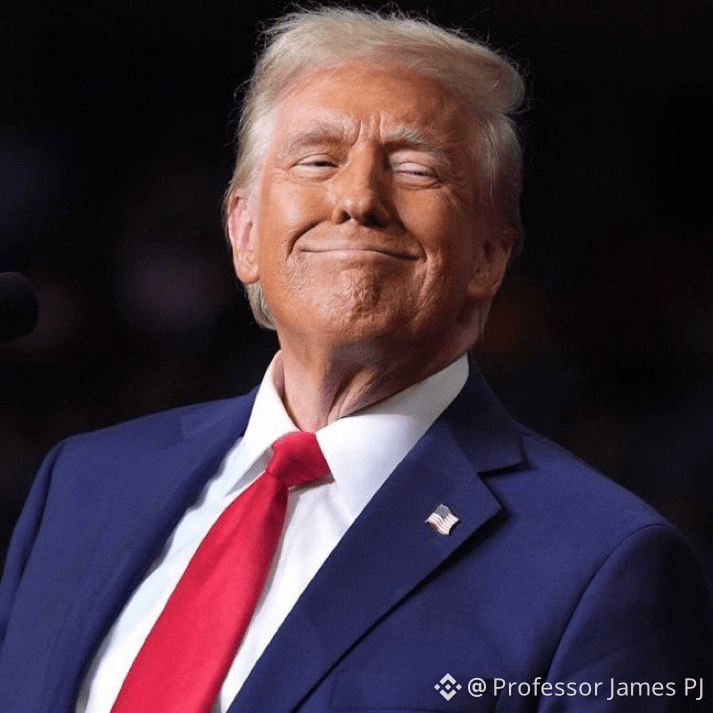
President Trump says Iran has “surrendered,” calls it the “loser of the Middle East,” and warns a hard strike could come today.
President Trump says Iran has “surrendered,” calls it the “loser of the Middle East,” and warns a hard strike could come today.

5
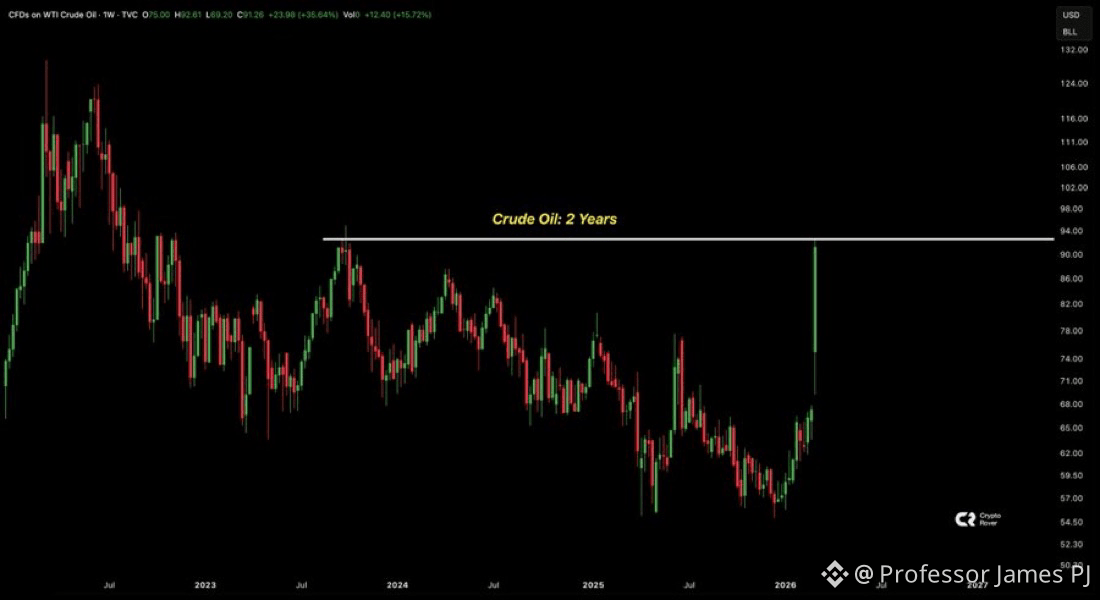
Crude Oil soars to highest price in nearly 2 years 🛢
Crude Oil soars to highest price in nearly 2 years 🛢
1
16
·
--
Bullish
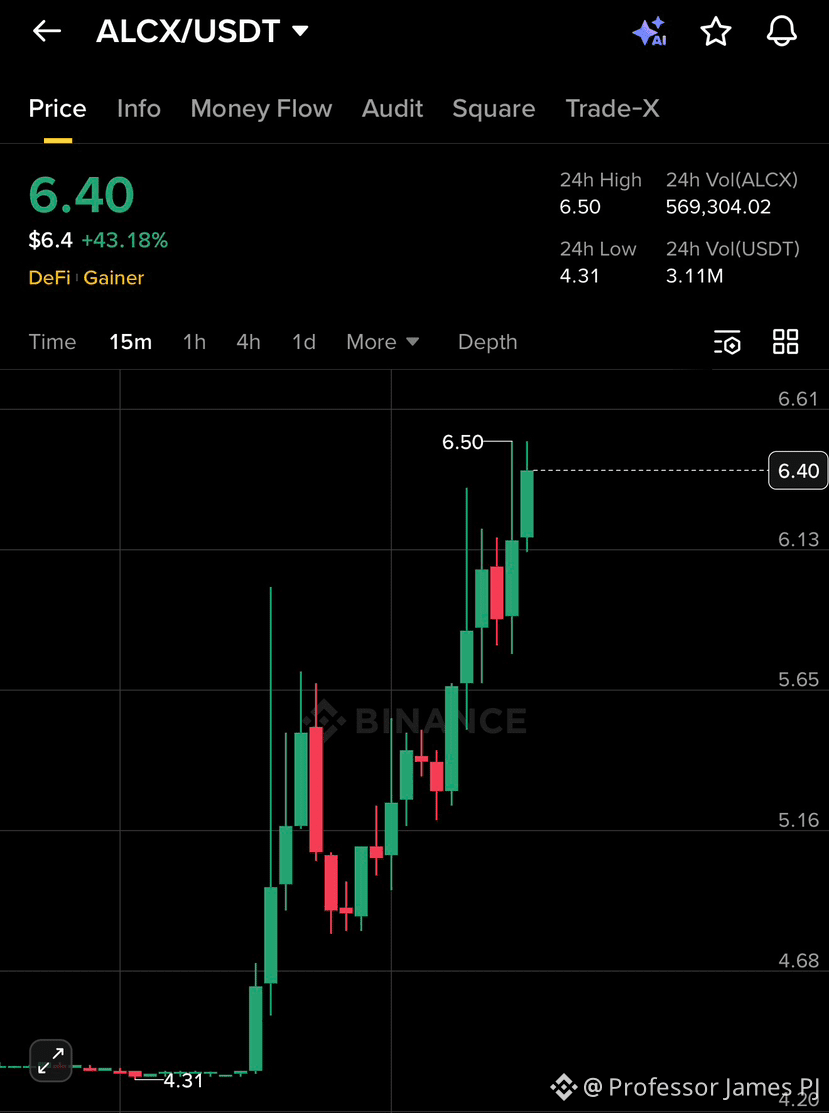
$ALCX has shown a strong bullish surge, gaining more than 40% after bouncing from the 4.31 low and pushing toward the 6.50 resistance area. The strong momentum indicates increased buyer interest and short-term market strength.
Price is currently trading near a key resistance zone, where a brief consolidation may occur before the next move. Holding above the 6.00 support region could allow the trend to continue toward higher levels.
Buy Zone: 6.00 – 6.30
Stop Loss: 5.40
Targets:
Target 1: 6.80
Target 2: 7.40
Target 3: 8.20
After a strong rally, waiting for confirmation or a small pullback can help reduce risk before entering a position.
#NewGlobalUS15%TariffComingThisWeek #MarketPullback
{spot}(ALCXUSDT)
$ALCX has shown a strong bullish surge, gaining more than 40% after bouncing from the 4.31 low and pushing toward the 6.50 resistance area. The strong momentum indicates increased buyer interest and short-term market strength.
Price is currently trading near a key resistance zone, where a brief consolidation may occur before the next move. Holding above the 6.00 support region could allow the trend to continue toward higher levels.
Buy Zone: 6.00 – 6.30
Stop Loss: 5.40
Targets:
Target 1: 6.80
Target 2: 7.40
Target 3: 8.20
After a strong rally, waiting for confirmation or a small pullback can help reduce risk before entering a position.
#NewGlobalUS15%TariffComingThisWeek #MarketPullback
Price is currently trading near a key resistance zone, where a brief consolidation may occur before the next move. Holding above the 6.00 support region could allow the trend to continue toward higher levels.
Buy Zone: 6.00 – 6.30
Stop Loss: 5.40
Targets:
Target 1: 6.80
Target 2: 7.40
Target 3: 8.20
After a strong rally, waiting for confirmation or a small pullback can help reduce risk before entering a position.
#NewGlobalUS15%TariffComingThisWeek #MarketPullback
1
2
125
Log in to explore more content
Join global crypto users on Binance Square
⚡️ Get latest and useful information about crypto.
💬 Trusted by the world’s largest crypto exchange.
👍 Discover real insights from verified creators.
Email / Phone number
Trending Topics
BOJRaisesRatesTo31YearHigh
43,016 views
891 Discussing
Bitcoin Reclaims the Spotlight as Macro Pressure Fails to Break Crypto Demand
Fatima_Tariq
·11 Likes
·5.6k views
BuffettStepsDownAsBerkshireChairman
16,077 views
379 Discussing
XRPExchangeReservesHitSevenYearLow
21,212 views
385 Discussing