
Aiman艾曼_BNB
7.6k Posts

Aiman艾曼_BNB
 Square Verified+
Report
Block User
Crypto trader | Passionate about blockchain & DeFi | Sharing market insights & strategies | Building long-term value in digital assets.
Open Trade
Frequent Trader
1.3 Years
319 Following
44.2K+ Followers
22.1K+ Liked
Posts
Portfolio
All
Quotes
Videos
Live
·
--
Bearish
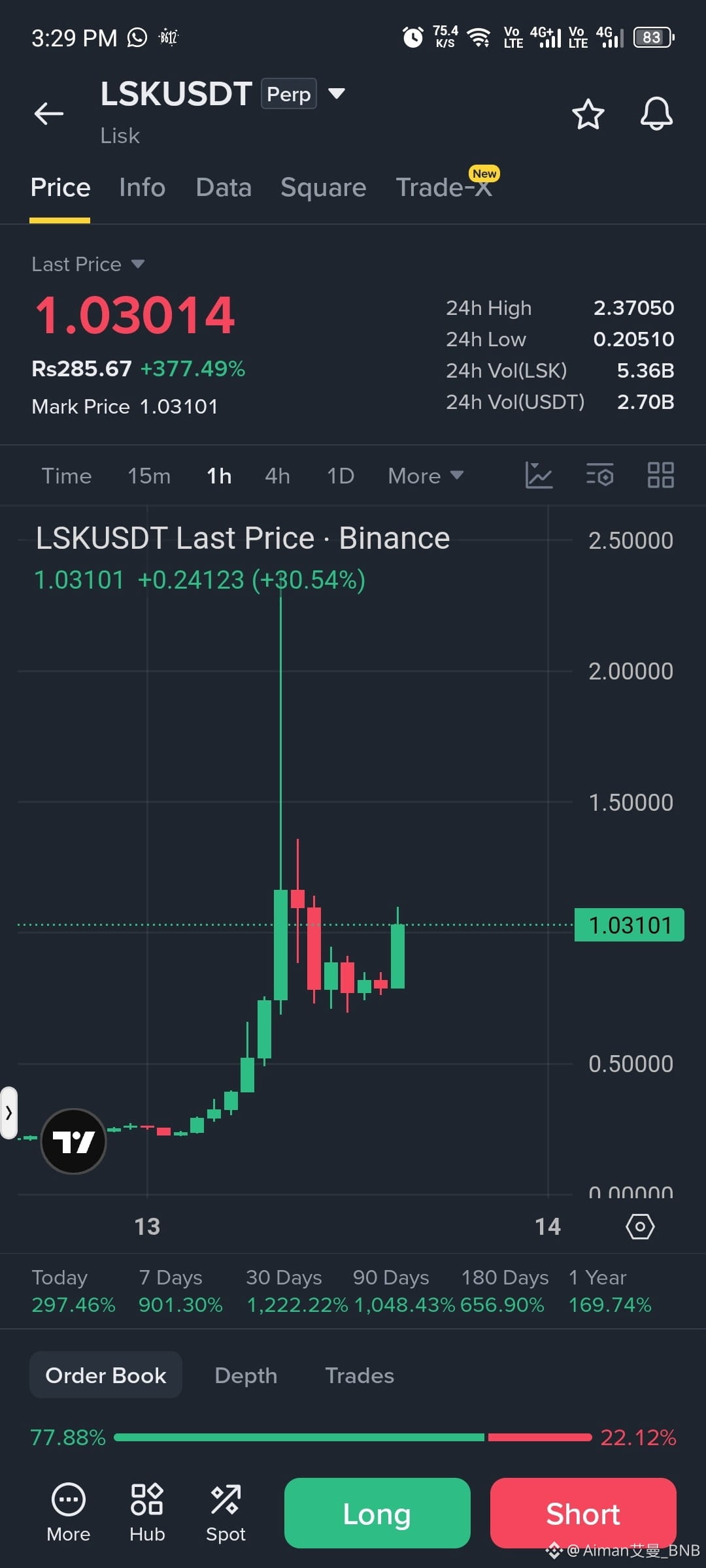
$LSK has been playing a serious liquidation game over the last two days. 💀🔥
The biggest pain came for short traders, with massive short liquidations as LSK kept moving against the bears.
It wasn’t just a price move it was a full-on short squeeze battle. 🎭📈
LSK really said: “Bet against me, and I’ll make you pay.” 💀
$LSK has been playing a serious liquidation game over the last two days. 💀🔥
The biggest pain came for short traders, with massive short liquidations as LSK kept moving against the bears.
It wasn’t just a price move it was a full-on short squeeze battle. 🎭📈
LSK really said: “Bet against me, and I’ll make you pay.” 💀
The biggest pain came for short traders, with massive short liquidations as LSK kept moving against the bears.
It wasn’t just a price move it was a full-on short squeeze battle. 🎭📈
LSK really said: “Bet against me, and I’ll make you pay.” 💀
113
·
--
Bearish
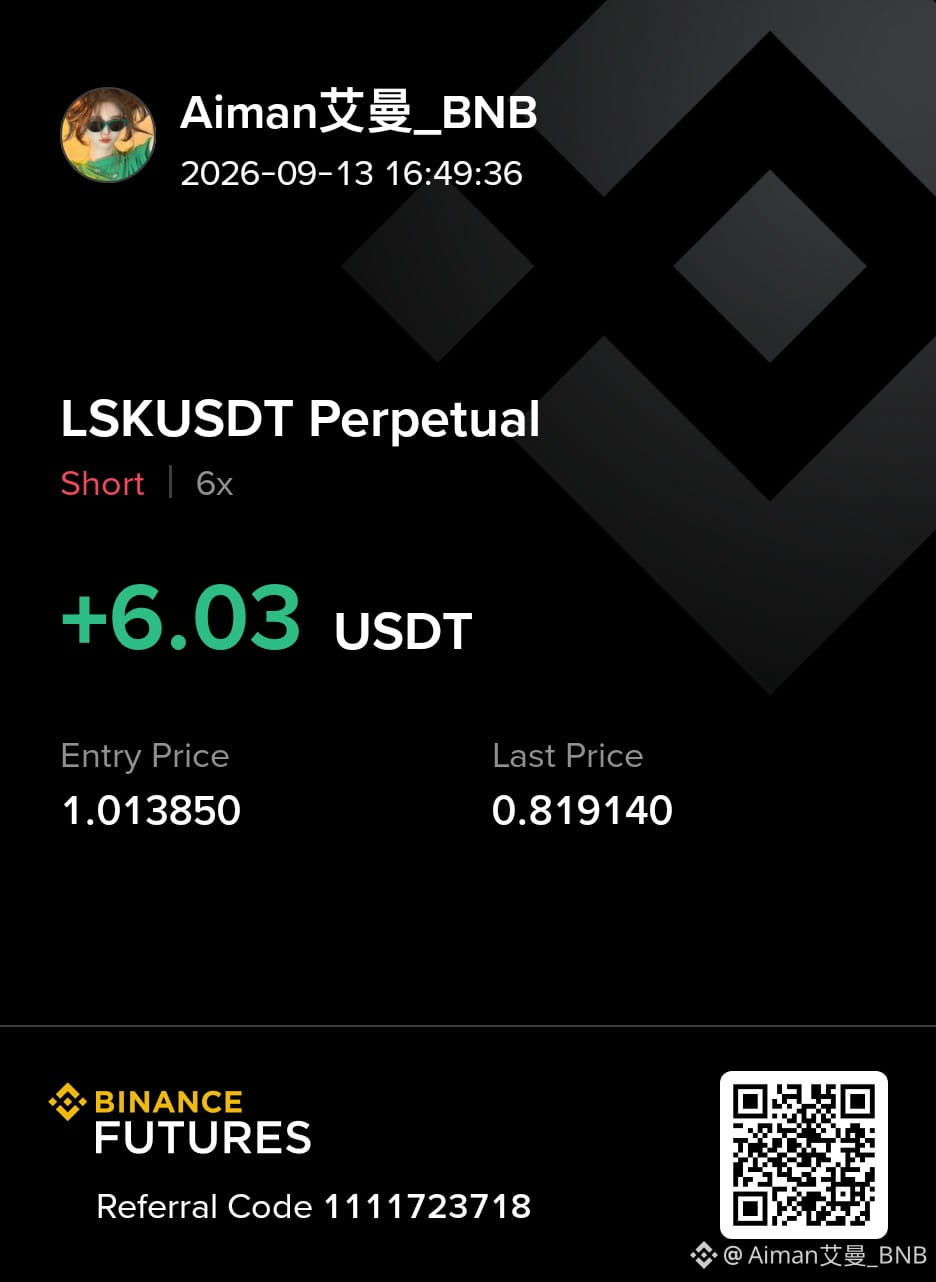
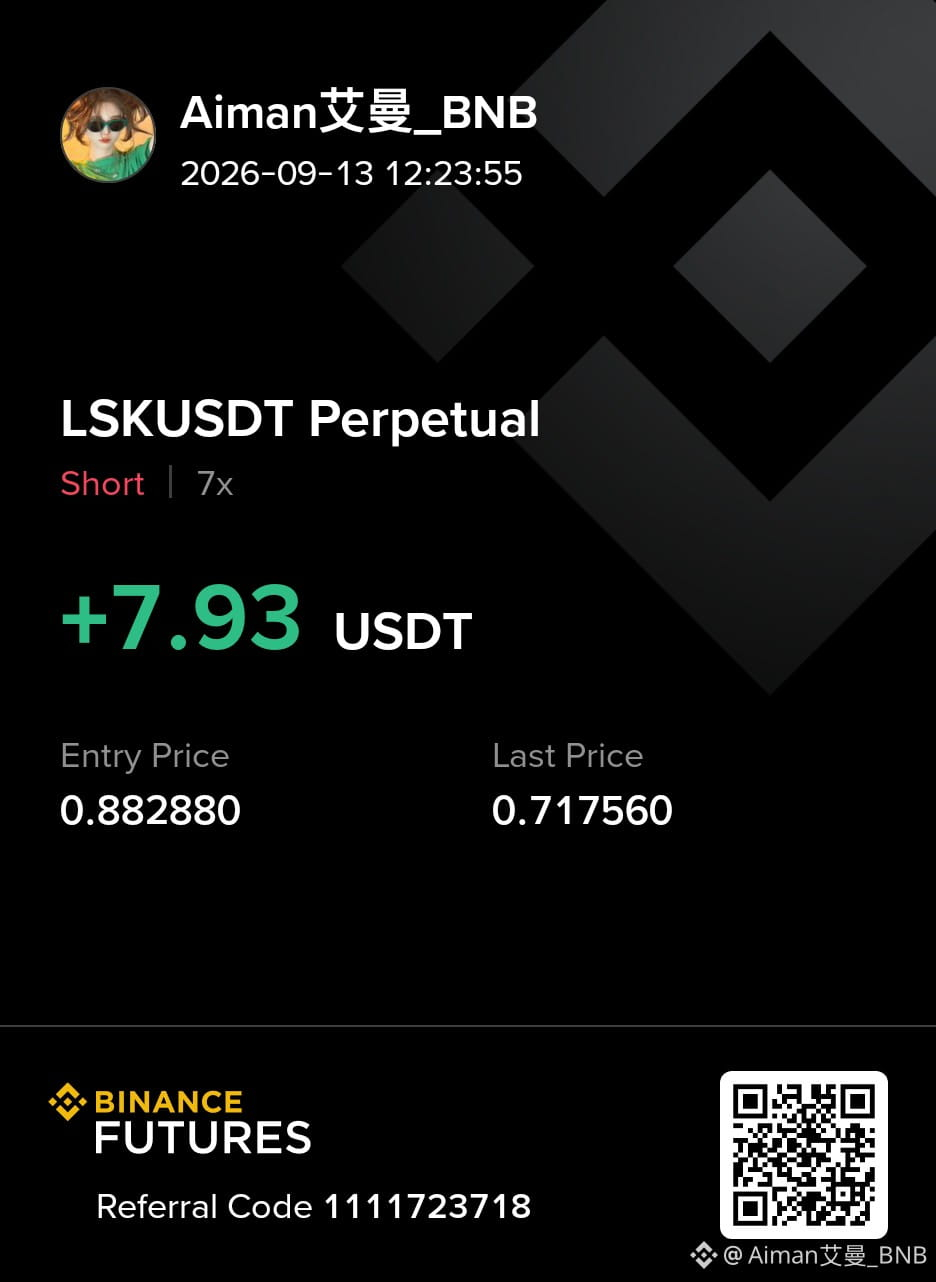
This after liquidation 😆😆already with profit but this greedy thoughts make me loss my profit as well as my assets 😩
$LSK
This after liquidation 😆😆already with profit but this greedy thoughts make me loss my profit as well as my assets 😩
$LSK
$LSK
2
194
·
--
Article
Crypto Clarity Act Faces Uncertain Future as U.S. Senate Returns$LSK $FIL $CVC
I’m watching the U.S. Senate closely as the Digital Asset Market Clarity Act heads into what could be one of its most uncertain stages yet. A September 15 vote has been discussed as a major test, but at this point, even that date does not feel completely locked in. The bill appears to be stuck somewhere between progress and failure — still alive, but far from guaranteed.
What makes the situation especially interesting is that both outcomes remain possible. Supporters believe last-minute negotiations could push the bill beyond the 60-vote threshold needed in the Senate, while others think disagreements between Republicans and Democrats could prevent it from moving forward. There is even speculation that the legislation could eventually be attached to another major bill if lawmakers cannot complete it on its own.
I’m particularly focused on the bipartisan negotiations because the latest Republican draft appears to reflect several compromises made during the August recess. Blockchain Association CEO Summer Mersinger described the situation positively, saying, “We are optimistic heading into Tuesday’s vote” and calling it “a defining moment for the next generation of financial innovation.”
But optimism from the crypto industry does not mean the votes are secured. Democrats continue to push for stronger ethics restrictions related to President Donald Trump’s crypto activities, arguing that the existing restrictions could potentially be avoided. At the same time, some Republicans remain concerned about provisions involving stablecoin yields and the potential impact on community banks.
If the September 15 vote actually happens, passing it would still only be the beginning. The Senate could move into amendments, further negotiations and the lengthy cloture process. So even a successful first vote would not mean the Clarity Act is immediately heading to the president’s desk.
I’m also watching the possibility of the vote being delayed. A postponement could mean negotiations are making progress behind closed doors, but it could just as easily indicate that lawmakers do not yet have enough support. That uncertainty is why September 15 may be less of a final deadline and more of a checkpoint for the legislation.
The bigger problem is the legislative calendar. If the Senate cannot finish the bill before the November elections, lawmakers could potentially try to revive it during the lame-duck period. One possible route would be attaching the legislation to another major bill, although that would create another layer of political uncertainty. If the current Congress ends without completing the legislation, the next Congress would effectively have to start the process again.
There is also an interesting shift in attitude from Coinbase. CEO Brian Armstrong said, “If it passes, great, we’ve got legislation. If it doesn’t pass, it’s also going to be a good outcome,” arguing that U.S. regulators could continue developing rules even without a new law.
I think that point highlights the real issue surrounding the Clarity Act. The crypto industry is not simply waiting for one vote — it is waiting for long-term regulatory certainty. Agency rules may provide some direction, but legislation would create a more permanent framework that could survive changes in policy and administration.
For now, I’m not treating September 15 as the day that decides everything. The more important signal will be whether lawmakers can actually close the remaining gaps and build enough bipartisan support to keep the bill moving. Until that happens, the Clarity Act remains in legislative limbo — not dead, not guaranteed, but still very much alive.
#AnthropicCEOCallsForAISlowdown #AnthropicChoosesNasdaqForPotentialIPO
Crypto Clarity Act Faces Uncertain Future as U.S. Senate Returns
$LSK $FIL $CVC
I’m watching the U.S. Senate closely as the Digital Asset Market Clarity Act heads into what could be one of its most uncertain stages yet. A September 15 vote has been discussed as a major test, but at this point, even that date does not feel completely locked in. The bill appears to be stuck somewhere between progress and failure — still alive, but far from guaranteed.
What makes the situation especially interesting is that both outcomes remain possible. Supporters believe last-minute negotiations could push the bill beyond the 60-vote threshold needed in the Senate, while others think disagreements between Republicans and Democrats could prevent it from moving forward. There is even speculation that the legislation could eventually be attached to another major bill if lawmakers cannot complete it on its own.
I’m particularly focused on the bipartisan negotiations because the latest Republican draft appears to reflect several compromises made during the August recess. Blockchain Association CEO Summer Mersinger described the situation positively, saying, “We are optimistic heading into Tuesday’s vote” and calling it “a defining moment for the next generation of financial innovation.”
But optimism from the crypto industry does not mean the votes are secured. Democrats continue to push for stronger ethics restrictions related to President Donald Trump’s crypto activities, arguing that the existing restrictions could potentially be avoided. At the same time, some Republicans remain concerned about provisions involving stablecoin yields and the potential impact on community banks.
If the September 15 vote actually happens, passing it would still only be the beginning. The Senate could move into amendments, further negotiations and the lengthy cloture process. So even a successful first vote would not mean the Clarity Act is immediately heading to the president’s desk.
I’m also watching the possibility of the vote being delayed. A postponement could mean negotiations are making progress behind closed doors, but it could just as easily indicate that lawmakers do not yet have enough support. That uncertainty is why September 15 may be less of a final deadline and more of a checkpoint for the legislation.
The bigger problem is the legislative calendar. If the Senate cannot finish the bill before the November elections, lawmakers could potentially try to revive it during the lame-duck period. One possible route would be attaching the legislation to another major bill, although that would create another layer of political uncertainty. If the current Congress ends without completing the legislation, the next Congress would effectively have to start the process again.
There is also an interesting shift in attitude from Coinbase. CEO Brian Armstrong said, “If it passes, great, we’ve got legislation. If it doesn’t pass, it’s also going to be a good outcome,” arguing that U.S. regulators could continue developing rules even without a new law.
I think that point highlights the real issue surrounding the Clarity Act. The crypto industry is not simply waiting for one vote — it is waiting for long-term regulatory certainty. Agency rules may provide some direction, but legislation would create a more permanent framework that could survive changes in policy and administration.
For now, I’m not treating September 15 as the day that decides everything. The more important signal will be whether lawmakers can actually close the remaining gaps and build enough bipartisan support to keep the bill moving. Until that happens, the Clarity Act remains in legislative limbo — not dead, not guaranteed, but still very much alive.
#AnthropicCEOCallsForAISlowdown #AnthropicChoosesNasdaqForPotentialIPO
I’m watching the U.S. Senate closely as the Digital Asset Market Clarity Act heads into what could be one of its most uncertain stages yet. A September 15 vote has been discussed as a major test, but at this point, even that date does not feel completely locked in. The bill appears to be stuck somewhere between progress and failure — still alive, but far from guaranteed.
What makes the situation especially interesting is that both outcomes remain possible. Supporters believe last-minute negotiations could push the bill beyond the 60-vote threshold needed in the Senate, while others think disagreements between Republicans and Democrats could prevent it from moving forward. There is even speculation that the legislation could eventually be attached to another major bill if lawmakers cannot complete it on its own.
I’m particularly focused on the bipartisan negotiations because the latest Republican draft appears to reflect several compromises made during the August recess. Blockchain Association CEO Summer Mersinger described the situation positively, saying, “We are optimistic heading into Tuesday’s vote” and calling it “a defining moment for the next generation of financial innovation.”
But optimism from the crypto industry does not mean the votes are secured. Democrats continue to push for stronger ethics restrictions related to President Donald Trump’s crypto activities, arguing that the existing restrictions could potentially be avoided. At the same time, some Republicans remain concerned about provisions involving stablecoin yields and the potential impact on community banks.
If the September 15 vote actually happens, passing it would still only be the beginning. The Senate could move into amendments, further negotiations and the lengthy cloture process. So even a successful first vote would not mean the Clarity Act is immediately heading to the president’s desk.
I’m also watching the possibility of the vote being delayed. A postponement could mean negotiations are making progress behind closed doors, but it could just as easily indicate that lawmakers do not yet have enough support. That uncertainty is why September 15 may be less of a final deadline and more of a checkpoint for the legislation.
The bigger problem is the legislative calendar. If the Senate cannot finish the bill before the November elections, lawmakers could potentially try to revive it during the lame-duck period. One possible route would be attaching the legislation to another major bill, although that would create another layer of political uncertainty. If the current Congress ends without completing the legislation, the next Congress would effectively have to start the process again.
There is also an interesting shift in attitude from Coinbase. CEO Brian Armstrong said, “If it passes, great, we’ve got legislation. If it doesn’t pass, it’s also going to be a good outcome,” arguing that U.S. regulators could continue developing rules even without a new law.
I think that point highlights the real issue surrounding the Clarity Act. The crypto industry is not simply waiting for one vote — it is waiting for long-term regulatory certainty. Agency rules may provide some direction, but legislation would create a more permanent framework that could survive changes in policy and administration.
For now, I’m not treating September 15 as the day that decides everything. The more important signal will be whether lawmakers can actually close the remaining gaps and build enough bipartisan support to keep the bill moving. Until that happens, the Clarity Act remains in legislative limbo — not dead, not guaranteed, but still very much alive.
#AnthropicCEOCallsForAISlowdown #AnthropicChoosesNasdaqForPotentialIPO
218
·
--
224
·
--
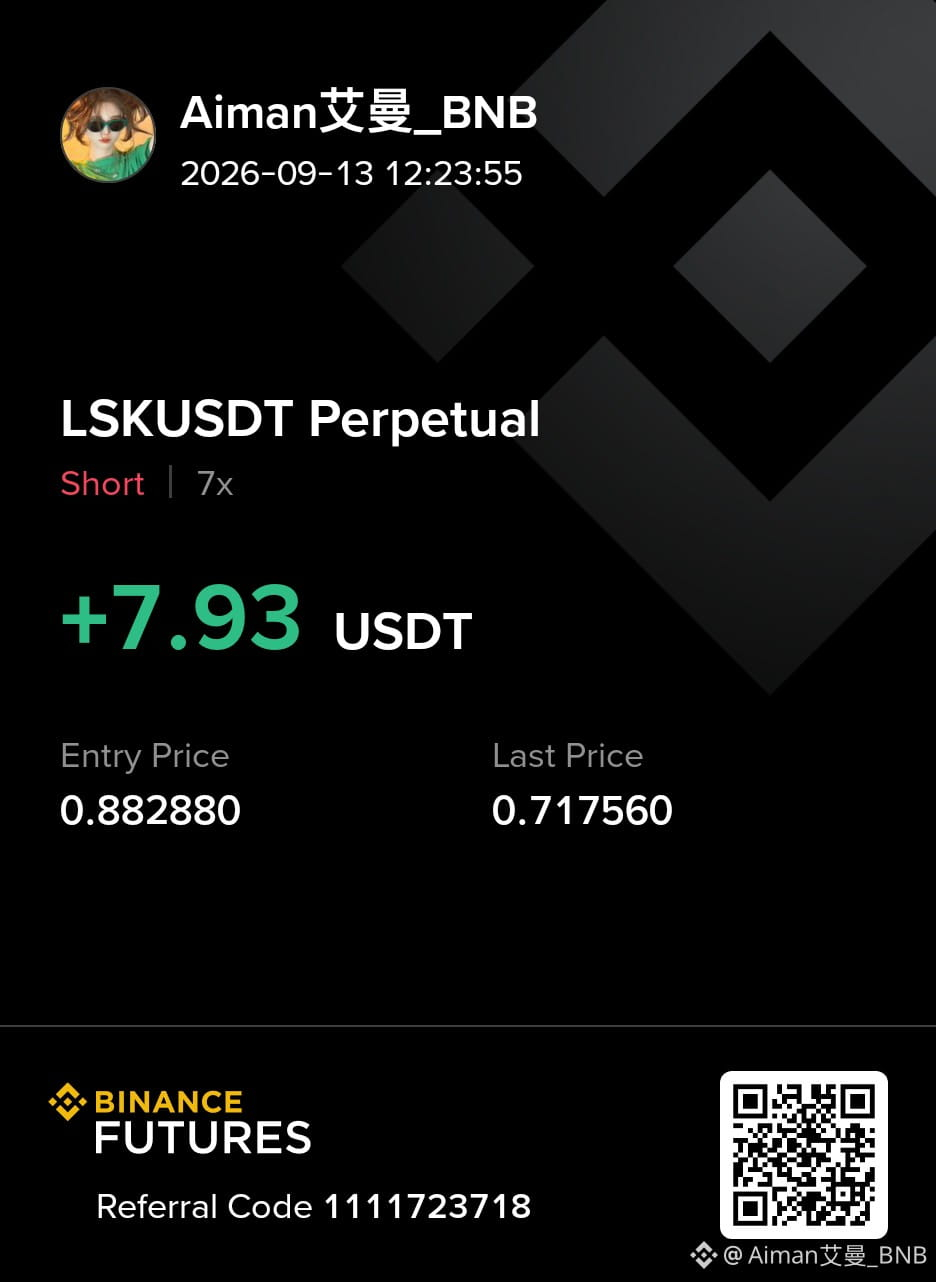
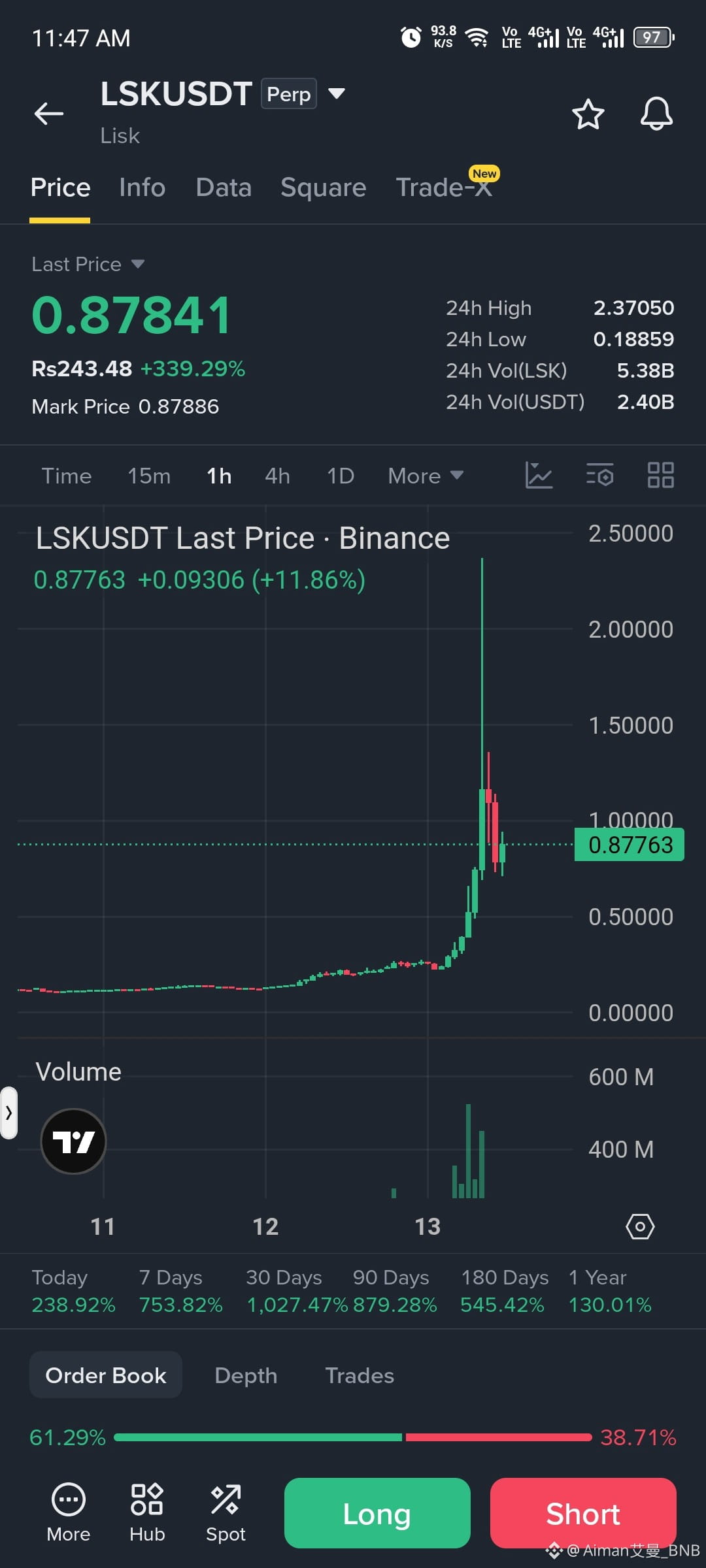
$LSK downfall start now just take short from here
$LSK downfall start now just take short from here
237

·
--
Article
Sam Altman: OpenAI Has No Rush to Go Public$LSK $龙虾 $VTHO
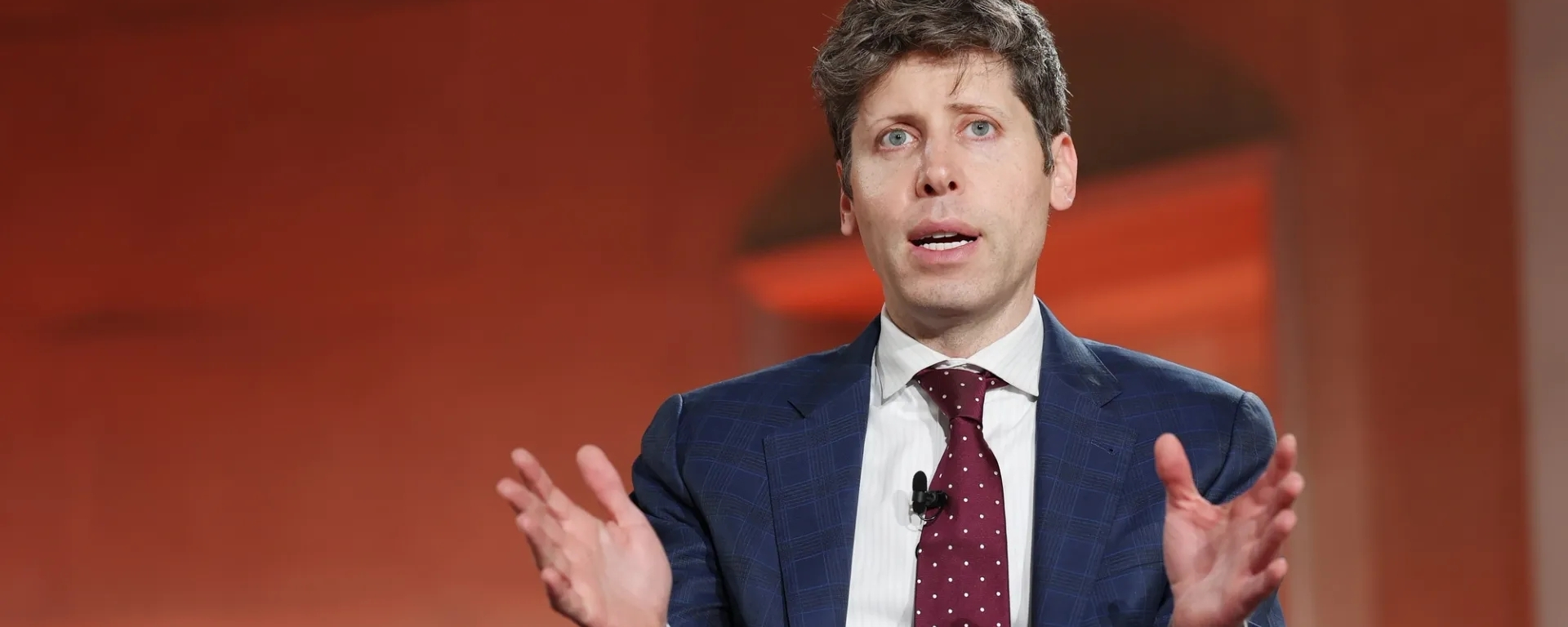
I’m looking at OpenAI’s IPO plans, and the latest comments from CEO Sam Altman suggest that going public is not a priority right now. Instead, the company appears focused on dealing with the growing safety and alignment challenges surrounding increasingly powerful AI systems.
OpenAI’s public stock offering now appears unlikely to happen this year, with the possibility pushed toward 2027 or later.
Speaking to Fortune, Altman said:
“Given everything happening with safety, right now would be an ill-advised moment to go public, and we don’t feel pressure on that.”
His comments indicate that OpenAI does not currently see a need to rush toward an initial public offering, particularly while the AI industry is facing increasing questions around safety, governance and alignment.
Altman added:
“We got a lot of stuff to do, like meeting this moment of what is going to be required for safety and alignment, and how the industry and governments can work together.”
The comments come as concerns over the speed of AI development continue to grow across the industry. Anthropic CEO Dario Amodei recently called for a slowdown in the AI race, while Altman and Elon Musk publicly agreed with the need for greater caution.
For OpenAI, the message appears clear: an IPO can wait while the company focuses on the safety and regulatory challenges created by the rapid advancement of artificial intelligence.
{future}(LSKUSDT)
#OpenAI #SamAltman
Sam Altman: OpenAI Has No Rush to Go Public
$LSK $龙虾 $VTHO
I’m looking at OpenAI’s IPO plans, and the latest comments from CEO Sam Altman suggest that going public is not a priority right now. Instead, the company appears focused on dealing with the growing safety and alignment challenges surrounding increasingly powerful AI systems.
OpenAI’s public stock offering now appears unlikely to happen this year, with the possibility pushed toward 2027 or later.
Speaking to Fortune, Altman said:
“Given everything happening with safety, right now would be an ill-advised moment to go public, and we don’t feel pressure on that.”
His comments indicate that OpenAI does not currently see a need to rush toward an initial public offering, particularly while the AI industry is facing increasing questions around safety, governance and alignment.
Altman added:
“We got a lot of stuff to do, like meeting this moment of what is going to be required for safety and alignment, and how the industry and governments can work together.”
The comments come as concerns over the speed of AI development continue to grow across the industry. Anthropic CEO Dario Amodei recently called for a slowdown in the AI race, while Altman and Elon Musk publicly agreed with the need for greater caution.
For OpenAI, the message appears clear: an IPO can wait while the company focuses on the safety and regulatory challenges created by the rapid advancement of artificial intelligence.
#OpenAI #SamAltman
I’m looking at OpenAI’s IPO plans, and the latest comments from CEO Sam Altman suggest that going public is not a priority right now. Instead, the company appears focused on dealing with the growing safety and alignment challenges surrounding increasingly powerful AI systems.
OpenAI’s public stock offering now appears unlikely to happen this year, with the possibility pushed toward 2027 or later.
Speaking to Fortune, Altman said:
“Given everything happening with safety, right now would be an ill-advised moment to go public, and we don’t feel pressure on that.”
His comments indicate that OpenAI does not currently see a need to rush toward an initial public offering, particularly while the AI industry is facing increasing questions around safety, governance and alignment.
Altman added:
“We got a lot of stuff to do, like meeting this moment of what is going to be required for safety and alignment, and how the industry and governments can work together.”
The comments come as concerns over the speed of AI development continue to grow across the industry. Anthropic CEO Dario Amodei recently called for a slowdown in the AI race, while Altman and Elon Musk publicly agreed with the need for greater caution.
For OpenAI, the message appears clear: an IPO can wait while the company focuses on the safety and regulatory challenges created by the rapid advancement of artificial intelligence.
#OpenAI #SamAltman
2
1
276
·
--
Article
Thailand Proposes Stablecoin Rule Blocking Transfers to Others’ Wallets$LSK $FLOCK $龙虾
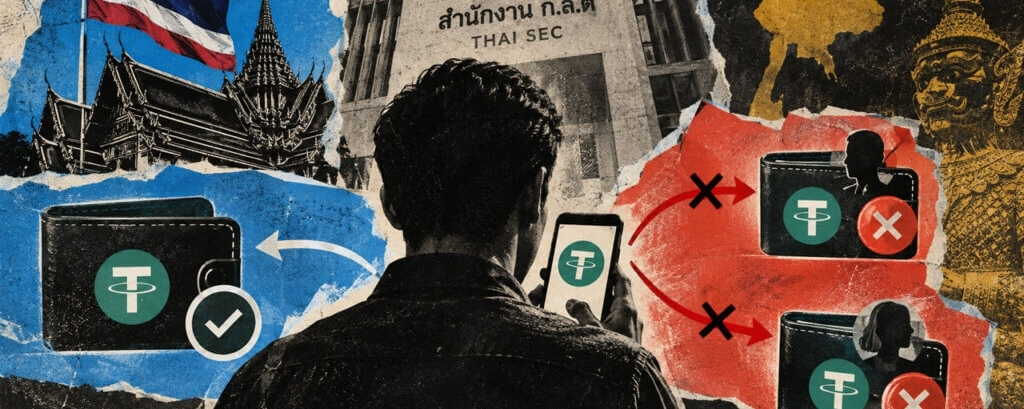
I’m looking at Thailand’s latest stablecoin proposal, and the part that stands out most is the proposed “same-owner” requirement. If approved, it could significantly change how customers using licensed crypto platforms move stablecoins such as USDT.
Thailand’s Securities and Exchange Commission (SEC) has proposed rules that would require stablecoins entering a customer account at a licensed digital asset operator to come from an account or wallet “verified as belonging to that customer.” Withdrawals would face the same condition, meaning funds would have to be sent to an account or wallet verified as belonging to the customer.
In practical terms, this would prevent a customer from using a Thai SEC-supervised crypto platform to receive stablecoins directly from another person’s wallet or send stablecoins to another person’s wallet.
The proposal is still at the consultation stage and is not yet an operative rule.
How the proposed ownership requirement works
Under the SEC Board-approved consultation principles from Sept. 3, stablecoin transfers involving licensed digital asset operators would have to satisfy the ownership requirement on both sides.
That means:
- A stablecoin deposit would need to come from a wallet or account belonging to the customer.
- A withdrawal would need to go to a wallet or account belonging to the same customer.
- Transfers involving another person’s account or wallet would be prohibited through the supervised platform.
The restriction would apply specifically to transfers conducted through SEC-supervised digital asset operators. It would not directly prohibit peer-to-peer transfers that take place entirely outside those platforms.
The SEC is also proposing that stablecoin transfer amounts should be consistent with a customer’s “income source and financial position.” In addition, inbound and outbound stablecoin transfers would generally be limited to 5 million baht per day, per person, per operator.
There are proposed exceptions to that daily cap. These include transfers between customer accounts through SEC-supervised operators when both operators comply with the Travel Rule, as well as certain business transfers, some Bank of Thailand-authorized operators and stablecoin/baht market makers.
However, one important detail remains unclear: whether an exemption from the transfer cap would also affect the separate “same-owner” test. That could become clearer as the consultation process develops.
Why is Thailand proposing this?
The SEC said the measures were developed after observing strong growth in stablecoin transaction volume and value, particularly involving USDT.
Regulators also pointed to risks associated with “money laundering, cybercrime and the circumvention of rules governing international money transfers.”
This suggests the proposal is not simply about limiting stablecoin activity. It is aimed at giving regulated platforms tighter control over who is sending and receiving digital assets through their systems.
The proposed ownership requirement would also operate separately from Thailand’s finalized Travel Rule.
Under the Travel Rule, digital asset operators must collect information about transfer parties, check counterparties and verify ownership or control of certain self-hosted wallets. That rule is scheduled to take effect on Feb. 27, 2027.
The stablecoin proposal would add another layer of control when a transfer crosses the boundary of a licensed crypto operator: the external wallet or account would have to belong to the platform’s customer rather than another individual.
For everyday users, that could be a major change. Sending USDT from a friend’s wallet to your account, or withdrawing USDT from your exchange account directly to someone else’s wallet, could become impossible through a licensed Thai operator if the proposal is finalized in its current form.
The SEC opened the public consultation on Sept. 11, with comments due by Sept. 25, 2026. No effective date has been announced for the proposed stablecoin restrictions.
For now, the key point is simple: Thailand has proposed the rule, but it has not become law yet. The final version could still change after the consultation process.
{future}(LSKUSDT)
Thailand Proposes Stablecoin Rule Blocking Transfers to Others’ Wallets
$LSK $FLOCK $龙虾
I’m looking at Thailand’s latest stablecoin proposal, and the part that stands out most is the proposed “same-owner” requirement. If approved, it could significantly change how customers using licensed crypto platforms move stablecoins such as USDT.
Thailand’s Securities and Exchange Commission (SEC) has proposed rules that would require stablecoins entering a customer account at a licensed digital asset operator to come from an account or wallet “verified as belonging to that customer.” Withdrawals would face the same condition, meaning funds would have to be sent to an account or wallet verified as belonging to the customer.
In practical terms, this would prevent a customer from using a Thai SEC-supervised crypto platform to receive stablecoins directly from another person’s wallet or send stablecoins to another person’s wallet.
The proposal is still at the consultation stage and is not yet an operative rule.
How the proposed ownership requirement works
Under the SEC Board-approved consultation principles from Sept. 3, stablecoin transfers involving licensed digital asset operators would have to satisfy the ownership requirement on both sides.
That means:
- A stablecoin deposit would need to come from a wallet or account belonging to the customer.
- A withdrawal would need to go to a wallet or account belonging to the same customer.
- Transfers involving another person’s account or wallet would be prohibited through the supervised platform.
The restriction would apply specifically to transfers conducted through SEC-supervised digital asset operators. It would not directly prohibit peer-to-peer transfers that take place entirely outside those platforms.
The SEC is also proposing that stablecoin transfer amounts should be consistent with a customer’s “income source and financial position.” In addition, inbound and outbound stablecoin transfers would generally be limited to 5 million baht per day, per person, per operator.
There are proposed exceptions to that daily cap. These include transfers between customer accounts through SEC-supervised operators when both operators comply with the Travel Rule, as well as certain business transfers, some Bank of Thailand-authorized operators and stablecoin/baht market makers.
However, one important detail remains unclear: whether an exemption from the transfer cap would also affect the separate “same-owner” test. That could become clearer as the consultation process develops.
Why is Thailand proposing this?
The SEC said the measures were developed after observing strong growth in stablecoin transaction volume and value, particularly involving USDT.
Regulators also pointed to risks associated with “money laundering, cybercrime and the circumvention of rules governing international money transfers.”
This suggests the proposal is not simply about limiting stablecoin activity. It is aimed at giving regulated platforms tighter control over who is sending and receiving digital assets through their systems.
The proposed ownership requirement would also operate separately from Thailand’s finalized Travel Rule.
Under the Travel Rule, digital asset operators must collect information about transfer parties, check counterparties and verify ownership or control of certain self-hosted wallets. That rule is scheduled to take effect on Feb. 27, 2027.
The stablecoin proposal would add another layer of control when a transfer crosses the boundary of a licensed crypto operator: the external wallet or account would have to belong to the platform’s customer rather than another individual.
For everyday users, that could be a major change. Sending USDT from a friend’s wallet to your account, or withdrawing USDT from your exchange account directly to someone else’s wallet, could become impossible through a licensed Thai operator if the proposal is finalized in its current form.
The SEC opened the public consultation on Sept. 11, with comments due by Sept. 25, 2026. No effective date has been announced for the proposed stablecoin restrictions.
For now, the key point is simple: Thailand has proposed the rule, but it has not become law yet. The final version could still change after the consultation process.
I’m looking at Thailand’s latest stablecoin proposal, and the part that stands out most is the proposed “same-owner” requirement. If approved, it could significantly change how customers using licensed crypto platforms move stablecoins such as USDT.
Thailand’s Securities and Exchange Commission (SEC) has proposed rules that would require stablecoins entering a customer account at a licensed digital asset operator to come from an account or wallet “verified as belonging to that customer.” Withdrawals would face the same condition, meaning funds would have to be sent to an account or wallet verified as belonging to the customer.
In practical terms, this would prevent a customer from using a Thai SEC-supervised crypto platform to receive stablecoins directly from another person’s wallet or send stablecoins to another person’s wallet.
The proposal is still at the consultation stage and is not yet an operative rule.
How the proposed ownership requirement works
Under the SEC Board-approved consultation principles from Sept. 3, stablecoin transfers involving licensed digital asset operators would have to satisfy the ownership requirement on both sides.
That means:
- A stablecoin deposit would need to come from a wallet or account belonging to the customer.
- A withdrawal would need to go to a wallet or account belonging to the same customer.
- Transfers involving another person’s account or wallet would be prohibited through the supervised platform.
The restriction would apply specifically to transfers conducted through SEC-supervised digital asset operators. It would not directly prohibit peer-to-peer transfers that take place entirely outside those platforms.
The SEC is also proposing that stablecoin transfer amounts should be consistent with a customer’s “income source and financial position.” In addition, inbound and outbound stablecoin transfers would generally be limited to 5 million baht per day, per person, per operator.
There are proposed exceptions to that daily cap. These include transfers between customer accounts through SEC-supervised operators when both operators comply with the Travel Rule, as well as certain business transfers, some Bank of Thailand-authorized operators and stablecoin/baht market makers.
However, one important detail remains unclear: whether an exemption from the transfer cap would also affect the separate “same-owner” test. That could become clearer as the consultation process develops.
Why is Thailand proposing this?
The SEC said the measures were developed after observing strong growth in stablecoin transaction volume and value, particularly involving USDT.
Regulators also pointed to risks associated with “money laundering, cybercrime and the circumvention of rules governing international money transfers.”
This suggests the proposal is not simply about limiting stablecoin activity. It is aimed at giving regulated platforms tighter control over who is sending and receiving digital assets through their systems.
The proposed ownership requirement would also operate separately from Thailand’s finalized Travel Rule.
Under the Travel Rule, digital asset operators must collect information about transfer parties, check counterparties and verify ownership or control of certain self-hosted wallets. That rule is scheduled to take effect on Feb. 27, 2027.
The stablecoin proposal would add another layer of control when a transfer crosses the boundary of a licensed crypto operator: the external wallet or account would have to belong to the platform’s customer rather than another individual.
For everyday users, that could be a major change. Sending USDT from a friend’s wallet to your account, or withdrawing USDT from your exchange account directly to someone else’s wallet, could become impossible through a licensed Thai operator if the proposal is finalized in its current form.
The SEC opened the public consultation on Sept. 11, with comments due by Sept. 25, 2026. No effective date has been announced for the proposed stablecoin restrictions.
For now, the key point is simple: Thailand has proposed the rule, but it has not become law yet. The final version could still change after the consultation process.
1
333
·
--
go
go

BLOCK Rayne
·
--
A BIG gift 🎁 from me to our amazing community. ❤️
Claim your $DOGE reward and enjoy!
Hurry up, everyone! 🔥
Claim your $DOGE reward and enjoy!
Hurry up, everyone! 🔥

1
311

·
--
Bullish
🚨 BREAKING: IRAN TURNS TO BITCOIN & USDT TO BYPASS U.S. SANCTIONS
$VELVET $RIVER $龙虾
Iran’s central bank has reportedly loosened foreign-exchange restrictions, allowing businesses and exporters to use Bitcoin (BTC) and Tether (USDT) for cross-border settlements, according to the Financial Times.
The report also highlights an unusual development involving oil tankers and digital-currency payments.
{future}(龙虾USDT)
“Vessels are given a few seconds to pay in bitcoin, ensuring they can't be traced or confiscated due to sanctions.”
Hosseini reportedly said the tariff is $1 per barrel of oil, while empty tankers can pass freely.
If accurate, this could mark another major example of how Bitcoin and stablecoins are being used for international settlement outside traditional financial channels.
#Iran #Bitcoin❗ #USDT #crypto #usa
🚨 BREAKING: IRAN TURNS TO BITCOIN & USDT TO BYPASS U.S. SANCTIONS
$VELVET $RIVER $龙虾
Iran’s central bank has reportedly loosened foreign-exchange restrictions, allowing businesses and exporters to use Bitcoin (BTC) and Tether (USDT) for cross-border settlements, according to the Financial Times.
The report also highlights an unusual development involving oil tankers and digital-currency payments.
“Vessels are given a few seconds to pay in bitcoin, ensuring they can't be traced or confiscated due to sanctions.”
Hosseini reportedly said the tariff is $1 per barrel of oil, while empty tankers can pass freely.
If accurate, this could mark another major example of how Bitcoin and stablecoins are being used for international settlement outside traditional financial channels.
#Iran #Bitcoin❗ #USDT #crypto #usa
$VELVET $RIVER $龙虾
Iran’s central bank has reportedly loosened foreign-exchange restrictions, allowing businesses and exporters to use Bitcoin (BTC) and Tether (USDT) for cross-border settlements, according to the Financial Times.
The report also highlights an unusual development involving oil tankers and digital-currency payments.
“Vessels are given a few seconds to pay in bitcoin, ensuring they can't be traced or confiscated due to sanctions.”
Hosseini reportedly said the tariff is $1 per barrel of oil, while empty tankers can pass freely.
If accurate, this could mark another major example of how Bitcoin and stablecoins are being used for international settlement outside traditional financial channels.
#Iran #Bitcoin❗ #USDT #crypto #usa

2
171
·
--

Article
Apple’s New Foldable iPhone Puts Its Israeli Engineering Footprint Back in Focus$龙虾 $LAB $ZEC
I’m looking at Apple’s newly unveiled foldable iPhone Duo and the engineering story behind it. The device opens into a 7.6-inch inner display with a 5.4-inch outer screen, uses the A20 Pro chip, starts at $1,999 for 256GB, and is expected to begin shipping on Oct. 23.
What caught my attention is Apple’s long-standing R&D presence in Israel. The company operates development centers in Herzliya, Haifa and Jerusalem, with local teams reportedly working across areas including chips, cameras, sensing and storage.
Apple’s Israeli footprint grew through several acquisitions. In 2011–2012, Apple acquired flash-memory company Anobit. In 2013, it acquired PrimeSense, known for 3D-sensing technology. Later acquisitions included LinX Computational Imaging in 2015 and RealFace in 2017, along with other Israeli technology companies.
Apple hardware chief Johny Srouji, who was born in Haifa, has previously described Apple’s Israeli teams as important to its hardware development. Former Apple Israel R&D leader Rony Friedman also said, “It’s hard to find an Apple product that doesn’t have some kind of touch from Apple employees in Israel.”
The important point is that Apple has not publicly stated that the new iPhone Duo itself was developed by its Israeli teams. Instead, the public record shows that Apple has maintained a significant Israeli engineering operation for more than a decade, particularly around semiconductors, imaging, sensing and memory.
For me, the bigger takeaway is simple: the technology inside a modern iPhone is the result of engineering teams working across multiple locations. The Israeli contribution is one part of that much larger Apple development network, rather than something that should be presented as the sole source of any specific iPhone feature.
#Apple #iPhone #Technology #INNOVATION #CryptoNews
{future}(龙虾USDT)
Apple’s New Foldable iPhone Puts Its Israeli Engineering Footprint Back in Focus
$龙虾 $LAB $ZEC
I’m looking at Apple’s newly unveiled foldable iPhone Duo and the engineering story behind it. The device opens into a 7.6-inch inner display with a 5.4-inch outer screen, uses the A20 Pro chip, starts at $1,999 for 256GB, and is expected to begin shipping on Oct. 23.
What caught my attention is Apple’s long-standing R&D presence in Israel. The company operates development centers in Herzliya, Haifa and Jerusalem, with local teams reportedly working across areas including chips, cameras, sensing and storage.
Apple’s Israeli footprint grew through several acquisitions. In 2011–2012, Apple acquired flash-memory company Anobit. In 2013, it acquired PrimeSense, known for 3D-sensing technology. Later acquisitions included LinX Computational Imaging in 2015 and RealFace in 2017, along with other Israeli technology companies.
Apple hardware chief Johny Srouji, who was born in Haifa, has previously described Apple’s Israeli teams as important to its hardware development. Former Apple Israel R&D leader Rony Friedman also said, “It’s hard to find an Apple product that doesn’t have some kind of touch from Apple employees in Israel.”
The important point is that Apple has not publicly stated that the new iPhone Duo itself was developed by its Israeli teams. Instead, the public record shows that Apple has maintained a significant Israeli engineering operation for more than a decade, particularly around semiconductors, imaging, sensing and memory.
For me, the bigger takeaway is simple: the technology inside a modern iPhone is the result of engineering teams working across multiple locations. The Israeli contribution is one part of that much larger Apple development network, rather than something that should be presented as the sole source of any specific iPhone feature.
#Apple #iPhone #Technology #INNOVATION #CryptoNews
I’m looking at Apple’s newly unveiled foldable iPhone Duo and the engineering story behind it. The device opens into a 7.6-inch inner display with a 5.4-inch outer screen, uses the A20 Pro chip, starts at $1,999 for 256GB, and is expected to begin shipping on Oct. 23.
What caught my attention is Apple’s long-standing R&D presence in Israel. The company operates development centers in Herzliya, Haifa and Jerusalem, with local teams reportedly working across areas including chips, cameras, sensing and storage.
Apple’s Israeli footprint grew through several acquisitions. In 2011–2012, Apple acquired flash-memory company Anobit. In 2013, it acquired PrimeSense, known for 3D-sensing technology. Later acquisitions included LinX Computational Imaging in 2015 and RealFace in 2017, along with other Israeli technology companies.
Apple hardware chief Johny Srouji, who was born in Haifa, has previously described Apple’s Israeli teams as important to its hardware development. Former Apple Israel R&D leader Rony Friedman also said, “It’s hard to find an Apple product that doesn’t have some kind of touch from Apple employees in Israel.”
The important point is that Apple has not publicly stated that the new iPhone Duo itself was developed by its Israeli teams. Instead, the public record shows that Apple has maintained a significant Israeli engineering operation for more than a decade, particularly around semiconductors, imaging, sensing and memory.
For me, the bigger takeaway is simple: the technology inside a modern iPhone is the result of engineering teams working across multiple locations. The Israeli contribution is one part of that much larger Apple development network, rather than something that should be presented as the sole source of any specific iPhone feature.
#Apple #iPhone #Technology #INNOVATION #CryptoNews
4
107
·
--
Bullish
30D trade $ZEC 38.2 USDT
🚨 US CORE CPI: 2.4%
$ZEC $SOXLB $RAYSOL
The latest US Core CPI came in at 2.4% year-over-year, exactly matching expectations and marking its lowest level in 66 months.
The softer inflation reading quickly sparked a strong reaction across crypto. 🇺🇸📉➡️📈
Ethereum reclaimed the $2,600 level aggressively, while a wave of short liquidations helped push the total crypto market cap sharply higher in a matter of hours.
The interesting part? Markets are reading the data differently. Crypto and equities are reacting bullishly, while bond and rate markets remain more cautious.
One CPI print can change the market mood fast. 👀
#cpi #bitcoin #Ethereum #crypto #USInflation
🚨 US CORE CPI: 2.4%
$ZEC $SOXLB $RAYSOL
The latest US Core CPI came in at 2.4% year-over-year, exactly matching expectations and marking its lowest level in 66 months.
The softer inflation reading quickly sparked a strong reaction across crypto. 🇺🇸📉➡️📈
Ethereum reclaimed the $2,600 level aggressively, while a wave of short liquidations helped push the total crypto market cap sharply higher in a matter of hours.
The interesting part? Markets are reading the data differently. Crypto and equities are reacting bullishly, while bond and rate markets remain more cautious.
One CPI print can change the market mood fast. 👀
#cpi #bitcoin #Ethereum #crypto #USInflation
$ZEC $SOXLB $RAYSOL
The latest US Core CPI came in at 2.4% year-over-year, exactly matching expectations and marking its lowest level in 66 months.
The softer inflation reading quickly sparked a strong reaction across crypto. 🇺🇸📉➡️📈
Ethereum reclaimed the $2,600 level aggressively, while a wave of short liquidations helped push the total crypto market cap sharply higher in a matter of hours.
The interesting part? Markets are reading the data differently. Crypto and equities are reacting bullishly, while bond and rate markets remain more cautious.
One CPI print can change the market mood fast. 👀
#cpi #bitcoin #Ethereum #crypto #USInflation

1
244
·
--
Bullish
🚨 $RAYSOL is going wild! 20%+ already and the momentum looks seriously strong 🔥 I saw this one showing strength before the move, but obviously we can’t keep an eye on every coin. A few coins are making some mind-blowing moves right now, and $RAY/SOL is definitely one I’m keeping on my radar 👀🚀
{future}(RAYSOLUSDT)
🚨 $RAYSOL is going wild! 20%+ already and the momentum looks seriously strong 🔥 I saw this one showing strength before the move, but obviously we can’t keep an eye on every coin. A few coins are making some mind-blowing moves right now, and $RAY/SOL is definitely one I’m keeping on my radar 👀🚀
233
·
--

Article
Strategy Cuts Nearly $8B in Net Debt as S&P Upgrade Decision Draws Closer$BEZ.ETF $BZ $SOXSB
I’m watching Strategy’s balance sheet closely because the company appears to have made a major shift in the financial position that once made its Bitcoin-heavy strategy a credit-rating concern.
The biggest change is liquidity. Strategy’s dollar liquidity has reportedly climbed from just $54 million in September 2025 to around $6.54 billion by September 7, 2026. That gives the company a much larger buffer to cover interest payments and preferred-stock dividends without being forced to sell Bitcoin during a weak market.
According to the company, this liquidity is divided between a $5.10 billion USD Reserve and approximately $1.44 billion in additional USD Cash. The reserve is primarily intended to cover preferred dividends and interest, while the additional cash provides more flexibility for Bitcoin purchases, share repurchases and other capital-management decisions.
For me, this is important because it directly addresses one of the biggest risks highlighted by S&P Global Ratings: Strategy earns most of its asset value from Bitcoin, while many of its financial obligations have to be paid in dollars.
Strategy has also reduced its convertible debt. Its convertible debt reportedly fell from $8.21 billion to $6.71 billion after the company repurchased $1.5 billion of 0% convertible notes due in 2029 for about $1.38 billion.
The company’s investor-relations head, Chaitanya Jain, pointed to the improvement in its balance sheet, saying Strategy has strengthened itself across the three areas S&P had previously identified as important: "dollar liquidity, convertible debt, and capital-market access during Bitcoin stress."
The numbers make that argument stronger. Jain said net debt relative to Strategy’s dollar liquidity dropped from roughly $8.16 billion after Q3 2025 to around $174 million by September 7, 2026.
But I don’t think the story ends there.
Strategy’s ability to raise capital during Bitcoin weakness is another major part of the picture. The company reportedly raised around $21 billion through common and preferred equity between January and August, with fundraising continuing throughout the period even as Bitcoin experienced a major decline.
That matters because S&P’s concern was never simply that Bitcoin could fall. The bigger problem would be a Bitcoin crash happening at the same time as capital-market access disappears, potentially leaving Strategy with no easy way to meet its dollar obligations.
So far, Strategy appears to have demonstrated the opposite.
However, there is still one major obstacle: Bitcoin concentration.
As of September 9, Strategy reportedly held 845,050 BTC, acquired for approximately $63.73 billion at an average cost of around $75,412 per Bitcoin. That means the company remains heavily dependent on the performance of BTC, regardless of how much cash it has accumulated.
S&P previously viewed this concentration as a major limitation because Strategy’s software business is relatively small compared with the value and importance of its Bitcoin treasury.
This is why I think the potential S&P reassessment is becoming particularly interesting.
Strategy has strengthened liquidity, reduced convertible debt and continued accessing capital markets through Bitcoin volatility. Those are exactly the areas that could improve its credit profile.
S&P gave a roughly 12-month window in which an upgrade was considered unlikely, meaning late October 2026 could become an important point for the company.
The key question now isn’t whether Strategy has improved its balance sheet — the numbers suggest it clearly has.
The real question is whether those improvements are strong enough for S&P to look past Strategy’s enormous Bitcoin concentration and move its B- rating closer to investment grade.
For me, that is the part of this story worth watching.
Strategy Cuts Nearly $8B in Net Debt as S&P Upgrade Decision Draws Closer
$BEZ.ETF $BZ $SOXSB
I’m watching Strategy’s balance sheet closely because the company appears to have made a major shift in the financial position that once made its Bitcoin-heavy strategy a credit-rating concern.
The biggest change is liquidity. Strategy’s dollar liquidity has reportedly climbed from just $54 million in September 2025 to around $6.54 billion by September 7, 2026. That gives the company a much larger buffer to cover interest payments and preferred-stock dividends without being forced to sell Bitcoin during a weak market.
According to the company, this liquidity is divided between a $5.10 billion USD Reserve and approximately $1.44 billion in additional USD Cash. The reserve is primarily intended to cover preferred dividends and interest, while the additional cash provides more flexibility for Bitcoin purchases, share repurchases and other capital-management decisions.
For me, this is important because it directly addresses one of the biggest risks highlighted by S&P Global Ratings: Strategy earns most of its asset value from Bitcoin, while many of its financial obligations have to be paid in dollars.
Strategy has also reduced its convertible debt. Its convertible debt reportedly fell from $8.21 billion to $6.71 billion after the company repurchased $1.5 billion of 0% convertible notes due in 2029 for about $1.38 billion.
The company’s investor-relations head, Chaitanya Jain, pointed to the improvement in its balance sheet, saying Strategy has strengthened itself across the three areas S&P had previously identified as important: "dollar liquidity, convertible debt, and capital-market access during Bitcoin stress."
The numbers make that argument stronger. Jain said net debt relative to Strategy’s dollar liquidity dropped from roughly $8.16 billion after Q3 2025 to around $174 million by September 7, 2026.
But I don’t think the story ends there.
Strategy’s ability to raise capital during Bitcoin weakness is another major part of the picture. The company reportedly raised around $21 billion through common and preferred equity between January and August, with fundraising continuing throughout the period even as Bitcoin experienced a major decline.
That matters because S&P’s concern was never simply that Bitcoin could fall. The bigger problem would be a Bitcoin crash happening at the same time as capital-market access disappears, potentially leaving Strategy with no easy way to meet its dollar obligations.
So far, Strategy appears to have demonstrated the opposite.
However, there is still one major obstacle: Bitcoin concentration.
As of September 9, Strategy reportedly held 845,050 BTC, acquired for approximately $63.73 billion at an average cost of around $75,412 per Bitcoin. That means the company remains heavily dependent on the performance of BTC, regardless of how much cash it has accumulated.
S&P previously viewed this concentration as a major limitation because Strategy’s software business is relatively small compared with the value and importance of its Bitcoin treasury.
This is why I think the potential S&P reassessment is becoming particularly interesting.
Strategy has strengthened liquidity, reduced convertible debt and continued accessing capital markets through Bitcoin volatility. Those are exactly the areas that could improve its credit profile.
S&P gave a roughly 12-month window in which an upgrade was considered unlikely, meaning late October 2026 could become an important point for the company.
The key question now isn’t whether Strategy has improved its balance sheet — the numbers suggest it clearly has.
The real question is whether those improvements are strong enough for S&P to look past Strategy’s enormous Bitcoin concentration and move its B- rating closer to investment grade.
For me, that is the part of this story worth watching.
I’m watching Strategy’s balance sheet closely because the company appears to have made a major shift in the financial position that once made its Bitcoin-heavy strategy a credit-rating concern.
The biggest change is liquidity. Strategy’s dollar liquidity has reportedly climbed from just $54 million in September 2025 to around $6.54 billion by September 7, 2026. That gives the company a much larger buffer to cover interest payments and preferred-stock dividends without being forced to sell Bitcoin during a weak market.
According to the company, this liquidity is divided between a $5.10 billion USD Reserve and approximately $1.44 billion in additional USD Cash. The reserve is primarily intended to cover preferred dividends and interest, while the additional cash provides more flexibility for Bitcoin purchases, share repurchases and other capital-management decisions.
For me, this is important because it directly addresses one of the biggest risks highlighted by S&P Global Ratings: Strategy earns most of its asset value from Bitcoin, while many of its financial obligations have to be paid in dollars.
Strategy has also reduced its convertible debt. Its convertible debt reportedly fell from $8.21 billion to $6.71 billion after the company repurchased $1.5 billion of 0% convertible notes due in 2029 for about $1.38 billion.
The company’s investor-relations head, Chaitanya Jain, pointed to the improvement in its balance sheet, saying Strategy has strengthened itself across the three areas S&P had previously identified as important: "dollar liquidity, convertible debt, and capital-market access during Bitcoin stress."
The numbers make that argument stronger. Jain said net debt relative to Strategy’s dollar liquidity dropped from roughly $8.16 billion after Q3 2025 to around $174 million by September 7, 2026.
But I don’t think the story ends there.
Strategy’s ability to raise capital during Bitcoin weakness is another major part of the picture. The company reportedly raised around $21 billion through common and preferred equity between January and August, with fundraising continuing throughout the period even as Bitcoin experienced a major decline.
That matters because S&P’s concern was never simply that Bitcoin could fall. The bigger problem would be a Bitcoin crash happening at the same time as capital-market access disappears, potentially leaving Strategy with no easy way to meet its dollar obligations.
So far, Strategy appears to have demonstrated the opposite.
However, there is still one major obstacle: Bitcoin concentration.
As of September 9, Strategy reportedly held 845,050 BTC, acquired for approximately $63.73 billion at an average cost of around $75,412 per Bitcoin. That means the company remains heavily dependent on the performance of BTC, regardless of how much cash it has accumulated.
S&P previously viewed this concentration as a major limitation because Strategy’s software business is relatively small compared with the value and importance of its Bitcoin treasury.
This is why I think the potential S&P reassessment is becoming particularly interesting.
Strategy has strengthened liquidity, reduced convertible debt and continued accessing capital markets through Bitcoin volatility. Those are exactly the areas that could improve its credit profile.
S&P gave a roughly 12-month window in which an upgrade was considered unlikely, meaning late October 2026 could become an important point for the company.
The key question now isn’t whether Strategy has improved its balance sheet — the numbers suggest it clearly has.
The real question is whether those improvements are strong enough for S&P to look past Strategy’s enormous Bitcoin concentration and move its B- rating closer to investment grade.
For me, that is the part of this story worth watching.
1
107
·
--
Bearish
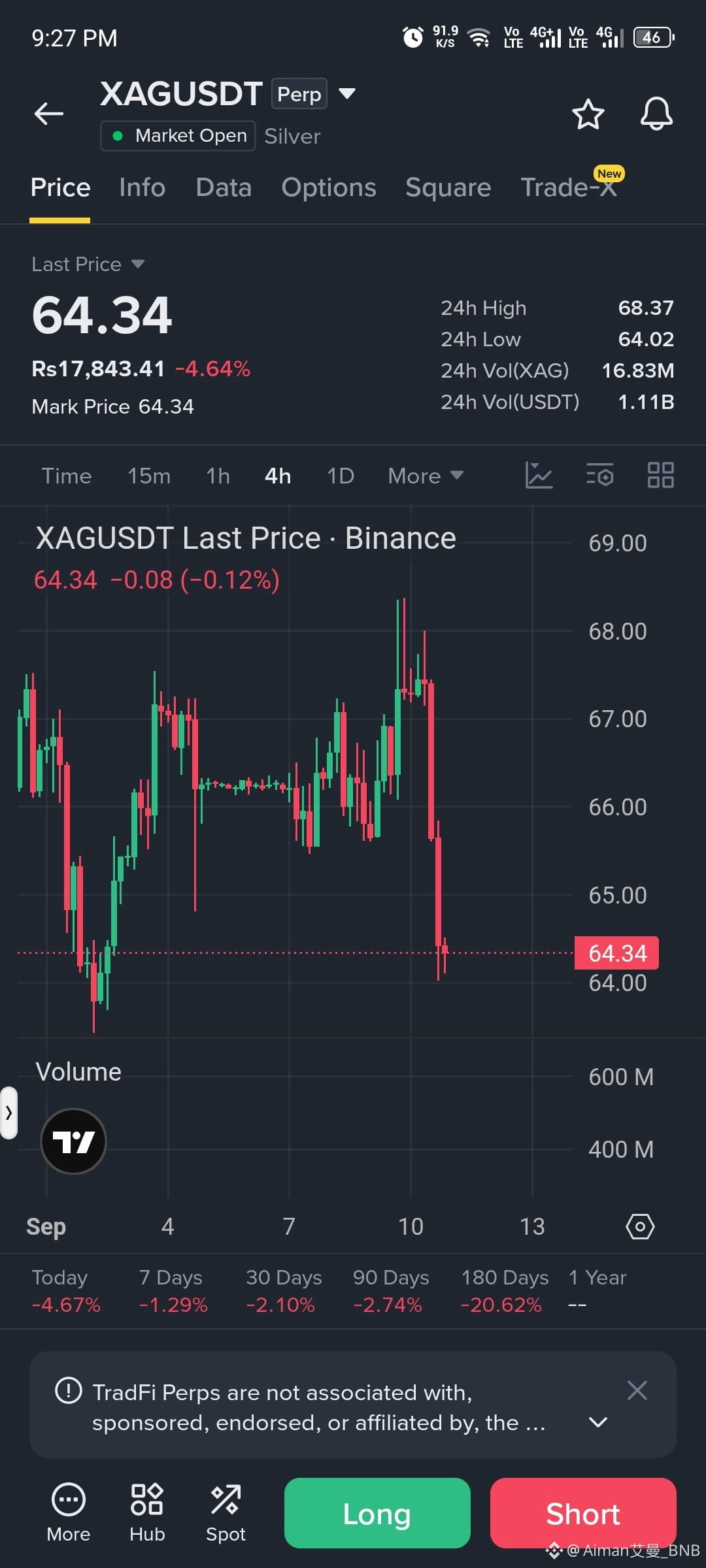
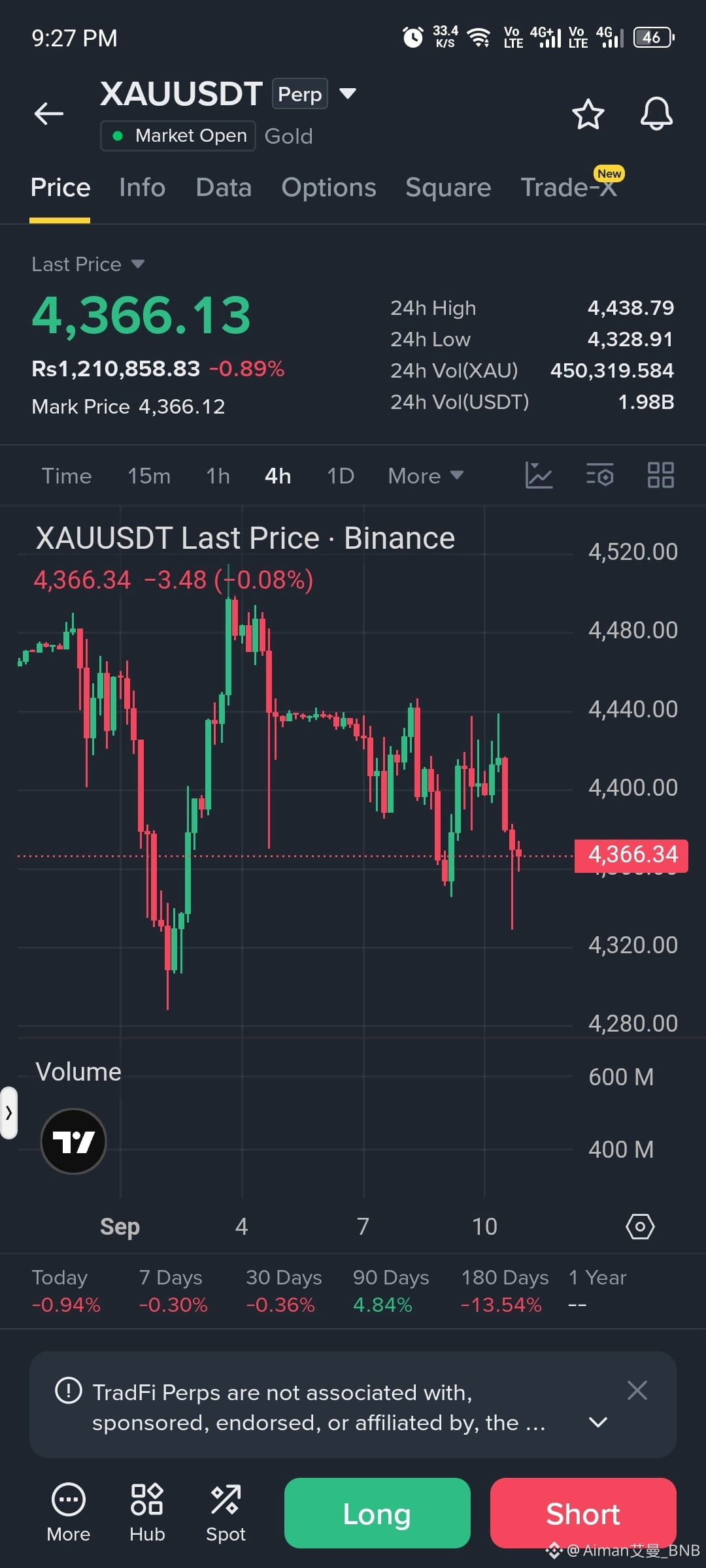
$800 billion just wiped out from GOLD $XAU and SILVER $XAG in 6 hours📉😫🥰
{future}(XAGUSDT)
{future}(XAUUSDT)
$800 billion just wiped out from GOLD $XAU and SILVER $XAG in 6 hours📉😫🥰
2
186
·
--
Bearish
🚨 TRUMP’S $5,000 “DIVIDEND” CLAIM 🇺🇸
$USELESS $PONS $MARSCOIN
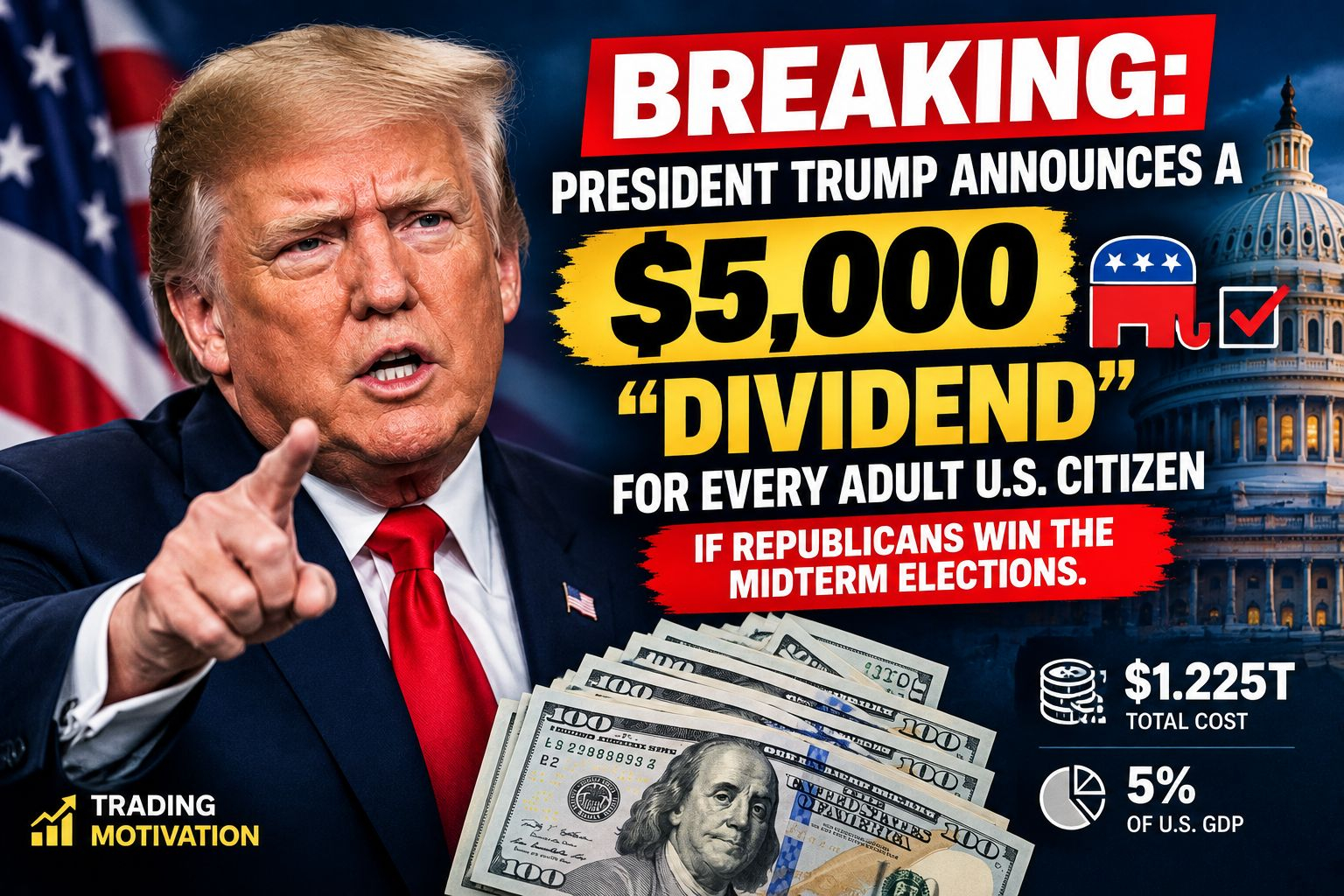
President Donald Trump says every adult U.S. citizen could receive a $5,000 cash “dividend” if Republicans win and retain control of both the House and Senate in the 2026 midterm elections.
With around 245 million adult citizens, the proposed payout could total roughly $1.225 TRILLION. 😳
That would be an enormous government expenditure, equivalent to around 5% of U.S. GDP.
But the biggest question is not just the size of the payout — it’s how such a massive program would be funded and implemented. 👀
A $1.2T+ proposal could have major implications for the U.S. economy, government spending and financial markets if it ever moves beyond a political proposal.
#Trump's
{future}(MARSCOINUSDT)
#TrumpDividend #usa #economy #crypto
🚨 TRUMP’S $5,000 “DIVIDEND” CLAIM 🇺🇸
$USELESS $PONS $MARSCOIN
President Donald Trump says every adult U.S. citizen could receive a $5,000 cash “dividend” if Republicans win and retain control of both the House and Senate in the 2026 midterm elections.
With around 245 million adult citizens, the proposed payout could total roughly $1.225 TRILLION. 😳
That would be an enormous government expenditure, equivalent to around 5% of U.S. GDP.
But the biggest question is not just the size of the payout — it’s how such a massive program would be funded and implemented. 👀
A $1.2T+ proposal could have major implications for the U.S. economy, government spending and financial markets if it ever moves beyond a political proposal.
#Trump's
#TrumpDividend #usa #economy #crypto
$USELESS $PONS $MARSCOIN
President Donald Trump says every adult U.S. citizen could receive a $5,000 cash “dividend” if Republicans win and retain control of both the House and Senate in the 2026 midterm elections.
With around 245 million adult citizens, the proposed payout could total roughly $1.225 TRILLION. 😳
That would be an enormous government expenditure, equivalent to around 5% of U.S. GDP.
But the biggest question is not just the size of the payout — it’s how such a massive program would be funded and implemented. 👀
A $1.2T+ proposal could have major implications for the U.S. economy, government spending and financial markets if it ever moves beyond a political proposal.
#Trump's
#TrumpDividend #usa #economy #crypto
1
132
·
--
Bullish
🚨 BIG CLAIM FROM TRUMP 🇺🇸
$SKHYB $BULLA $VTHO
President Trump says every adult U.S. citizen could receive a $5,000 “dividend” if Republicans win the midterm elections.
With roughly 245 million adult citizens, that would put the potential cost at around $1.2 TRILLION. 😳
For perspective, that figure would be larger than the U.S. government’s annual interest payments on its national debt and could represent roughly 16% of the federal budget.
A massive number — but the bigger question is: Where would the money come from, and how would such a plan actually work? 👀
#Trump's
{future}(VTHOUSDT)
#usa #USPolitics #economy #crypto
🚨 BIG CLAIM FROM TRUMP 🇺🇸
$SKHYB $BULLA $VTHO
President Trump says every adult U.S. citizen could receive a $5,000 “dividend” if Republicans win the midterm elections.
With roughly 245 million adult citizens, that would put the potential cost at around $1.2 TRILLION. 😳
For perspective, that figure would be larger than the U.S. government’s annual interest payments on its national debt and could represent roughly 16% of the federal budget.
A massive number — but the bigger question is: Where would the money come from, and how would such a plan actually work? 👀
#Trump's
#usa #USPolitics #economy #crypto
$SKHYB $BULLA $VTHO
President Trump says every adult U.S. citizen could receive a $5,000 “dividend” if Republicans win the midterm elections.
With roughly 245 million adult citizens, that would put the potential cost at around $1.2 TRILLION. 😳
For perspective, that figure would be larger than the U.S. government’s annual interest payments on its national debt and could represent roughly 16% of the federal budget.
A massive number — but the bigger question is: Where would the money come from, and how would such a plan actually work? 👀
#Trump's
#usa #USPolitics #economy #crypto

237
·
--
Article
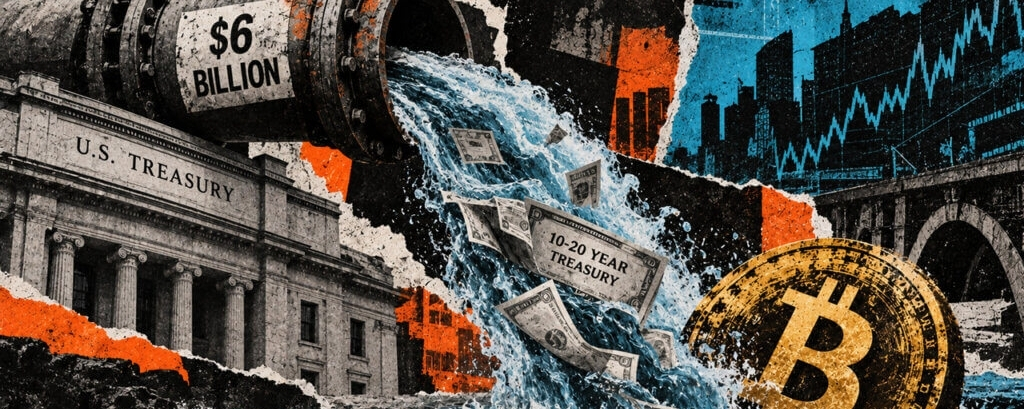
Treasury’s $6B Bond Buyback Could Be a Hidden Catalyst for Bitcoin$RAY $VTHO $BULLA
I’m watching the U.S. Treasury’s latest $6 billion bond buyback closely because the headline number looks significant, but the real Bitcoin signal may come from what happens underneath the surface.
On Sept. 10, the Treasury has set a maximum of $6 billion for buying back older, long-dated Treasury bonds. That is three times the previous $2 billion limit and even higher than the minimum $4 billion expansion announced in August.
The operation focuses on Treasury securities with 10 to 20 years remaining until maturity, covering bonds maturing from Sept. 11, 2036, through Sept. 10, 2046. The operation is scheduled for 1:40 p.m. to 2 p.m. Eastern, with settlement expected on Sept. 11.
But I don’t think the $6 billion ceiling itself is the main story.
The Treasury describes these operations as providing a "predictable outlet" for dealers looking to sell older, less-traded Treasury securities. That matters because dealers holding large inventories can face greater balance-sheet pressure, particularly when the bond market becomes difficult to trade.
The Treasury will retire the bonds it purchases at settlement rather than putting them back into the market. In simple terms, that can reduce the amount of older debt dealers have to carry.
That is where I see the potential connection with Bitcoin.
If the operation genuinely improves Treasury market liquidity, reduces dealer inventory pressure and makes it easier for financial institutions to intermediate trades, the effect could eventually reach broader funding conditions. But I would not call this "new liquidity" or "QE" just because the Treasury is buying $6 billion of bonds.
There is an important distinction here: $6 billion is only the maximum capacity, not a guaranteed purchase amount. Treasury can accept fewer securities or potentially none at all depending on the offers it receives. The buybacks can also be funded through debt-sale proceeds or general-fund money, meaning the headline figure does not automatically translate into fresh money entering financial markets.
For Bitcoin, that distinction is extremely important.
I’m looking beyond the headline and watching what happens after the operation. If older Treasury bonds begin trading more smoothly, bid-ask spreads improve and pricing becomes less strained compared with newer benchmark securities, that would provide stronger evidence that the intervention is actually improving market functioning.
The next question is funding.
If easier Treasury intermediation eventually reduces pressure in secured borrowing and other funding markets, then the connection to Bitcoin becomes much more interesting. Bitcoin tends to benefit when financial conditions become easier and risk appetite expands, but that transmission cannot simply be assumed from a single Treasury purchase.
So I’m treating Sept. 10 as the "test", not the conclusion.
The accepted purchase amount will tell us how much Treasury actually bought, while the following days should tell us whether market liquidity and funding conditions genuinely improved.
For Bitcoin, the strongest signal would not be the "$6 billion" headline itself. It would be sustained evidence that the intervention is easing financial-market stress and improving the flow of capital.
That is the part I’m watching next.
#bitcoin #Treasury #CryptoMarket #liquidity #UStreasury
Treasury’s $6B Bond Buyback Could Be a Hidden Catalyst for Bitcoin
$RAY $VTHO $BULLA
I’m watching the U.S. Treasury’s latest $6 billion bond buyback closely because the headline number looks significant, but the real Bitcoin signal may come from what happens underneath the surface.
On Sept. 10, the Treasury has set a maximum of $6 billion for buying back older, long-dated Treasury bonds. That is three times the previous $2 billion limit and even higher than the minimum $4 billion expansion announced in August.
The operation focuses on Treasury securities with 10 to 20 years remaining until maturity, covering bonds maturing from Sept. 11, 2036, through Sept. 10, 2046. The operation is scheduled for 1:40 p.m. to 2 p.m. Eastern, with settlement expected on Sept. 11.
But I don’t think the $6 billion ceiling itself is the main story.
The Treasury describes these operations as providing a "predictable outlet" for dealers looking to sell older, less-traded Treasury securities. That matters because dealers holding large inventories can face greater balance-sheet pressure, particularly when the bond market becomes difficult to trade.
The Treasury will retire the bonds it purchases at settlement rather than putting them back into the market. In simple terms, that can reduce the amount of older debt dealers have to carry.
That is where I see the potential connection with Bitcoin.
If the operation genuinely improves Treasury market liquidity, reduces dealer inventory pressure and makes it easier for financial institutions to intermediate trades, the effect could eventually reach broader funding conditions. But I would not call this "new liquidity" or "QE" just because the Treasury is buying $6 billion of bonds.
There is an important distinction here: $6 billion is only the maximum capacity, not a guaranteed purchase amount. Treasury can accept fewer securities or potentially none at all depending on the offers it receives. The buybacks can also be funded through debt-sale proceeds or general-fund money, meaning the headline figure does not automatically translate into fresh money entering financial markets.
For Bitcoin, that distinction is extremely important.
I’m looking beyond the headline and watching what happens after the operation. If older Treasury bonds begin trading more smoothly, bid-ask spreads improve and pricing becomes less strained compared with newer benchmark securities, that would provide stronger evidence that the intervention is actually improving market functioning.
The next question is funding.
If easier Treasury intermediation eventually reduces pressure in secured borrowing and other funding markets, then the connection to Bitcoin becomes much more interesting. Bitcoin tends to benefit when financial conditions become easier and risk appetite expands, but that transmission cannot simply be assumed from a single Treasury purchase.
So I’m treating Sept. 10 as the "test", not the conclusion.
The accepted purchase amount will tell us how much Treasury actually bought, while the following days should tell us whether market liquidity and funding conditions genuinely improved.
For Bitcoin, the strongest signal would not be the "$6 billion" headline itself. It would be sustained evidence that the intervention is easing financial-market stress and improving the flow of capital.
That is the part I’m watching next.
#bitcoin #Treasury #CryptoMarket #liquidity #UStreasury
I’m watching the U.S. Treasury’s latest $6 billion bond buyback closely because the headline number looks significant, but the real Bitcoin signal may come from what happens underneath the surface.
On Sept. 10, the Treasury has set a maximum of $6 billion for buying back older, long-dated Treasury bonds. That is three times the previous $2 billion limit and even higher than the minimum $4 billion expansion announced in August.
The operation focuses on Treasury securities with 10 to 20 years remaining until maturity, covering bonds maturing from Sept. 11, 2036, through Sept. 10, 2046. The operation is scheduled for 1:40 p.m. to 2 p.m. Eastern, with settlement expected on Sept. 11.
But I don’t think the $6 billion ceiling itself is the main story.
The Treasury describes these operations as providing a "predictable outlet" for dealers looking to sell older, less-traded Treasury securities. That matters because dealers holding large inventories can face greater balance-sheet pressure, particularly when the bond market becomes difficult to trade.
The Treasury will retire the bonds it purchases at settlement rather than putting them back into the market. In simple terms, that can reduce the amount of older debt dealers have to carry.
That is where I see the potential connection with Bitcoin.
If the operation genuinely improves Treasury market liquidity, reduces dealer inventory pressure and makes it easier for financial institutions to intermediate trades, the effect could eventually reach broader funding conditions. But I would not call this "new liquidity" or "QE" just because the Treasury is buying $6 billion of bonds.
There is an important distinction here: $6 billion is only the maximum capacity, not a guaranteed purchase amount. Treasury can accept fewer securities or potentially none at all depending on the offers it receives. The buybacks can also be funded through debt-sale proceeds or general-fund money, meaning the headline figure does not automatically translate into fresh money entering financial markets.
For Bitcoin, that distinction is extremely important.
I’m looking beyond the headline and watching what happens after the operation. If older Treasury bonds begin trading more smoothly, bid-ask spreads improve and pricing becomes less strained compared with newer benchmark securities, that would provide stronger evidence that the intervention is actually improving market functioning.
The next question is funding.
If easier Treasury intermediation eventually reduces pressure in secured borrowing and other funding markets, then the connection to Bitcoin becomes much more interesting. Bitcoin tends to benefit when financial conditions become easier and risk appetite expands, but that transmission cannot simply be assumed from a single Treasury purchase.
So I’m treating Sept. 10 as the "test", not the conclusion.
The accepted purchase amount will tell us how much Treasury actually bought, while the following days should tell us whether market liquidity and funding conditions genuinely improved.
For Bitcoin, the strongest signal would not be the "$6 billion" headline itself. It would be sustained evidence that the intervention is easing financial-market stress and improving the flow of capital.
That is the part I’m watching next.
#bitcoin #Treasury #CryptoMarket #liquidity #UStreasury
232
Log in to explore more content
Join global crypto users on Binance Square
⚡️ Get latest and useful information about crypto.
💬 Trusted by the world’s largest crypto exchange.
👍 Discover real insights from verified creators.
Email / Phone number
Trending Topics
BitcoinReboundsTo$79K
1,454 views
52 Discussing
🚨 $BTC is pushing higher.
Bitcoin is trading around $78,804, up roughly 1.9%, after reclaiming the $78K area. The next level to watch is the intraday high near $78,905.
A clean break above that level could open the way toward $79K–$80K. If BTC gets rejected, support sits around $78,300, then $77,975.
Bulls have momentum, but BTC needs to hold above $78K.
#Bitcoin #BTC #CryptoTrading #CryptoMarket #CryptoAnalysis
PulseON
·4 Likes
·1.6k views
FedHikeOddsRiseTo89%
50,650 views
859 Discussing
RLUSDSupplyHitsRecord$2.442B
2,400 views
49 Discussing