
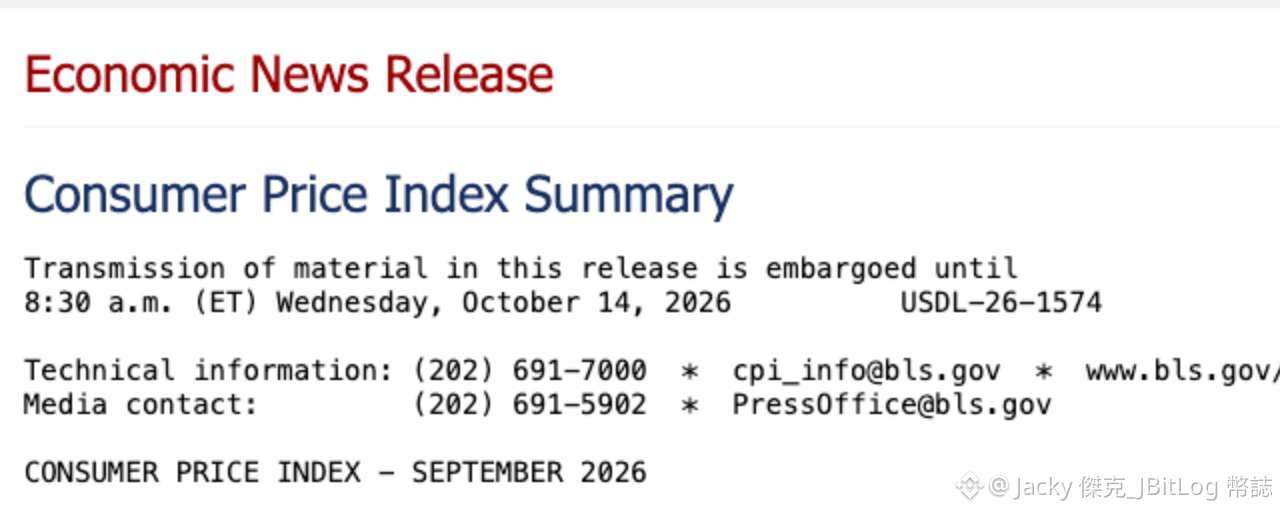

At 8:30 p.m. Taiwan time on October 14, the U.S. Bureau of Labor Statistics released the latest CPI (Consumer Price Index) figures. The closely watched “core CPI” came in hotter than expected: it rose 0.3% month over month, versus the market’s forecast of 0.2%; year over year, it rose 2.6%, also above the expected 2.5%.
Within minutes of the data’s release, Bitcoin fell by about $1,000 to around $82,800.
What is core CPI? Put simply, it leaves out “food” and “energy”—the categories with the biggest price swings—to see whether everyday expenses like rent, airfares, used cars, and medical care are rising.
Overall CPI rose 3.7% year over year this time, with gasoline accounting for more than half of the monthly increase. But oil prices can rise or fall in a flash, so what the market cares more about is: are prices still rising after taking oil prices out of the equation?
The answer is yes—and not just one. Rent rose 0.4% in a single month, used cars rose 0.7%, and airfares, healthcare, and clothing prices also went up.
Heather Long, chief economist at Navy Federal Credit Union, says that energy-driven price increases are spreading to other goods and services.
◆◆◆
Why did U.S. Treasury yields surge after this data was released?
The key is the Fed. If core inflation doesn’t come down, the Fed has more reason to raise rates again. After the data came out, traders’ odds of a rate hike by the end of October doubled in a day to 44%.
What do interest rate hikes have to do with Treasury bonds?
If newly issued Treasury bonds offer higher interest, people will start selling the older bonds they hold that pay lower interest. When more people sell, bond prices fall. The yield is the “return you’d earn by buying at today’s price and holding until maturity.” The lower the price, the higher the yield.
So after the data came out, the yield on 10-year U.S. Treasury bonds briefly surged to 5.36% intraday.
◆◆◆
So what does this have to do with the Bitcoin you’re holding?
When the market starts betting that the Fed will raise rates again, Treasury bonds can offer even higher returns. That raises the cost of holding Bitcoin, which pays no interest. So when interest rates rise, Bitcoin is often sold off alongside tech stocks.
You might say, wasn’t Bitcoin designed to hedge against inflation?
I agree when looking at the long term, since Bitcoin’s supply is fixed. But that’s about what may happen ten years from now. This sell-off is about whether the Fed will raise rates again in two weeks.
So if you’ve been watching the markets lately, I’d suggest noting down two dates:
Early morning on October 29, Taiwan time: the Fed’s next interest rate decision announcement
November 10 at 9:30 p.m., Taiwan time: the next U.S. CPI release
Next time you see a headline saying “U.S. inflation came in higher than expected,”
will you look at the overall figure first, or core CPI after excluding oil prices?
Feel free to share your thoughts with me~
⚠️ The content above is for reference only and does not constitute investment advice.