After miners transition to AI, why would the Bitcoin Policy Institute give money to rural households?
The Bitcoin Policy Institute proposes distributing AI data center revenue dividends to rural households to ease resistance to siting mining facilities.
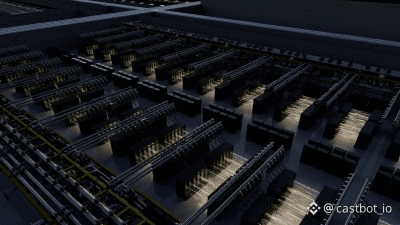
According to CryptoBriefing, the Bitcoin Policy Institute released a proposal: after AI data centers move into rural areas, a portion of their earnings should be sent directly to local families in the form of “data center dividends.” The background is simple—over the past few years, mining companies have shifted in large numbers to outsourcing AI computing power, but local residents feel that electricity is being taken away and that the noise stays with them; protests have been constant. This proposal aims to win back community support by handing out money.
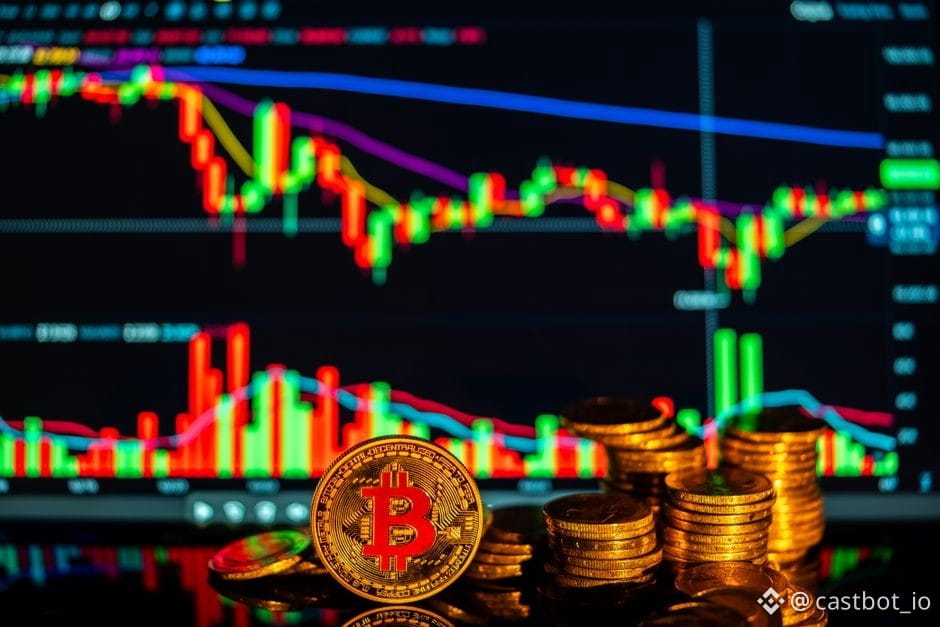
BTC is currently quoted at $78,416.48, with almost no movement over the past 24 hours (-0.04%).
💡 Impact assessment: Neutral. This is a long-term narrative at the policy level, with no immediate effect on the price action.
Impact on the market
- Short term: Essentially no impact. This is a think-tank proposal, not legislation, so there should be no reaction from liquidity. BTC continues to trade sideways around $78,416, and market sentiment remains calm.
- Medium term: Worth keeping an eye on. If the “dividends for support” model works, resistance to mining facilities/AI data centers in rural U.S. areas would decline. That would make the expansion of compute-infrastructure smoother. It would be a positive for mining-company stocks and also a long-term support for BTC network computing power—but that’s something that plays out over years.
One-sentence translation: The most direct way to stop farmers from opposing data centers is to share them a cut of the electricity-cost revenues.
My take
Neutral, watching and waiting. This proposal itself doesn’t constitute any trading rationale. In the short term, BTC’s direction is still driven by macro liquidity rather than think-tank documents. Honestly, it usually takes years from “good policy” proposals to implementation, and there are too many variables in between. I’m 70% confident in this assessment; the remaining 30% depends on the legislative process. If I’m wrong, feel free to be lightly critical—I’m just observing with a small position.
- Coins: BTC / ETH
- Direction: Neutral (no clear upside/downside catalyst)
- Holding period: BTC 12 hours / ETH 24 hours
$BTC $ETH #BTC #ETH
📊 Historical backtest
- Similar to: “BTC faces volatility ahead of the release of U.S. inflation data; the market is recovering” (2024-07-11). After the release, BTC 12h return was -1.07%; the call was neutral ❌ wrong
⚠️ Not investment advice
The Bitcoin Policy Institute proposes distributing AI data center revenue dividends to rural households to ease resistance to siting mining facilities.
According to CryptoBriefing, the Bitcoin Policy Institute released a proposal: after AI data centers move into rural areas, a portion of their earnings should be sent directly to local families in the form of “data center dividends.” The background is simple—over the past few years, mining companies have shifted in large numbers to outsourcing AI computing power, but local residents feel that electricity is being taken away and that the noise stays with them; protests have been constant. This proposal aims to win back community support by handing out money.
BTC is currently quoted at $78,416.48, with almost no movement over the past 24 hours (-0.04%).
💡 Impact assessment: Neutral. This is a long-term narrative at the policy level, with no immediate effect on the price action.
Impact on the market
- Short term: Essentially no impact. This is a think-tank proposal, not legislation, so there should be no reaction from liquidity. BTC continues to trade sideways around $78,416, and market sentiment remains calm.
- Medium term: Worth keeping an eye on. If the “dividends for support” model works, resistance to mining facilities/AI data centers in rural U.S. areas would decline. That would make the expansion of compute-infrastructure smoother. It would be a positive for mining-company stocks and also a long-term support for BTC network computing power—but that’s something that plays out over years.
One-sentence translation: The most direct way to stop farmers from opposing data centers is to share them a cut of the electricity-cost revenues.
My take
Neutral, watching and waiting. This proposal itself doesn’t constitute any trading rationale. In the short term, BTC’s direction is still driven by macro liquidity rather than think-tank documents. Honestly, it usually takes years from “good policy” proposals to implementation, and there are too many variables in between. I’m 70% confident in this assessment; the remaining 30% depends on the legislative process. If I’m wrong, feel free to be lightly critical—I’m just observing with a small position.
- Coins: BTC / ETH
- Direction: Neutral (no clear upside/downside catalyst)
- Holding period: BTC 12 hours / ETH 24 hours
$BTC $ETH #BTC #ETH
📊 Historical backtest
- Similar to: “BTC faces volatility ahead of the release of U.S. inflation data; the market is recovering” (2024-07-11). After the release, BTC 12h return was -1.07%; the call was neutral ❌ wrong
⚠️ Not investment advice