


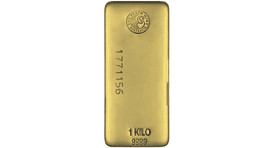
Due to the combined effects of factors such as exchange rate conversion and changes in asset prices, my country's foreign exchange reserves decreased in August, while gold reserves increased for the 11th month.
The data released by the central bank today showed that China's foreign exchange reserves in September were 3.1151 trillion US dollars, the estimated value was 3.1250 trillion US dollars, and the previous value was 3.1601 trillion US dollars. China's foreign exchange reserves in September were 2368.917 billion SDRs, and the previous value was 2376.119 billion SDRs.
At the end of September, China's gold reserves were reported at 70.46 million ounces, compared with 69.62 million ounces at the end of August, an increase of 840,000 ounces from the previous month, marking the 11th consecutive month of increase. At the end of September, the value of gold reserves was US$131.788 billion, compared with US$135.224 billion at the end of August.
In September, the international gold price fell from $1,940 per ounce to $1,840 per ounce, and 840,000 ounces of gold were worth more than $1.5 billion.
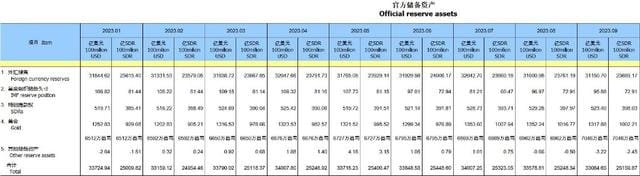
Since the beginning of this year, due to the strong gold buying spree by central banks around the world, my country's gold reserves have grown for the 11th consecutive month since November last year.
In the past 11 months, the People's Bank of China has increased its gold reserves by 7.82 million ounces. In the first seven months of this year, the People's Bank of China has increased its gold holdings by about 126 tons, making it the world's largest gold buyer.
As for the reasons why global governments are increasing their gold holdings, Pang Ming, chief economist of JLL China, said that gold has properties such as risk aversion, inflation resistance, and long-term preservation and appreciation of value. Increasing gold reserves in the international reserve portfolio will help to dynamically balance the security, liquidity and profitability of international reserves.