
#techgovernance
techgovernance
595 views
5 Discussing
Hot
Latest

·
--
'We Cannot Vibe Code the Future of Humanity'
The UN Chief's warning at the AI summit highlights growing concerns about the responsible development of artificial intelligence. As governments and tech giants race to deploy AI systems, ethical frameworks and governance structures struggle to keep pace with rapid technological advancement.
Experts emphasize that AI development requires more than just technical innovation—it demands thoughtful consideration of societal impact, labor displacement, and the concentration of power in the hands of a few tech companies. The call for 'human-centric' AI governance reflects broader debates about who controls these transformative technologies.
The intersection of AI policy and decentralized technology presents an intriguing parallel. While centralized AI models raise concerns about surveillance and control, blockchain-based alternatives propose distributed governance and transparent decision-making. This tension between centralized and decentralized approaches mirrors long-standing debates in the crypto space.
As the AI industry reckons with its societal responsibilities, the question remains: will regulation enable innovation or stifle it? And can decentralized technologies offer a third way that balances progress with accountability? Drop your take below. 👇
#AISovereignty #TechGovernance #DecentralizedFuture
36
🔍 Nvidia Probe Extends Pressure Despite Solid AI Backdrop 😕
Nvidia shares declined about 3.43 percent as the board’s independent investigation into CEO Jensen Huang continued to draw attention. The company has stated it has no reason to believe national security or corporate secrets were compromised.
Strong underlying demand for AI infrastructure remains a core support for the longer term narrative. Investors often separate near term governance developments from the broader technology growth trend.
$NVDAB $NVDA $NVDA.US #CoinVahini #NvidiaCEOProbe #AIStocks #TechGovernance
NVDAB+14.48%
NVDAUS-5.29%
644

Inside the Courtroom: High-Stakes Legal Battle Shapes the Future of AI Governance
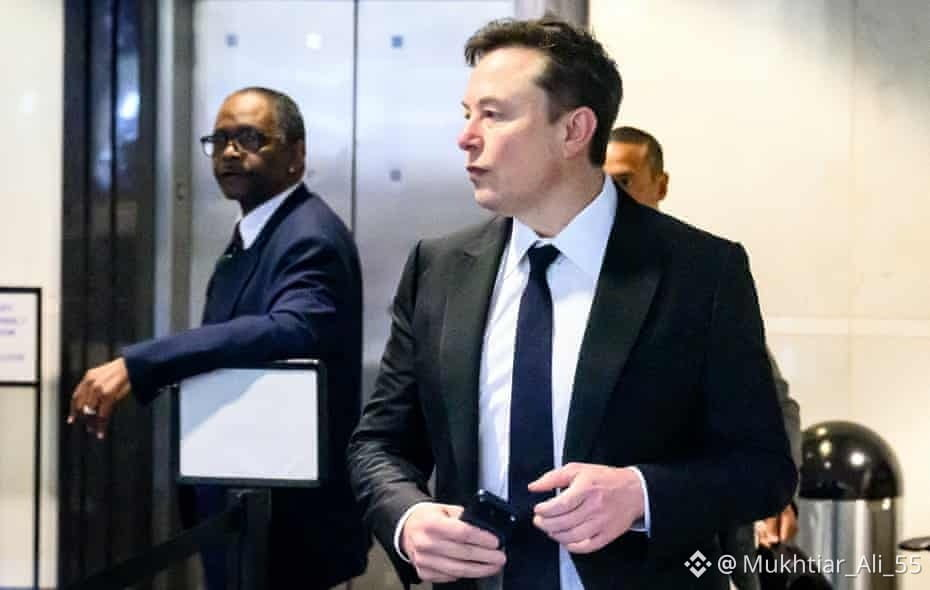
A closely watched legal confrontation between Elon Musk and Sam Altman has brought the internal evolution of OpenAI into sharp public focus. The case centers on Musk’s claim that the organization deviated from its original non-profit mission by transitioning toward a for-profit structure, allegedly violating its founding principles.
During intense courtroom exchanges, Musk argued that the shift undermines OpenAI’s commitment to benefiting humanity, while the company’s legal team countered that he was fully aware of the structural changes and is now motivated by competitive interests following his departure.
The trial has revealed private communications and financial contributions tied to OpenAI’s early development, offering rare insight into the dynamics between some of the tech industry’s most influential figures. Testimony also highlighted Musk’s broader concerns about artificial intelligence risks, although the court limited extended discussions on hypothetical existential threats.
With OpenAI reportedly aiming for a future public offering, the outcome of this case could have far-reaching implications—not only for the company’s governance but also for the broader AI industry. The proceedings underscore a critical question: how should transformative technologies be structured, governed, and held accountable as they scale globally?
As the trial continues, its impact is expected to resonate well beyond the courtroom, shaping both corporate strategy and the ethical direction of artificial intelligence development.
#ArtificialIntelligence #TechGovernance #OpenAI #Innovation #FutureOfAI
$D
{spot}(DUSDT)
$ACH
{spot}(ACHUSDT)
$COMP
{spot}(COMPUSDT)
Inside the Courtroom: High-Stakes Legal Battle Shapes the Future of AI Governance
A closely watched legal confrontation between Elon Musk and Sam Altman has brought the internal evolution of OpenAI into sharp public focus. The case centers on Musk’s claim that the organization deviated from its original non-profit mission by transitioning toward a for-profit structure, allegedly violating its founding principles.
During intense courtroom exchanges, Musk argued that the shift undermines OpenAI’s commitment to benefiting humanity, while the company’s legal team countered that he was fully aware of the structural changes and is now motivated by competitive interests following his departure.
The trial has revealed private communications and financial contributions tied to OpenAI’s early development, offering rare insight into the dynamics between some of the tech industry’s most influential figures. Testimony also highlighted Musk’s broader concerns about artificial intelligence risks, although the court limited extended discussions on hypothetical existential threats.
With OpenAI reportedly aiming for a future public offering, the outcome of this case could have far-reaching implications—not only for the company’s governance but also for the broader AI industry. The proceedings underscore a critical question: how should transformative technologies be structured, governed, and held accountable as they scale globally?
As the trial continues, its impact is expected to resonate well beyond the courtroom, shaping both corporate strategy and the ethical direction of artificial intelligence development.
#ArtificialIntelligence #TechGovernance #OpenAI #Innovation #FutureOfAI
$D
$ACH
$COMP
238
Log in to explore more content
Join global crypto users on Binance Square
⚡️ Get latest and useful information about crypto.
💬 Trusted by the world’s largest crypto exchange.
👍 Discover real insights from verified creators.
Email / Phone number
Trending Topics
1
#AnthropicFallsBelow$83IPOPricePremarket
1,993 views
45 Discussing
2
#NVDASoarsOnJensenReturn
38,728 views
544 Discussing
3
#Bitcoin'sReboundFadesBelow$60K
31,696 views
204 Discussing
4
#NVIDIAReinstatesJensenHuangasCEO
379,352 views
2,187 Discussing
5
#WillMarketsStageAThanksgivingReliefRally?
415,372 views
2,837 Discussing
6
#EthereumFoundationPlansShiftToHashBasedSignaturesBy2028
392 views
17 Discussing
7
#WillOctCorePCEShiftFedHikeExpectations?
160,811 views
1,467 Discussing
8
#SouthKoreaDigitalAssetBillProposes20%ShareholderCap
0 views
2 Discussing
9
#SouthKoreaProposesBanksHoldOver50%OfStablecoinIssuers
0 views
1 Discussing
10
#EvolveAtBinanceBlockchainWeek
296,709 views
1,811 Discussing