

#etc
etc
1.8M views
7,403 Discussing
Hot
Latest

$ETC - Ethereum Classic
The Original Ethereum! 💚
ETC is the true Proof-of-Work chain.
Code is Law. Decentralized. Unstoppable.
While others change,
ETC stays original.
Are you holding $ETC for the next bull run? 👇
Bullish or Bearish?
#ETC #EthereumClassic #crypto #BinanceSquare #bullish
$ETC - Ethereum Classic
The Original Ethereum! 💚
ETC is the true Proof-of-Work chain.
Code is Law. Decentralized. Unstoppable.
While others change,
ETC stays original.
Are you holding $ETC for the next bull run? 👇
Bullish or Bearish?
#ETC #EthereumClassic #crypto #BinanceSquare #bullish
The Original Ethereum! 💚
ETC is the true Proof-of-Work chain.
Code is Law. Decentralized. Unstoppable.
While others change,
ETC stays original.
Are you holding $ETC for the next bull run? 👇
Bullish or Bearish?
#ETC #EthereumClassic #crypto #BinanceSquare #bullish

cryptogirl007:
Classic never goes out of style, but are you holding spot or scalping perps?
4
1
3
433

·
--
Bullish
🚨🔥 $ETC — ETHEREUM CLASSIC IS FIGHTING BACK! CAN BULLS PUSH HIGHER? 📈
👀 Traders, keep Ethereum Classic ($ETC) on your radar!
💎 THE CLASSIC BLOCKCHAIN IS STILL ALIVE!
Ethereum Classic is the original Ethereum blockchain that continued after the 2016 network split. It supports smart contracts and decentralized applications, using a Proof-of-Work consensus mechanism. ⚡
{spot}(ETCUSDT)
📊 $ETC MARKET WATCH
💰 Price: Around $7.50
📈 24H Change: Near flat, with slight gains reported on some exchanges
🔥 Market Cap: Approximately $1.17B
💵 24H Trading Volume: Around $50M–$62M
Market figures are approximate snapshots for October 27, 2026, and vary by exchange.
🎯 WHAT'S NEXT FOR $ETC?
🟢 BULLISH SCENARIO
A sustained move above the $7.65–$7.75 area, backed by strong volume, could strengthen recovery momentum toward the $8 zone.
🟡 PULLBACK ZONE
Watch the $7.40–$7.50 area for signs of buyers stepping in.
🔴 BEARISH WARNING
A breakdown below the recent $7.35 support area could expose ETC to further downside.
⚡ MY TRADING PLAN
✅ BREAKOUT → VOLUME → RETEST → HOLD
✅ Wait for confirmation before entering
✅ Set a stop-loss according to your risk
❌ Don't chase green candles blindly!
🔥 THE BIG QUESTION
Can $ETC reclaim $8, or will sellers push it lower?
🟢 LONG — $8 NEXT?
🔴 WAIT — MORE DOWNSIDE?
👇 Drop your prediction in the comments!
#ETC #EthereumClassic #cryptotrading #Write2Earn #altcoins
⚠️ NFA | DYOR. This is market commentary, not financial advice. Cryptocurrency trading involves significant risk.
@Square-Creator-b813478db0b3
🚨🔥 $ETC — ETHEREUM CLASSIC IS FIGHTING BACK! CAN BULLS PUSH HIGHER? 📈
👀 Traders, keep Ethereum Classic ($ETC ) on your radar!
💎 THE CLASSIC BLOCKCHAIN IS STILL ALIVE!
Ethereum Classic is the original Ethereum blockchain that continued after the 2016 network split. It supports smart contracts and decentralized applications, using a Proof-of-Work consensus mechanism. ⚡
📊 $ETC MARKET WATCH
💰 Price: Around $7.50
📈 24H Change: Near flat, with slight gains reported on some exchanges
🔥 Market Cap: Approximately $1.17B
💵 24H Trading Volume: Around $50M–$62M
Market figures are approximate snapshots for October 27, 2026, and vary by exchange.
🎯 WHAT'S NEXT FOR $ETC ?
🟢 BULLISH SCENARIO
A sustained move above the $7.65–$7.75 area, backed by strong volume, could strengthen recovery momentum toward the $8 zone.
🟡 PULLBACK ZONE
Watch the $7.40–$7.50 area for signs of buyers stepping in.
🔴 BEARISH WARNING
A breakdown below the recent $7.35 support area could expose ETC to further downside.
⚡ MY TRADING PLAN
✅ BREAKOUT → VOLUME → RETEST → HOLD
✅ Wait for confirmation before entering
✅ Set a stop-loss according to your risk
❌ Don't chase green candles blindly!
🔥 THE BIG QUESTION
Can $ETC reclaim $8, or will sellers push it lower?
🟢 LONG — $8 NEXT?
🔴 WAIT — MORE DOWNSIDE?
👇 Drop your prediction in the comments!
#ETC #EthereumClassic #cryptotrading #Write2Earn #altcoins
⚠️ NFA | DYOR. This is market commentary, not financial advice. Cryptocurrency trading involves significant risk.
@Carlo Walley
👀 Traders, keep Ethereum Classic ($ETC ) on your radar!
💎 THE CLASSIC BLOCKCHAIN IS STILL ALIVE!
Ethereum Classic is the original Ethereum blockchain that continued after the 2016 network split. It supports smart contracts and decentralized applications, using a Proof-of-Work consensus mechanism. ⚡
📊 $ETC MARKET WATCH
💰 Price: Around $7.50
📈 24H Change: Near flat, with slight gains reported on some exchanges
🔥 Market Cap: Approximately $1.17B
💵 24H Trading Volume: Around $50M–$62M
Market figures are approximate snapshots for October 27, 2026, and vary by exchange.
🎯 WHAT'S NEXT FOR $ETC ?
🟢 BULLISH SCENARIO
A sustained move above the $7.65–$7.75 area, backed by strong volume, could strengthen recovery momentum toward the $8 zone.
🟡 PULLBACK ZONE
Watch the $7.40–$7.50 area for signs of buyers stepping in.
🔴 BEARISH WARNING
A breakdown below the recent $7.35 support area could expose ETC to further downside.
⚡ MY TRADING PLAN
✅ BREAKOUT → VOLUME → RETEST → HOLD
✅ Wait for confirmation before entering
✅ Set a stop-loss according to your risk
❌ Don't chase green candles blindly!
🔥 THE BIG QUESTION
Can $ETC reclaim $8, or will sellers push it lower?
🟢 LONG — $8 NEXT?
🔴 WAIT — MORE DOWNSIDE?
👇 Drop your prediction in the comments!
#ETC #EthereumClassic #cryptotrading #Write2Earn #altcoins
⚠️ NFA | DYOR. This is market commentary, not financial advice. Cryptocurrency trading involves significant risk.
@Carlo Walley

46

·
--
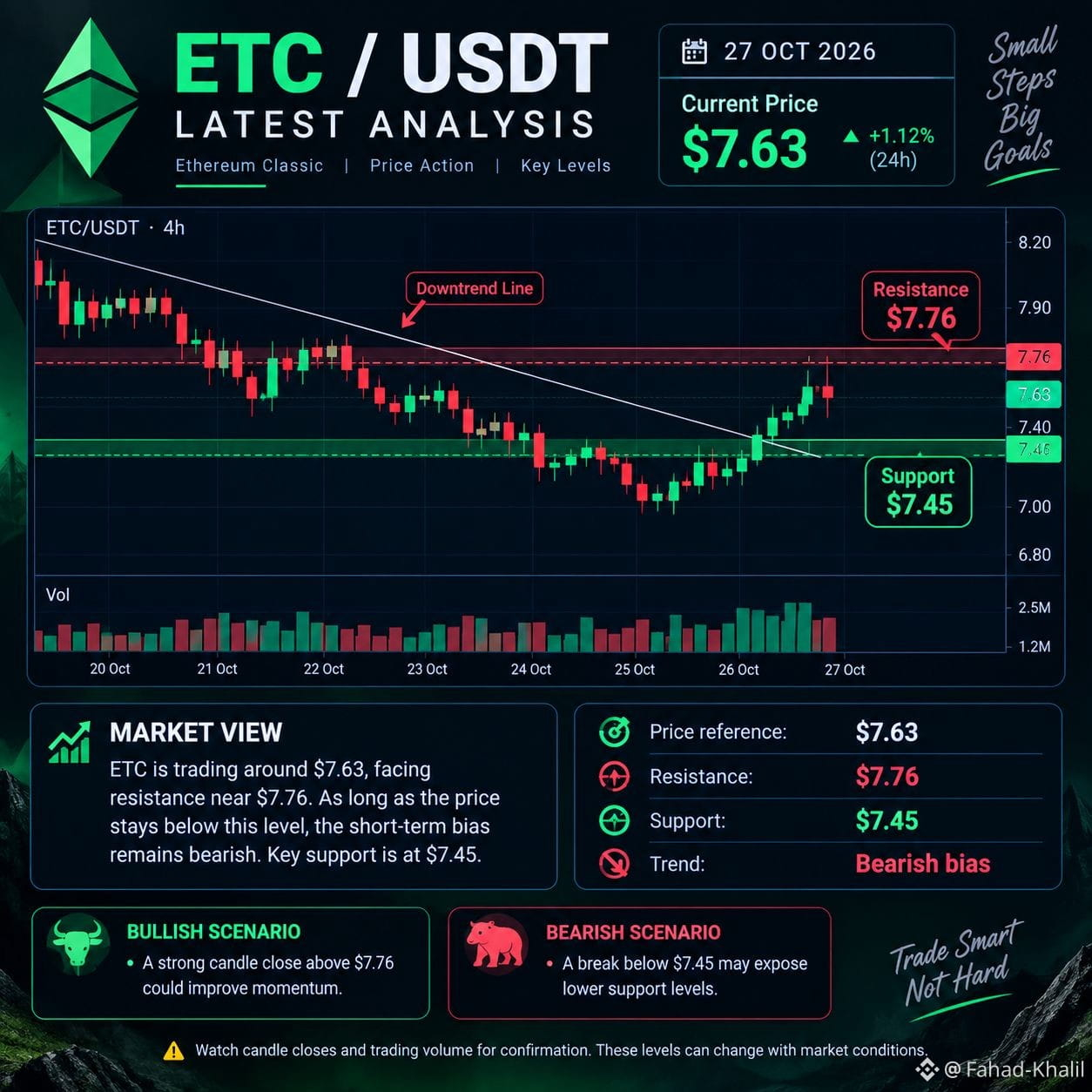
📊 $ETC Latest Market Analysis | 27 October 2026
🔹 Current reference price: ~$7.63
🔹 Resistance: $7.76
🔹 Support: $7.45
🔹 Market Trend: Bearish Bias
📉 Technical Outlook: $ETC is trading near $7.63, facing resistance around $7.76. A confirmed move above this level could indicate short-term recovery, while a break below $7.45 may increase selling pressure.
📈 Bullish Scenario: A strong candle close above $7.76 could improve momentum.
📉 Bearish Scenario: A break below $7.45 could expose lower support levels.
#ETC #BinanceSquare
{spot}(ETCUSDT)
📊 $ETC Latest Market Analysis | 27 October 2026
🔹 Current reference price: ~$7.63
🔹 Resistance: $7.76
🔹 Support: $7.45
🔹 Market Trend: Bearish Bias
📉 Technical Outlook: $ETC is trading near $7.63, facing resistance around $7.76. A confirmed move above this level could indicate short-term recovery, while a break below $7.45 may increase selling pressure.
📈 Bullish Scenario: A strong candle close above $7.76 could improve momentum.
📉 Bearish Scenario: A break below $7.45 could expose lower support levels.
#ETC #BinanceSquare
🔹 Current reference price: ~$7.63
🔹 Resistance: $7.76
🔹 Support: $7.45
🔹 Market Trend: Bearish Bias
📉 Technical Outlook: $ETC is trading near $7.63, facing resistance around $7.76. A confirmed move above this level could indicate short-term recovery, while a break below $7.45 may increase selling pressure.
📈 Bullish Scenario: A strong candle close above $7.76 could improve momentum.
📉 Bearish Scenario: A break below $7.45 could expose lower support levels.
#ETC #BinanceSquare
48

$LTC — Litecoin remains a useful high-liquidity market to monitor; a breakout from consolidation needs follow-through buying.
$BCH — Bitcoin Cash traders should watch the latest swing high and low; a decisive break may reveal the next directional move.
$ETC — Ethereum Classic needs stronger buyer participation to confirm a recovery; weak volume increases the risk of a failed breakout.
#LTC #BCH #ETC #CryptoTrading #MarketAnalysis
$LTC — Litecoin remains a useful high-liquidity market to monitor; a breakout from consolidation needs follow-through buying.
$BCH — Bitcoin Cash traders should watch the latest swing high and low; a decisive break may reveal the next directional move.
$ETC — Ethereum Classic needs stronger buyer participation to confirm a recovery; weak volume increases the risk of a failed breakout.
#LTC #BCH #ETC #CryptoTrading #MarketAnalysis
$BCH — Bitcoin Cash traders should watch the latest swing high and low; a decisive break may reveal the next directional move.
$ETC — Ethereum Classic needs stronger buyer participation to confirm a recovery; weak volume increases the risk of a failed breakout.
#LTC #BCH #ETC #CryptoTrading #MarketAnalysis
1


·
--
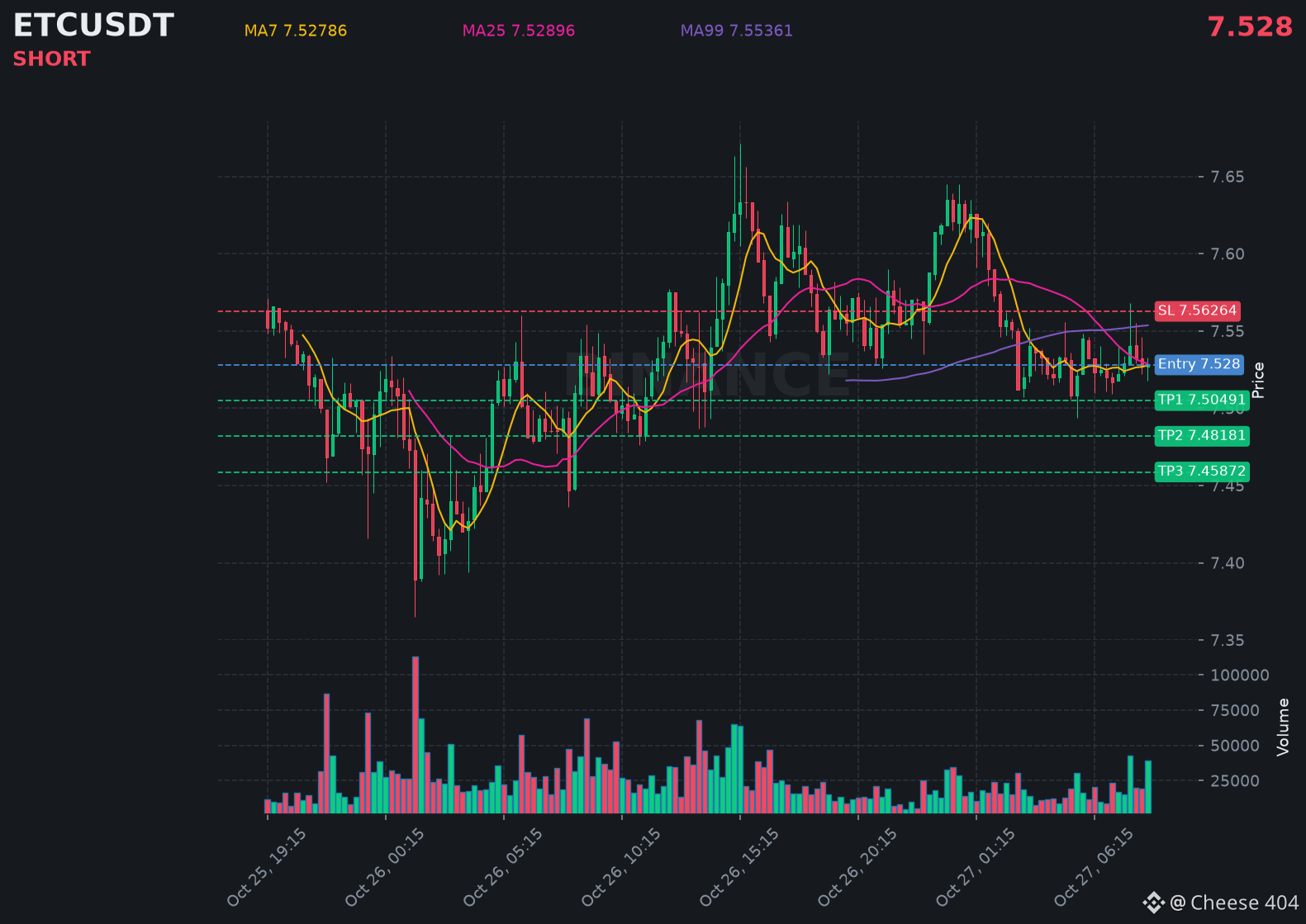
$ETC just printed a strong bearish candle, signaling more downside pressure building right now.
📍 @ 7.528 | Volume: 0.30M USD
RSI 46 | EMA20: 7.53308 USD
📈 Trade Plan:
📈 Entry: 7.52107 – 7.53493
🛑 Stop Loss: 7.56264
🎯 TP1: 7.50491
🎯 TP2: 7.48181
🎯 TP3: 7.45872
Waiting for confirmation, then riding the downtrend.
👉 $ETC 👈 Catch it
#ETC
$ETC just printed a strong bearish candle, signaling more downside pressure building right now.
📍 @ 7.528 | Volume: 0.30M USD
RSI 46 | EMA20: 7.53308 USD
📈 Trade Plan:
📈 Entry: 7.52107 – 7.53493
🛑 Stop Loss: 7.56264
🎯 TP1: 7.50491
🎯 TP2: 7.48181
🎯 TP3: 7.45872
Waiting for confirmation, then riding the downtrend.
👉 $ETC 👈 Catch it
#ETC
📍 @ 7.528 | Volume: 0.30M USD
RSI 46 | EMA20: 7.53308 USD
📈 Trade Plan:
📈 Entry: 7.52107 – 7.53493
🛑 Stop Loss: 7.56264
🎯 TP1: 7.50491
🎯 TP2: 7.48181
🎯 TP3: 7.45872
Waiting for confirmation, then riding the downtrend.
👉 $ETC 👈 Catch it
#ETC
64

·
--
$ETC — BREAKDOWN SETUP
ETC is appearing in Binance Square's Most Searched list. High attention can bring volatility in both directions.
📉 My Bias: SHORT
Entry trigger:
• Wait for a clean 15-minute support breakdown.
• Look for a failed retest before entering.
• Stop-loss: Above the retest high.
• Target: The next support zone.
No confirmed breakdown? Stay out.
⚠️ Trending doesn't automatically mean bullish.
#ETC #EthereumClassic #altcoins #BİNANCESQUARE
$ETC — BREAKDOWN SETUP
ETC is appearing in Binance Square's Most Searched list. High attention can bring volatility in both directions.
📉 My Bias: SHORT
Entry trigger:
• Wait for a clean 15-minute support breakdown.
• Look for a failed retest before entering.
• Stop-loss: Above the retest high.
• Target: The next support zone.
No confirmed breakdown? Stay out.
⚠️ Trending doesn't automatically mean bullish.
#ETC #EthereumClassic #altcoins #BİNANCESQUARE
ETC is appearing in Binance Square's Most Searched list. High attention can bring volatility in both directions.
📉 My Bias: SHORT
Entry trigger:
• Wait for a clean 15-minute support breakdown.
• Look for a failed retest before entering.
• Stop-loss: Above the retest high.
• Target: The next support zone.
No confirmed breakdown? Stay out.
⚠️ Trending doesn't automatically mean bullish.
#ETC #EthereumClassic #altcoins #BİNANCESQUARE
2
84

·
--
PEPE & ETC: Key Levels, Market Outlook & Trading Strategy
$PEPE is trading near $0.00000436, with recent price action showing weakening momentum after October’s rally. Uncertainty ahead of the Federal Reserve’s decision is weighing on speculative assets. Support: $0.00000434 / $0.00000422. Resistance: $0.00000447 / $0.00000450. A breakout above resistance with strong volume could trigger another recovery, while a support breakdown may invite further selling.
$ETC is trading around $7.61, attempting a rebound from oversold conditions. Its recent 20% block-reward reduction supports its long-term scarcity narrative, while rising network hashrate offers a positive fundamental signal.
Support: $7.43 / $7.00.
Resistance: $8.27 / $8.62.
A sustained breakout above $8.27 with strong volume could extend recovery; losing $7.43 would increase downside risk.
Trading Strategy: Both assets need confirmation before a bullish entry. Watch Bitcoin’s direction and the Fed’s October 28 decision. Consider entries after a confirmed breakout and retest, with stop-losses below support and disciplined risk management.
#PEPE #ETC #BitmineAdds10452ETH #SouthKoreaConsidersEducationTaxOnCryptoExchanges #EarningsSeason
{spot}(PEPEUSDT)
{spot}(ETCUSDT)
PEPE & ETC: Key Levels, Market Outlook & Trading Strategy
$PEPE is trading near $0.00000436, with recent price action showing weakening momentum after October’s rally. Uncertainty ahead of the Federal Reserve’s decision is weighing on speculative assets. Support: $0.00000434 / $0.00000422. Resistance: $0.00000447 / $0.00000450. A breakout above resistance with strong volume could trigger another recovery, while a support breakdown may invite further selling.
$ETC is trading around $7.61, attempting a rebound from oversold conditions. Its recent 20% block-reward reduction supports its long-term scarcity narrative, while rising network hashrate offers a positive fundamental signal.
Support: $7.43 / $7.00.
Resistance: $8.27 / $8.62.
A sustained breakout above $8.27 with strong volume could extend recovery; losing $7.43 would increase downside risk.
Trading Strategy: Both assets need confirmation before a bullish entry. Watch Bitcoin’s direction and the Fed’s October 28 decision. Consider entries after a confirmed breakout and retest, with stop-losses below support and disciplined risk management.
#PEPE #ETC #BitmineAdds10452ETH #SouthKoreaConsidersEducationTaxOnCryptoExchanges #EarningsSeason
$PEPE is trading near $0.00000436, with recent price action showing weakening momentum after October’s rally. Uncertainty ahead of the Federal Reserve’s decision is weighing on speculative assets. Support: $0.00000434 / $0.00000422. Resistance: $0.00000447 / $0.00000450. A breakout above resistance with strong volume could trigger another recovery, while a support breakdown may invite further selling.
$ETC is trading around $7.61, attempting a rebound from oversold conditions. Its recent 20% block-reward reduction supports its long-term scarcity narrative, while rising network hashrate offers a positive fundamental signal.
Support: $7.43 / $7.00.
Resistance: $8.27 / $8.62.
A sustained breakout above $8.27 with strong volume could extend recovery; losing $7.43 would increase downside risk.
Trading Strategy: Both assets need confirmation before a bullish entry. Watch Bitcoin’s direction and the Fed’s October 28 decision. Consider entries after a confirmed breakout and retest, with stop-losses below support and disciplined risk management.
#PEPE #ETC #BitmineAdds10452ETH #SouthKoreaConsidersEducationTaxOnCryptoExchanges #EarningsSeason
2
112

💚 $ETC : The Chain That Stayed True to “Code Is Law” ⛏️
Ethereum Classic is one of the OGs of the crypto world, and it is still running strong. 🔥
What makes $ETC stand out:
🔸 Proof of Work: secured by miners, in the same spirit as Bitcoin
🔸 Capped supply: a fixed maximum supply, so no endless printing
🔸 Born in 2016: it kept the original chain’s history unchanged after the fork
🔸 Smart contracts: it supports dApps and EVM-compatible tools
In a market full of new narratives, some people still value a chain with a long track record and a simple philosophy. 👀
📌 Always check the fundamentals, liquidity, and recent network activity before making any move.
💬 Do you think PoW chains still have a place in the next cycle? Tell me in the comments! 👇
#ETC #EthereumClassic #ProofOfWork #Binance #CryptoCommunity
{spot}(ETCUSDT)
💚 $ETC : The Chain That Stayed True to “Code Is Law” ⛏️
Ethereum Classic is one of the OGs of the crypto world, and it is still running strong. 🔥
What makes $ETC stand out:
🔸 Proof of Work: secured by miners, in the same spirit as Bitcoin
🔸 Capped supply: a fixed maximum supply, so no endless printing
🔸 Born in 2016: it kept the original chain’s history unchanged after the fork
🔸 Smart contracts: it supports dApps and EVM-compatible tools
In a market full of new narratives, some people still value a chain with a long track record and a simple philosophy. 👀
📌 Always check the fundamentals, liquidity, and recent network activity before making any move.
💬 Do you think PoW chains still have a place in the next cycle? Tell me in the comments! 👇
#ETC #EthereumClassic #ProofOfWork #Binance #CryptoCommunity
Ethereum Classic is one of the OGs of the crypto world, and it is still running strong. 🔥
What makes $ETC stand out:
🔸 Proof of Work: secured by miners, in the same spirit as Bitcoin
🔸 Capped supply: a fixed maximum supply, so no endless printing
🔸 Born in 2016: it kept the original chain’s history unchanged after the fork
🔸 Smart contracts: it supports dApps and EVM-compatible tools
In a market full of new narratives, some people still value a chain with a long track record and a simple philosophy. 👀
📌 Always check the fundamentals, liquidity, and recent network activity before making any move.
💬 Do you think PoW chains still have a place in the next cycle? Tell me in the comments! 👇
#ETC #EthereumClassic #ProofOfWork #Binance #CryptoCommunity

1
146
·
--
Bearish
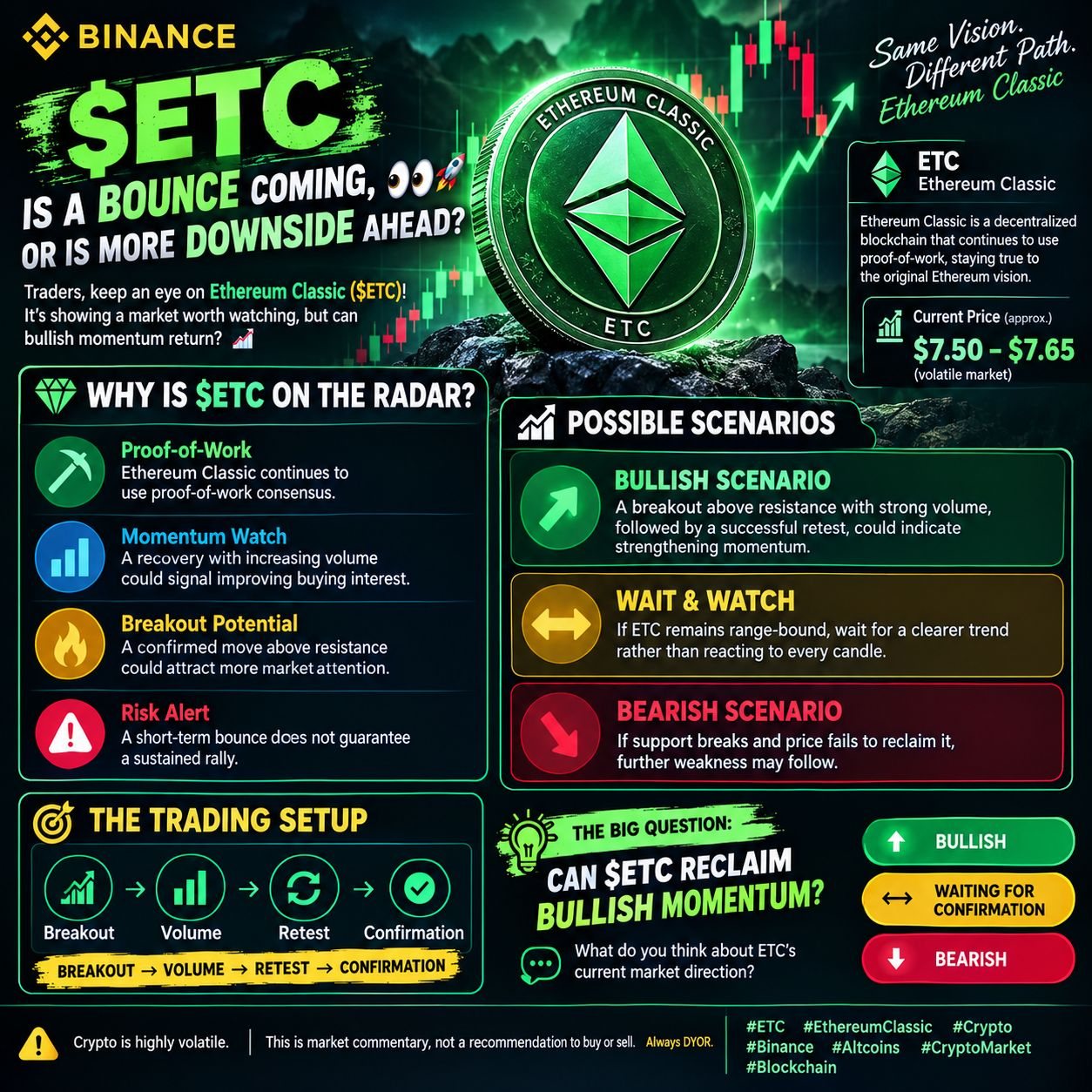
🚨 $ETC — IS A BOUNCE COMING, OR IS MORE DOWNSIDE AHEAD? 👀🔥
⚡ Traders, keep an eye on Ethereum Classic ($ETC)! 📊
ETC is showing a market worth watching, but can bullish momentum return? Recent market data shows ETC trading around $7.50–$7.65, with price action remaining volatile.
{spot}(ETCUSDT)
💎 WHY IS $ETC ON THE RADAR?
🔹 ⛏️ Proof-of-Work: Ethereum Classic continues to use proof-of-work consensus.
🔹 📈 Momentum Watch: A recovery with increasing volume could signal improving buying interest.
🔹 🔥 Breakout Potential: A confirmed move above resistance could attract more market attention.
🔹 ⚠️ Risk Alert: A short-term bounce does not guarantee a sustained rally.
🟢 BULLISH SCENARIO 🚀
A breakout above resistance with strong volume, followed by a successful retest, could indicate strengthening momentum.
🟡 WAIT & WATCH 👀
If ETC remains range-bound, wait for a clearer trend rather than reacting to every candle.
🔴 BEARISH SCENARIO 📉
If support breaks and price fails to reclaim it, further weakness may follow.
🎯 REMEMBER THE SETUP:
📊 Breakout → Volume → Retest → Confirmation
🔥 THE BIG QUESTION: CAN $ETC RECLAIM BULLISH MOMENTUM?
💬 What do you think about ETC's current market direction?
🟢 Bullish
🟡 Waiting for confirmation
🔴 Bearish
⚠️ Crypto is highly volatile. This is market commentary, not a recommendation to buy or sell. Always DYOR.
#ETC #EthereumClassic #crypto #EarningsSeason #Write2Earn!
@Square-Creator-b813478db0b3
🚨 $ETC — IS A BOUNCE COMING, OR IS MORE DOWNSIDE AHEAD? 👀🔥
⚡ Traders, keep an eye on Ethereum Classic ($ETC )! 📊
ETC is showing a market worth watching, but can bullish momentum return? Recent market data shows ETC trading around $7.50–$7.65, with price action remaining volatile.
💎 WHY IS $ETC ON THE RADAR?
🔹 ⛏️ Proof-of-Work: Ethereum Classic continues to use proof-of-work consensus.
🔹 📈 Momentum Watch: A recovery with increasing volume could signal improving buying interest.
🔹 🔥 Breakout Potential: A confirmed move above resistance could attract more market attention.
🔹 ⚠️ Risk Alert: A short-term bounce does not guarantee a sustained rally.
🟢 BULLISH SCENARIO 🚀
A breakout above resistance with strong volume, followed by a successful retest, could indicate strengthening momentum.
🟡 WAIT & WATCH 👀
If ETC remains range-bound, wait for a clearer trend rather than reacting to every candle.
🔴 BEARISH SCENARIO 📉
If support breaks and price fails to reclaim it, further weakness may follow.
🎯 REMEMBER THE SETUP:
📊 Breakout → Volume → Retest → Confirmation
🔥 THE BIG QUESTION: CAN $ETC RECLAIM BULLISH MOMENTUM?
💬 What do you think about ETC's current market direction?
🟢 Bullish
🟡 Waiting for confirmation
🔴 Bearish
⚠️ Crypto is highly volatile. This is market commentary, not a recommendation to buy or sell. Always DYOR.
#ETC #EthereumClassic #crypto #EarningsSeason #Write2Earn!
@Carlo Walley
⚡ Traders, keep an eye on Ethereum Classic ($ETC )! 📊
ETC is showing a market worth watching, but can bullish momentum return? Recent market data shows ETC trading around $7.50–$7.65, with price action remaining volatile.
💎 WHY IS $ETC ON THE RADAR?
🔹 ⛏️ Proof-of-Work: Ethereum Classic continues to use proof-of-work consensus.
🔹 📈 Momentum Watch: A recovery with increasing volume could signal improving buying interest.
🔹 🔥 Breakout Potential: A confirmed move above resistance could attract more market attention.
🔹 ⚠️ Risk Alert: A short-term bounce does not guarantee a sustained rally.
🟢 BULLISH SCENARIO 🚀
A breakout above resistance with strong volume, followed by a successful retest, could indicate strengthening momentum.
🟡 WAIT & WATCH 👀
If ETC remains range-bound, wait for a clearer trend rather than reacting to every candle.
🔴 BEARISH SCENARIO 📉
If support breaks and price fails to reclaim it, further weakness may follow.
🎯 REMEMBER THE SETUP:
📊 Breakout → Volume → Retest → Confirmation
🔥 THE BIG QUESTION: CAN $ETC RECLAIM BULLISH MOMENTUM?
💬 What do you think about ETC's current market direction?
🟢 Bullish
🟡 Waiting for confirmation
🔴 Bearish
⚠️ Crypto is highly volatile. This is market commentary, not a recommendation to buy or sell. Always DYOR.
#ETC #EthereumClassic #crypto #EarningsSeason #Write2Earn!
@Carlo Walley
1
43

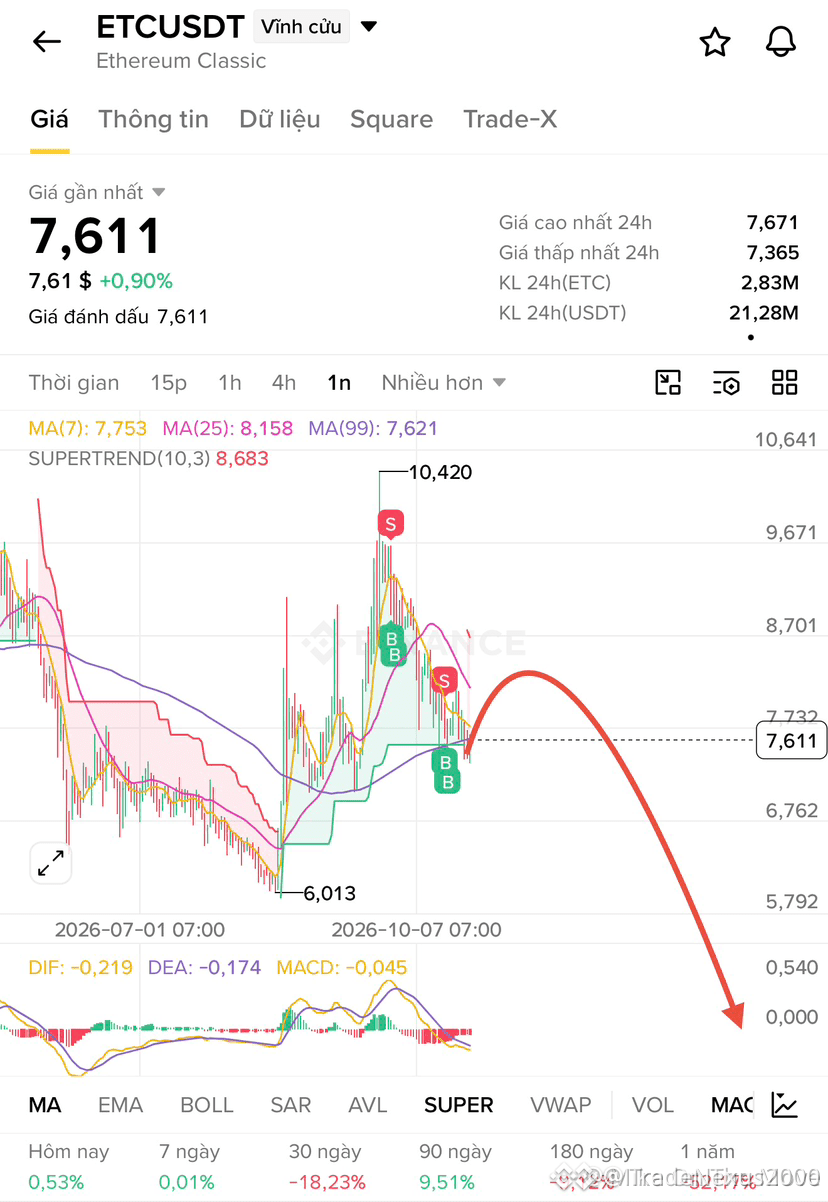
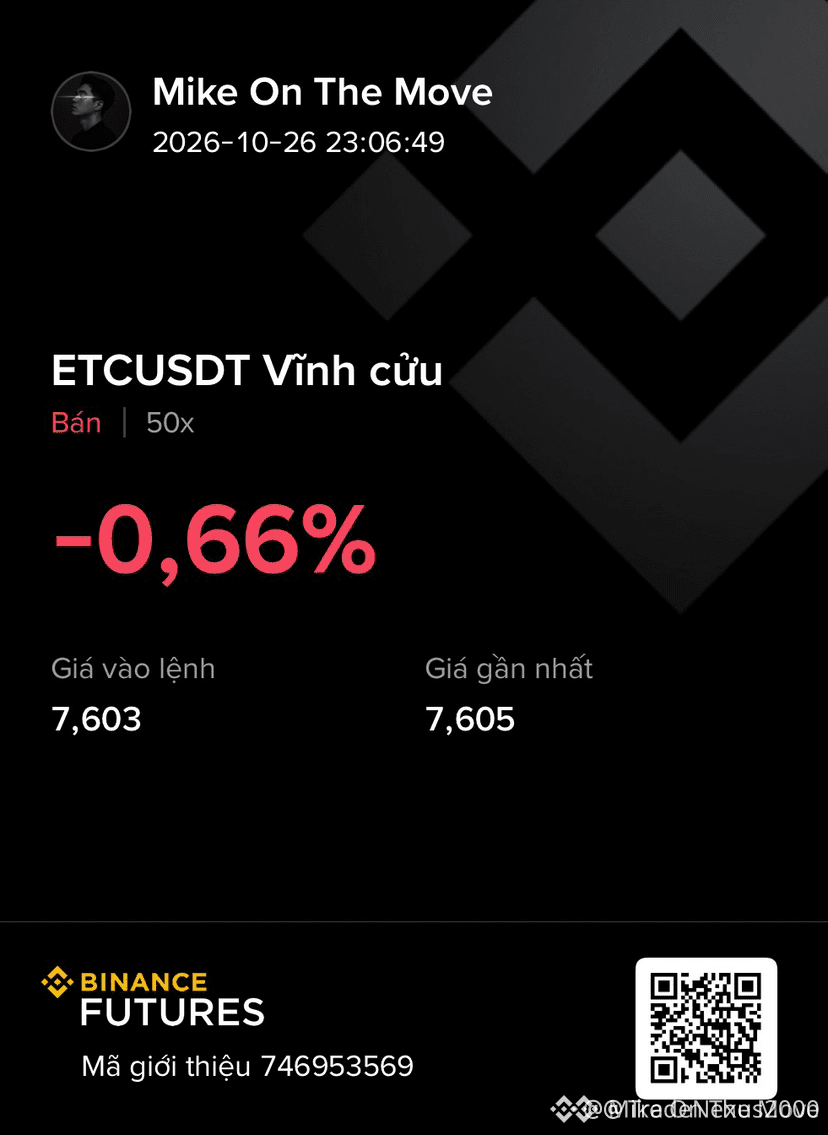
🔴 $ETC SLIDES INTO LIQUIDITY SWEEP BELOW 7.70 📉
Entry: 7.50‑7.72 ⚡
Target: 7.38 🚀
Target: 7.15 🚀
Target: 6.92 🚀
Stop Loss: 8.25 ⚠️
📊 The demand block anchored between 7.50‑7.72 has been tested three times, each rejection sharpening the sell‑side pressure. 🌊 Smart money appears to be harvesting liquidity, pushing price toward the next bearish swing zone. 🔍 On‑chain metrics confirm a net outflow, while the 4H RSI skirts the overbought threshold, hinting at an imminent pullback.
⚡ With each lower target aligning to historic support clusters, the risk‑to‑reward curve remains attractive for disciplined shorts. 💬 Do you plan to short now or wait for a deeper liquidity dump? 👇
⚠️ Not financial advice. Always manage your risk. 🛡️
🏷️ #ETC #ShortSetup #LiquiditySweep #Crypto
🦈 🔥
🔴 $ETC SLIDES INTO LIQUIDITY SWEEP BELOW 7.70 📉
Entry: 7.50‑7.72 ⚡
Target: 7.38 🚀
Target: 7.15 🚀
Target: 6.92 🚀
Stop Loss: 8.25 ⚠️
📊 The demand block anchored between 7.50‑7.72 has been tested three times, each rejection sharpening the sell‑side pressure. 🌊 Smart money appears to be harvesting liquidity, pushing price toward the next bearish swing zone. 🔍 On‑chain metrics confirm a net outflow, while the 4H RSI skirts the overbought threshold, hinting at an imminent pullback.
⚡ With each lower target aligning to historic support clusters, the risk‑to‑reward curve remains attractive for disciplined shorts. 💬 Do you plan to short now or wait for a deeper liquidity dump? 👇
⚠️ Not financial advice. Always manage your risk. 🛡️
🏷️ #ETC #ShortSetup #LiquiditySweep #Crypto
🦈 🔥
Entry: 7.50‑7.72 ⚡
Target: 7.38 🚀
Target: 7.15 🚀
Target: 6.92 🚀
Stop Loss: 8.25 ⚠️
📊 The demand block anchored between 7.50‑7.72 has been tested three times, each rejection sharpening the sell‑side pressure. 🌊 Smart money appears to be harvesting liquidity, pushing price toward the next bearish swing zone. 🔍 On‑chain metrics confirm a net outflow, while the 4H RSI skirts the overbought threshold, hinting at an imminent pullback.
⚡ With each lower target aligning to historic support clusters, the risk‑to‑reward curve remains attractive for disciplined shorts. 💬 Do you plan to short now or wait for a deeper liquidity dump? 👇
⚠️ Not financial advice. Always manage your risk. 🛡️
🏷️ #ETC #ShortSetup #LiquiditySweep #Crypto
🦈 🔥
9

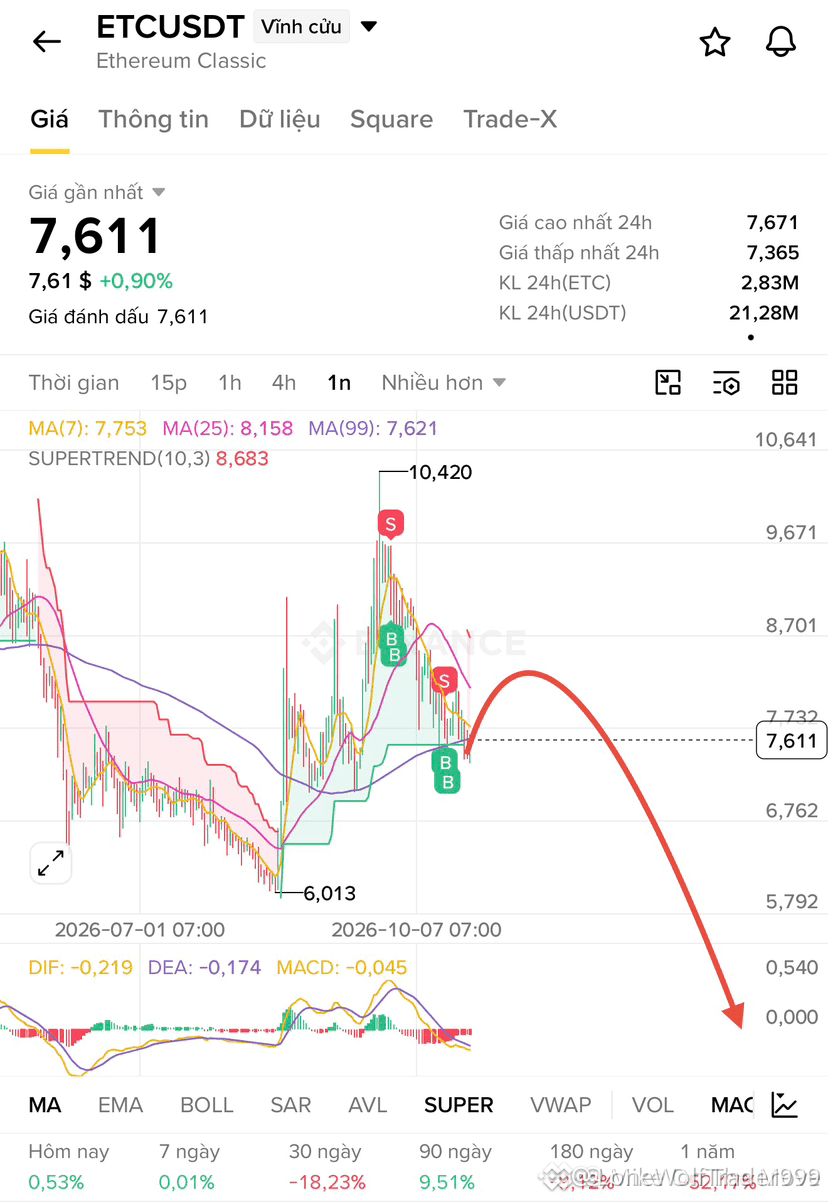
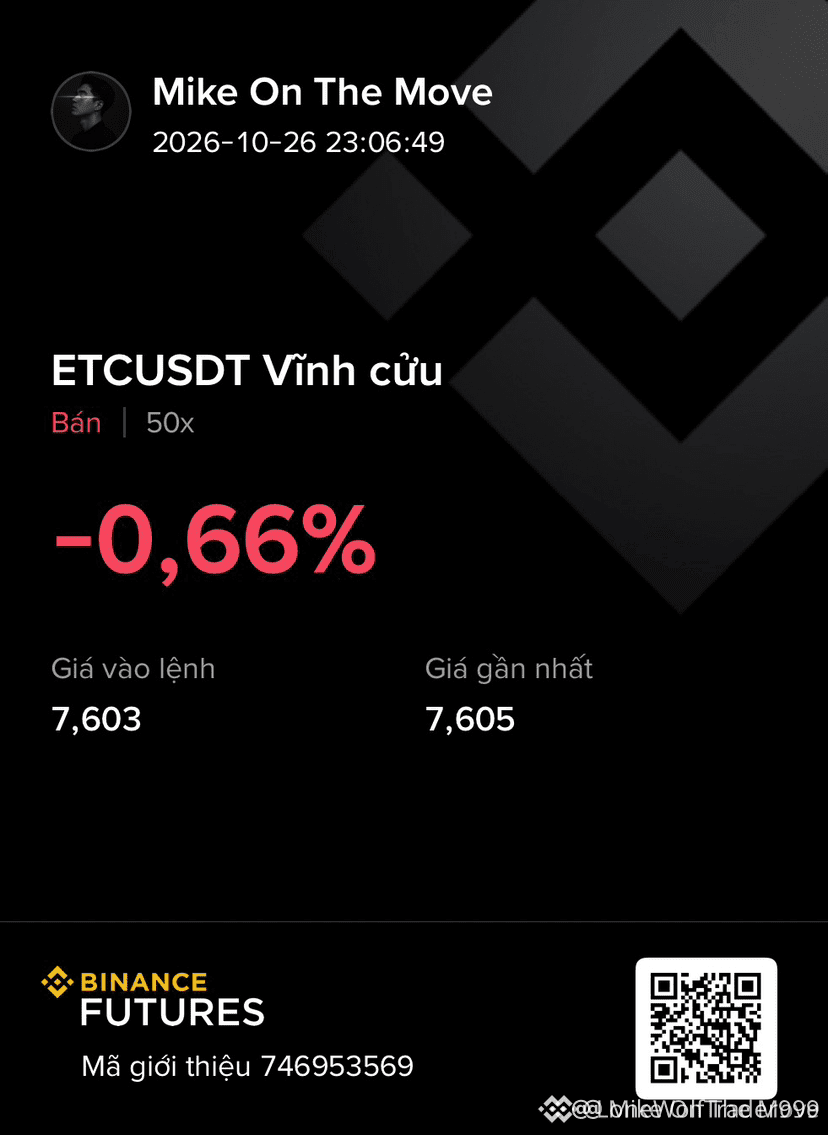
🔴 $ETC SLIDES INTO DEEP SELL ZONE – SHORT ALERT 🚨
Entry: 7.50-7.72 ⚡
Target: 7.38 🚀
Stop Loss: 8.25 ⚠️
📊 The price is wobbling on the 4H, failing to hold the 7.5‑7.72 band as sellers flood the order book. 🦈 Smart‑money liquidity sweeps are draining the last bullish thrust, and the RSI is edging into over‑bought territory, hinting at an imminent flip. 📌 With the next strong support lurking around 7.2, every tick below fuels the downside cascade.
⚡ Volume spikes confirm the aggression; the market is primed for a clean break toward the lower 7.0 cluster. 💡 If the sell pressure holds, the path to 6.9 is wide open. 💬 Are you ready to ride the short wave or waiting for the next liquidity trap? 👇
⚠️ Not financial advice. Always manage your risk. 🛡️
🏷️ #ETC #ShortSetup #Bearish #Crypto
🔥 🦈
🔴 $ETC SLIDES INTO DEEP SELL ZONE – SHORT ALERT 🚨
Entry: 7.50-7.72 ⚡
Target: 7.38 🚀
Stop Loss: 8.25 ⚠️
📊 The price is wobbling on the 4H, failing to hold the 7.5‑7.72 band as sellers flood the order book. 🦈 Smart‑money liquidity sweeps are draining the last bullish thrust, and the RSI is edging into over‑bought territory, hinting at an imminent flip. 📌 With the next strong support lurking around 7.2, every tick below fuels the downside cascade.
⚡ Volume spikes confirm the aggression; the market is primed for a clean break toward the lower 7.0 cluster. 💡 If the sell pressure holds, the path to 6.9 is wide open. 💬 Are you ready to ride the short wave or waiting for the next liquidity trap? 👇
⚠️ Not financial advice. Always manage your risk. 🛡️
🏷️ #ETC #ShortSetup #Bearish #Crypto
🔥 🦈
Entry: 7.50-7.72 ⚡
Target: 7.38 🚀
Stop Loss: 8.25 ⚠️
📊 The price is wobbling on the 4H, failing to hold the 7.5‑7.72 band as sellers flood the order book. 🦈 Smart‑money liquidity sweeps are draining the last bullish thrust, and the RSI is edging into over‑bought territory, hinting at an imminent flip. 📌 With the next strong support lurking around 7.2, every tick below fuels the downside cascade.
⚡ Volume spikes confirm the aggression; the market is primed for a clean break toward the lower 7.0 cluster. 💡 If the sell pressure holds, the path to 6.9 is wide open. 💬 Are you ready to ride the short wave or waiting for the next liquidity trap? 👇
⚠️ Not financial advice. Always manage your risk. 🛡️
🏷️ #ETC #ShortSetup #Bearish #Crypto
🔥 🦈
8
·
--
ETC & DOT : Two Altcoins at a Critical Turning Point
$ETC trading near $7.53, Ethereum Classic faces strong bearish pressure, with weak momentum and no clear fresh catalyst driving a sustained recovery. Support sits at $7.32, followed by $7.17. Resistance stands at $7.65 and $7.81. A breakout above resistance could trigger a relief bounce, while losing support risks further downside.
$DOT trading around $1.02, Polkadot remains under pressure from broader market weakness and recent wallet-security concerns. Support lies at $1.01, followed by $0.96. Resistance is near $1.05 and $1.09. Holding $1.01 could allow consolidation, but a confirmed breakdown may open the way toward $0.95.
Trading Strategy : Both coins need confirmation before a bullish entry. Watch trading volume and Bitcoin’s direction. Consider longs only after a confirmed resistance breakout and successful retest; a support breakdown could favor further downside. Manage risk with stop-losses.
Market Outlook : Cautious to bearish until buyers reclaim key resistance levels. Will ETC or DOT show the stronger recovery?
#ETC #dot #EarningsSeason #ArgentineCourtDismissesLIBRACaseAgainstMilei #BinancePick
{spot}(ETCUSDT)
{spot}(DOTUSDT)
ETC & DOT : Two Altcoins at a Critical Turning Point
$ETC trading near $7.53, Ethereum Classic faces strong bearish pressure, with weak momentum and no clear fresh catalyst driving a sustained recovery. Support sits at $7.32, followed by $7.17. Resistance stands at $7.65 and $7.81. A breakout above resistance could trigger a relief bounce, while losing support risks further downside.
$DOT trading around $1.02, Polkadot remains under pressure from broader market weakness and recent wallet-security concerns. Support lies at $1.01, followed by $0.96. Resistance is near $1.05 and $1.09. Holding $1.01 could allow consolidation, but a confirmed breakdown may open the way toward $0.95.
Trading Strategy : Both coins need confirmation before a bullish entry. Watch trading volume and Bitcoin’s direction. Consider longs only after a confirmed resistance breakout and successful retest; a support breakdown could favor further downside. Manage risk with stop-losses.
Market Outlook : Cautious to bearish until buyers reclaim key resistance levels. Will ETC or DOT show the stronger recovery?
#ETC #dot #EarningsSeason #ArgentineCourtDismissesLIBRACaseAgainstMilei #BinancePick
$ETC trading near $7.53, Ethereum Classic faces strong bearish pressure, with weak momentum and no clear fresh catalyst driving a sustained recovery. Support sits at $7.32, followed by $7.17. Resistance stands at $7.65 and $7.81. A breakout above resistance could trigger a relief bounce, while losing support risks further downside.
$DOT trading around $1.02, Polkadot remains under pressure from broader market weakness and recent wallet-security concerns. Support lies at $1.01, followed by $0.96. Resistance is near $1.05 and $1.09. Holding $1.01 could allow consolidation, but a confirmed breakdown may open the way toward $0.95.
Trading Strategy : Both coins need confirmation before a bullish entry. Watch trading volume and Bitcoin’s direction. Consider longs only after a confirmed resistance breakout and successful retest; a support breakdown could favor further downside. Manage risk with stop-losses.
Market Outlook : Cautious to bearish until buyers reclaim key resistance levels. Will ETC or DOT show the stronger recovery?
#ETC #dot #EarningsSeason #ArgentineCourtDismissesLIBRACaseAgainstMilei #BinancePick
2
273

·
--
Bullish
📊 ETC/USDT 15m Quick Update: Consolidation or Breakdown?
$ETC is currently hovering around $7.55 after facing a short-term rejection near the $7.58 swing high.
Order Book Sentiment: Slightly heavy on the ask side (~54% sellers), putting minor pressure on immediate support.
Key Support to Watch: $7.47 — holding this floor is critical for the bulls to prevent a deeper retracement.
Resistance: $7.58 – $7.60 — a volume-backed breakout above this zone is needed to shift short-term momentum back to the upside.
Are you looking for a bounce from support or waiting for a breakdown confirmation? Drop your thoughts below! 👇
#ETC #EthereumClassic #CryptoAnalysis #BinanceSquare #FuturesTrading $ETC
📊 ETC/USDT 15m Quick Update: Consolidation or Breakdown?
$ETC is currently hovering around $7.55 after facing a short-term rejection near the $7.58 swing high.
Order Book Sentiment: Slightly heavy on the ask side (~54% sellers), putting minor pressure on immediate support.
Key Support to Watch: $7.47 — holding this floor is critical for the bulls to prevent a deeper retracement.
Resistance: $7.58 – $7.60 — a volume-backed breakout above this zone is needed to shift short-term momentum back to the upside.
Are you looking for a bounce from support or waiting for a breakdown confirmation? Drop your thoughts below! 👇
#ETC #EthereumClassic #CryptoAnalysis #BinanceSquare #FuturesTrading $ETC
$ETC is currently hovering around $7.55 after facing a short-term rejection near the $7.58 swing high.
Order Book Sentiment: Slightly heavy on the ask side (~54% sellers), putting minor pressure on immediate support.
Key Support to Watch: $7.47 — holding this floor is critical for the bulls to prevent a deeper retracement.
Resistance: $7.58 – $7.60 — a volume-backed breakout above this zone is needed to shift short-term momentum back to the upside.
Are you looking for a bounce from support or waiting for a breakdown confirmation? Drop your thoughts below! 👇
#ETC #EthereumClassic #CryptoAnalysis #BinanceSquare #FuturesTrading $ETC
78

$ETC READY FOR A SURPRISE BREAKOUT? 🚀
Ethereum Classic is back on traders' radar!
🔹 Potential: Proof-of-work blockchain with a fixed supply.
🔹 Bullish: Rising volume could fuel a breakout.
🔹 Risk: Weak momentum could trigger another dip.
📊 My Take: Worth watching, but confirmation beats FOMO!
🔥 Tap $ETC to check the live chart!
{future}(ETCUSDT)
#ETC #EthereumClassic #EarningsSeason #BinanceSquare
$ETC READY FOR A SURPRISE BREAKOUT? 🚀
Ethereum Classic is back on traders' radar!
🔹 Potential: Proof-of-work blockchain with a fixed supply.
🔹 Bullish: Rising volume could fuel a breakout.
🔹 Risk: Weak momentum could trigger another dip.
📊 My Take: Worth watching, but confirmation beats FOMO!
🔥 Tap $ETC to check the live chart!
#ETC #EthereumClassic #EarningsSeason #BinanceSquare
Ethereum Classic is back on traders' radar!
🔹 Potential: Proof-of-work blockchain with a fixed supply.
🔹 Bullish: Rising volume could fuel a breakout.
🔹 Risk: Weak momentum could trigger another dip.
📊 My Take: Worth watching, but confirmation beats FOMO!
🔥 Tap $ETC to check the live chart!
#ETC #EthereumClassic #EarningsSeason #BinanceSquare
1
109

·
--
Bullish
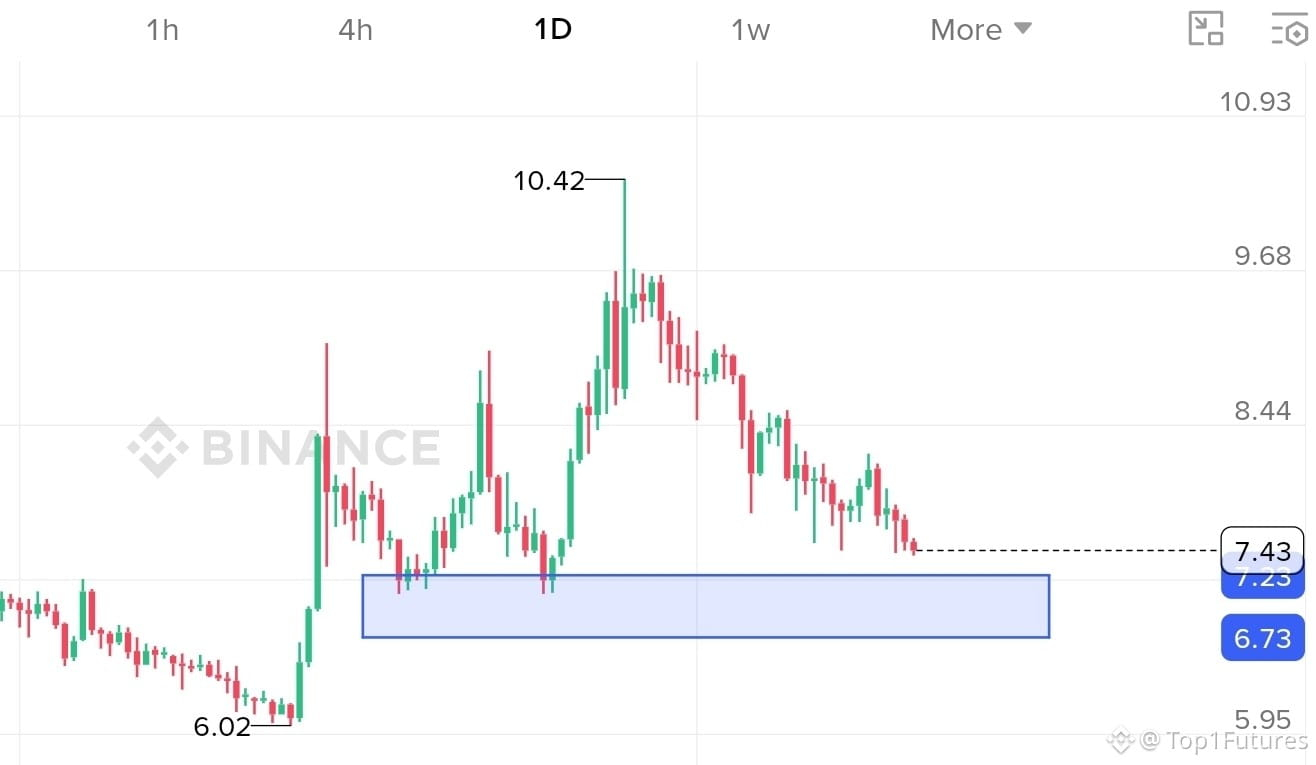
$ETC ⤴️ is approaching a crucial support zone… will buyers step in here ‼️👀
ETC trades at $7.43, down 2.88% on the daily chart. Price is below EMA 7, 25, and 99, showing bearish momentum. RSI at 24.58 signals oversold conditions.
🎯 $6.73–$7.23 is the key support zone. A strong bounce could push ETC toward $7.90–$8.00, but a breakdown may trigger further downside.
⚡ Will bulls defend this zone or let #ETC fall lower?
#ETC
$ETC ⤴️ is approaching a crucial support zone… will buyers step in here ‼️👀
ETC trades at $7.43, down 2.88% on the daily chart. Price is below EMA 7, 25, and 99, showing bearish momentum. RSI at 24.58 signals oversold conditions.
🎯 $6.73–$7.23 is the key support zone. A strong bounce could push ETC toward $7.90–$8.00, but a breakdown may trigger further downside.
⚡ Will bulls defend this zone or let #ETC fall lower?
#ETC
ETC trades at $7.43, down 2.88% on the daily chart. Price is below EMA 7, 25, and 99, showing bearish momentum. RSI at 24.58 signals oversold conditions.
🎯 $6.73–$7.23 is the key support zone. A strong bounce could push ETC toward $7.90–$8.00, but a breakdown may trigger further downside.
⚡ Will bulls defend this zone or let #ETC fall lower?
#ETC
2
72

·
--
Bearish
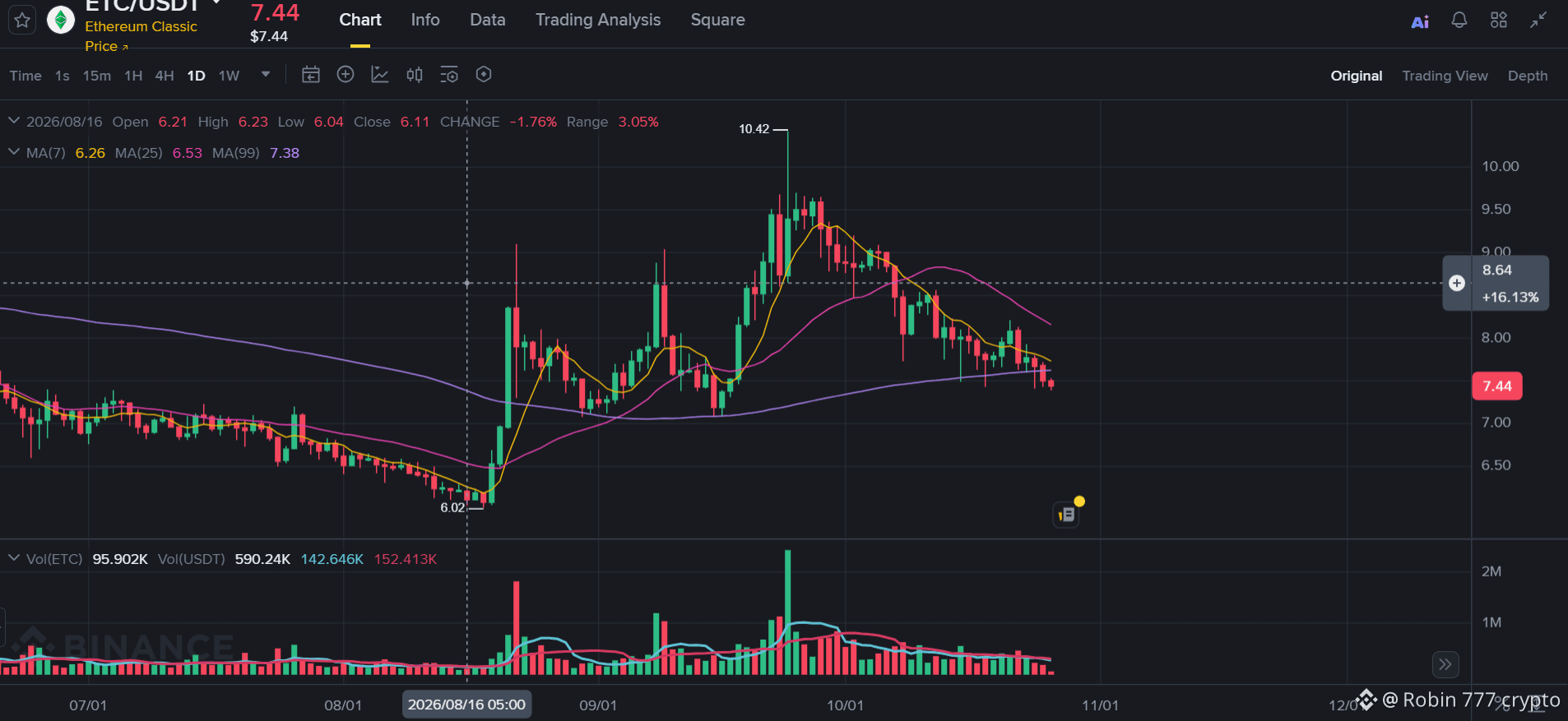
🚨 TRAP OR TREASURE? $ETC Is Sitting on a Razor's Edge!
Look closely at this ETC/USDT daily chart. After topping out near $10.42, Ethereum Classic has violently bled down to $7.44. Retail is panicking, but whale accumulation patterns are sending mixed signals.
This is where multi-thousand-percent moves are born—or where late longs get completely slaughtered.
Let's look at the breakdown:
The Danger Zone: Price has slipped heavily below the moving average bands, testing structural breakdown areas near the $6.02 launchpad lows.
The Bull Argument: A classic double-bottom retest setup. If $7.4ุล holds, a violent short-squeeze back to the $9.00–$10.00 resistance zone could trigger instantly.
The Bear Argument: Total market weakness means lower lows. A break of structural support opens the floodgates to absolute freefall.
👉 I am dropping my exact entry, stop-loss, and 3x target levels in the replies, BUT you have to unlock them.
💬 DECIDE NOW OR GET LEFT BEHIND: To see my hidden trade setup and cast your vote: 1️⃣ LIKE ❤️ this post if you are holding or buying the dip! 2️⃣ SHARE 🔄 to save your followers from getting liquidated! 3️⃣ COMMENT 👇 below: Are you LONG (1) for a massive rebound or SHORT (2) for the crash to new lows?
Only those who comment will get my direct response with the chart execution plan! Let’s see who survives this shakeout. 📉🔥
#ETC #EthereumClassic #CryptoTrading #BinanceSquare #Altcoins
{future}(ETCUSDT)
🚨 TRAP OR TREASURE? $ETC Is Sitting on a Razor's Edge!
Look closely at this ETC/USDT daily chart. After topping out near $10.42, Ethereum Classic has violently bled down to $7.44. Retail is panicking, but whale accumulation patterns are sending mixed signals.
This is where multi-thousand-percent moves are born—or where late longs get completely slaughtered.
Let's look at the breakdown:
The Danger Zone: Price has slipped heavily below the moving average bands, testing structural breakdown areas near the $6.02 launchpad lows.
The Bull Argument: A classic double-bottom retest setup. If $7.4ุล holds, a violent short-squeeze back to the $9.00–$10.00 resistance zone could trigger instantly.
The Bear Argument: Total market weakness means lower lows. A break of structural support opens the floodgates to absolute freefall.
👉 I am dropping my exact entry, stop-loss, and 3x target levels in the replies, BUT you have to unlock them.
💬 DECIDE NOW OR GET LEFT BEHIND: To see my hidden trade setup and cast your vote: 1️⃣ LIKE ❤️ this post if you are holding or buying the dip! 2️⃣ SHARE 🔄 to save your followers from getting liquidated! 3️⃣ COMMENT 👇 below: Are you LONG (1) for a massive rebound or SHORT (2) for the crash to new lows?
Only those who comment will get my direct response with the chart execution plan! Let’s see who survives this shakeout. 📉🔥
#ETC #EthereumClassic #CryptoTrading #BinanceSquare #Altcoins
Look closely at this ETC/USDT daily chart. After topping out near $10.42, Ethereum Classic has violently bled down to $7.44. Retail is panicking, but whale accumulation patterns are sending mixed signals.
This is where multi-thousand-percent moves are born—or where late longs get completely slaughtered.
Let's look at the breakdown:
The Danger Zone: Price has slipped heavily below the moving average bands, testing structural breakdown areas near the $6.02 launchpad lows.
The Bull Argument: A classic double-bottom retest setup. If $7.4ุล holds, a violent short-squeeze back to the $9.00–$10.00 resistance zone could trigger instantly.
The Bear Argument: Total market weakness means lower lows. A break of structural support opens the floodgates to absolute freefall.
👉 I am dropping my exact entry, stop-loss, and 3x target levels in the replies, BUT you have to unlock them.
💬 DECIDE NOW OR GET LEFT BEHIND: To see my hidden trade setup and cast your vote: 1️⃣ LIKE ❤️ this post if you are holding or buying the dip! 2️⃣ SHARE 🔄 to save your followers from getting liquidated! 3️⃣ COMMENT 👇 below: Are you LONG (1) for a massive rebound or SHORT (2) for the crash to new lows?
Only those who comment will get my direct response with the chart execution plan! Let’s see who survives this shakeout. 📉🔥
#ETC #EthereumClassic #CryptoTrading #BinanceSquare #Altcoins
1
14

🔥 Why has the coin $ETC returned to the spotlight? 👀
Ethereum Classic (ETC) has appeared among the most-searched coins on Binance, raising an important question: is it worth keeping an eye on in the coming period? 📊
🔹 A project with a long history in the blockchain world.
🔹 Its price movements and trading volume deserve close monitoring.
🔹 Most importantly, look for the reasons behind the interest rather than getting swept up in the hype.
⚠️ Remember: lots of searches don’t mean the price will rise, and profits are never guaranteed. Analysis and risk management matter more than enthusiasm.
#crypto #Binance #EthereumClassic #ETC
{future}(ETCUSDT)
🔥 Why has the coin $ETC returned to the spotlight? 👀
Ethereum Classic (ETC) has appeared among the most-searched coins on Binance, raising an important question: is it worth keeping an eye on in the coming period? 📊
🔹 A project with a long history in the blockchain world.
🔹 Its price movements and trading volume deserve close monitoring.
🔹 Most importantly, look for the reasons behind the interest rather than getting swept up in the hype.
⚠️ Remember: lots of searches don’t mean the price will rise, and profits are never guaranteed. Analysis and risk management matter more than enthusiasm.
#crypto #Binance #EthereumClassic #ETC
Ethereum Classic (ETC) has appeared among the most-searched coins on Binance, raising an important question: is it worth keeping an eye on in the coming period? 📊
🔹 A project with a long history in the blockchain world.
🔹 Its price movements and trading volume deserve close monitoring.
🔹 Most importantly, look for the reasons behind the interest rather than getting swept up in the hype.
⚠️ Remember: lots of searches don’t mean the price will rise, and profits are never guaranteed. Analysis and risk management matter more than enthusiasm.
#crypto #Binance #EthereumClassic #ETC
69

·
--
$ETC ETC mining revenue dropped by 20%, but instead of falling, the network hashrate surged, climbing all the way from 144 to 187. Hashrate doesn’t lie—it’s all being driven by veteran miners piling in machines and electricity costs. The longer they mine, the higher their costs get, yet these people aren’t shutting down; they’re ramping up hashrate like crazy. Clearly, they think the price is far too low and are holding on to their coins for dear life. The market looks half-dead on the surface, but underneath, the mining giants are quietly snapping up coins. This level is clearly setting up for a big move.
#Strategy未购比特币斥资2.05亿美元回购STRC #ETC $ETC #Q $QQQB 👇
{future}(ETCUSDT)
$ETC ETC mining revenue dropped by 20%, but instead of falling, the network hashrate surged, climbing all the way from 144 to 187. Hashrate doesn’t lie—it’s all being driven by veteran miners piling in machines and electricity costs. The longer they mine, the higher their costs get, yet these people aren’t shutting down; they’re ramping up hashrate like crazy. Clearly, they think the price is far too low and are holding on to their coins for dear life. The market looks half-dead on the surface, but underneath, the mining giants are quietly snapping up coins. This level is clearly setting up for a big move.
#Strategy未购比特币斥资2.05亿美元回购STRC #ETC $ETC #Q $QQQB 👇
#Strategy未购比特币斥资2.05亿美元回购STRC #ETC $ETC #Q $QQQB 👇
金融陈师:
卧槽,我说最近怎么压盘这么狠
1
2
23
·
--
$ETC earnings have only been cut by 20%, yet ETC’s hashrate is actually rising, jumping straight from 144 to 187 TH/s—nearly a 30% increase.
Hashrate doesn’t lie. It takes electricity and machines to build it up.
Even with lower earnings, miners are still adding rigs like crazy. Clearly, they think the current coin price hasn’t priced in the halving at all.
With them mining and accumulating coins like this, who knows what they might be up to next.
#Anthropic滚动12个月营收增长约1200% #ETC $ETC #DOOD $DOOD 👇
{future}(ETCUSDT)
$ETC earnings have only been cut by 20%, yet ETC’s hashrate is actually rising, jumping straight from 144 to 187 TH/s—nearly a 30% increase.
Hashrate doesn’t lie. It takes electricity and machines to build it up.
Even with lower earnings, miners are still adding rigs like crazy. Clearly, they think the current coin price hasn’t priced in the halving at all.
With them mining and accumulating coins like this, who knows what they might be up to next.
#Anthropic滚动12个月营收增长约1200% #ETC $ETC #DOOD $DOOD 👇
Hashrate doesn’t lie. It takes electricity and machines to build it up.
Even with lower earnings, miners are still adding rigs like crazy. Clearly, they think the current coin price hasn’t priced in the halving at all.
With them mining and accumulating coins like this, who knows what they might be up to next.
#Anthropic滚动12个月营收增长约1200% #ETC $ETC #DOOD $DOOD 👇
金融陈师:
电费不要钱是吧,电费关机价到了没啊
1
2
67

·
--
🟢 ETC/USDT — Potential LONG
💰 Entry price: 7.61 USDT
🎯 First target: 7.68 🎯 Second target: 7.76 🎯 Third target: 7.85 🛑 Stop loss: 7.51
📊 Signal: Bullish MACD crossover on the 30-minute timeframe, with the MACD line above the signal line and both lines in positive territory; this supports continued upward momentum if the price movement is confirmed.
⚠️ Targets are estimates. It’s best to confirm the signal with trading volume before entering.
❤️ Your support means a lot to me 🔥 Look for opportunities
$ETC #ETC #Trading #Altcoins
🟢 ETC/USDT — Potential LONG
💰 Entry price: 7.61 USDT
🎯 First target: 7.68 🎯 Second target: 7.76 🎯 Third target: 7.85 🛑 Stop loss: 7.51
📊 Signal: Bullish MACD crossover on the 30-minute timeframe, with the MACD line above the signal line and both lines in positive territory; this supports continued upward momentum if the price movement is confirmed.
⚠️ Targets are estimates. It’s best to confirm the signal with trading volume before entering.
❤️ Your support means a lot to me 🔥 Look for opportunities
$ETC #ETC #Trading #Altcoins
💰 Entry price: 7.61 USDT
🎯 First target: 7.68 🎯 Second target: 7.76 🎯 Third target: 7.85 🛑 Stop loss: 7.51
📊 Signal: Bullish MACD crossover on the 30-minute timeframe, with the MACD line above the signal line and both lines in positive territory; this supports continued upward momentum if the price movement is confirmed.
⚠️ Targets are estimates. It’s best to confirm the signal with trading volume before entering.
❤️ Your support means a lot to me 🔥 Look for opportunities
$ETC #ETC #Trading #Altcoins
66
Log in to explore more content
Join global crypto users on Binance Square
⚡️ Get latest and useful information about crypto.
💬 Trusted by the world’s largest crypto exchange.
👍 Discover real insights from verified creators.
Email / Phone number
Trending Topics
1
#CanMicrosoftDeliverOnAI
47,459 views
598 Discussing
2
#CanGoogleDefindItsCore
24,119 views
449 Discussing
3
#FOMCWatch
9M views
27,771 Discussing
4
#EthereumDropsBelow$2300
9,530 views
148 Discussing
5
#BitcoinSlipsBelow$80KAgain
26,496 views
114 Discussing
6
#ThailandLaunchesWORPTStablecoinToQRPaymentApp
52,022 views
734 Discussing
7
#StrategySkipsBitcoinPurchasesSpends$205MOnSTRCBuybacks
10,164 views
94 Discussing
8
#BitmineAdds10452ETH
94,949 views
1,122 Discussing
9
#SouthKoreaConsidersEducationTaxOnCryptoExchanges
50,670 views
818 Discussing
10
#OCCUrgesCommunityBanksToEnterStablecoinPayments
39,074 views
582 Discussing