
逆转量化
409 Posts

逆转量化
指标不会骗人,在币圈消息舆论鱼龙混杂的环境下,只有k线和指标不会骗人,相信指标、驾驭指标才是财务自由的根本保障
33 Following
503 Followers
551 Liked
1 Badges
Posts
See translation
See translation
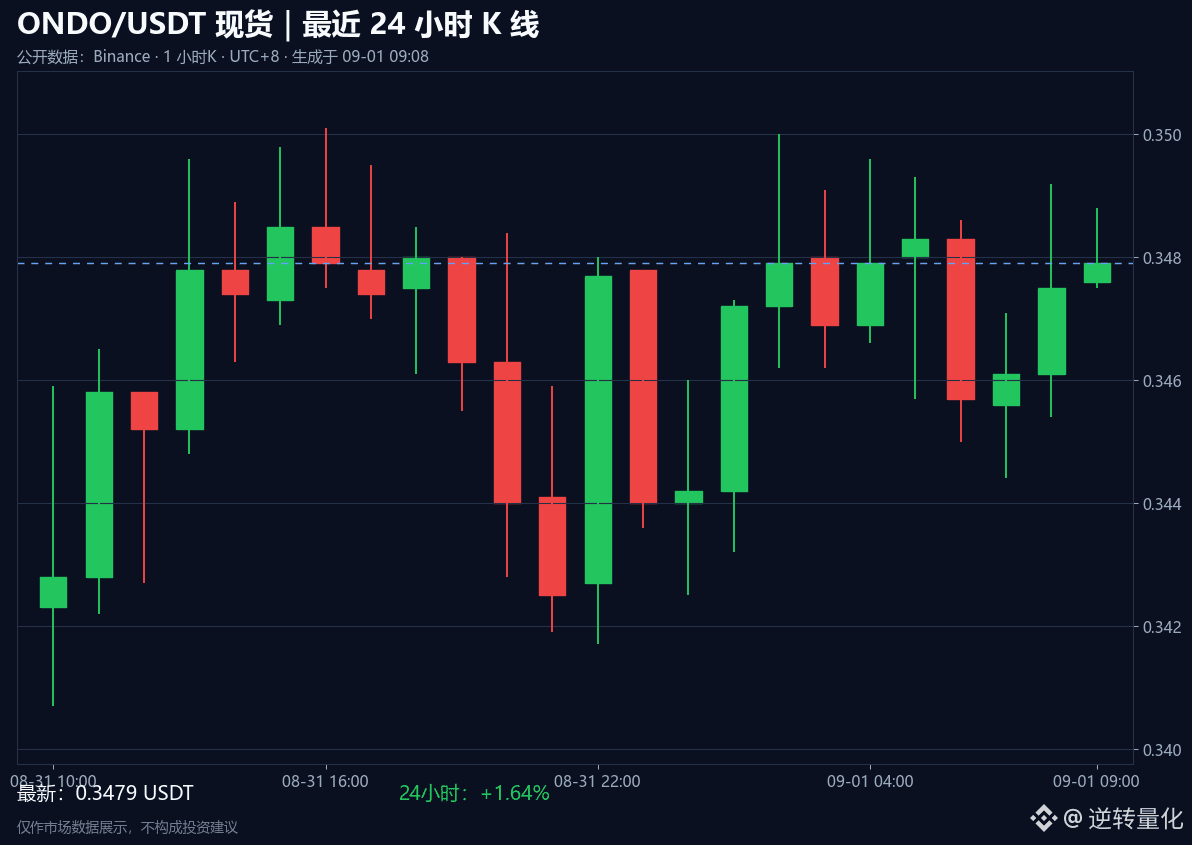
ONDO 的 24 小时 K 线收在 0.3479 美元附近,价格从下方回升后重新靠近 0.35 美元,但尚未完全回到此前的活动区域。
短时成交集中在 0.35 美元附近,资金费率正负并存。现价仍在成交区下方,说明这段回升正在测试原有换手区能否重新被收回。
若价格回到 0.35 美元附近并让成交保持活跃,短线结构会继续修复;若再次停在区间下方,整理节奏仍可能延续。
$ONDO #RWA #合约市场
短时成交集中在 0.35 美元附近,资金费率正负并存。现价仍在成交区下方,说明这段回升正在测试原有换手区能否重新被收回。
若价格回到 0.35 美元附近并让成交保持活跃,短线结构会继续修复;若再次停在区间下方,整理节奏仍可能延续。
$ONDO #RWA #合约市场
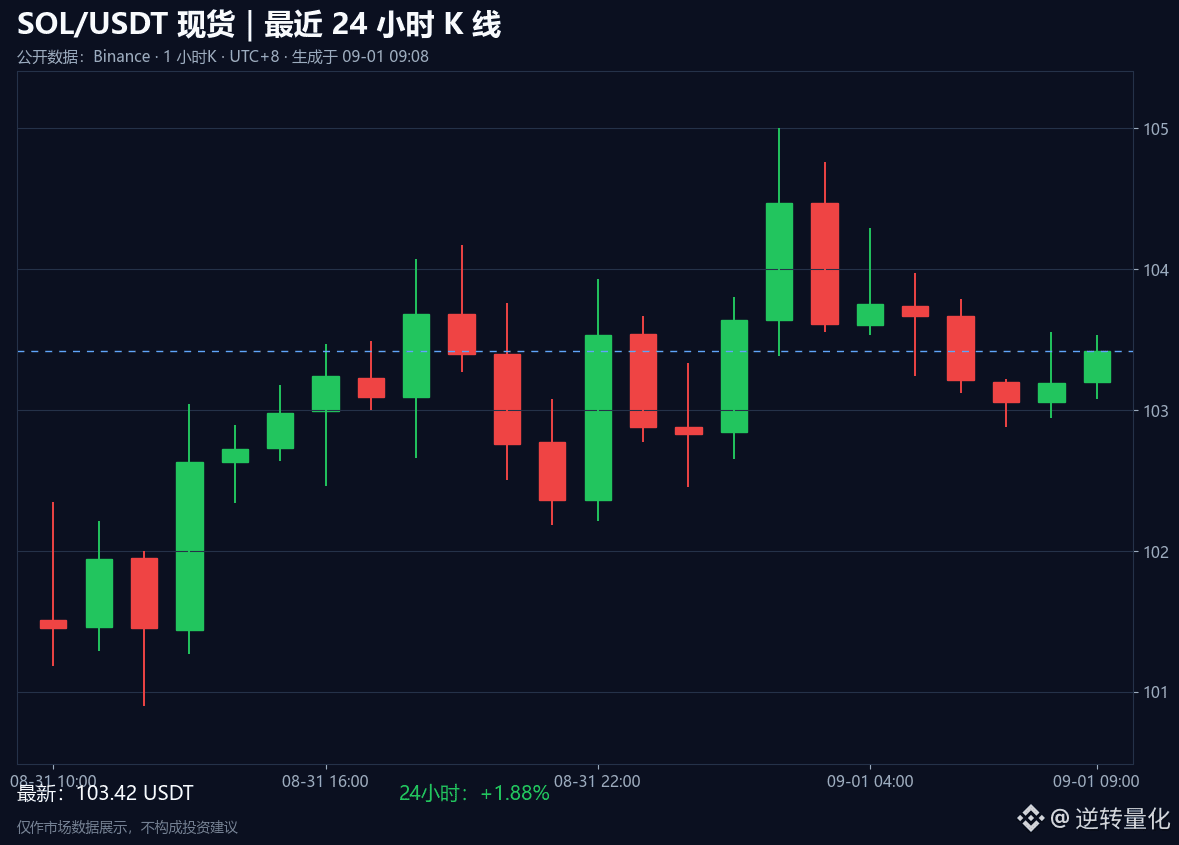
SOL’s 24-hour K-line closed around $103.42, and the price center has risen back above $103. A rebound has appeared, but the current price is still hovering just above the most recent turnover zone.
Trading in the short term is concentrated between $103.36–$103.62, with funding rates showing both positive and negative values. The price is stalling near the lower edge of the trading zone, indicating that buyers are trying to lift the range upward, but the pace on the contract side has not fully synchronized yet.
If the price returns into the trading zone and trading continues to improve, the rebound will be more complete; if it is pushed back below the zone again, the market may still revert to a consolidation state.
$SOL #Solana #合约市场
Trading in the short term is concentrated between $103.36–$103.62, with funding rates showing both positive and negative values. The price is stalling near the lower edge of the trading zone, indicating that buyers are trying to lift the range upward, but the pace on the contract side has not fully synchronized yet.
If the price returns into the trading zone and trading continues to improve, the rebound will be more complete; if it is pushed back below the zone again, the market may still revert to a consolidation state.
$SOL #Solana #合约市场
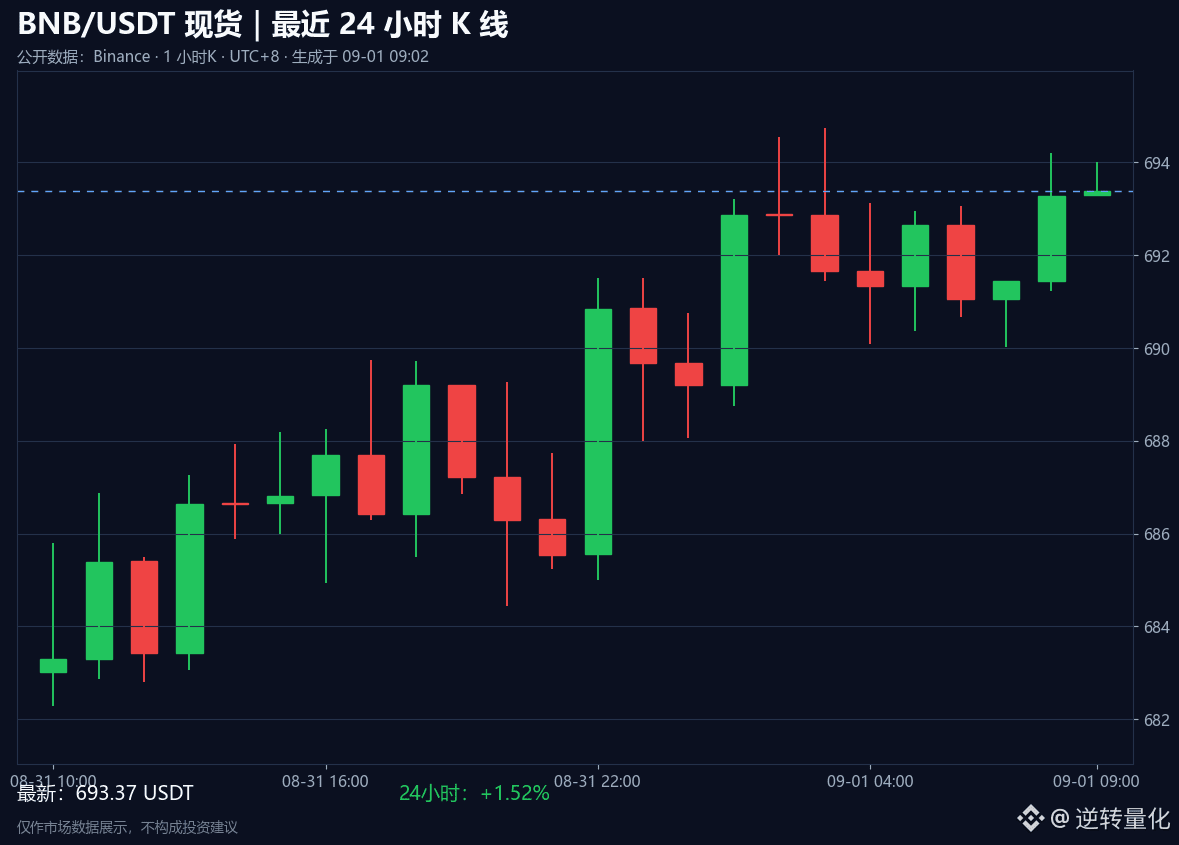
BNB’s 24-hour K-line closed around $693.59, with the price once again moving closer to $694. The rebound is relatively mild, but the center of gravity of the K-line has been gradually lifted from below.
Trading activity in the short term is concentrated at $690.12–$691.86, and the funding rate is slightly positive. The current price is above the trading range, indicating that this rebound is trying to break away from the previous churn; however, the cost basis still remains, so the trend still needs further confirmation through continued trading.
If the price can stay actively above the trading range, the structure will be more stable; if it falls back into the range again, the market may return to its original consolidation rhythm.
$BNB #BNB #contract market
Trading activity in the short term is concentrated at $690.12–$691.86, and the funding rate is slightly positive. The current price is above the trading range, indicating that this rebound is trying to break away from the previous churn; however, the cost basis still remains, so the trend still needs further confirmation through continued trading.
If the price can stay actively above the trading range, the structure will be more stable; if it falls back into the range again, the market may return to its original consolidation rhythm.
$BNB #BNB #contract market
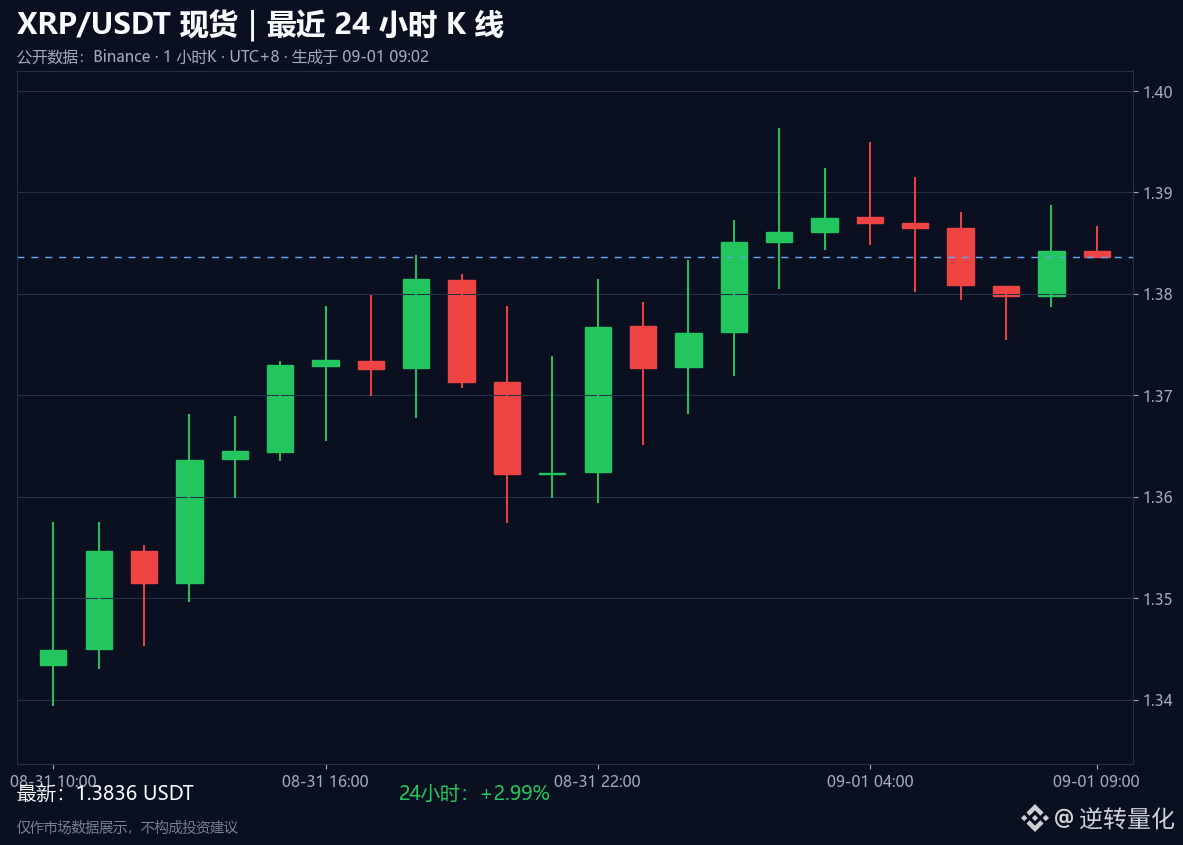
The 24-hour K-line for XRP closed near $1.3824, with the price rebounding from below and approaching around $1.38. The trend is in the process of repair, but it has not yet formed a continuous breakout out of the turnover zone.
In the short term, trading is concentrated in the $1.38–$1.39 range, and the funding rate is positive. The price is currently in a high-activity trading area, indicating there is participation in the upside, but new buy orders have not fully pushed this range behind it yet.
If the price moves away from the $1.39 area and stays with active trading, the rebound is more likely to continue; if it repeatedly returns to the range, the short-term struggle may persist.
$XRP #XRP #合约市场
In the short term, trading is concentrated in the $1.38–$1.39 range, and the funding rate is positive. The price is currently in a high-activity trading area, indicating there is participation in the upside, but new buy orders have not fully pushed this range behind it yet.
If the price moves away from the $1.39 area and stays with active trading, the rebound is more likely to continue; if it repeatedly returns to the range, the short-term struggle may persist.
$XRP #XRP #合约市场
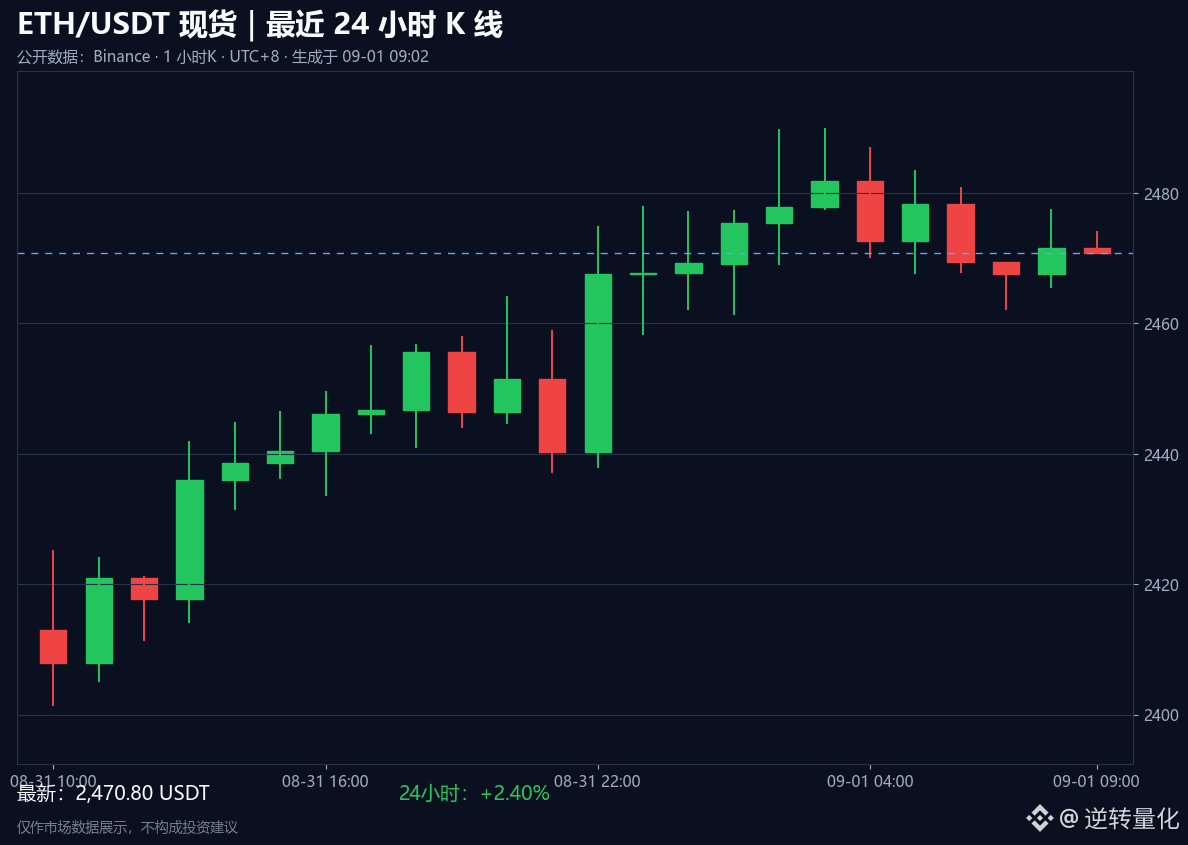
ETH’s 24-hour K-line closed around $2,469, with the price focus rising back above $2,460. The upward momentum on the K-line has appeared, but the current price is still near the recent turnover range.
Short-term trading is concentrated at $2,463–$2,469, and the funding rate is positive. With the price moving to the upper edge of the trading range, it suggests that buyers are pushing the range higher; at the same time, the cost basis remains, and the market still needs to confirm that this is not just a temporary lift.
If the price can stay actively above the top of the trading range, the structure will be more complete; if it falls back into the range and costs continue to build up, the pace of the rebound will need to be reassessed.
$ETH #以太坊 #合约市场
Short-term trading is concentrated at $2,463–$2,469, and the funding rate is positive. With the price moving to the upper edge of the trading range, it suggests that buyers are pushing the range higher; at the same time, the cost basis remains, and the market still needs to confirm that this is not just a temporary lift.
If the price can stay actively above the top of the trading range, the structure will be more complete; if it falls back into the range and costs continue to build up, the pace of the rebound will need to be reassessed.
$ETH #以太坊 #合约市场
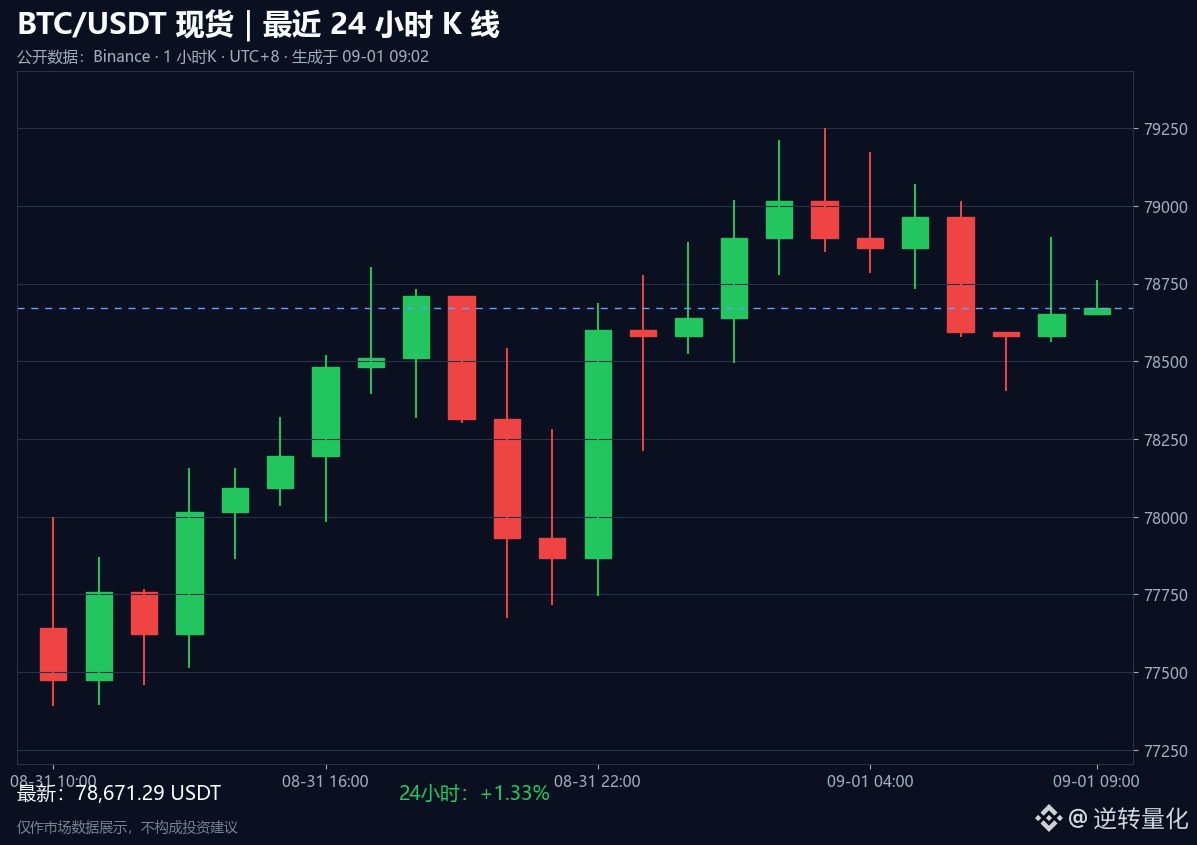
The BTC 24-hour K-line closed near $78,624, and the price focus has returned above $78.6k. After the rally began, the most recent K-line is still fluctuating at high levels, as the market is determining whether this rebound can hold.
In the short term, trading is concentrated in the $78,624–$78,820 range, and the funding rate is positive. The price is hovering near the lower edge of the trading zone, indicating that new buying has pushed the price higher, but positions’ cost basis is still present and the disagreement has not been fully worked through.
If the price moves back inside the trading zone and trading continues to improve, the rebound is likely to be more stable. If it keeps getting pressured around the lower edge and costs keep accumulating, the short term may still range back and forth.
$BTC #比特币 # Contract market
In the short term, trading is concentrated in the $78,624–$78,820 range, and the funding rate is positive. The price is hovering near the lower edge of the trading zone, indicating that new buying has pushed the price higher, but positions’ cost basis is still present and the disagreement has not been fully worked through.
If the price moves back inside the trading zone and trading continues to improve, the rebound is likely to be more stable. If it keeps getting pressured around the lower edge and costs keep accumulating, the short term may still range back and forth.
$BTC #比特币 # Contract market
See translation
See translation
See translation
See translation
See translation
See translation
See translation
See translation
Log in to explore more content