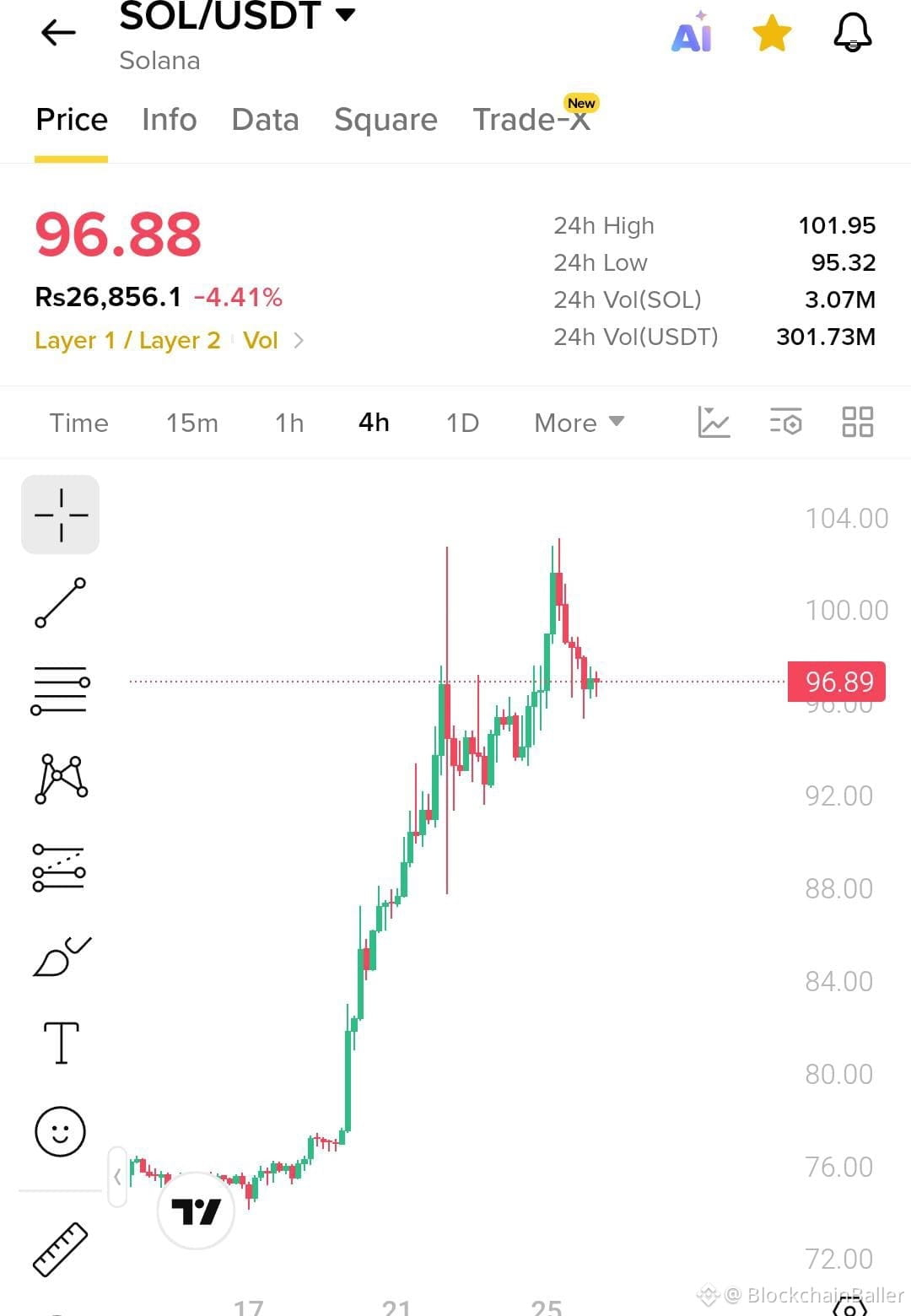
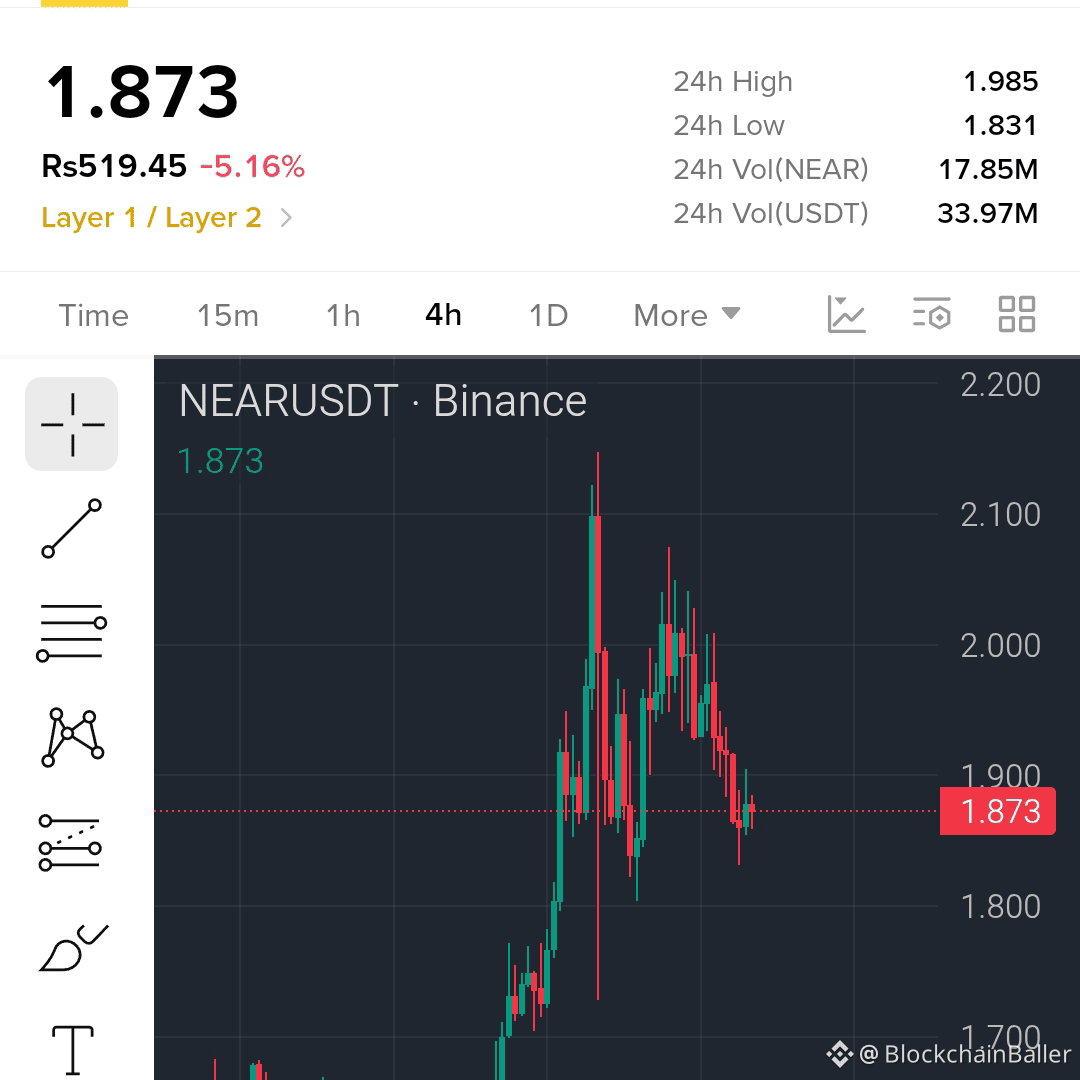
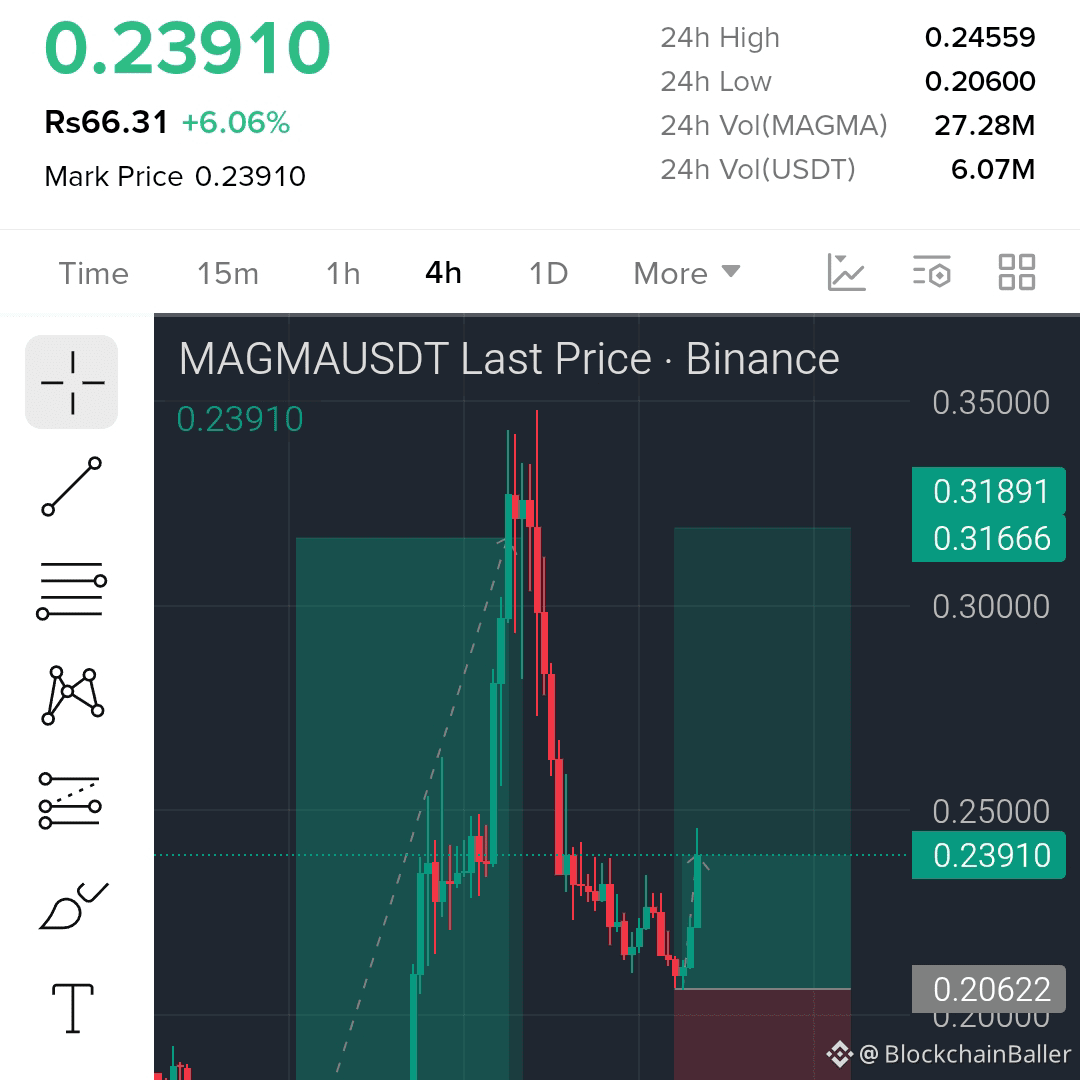
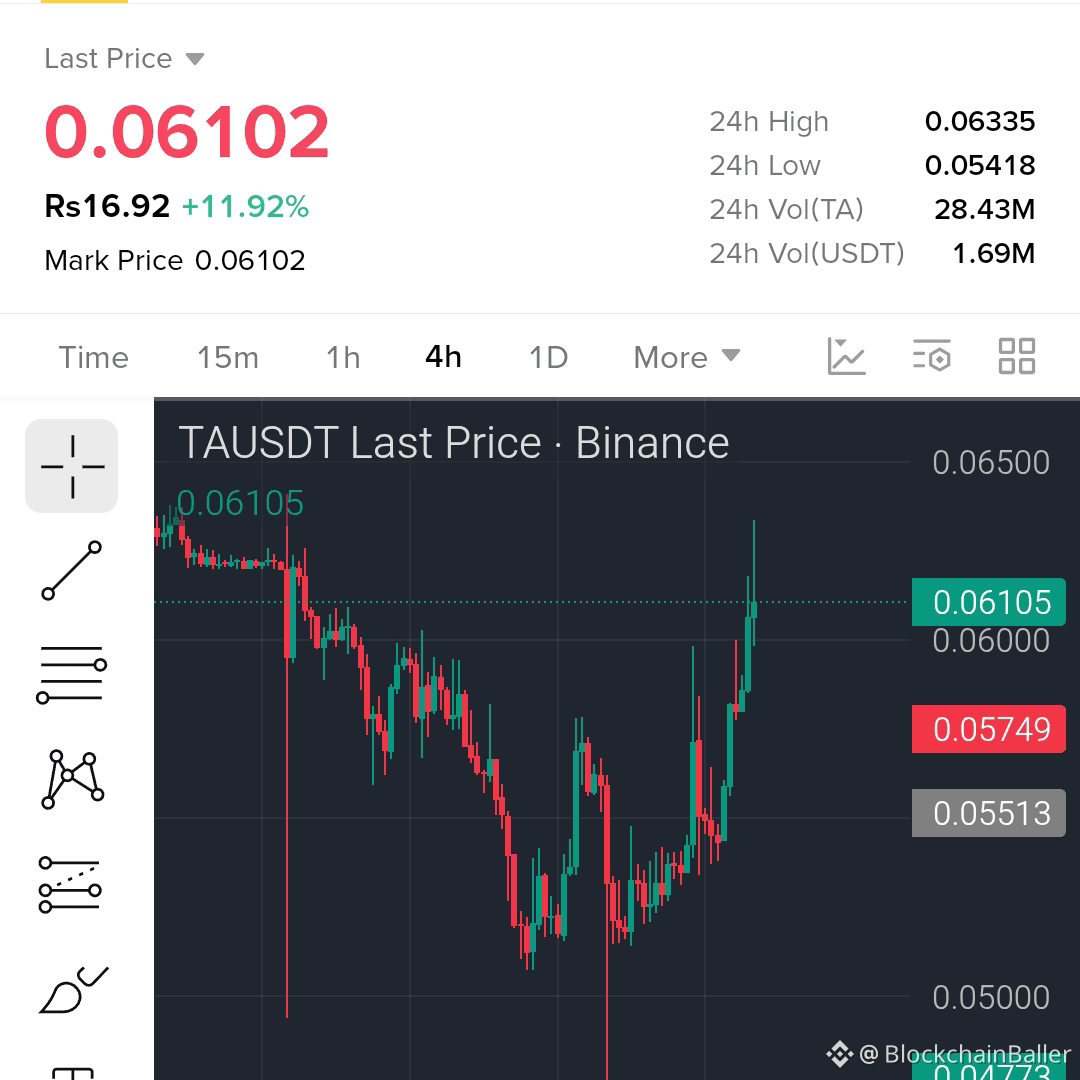
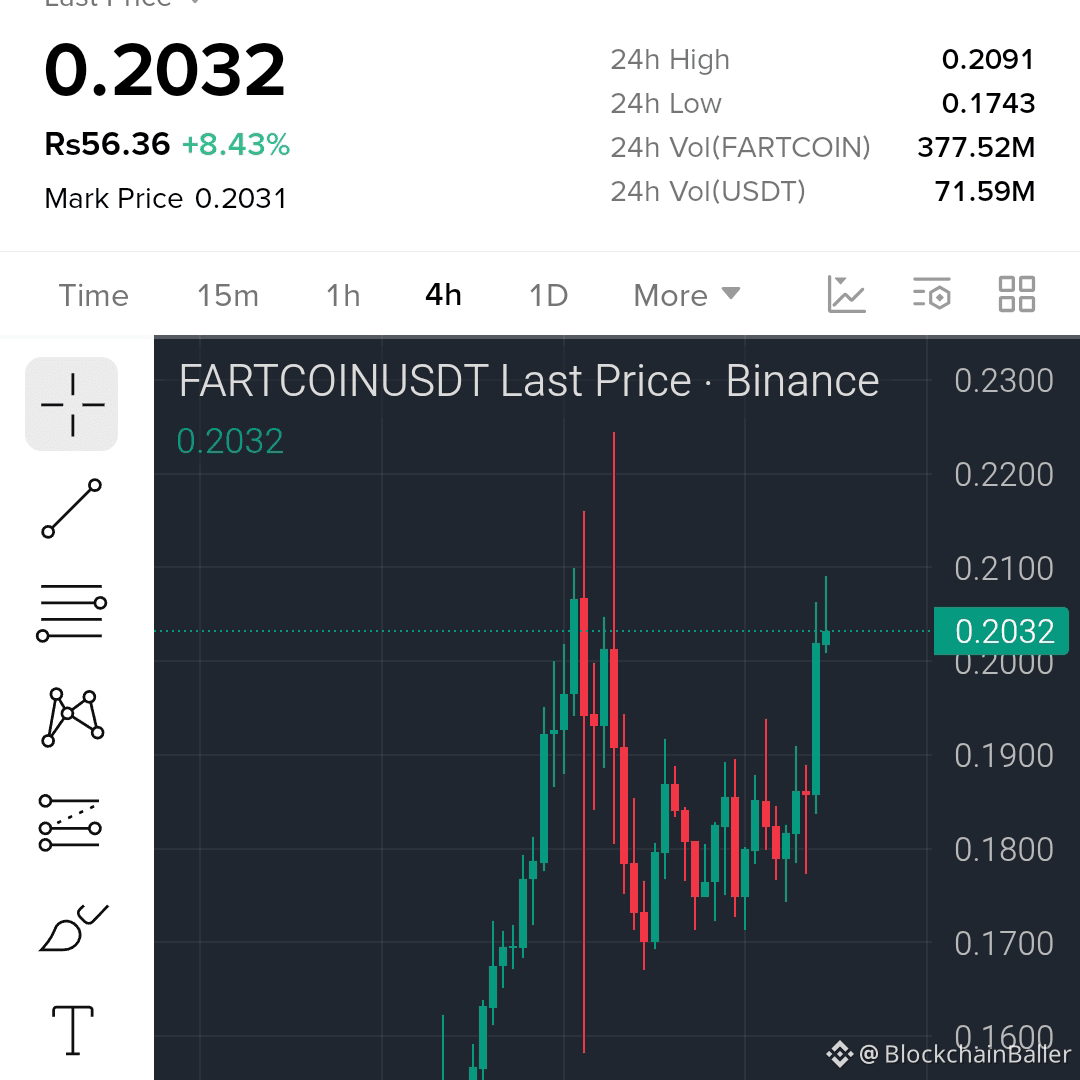
Hey Fam, I need your only 2 mins about a serious issue you all are facing.
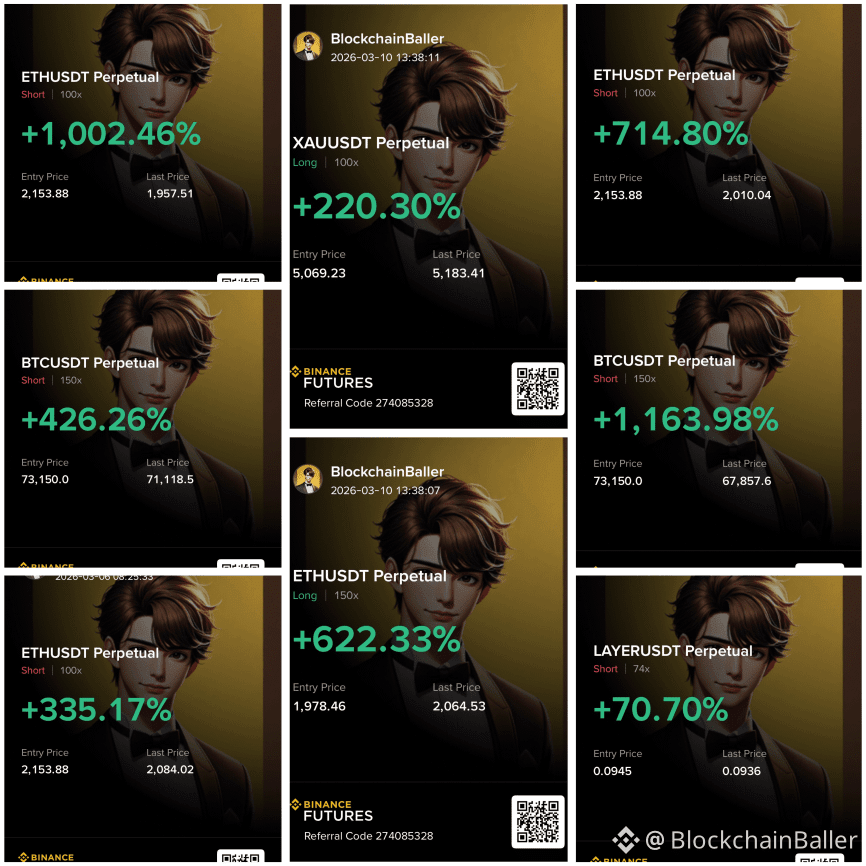
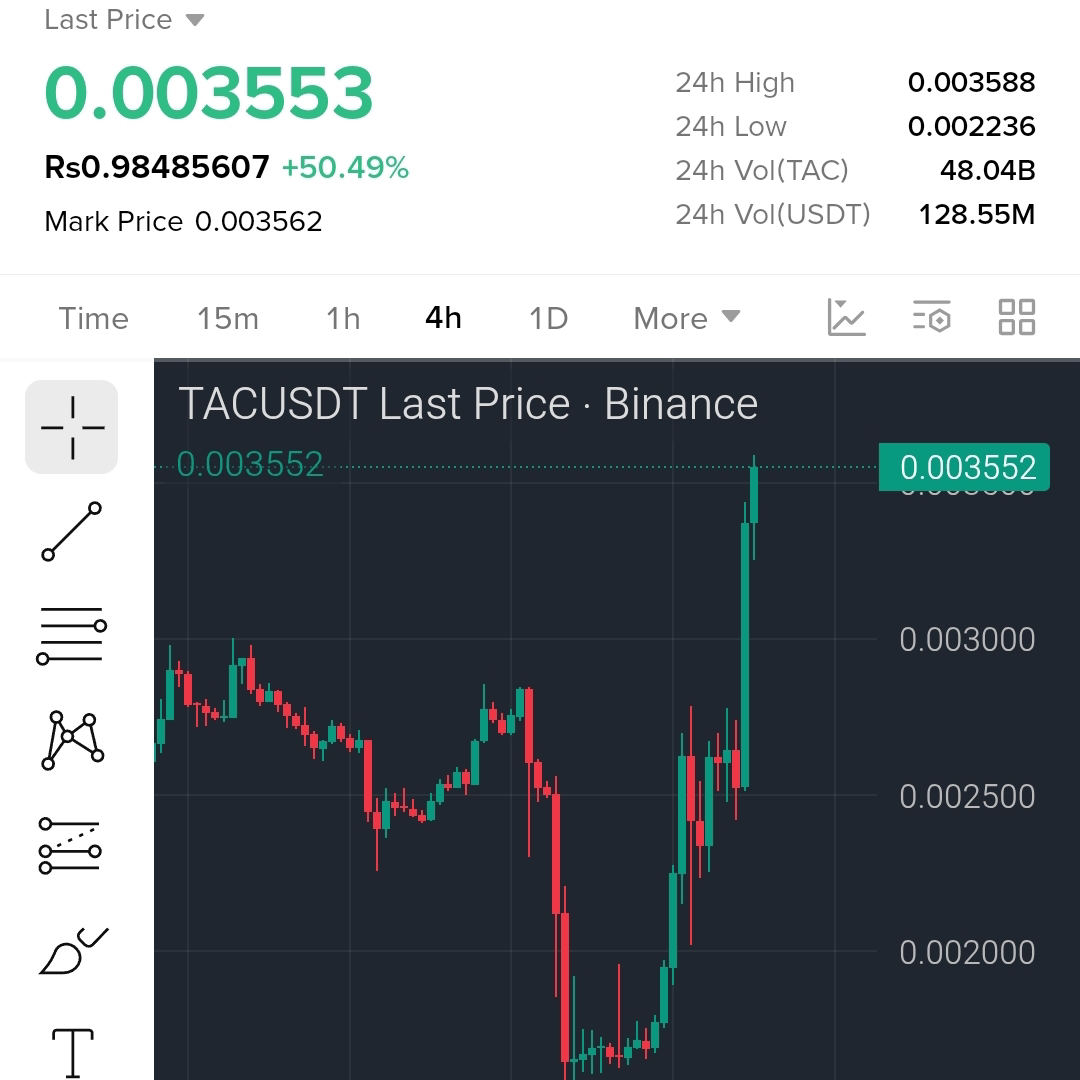
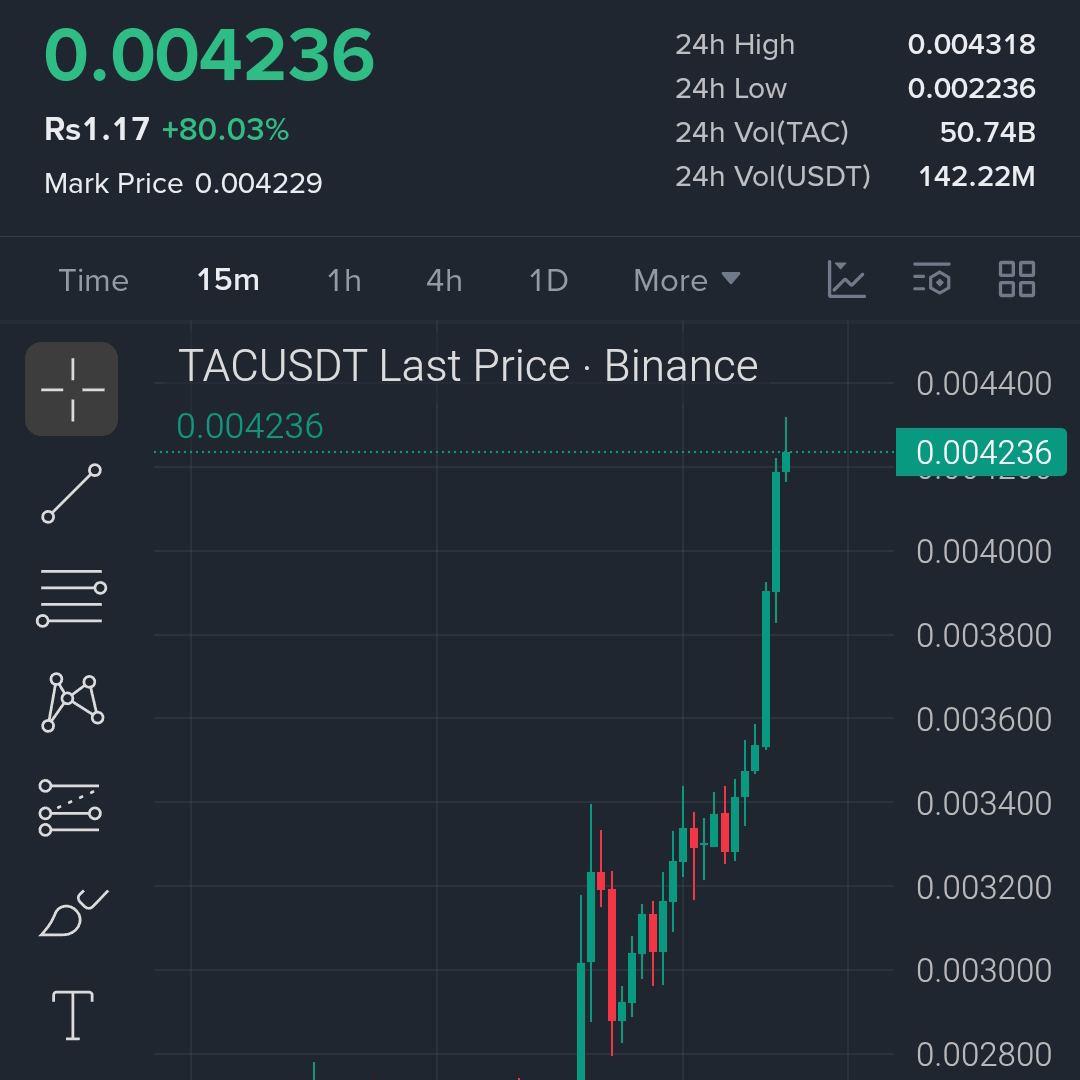
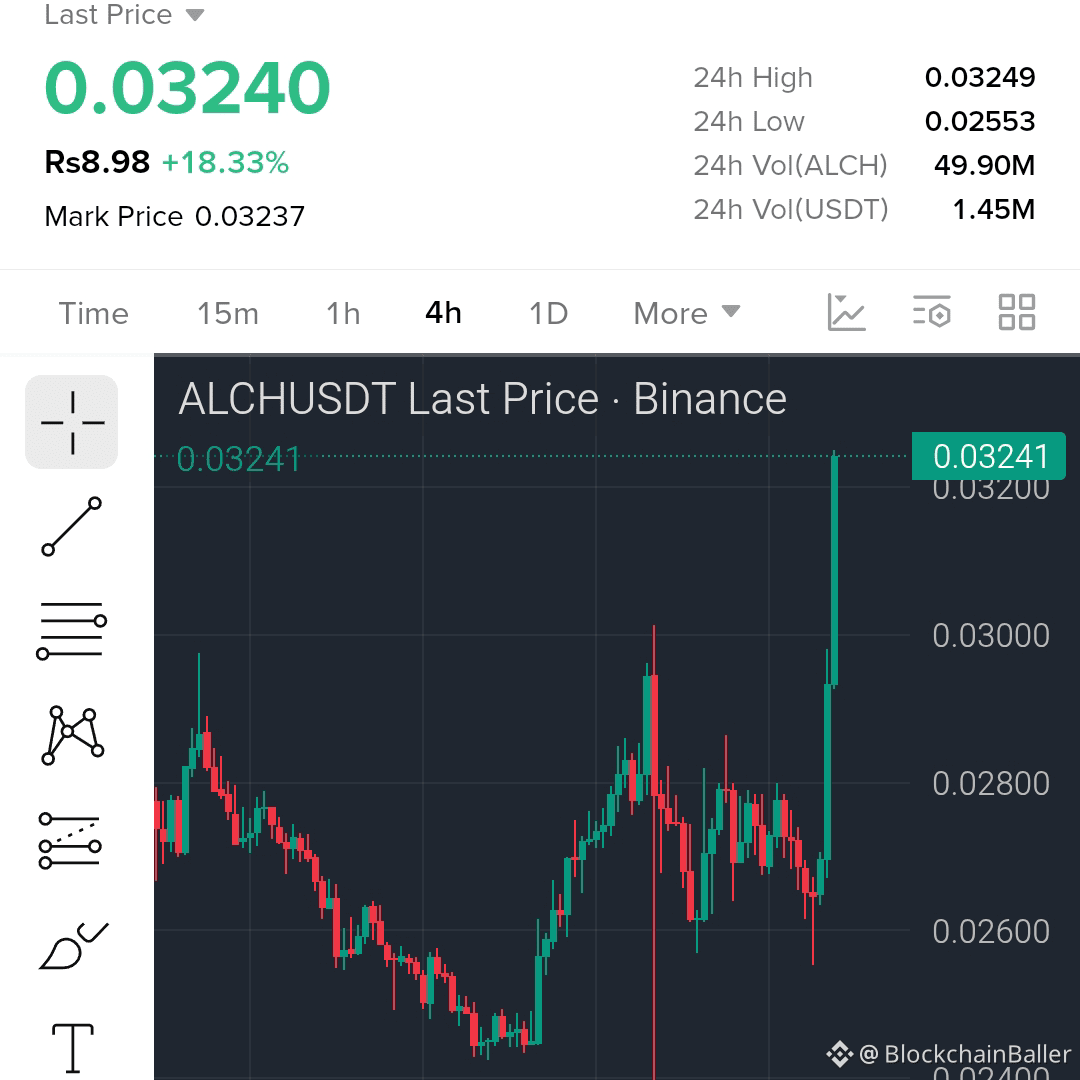
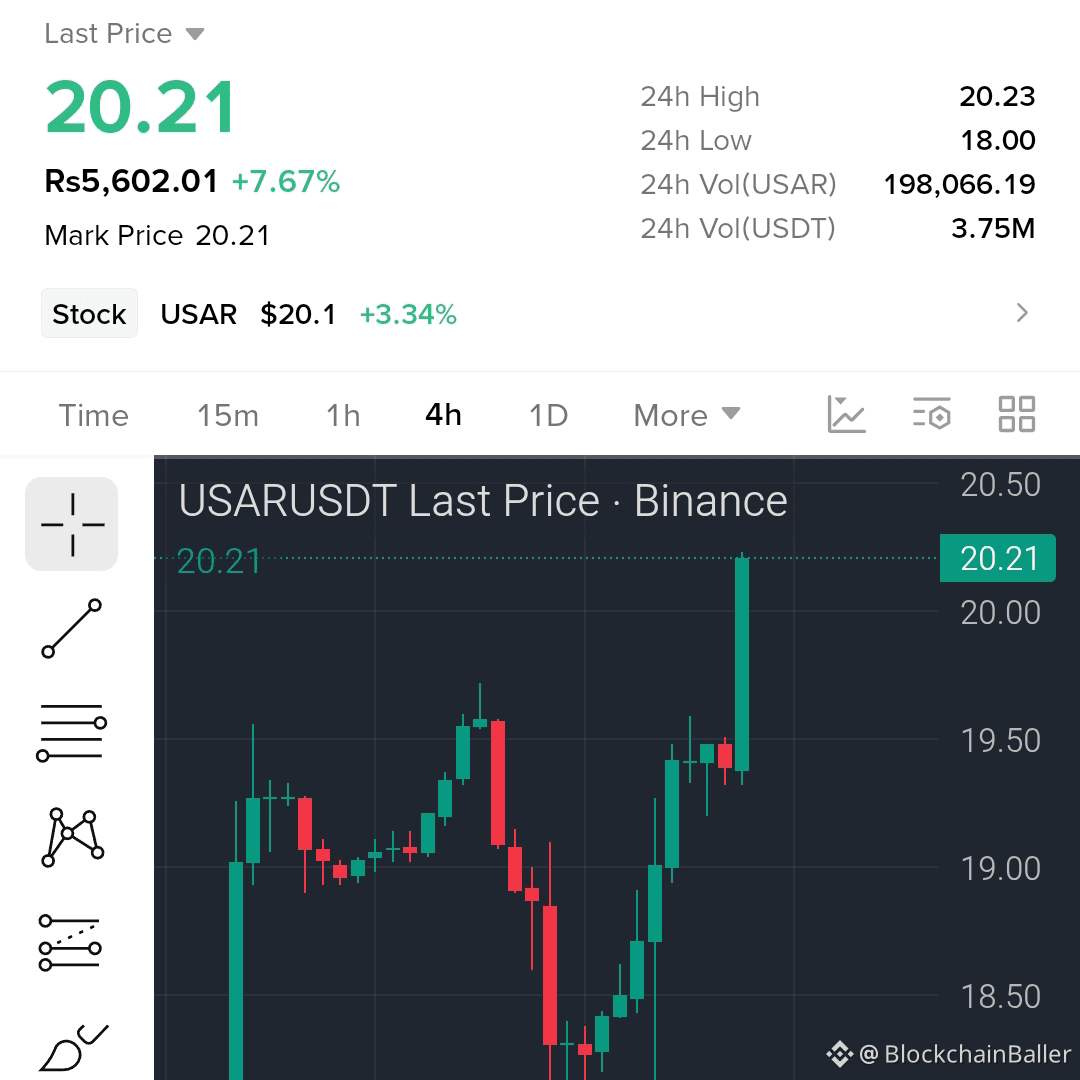
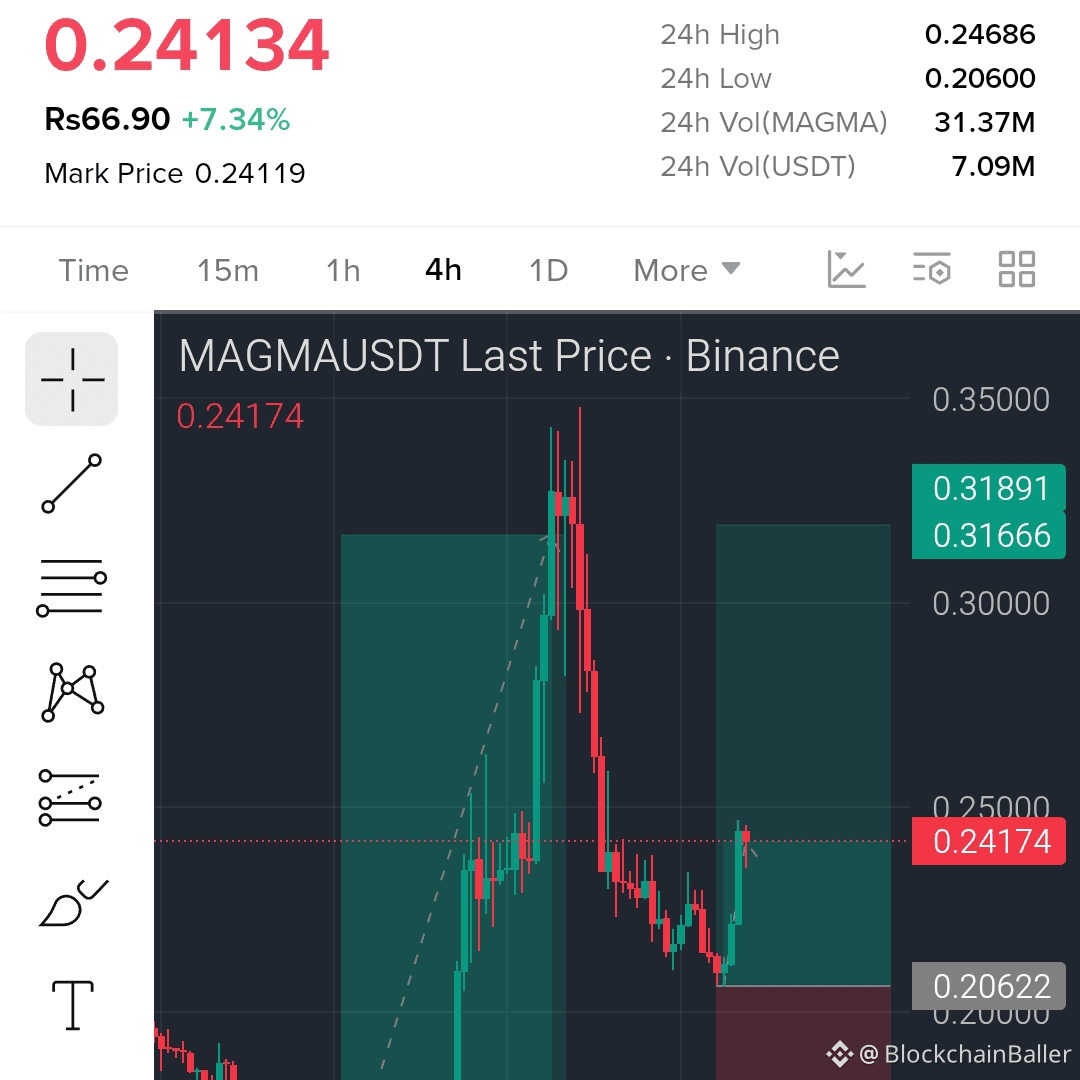
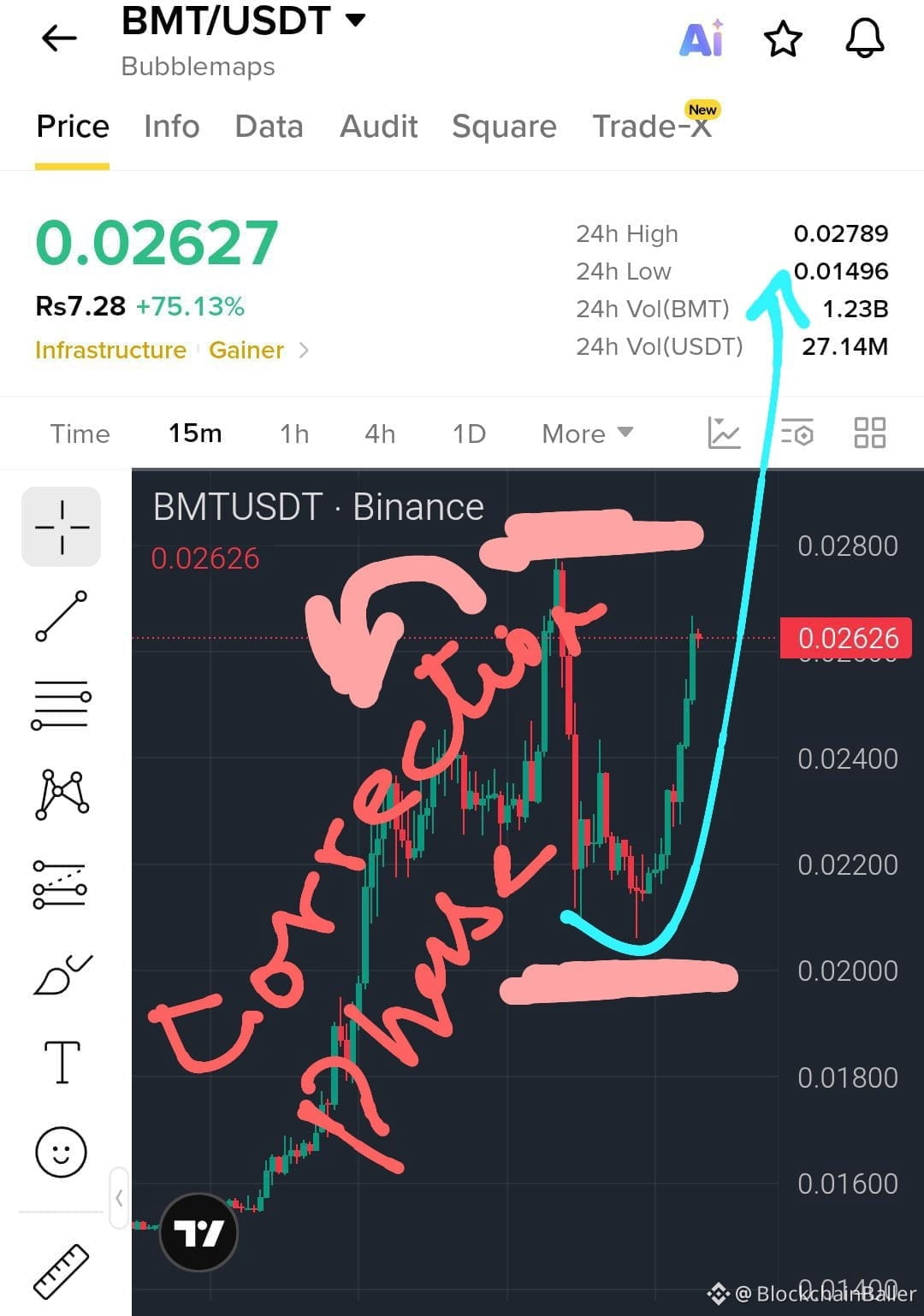
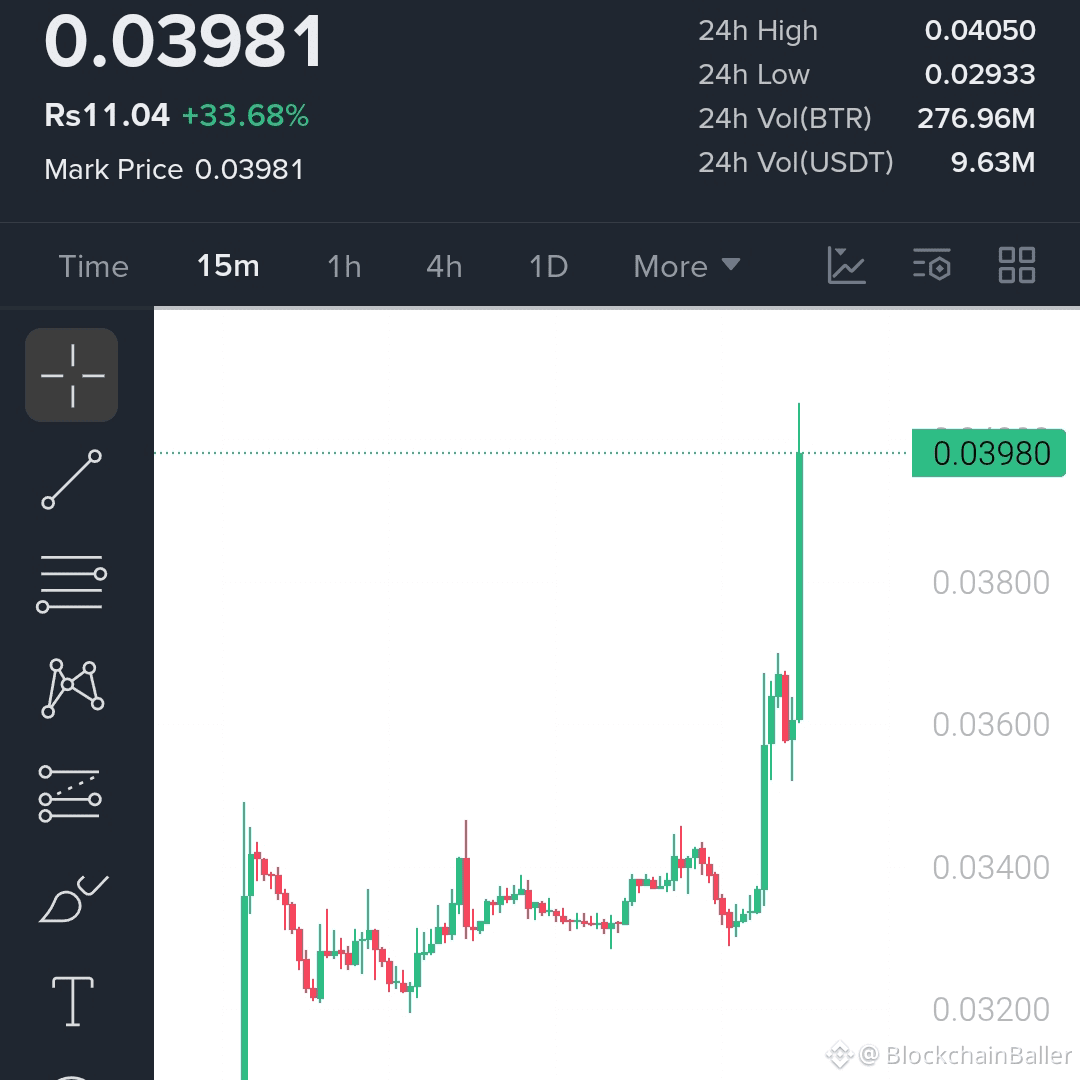
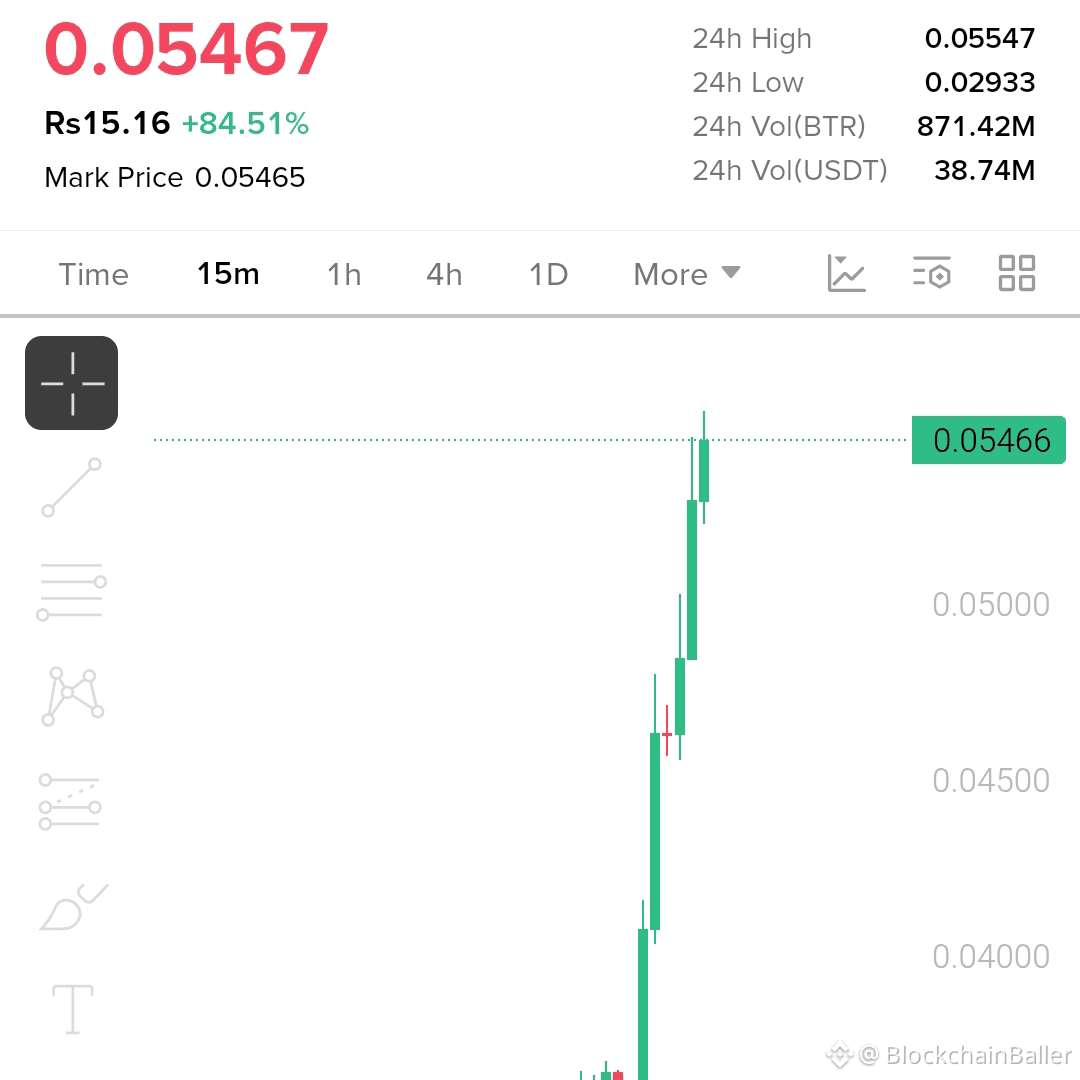
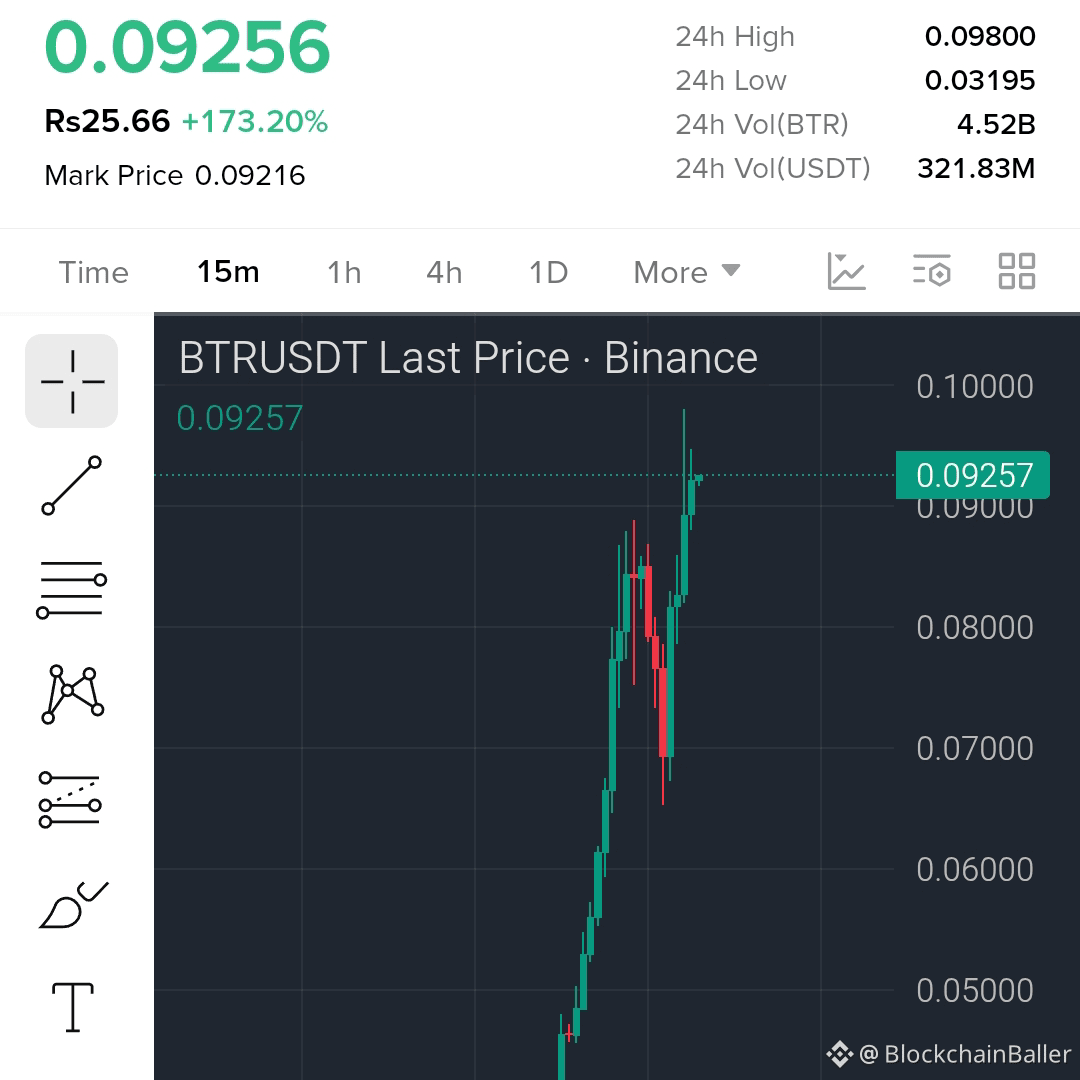
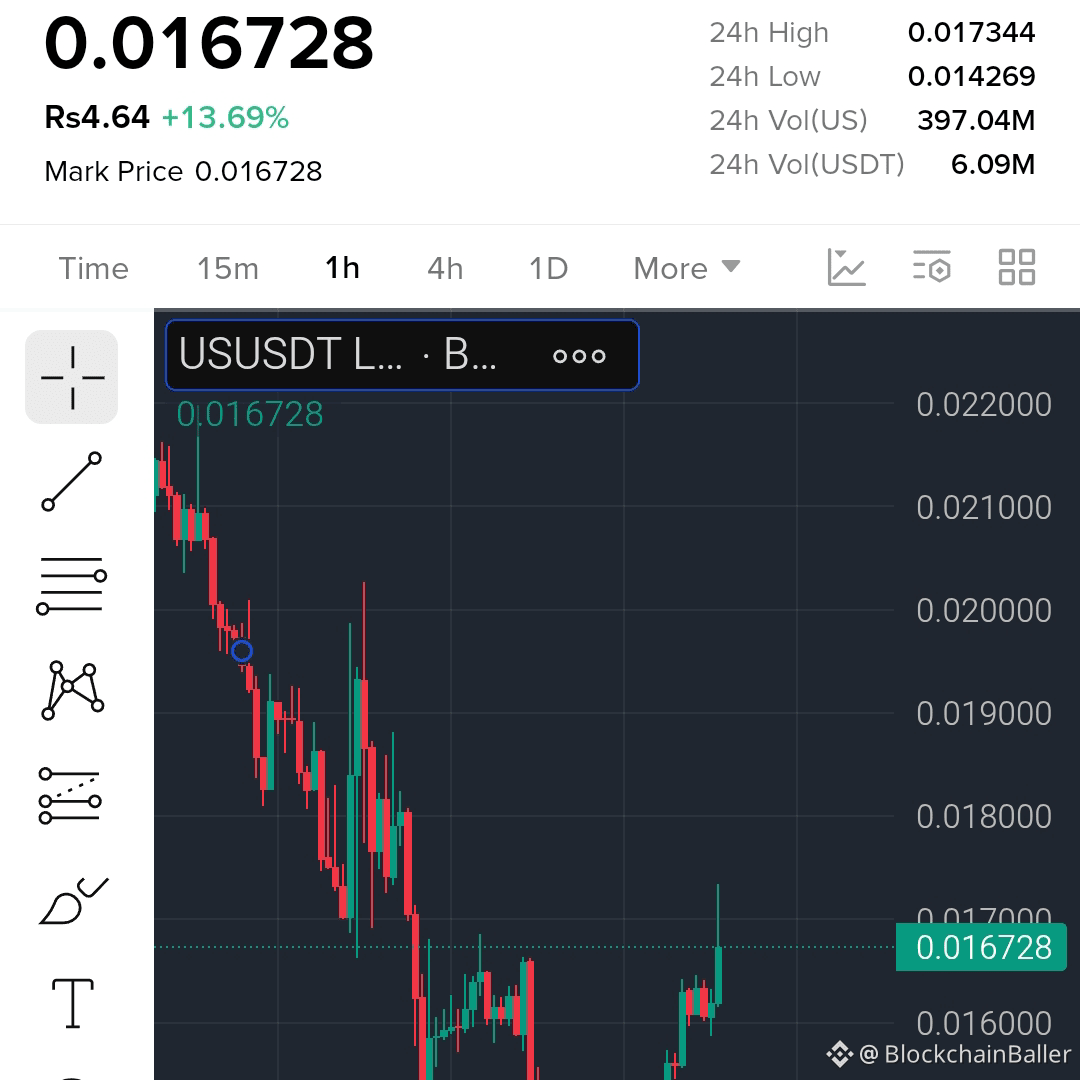
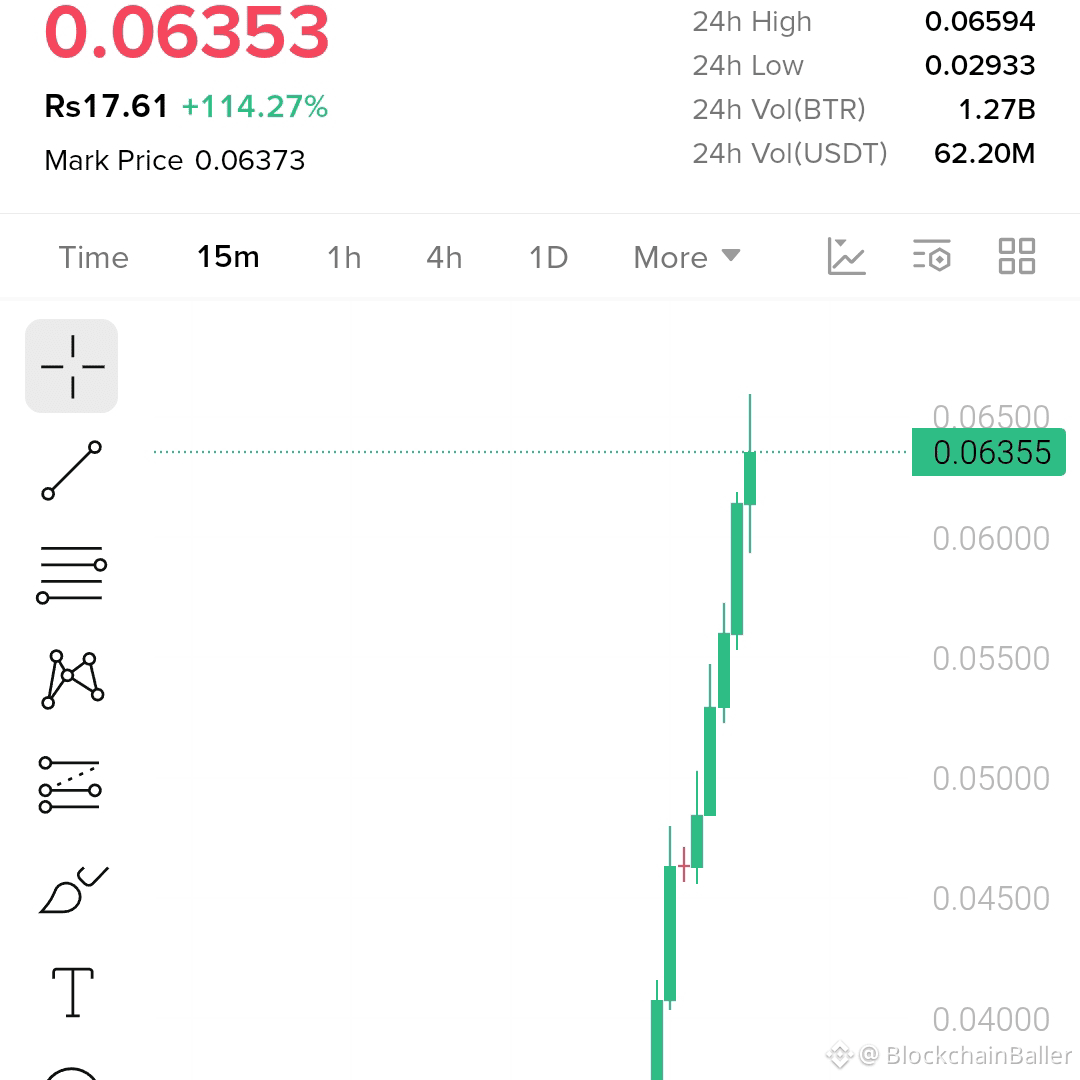
Most of you been following my calls …. and you’ve seen the setups hit in real time. But before that when the post reached out to you. You already had missed it or you got liquidated.. But Now I have Solution..
I just launched BlockchainBaller Premium group on Binance Square. Click here to join or Scan QR
That’s the stuff that actually makes you money without missing anybtrade.
I tried free groups twice. both turned into red packet spam and random links. zero serious traders. so I built something only for the ambitious ones.
what you get inside:
🚀 Real time trade setups with exact Entry / TP / SL before they go public 🚀 Early alpha on narratives before they trend 🚀 My personal moves and position sizing 🚀 Direct access to ask me anything 🚀 7 Days Free Trial
6 years trading. Top 5 Binance Blockchain 100. 235K+ fam watched the calls I post.now you can trade alongside me.
I’m truly grateful to everyone who supported, voted, and believed in me throughout this journey. Being ranked in the Top 5 Traders among the Blockchain 100 by Binance is a huge milestone — and it wouldn’t have been possible without this amazing community.
Your trust and engagement drive me every day to share better insights, stronger analysis, and real value. The journey continues — this is just the beginning. Thank you, fam.

Stablecoin Boom Are Digital Dollars Entering a New Era?
Stablecoins are quickly becoming one of the most important parts of the crypto economy. What started mainly as a convenient way for traders to move between cryptocurrencies is developing into something much bigger. Today, stablecoins are being used for trading, payments, international transfers, DeFi, and on-chain settlement. As adoption expands, digital dollars could be entering a completely new era. Stablecoins Are Moving Beyond Crypto Trading For years, stablecoins such as USDT and USDC were mostly associated with crypto exchanges. Traders could move into dollar-linked assets without leaving the crypto ecosystem, making stablecoins an essential source of liquidity. But their role is expanding. People and businesses can use stablecoins to transfer value across borders without relying on traditional banking hours. This turns stablecoins from simple trading tools into potential payment infrastructure. Why Digital Dollars Are Attractive Speed and accessibility are two major advantages. Traditional international transfers can involve several intermediaries and may take time to settle. Stablecoins can move across blockchain networks around the clock. They can also make it easier for people in different countries to access dollar-denominated digital assets. However, the experience depends heavily on the blockchain being used. Transaction costs, speed, security, liquidity, and regulation can all affect how useful a stablecoin actually becomes. Stablecoins Are Becoming a Blockchain Battleground The growth of stablecoins is also creating competition between blockchain networks. Ethereum has a mature ecosystem with deep connections to DeFi and tokenized assets. Solana offers fast transactions and relatively low fees, making it attractive for frequent transfers and payment-focused applications. Layer-2 networks and other blockchains are also competing for stablecoin users. The networks that provide the best combination of security, liquidity, cost, and user experience could capture a large share of future stablecoin activity. DeFi Depends Heavily on Stablecoins Stablecoins are already deeply connected to decentralized finance. They are used across lending markets, decentralized exchanges, liquidity pools, derivatives, and other financial applications. As DeFi becomes more sophisticated, stablecoins could increasingly serve as the basic unit connecting different on-chain financial products. This becomes even more interesting when combined with tokenized real-world assets. Stablecoins and RWAs Could Grow Together Real-World Assets are bringing traditional financial products onto blockchains, while stablecoins provide a familiar dollar-based way to move value around those markets. Imagine an on-chain financial system where users can hold digital dollars, purchase tokenized assets, earn returns through financial products, and transfer funds without leaving blockchain infrastructure. That combination could become one of the strongest long-term crypto narratives. Institutions Are Paying Attention Stablecoins are no longer relevant only to crypto-native companies. Payment businesses, fintech companies, banks, asset managers, and other institutions are exploring blockchain-based settlement and tokenization. For these organizations, stablecoins could provide a bridge between traditional currencies and blockchain networks. Institutional adoption will still depend heavily on regulation, compliance, security, and reliable infrastructure. Regulation Could Change Everything Regulation may be one of the biggest factors shaping the next stage of stablecoin adoption. Clear rules around reserves, transparency, issuance, custody, and consumer protection could give institutions greater confidence to participate. At the same time, stricter requirements could reshape which stablecoin issuers and platforms are able to compete. The countries that create workable regulatory frameworks could play an important role in determining how quickly stablecoin payments expand. Are Stablecoins the Future of Payments? Stablecoins are unlikely to replace traditional money overnight. Banks, cards, mobile payment systems, and existing financial networks already serve billions of people. But stablecoins do not necessarily need to replace them. They could instead become another financial layer connecting traditional currencies with global blockchain networks. That may be especially useful for international payments, digital commerce, trading, and on-chain financial services. The Bigger Picture Bitcoin introduced decentralized digital money. Ethereum expanded blockchain into programmable finance. Stablecoins may become one of the technologies that brings blockchain-based money into everyday financial activity. Their biggest opportunity may not be speculation at all. It could be making digital dollars easier to transfer, trade, settle, and use across an increasingly connected global financial system. The stablecoin boom may be more than another crypto trend. It could mark the beginning of a new era for how dollars move around the world.
Crypto’s Next Big Narrative What Could Lead the Rest of 2026....?
Crypto moves in narratives. One period belongs to memecoins, another to AI, DeFi, Layer-2 networks, or real-world assets. As 2026 moves forward, the biggest question is simple: what could capture the market’s attention next? The answer may not be one single sector. Several major trends are competing for capital, users, developers, and institutional interest. Real-World Assets Could Keep Growing Real-World Assets, commonly called RWAs, remain one of the strongest long-term crypto narratives. The idea is simple: bring traditional assets such as bonds, funds, commodities, private credit, and other financial products onto blockchains. This could connect trillions of dollars in traditional finance with on-chain markets. Ethereum, Solana, and other networks are competing to become important infrastructure for this growing sector. Unlike narratives driven mainly by speculation, RWAs have a clear connection to existing financial markets. That gives the sector an interesting long-term use case. Stablecoins Are Becoming Bigger Than Trading Stablecoins were once viewed mainly as tools for moving money between crypto exchanges. That story is changing. They are increasingly being explored for payments, international transfers, settlement, and other financial services. Faster transfers and blockchain availability could make stablecoins one of crypto’s most practical technologies. If adoption continues expanding, stablecoins may quietly become one of the biggest bridges between traditional finance and blockchain. AI and Crypto Could Enter a New Phase Artificial intelligence remains another powerful narrative. The next stage could move beyond simply attaching “AI” to crypto projects. AI agents capable of interacting with blockchain applications, making transactions, accessing decentralized services, or managing digital assets could create new use cases. Projects that combine useful AI technology with genuine blockchain demand may attract more attention than tokens built mainly around hype. The key question will be whether AI crypto projects can turn excitement into real users and revenue. Institutional Adoption Could Reshape the Market Large financial institutions are becoming increasingly important to crypto. Bitcoin helped open the door, but institutional blockchain interest can extend into Ethereum, tokenization, stablecoins, custody, payments, and decentralized financial infrastructure. This could change how future crypto cycles behave. Instead of depending entirely on retail speculation, some sectors may receive demand from businesses and financial institutions looking for practical blockchain solutions. DeFi Could Make a Comeback DeFi should not be ignored. Decentralized exchanges, lending platforms, derivatives, liquid staking, and other financial applications continue developing. A new DeFi wave could focus more heavily on sustainable revenue, better user experiences, stronger security, and connections with real-world financial assets. If liquidity returns strongly to altcoins, DeFi could once again become one of the market’s most closely watched sectors. Solana’s Ecosystem Is Expanding Solana has already attracted huge attention through trading and memecoins, but its longer-term opportunity is much broader. Payments, stablecoins, DeFi, consumer applications, and tokenized assets could become increasingly important to the network. Its fast transactions and relatively low costs give developers room to build applications requiring frequent on-chain activity. If adoption continues expanding beyond speculation, Solana could remain an important narrative through the rest of 2026. Tokenization Could Connect Everything Perhaps the most interesting narrative is not one individual sector but the broader movement toward putting financial activity on-chain. Stablecoins can provide digital cash. RWAs can bring traditional assets onto blockchains. DeFi can create markets around those assets. AI agents could eventually interact with those markets automatically. These trends could strengthen one another rather than compete separately. What Could Lead the Rest of 2026? The strongest narratives will likely be those that combine attention with actual adoption. RWAs have institutional potential. Stablecoins have practical payment utility. AI has enormous technological momentum. DeFi provides financial infrastructure, while high-performance networks such as Solana are competing to make blockchain applications easier and cheaper to use. Memecoins and speculative trends will probably continue generating attention, but long-term capital may increasingly search for projects with users, revenue, liquidity, and real-world utility. The next big crypto narrative might therefore be bigger than another group of trending tokens. The rest of 2026 could be about crypto moving from speculation toward infrastructure that people and institutions actually use.
Real-World Assets, or RWAs, are becoming one of the most important narratives in crypto. Instead of keeping blockchain limited to purely digital tokens, RWAs bring traditional assets such as bonds, funds, real estate, commodities, and private credit on-chain. Ethereum and Solana are both positioned to benefit from this trend. However, they offer very different advantages, making the competition for RWA adoption especially interesting. Ethereum Has the Early Advantage Ethereum has spent years building one of the largest ecosystems for decentralized finance and tokenization. Many financial institutions and blockchain developers are already familiar with Ethereum and its technology. Its established infrastructure, liquidity, security, and developer ecosystem give it a major advantage when companies consider bringing traditional financial products on-chain. Ethereum also benefits from its Layer-2 ecosystem. These networks can provide faster and cheaper transactions while ultimately connecting back to Ethereum. For large institutions, trust and established infrastructure matter. This is one reason Ethereum remains a powerful contender in the RWA sector. Solana Is Moving Fast Solana approaches the RWA market differently. Its biggest strengths are speed, low transaction costs, and the ability to process large amounts of activity. These features could become increasingly valuable if tokenized assets eventually reach millions of everyday users. Solana has already expanded beyond its reputation as a network mainly associated with memecoins and speculative trading. Stablecoins, payments, DeFi, and tokenized assets are becoming increasingly important parts of its ecosystem. If RWA products require frequent and inexpensive transactions, Solana's performance could give it a strong competitive position. Institutions Could Decide the Race RWA adoption will ultimately depend on much more than blockchain speed. Financial institutions need reliable infrastructure, regulatory clarity, liquidity, security, compliance tools, and easy connections between traditional finance and blockchain networks. Ethereum currently benefits from its established position in institutional crypto infrastructure. Solana, meanwhile, has an opportunity to attract projects looking for high performance and lower transaction costs. The blockchain that makes tokenization easiest for both institutions and users could gain a major advantage. Stablecoins Could Be the Bridge Stablecoins are another important part of this competition. They provide blockchain markets with digital versions of traditional currencies and can make it easier to trade, settle, and transfer tokenized financial assets. Both Ethereum and Solana have significant stablecoin ecosystems. As stablecoin adoption grows, the networks surrounding that liquidity could become natural destinations for additional RWA products. This means the battle for stablecoin activity and the battle for RWA adoption could become increasingly connected. Does There Have to Be One Winner? Probably not. Ethereum could remain the preferred network for large institutional products and high-value settlement, while Solana could become increasingly attractive for fast, low-cost RWA transactions and consumer-facing applications. Assets may also exist across multiple blockchains rather than being locked into one ecosystem. The bigger opportunity is therefore not simply Ethereum versus Solana. It is the possibility that traditional financial markets gradually move more assets onto blockchain infrastructure. The Bigger Picture RWAs could become one of the strongest bridges between traditional finance and crypto. Ethereum enters this race with scale, liquidity, infrastructure, and years of ecosystem development. Solana enters with speed, low fees, and rapidly expanding adoption. If tokenization continues growing, both networks could benefit enormously. Ethereum has the head start. Solana has the speed. The real RWA battle is only beginning.
Bitcoin, Ethereum and Solana Three Different Paths Into the Future
.....
The crypto market is no longer moving in just one direction. Bitcoin, Ethereum, and Solana are all major blockchain ecosystems, but each is building a very different future. Understanding those differences can help investors see why all three may have important roles in the next stage of crypto adoption. Bitcoin: Becoming Digital Gold Bitcoin’s strongest advantage remains its simplicity. It was designed as a decentralized monetary network with a limited supply of 21 million BTC. Instead of trying to become the fastest blockchain or support every possible application, Bitcoin continues to build its reputation as a scarce digital asset. Institutional adoption has strengthened this narrative. Bitcoin is increasingly viewed as an asset that can sit alongside traditional investments rather than simply being a speculative cryptocurrency. Its future could therefore depend less on competing with newer blockchains and more on becoming a globally recognized store of value. If adoption continues, Bitcoin may increasingly act as the foundation of the crypto market. Ethereum: Building the Financial Layer Ethereum is following a completely different path. Its biggest strength is programmability. Developers can use Ethereum to create decentralized exchanges, lending platforms, stablecoins, tokenized assets, NFTs, and many other blockchain applications. One particularly important opportunity is real-world asset tokenization. Traditional assets such as funds, bonds, stocks, and other financial products can potentially be represented and transferred using blockchain technology. Ethereum also has a large Layer-2 ecosystem designed to process transactions more efficiently while benefiting from Ethereum’s underlying network. This could allow Ethereum to remain an important settlement layer as blockchain usage grows. Instead of becoming only a digital asset, Ethereum is trying to become infrastructure for a much larger on-chain economy. Solana: Speed, Scale and Consumer Adoption Solana is taking another route. Its strategy focuses heavily on speed, low transaction costs, and the ability to handle large amounts of activity. This has helped Solana become popular for decentralized trading, payments, memecoins, NFTs, DeFi applications, and other consumer-focused crypto products. Its low fees can make smaller transactions practical for everyday users. But Solana’s future may extend far beyond speculative trading. Stablecoins, payments, tokenized real-world assets, and institutional blockchain applications could become increasingly important parts of its ecosystem. If developers continue creating products that attract mainstream users, Solana could position itself as one of crypto’s major high-performance application networks. Three Networks, Three Different Roles The interesting part is that Bitcoin, Ethereum, and Solana do not necessarily need to replace one another. Bitcoin could strengthen its position as digital money and a store of value. Ethereum could become a major settlement and financial infrastructure layer. Solana could develop into a high-speed network for applications, payments, and consumer activity. That means the future of crypto might not have one clear winner. Different blockchains could dominate different areas of the digital economy. The Bigger Picture The next phase of crypto adoption may be driven less by hype and more by real usage. Institutional investment, stablecoin payments, tokenization, decentralized finance, and blockchain-based applications could all influence which networks gain the most value and activity. Bitcoin has scarcity and monetary credibility. Ethereum has a huge programmable ecosystem. Solana has speed and an expanding application economy. Their technologies and strategies are different, but that may be exactly why all three remain important to watch. The real question may not be which one wins but what role each one will play in the future of the global digital economy.