
TechnicalTrader
1.1k Posts
TechnicalTrader
Tracking global crypto trends, Daily news, structural setups, and smart trading tips🔥🚀 Follow for Valuable Content💎
27 Following
11.8K+ Followers
10.7K+ Liked
Posts
All
Quotes
Live
PINNED
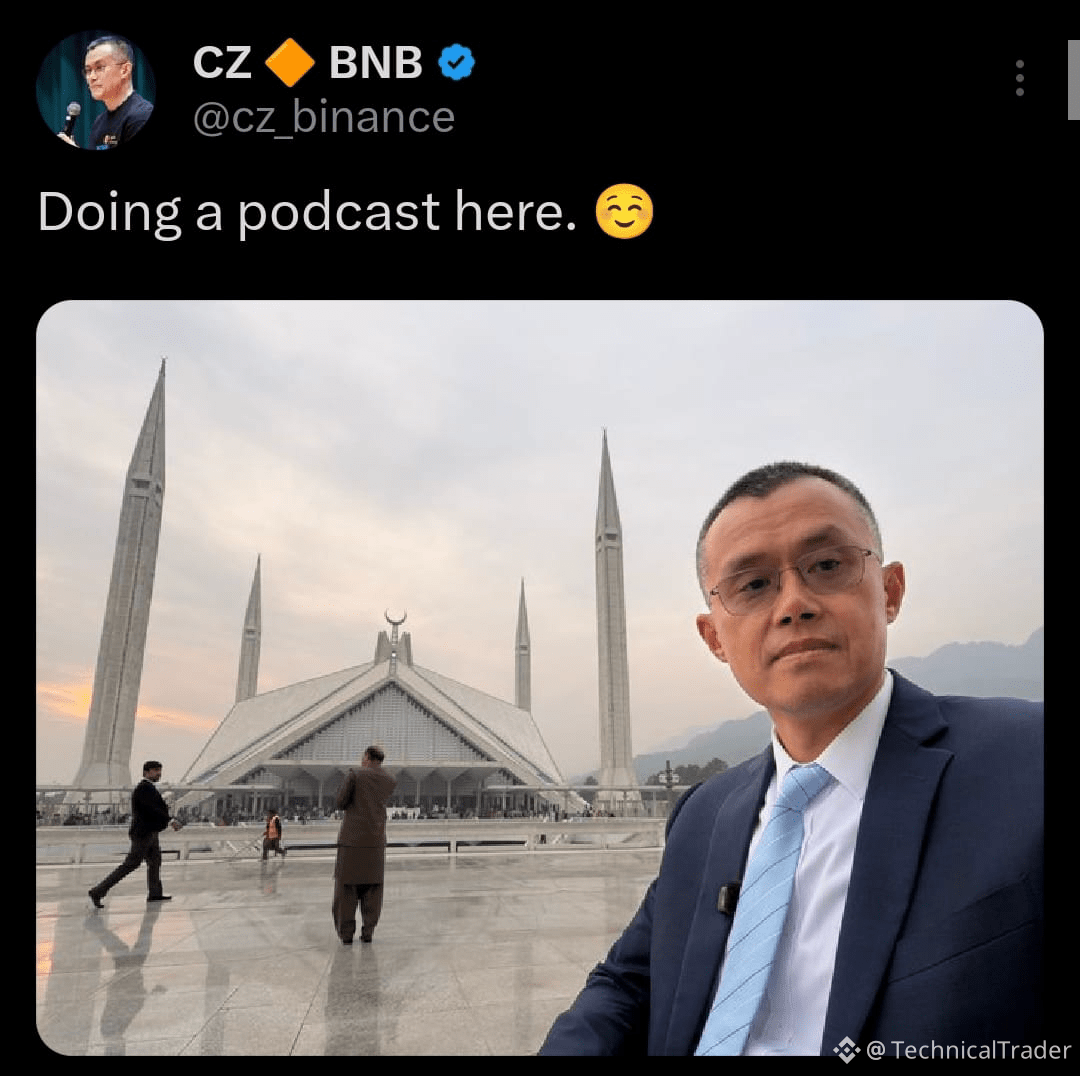
Welcome @CZ and @Justin Sun孙宇晨 to Islamabad🇵🇰🇵🇰
CZ's podcast also coming from there🔥🔥
Something special Happening🙌
CZ's podcast also coming from there🔥🔥
Something special Happening🙌

PINNED
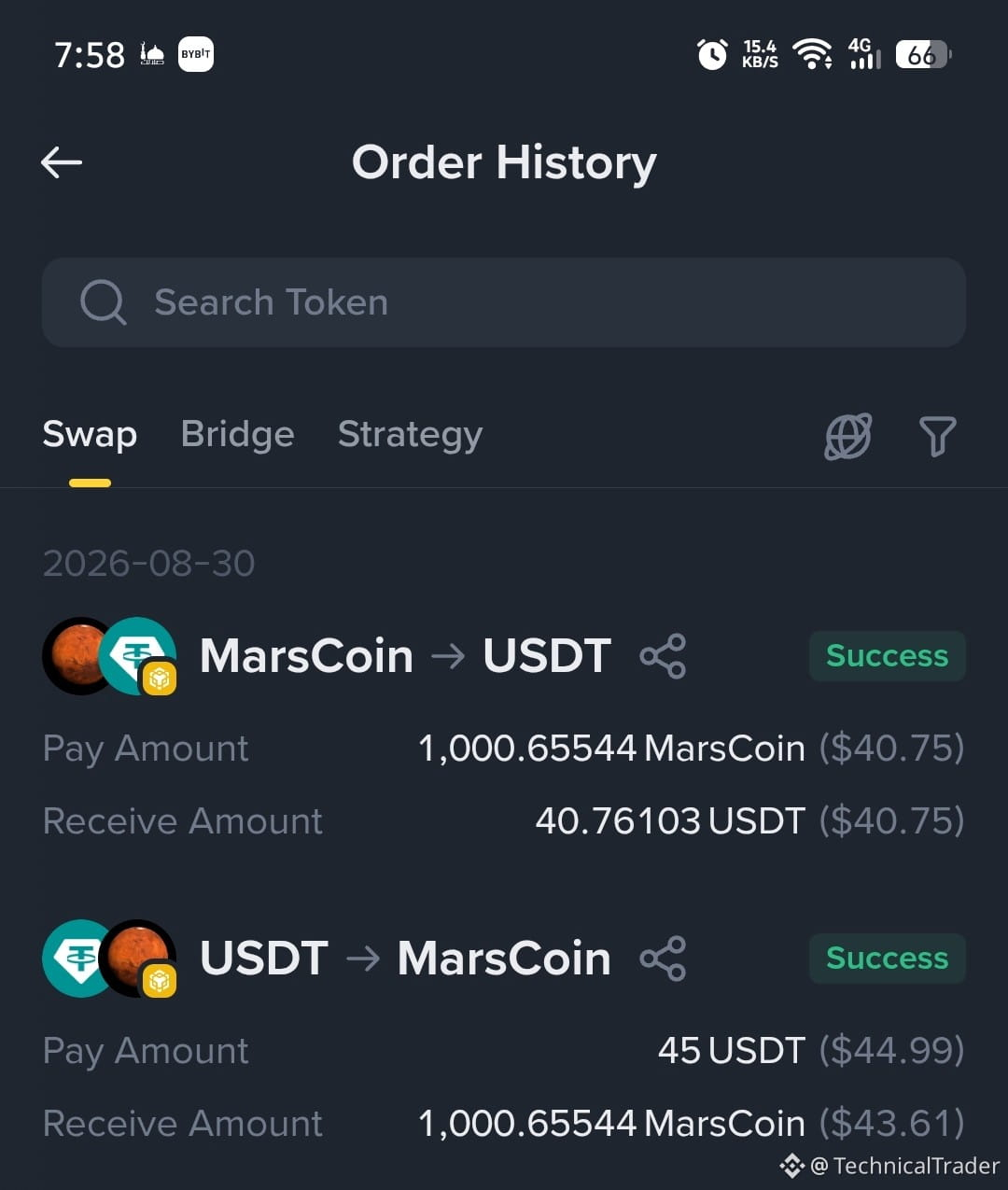
I Bought $MARSCOIN on 0.041 and sold on 0.039.
Watching this coin since 20M marketcap, now its 180M marketcap.
didn't knew binance will list it😭
Watching this coin since 20M marketcap, now its 180M marketcap.
didn't knew binance will list it😭
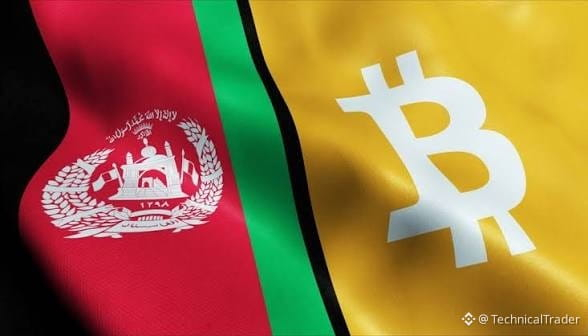
🤯🤯Shocking news is coming out of Afghanistan. The Taliban government has officially banned all crypto trading across the entire nation. 🚨
They are labeling digital currencies as a complete scam. Anyone buying, selling, or running a crypto business is now facing serious legal trouble and jail time. ⚠️
The crackdown is already happening fast. Over 20 crypto shops were shut down in Herat, at least 13 traders were arrested, and monthly crypto funds entering the country plummeted from over $150M down to less than $80k. 📈📉
This hits hard because Bitcoin and stablecoins were lifesavers for everyday people.
They relied on digital money to save their wealth and receive support from family abroad after the country got cut off from international banks. 🏦💔
A government can shut down shops, arrest people, and make laws against digital money.
what you think about this ? don't forget to comment 💭
Follow for more content 🙂
They are labeling digital currencies as a complete scam. Anyone buying, selling, or running a crypto business is now facing serious legal trouble and jail time. ⚠️
The crackdown is already happening fast. Over 20 crypto shops were shut down in Herat, at least 13 traders were arrested, and monthly crypto funds entering the country plummeted from over $150M down to less than $80k. 📈📉
This hits hard because Bitcoin and stablecoins were lifesavers for everyday people.
They relied on digital money to save their wealth and receive support from family abroad after the country got cut off from international banks. 🏦💔
A government can shut down shops, arrest people, and make laws against digital money.
what you think about this ? don't forget to comment 💭
Follow for more content 🙂
🔴Attention guys
Train Real World Artificial Intelligence And Get Rewarded For It
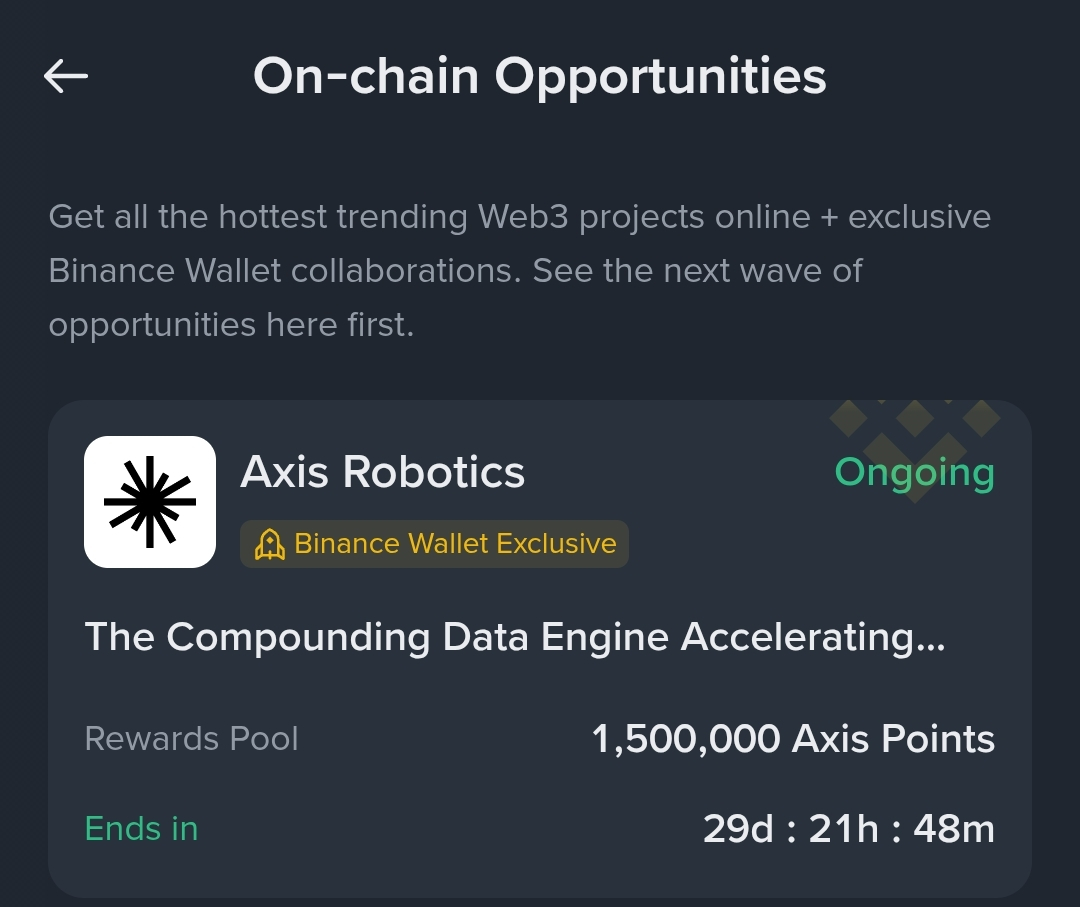
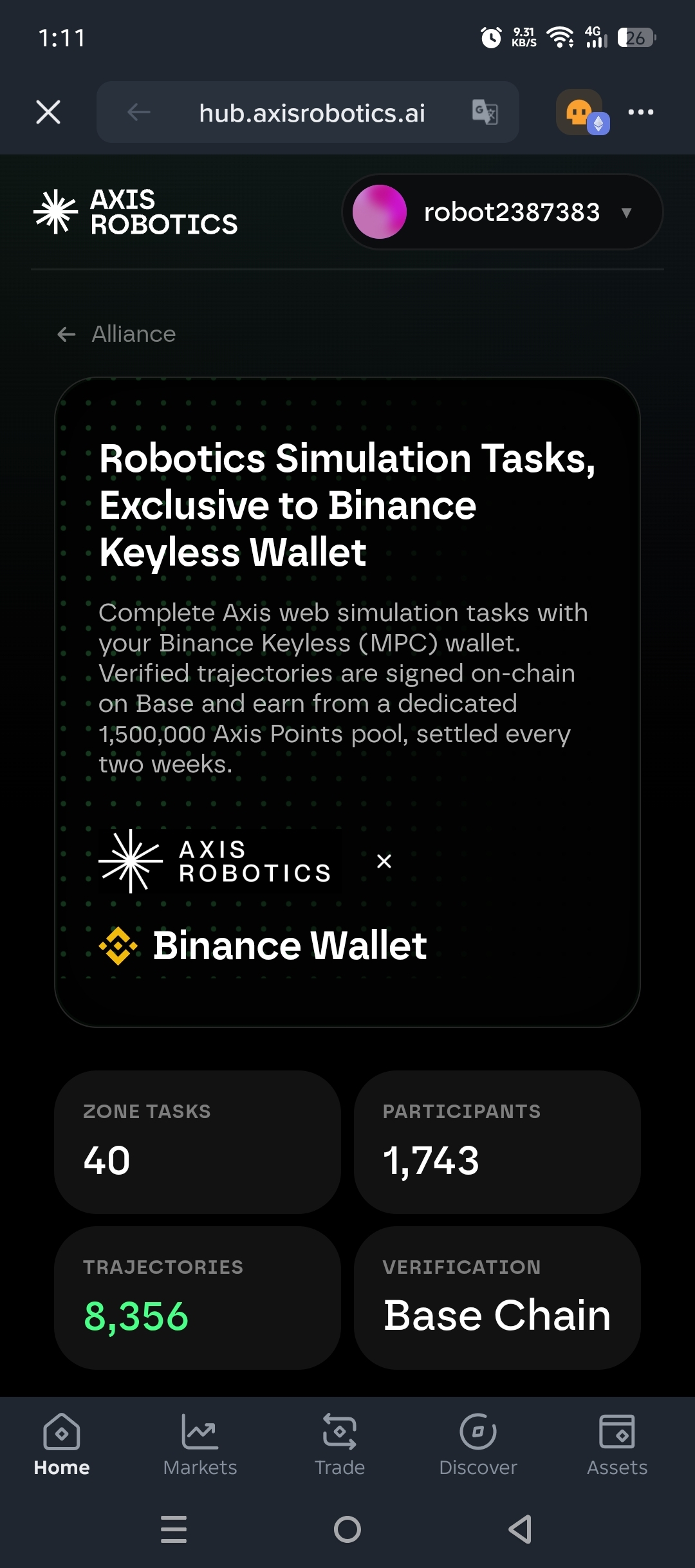
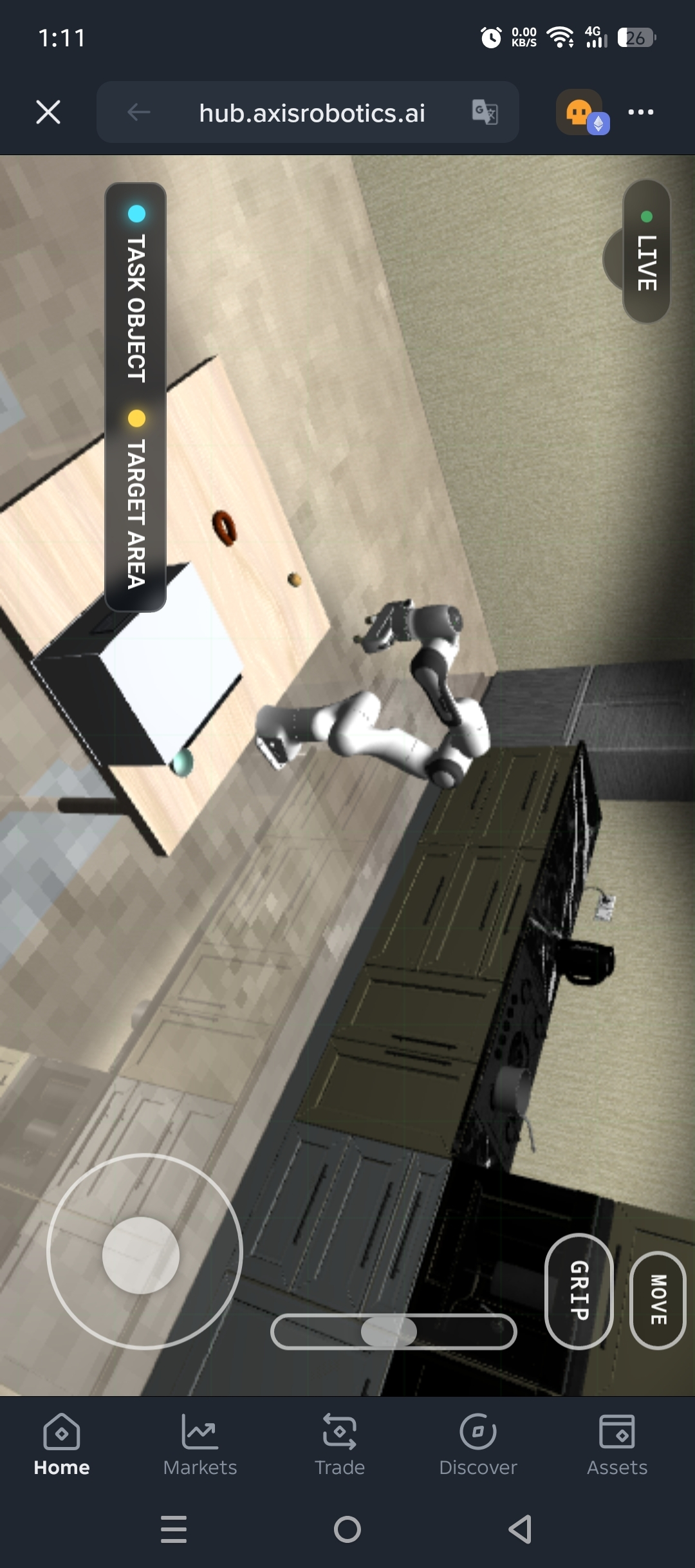
In new Binance web3 Campaign, Axis Robotics is letting users earn Rewards simply by completing easy robot simulation tasks.
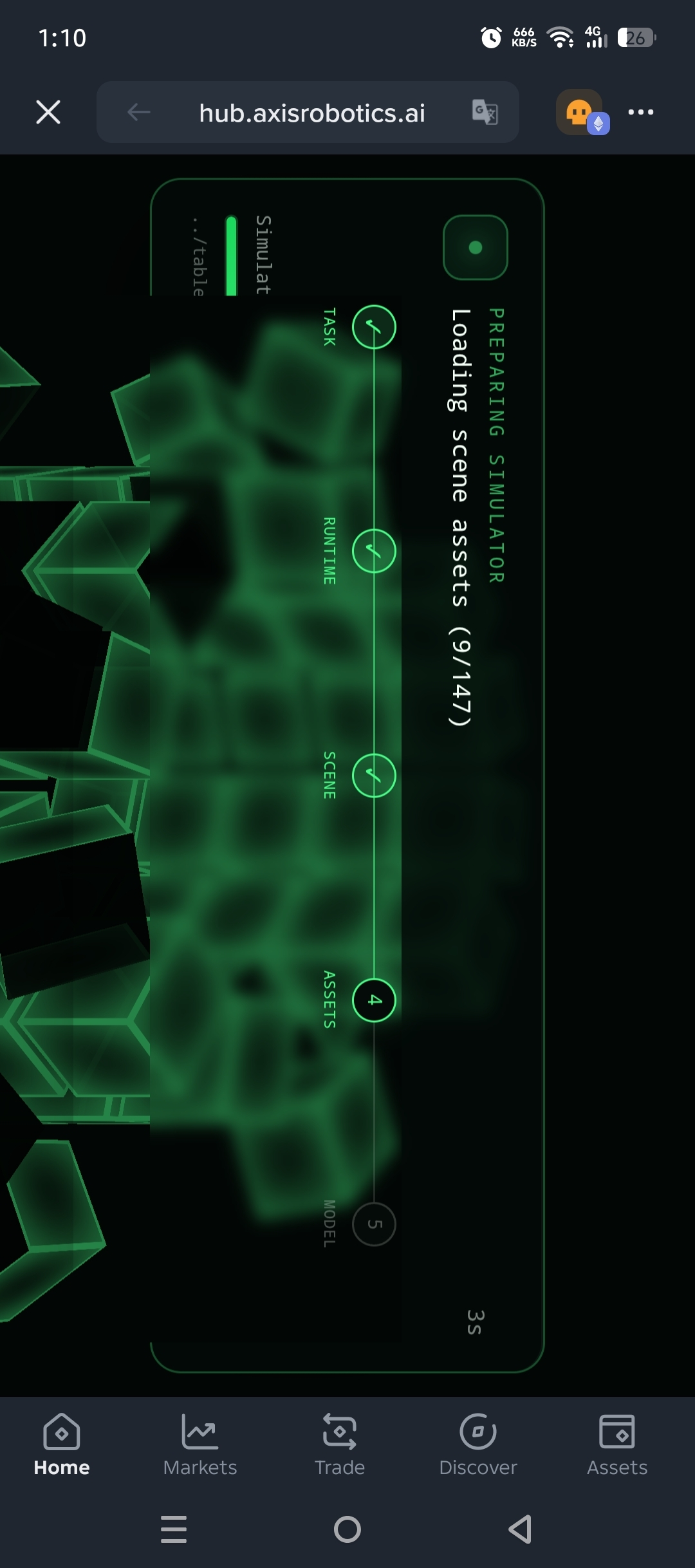
All you do is guide virtual objects in your browser, like moving fruits inside a digital kitchen, which helps train real-world artificial intelligence models.
These tasks are designed to run smoothly on a laptop. However, if you do not own a laptop, do not worry at all! You can still easily participate using your smartphone.
If you want a full step-by-step tutorial on how to complete these tasks on your phone, just leave a comment below! If enough people ask for it, I will upload a complete guide so everyone can complete the tasks directly on mobile.
To join, connect your Binance Keyless MPC Wallet to the Axis Hub, complete the simulations, and make sure to sign your verified submissions on the Base network.
A massive pool of 1,500,000 Axis Points is being distributed every two weeks, plus you get a special commemorative badge!
Comment below if you need the mobile tutorial!
Join Campaign 👇
Click Here
Follow for more content 🙂
Train Real World Artificial Intelligence And Get Rewarded For It
In new Binance web3 Campaign, Axis Robotics is letting users earn Rewards simply by completing easy robot simulation tasks.
All you do is guide virtual objects in your browser, like moving fruits inside a digital kitchen, which helps train real-world artificial intelligence models.
These tasks are designed to run smoothly on a laptop. However, if you do not own a laptop, do not worry at all! You can still easily participate using your smartphone.
If you want a full step-by-step tutorial on how to complete these tasks on your phone, just leave a comment below! If enough people ask for it, I will upload a complete guide so everyone can complete the tasks directly on mobile.
To join, connect your Binance Keyless MPC Wallet to the Axis Hub, complete the simulations, and make sure to sign your verified submissions on the Base network.
A massive pool of 1,500,000 Axis Points is being distributed every two weeks, plus you get a special commemorative badge!
Comment below if you need the mobile tutorial!
Join Campaign 👇
Click Here
Follow for more content 🙂
Have you taken a look at today’s cryptocurrency market charts? 📈
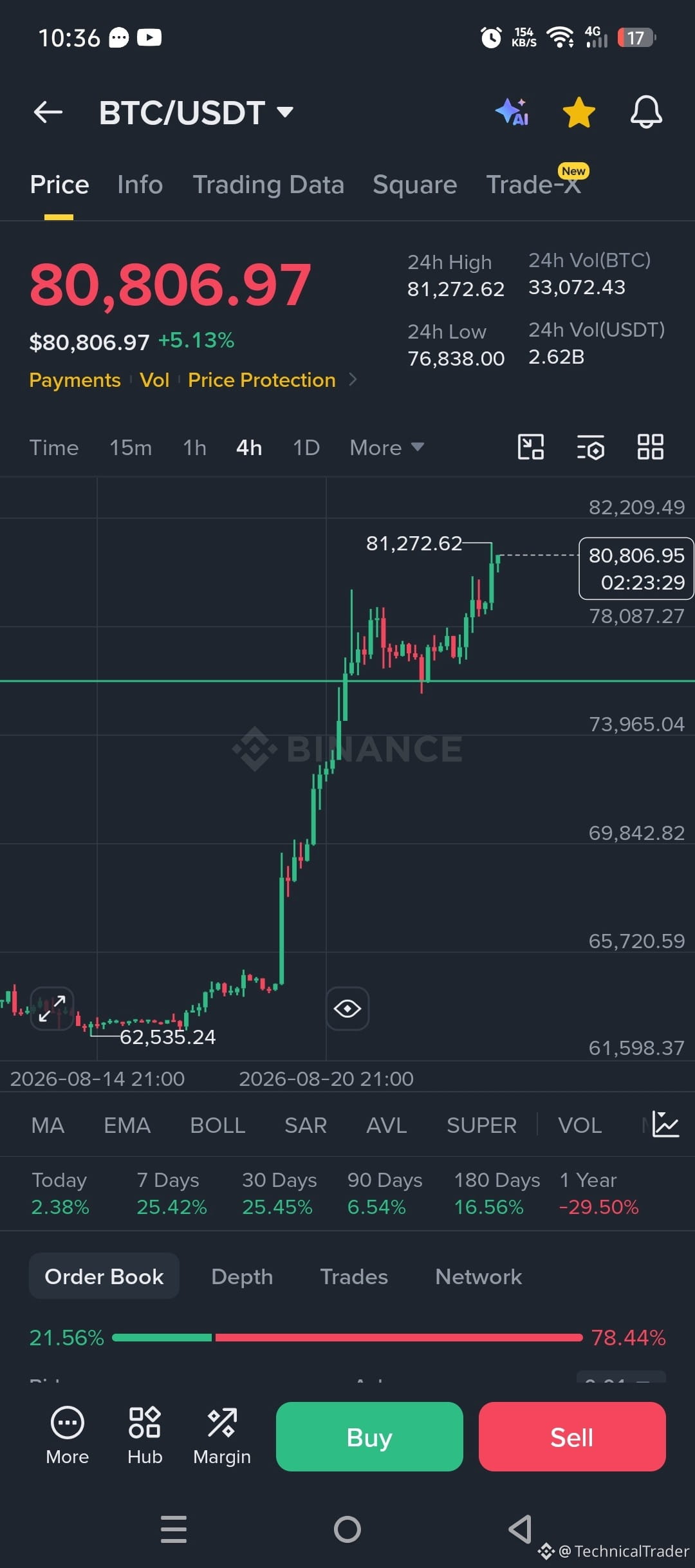
Bitcoin has pulled off a massive rally that everyone’s talking about! After 101 days, BTC has broken above the $80,000 level to the upside for the first time. This is a level we haven’t seen since May 15. 🚀
So what caused this sudden price surge? Several major events happened at the same time!
First, the U.S. Department of the Treasury announced a big increase in bond buybacks. This move lowered bond yields and encouraged investors to shift their money into assets like crypto, which have high growth potential. 💵
Second, institutional capital seemed to pour into the market. U.S. spot Bitcoin ETFs recorded approximately $2 billion in net inflows in just one week, led by BlackRock. 📊
Finally, this rapid rise triggered a massive short squeeze. In just a few hours, more than $200 million in short positions were liquidated, pushing the price up much faster! 🔥
Bitcoin rebounded directly from the $58,000 dip levels seen during the summer months back above $80,000. Market momentum is feeling strong again.
What do you think about this? Don’t forget to comment 💭
Follow for more content 🙂
$BTC
Bitcoin has pulled off a massive rally that everyone’s talking about! After 101 days, BTC has broken above the $80,000 level to the upside for the first time. This is a level we haven’t seen since May 15. 🚀
So what caused this sudden price surge? Several major events happened at the same time!
First, the U.S. Department of the Treasury announced a big increase in bond buybacks. This move lowered bond yields and encouraged investors to shift their money into assets like crypto, which have high growth potential. 💵
Second, institutional capital seemed to pour into the market. U.S. spot Bitcoin ETFs recorded approximately $2 billion in net inflows in just one week, led by BlackRock. 📊
Finally, this rapid rise triggered a massive short squeeze. In just a few hours, more than $200 million in short positions were liquidated, pushing the price up much faster! 🔥
Bitcoin rebounded directly from the $58,000 dip levels seen during the summer months back above $80,000. Market momentum is feeling strong again.
What do you think about this? Don’t forget to comment 💭
Follow for more content 🙂
$BTC
Stocks Campaign


Binance Africa
·
--
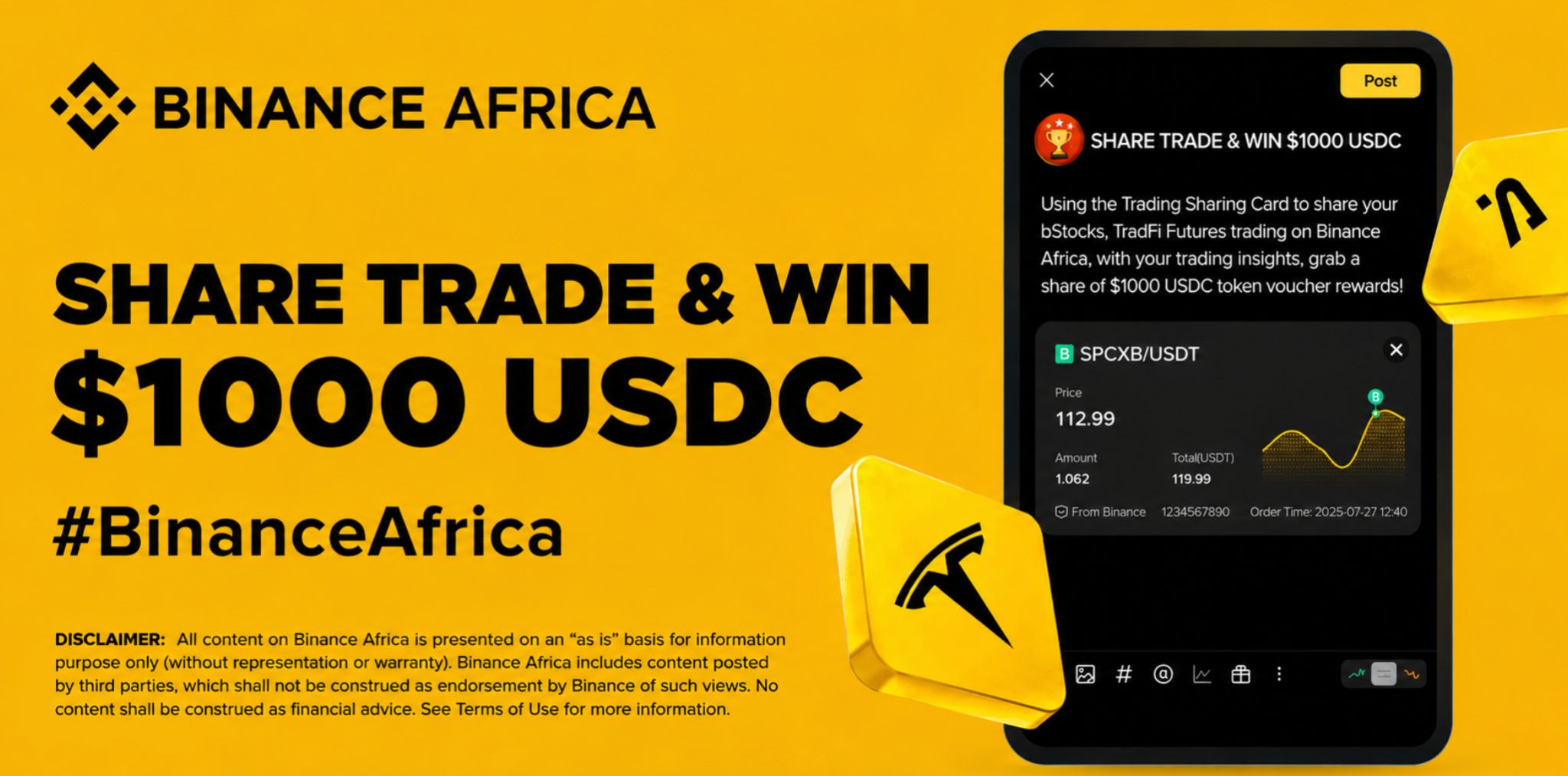
🚀 Flash Quest: Stocks Are Moving Fast on Binance! The markets are on the move. 📈
Trade your favourite stocks on Binance, then share your trade on Binance Square for a chance to win rewards from our $ 1,000 USDC Prize pool
How to Participate:
🔸 Follow @Binance Africa
🔸 Like this post and repost
🔸 Share your bStocks trades on Square using the tradingcard with hashtag #TradebStocks #BinanceAfrica
🔸 Fill in this survey 👉🏾 Click on the Link to Participate Prizes: A total of 200 winners will receive 5 USDC each.
🔸 📆 Period: Aug 13, 2026 10:00 UTC – Aug 23, 2026 23:59 UTC
$TSLAB
Trade your favourite stocks on Binance, then share your trade on Binance Square for a chance to win rewards from our $ 1,000 USDC Prize pool
How to Participate:
🔸 Follow @Binance Africa
🔸 Like this post and repost
🔸 Share your bStocks trades on Square using the tradingcard with hashtag #TradebStocks #BinanceAfrica
🔸 Fill in this survey 👉🏾 Click on the Link to Participate Prizes: A total of 200 winners will receive 5 USDC each.
🔸 📆 Period: Aug 13, 2026 10:00 UTC – Aug 23, 2026 23:59 UTC
$TSLAB
Binance has announced an exclusive trading tournament for users in Pakistan. From 13 August to 13 September 2026, you can trade and win your share from a prize pool of $20,000 USDT.
Participating is very easy. Just log in to your Binance account and go to the Activity page, then click the Register Now button. After that, trade on Convert or Spot and increase your trading volume to move up in the rankings.
If you trade with higher volume, Activity A is for you. The first 25 traders with a volume of at least $25,000 will share $10,000 USDT. The #1 winner will receive $2,000 USDT, and traders up to the 50th position will also get a reward.
If you can’t make it into the top 25, don’t worry. Activity B has a separate pool of $10,000 USDT for all other users. If your total volume is at least $10,000, you can win up to 50 USDT based on your volume.
This is a limited-time event, so start trading today to increase your volume and earn as many rewards as possible.
Participating is very easy. Just log in to your Binance account and go to the Activity page, then click the Register Now button. After that, trade on Convert or Spot and increase your trading volume to move up in the rankings.
If you trade with higher volume, Activity A is for you. The first 25 traders with a volume of at least $25,000 will share $10,000 USDT. The #1 winner will receive $2,000 USDT, and traders up to the 50th position will also get a reward.
If you can’t make it into the top 25, don’t worry. Activity B has a separate pool of $10,000 USDT for all other users. If your total volume is at least $10,000, you can win up to 50 USDT based on your volume.
This is a limited-time event, so start trading today to increase your volume and earn as many rewards as possible.

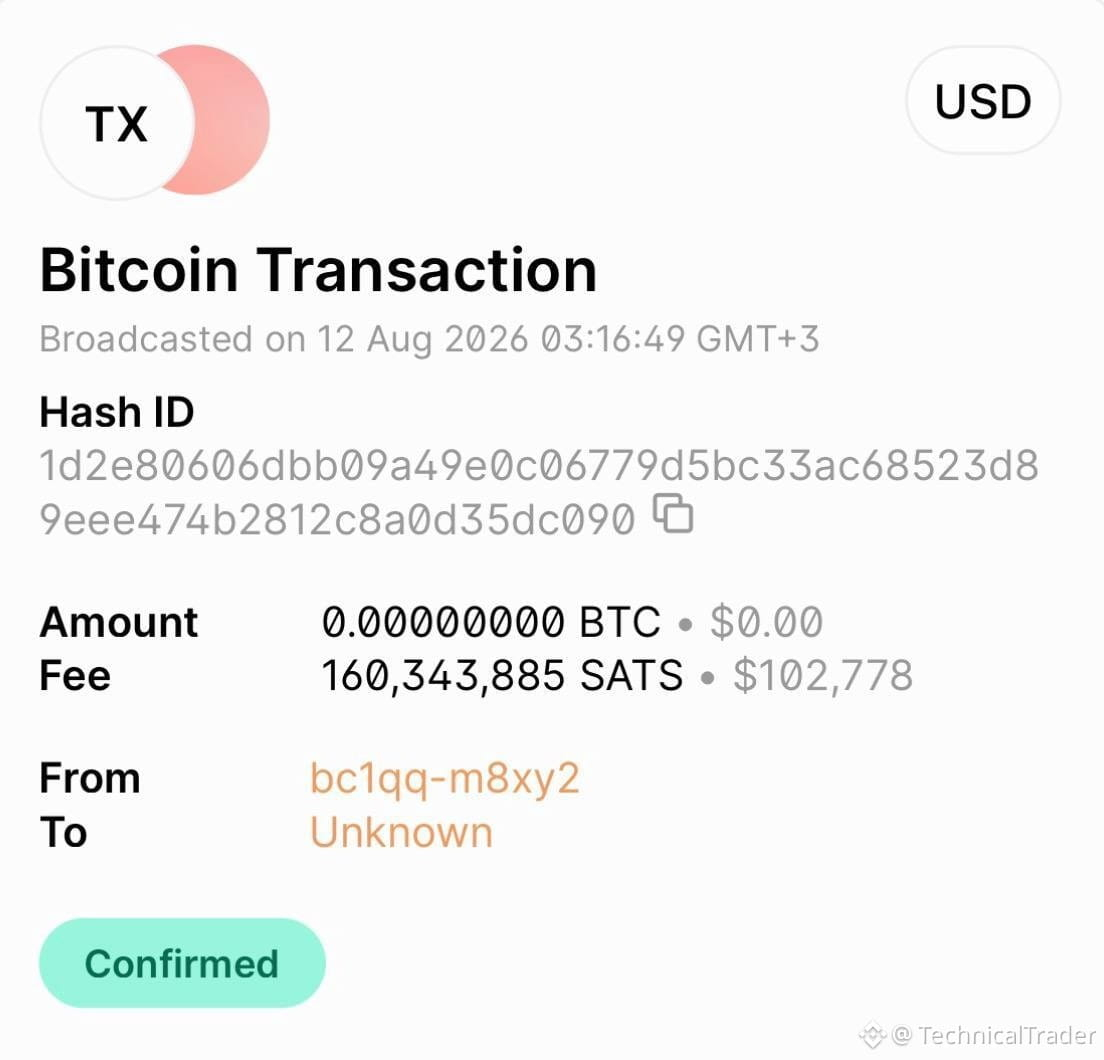
Is it possible for someone to pay more than $100,000 in fees just to transfer zero dollars on the Bitcoin network? Yes—you read that correctly. Someone managed to wipe out a whole fortune due to just a single mistake on August 12, 2026.
Here’s what happened in detail. A Bitcoin wallet user sent a transaction with an amount of 0 BTC. However, by mistake, they set the miner fee to a staggering 160 million satoshis—equivalent to about 1.6 BTC, or roughly $103,000 USD.
Because of how the Bitcoin network works, any remaining funds in the transaction are automatically and directly sent to the miner confirming the block. So instead of sending the money to a friend or another wallet, every part of that 1.6 BTC amount went straight to the miner as a massive tip.
These kinds of accidental errors usually happen when a user misconfigures custom fee settings or mixes up the “amount to send” field with the “fee” field. Unless the mining pool decides to handle it kindly and refund the funds, these amounts are considered lost forever.
What do you think about this? Don’t forget to share in the comments 💭
Follow us for more content 🙂
Here’s what happened in detail. A Bitcoin wallet user sent a transaction with an amount of 0 BTC. However, by mistake, they set the miner fee to a staggering 160 million satoshis—equivalent to about 1.6 BTC, or roughly $103,000 USD.
Because of how the Bitcoin network works, any remaining funds in the transaction are automatically and directly sent to the miner confirming the block. So instead of sending the money to a friend or another wallet, every part of that 1.6 BTC amount went straight to the miner as a massive tip.
These kinds of accidental errors usually happen when a user misconfigures custom fee settings or mixes up the “amount to send” field with the “fee” field. Unless the mining pool decides to handle it kindly and refund the funds, these amounts are considered lost forever.
What do you think about this? Don’t forget to share in the comments 💭
Follow us for more content 🙂
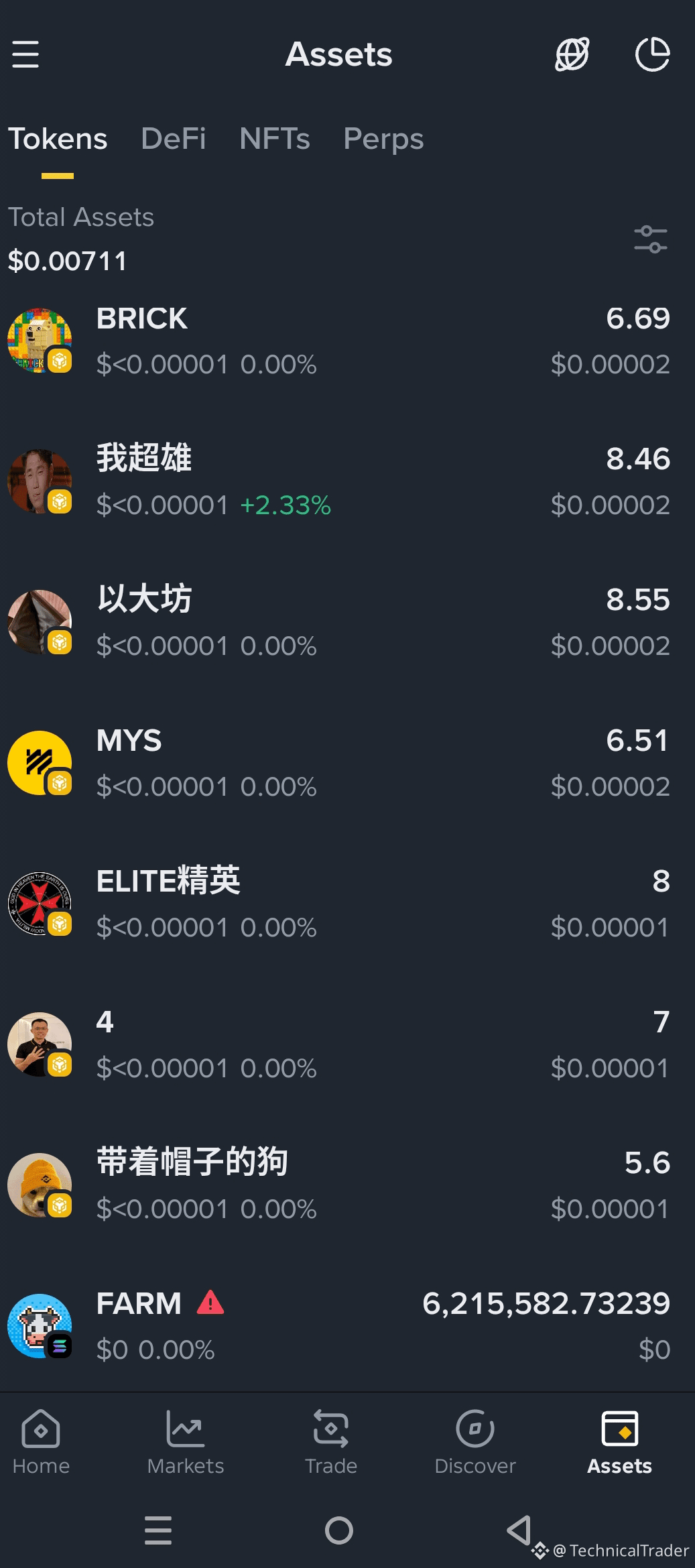
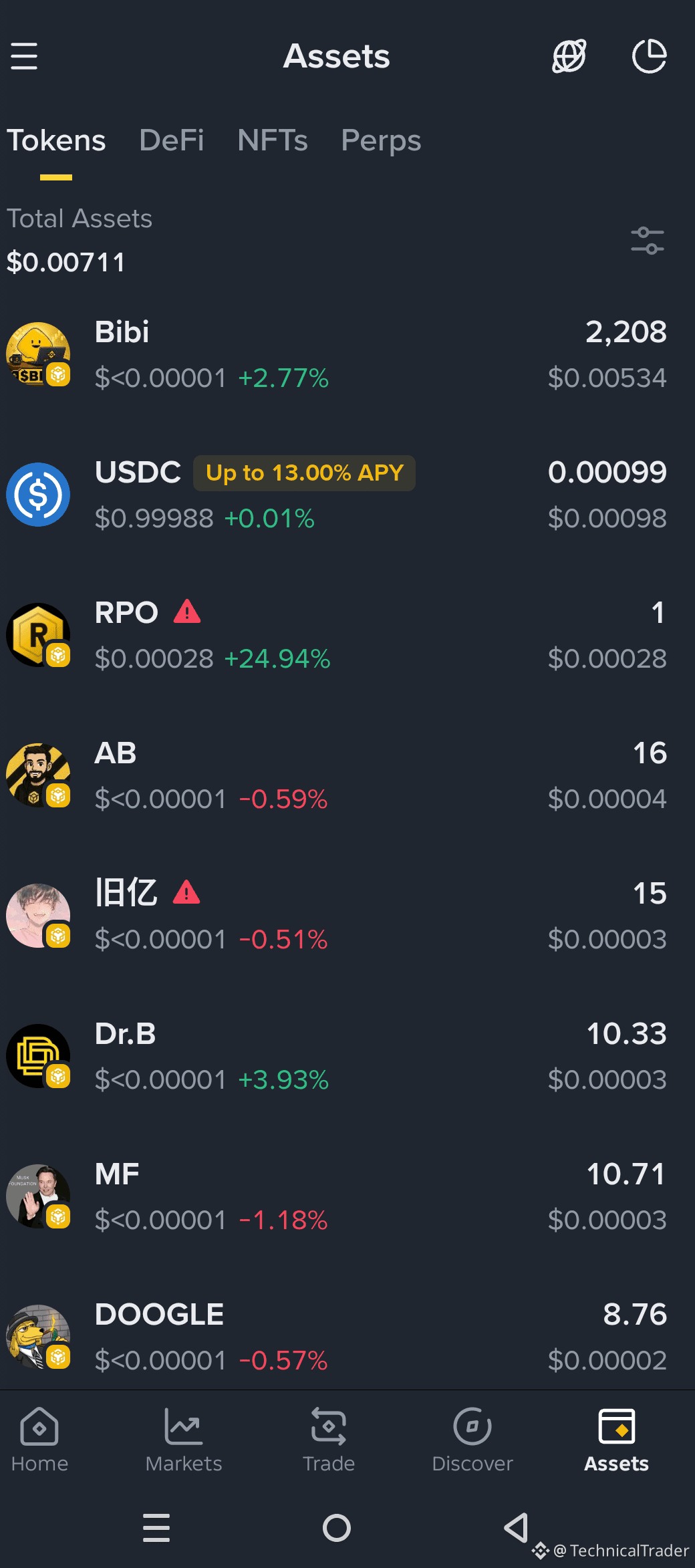
When I open my Binance Web3 wallet, I notice some random coins that I’ve never purchased? It may seem like a pleasant surprise at first, but there’s a crucial security detail behind it.
Most of these unknown coins arrive through something called a Dusting Attack or an arbitrary Spam Airdrop. Scammers send extremely tiny amounts of coins to thousands of public wallet addresses, hoping users will try to trade or exchange them.
The real danger happens when you interact with these coins. Attempting to swap or sell them on unfamiliar sites could trigger malicious smart contracts that request permission to withdraw the rest of your wallet assets.
The safest strategy is simply to ignore them. Leave these mysterious coins untouched, or use Binance Wallet settings to hide them from the main display so your wallet stays clean and secure.
What do you think about this? Don’t forget to share in the comments 💭
Follow for more content 🙂
Most of these unknown coins arrive through something called a Dusting Attack or an arbitrary Spam Airdrop. Scammers send extremely tiny amounts of coins to thousands of public wallet addresses, hoping users will try to trade or exchange them.
The real danger happens when you interact with these coins. Attempting to swap or sell them on unfamiliar sites could trigger malicious smart contracts that request permission to withdraw the rest of your wallet assets.
The safest strategy is simply to ignore them. Leave these mysterious coins untouched, or use Binance Wallet settings to hide them from the main display so your wallet stays clean and secure.
What do you think about this? Don’t forget to share in the comments 💭
Follow for more content 🙂
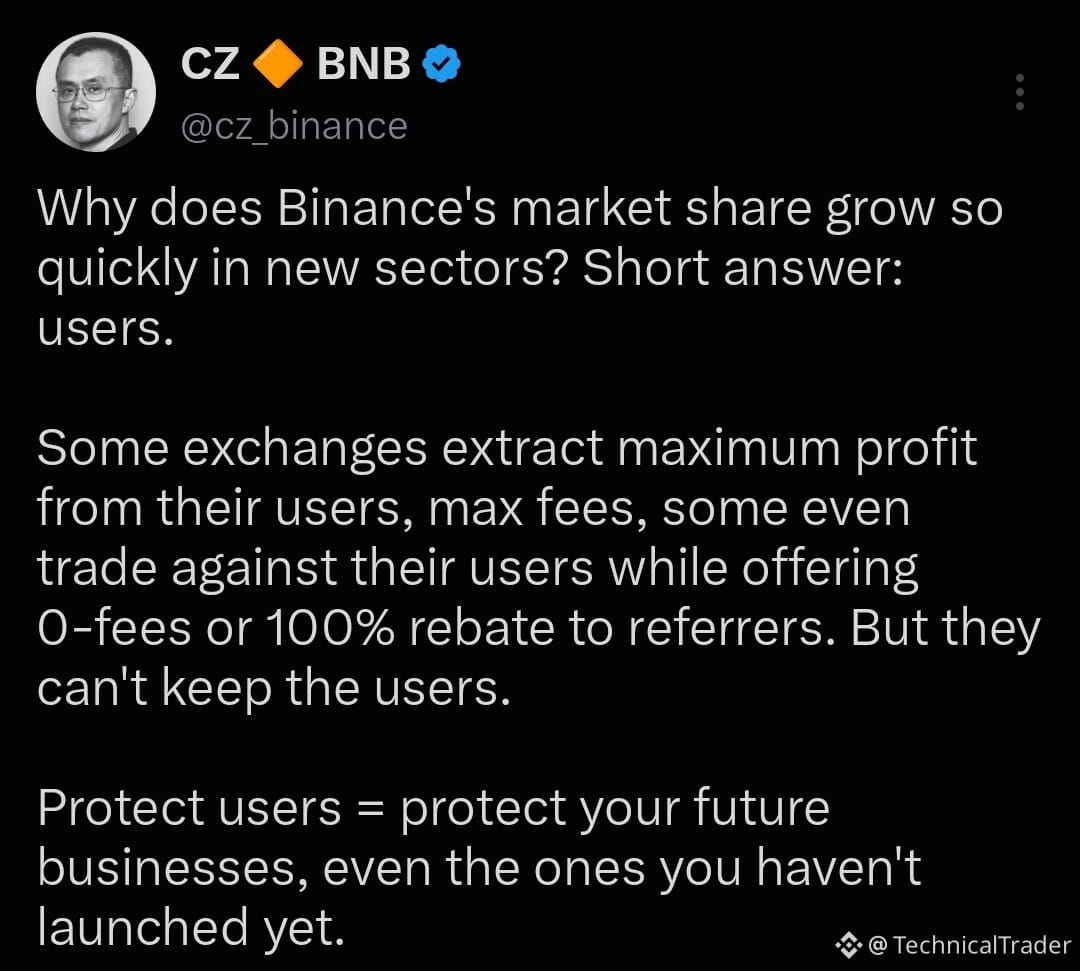
Have you ever wondered why some platforms keep growing while others struggle to retain their users?
The secret lies in how the company treats the people who use its service. CZ, the former CEO of Binance, recently shared a simple yet powerful idea about this. He pointed out that many platforms try to generate as much profit as possible from their users as quickly as they can. They impose hefty fees, hide costs, and some even trade against their clients.
Despite trying to attract people with enticing offers, they fail to keep them. Once users realize they’re being exploited, they leave—and never come back.
In contrast, platforms that put user safety first build long-term trust. When people and individuals feel safe and respected, they continue using the platform. This loyalty makes it easier to launch new products and expand into new areas because your core audience is already there.
Protecting your users today is the best way to secure the future of your business—even for products you haven’t built yet.
What do you think about this? Don’t forget to share in the comments 💭
Follow us for more content 🙂
The secret lies in how the company treats the people who use its service. CZ, the former CEO of Binance, recently shared a simple yet powerful idea about this. He pointed out that many platforms try to generate as much profit as possible from their users as quickly as they can. They impose hefty fees, hide costs, and some even trade against their clients.
Despite trying to attract people with enticing offers, they fail to keep them. Once users realize they’re being exploited, they leave—and never come back.
In contrast, platforms that put user safety first build long-term trust. When people and individuals feel safe and respected, they continue using the platform. This loyalty makes it easier to launch new products and expand into new areas because your core audience is already there.
Protecting your users today is the best way to secure the future of your business—even for products you haven’t built yet.
What do you think about this? Don’t forget to share in the comments 💭
Follow us for more content 🙂
Did you know that the U.S. Securities and Exchange Commission is about to rewrite the rules for the entire crypto market on its own? After Congress failed to pass the Clarity Act before the summer recess, the agency’s chairman, Paul Atkins, announced that the Commission would take matters into its own hands using its current powers.
The bill stalled in the Senate due to some major disagreements. Lawmakers couldn’t agree on strict ethics rules for government officials who hold investments in cryptocurrencies. In addition, traditional banks voiced concerns that stablecoins could pull money away from ordinary bank accounts, while security agencies raised worries about fraud in decentralized applications.
Now, the agency plans to move away from ongoing lawsuits and set straightforward rules for the registration, protection, and disclosure of cryptocurrencies. However, experts warn that any regulations enacted without clear approval from Congress will face major battles in the courts.
What do you think about this? Don’t forget to comment 💭
Follow us for more content 🙂
The bill stalled in the Senate due to some major disagreements. Lawmakers couldn’t agree on strict ethics rules for government officials who hold investments in cryptocurrencies. In addition, traditional banks voiced concerns that stablecoins could pull money away from ordinary bank accounts, while security agencies raised worries about fraud in decentralized applications.
Now, the agency plans to move away from ongoing lawsuits and set straightforward rules for the registration, protection, and disclosure of cryptocurrencies. However, experts warn that any regulations enacted without clear approval from Congress will face major battles in the courts.
What do you think about this? Don’t forget to comment 💭
Follow us for more content 🙂
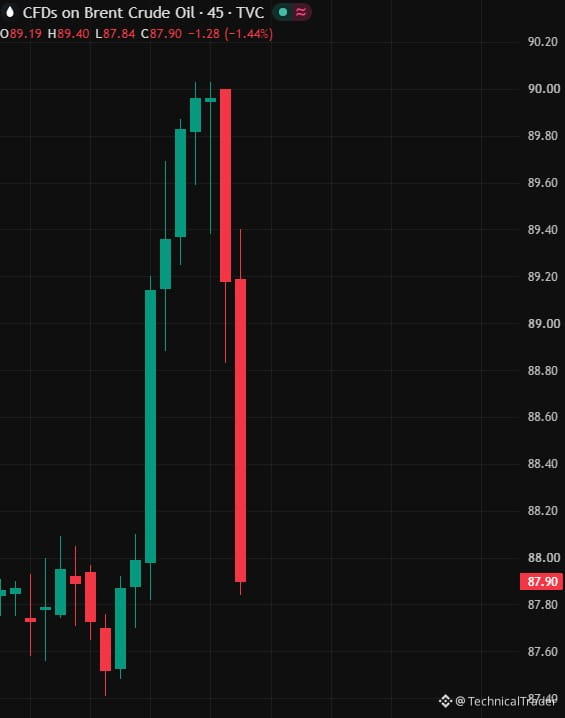
🚨 BREAKING NEWS: OIL PRICES HAVE DROPPED TO 88 DOLLARS! PEACE POSSIBILITIES BETWEEN THE US AND IRAN ARE LOOKING BRIGHT! 🚨
In the global market, a major drop in crude oil prices has been seen.
After a major update from the Middle East, the price of oil in the global market has fallen even below $88 per barrel.
Traders around the world are rapidly selling because the political atmosphere appears to be cooling down.
The biggest reason behind this sudden fall is a major success in diplomatic talks.
Reports say that negotiations between Oman and Iran regarding the Strait of Hormuz have entered the final stages.
They are making new rules for the safe passage of ships through this important sea route.
Along with this, there are also quite positive signals from talks happening between the US and Iran.
Experts say that conditions are moving toward peace, which could allow maritime trade to return to normal.
Although some work remains on a few points for now, this news has given the market a significant relief 🕊️ to the global economy.
What do you think about this? Don’t forget to comment 💭
Follow for more such updates 🙂
In the global market, a major drop in crude oil prices has been seen.
After a major update from the Middle East, the price of oil in the global market has fallen even below $88 per barrel.
Traders around the world are rapidly selling because the political atmosphere appears to be cooling down.
The biggest reason behind this sudden fall is a major success in diplomatic talks.
Reports say that negotiations between Oman and Iran regarding the Strait of Hormuz have entered the final stages.
They are making new rules for the safe passage of ships through this important sea route.
Along with this, there are also quite positive signals from talks happening between the US and Iran.
Experts say that conditions are moving toward peace, which could allow maritime trade to return to normal.
Although some work remains on a few points for now, this news has given the market a significant relief 🕊️ to the global economy.
What do you think about this? Don’t forget to comment 💭
Follow for more such updates 🙂
🚨 BREAKING NEWS! Dubai Airport officially starts accepting Bitcoin and digital currencies 🚀
Dubai Duty Free achieved a historic milestone after becoming the first retail trader in Middle East airports to accept payments with digital currencies. Anyone shopping at Dubai International Airport or Al Maktoum International Airport can now pay for their purchases directly using their digital wallet through the service Cripelo Com Pay.
This step is extremely significant because Dubai Duty Free is one of the largest shopping destinations in the world, with annual sales exceeding billions of dollars. All payments made with digital currencies are converted immediately into the UAE dirham at the time of payment, protecting stores from market price fluctuations.
This new update shows just how quickly digital money is integrating into the real economy. Dubai continues moving toward achieving its goal of becoming a fully digital, cashless city, opening completely new ways for travelers to spend their digital assets while shopping.
What do you think about this? Don’t forget to share your opinion in the comments 💭
Follow us for more content 🙂
Dubai Duty Free achieved a historic milestone after becoming the first retail trader in Middle East airports to accept payments with digital currencies. Anyone shopping at Dubai International Airport or Al Maktoum International Airport can now pay for their purchases directly using their digital wallet through the service Cripelo Com Pay.
This step is extremely significant because Dubai Duty Free is one of the largest shopping destinations in the world, with annual sales exceeding billions of dollars. All payments made with digital currencies are converted immediately into the UAE dirham at the time of payment, protecting stores from market price fluctuations.
This new update shows just how quickly digital money is integrating into the real economy. Dubai continues moving toward achieving its goal of becoming a fully digital, cashless city, opening completely new ways for travelers to spend their digital assets while shopping.
What do you think about this? Don’t forget to share your opinion in the comments 💭
Follow us for more content 🙂

🚨 Vitalik officially reveals a new Ethereum plan—and completely dismantles the past 🚨
Vitalik Buterin announced a major upgrade to the Ethereum network under the name “Slim Rebuilding.” This new plan focuses entirely on solving major future challenges such as powerful supercomputers, high gas fees, and user privacy.
The most important news is that Ethereum is preparing to face quantum computers sooner than expected. The team is moving to new mathematics and security systems so that supercomputers can’t steal funds or disrupt the network.
Privacy will also become a core built-in feature within Ethereum rather than relying on external applications. Soon, you’ll be able to send stealth transactions easily while keeping the network secure and clean.
Layer-2 networks and rollup solutions move directly to Ethereum’s base layer. That means faster speeds, lower fees, and easier transfers of funds between different applications.
Finally, the entire network is now lighter and faster. The team is simplifying the code behind the scenes so Ethereum remains strong, simple, and ready for the next set of nodes.
Vitalik Buterin announced a major upgrade to the Ethereum network under the name “Slim Rebuilding.” This new plan focuses entirely on solving major future challenges such as powerful supercomputers, high gas fees, and user privacy.
The most important news is that Ethereum is preparing to face quantum computers sooner than expected. The team is moving to new mathematics and security systems so that supercomputers can’t steal funds or disrupt the network.
Privacy will also become a core built-in feature within Ethereum rather than relying on external applications. Soon, you’ll be able to send stealth transactions easily while keeping the network secure and clean.
Layer-2 networks and rollup solutions move directly to Ethereum’s base layer. That means faster speeds, lower fees, and easier transfers of funds between different applications.
Finally, the entire network is now lighter and faster. The team is simplifying the code behind the scenes so Ethereum remains strong, simple, and ready for the next set of nodes.
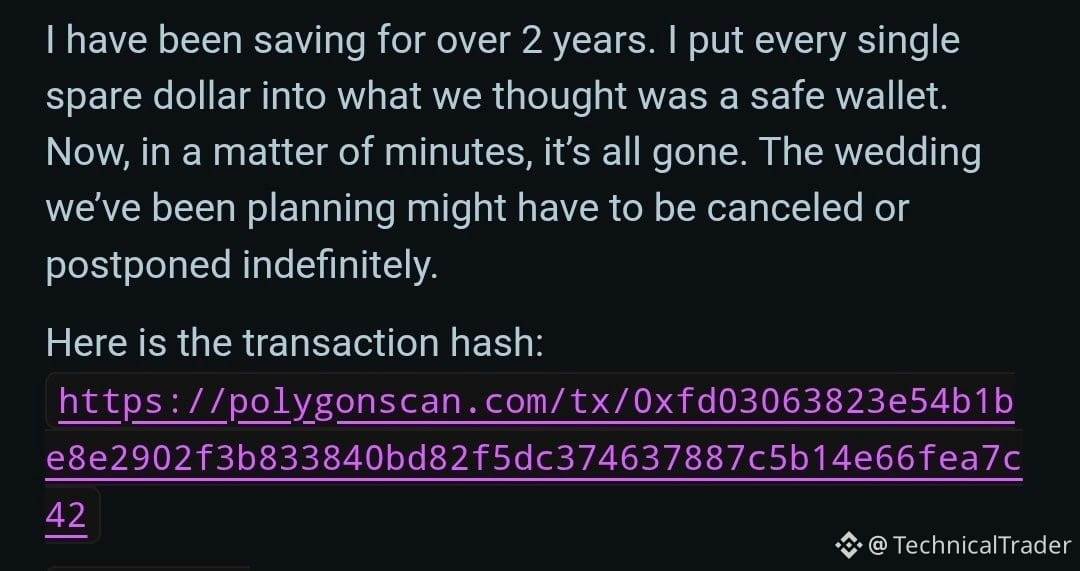
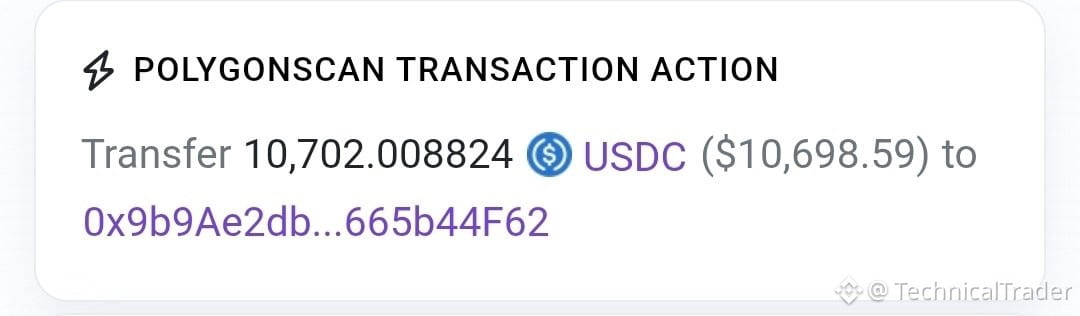
I just heard about someone who lost 10700 USDC that they had been saving for their wedding over the last two years.
Imagine setting money aside little by little for two whole years, believing your wedding funds are safe, only to check your wallet one day and see everything gone.
To the rest of the crypto world, this might look like just another wallet drain on a timeline. But behind that wallet address is a real human being. It was two years of hard work, daily sacrifices, and big dreams with the person they wanted to marry.
When something like this happens, it is never just about losing digital coins. It is about lost time, broken plans, and emotional heartbreak.
Some crypto losses really go way beyond the money itself. Please always be careful, double check your security, and stay safe out there.
what you think about this ? don't forget to comment
Follow for more content
Imagine setting money aside little by little for two whole years, believing your wedding funds are safe, only to check your wallet one day and see everything gone.
To the rest of the crypto world, this might look like just another wallet drain on a timeline. But behind that wallet address is a real human being. It was two years of hard work, daily sacrifices, and big dreams with the person they wanted to marry.
When something like this happens, it is never just about losing digital coins. It is about lost time, broken plans, and emotional heartbreak.
Some crypto losses really go way beyond the money itself. Please always be careful, double check your security, and stay safe out there.
what you think about this ? don't forget to comment
Follow for more content
🚨ONE WRONG CLICK COST THIS STREAMER HIS LIFE SAVINGS BUT THE THIEF DID SOMETHING UNBELIEVABLE🤯👇
A popular crypto creator named Ivan Bianco was doing a live video when he clicked the wrong file. By mistake, he showed his secret recovery phrase right on the screen.
In just a few seconds, people watching the stream used that phrase to access his account. They stole all his life savings, which was about sixty thousand dollars.
In his next video, Ivan broke down in tears, begging the hackers to give the money back so he could pay his bills.
Then came the shocking plot twist. A person contacted him and said they felt guilty.
Surprisingly, the thief sent back around fifty thousand dollars! Ivan confirmed that he got the majority of his life savings back.
So why did the thief do it? Some people think they felt terrible after seeing Ivan cry.
Others believe they got scared because crypto transactions can be tracked, and police reports were already filed.
Either way, this is a huge reminder to never keep your secret keys stored on your computer!
what you think about this ? don't forget to comment 💭
Follow for more content 🙂
A popular crypto creator named Ivan Bianco was doing a live video when he clicked the wrong file. By mistake, he showed his secret recovery phrase right on the screen.
In just a few seconds, people watching the stream used that phrase to access his account. They stole all his life savings, which was about sixty thousand dollars.
In his next video, Ivan broke down in tears, begging the hackers to give the money back so he could pay his bills.
Then came the shocking plot twist. A person contacted him and said they felt guilty.
Surprisingly, the thief sent back around fifty thousand dollars! Ivan confirmed that he got the majority of his life savings back.
So why did the thief do it? Some people think they felt terrible after seeing Ivan cry.
Others believe they got scared because crypto transactions can be tracked, and police reports were already filed.
Either way, this is a huge reminder to never keep your secret keys stored on your computer!
what you think about this ? don't forget to comment 💭
Follow for more content 🙂


Log in to explore more content