
Addy_ incrypto
226 Posts

Addy_ incrypto
Report
Block User
死磕SpaceX,Tesla,挑战500U做到10000U。
12 Following
54 Followers
165 Liked
Posts
All
Quotes
Videos
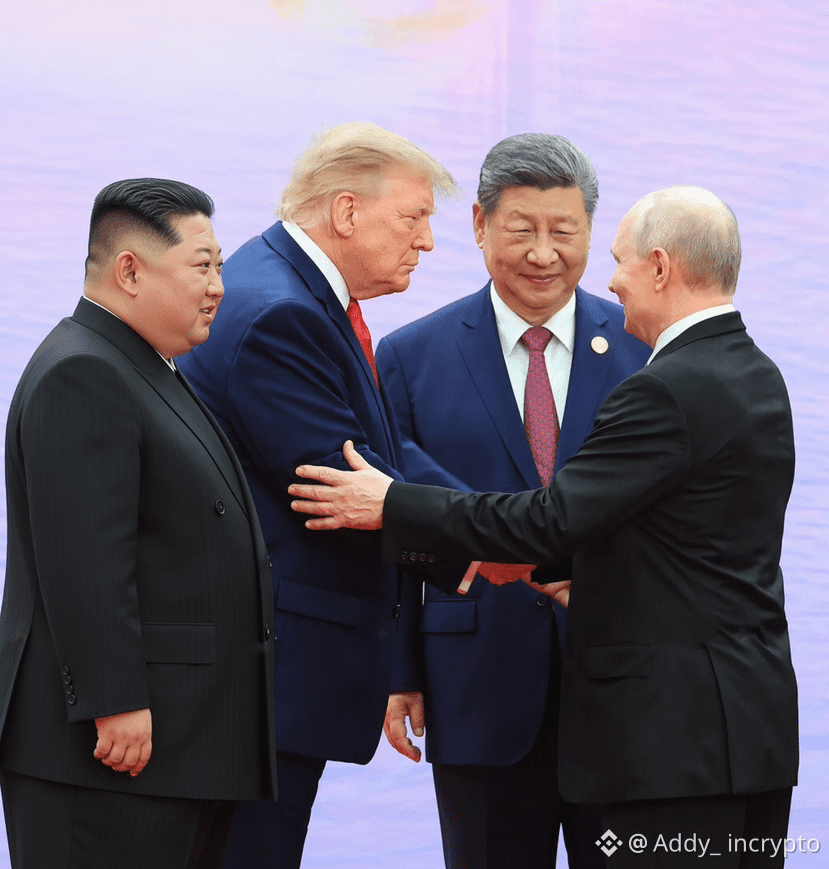
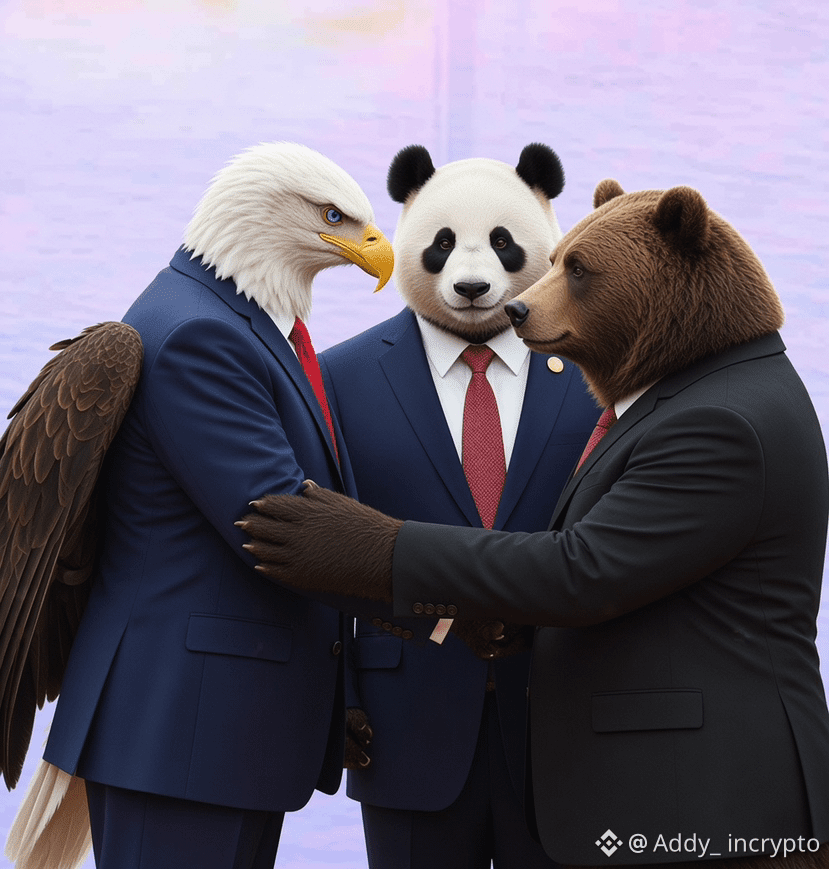
It's said that General Kim will arrive in Shenzhen today. Looking forward to the four brothers getting together.
$QQQ $BTC $KORU
It's said that General Kim will arrive in Shenzhen today. Looking forward to the four brothers getting together.
$QQQ $BTC $KORU
$QQQ $BTC $KORU
2
Sanae Takaichi’s plane landed in Shenzhen. When she got off, the stairs had been set ridiculously low on purpose—she practically had to jump down in the video. They were clearly giving her no face at all. You’re not welcome here 😂
There were only a handful of people there to receive her—not even a welcoming ceremony. Compared with the reception South Korea got next door, the difference couldn’t be more obvious.
This treatment isn’t just about China-Japan relations—it’s simply what she brought on herself. I’ve never seen anyone so lacking in personal charm, so obsequious and servile, and so thoroughly unlikeable.
$EWJ $BBJP.ETF
{future}(EWJUSDT)
Sanae Takaichi’s plane landed in Shenzhen. When she got off, the stairs had been set ridiculously low on purpose—she practically had to jump down in the video. They were clearly giving her no face at all. You’re not welcome here 😂
There were only a handful of people there to receive her—not even a welcoming ceremony. Compared with the reception South Korea got next door, the difference couldn’t be more obvious.
This treatment isn’t just about China-Japan relations—it’s simply what she brought on herself. I’ve never seen anyone so lacking in personal charm, so obsequious and servile, and so thoroughly unlikeable.
$EWJ $BBJP.ETF

EWJ+0.07%
BBJPETF+0.00%
11
1
9.5k
Position rolling can deliver 10x+ returns. The core logic is simple:
Follow the trend + add to positions as profits grow = exponential growth
But first, you have to stay in the game until the trend ends.
⚠️Key points to keep in mind:
1. The larger your account, the lower your leverage must be
Small accounts can take a shot with high leverage, but continuing to use high leverage with a large account is suicide.
Many people get wiped out because they “keep playing the same way as before,” even though their position has grown too large to withstand a normal pullback.
2. Withdraw your principal and some of your profits first
Once you’ve made a certain amount, withdraw your principal and half your profits, and keep rolling only the remaining unrealized gains.
That way, even if everything gets liquidated later, you’ve already locked in your gains.
3. When the market pulls back, reduce your position—don’t add to it
At the first sign of a clear pullback or a breakdown in market structure, reduce your position immediately or pause trading.
Never “add a little more to lower your average cost” or “take one more gamble.”
4. Use this strategy only in very strong trends
In range-bound markets, weak rebounds, or when the direction is unclear, rolling positions is basically giving your money away.
This approach is suitable only when a strong one-way trend is unmistakable.
5. Keep a close eye on your liquidation price
The higher your leverage, the closer your liquidation price is to the current price.
If your account has grown very large and your liquidation price is already above your entry price, your margin for error is almost zero—you could be wiped out at any moment.
6. Keep your principal and profits physically separate
Don’t keep all your money in one trading account.
Money you’ve withdrawn is safe; only the funds left in the account remain exposed to risk.
The essence of rolling positions isn’t “how to add to your position more aggressively.” It’s **whether, as your account grows, you have the discipline to proactively lower your leverage and protect your money**.
If you can’t do that, don’t use this strategy.
In leveraged markets, staying in the game will always matter more than how much you make.
$BTC $ZEC $HYPE
{future}(HYPEUSDT)
{future}(ZECUSDT)
Position rolling can deliver 10x+ returns. The core logic is simple:
Follow the trend + add to positions as profits grow = exponential growth
But first, you have to stay in the game until the trend ends.
⚠️Key points to keep in mind:
1. The larger your account, the lower your leverage must be
Small accounts can take a shot with high leverage, but continuing to use high leverage with a large account is suicide.
Many people get wiped out because they “keep playing the same way as before,” even though their position has grown too large to withstand a normal pullback.
2. Withdraw your principal and some of your profits first
Once you’ve made a certain amount, withdraw your principal and half your profits, and keep rolling only the remaining unrealized gains.
That way, even if everything gets liquidated later, you’ve already locked in your gains.
3. When the market pulls back, reduce your position—don’t add to it
At the first sign of a clear pullback or a breakdown in market structure, reduce your position immediately or pause trading.
Never “add a little more to lower your average cost” or “take one more gamble.”
4. Use this strategy only in very strong trends
In range-bound markets, weak rebounds, or when the direction is unclear, rolling positions is basically giving your money away.
This approach is suitable only when a strong one-way trend is unmistakable.
5. Keep a close eye on your liquidation price
The higher your leverage, the closer your liquidation price is to the current price.
If your account has grown very large and your liquidation price is already above your entry price, your margin for error is almost zero—you could be wiped out at any moment.
6. Keep your principal and profits physically separate
Don’t keep all your money in one trading account.
Money you’ve withdrawn is safe; only the funds left in the account remain exposed to risk.
The essence of rolling positions isn’t “how to add to your position more aggressively.” It’s **whether, as your account grows, you have the discipline to proactively lower your leverage and protect your money**.
If you can’t do that, don’t use this strategy.
In leveraged markets, staying in the game will always matter more than how much you make.
$BTC $ZEC $HYPE

421
Jensen Huang: Officially announces he’s willing to return
Nvidia’s board: Not considering it!
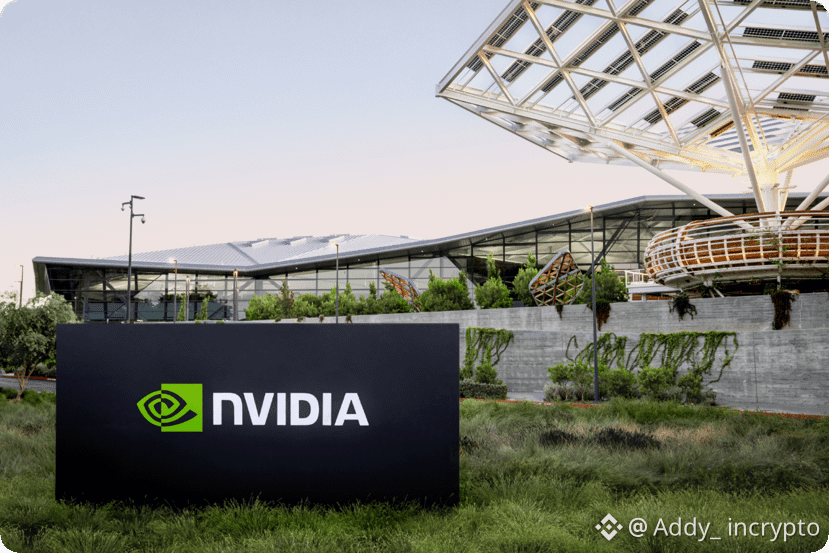
Jensen Huang posted on X in the early hours, admitting he had made serious mistakes in his personal life and stating clearly for the first time: If the board believes it would be in the best interests of shareholders, employees, the company, and the United States, he would be willing to return as CEO.
A few hours later, during the earnings call, Chairman Harvey Jones flatly rejected the idea: The board had unanimously accepted his resignation and had no intention of reinstating him.
On the same day, Nvidia delivered stellar results: revenue of $115.8 billion (+103%) and net income of $65.3 billion. The founder wants to come back, the board clearly won’t let him, and the AI chip business keeps charging ahead.
Nvidia’s earnings are still way too impressive right now.
When things go badly, they’ll be begging you to come back and save the day!
$NVDA
{future}(NVDAUSDT)
Jensen Huang: Officially announces he’s willing to return
Nvidia’s board: Not considering it!
Jensen Huang posted on X in the early hours, admitting he had made serious mistakes in his personal life and stating clearly for the first time: If the board believes it would be in the best interests of shareholders, employees, the company, and the United States, he would be willing to return as CEO.
A few hours later, during the earnings call, Chairman Harvey Jones flatly rejected the idea: The board had unanimously accepted his resignation and had no intention of reinstating him.
On the same day, Nvidia delivered stellar results: revenue of $115.8 billion (+103%) and net income of $65.3 billion. The founder wants to come back, the board clearly won’t let him, and the AI chip business keeps charging ahead.
Nvidia’s earnings are still way too impressive right now.
When things go badly, they’ll be begging you to come back and save the day!
$NVDA
1.9k
🚨Warsh warns: The AI boom could end with a stock-market slump and rising unemployment
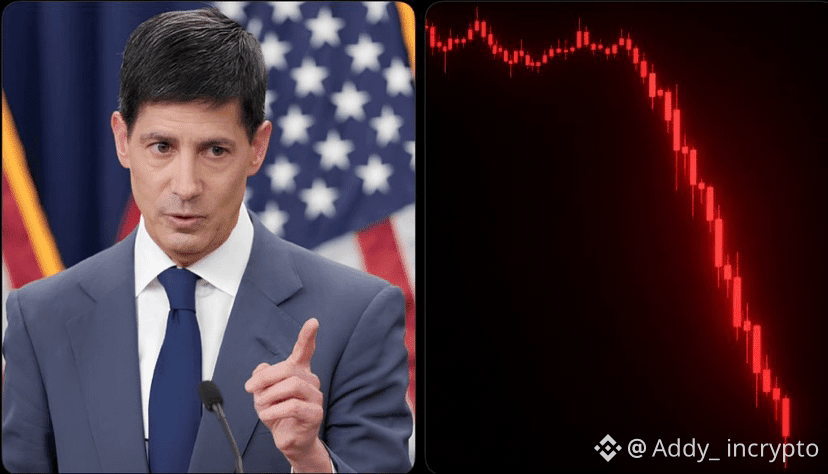
Federal Reserve Chair Kevin Warsh said at a forum in San Francisco on Monday that artificial intelligence could accelerate economic growth but also trigger widespread job losses.
He described the technology as “superintelligence,” saying it had become “a new force in economic life and society.” The Fed is neither for nor against AI; it is assessing the scale and scope of its effects.
Two scenarios
In the optimistic scenario, AI boosts productivity and economic gains, actual GDP remains above its long-term average, and the United States maintains near-full employment.
In the pessimistic scenario, expected returns fall, stocks decline, the economy slows, and unemployment rises significantly. Warsh warned that companies have invested heavily in AI, but if returns disappoint, stock prices could fall and the economy could slow. Even if AI succeeds, automation could replace jobs on a large scale, pushing up unemployment even as the economy continues to grow. He described a possible situation in which “the economy recovers, but productivity does not improve.”
Other risks
Warsh also worries that “bad actors” could use AI to attack critical infrastructure, much like Houthi attacks on key facilities in the Middle East. In addition, the construction of AI infrastructure will increase demand for resources such as chips, electricity, and copper, indirectly driving up prices for consumer electronics.
Policy background and market implications
The Fed began focusing on AI after ChatGPT launched in 2022 and has established five special working groups covering AI, communications, data dependence, balance-sheet policy, and the inflation framework. Several officials are concerned that AI could push up unemployment. Markets currently expect at least three rate hikes next year.
Warsh’s warning also contains a policy paradox: if the economy slows and unemployment rises, the Fed may be forced to cut rates and launch quantitative easing, as it did in 2020–21. This could boost markets, but would conflict with current expectations of rate hikes.
Warsh’s central point is that AI is not an unqualified positive. The key questions are whether investment returns materialize, whether the impact on jobs can be absorbed, and whether infrastructure can be kept secure.
$QQQ $SPY
{future}(SPYUSDT)
{future}(QQQUSDT)
🚨Warsh warns: The AI boom could end with a stock-market slump and rising unemployment
Federal Reserve Chair Kevin Warsh said at a forum in San Francisco on Monday that artificial intelligence could accelerate economic growth but also trigger widespread job losses.
He described the technology as “superintelligence,” saying it had become “a new force in economic life and society.” The Fed is neither for nor against AI; it is assessing the scale and scope of its effects.
Two scenarios
In the optimistic scenario, AI boosts productivity and economic gains, actual GDP remains above its long-term average, and the United States maintains near-full employment.
In the pessimistic scenario, expected returns fall, stocks decline, the economy slows, and unemployment rises significantly. Warsh warned that companies have invested heavily in AI, but if returns disappoint, stock prices could fall and the economy could slow. Even if AI succeeds, automation could replace jobs on a large scale, pushing up unemployment even as the economy continues to grow. He described a possible situation in which “the economy recovers, but productivity does not improve.”
Other risks
Warsh also worries that “bad actors” could use AI to attack critical infrastructure, much like Houthi attacks on key facilities in the Middle East. In addition, the construction of AI infrastructure will increase demand for resources such as chips, electricity, and copper, indirectly driving up prices for consumer electronics.
Policy background and market implications
The Fed began focusing on AI after ChatGPT launched in 2022 and has established five special working groups covering AI, communications, data dependence, balance-sheet policy, and the inflation framework. Several officials are concerned that AI could push up unemployment. Markets currently expect at least three rate hikes next year.
Warsh’s warning also contains a policy paradox: if the economy slows and unemployment rises, the Fed may be forced to cut rates and launch quantitative easing, as it did in 2020–21. This could boost markets, but would conflict with current expectations of rate hikes.
Warsh’s central point is that AI is not an unqualified positive. The key questions are whether investment returns materialize, whether the impact on jobs can be absorbed, and whether infrastructure can be kept secure.
$QQQ $SPY
339
Partly True
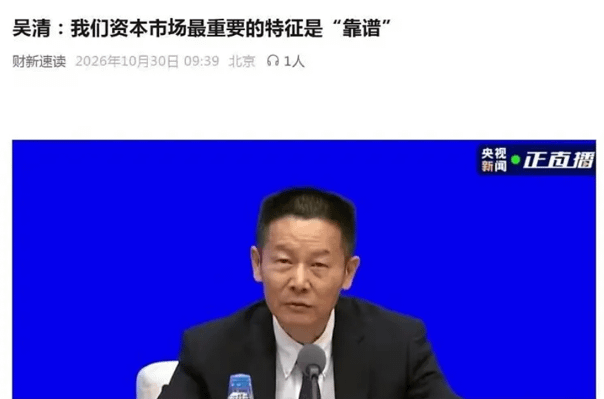
CSRC Chairman Wu Qing said the most important characteristic of China's domestic capital market is
.
.
.
.
.
.
.
.
.
.
.
.
.
reliable
$UNITREE $CXMT
{future}(UNITREEUSDT)
{future}(CXMTUSDT)
CSRC Chairman Wu Qing said the most important characteristic of China's domestic capital market is
.
.
.
.
.
.
.
.
.
.
.
.
.
reliable
$UNITREE $CXMT
.
.
.
.
.
.
.
.
.
.
.
.
.
reliable
$UNITREE $CXMT
8
4.6k
Do you think we've entered a bear market now? 📉
$BTC #TheBullIsComing
Do you think we've entered a bear market now? 📉
$BTC #TheBullIsComing
$BTC #TheBullIsComing
这还不熊?
65%
牛市即将归来
35%
136 votes • Voting closed
1.1k
Was Musk something of a benefactor to Jensen Huang?
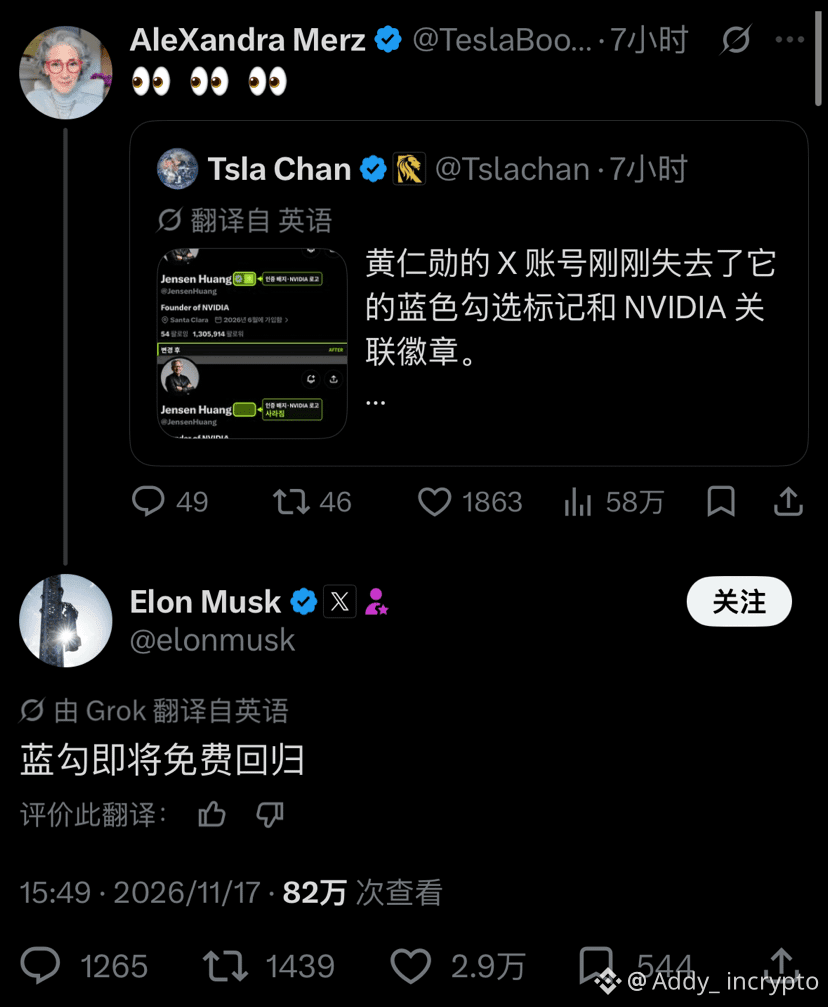
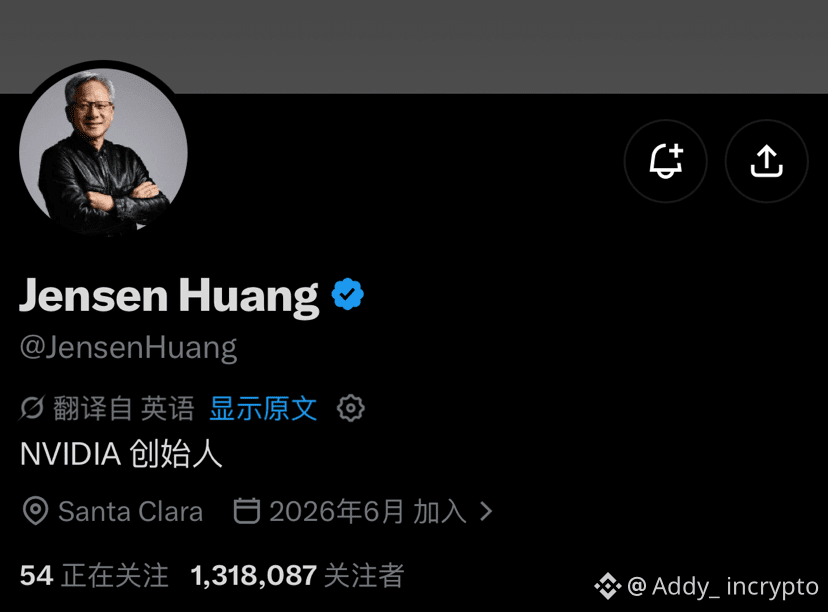
# This morning, the NVIDIA logo and blue check were removed from Jensen Huang’s X (Twitter) profile, and “NVIDIA CEO” was deleted from his bio, leaving only his identity as NVIDIA’s founder. Musk saw this and gave him a free blue check 🔵
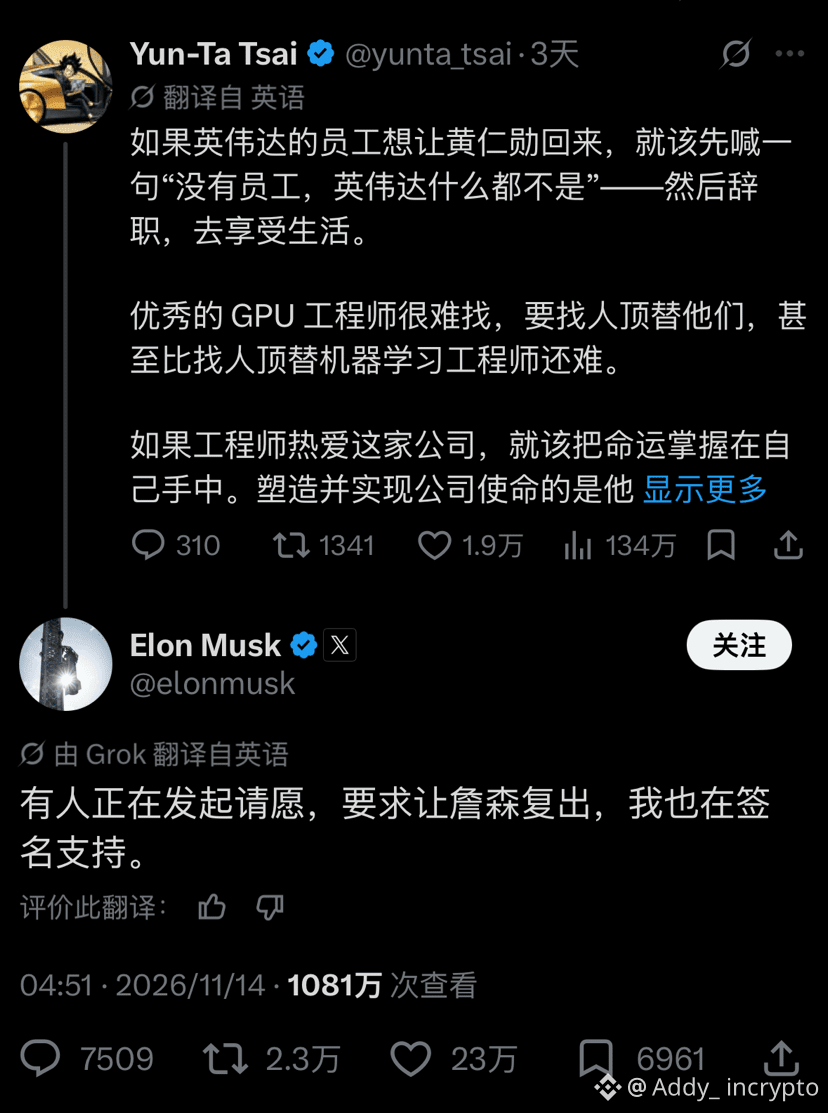
# He took the lead in signing a petition calling for Huang’s return to amplify its impact (it now has over 190,000 signatures, including more than 23% of the company’s employees)
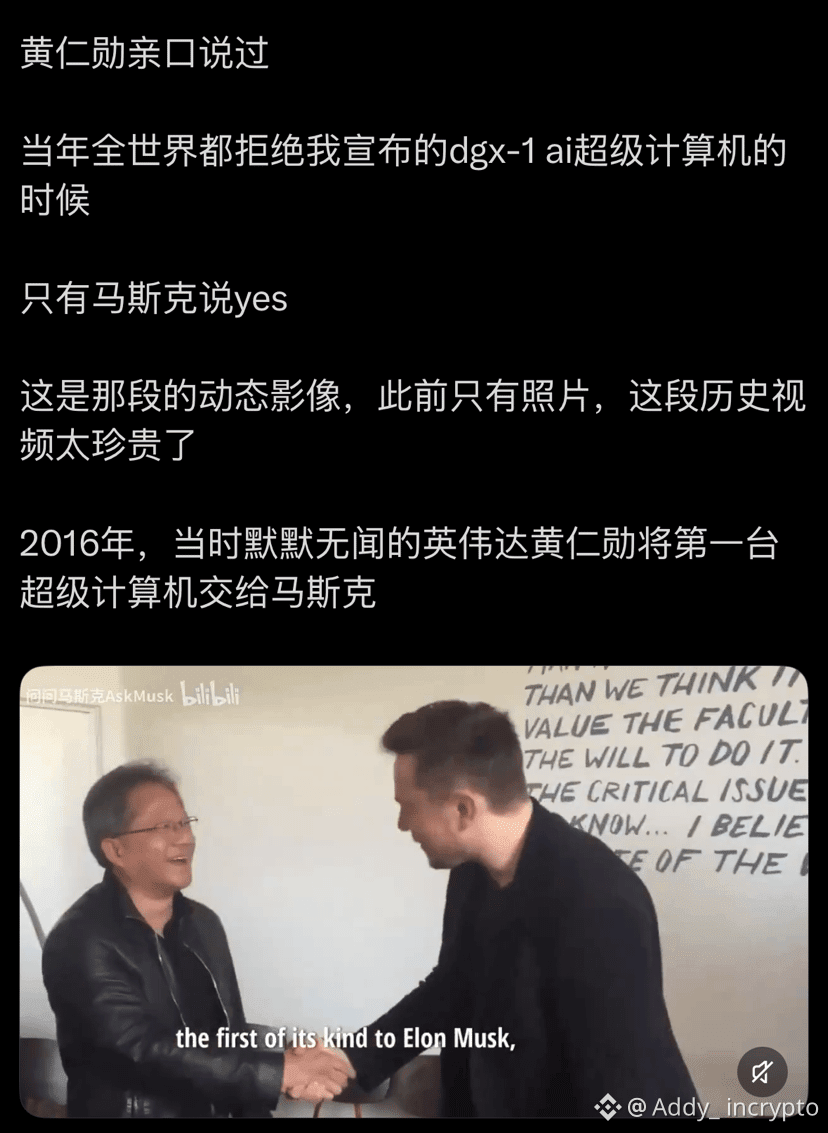
# In 2016, Huang personally delivered NVIDIA’s first DGX-1 AI supercomputer to Musk, who was then a member of OpenAI’s board, and said that when DGX-1 was announced that year, “the whole world said no”—only Musk said yes. Photo 4 shows the delivery.
$TSLA $NVDA
{future}(TSLAUSDT)
Was Musk something of a benefactor to Jensen Huang?
# This morning, the NVIDIA logo and blue check were removed from Jensen Huang’s X (Twitter) profile, and “NVIDIA CEO” was deleted from his bio, leaving only his identity as NVIDIA’s founder. Musk saw this and gave him a free blue check 🔵
# He took the lead in signing a petition calling for Huang’s return to amplify its impact (it now has over 190,000 signatures, including more than 23% of the company’s employees)
# In 2016, Huang personally delivered NVIDIA’s first DGX-1 AI supercomputer to Musk, who was then a member of OpenAI’s board, and said that when DGX-1 was announced that year, “the whole world said no”—only Musk said yes. Photo 4 shows the delivery.
$TSLA $NVDA
394
Verified
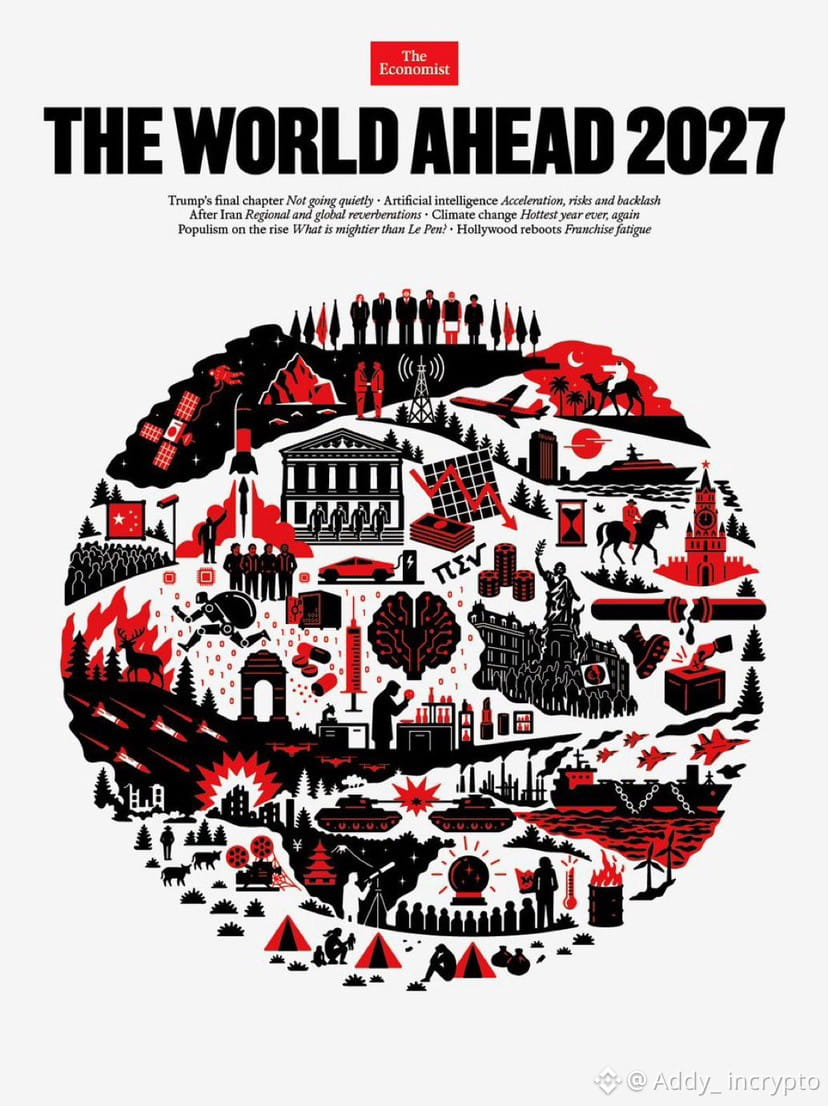
The Economist unveils its 2027 cover
A list of the top 10 trends for 2027.
Take a look, and feel free to share a different perspective in the comments 👀:
1. The post-Trump era:
Trump won’t exit quietly. He’ll use all kinds of hardball tactics to maintain his influence, while the US begins the race to find his successor.
2. The fallout from the Iran war:
The conflict’s aftershocks will continue to reshape Middle Eastern politics and energy markets, while threatening global food security.
3. The hottest year on record:
2027 is expected to set another temperature record. Extreme weather will worsen, but unexpectedly accelerate the shift to renewable energy.
4. AI backlash intensifies:
Concerns about AI debt risks and cyberattacks are growing, but fears about its effects on jobs and the environment are exaggerated.
5. Europe’s right-wing populists:
Marine Le Pen is poised to win in France, challenging the EU’s core and intensifying concerns about French public finances.
6. Bond market pressure:
High debt and inflation in many countries are driving up borrowing costs. Something may break somewhere in the wealthy world.
7. Taiwan’s deadline:
China has set 2027 as the year it will be capable of attacking Taiwan, making the next two years highly perilous for the Taiwan Strait.
8. The Ozempic effect:
Weight-loss drugs are changing more than just people’s bodies: they’re reshaping consumer behavior and fueling a boom in longevity drug research.
9. Cheaper space launches:
Starship and China’s reusable rockets are bringing down launch costs, paving the way for private space stations and orbital data centers.
10. Hollywood reboots:
Classic franchises are being rebooted and a new Bond is on the way, but audiences may be hungrier for fresh, YouTuber-style content.
$QQQ $SOXLB $BTC
{future}(QQQUSDT)
The Economist unveils its 2027 cover
A list of the top 10 trends for 2027.
Take a look, and feel free to share a different perspective in the comments 👀:
1. The post-Trump era:
Trump won’t exit quietly. He’ll use all kinds of hardball tactics to maintain his influence, while the US begins the race to find his successor.
2. The fallout from the Iran war:
The conflict’s aftershocks will continue to reshape Middle Eastern politics and energy markets, while threatening global food security.
3. The hottest year on record:
2027 is expected to set another temperature record. Extreme weather will worsen, but unexpectedly accelerate the shift to renewable energy.
4. AI backlash intensifies:
Concerns about AI debt risks and cyberattacks are growing, but fears about its effects on jobs and the environment are exaggerated.
5. Europe’s right-wing populists:
Marine Le Pen is poised to win in France, challenging the EU’s core and intensifying concerns about French public finances.
6. Bond market pressure:
High debt and inflation in many countries are driving up borrowing costs. Something may break somewhere in the wealthy world.
7. Taiwan’s deadline:
China has set 2027 as the year it will be capable of attacking Taiwan, making the next two years highly perilous for the Taiwan Strait.
8. The Ozempic effect:
Weight-loss drugs are changing more than just people’s bodies: they’re reshaping consumer behavior and fueling a boom in longevity drug research.
9. Cheaper space launches:
Starship and China’s reusable rockets are bringing down launch costs, paving the way for private space stations and orbital data centers.
10. Hollywood reboots:
Classic franchises are being rebooted and a new Bond is on the way, but audiences may be hungrier for fresh, YouTuber-style content.
$QQQ $SOXLB $BTC
1
456
LMAO, the U.S. 🇺🇸 Democratic Party made a big show of investigating Jensen Huang.
They turned his underwear inside out, and this is all they found?
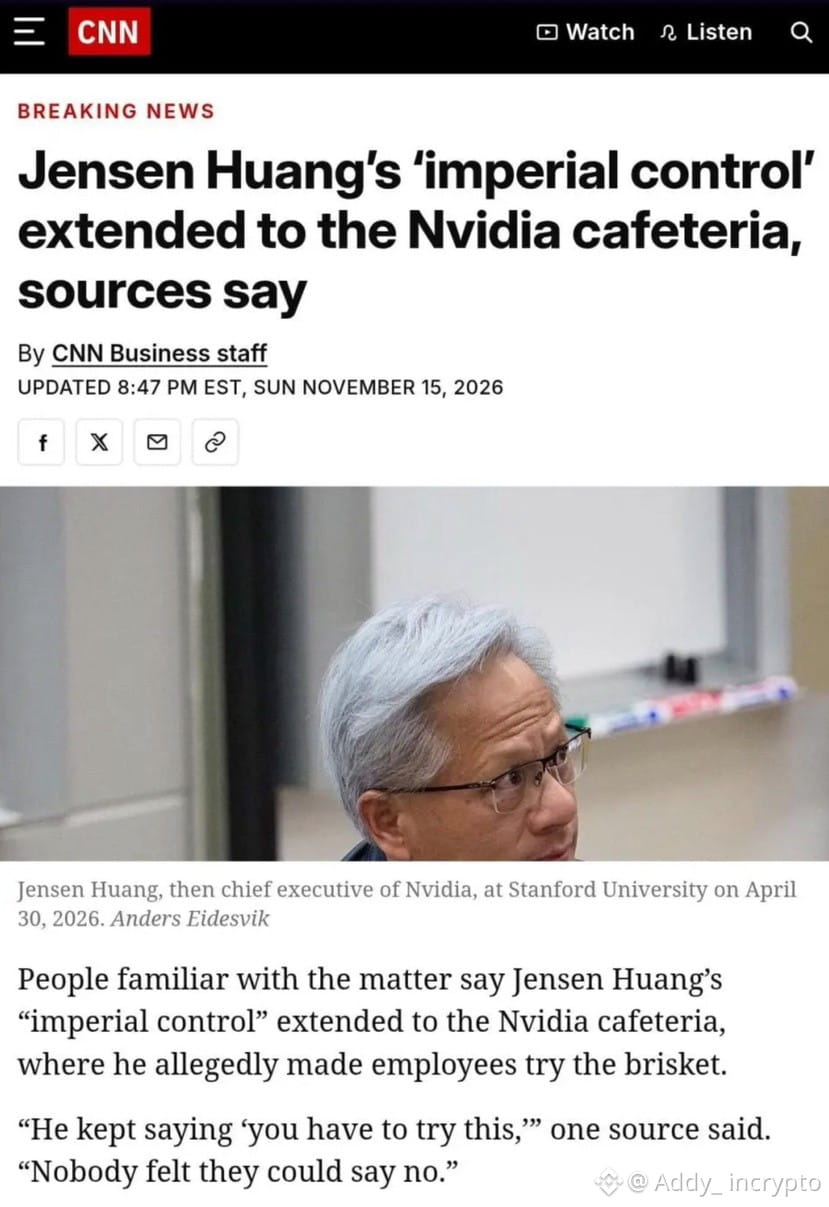
According to people familiar with the matter,
Huang’s “emperor-like control” even extended to NVIDIA’s employee cafeteria.
He is reportedly under investigation on suspicion of forcing employees to eat brisket.
One person familiar with the matter put it this way:
“He kept saying, ‘You have to try this.’”
“It was the kind of atmosphere where nobody dared say they didn’t like it.”
Nothing to see here, folks. Go on home and mind your own business.
Let Old Huang come back 😅
$NVDA
{future}(NVDAUSDT)
LMAO, the U.S. 🇺🇸 Democratic Party made a big show of investigating Jensen Huang.
They turned his underwear inside out, and this is all they found?
According to people familiar with the matter,
Huang’s “emperor-like control” even extended to NVIDIA’s employee cafeteria.
He is reportedly under investigation on suspicion of forcing employees to eat brisket.
One person familiar with the matter put it this way:
“He kept saying, ‘You have to try this.’”
“It was the kind of atmosphere where nobody dared say they didn’t like it.”
Nothing to see here, folks. Go on home and mind your own business.
Let Old Huang come back 😅
$NVDA
1.1k
Verified
🚨Breaking🚨 What the hell is this supposed to mean?
🇺🇸 Is the U.S. going on DEFCON 1?
Nationwide television, radio, cable TV, and satellite broadcasts across the United States will be interrupted simultaneously on November 17 for a nationwide Emergency Alert System test.
Four critical sectors—fuel, banking, aviation, and power—are all flashing red at once. Headlines keep appearing here and there, yet no one is calling it a crisis.
October: 37 vessel attacks have occurred in and around the Strait of Hormuz.
First 10 days of November: At least 10 more vessels were hit.
This week (mid-November): Iran’s military says another four oil tankers were attacked with explosives in the Strait of Hormuz for “ignoring warnings.” The fuel supply chain remains under pressure.
Next came the cyber and financial shocks:
Starting November 12, a Microsoft outage affected at least 74 countries and lasted nearly 18 hours. A Japanese financial firm was forced to bring fax machines back into service, while Australian banks issued urgent warnings about scammers posing as “Microsoft” repair technicians. This week, the FBI warned again that hackers had used an AI tool to steal data on about 67,000 people from a South Korean financial firm.
Aviation nearly collapsed at the same time:
On November 13, nearly 10,000 flights were canceled in the United States. The FAA temporarily grounded flights at airports nationwide, while at least 3,500 aircraft were still in the air—a nationwide ground stop lasting longer than any since 9/11. Officials said it was caused by an equipment failure, not a cyberattack, but investigators have not entirely ruled out the possibility of a cyberattack. Officials have made it clear: this could happen again before the system upgrade is complete.
The power and military angle is even more telling:
A Pentagon planning document requires every major U.S. base to be at least 90 days self-sufficient in power, water, and fuel. A general who led the response to Hurricane Katrina publicly questioned: What does the Pentagon know that it isn’t telling us? He bluntly said, “America’s civilian leaders have been shut out.”
Fuel, banking, aviation, and power—four fronts all flashing red within almost the same window. The 🇺🇸 nationwide alert test on November 17 falls right at this point.
$QQQ $VOO.ETF
{future}(QQQUSDT)
🚨Breaking🚨 What the hell is this supposed to mean?
🇺🇸 Is the U.S. going on DEFCON 1?
Nationwide television, radio, cable TV, and satellite broadcasts across the United States will be interrupted simultaneously on November 17 for a nationwide Emergency Alert System test.
Four critical sectors—fuel, banking, aviation, and power—are all flashing red at once. Headlines keep appearing here and there, yet no one is calling it a crisis.
October: 37 vessel attacks have occurred in and around the Strait of Hormuz.
First 10 days of November: At least 10 more vessels were hit.
This week (mid-November): Iran’s military says another four oil tankers were attacked with explosives in the Strait of Hormuz for “ignoring warnings.” The fuel supply chain remains under pressure.
Next came the cyber and financial shocks:
Starting November 12, a Microsoft outage affected at least 74 countries and lasted nearly 18 hours. A Japanese financial firm was forced to bring fax machines back into service, while Australian banks issued urgent warnings about scammers posing as “Microsoft” repair technicians. This week, the FBI warned again that hackers had used an AI tool to steal data on about 67,000 people from a South Korean financial firm.
Aviation nearly collapsed at the same time:
On November 13, nearly 10,000 flights were canceled in the United States. The FAA temporarily grounded flights at airports nationwide, while at least 3,500 aircraft were still in the air—a nationwide ground stop lasting longer than any since 9/11. Officials said it was caused by an equipment failure, not a cyberattack, but investigators have not entirely ruled out the possibility of a cyberattack. Officials have made it clear: this could happen again before the system upgrade is complete.
The power and military angle is even more telling:
A Pentagon planning document requires every major U.S. base to be at least 90 days self-sufficient in power, water, and fuel. A general who led the response to Hurricane Katrina publicly questioned: What does the Pentagon know that it isn’t telling us? He bluntly said, “America’s civilian leaders have been shut out.”
Fuel, banking, aviation, and power—four fronts all flashing red within almost the same window. The 🇺🇸 nationwide alert test on November 17 falls right at this point.
$QQQ $VOO.ETF

9
21.2k
Even the top woman has lost 100 million already.
Can someone tell me how long “temporarily” is? I want to lie in wait 🫥
$BNB
{future}(BNBUSDT)
Even the top woman has lost 100 million already.
Can someone tell me how long “temporarily” is? I want to lie in wait 🫥
$BNB
Can someone tell me how long “temporarily” is? I want to lie in wait 🫥
$BNB


Yi He
·
--
The pullback is temporary; spot holders have nothing to fear.🫥
133
Jensen Huang’s offense doesn’t warrant this
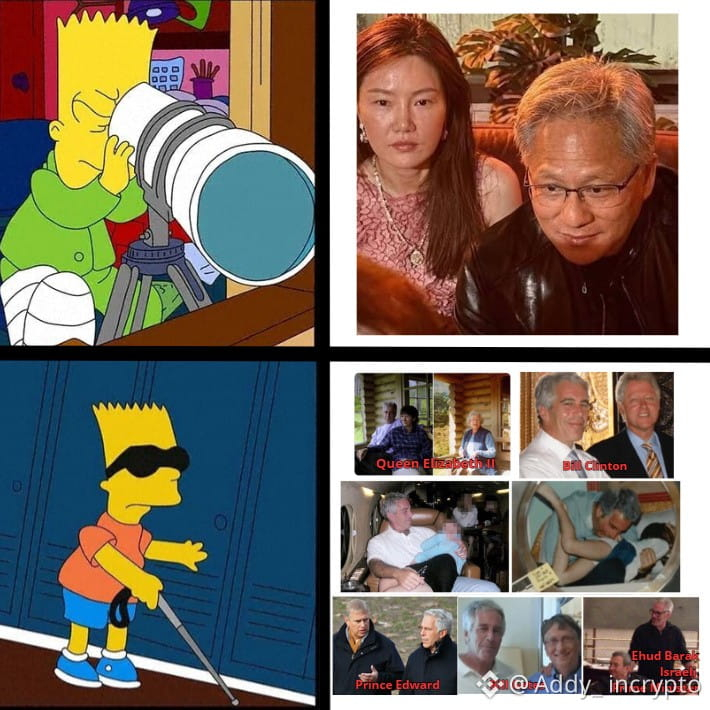
Why does America make such a huge fuss over a man who had sex with an adult woman,
yet turn a blind eye and deaf ear to the hundreds of politicians, celebrities, and businesspeople linked to Epstein Island?
Epstein died, so what?
(And this guy may not actually be dead.)
$NVDA
{future}(NVDAUSDT)
Jensen Huang’s offense doesn’t warrant this
Why does America make such a huge fuss over a man who had sex with an adult woman,
yet turn a blind eye and deaf ear to the hundreds of politicians, celebrities, and businesspeople linked to Epstein Island?
Epstein died, so what?
(And this guy may not actually be dead.)
$NVDA
Why does America make such a huge fuss over a man who had sex with an adult woman,
yet turn a blind eye and deaf ear to the hundreds of politicians, celebrities, and businesspeople linked to Epstein Island?
Epstein died, so what?
(And this guy may not actually be dead.)
$NVDA
520
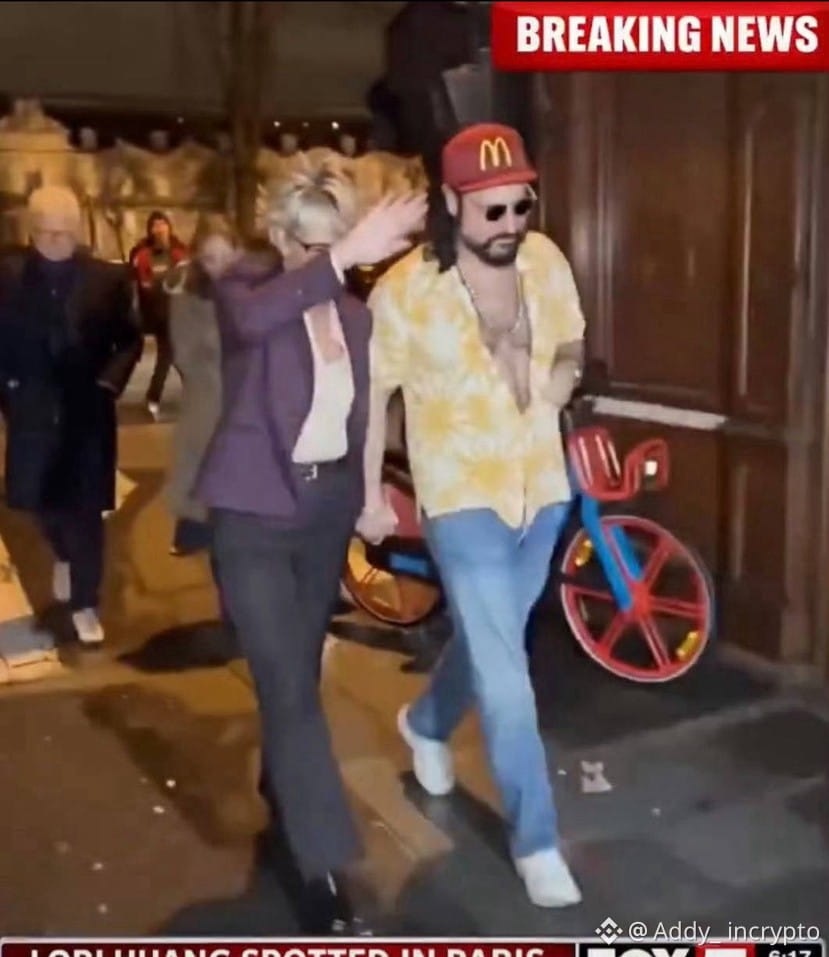
💥 The lover of Jensen Huang’s wife, Lori, has also been exposed
No one is heartbroken over this marriage; everyone is doing just fine on their own
This further proves that Huang being forced out was part of a long-planned political purge!
$NVDA
💥 The lover of Jensen Huang’s wife, Lori, has also been exposed
No one is heartbroken over this marriage; everyone is doing just fine on their own
This further proves that Huang being forced out was part of a long-planned political purge!
$NVDA
No one is heartbroken over this marriage; everyone is doing just fine on their own
This further proves that Huang being forced out was part of a long-planned political purge!
$NVDA

3
1
1
7.7k
I can't even 😂
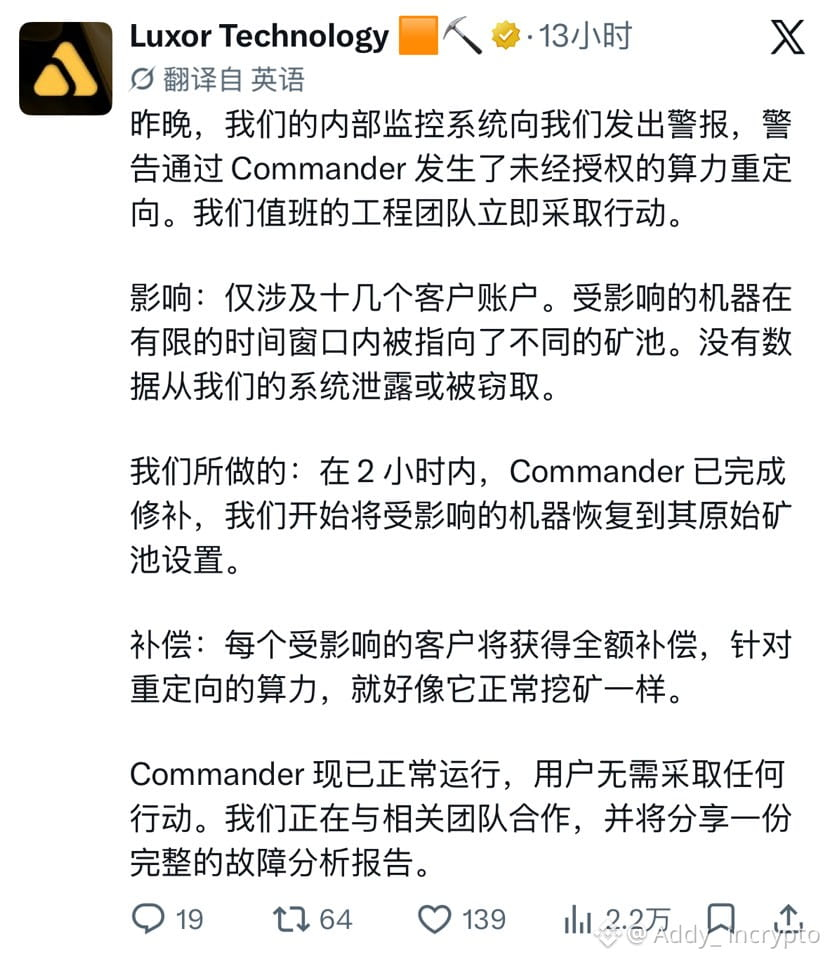
A hacker hijacked 64,000 mining rigs overnight and redirected all 13 EH/s of hash power to OCEAN. After working hard mining all night… they earned just 0.08 BTC.
I told you, stealing someone else's shovel is such hard work!
Stealing a shovel is no better than just picking their pocket!
#矿机 $BTC
{future}(BTCUSDT)
I can't even 😂
A hacker hijacked 64,000 mining rigs overnight and redirected all 13 EH/s of hash power to OCEAN. After working hard mining all night… they earned just 0.08 BTC.
I told you, stealing someone else's shovel is such hard work!
Stealing a shovel is no better than just picking their pocket!
#矿机 $BTC
A hacker hijacked 64,000 mining rigs overnight and redirected all 13 EH/s of hash power to OCEAN. After working hard mining all night… they earned just 0.08 BTC.
I told you, stealing someone else's shovel is such hard work!
Stealing a shovel is no better than just picking their pocket!
#矿机 $BTC
1.5k
Partly True
Breaking‼️ Jensen Huang reinstatement petition and market expectations
Petition update—including over 170,000 signatories, including VPs and above, and the number is still growing in real time
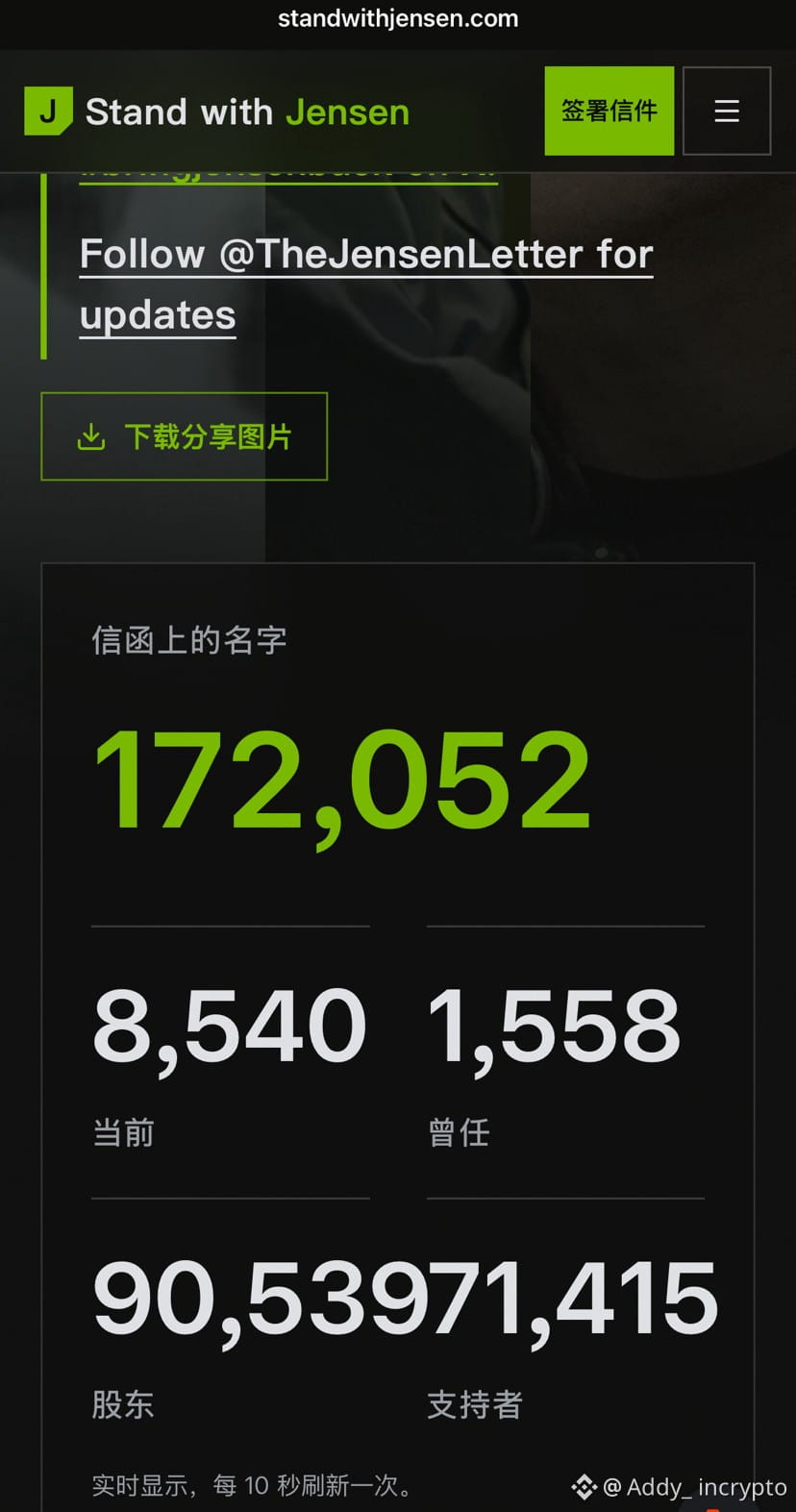
The independent website standwithjensen.com launched an open letter calling on the board to reinstate Jensen Huang before the independent investigation is completed, disclose the investigation details, and give him an opportunity to respond.
There are now over 172,000 signatures, including around 8,500+ people who identify themselves as current employees (about 19%+ of NVIDIA's total workforce), among them several dozen VPs and above and over a hundred directors.
Elon Musk, Garry Tan, Tim Sweeney, and others have signed and publicly voiced their support as shareholders. The petition emphasizes “due process,” rather than calling for exoneration.
Prediction market outlook
Polymarket’s “Next NVIDIA CEO” market (with trading volume of about $2.2 million) puts the Jensen Huang-related option (“No change”) at around 11%.
Under the rules for this option, an interim CEO does not count as a successor; it wins if no permanent successor has been announced by the end of 2028. So the implied probability of an actual reinstatement is even lower. The current leaders are Arm CEO Rene Haas (about 25%) and Ian Buck (about 23%).
The petition continues to gain momentum, but the market remains cautious about Jensen Huang’s formal return in the near term. The figures change in real time; check the website and market directly.
$NVDA
{future}(NVDAUSDT)
Breaking‼️ Jensen Huang reinstatement petition and market expectations
Petition update—including over 170,000 signatories, including VPs and above, and the number is still growing in real time
The independent website standwithjensen.com launched an open letter calling on the board to reinstate Jensen Huang before the independent investigation is completed, disclose the investigation details, and give him an opportunity to respond.
There are now over 172,000 signatures, including around 8,500+ people who identify themselves as current employees (about 19%+ of NVIDIA's total workforce), among them several dozen VPs and above and over a hundred directors.
Elon Musk, Garry Tan, Tim Sweeney, and others have signed and publicly voiced their support as shareholders. The petition emphasizes “due process,” rather than calling for exoneration.
Prediction market outlook
Polymarket’s “Next NVIDIA CEO” market (with trading volume of about $2.2 million) puts the Jensen Huang-related option (“No change”) at around 11%.
Under the rules for this option, an interim CEO does not count as a successor; it wins if no permanent successor has been announced by the end of 2028. So the implied probability of an actual reinstatement is even lower. The current leaders are Arm CEO Rene Haas (about 25%) and Ian Buck (about 23%).
The petition continues to gain momentum, but the market remains cautious about Jensen Huang’s formal return in the near term. The figures change in real time; check the website and market directly.
$NVDA
2
1
754
This Crypto Market Crash: Whales Exit—Is It All North Korean Hackers’ Fault?
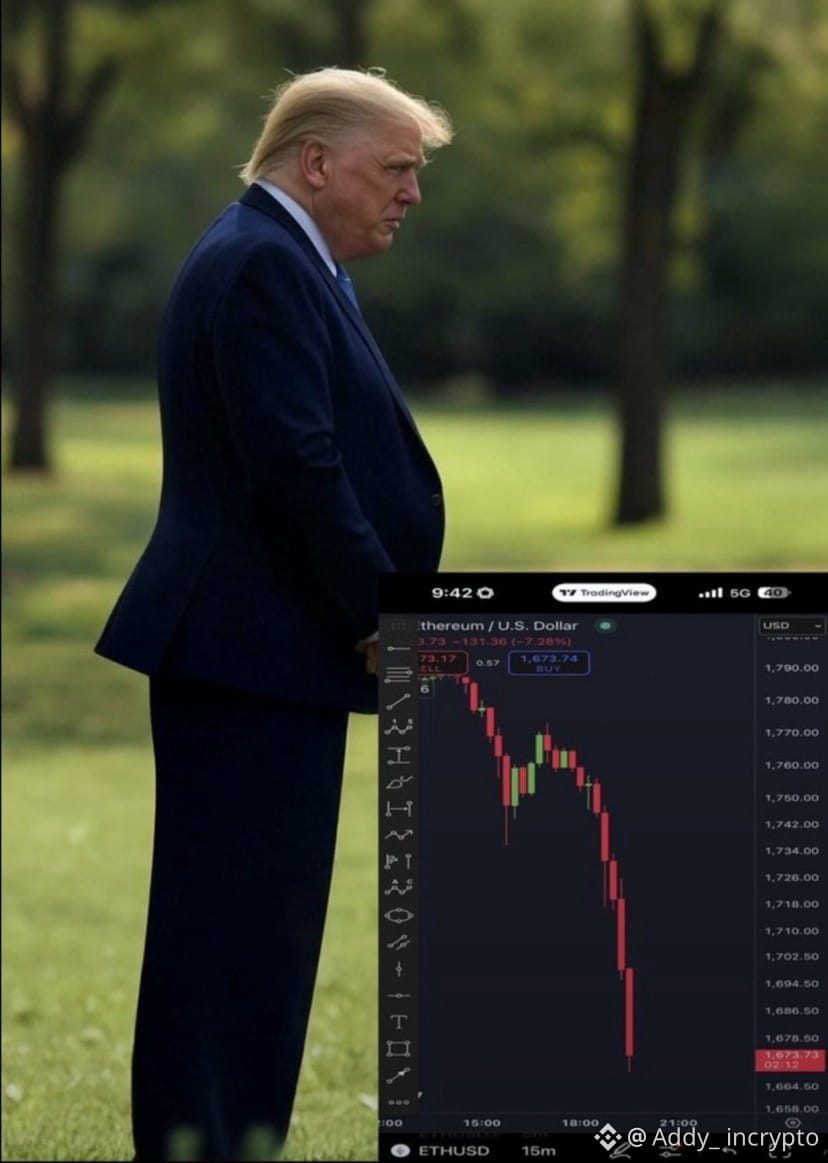
From late October to mid-November 2026, Bitcoin fell from $81,000–$86,000 to around $62,000, a drawdown of nearly 50%. Many whales and long-term holders began reducing their positions, market sentiment plunged into extreme fear, and some even started saying “crypto is finished.” Some people pinned all the blame on a North Korean hacker attack on Binance.
Hackers Are a Real Threat, but Not the Main Cause
On October 29, approximately $6.3 billion was stolen from Binance in an attack linked to a North Korea-related hacking group. State-backed hackers can undermine trust, trigger panic, and cause liquidations. But the crypto market now has a distributed structure and ETF channels, Binance has pledged to cover the losses, and some assets have been frozen—making it difficult for a single attack to bring the market down. The prolonged decline cannot be explained by the hacking incident alone.
The Real Drivers: Multiple Factors Converging
1. Tightening macro conditions: Strong inflation and employment data fueled expectations of further rate hikes, Treasury yields topped 5%, and the dollar strengthened.
2. Institutional outflows: Spot Bitcoin ETFs saw cumulative net redemptions of nearly $3 billion.
3. Pressure across risk assets: The Nasdaq and AI stocks pulled back.
4. Leveraged liquidations amplified volatility: Stablecoin supply contracted sharply, and highly leveraged long positions were liquidated en masse.
The Binance incident was mainly a catalyst for market sentiment; the subsequent selling pressure came from macroeconomic conditions and capital flows. This is a significant correction, not the end of the industry. Decentralized protocols and institutional channels are still operating. Blaming the crash solely on North Korea is an oversimplification. What will truly determine the market’s direction is the macro environment, capital flows, and the industry’s ability to adapt.
$BTC $ETH
{future}(ETHUSDT)
{future}(BTCUSDT)
This Crypto Market Crash: Whales Exit—Is It All North Korean Hackers’ Fault?
From late October to mid-November 2026, Bitcoin fell from $81,000–$86,000 to around $62,000, a drawdown of nearly 50%. Many whales and long-term holders began reducing their positions, market sentiment plunged into extreme fear, and some even started saying “crypto is finished.” Some people pinned all the blame on a North Korean hacker attack on Binance.
Hackers Are a Real Threat, but Not the Main Cause
On October 29, approximately $6.3 billion was stolen from Binance in an attack linked to a North Korea-related hacking group. State-backed hackers can undermine trust, trigger panic, and cause liquidations. But the crypto market now has a distributed structure and ETF channels, Binance has pledged to cover the losses, and some assets have been frozen—making it difficult for a single attack to bring the market down. The prolonged decline cannot be explained by the hacking incident alone.
The Real Drivers: Multiple Factors Converging
1. Tightening macro conditions: Strong inflation and employment data fueled expectations of further rate hikes, Treasury yields topped 5%, and the dollar strengthened.
2. Institutional outflows: Spot Bitcoin ETFs saw cumulative net redemptions of nearly $3 billion.
3. Pressure across risk assets: The Nasdaq and AI stocks pulled back.
4. Leveraged liquidations amplified volatility: Stablecoin supply contracted sharply, and highly leveraged long positions were liquidated en masse.
The Binance incident was mainly a catalyst for market sentiment; the subsequent selling pressure came from macroeconomic conditions and capital flows. This is a significant correction, not the end of the industry. Decentralized protocols and institutional channels are still operating. Blaming the crash solely on North Korea is an oversimplification. What will truly determine the market’s direction is the macro environment, capital flows, and the industry’s ability to adapt.
$BTC $ETH
287
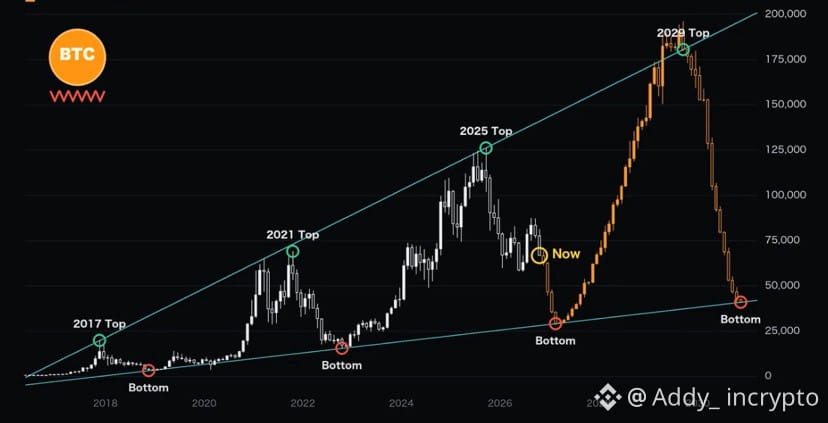
$BTC Trend Prediction
Ready to buy the dip and go all in?
{future}(BTCUSDT)
$BTC Trend Prediction
Ready to buy the dip and go all in?
Ready to buy the dip and go all in?
352
Do you think Jensen Huang will make a comeback like Sam Altman (the founder of OpenAI) and Steve Jobs?
$NVDA #英伟达正物色新CEO,谁会接替黄仁勋?
{stock_us}(NVDA.US)
Do you think Jensen Huang will make a comeback like Sam Altman (the founder of OpenAI) and Steve Jobs?
$NVDA #英伟达正物色新CEO,谁会接替黄仁勋?
$NVDA #英伟达正物色新CEO,谁会接替黄仁勋?
会
68%
不会
22%
吃瓜
10%
164 votes • Voting closed
NVDA-3.12%
NVDAUS+0.93%
1
5k
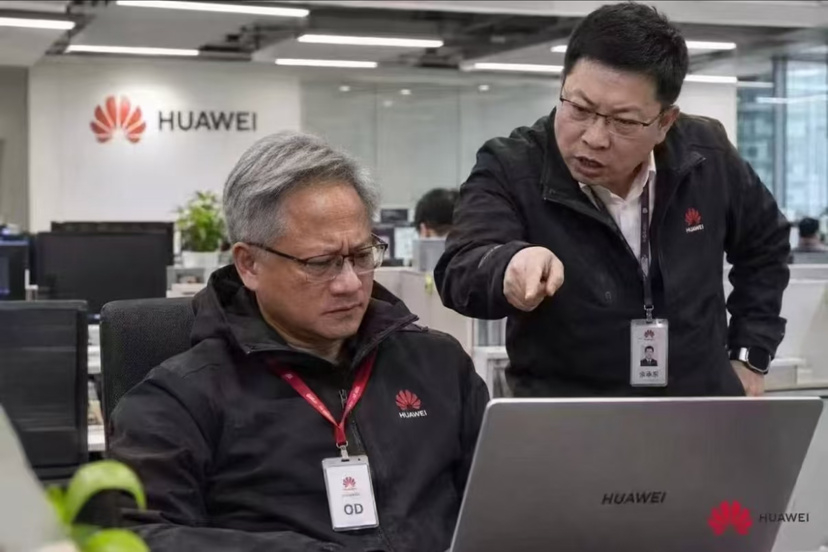
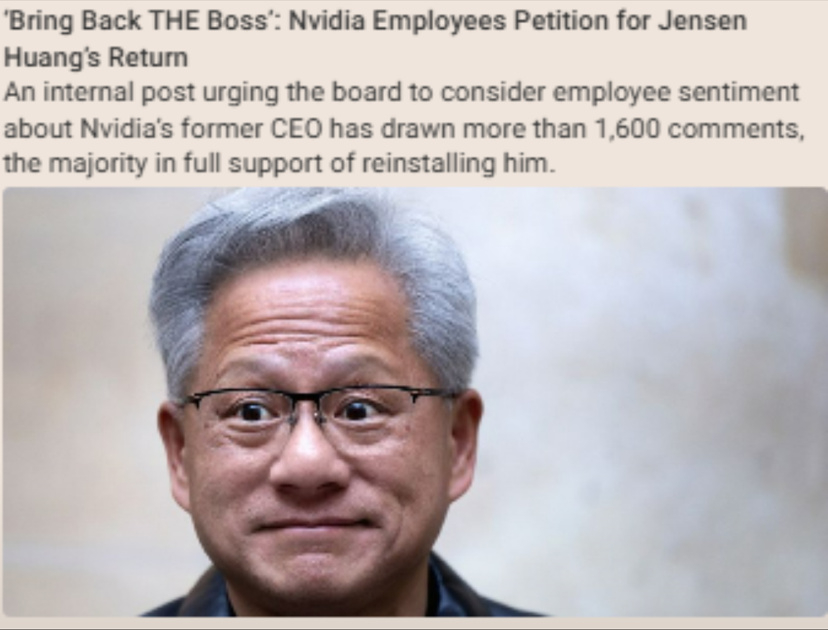
Will Jensen Huang return like Sam Altman and Steve Jobs? I think that’s unlikely.
The returns of Jobs and Altman were both driven by internal power struggles and companies immediately descending into chaos, with employees and shareholders pushing back strongly and the boards forced to compromise.
Huang’s situation is different:
• The trigger was a personal scandal (including a relationship with a subordinate) coupled with national security concerns—not simply an internal power struggle.
• He has completely left the board, and the company has directly appointed a chair and launched a formal search. The break has been very clean.
• Nvidia’s performance and product lineup are still strong, so there’s no immediate pressure from the company “losing control.”
• The investigation is ongoing. Even if some matters are later clarified, governance and reputational risks will remain.
Employee support is very strong, which is somewhat like the situation with Altman at the time. But the board has publicly committed to proving that the company can do without him, leaving almost no room to turn back in the short term. Unless the new leadership clearly falters and the stock price and customer relationships come under sustained pressure, the bar for asking him to return is considerably higher than it was in the previous two cases.
$NVDA
{future}(NVDAUSDT)
Will Jensen Huang return like Sam Altman and Steve Jobs? I think that’s unlikely.
The returns of Jobs and Altman were both driven by internal power struggles and companies immediately descending into chaos, with employees and shareholders pushing back strongly and the boards forced to compromise.
Huang’s situation is different:
• The trigger was a personal scandal (including a relationship with a subordinate) coupled with national security concerns—not simply an internal power struggle.
• He has completely left the board, and the company has directly appointed a chair and launched a formal search. The break has been very clean.
• Nvidia’s performance and product lineup are still strong, so there’s no immediate pressure from the company “losing control.”
• The investigation is ongoing. Even if some matters are later clarified, governance and reputational risks will remain.
Employee support is very strong, which is somewhat like the situation with Altman at the time. But the board has publicly committed to proving that the company can do without him, leaving almost no room to turn back in the short term. Unless the new leadership clearly falters and the stock price and customer relationships come under sustained pressure, the bar for asking him to return is considerably higher than it was in the previous two cases.
$NVDA
427
Log in to explore more content
Join global crypto users on Binance Square
⚡️ Get latest and useful information about crypto.
💬 Trusted by the world’s largest crypto exchange.
👍 Discover real insights from verified creators.
Email / Phone number
Trending Topics
BTCRemainsUnderPressureAfterHawkishFOMCMinutes
31,955 views
469 Discussing
FOMC Minutes | Fed Minutes Show Almost All Officials Expect More Rate Hikes, With Some Open to a Larger December Move
Binance News
·43 Likes
·53.5k views
AnthropicToDebutAfter$83IPOPricing
9,479 views
54 Discussing
NvidiaBoardReportedlySplitOverHuang’sReturn
10,276 views
156 Discussing