
紫月湾湾_91391
273 Posts
 LIVE
LIVE紫月湾湾_91391
每晚8點到凌晨2點實盤直播帶單,100u實測啟航,現貨/合約共40%專屬推薦碼:SM00333。丙火直覺化為冷驚月光,精準指引密碼91391。手上持倉受困?特設小白解套專場,迷航指路,助你深夜渡劫。

BNB Holder
High-Frequency Trader
2.2 Years
373 Following
6.1K+ Followers
368 Liked
Posts
All
Quotes
Live
PINNED


·
--
🎙️ How to read US stock market “Four Witches’ Day” trading?

 LIVE
LIVE1.5k listens · 1 in Live Trading
0

正乾商学--四条2
·
--
Are you really suited to make a living by trading?
Serial [5]
⑤ Only after you solve the first four questions will you truly stand at the starting line of trading
Pay attention.
What I covered earlier—
income sources, daily routine, time you can trade, trading instruments, your personal character, your trading style…
All of it is just to help you reach: the starting line.
Not the finish line.
Only after you’ve truly reached the starting line do you begin the part everyone is most familiar with:
learning.
And not learning one or two indicators;
not stopping once you know what support and resistance are.
You must first gain broad understanding of:
Scalping—very short-term trading / scalp trading: frequent trades within a very short time (seconds to minutes) to profit from small price fluctuations
Day Trading: opening and closing positions on the same day, without holding overnight
Swing Trading: capturing market swings over several days to a few weeks, aiming to profit from swing trends
Trend Following: trading in line with the market’s main direction—for example, going long in an uptrend and short in a downtrend
Breakout Trading: entering the market when price breaks through a key resistance or support level
Mean Reversion: trading that assumes when price deviates from normal levels, it will return to the average value, seeking opportunities from that
Technical Analysis: analyzing the market through candlesticks, indicators, volume, and price structure
Fundamental Analysis: studying a project’s value—such as the team, economic data, industry development, and more
Macro: macroeconomic analysis studying how the global economic environment (interest rates, inflation, the US dollar, policies, etc.) affects the market
Risk Management: controlling trading risk, including stop-losses, position sizes, and capital protection
Position Sizing: position management—deciding how much capital to risk or allocate to each trade based on your account size and risk
Trading Psychology: managing emotions, discipline, and execution ability to prevent fear and greed from affecting your trading
Then test them one by one.
You must personally know:
what suits you.
what doesn’t suit you.
This is not something others can tell you directly.
If you’re interested in trading, feel free to leave a comment in the comment section or join the chat room to exchange ideas—learn together and grow together!
#美联储加息25基点美股收跌
Serial [5]
⑤ Only after you solve the first four questions will you truly stand at the starting line of trading
Pay attention.
What I covered earlier—
income sources, daily routine, time you can trade, trading instruments, your personal character, your trading style…
All of it is just to help you reach: the starting line.
Not the finish line.
Only after you’ve truly reached the starting line do you begin the part everyone is most familiar with:
learning.
And not learning one or two indicators;
not stopping once you know what support and resistance are.
You must first gain broad understanding of:
Scalping—very short-term trading / scalp trading: frequent trades within a very short time (seconds to minutes) to profit from small price fluctuations
Day Trading: opening and closing positions on the same day, without holding overnight
Swing Trading: capturing market swings over several days to a few weeks, aiming to profit from swing trends
Trend Following: trading in line with the market’s main direction—for example, going long in an uptrend and short in a downtrend
Breakout Trading: entering the market when price breaks through a key resistance or support level
Mean Reversion: trading that assumes when price deviates from normal levels, it will return to the average value, seeking opportunities from that
Technical Analysis: analyzing the market through candlesticks, indicators, volume, and price structure
Fundamental Analysis: studying a project’s value—such as the team, economic data, industry development, and more
Macro: macroeconomic analysis studying how the global economic environment (interest rates, inflation, the US dollar, policies, etc.) affects the market
Risk Management: controlling trading risk, including stop-losses, position sizes, and capital protection
Position Sizing: position management—deciding how much capital to risk or allocate to each trade based on your account size and risk
Trading Psychology: managing emotions, discipline, and execution ability to prevent fear and greed from affecting your trading
Then test them one by one.
You must personally know:
what suits you.
what doesn’t suit you.
This is not something others can tell you directly.
If you’re interested in trading, feel free to leave a comment in the comment section or join the chat room to exchange ideas—learn together and grow together!
#美联储加息25基点美股收跌

乘风Sunshine
·
--
Starting next Monday, we will officially resume live streaming. From Monday to Friday, we will broadcast the spot contract & event contract at 7:00 AM and 3:00 PM each day, and broadcast the perpetual contract & event contract at 10:00 PM. Please be informed.


·
--
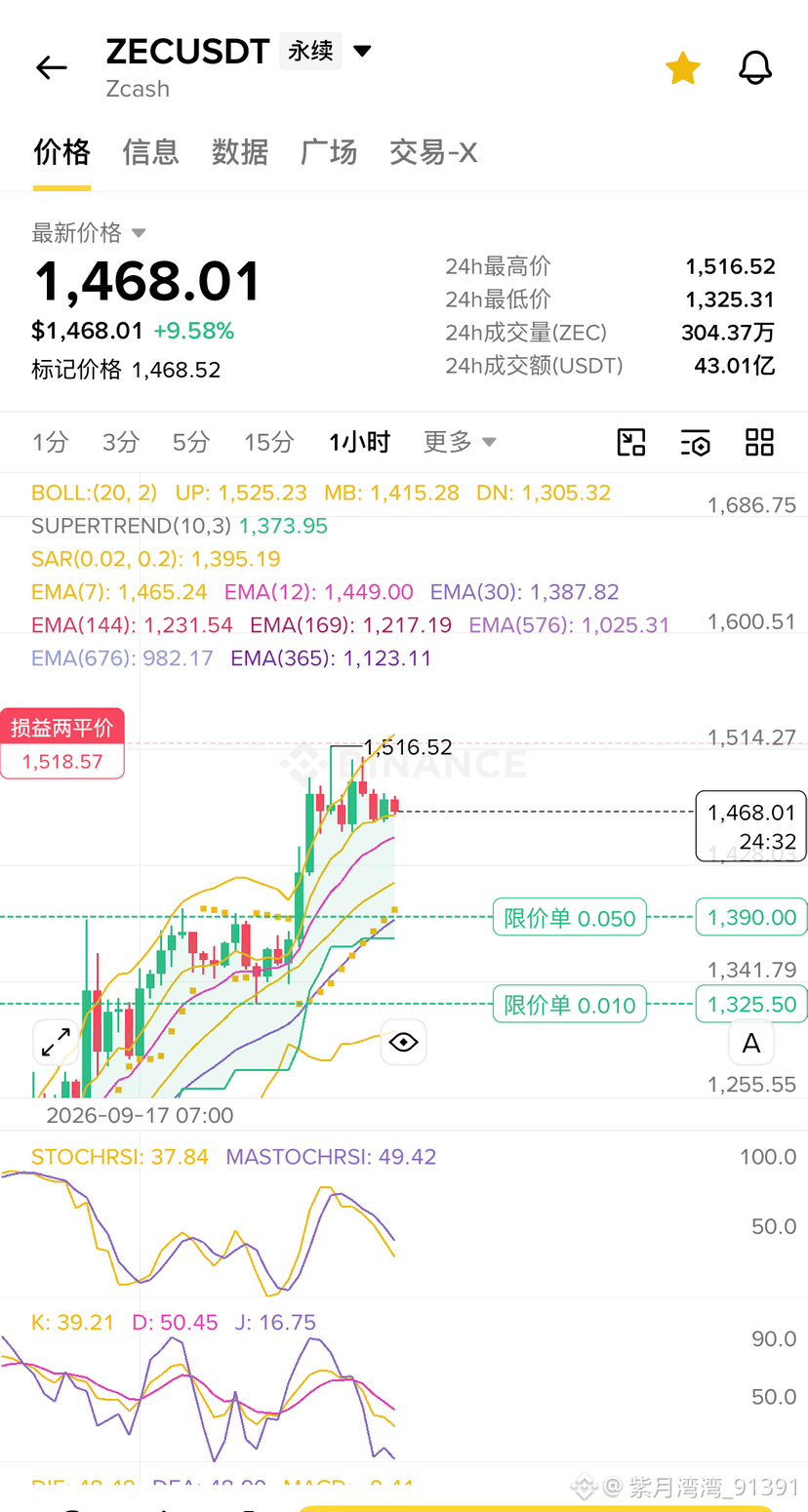
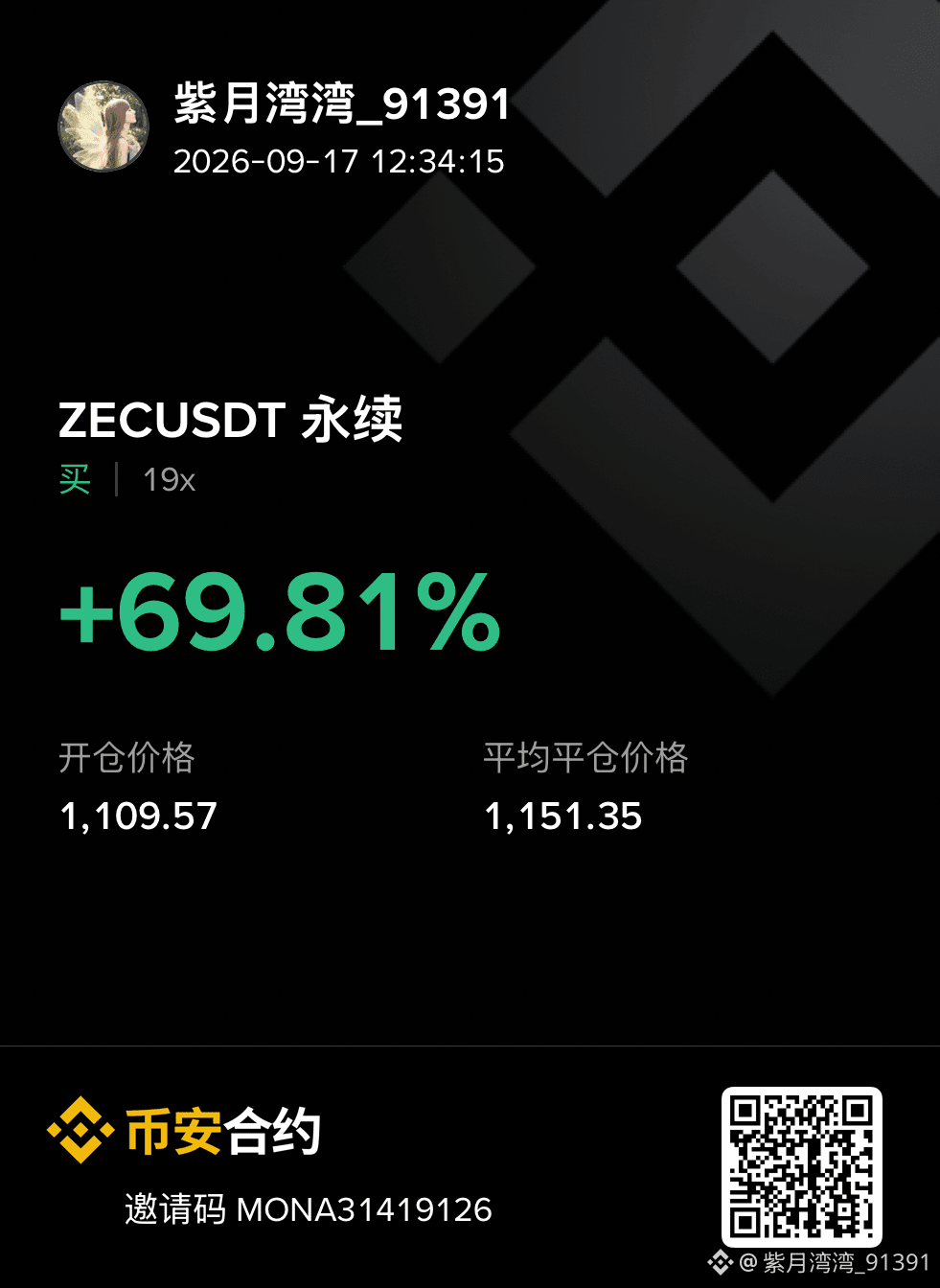
🎙️ What to look for in the market order flow? Yesterday’s Zec long at 1186 took profits!

End
05 h 59 m 45 s
1.4k
0
·
--
🎙️ What should we discuss tonight’s market situation?

End
05 h 59 m 45 s
2k
1
·
--
🎙️ Did everyone get to eat the Ethereum 2392?

End
06 h 00 m 00 s
619
0
·
--
🎙️ ETH2466/2470 are having a snack, what are we looking at today?

End
05 h 59 m 45 s
275
0
·
--
🎙️ There’s no mainstream market during the holidays—what do the copycat “shanzhai” traders trade?

End
05 h 59 m 44 s
2.1k
0
·
--
🎙️ What’s driving holiday market trends?

End
05 h 59 m 59 s
1k
1
·
--
🎙️ What are we playing with tonight’s CPI?
End
05 h 59 m 44 s
1k
0
Log in to explore more content