
Puppies 未来
1.4k Posts

Puppies 未来
Open Trade

DOGE Holder
Occasional Trader
1.5 Years
340 Following
1.1K+ Followers
13.9K+ Liked
Posts
Portfolio
All
Quotes
Videos
PINNED
$ETH Puppy community live room:
@金先生聊MEME (Mon–Fri 20:00–23:00)
@Aurora清瑜 (Morning live)
@Huihui慧慧SG (Live at irregular times)
@Yiz13 (Around 01:00) International
@puppies哥布林 @浩瀚puppies
Click the golden text to get there!!!
The dog community is so hardcore—let’s build consensus together for the next shitcoin 🐮🐮🐮. More people are welcome to join👇👇👇👇
PUPPIES community — chat with us in Binance to exchange ideas
Avatar update process: Click the small dog avatar below to enlarge, then long-press to save the image!
How to forward the livestream room image
For purchases, see the K-line chart below👇👇👇
@金先生聊MEME (Mon–Fri 20:00–23:00)
@Aurora清瑜 (Morning live)
@Huihui慧慧SG (Live at irregular times)
@Yiz13 (Around 01:00) International
@puppies哥布林 @浩瀚puppies
Click the golden text to get there!!!
The dog community is so hardcore—let’s build consensus together for the next shitcoin 🐮🐮🐮. More people are welcome to join👇👇👇👇
PUPPIES community — chat with us in Binance to exchange ideas
Avatar update process: Click the small dog avatar below to enlarge, then long-press to save the image!
How to forward the livestream room image
For purchases, see the K-line chart below👇👇👇




币翻身聊MEME
·
--
How to add dog charts, mighty moo moo 【小奶狗PUPPIES社区】
$ETH $DOGE $SHIB
$ETH $DOGE $SHIB
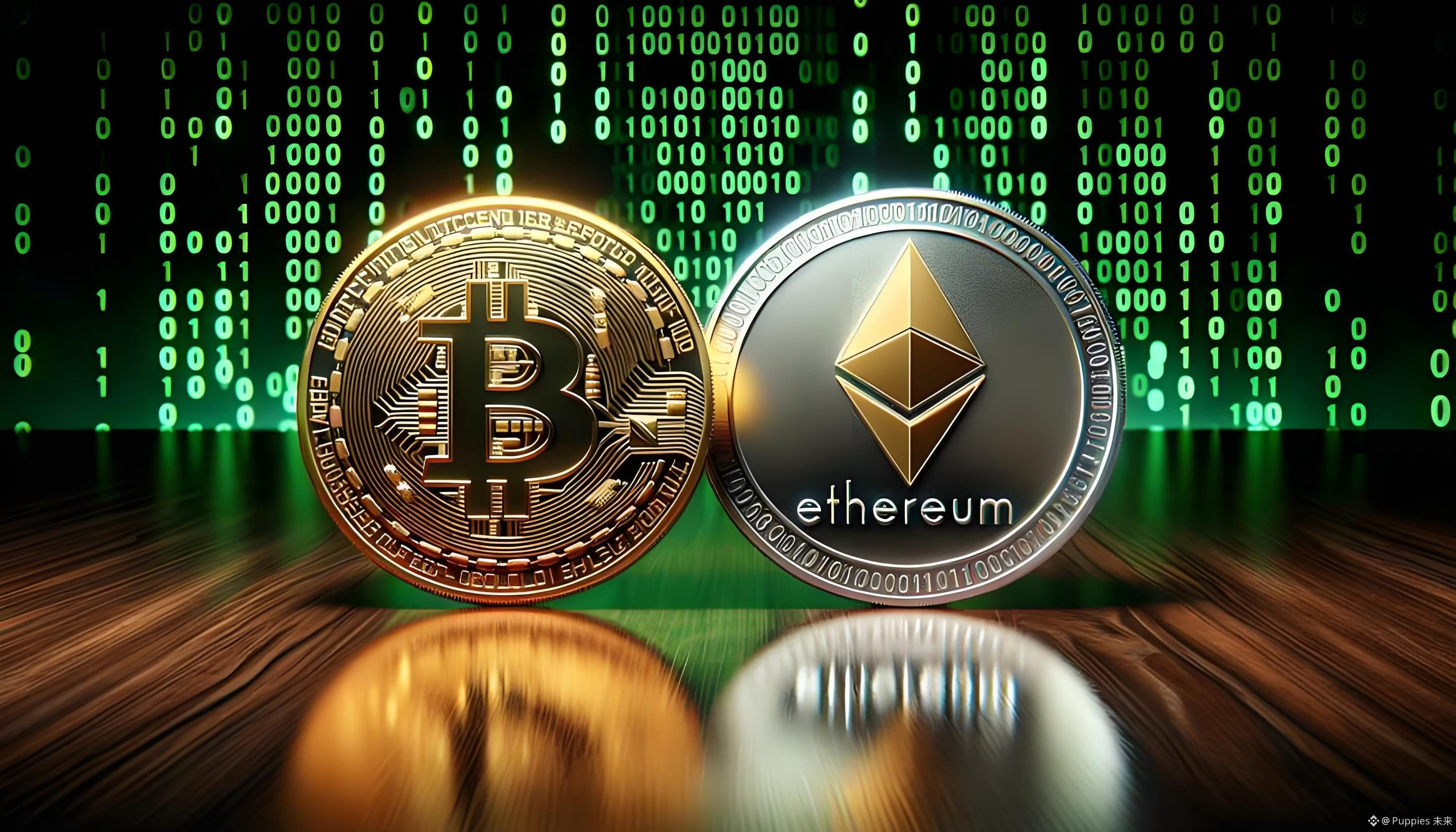
#美加关税战升级 #加密货币政策 #美伊互袭油轮冲突升级 encrypted crypto treasury enterprise Bitmine in the past week increased its holdings by 28,086 Ether, after which its Ether holdings have reached 5.93 million. It seems Ethereum is about to explode with $ETC $ZEC $POL
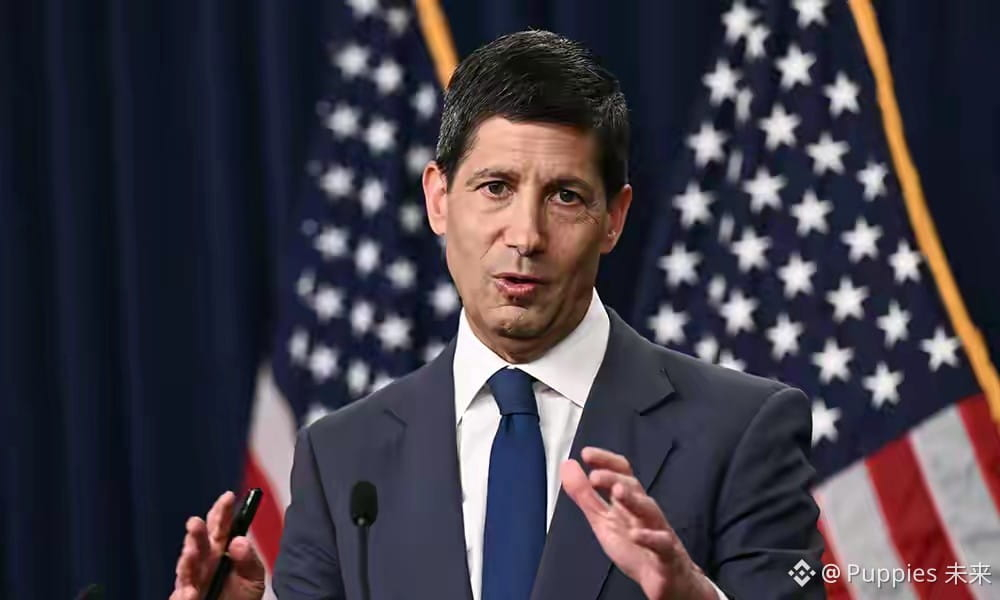
$QKC $QI $POP The new Fed chair has simply stopped talking, and global capital is completely confused
The most obvious thing he’s done since taking office isn’t raising rates or cutting them—it’s shutting up.
He’s cut the dot plot, stopped issuing the economic outlook, and his remarks have gotten shorter and shorter; if he can avoid speaking, he will. It’s clearly an attempt to learn Greenspan’s playbook: make you guess—if you guess wrong, it’s because you didn’t understand, not because I didn’t explain.
In plain terms, he also doesn’t dare to call this market’s direction too firmly. Oil prices have climbed from 91 to 98; U.S. gasoline prices are up 40%. And inflation is sticking like chewing gum. Even more bizarre: expectations were that AI would boost efficiency and reduce inflation, but the big models haven’t started making money yet—while compute capacity is burning electricity at a furious pace, pushing prices the other way.
Even inside the Fed, they haven’t argued out a clear stance. Outside, Japan may raise rates soon as well, and 30-year U.S. Treasury yields have surged to 5.34%. In a situation like this, whoever comes out and calls a clear direction is basically handing themselves over as a target.
So Waller—sorry, Wa-sh—chooses silence. It’s not embarrassing; if anything, it’s smart. But the problem is: the market is getting driven a little crazy by this kind of ambiguity.
U.S. stocks are choppy with shrinking volume, the bond market is wildly jumping around, and the probability of a September rate hike has already climbed to around 60%. Everyone is waiting for a clear signal. The less you speak, the more people wildly bet, and the bigger the volatility.
Greenspan could pull off the mystique back then because the broader environment was stable. Now, with high inflation, high interest rates, and high uncertainty, silence taken too far turns into manufacturing panic.
The September FOMC meeting is the truth-revealing mirror. Once the CPI comes out, he won’t be able to pretend to be silent anymore.
Bottom line: the Fed’s credibility has never relied on mystery—it relies on whether it can crush inflation and stabilize the economy. No matter how much wordplay there is, in the end it still has to be backed by real competence.
#美联储何时降息? #美联储降息 #美联储降息周期
The most obvious thing he’s done since taking office isn’t raising rates or cutting them—it’s shutting up.
He’s cut the dot plot, stopped issuing the economic outlook, and his remarks have gotten shorter and shorter; if he can avoid speaking, he will. It’s clearly an attempt to learn Greenspan’s playbook: make you guess—if you guess wrong, it’s because you didn’t understand, not because I didn’t explain.
In plain terms, he also doesn’t dare to call this market’s direction too firmly. Oil prices have climbed from 91 to 98; U.S. gasoline prices are up 40%. And inflation is sticking like chewing gum. Even more bizarre: expectations were that AI would boost efficiency and reduce inflation, but the big models haven’t started making money yet—while compute capacity is burning electricity at a furious pace, pushing prices the other way.
Even inside the Fed, they haven’t argued out a clear stance. Outside, Japan may raise rates soon as well, and 30-year U.S. Treasury yields have surged to 5.34%. In a situation like this, whoever comes out and calls a clear direction is basically handing themselves over as a target.
So Waller—sorry, Wa-sh—chooses silence. It’s not embarrassing; if anything, it’s smart. But the problem is: the market is getting driven a little crazy by this kind of ambiguity.
U.S. stocks are choppy with shrinking volume, the bond market is wildly jumping around, and the probability of a September rate hike has already climbed to around 60%. Everyone is waiting for a clear signal. The less you speak, the more people wildly bet, and the bigger the volatility.
Greenspan could pull off the mystique back then because the broader environment was stable. Now, with high inflation, high interest rates, and high uncertainty, silence taken too far turns into manufacturing panic.
The September FOMC meeting is the truth-revealing mirror. Once the CPI comes out, he won’t be able to pretend to be silent anymore.
Bottom line: the Fed’s credibility has never relied on mystery—it relies on whether it can crush inflation and stabilize the economy. No matter how much wordplay there is, in the end it still has to be backed by real competence.
#美联储何时降息? #美联储降息 #美联储降息周期
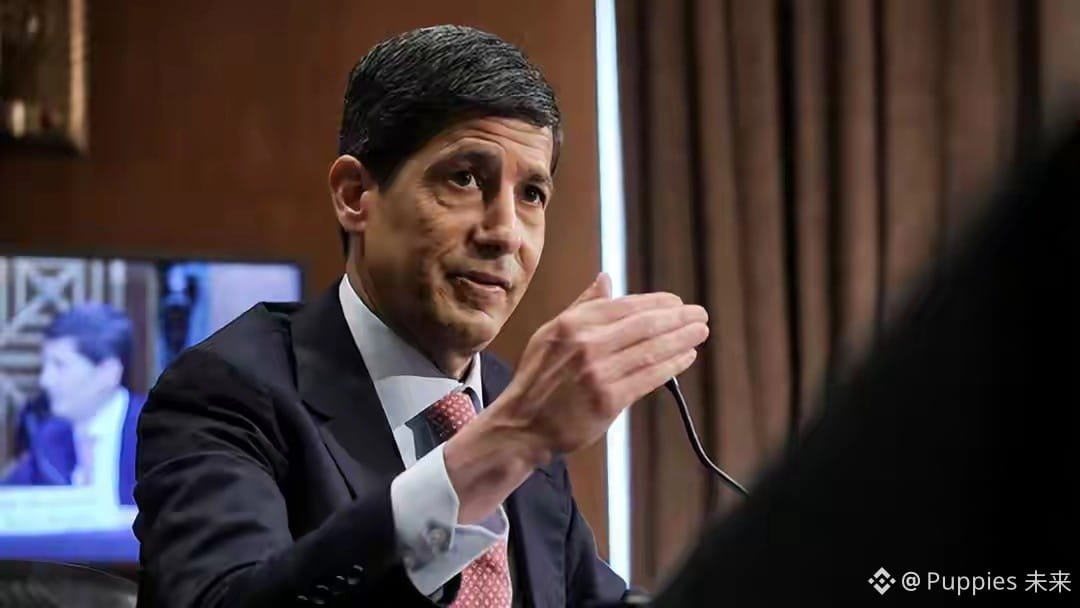
$QKC $QI $P Nonfarm payrolls are off the charts + Waller hawks again; UBS changes its tune: two more rate hikes this year!
Nonfarm payrolls at 162,000 and the unemployment rate at 4.1%. The moment the data came out, UBS immediately revised its forecast: 25 bp hikes in September and another 25 bp in December—50 bp total for the year. They previously said they wouldn’t hike; their face turned fast.
Waller had already signaled at Jackson Hole: if inflation won’t behave, they’ll keep hiking. Now, the CME market has priced in a 60% probability of a rate hike in September—investors are starting to take it seriously.
The real question isn’t whether they hike, but why. UBS laid out two scenarios: one is that AI capital expenditures surge, the economy stays strong, and earnings look good—then rate hikes are no big deal; the U.S. stock market can keep running, with AI, power, and resources still in play. The other scenario is sticky inflation, soft growth, and unemployment trending higher—then it’s rough, and both stocks and bonds get hit.
My view: in the short term, the U.S. dollar can probably still hold up a bit. Gold, however, is likely to get pressured by real yields—but holding gold longer term should be fine.
Next, don’t just watch nonfarm payrolls. The combination of the unemployment rate and inflation is what determines whether this will be a “benign” set of hikes or a stagflation squeeze. In this tape, be careful chasing; don’t rush into catching the bottom. Do you think they’ll hike in September? #美加关税战升级 #美伊互袭油轮冲突升级 #IMF称萨尔瓦多购币未用公共资金
Nonfarm payrolls at 162,000 and the unemployment rate at 4.1%. The moment the data came out, UBS immediately revised its forecast: 25 bp hikes in September and another 25 bp in December—50 bp total for the year. They previously said they wouldn’t hike; their face turned fast.
Waller had already signaled at Jackson Hole: if inflation won’t behave, they’ll keep hiking. Now, the CME market has priced in a 60% probability of a rate hike in September—investors are starting to take it seriously.
The real question isn’t whether they hike, but why. UBS laid out two scenarios: one is that AI capital expenditures surge, the economy stays strong, and earnings look good—then rate hikes are no big deal; the U.S. stock market can keep running, with AI, power, and resources still in play. The other scenario is sticky inflation, soft growth, and unemployment trending higher—then it’s rough, and both stocks and bonds get hit.
My view: in the short term, the U.S. dollar can probably still hold up a bit. Gold, however, is likely to get pressured by real yields—but holding gold longer term should be fine.
Next, don’t just watch nonfarm payrolls. The combination of the unemployment rate and inflation is what determines whether this will be a “benign” set of hikes or a stagflation squeeze. In this tape, be careful chasing; don’t rush into catching the bottom. Do you think they’ll hike in September? #美加关税战升级 #美伊互袭油轮冲突升级 #IMF称萨尔瓦多购币未用公共资金

@Aurora清瑜
is speaking[LIVE] 🎙️ Market moves start without you noticing. Are you on the train?
1.5k listens

$BNB $BR $B pretty dog girl starts live streaming and chats about dogs, come watch quickly hot 😁😁#美伊互袭油轮冲突升级 #SideSwap暂停Liquid服务 #加拿大拟对美商品加征15%至50%关税

水水puppies
·
--
[Ended] 🎙️ Today’s boring session haha
281 listens
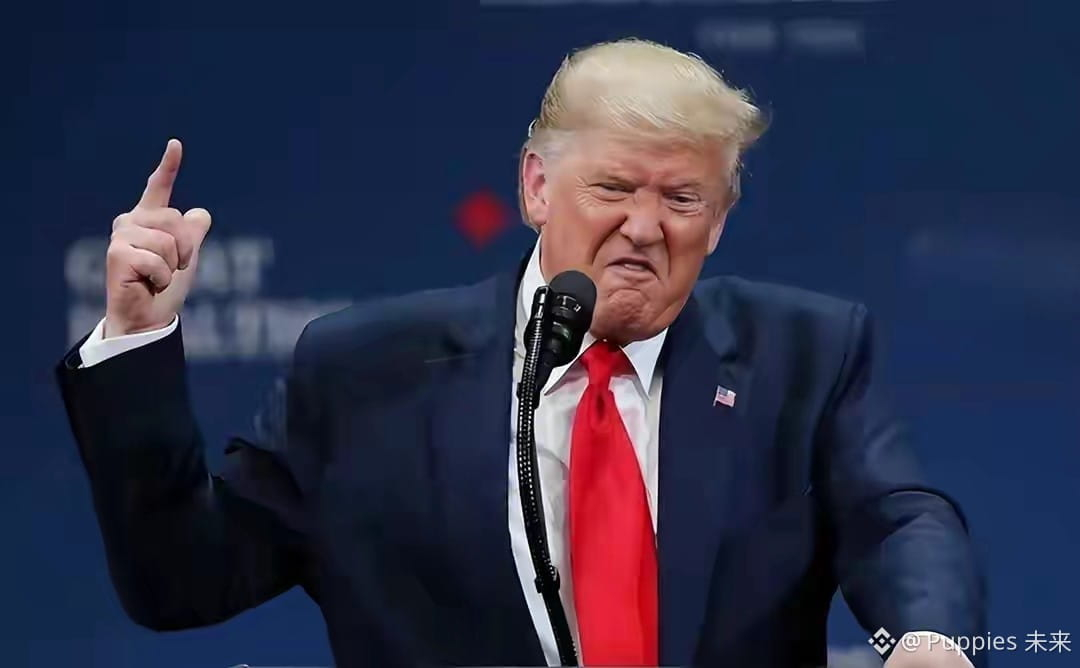
$DOGE $UNI $ZEC 16.2万, Trump’s face turned green with anger 😂
Market expectations were only 55,000, but it came in at 162,000—nearly triple. In June and July, they even revised up by another 55,000 in total; in July alone, they basically forcibly reshaped the figure from “a decrease of 23,000” into an “increase of 21,000” 🤡 The unemployment rate held steady at 4.1%, and the labor force participation rate rose to 61.6%, indicating more people are re-entering the job market—not just lying flat and dropping out of the statistics 📊
As soon as the data hit, markets bet that the probability of a rate hike in September jumped from 55% to 62% 📈
Trump instantly broke down and went on a direct call: The Fed should cut rates immediately! The U.S. should have the lowest interest rates in the world 😤 Then he issued the final ultimatum—either cut rates, or stop doing business with countries that run trade surpluses with the U.S. It’s a binary choice: cut, or close the door to the world 💸
But the real issue isn’t just that he’s ranting—it’s that the data really is strong enough to justify a rate hike. Employment is holding up despite high rates, and inflation hasn’t been brought down. Even Walsh said it himself: PCE year over year at 3.7%, core at 4.1%—the door to rate hikes is wide open 🔥 Trump pressures for cuts, but that could actually raise inflation and ultimately push the Fed to keep hiking. He doesn’t have room to care—he just needs to pay off the credit card first, and the midterm elections matter most 🗳️
Trump’s logic is crude: if the U.S. has good credit, shouldn’t it enjoy the lowest rates? He’s mixing up credit risk and policy interest rates. Central bank rates aren’t a country’s “grade”—they’re tools to manage demand and inflation 🔧 The hotter the economy, the higher inflation tends to be, and the more we need higher rates. He doesn’t get it—or he pretends not to 🤷
This jobs report also has some “air” in it. In the past 12 months, the average monthly increase was only 31,000; one industry—hospitality—alone added 59,000. And the statistics agency still has that old habit of “big revisions later on” 😅 But for now, employment resilience is strong and wages haven’t run out of control (hourly earnings: 0.3% month over month, 3.1% year over year). There’s no wage-price spiral. And inflation can’t be suppressed. In front of Walsh, it’s not a rate chart—it’s a life-or-death question of loyalty and independence: be Trump’s dog, or be the Fed’s person 🐶
If he caves, history books will only write this: a White House puppet, Kevin Walsh, cutting rates when employment is doing great—ruining the credibility of the dollar 🤦♂️
Chime in in the comments—what do you think he’ll choose? 👇#美伊互袭油轮冲突升级 #美加关税战升级 #日元突破155逼近年内新高
Market expectations were only 55,000, but it came in at 162,000—nearly triple. In June and July, they even revised up by another 55,000 in total; in July alone, they basically forcibly reshaped the figure from “a decrease of 23,000” into an “increase of 21,000” 🤡 The unemployment rate held steady at 4.1%, and the labor force participation rate rose to 61.6%, indicating more people are re-entering the job market—not just lying flat and dropping out of the statistics 📊
As soon as the data hit, markets bet that the probability of a rate hike in September jumped from 55% to 62% 📈
Trump instantly broke down and went on a direct call: The Fed should cut rates immediately! The U.S. should have the lowest interest rates in the world 😤 Then he issued the final ultimatum—either cut rates, or stop doing business with countries that run trade surpluses with the U.S. It’s a binary choice: cut, or close the door to the world 💸
But the real issue isn’t just that he’s ranting—it’s that the data really is strong enough to justify a rate hike. Employment is holding up despite high rates, and inflation hasn’t been brought down. Even Walsh said it himself: PCE year over year at 3.7%, core at 4.1%—the door to rate hikes is wide open 🔥 Trump pressures for cuts, but that could actually raise inflation and ultimately push the Fed to keep hiking. He doesn’t have room to care—he just needs to pay off the credit card first, and the midterm elections matter most 🗳️
Trump’s logic is crude: if the U.S. has good credit, shouldn’t it enjoy the lowest rates? He’s mixing up credit risk and policy interest rates. Central bank rates aren’t a country’s “grade”—they’re tools to manage demand and inflation 🔧 The hotter the economy, the higher inflation tends to be, and the more we need higher rates. He doesn’t get it—or he pretends not to 🤷
This jobs report also has some “air” in it. In the past 12 months, the average monthly increase was only 31,000; one industry—hospitality—alone added 59,000. And the statistics agency still has that old habit of “big revisions later on” 😅 But for now, employment resilience is strong and wages haven’t run out of control (hourly earnings: 0.3% month over month, 3.1% year over year). There’s no wage-price spiral. And inflation can’t be suppressed. In front of Walsh, it’s not a rate chart—it’s a life-or-death question of loyalty and independence: be Trump’s dog, or be the Fed’s person 🐶
If he caves, history books will only write this: a White House puppet, Kevin Walsh, cutting rates when employment is doing great—ruining the credibility of the dollar 🤦♂️
Chime in in the comments—what do you think he’ll choose? 👇#美伊互袭油轮冲突升级 #美加关税战升级 #日元突破155逼近年内新高
$P $DOGE $ST Gold’s “Great Migration,” crypto people should finally understand it🚨
Family members, the traditional finance world has just pulled off a big move—global central banks are busy moving gold from the United States back home, synchronized like they planned it.
The Netherlands recently shifted 86 tons of gold from New York to London. The reason is simple: when something happens, you can use it right away if it’s in your own hands. France is even more ruthless—of the 129 tons stored in the U.S., they effectively wiped it out. New York sold old gold bars, Europe bought new ones, and shipped them back to the country. They even netted another €12.8 billion in the process💸. Germany moved 674 tons back a few years ago, and Turkey and Poland are doing the same thing.
Isn’t this exactly that familiar crypto line: “Not your keys, not your coins”? Central banks finally get it—if gold is kept in someone else’s vault, you might not be able to take it out when it matters. So now everyone has learned the lesson: self-custody, distribute storage, same logic as us crypto folks withdrawing from exchanges to cold wallets😏.
Even more aggressive: while they’re moving gold, central banks are also going on a buying spree. In Q2, global central banks net-bought 288.9 tons, up 62% year over year—China’s central bank even posted a “22-month streak of increases.” Since global annual gold production is only about 3,500 tons, with this kind of buying, the amount circulating in the market keeps shrinking. Goldman Sachs and Citibank are still calling for year-end gold prices at $4,800 and $5,000📈. Isn’t this how big whales accumulate at the bottom? By the time retail investors react, the chips will be gone.
To be honest, gold and Bitcoin now follow the same narrative: distrust fiat currency systems, go for hard assets, and keep sovereign control. When the U.S. dollar’s “anchor” loosens and even U.S. Treasuries aren’t safe, central banks have no choice but to hold tight to gold. It’s something crypto people have already been doing—and now central banks are finally catching up🔥.
So don’t just watch the excitement—has your assets “come home”? Are the coins in exchanges something you should withdraw and manage yourself?🛡️
#黄金 #比特币预测 #央行囤金
Family members, the traditional finance world has just pulled off a big move—global central banks are busy moving gold from the United States back home, synchronized like they planned it.
The Netherlands recently shifted 86 tons of gold from New York to London. The reason is simple: when something happens, you can use it right away if it’s in your own hands. France is even more ruthless—of the 129 tons stored in the U.S., they effectively wiped it out. New York sold old gold bars, Europe bought new ones, and shipped them back to the country. They even netted another €12.8 billion in the process💸. Germany moved 674 tons back a few years ago, and Turkey and Poland are doing the same thing.
Isn’t this exactly that familiar crypto line: “Not your keys, not your coins”? Central banks finally get it—if gold is kept in someone else’s vault, you might not be able to take it out when it matters. So now everyone has learned the lesson: self-custody, distribute storage, same logic as us crypto folks withdrawing from exchanges to cold wallets😏.
Even more aggressive: while they’re moving gold, central banks are also going on a buying spree. In Q2, global central banks net-bought 288.9 tons, up 62% year over year—China’s central bank even posted a “22-month streak of increases.” Since global annual gold production is only about 3,500 tons, with this kind of buying, the amount circulating in the market keeps shrinking. Goldman Sachs and Citibank are still calling for year-end gold prices at $4,800 and $5,000📈. Isn’t this how big whales accumulate at the bottom? By the time retail investors react, the chips will be gone.
To be honest, gold and Bitcoin now follow the same narrative: distrust fiat currency systems, go for hard assets, and keep sovereign control. When the U.S. dollar’s “anchor” loosens and even U.S. Treasuries aren’t safe, central banks have no choice but to hold tight to gold. It’s something crypto people have already been doing—and now central banks are finally catching up🔥.
So don’t just watch the excitement—has your assets “come home”? Are the coins in exchanges something you should withdraw and manage yourself?🛡️
#黄金 #比特币预测 #央行囤金
$DOGE $SHIB $FLOKI
Family members, today we absolutely have to give our little dog 🐶 community a proper shout-out! ❤️
Not long ago, there was an earthquake in Venezuela. Seeing the news—houses collapsing, no water or electricity, adults and kids spending the night out on the streets—really made me feel awful. 😣 In the community chat, once everyone started talking, we all agreed that just watching wasn’t enough. We needed to do something real.
Even though we’re called the PP Dog, dog lovers understand the weight of life. This time, we decided not to limit it to our furry friends. We directly donated daily necessities to ordinary families affected by the disaster. Once we decided, we moved fast: the community fund urgently allocated money, and with members in different places transferring online to pool funds, we quickly purchased the most urgently needed items—drinking water, instant noodles, rice, infant formula, blankets, first-aid kits, and more. 📦
We connected with a reliable local Chinese association to help coordinate. A full truck of supplies was successfully delivered to the disaster area. A few days ago, we received the distribution photos—seeing mothers holding their children to receive water, and elderly people with canes receiving blankets. They smiled with thumbs-up gestures… and my eyes instantly got teary. 😭 Local volunteers said these might be the first organized batch of private relief they’ve received since the quake.
We’re not some big organization—just a group of ordinary people who love dogs, and also love this world. But when we gather together, we can hold up an umbrella. ☂️
Relief won’t stop. We’ll keep paying attention and continue doing more. If you also can’t stand suffering in the world, you’re welcome to join us. Liking and sharing is also a form of power—it helps more people know that the Little Dog community not only just loves to pet dogs, but also steps up when it matters. 🐾✨
#Puppies社区 #委内瑞拉救援 #人间有爱 #我们是一家人
Family members, today we absolutely have to give our little dog 🐶 community a proper shout-out! ❤️
Not long ago, there was an earthquake in Venezuela. Seeing the news—houses collapsing, no water or electricity, adults and kids spending the night out on the streets—really made me feel awful. 😣 In the community chat, once everyone started talking, we all agreed that just watching wasn’t enough. We needed to do something real.
Even though we’re called the PP Dog, dog lovers understand the weight of life. This time, we decided not to limit it to our furry friends. We directly donated daily necessities to ordinary families affected by the disaster. Once we decided, we moved fast: the community fund urgently allocated money, and with members in different places transferring online to pool funds, we quickly purchased the most urgently needed items—drinking water, instant noodles, rice, infant formula, blankets, first-aid kits, and more. 📦
We connected with a reliable local Chinese association to help coordinate. A full truck of supplies was successfully delivered to the disaster area. A few days ago, we received the distribution photos—seeing mothers holding their children to receive water, and elderly people with canes receiving blankets. They smiled with thumbs-up gestures… and my eyes instantly got teary. 😭 Local volunteers said these might be the first organized batch of private relief they’ve received since the quake.
We’re not some big organization—just a group of ordinary people who love dogs, and also love this world. But when we gather together, we can hold up an umbrella. ☂️
Relief won’t stop. We’ll keep paying attention and continue doing more. If you also can’t stand suffering in the world, you’re welcome to join us. Liking and sharing is also a form of power—it helps more people know that the Little Dog community not only just loves to pet dogs, but also steps up when it matters. 🐾✨
#Puppies社区 #委内瑞拉救援 #人间有爱 #我们是一家人


$SOPH $BR $X 😱Wow! UBS just flipped the script this time?
Earlier, they even insisted with their whole chest that the Fed would “stay put” this year. But on September 7, their latest forecast suddenly changed to—
25 bps hikes in September and another 25 bps in December🔥
That face slap happened way too fast😂 Wall Street’s predictions really are quicker than turning pages. They said “hold steady, don’t panic” just now, and the next minute they’re saying “keep hiking.” So, can someone please give us a straight answer?🤡
But if you think calmly, the signal behind this is actually pretty scary📉
If even UBS starts pivoting, it likely means inflation probably isn’t under control—or employment data is still too hot. Those Fed folks say they’re “looking at the data,” but in reality they’re taking it one step at a time. Nobody really has certainty in their heart.
For ordinary people, this is definitely not good news👇
📌 Mortgage, auto loan, and credit card interest rates may keep ticking higher
📌 The US dollar could strengthen again, while non‑USD currencies continue to feel pressure
📌 Risk appetite in the stock market will likely be dampened, especially for growth and tech stocks
📌 Emerging markets will have to shake as well🌍💸
Of course, some people think UBS is just casually adjusting expectations—after all, they were calling “stay put” for a full year, and it still wasn’t right🤷♂️ The Fed itself often slaps its own face, let alone an investment bank.
But one thing is certain: the market is about to start gaming out the “rate hikes not over yet” storyline again💥
Before the September policy meeting, all kinds of data will be blown up and interpreted—volatility is definitely not going to be small.
Do you think the Fed will really hike twice more back-to-back? Or is UBS just trying to make itself heard again? Drop your thoughts in the comments👇
Anyway, I already brought my popcorn🍿
👀#美伊互袭油轮冲突升级 #中国八大金融机构注资3600亿元 #SideSwap暂停Liquid服务
Earlier, they even insisted with their whole chest that the Fed would “stay put” this year. But on September 7, their latest forecast suddenly changed to—
25 bps hikes in September and another 25 bps in December🔥
That face slap happened way too fast😂 Wall Street’s predictions really are quicker than turning pages. They said “hold steady, don’t panic” just now, and the next minute they’re saying “keep hiking.” So, can someone please give us a straight answer?🤡
But if you think calmly, the signal behind this is actually pretty scary📉
If even UBS starts pivoting, it likely means inflation probably isn’t under control—or employment data is still too hot. Those Fed folks say they’re “looking at the data,” but in reality they’re taking it one step at a time. Nobody really has certainty in their heart.
For ordinary people, this is definitely not good news👇
📌 Mortgage, auto loan, and credit card interest rates may keep ticking higher
📌 The US dollar could strengthen again, while non‑USD currencies continue to feel pressure
📌 Risk appetite in the stock market will likely be dampened, especially for growth and tech stocks
📌 Emerging markets will have to shake as well🌍💸
Of course, some people think UBS is just casually adjusting expectations—after all, they were calling “stay put” for a full year, and it still wasn’t right🤷♂️ The Fed itself often slaps its own face, let alone an investment bank.
But one thing is certain: the market is about to start gaming out the “rate hikes not over yet” storyline again💥
Before the September policy meeting, all kinds of data will be blown up and interpreted—volatility is definitely not going to be small.
Do you think the Fed will really hike twice more back-to-back? Or is UBS just trying to make itself heard again? Drop your thoughts in the comments👇
Anyway, I already brought my popcorn🍿
👀#美伊互袭油轮冲突升级 #中国八大金融机构注资3600亿元 #SideSwap暂停Liquid服务
Verified
$P $UNI $FET 【🔥Has the Federal Reserve started to move? Two major data releases this week will decide your fate—are you ready for what’s coming?】
Friends, this week is definitely not an ordinary one!💥
The U.S. August non-farm payrolls came in way better than expected: 162,000 new jobs added, and the unemployment rate held steady at 4.1%. Markets originally thought the economy would cool off, but it turns out it’s doing just fine~
Now the expectation of a September rate hike has been reignited, with the probability once surging to nearly 60%!
But the real drama is the August PPI (to be released on September 10) and CPI (on September 11) this week. These two data points are the “final battle” that will determine whether the Federal Reserve will hike rates on September 15–16⚔️
If inflation remains stubborn, a 25-basis-point hike is basically a done deal. Don’t think it has nothing to do with you—credit card rates, student loan costs, and home equity loan borrowing expenses tied to floating rates will jump right along📈, and growth stocks in the equity market will also face pressure.
Even inside the Federal Reserve, things are getting heated—there are doves and hawks, and these two reports could directly tip the balance of the voting scale⚖️. Even more subtly, with midterm elections approaching, living costs are the voters’ top source of anxiety. This is exactly when raising rates becomes highly politically sensitive.
Is the economy strong enough to withstand a rate hike, or has inflation cooled to the point where they can wait a bit longer? We’ll know this week!👀
What do you think? Do you believe there will be a rate hike in September? Let’s chat in the comments👇
#美联储加息 #通胀 #美股
Friends, this week is definitely not an ordinary one!💥
The U.S. August non-farm payrolls came in way better than expected: 162,000 new jobs added, and the unemployment rate held steady at 4.1%. Markets originally thought the economy would cool off, but it turns out it’s doing just fine~
Now the expectation of a September rate hike has been reignited, with the probability once surging to nearly 60%!
But the real drama is the August PPI (to be released on September 10) and CPI (on September 11) this week. These two data points are the “final battle” that will determine whether the Federal Reserve will hike rates on September 15–16⚔️
If inflation remains stubborn, a 25-basis-point hike is basically a done deal. Don’t think it has nothing to do with you—credit card rates, student loan costs, and home equity loan borrowing expenses tied to floating rates will jump right along📈, and growth stocks in the equity market will also face pressure.
Even inside the Federal Reserve, things are getting heated—there are doves and hawks, and these two reports could directly tip the balance of the voting scale⚖️. Even more subtly, with midterm elections approaching, living costs are the voters’ top source of anxiety. This is exactly when raising rates becomes highly politically sensitive.
Is the economy strong enough to withstand a rate hike, or has inflation cooled to the point where they can wait a bit longer? We’ll know this week!👀
What do you think? Do you believe there will be a rate hike in September? Let’s chat in the comments👇
#美联储加息 #通胀 #美股

Aurora清瑜
·
--
[Replay] 🎙️ Market momentum is heating up—are you getting on board?
03 h 26 m 36 s · 1.1k listens
$AKE 🔥 What is the AKE coin? It’s up 100x and still climbing—everyone who bought is profiting?!
Recently, the hottest dark horse in the crypto world is none other than $AKE (AKEDO)!
💡 What exactly is AKE?
AKE is the native token of the AKEDO ecosystem, an AI game creation engine project built on a multi-agent system. Simply put, it lets you generate games quickly using natural language. It belongs to today’s hottest track: “AI + GameFi.” Total supply is 100 billion tokens, deployed on the BNB Chain.
🚀 How wild is the surge?
· From the bottom, it’s approached nearly 100x (10,000%)
· On July 16, it surged 291% in a single day, with trading volume over 2.6x the market value
· In the past week, it rose by more than 800%
· In the past month, it increased by 52x
⚠️ But the risks are enormous!
· Highly concentrated holdings: the top 100 addresses hold 98.82% of the tokens—whales are controlling the order book
· Extremely low circulating supply: circulating supply is only 22.79 billion out of a max supply of 100 billion. In the future, 31.5% of tokens will be unlocked, creating heavy selling pressure
· Suspected market-making team is running the play: they previously managed other coins like SIREN, and all of them surged more than 10x
· In early July, it was reportedly dumped down about 60%, making volatility extremely severe
📌 Summary: The explosive rally is real, but behind it is whale control + low liquidity + FOMO-driven sentiment. The concept sounds great, but the ecosystem’s functionality hasn’t fully materialized yet. This kind of coin pumps fast and drops even faster—be very careful when chasing price!
#AKE #加密货币 #百倍币
Recently, the hottest dark horse in the crypto world is none other than $AKE (AKEDO)!
💡 What exactly is AKE?
AKE is the native token of the AKEDO ecosystem, an AI game creation engine project built on a multi-agent system. Simply put, it lets you generate games quickly using natural language. It belongs to today’s hottest track: “AI + GameFi.” Total supply is 100 billion tokens, deployed on the BNB Chain.
🚀 How wild is the surge?
· From the bottom, it’s approached nearly 100x (10,000%)
· On July 16, it surged 291% in a single day, with trading volume over 2.6x the market value
· In the past week, it rose by more than 800%
· In the past month, it increased by 52x
⚠️ But the risks are enormous!
· Highly concentrated holdings: the top 100 addresses hold 98.82% of the tokens—whales are controlling the order book
· Extremely low circulating supply: circulating supply is only 22.79 billion out of a max supply of 100 billion. In the future, 31.5% of tokens will be unlocked, creating heavy selling pressure
· Suspected market-making team is running the play: they previously managed other coins like SIREN, and all of them surged more than 10x
· In early July, it was reportedly dumped down about 60%, making volatility extremely severe
📌 Summary: The explosive rally is real, but behind it is whale control + low liquidity + FOMO-driven sentiment. The concept sounds great, but the ecosystem’s functionality hasn’t fully materialized yet. This kind of coin pumps fast and drops even faster—be very careful when chasing price!
#AKE #加密货币 #百倍币
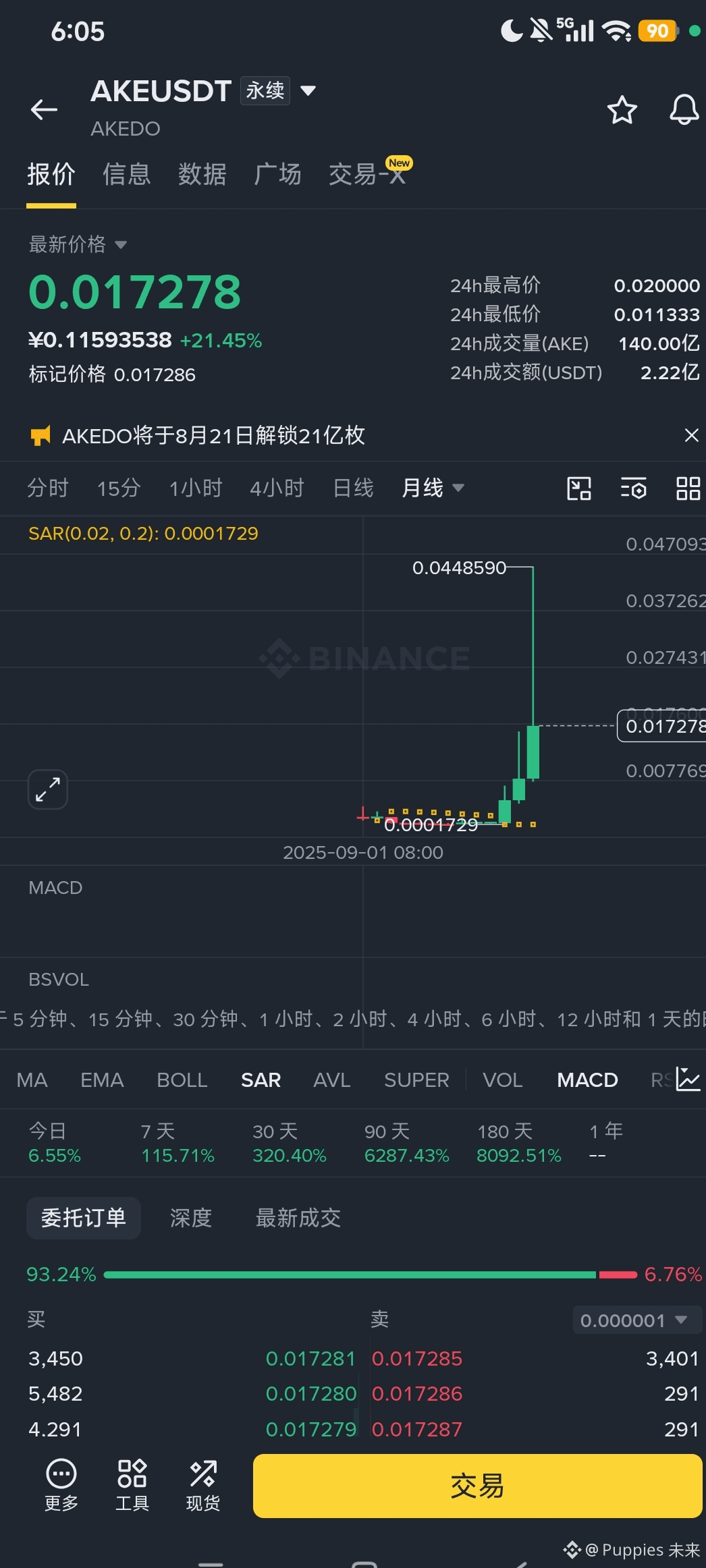
$ZEC $UNI $AKE
The Japanese yen surged 1.83% in a day—after a closer look, it’s starting to look a lot like the Bank of Japan “staging a surprise attack at the right moment” 🎯
The playbook isn’t complicated: every time the Bank of Japan intervenes, it targets the window when the U.S. dollar is weakening. A few days ago, weak U.S. ADP employment data came out—only 38,000 new jobs in August versus 48,000 expected. The U.S. dollar index promptly plummeted 📉. The Bank of Japan moved in the same direction, but the effect of the first wave was mediocre—the yen only rose slightly 😅
The real escalation came after remarks from Federal Reserve Governor Waller. At first, the market only focused on the dovish part. Then Waller added this line: if inflation is still “hot,” they’ll still raise rates 🔥 Many people missed that sentence. The market cut the probability of a September rate hike from 62% to 50%, and the U.S. dollar index fell 0.69% in a single day. Seeing an opportunity, the Bank of Japan hit harder right away—the yen jumped straight up 1.83%, back around 156 🚀
In plain terms, the Bank of Japan isn’t trying to reverse the exchange rate; it’s leveraging the move to amplify volatility—save a bit if you can 💰
Then the non-farm payrolls data came out, and the story flipped again 🔄 August added 162,000 jobs versus only 56,000 expected. June and July figures were also revised upward. So once again, “non-farm data isn’t reliable but has huge impact” proved true. The rate-hike probability, which had fallen back to 50%, climbed again to 58.1%. The dollar rebounded, the yen gave back its gains, and gold briefly dropped as much as 2% 🥶
Now all the focus is on next week’s U.S. August inflation data 👀
The Fed’s September meeting could be the most suspenseful one in nearly two years 🍿 Right now, six of the governors lean toward no rate hike, and five lean toward a hike. Powell hasn’t stated his position yet. If he votes to raise rates, it would be a 6–6 tie—since 1936, the Fed has never had a tie vote 😱 Waller also said that if the inflation data comes in hotter than expected, he will still support a rate hike.
And with midterm elections getting closer, Trump has been calling for rate cuts every day 🗣️—while at the same time there are rumors that someone may want to use rate hikes to hurt his election prospects. The waters are so muddy 🌊
So don’t rush to bet that September will definitely hike or definitely won’t. Even if they raise rates by 25 basis points by the end of the year, next year will most likely see those cuts come back again. Raising rates isn’t a pivot—it’s one step in the cycle of “saving the market.” Before next week’s inflation data comes out, don’t make any overly final calls 🤐#美伊互袭油轮冲突升级 #SideSwap暂停Liquid服务 #IMF称萨尔瓦多购币未用公共资金
The Japanese yen surged 1.83% in a day—after a closer look, it’s starting to look a lot like the Bank of Japan “staging a surprise attack at the right moment” 🎯
The playbook isn’t complicated: every time the Bank of Japan intervenes, it targets the window when the U.S. dollar is weakening. A few days ago, weak U.S. ADP employment data came out—only 38,000 new jobs in August versus 48,000 expected. The U.S. dollar index promptly plummeted 📉. The Bank of Japan moved in the same direction, but the effect of the first wave was mediocre—the yen only rose slightly 😅
The real escalation came after remarks from Federal Reserve Governor Waller. At first, the market only focused on the dovish part. Then Waller added this line: if inflation is still “hot,” they’ll still raise rates 🔥 Many people missed that sentence. The market cut the probability of a September rate hike from 62% to 50%, and the U.S. dollar index fell 0.69% in a single day. Seeing an opportunity, the Bank of Japan hit harder right away—the yen jumped straight up 1.83%, back around 156 🚀
In plain terms, the Bank of Japan isn’t trying to reverse the exchange rate; it’s leveraging the move to amplify volatility—save a bit if you can 💰
Then the non-farm payrolls data came out, and the story flipped again 🔄 August added 162,000 jobs versus only 56,000 expected. June and July figures were also revised upward. So once again, “non-farm data isn’t reliable but has huge impact” proved true. The rate-hike probability, which had fallen back to 50%, climbed again to 58.1%. The dollar rebounded, the yen gave back its gains, and gold briefly dropped as much as 2% 🥶
Now all the focus is on next week’s U.S. August inflation data 👀
The Fed’s September meeting could be the most suspenseful one in nearly two years 🍿 Right now, six of the governors lean toward no rate hike, and five lean toward a hike. Powell hasn’t stated his position yet. If he votes to raise rates, it would be a 6–6 tie—since 1936, the Fed has never had a tie vote 😱 Waller also said that if the inflation data comes in hotter than expected, he will still support a rate hike.
And with midterm elections getting closer, Trump has been calling for rate cuts every day 🗣️—while at the same time there are rumors that someone may want to use rate hikes to hurt his election prospects. The waters are so muddy 🌊
So don’t rush to bet that September will definitely hike or definitely won’t. Even if they raise rates by 25 basis points by the end of the year, next year will most likely see those cuts come back again. Raising rates isn’t a pivot—it’s one step in the cycle of “saving the market.” Before next week’s inflation data comes out, don’t make any overly final calls 🤐#美伊互袭油轮冲突升级 #SideSwap暂停Liquid服务 #IMF称萨尔瓦多购币未用公共资金
Verified
$DOGE $DOT $DOGS 🔥Federal Reserve Chair Powell, are you trying to be an “invisible man”?🔥
With the September 16 FOMC meeting less than 10 days away, the odds of a rate hike are still hovering around 50%—and the market is practically being driven crazy. So, who’s to blame for all this? Powell, the guy who’s supposedly determined to be the “most silent” Fed chair, has been in office for over a hundred days yet has only delivered a single public speech. His first address was delayed until Day 98—later than Volcker—and after that, he basically disappeared from public view. Even Bloomberg’s analysts are baffled: so you’ve been treating “not speaking like a human” as a protective charm?
Last week, the Jackson Hole symposium finally got him to open his mouth. The market immediately got excited: rate-hike expectations jumped from 36% to 58%. But if you listen closely, he’s still doing the verbal dance—he says he recognizes the 2% inflation target, he also oversees employment, and that short-term interest rates are a tool… but then what? How will the economy perform going forward? How will rates be adjusted? He doesn’t mention a thing! And he even calls it “not contaminating market expectations.” Wow. Every predecessor of yours relied on clear communication to reassure the market—yet you treat “forward guidance” like it’s a flood.
Now everyone is guessing: was this one-time outburst just a flash in the pan, or will it become the new norm? Powell knows exactly what’s going on inside his own mind—inflation is still high, and he’s determined to bring it back down to 2%. But if you don’t spell it out, and make the market guess riddles, is that really responsible? With only a few days left until the meeting, please—either speak plainly, or don’t blame the market for voting with its feet! This Fed, truly, is enough to make your head spin.👇👇👇
#美伊互袭油轮冲突升级 #IMF称萨尔瓦多购币未用公共资金 #SideSwap暂停Liquid服务
With the September 16 FOMC meeting less than 10 days away, the odds of a rate hike are still hovering around 50%—and the market is practically being driven crazy. So, who’s to blame for all this? Powell, the guy who’s supposedly determined to be the “most silent” Fed chair, has been in office for over a hundred days yet has only delivered a single public speech. His first address was delayed until Day 98—later than Volcker—and after that, he basically disappeared from public view. Even Bloomberg’s analysts are baffled: so you’ve been treating “not speaking like a human” as a protective charm?
Last week, the Jackson Hole symposium finally got him to open his mouth. The market immediately got excited: rate-hike expectations jumped from 36% to 58%. But if you listen closely, he’s still doing the verbal dance—he says he recognizes the 2% inflation target, he also oversees employment, and that short-term interest rates are a tool… but then what? How will the economy perform going forward? How will rates be adjusted? He doesn’t mention a thing! And he even calls it “not contaminating market expectations.” Wow. Every predecessor of yours relied on clear communication to reassure the market—yet you treat “forward guidance” like it’s a flood.
Now everyone is guessing: was this one-time outburst just a flash in the pan, or will it become the new norm? Powell knows exactly what’s going on inside his own mind—inflation is still high, and he’s determined to bring it back down to 2%. But if you don’t spell it out, and make the market guess riddles, is that really responsible? With only a few days left until the meeting, please—either speak plainly, or don’t blame the market for voting with its feet! This Fed, truly, is enough to make your head spin.👇👇👇
#美伊互袭油轮冲突升级 #IMF称萨尔瓦多购币未用公共资金 #SideSwap暂停Liquid服务
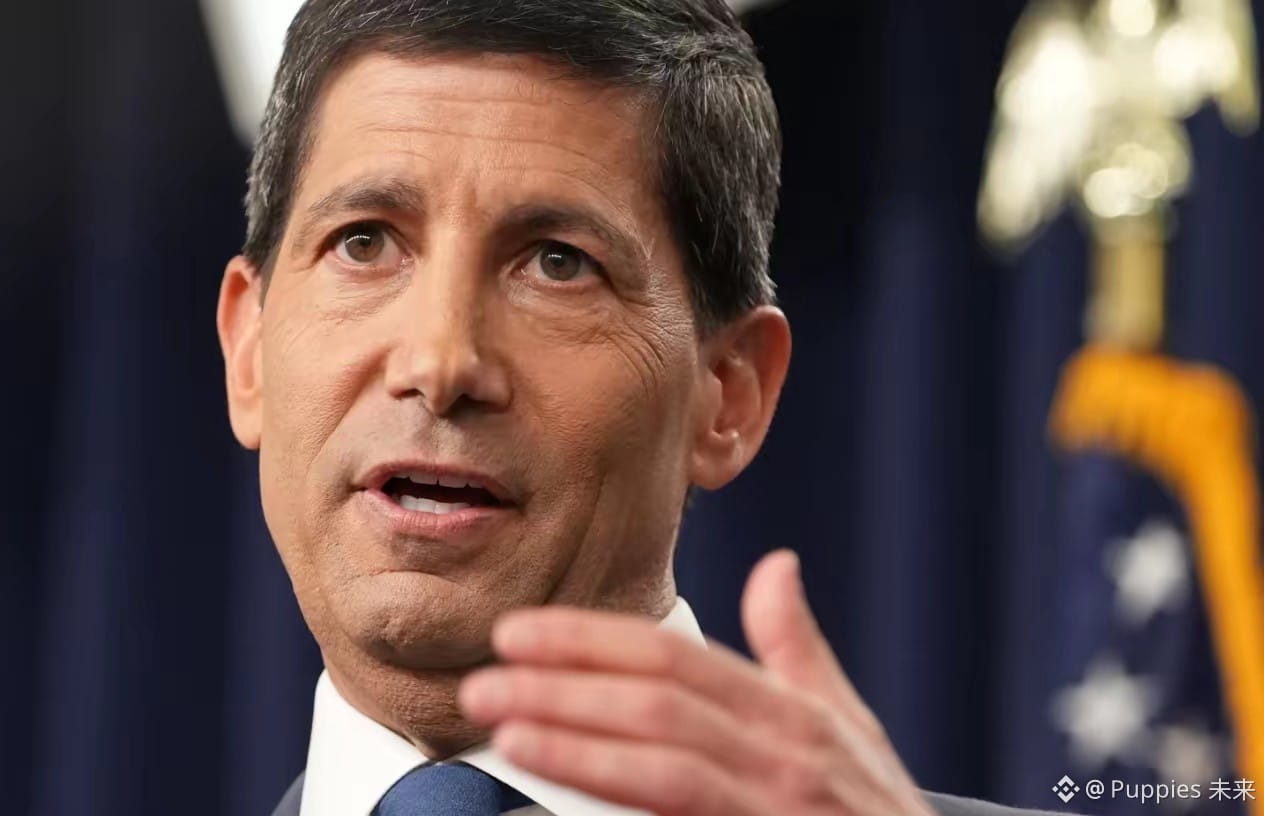
$ZEC $DOGE $FIL
With the midterm elections coming up, Trump is anxiously setting fires everywhere 🔥🤡. On the Iranian side, they claim they’re doing “destructive pressure” in words, but in reality, their bombers head straight for nuclear facilities—after the strike, they casually say “don’t be nervous” 😅. Unfortunately for Washington, Americans aren’t buying it this time—oil prices have surged to record highs ⛽, and diesel is almost $6 per gallon; strategic petroleum reserves have even dropped back to the level of 1982 📉. The Republicans look calm on the surface, but inside they’re panicking like crazy 😰.
With the Middle East not yet sorted out, the U.S. signed a big deal with Venezuela again 🇻🇪, claiming it has secured control over proven oil reserves totaling 65 billion barrels 🛢️. Trump can’t wait for the whole world to hear it—only for one of his former envoys to pour cold water: doesn’t this essentially mean giving away 20% of the reserves? A think tank added fuel to the fire: the contract is full of traps 🕳️. Venezuelans aren’t fools either; they took to the streets and hit back—“Those white people are here to steal oil.” Nicely phrased it’s called cooperation; bluntly, it’s no different from a burglary 🏚️.
Talk of “controlling the straits” and “investments of hundreds of billions” is, in the end, just pretty talk meant to deliver data for the midterm elections 🗳️. While the Middle East is stuck in the mud, the U.S. goes to play new-colonialism in Latin America—same shell, just continuing the extraction. The problem is: if Venezuela wants to increase production, they need to smash down astronomical amounts of money 💰, and the timeline is painfully long—so who will foot the bill of hundreds of billions of dollars? Trump says taxpayers won’t pay a single cent—then where does the money come from 🤷? No one can keep that lie straight.
The playbook is too familiar: cause trouble elsewhere, divert attention; sign a big deal, pretend the economy is fine; dump the mess, then walk away. The so-called back-and-forth between “war and peace” is just a customized reality show 🎭. Voters aren’t props, but the people running the show think you are.
They’re acting their hearts out, and we can see it clearly 👀. All we can hope is that Venezuelans remember this—some people are signing agreements on Twitter, while others are just trying to live day to day on the land 🌾, and these two things have never been the same. 🙃#美伊互袭油轮冲突升级 #IMF称萨尔瓦多购币未用公共资金 #美国空袭伊朗油轮德黑兰限制霍尔木兹海峡
With the midterm elections coming up, Trump is anxiously setting fires everywhere 🔥🤡. On the Iranian side, they claim they’re doing “destructive pressure” in words, but in reality, their bombers head straight for nuclear facilities—after the strike, they casually say “don’t be nervous” 😅. Unfortunately for Washington, Americans aren’t buying it this time—oil prices have surged to record highs ⛽, and diesel is almost $6 per gallon; strategic petroleum reserves have even dropped back to the level of 1982 📉. The Republicans look calm on the surface, but inside they’re panicking like crazy 😰.
With the Middle East not yet sorted out, the U.S. signed a big deal with Venezuela again 🇻🇪, claiming it has secured control over proven oil reserves totaling 65 billion barrels 🛢️. Trump can’t wait for the whole world to hear it—only for one of his former envoys to pour cold water: doesn’t this essentially mean giving away 20% of the reserves? A think tank added fuel to the fire: the contract is full of traps 🕳️. Venezuelans aren’t fools either; they took to the streets and hit back—“Those white people are here to steal oil.” Nicely phrased it’s called cooperation; bluntly, it’s no different from a burglary 🏚️.
Talk of “controlling the straits” and “investments of hundreds of billions” is, in the end, just pretty talk meant to deliver data for the midterm elections 🗳️. While the Middle East is stuck in the mud, the U.S. goes to play new-colonialism in Latin America—same shell, just continuing the extraction. The problem is: if Venezuela wants to increase production, they need to smash down astronomical amounts of money 💰, and the timeline is painfully long—so who will foot the bill of hundreds of billions of dollars? Trump says taxpayers won’t pay a single cent—then where does the money come from 🤷? No one can keep that lie straight.
The playbook is too familiar: cause trouble elsewhere, divert attention; sign a big deal, pretend the economy is fine; dump the mess, then walk away. The so-called back-and-forth between “war and peace” is just a customized reality show 🎭. Voters aren’t props, but the people running the show think you are.
They’re acting their hearts out, and we can see it clearly 👀. All we can hope is that Venezuelans remember this—some people are signing agreements on Twitter, while others are just trying to live day to day on the land 🌾, and these two things have never been the same. 🙃#美伊互袭油轮冲突升级 #IMF称萨尔瓦多购币未用公共资金 #美国空袭伊朗油轮德黑兰限制霍尔木兹海峡
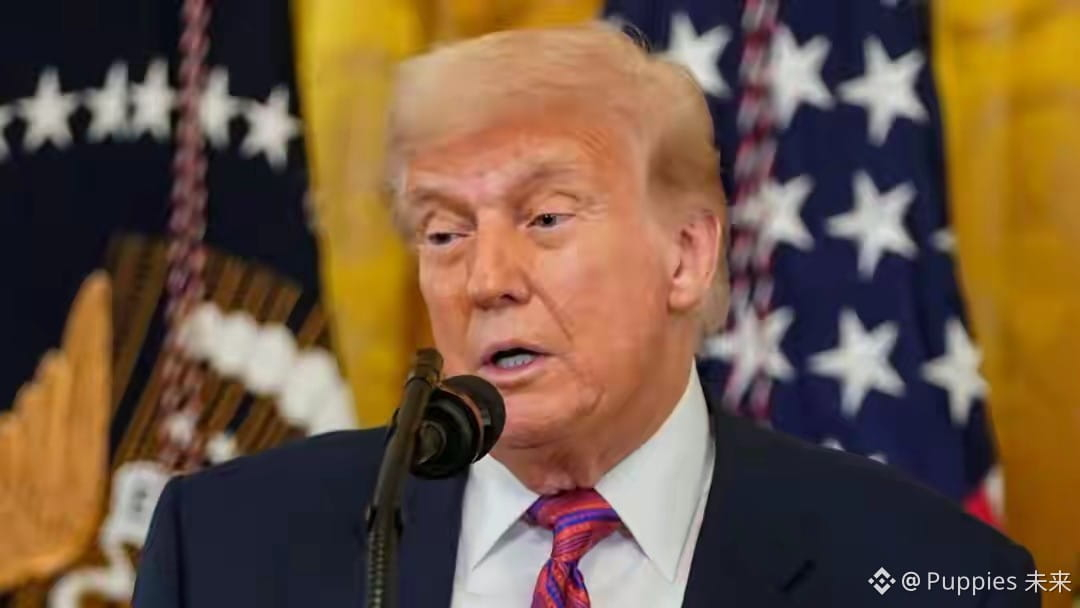
$DOGE $PEPE $SHIB There is no such thing as a free lunch in the world; only by continuously building can you live up to the chips you've staked.#美伊互袭油轮冲突升级 #Zcash周涨45%创2016年来新高 #美国空袭伊朗油轮德黑兰限制霍尔木兹海峡
Aurora清瑜
·
--
[Replay] 🎙️ The Market Outlook Is About to Arrive — The Layout Has Already Begun!
04 h 40 m 37 s · 2.8k listens
$CATI $DOGE $牛来 🔥 Musk’s latest outrageous claim: By the end of 2027, AI will do all computer work! Programmers collectively “graduate”? 🤯
The boss of X was back at it at the G20 summit:
By the end of 2027, AI will handle all jobs in the “digital domain.” Accounting, editing, design, analysis... anything that doesn’t involve physically handling real-world objects is on the list.
The harshest take is on programming — Musk said AI code-writing will reach “Stockfish level” next year. Stockfish is the chess software that can run on a phone and still comfortably beat the world champion. In other words: when humans compete with AI at writing code, it’ll end the same way a world champion would against a phone in chess.
Programmers, shake with fear 👨💻💀
He also casually dropped a bunch of big numbers:
· 🤖 Within 10 years, humanoid robots will surpass 1 billion units; one robot will equal five people, and total productivity will exceed that of all humanity
· 💰 AI will add $20 trillion to $30 trillion to the global economy each year
· ⚡ But by 2027, AI chips will face an electricity shortfall of at least 15 gigawatts
In plain English: office workers will be replaced before assembly-line workers. Cracking exams and sitting in an office? Sorry, you’re first in line.
Still, don’t panic too much — Musk’s timelines are often delayed. But the direction is already very clear: in the future, what matters won’t be hand-writing code, but whether you know how to use AI.
So the question is: who will pocket the extra $20 trillion to $30 trillion cake each year?
#马斯克 #程序员 #2027预言 #人工智能
The boss of X was back at it at the G20 summit:
By the end of 2027, AI will handle all jobs in the “digital domain.” Accounting, editing, design, analysis... anything that doesn’t involve physically handling real-world objects is on the list.
The harshest take is on programming — Musk said AI code-writing will reach “Stockfish level” next year. Stockfish is the chess software that can run on a phone and still comfortably beat the world champion. In other words: when humans compete with AI at writing code, it’ll end the same way a world champion would against a phone in chess.
Programmers, shake with fear 👨💻💀
He also casually dropped a bunch of big numbers:
· 🤖 Within 10 years, humanoid robots will surpass 1 billion units; one robot will equal five people, and total productivity will exceed that of all humanity
· 💰 AI will add $20 trillion to $30 trillion to the global economy each year
· ⚡ But by 2027, AI chips will face an electricity shortfall of at least 15 gigawatts
In plain English: office workers will be replaced before assembly-line workers. Cracking exams and sitting in an office? Sorry, you’re first in line.
Still, don’t panic too much — Musk’s timelines are often delayed. But the direction is already very clear: in the future, what matters won’t be hand-writing code, but whether you know how to use AI.
So the question is: who will pocket the extra $20 trillion to $30 trillion cake each year?
#马斯克 #程序员 #2027预言 #人工智能

$BNB $ETH $ZEC Only by understanding the moment Sun Yuchen lowered his head can one truly understand the real rules of the crypto world. The whole internet is eating up the gossip, seeing only the 30 million dispute, but no one sees the power struggle behind it: this lively drama is all about the game at the top of the circle.
For the storm between Jing Tian and Sun Yuchen, many people thought that once the money issue was settled, it would be over. But for a dispute of this scale, a surface-level settlement is only a fig leaf.
Sun Yuchen previously spoke out loudly and insisted on filing a lawsuit, but then quickly cooled down and chose to keep quiet. It wasn’t a sudden act of conscience, but rather a signal received from within the industry. The big brother publicly spoke up, advising both sides to proceed through the legal process rationally and respect each other. Those words carry a lot of weight, and Sun Yuchen immediately said he would not say more. The big brother’s influence is getting bigger and bigger 😁
People in the circle know very well that his business cannot do without top platform resources. Once the platform tightens its support, the capital flow and valuation of the projects under his umbrella will suffer a severe blow, with losses hard to estimate. He loves hype, but he is never foolish; he knows best how to read the situation.
Ordinary people stare at the trending drama of love and hate, while insiders are watching the balance of resources and power. This incident may seem to be over, but in fact it has sounded the alarm: no matter how good someone is at creating momentum, once they cross the line, the rules will naturally rein them in. Popularity will eventually fade; respecting the rules and knowing when to stop is the real foundation for long-term survival.#俄乌同时宣布停火3天 #美国空袭伊朗油轮德黑兰限制霍尔木兹海峡 #美伊互袭油轮冲突升级
For the storm between Jing Tian and Sun Yuchen, many people thought that once the money issue was settled, it would be over. But for a dispute of this scale, a surface-level settlement is only a fig leaf.
Sun Yuchen previously spoke out loudly and insisted on filing a lawsuit, but then quickly cooled down and chose to keep quiet. It wasn’t a sudden act of conscience, but rather a signal received from within the industry. The big brother publicly spoke up, advising both sides to proceed through the legal process rationally and respect each other. Those words carry a lot of weight, and Sun Yuchen immediately said he would not say more. The big brother’s influence is getting bigger and bigger 😁
People in the circle know very well that his business cannot do without top platform resources. Once the platform tightens its support, the capital flow and valuation of the projects under his umbrella will suffer a severe blow, with losses hard to estimate. He loves hype, but he is never foolish; he knows best how to read the situation.
Ordinary people stare at the trending drama of love and hate, while insiders are watching the balance of resources and power. This incident may seem to be over, but in fact it has sounded the alarm: no matter how good someone is at creating momentum, once they cross the line, the rules will naturally rein them in. Popularity will eventually fade; respecting the rules and knowing when to stop is the real foundation for long-term survival.#俄乌同时宣布停火3天 #美国空袭伊朗油轮德黑兰限制霍尔木兹海峡 #美伊互袭油轮冲突升级

Verified
$ZEC $DOGE $牛来 The Federal Reserve's policy shift has sparked global attention, and whether September will bring a rate hike is becoming the market's most nerve-wracking question 🤯. CME FedWatch shows the probability of a rate hike at the September 15-16 meeting has risen to 50%, effectively neck and neck with no change in policy. After new Chair Kevin Warsh took office in May, he quickly reversed the policy tone, not only scrapping forward guidance but also publicly stressing that “price stability” is the top priority at present. U.S. inflation rose to 4.2% in May, a three-year high, driven by tariffs and the lingering effects of the Iran war, fueling the continued spread of “Trumpflation.” Although the Federal Reserve's statutory mandate includes maximum employment, in the face of price pressures, the employment goal has temporarily taken a back seat 🔥.
The history of the past 36 years has poured cold water on optimists. Carson Investment Research analyzed six rate-hiking cycles since 1990, with an average interval of 4.4 years between each round. In five of those cycles, the first hike was 25 basis points; the S&P 500 fell 100% of the time within one month after the hike and 80% within three months, with an average decline of 2.7%. The only cycle that began with a large 50-basis-point hike had even grimmer consequences — three months, six months, and even one year later, the S&P 500 all posted double-digit percentage declines 💥. In other words, whether gradual or aggressive, short-term equities rarely escape the pain, and history has repeatedly confirmed the destructive power of the early stage of rate hikes.
What is even trickier now is that rate hikes could interrupt the AI-driven rally 🤖. Many AI infrastructure projects rely on debt financing, and rising borrowing costs will directly delay construction while putting even more pressure on already elevated technology valuations. At present, AI-related stocks generally trade at price-to-earnings ratios in historically high percentiles; if financing conditions tighten, the pressure for valuation re-rating could be significant. If a September hike really happens, not only will overall risk appetite come under pressure, but the AI sector will also face a double hit from “valuation compression” and “financing difficulties” ⚠️. Investors should now closely watch inflation data, every word Warsh says, and whether the FOMC really dares to pull the trigger before prices have clearly cooled. September's rate puzzle is bound to be bumpy — fasten your seatbelt 🎢.
The history of the past 36 years has poured cold water on optimists. Carson Investment Research analyzed six rate-hiking cycles since 1990, with an average interval of 4.4 years between each round. In five of those cycles, the first hike was 25 basis points; the S&P 500 fell 100% of the time within one month after the hike and 80% within three months, with an average decline of 2.7%. The only cycle that began with a large 50-basis-point hike had even grimmer consequences — three months, six months, and even one year later, the S&P 500 all posted double-digit percentage declines 💥. In other words, whether gradual or aggressive, short-term equities rarely escape the pain, and history has repeatedly confirmed the destructive power of the early stage of rate hikes.
What is even trickier now is that rate hikes could interrupt the AI-driven rally 🤖. Many AI infrastructure projects rely on debt financing, and rising borrowing costs will directly delay construction while putting even more pressure on already elevated technology valuations. At present, AI-related stocks generally trade at price-to-earnings ratios in historically high percentiles; if financing conditions tighten, the pressure for valuation re-rating could be significant. If a September hike really happens, not only will overall risk appetite come under pressure, but the AI sector will also face a double hit from “valuation compression” and “financing difficulties” ⚠️. Investors should now closely watch inflation data, every word Warsh says, and whether the FOMC really dares to pull the trigger before prices have clearly cooled. September's rate puzzle is bound to be bumpy — fasten your seatbelt 🎢.

Partly True
$ZEC $DOGE $ETH Nonfarm payrolls exceeded expectations, boosting expectations for Federal Reserve rate hikes; the Nikkei 225 jumped 2%, and Citi pushed back the timing of rate cuts significantly to 2027
On September 7, the Nikkei 225 rose 2% to 66,341.69 points, and the MSCI Asia Pacific Index gained 1% to 282.08 points. Japanese chip-related stocks surged, with Kioxia up 7.3%, SoftBank Group up 5.4%, and Lasertec up 8.2%. The 30-year Japanese government bond yield rose 1.0 basis point to 3.975%.
In terms of news, U.S. nonfarm payrolls increased by 162,000 in August, compared with an estimate of 55,000 and a previous decline of 23,000; the U.S. unemployment rate in August was 4.1%, in line with both the estimate and the previous reading. Traders increased bets on a Federal Reserve rate hike in September, with cumulative rate hikes by the Fed expected to reach about 38 basis points by year-end.
U.S. President Trump said interest rates should be 1% or 0.5%; rate hikes cannot ensure stability in the bond market. The Fed watcher said solid August employment data removed a major obstacle on the path to rate hikes.
Citi (C.US) has significantly delayed its forecast for the timing of Fed rate cuts, and now expects the Fed to cut rates by 25 basis points each in June, September, and December 2027, versus its previous forecast of October and December 2026 and January 2027.
#ZEC续刷历史新高 #BinanceAlpha将上线CNPY并开放空投 #比特币ETF创1月以来最大单日流入
On September 7, the Nikkei 225 rose 2% to 66,341.69 points, and the MSCI Asia Pacific Index gained 1% to 282.08 points. Japanese chip-related stocks surged, with Kioxia up 7.3%, SoftBank Group up 5.4%, and Lasertec up 8.2%. The 30-year Japanese government bond yield rose 1.0 basis point to 3.975%.
In terms of news, U.S. nonfarm payrolls increased by 162,000 in August, compared with an estimate of 55,000 and a previous decline of 23,000; the U.S. unemployment rate in August was 4.1%, in line with both the estimate and the previous reading. Traders increased bets on a Federal Reserve rate hike in September, with cumulative rate hikes by the Fed expected to reach about 38 basis points by year-end.
U.S. President Trump said interest rates should be 1% or 0.5%; rate hikes cannot ensure stability in the bond market. The Fed watcher said solid August employment data removed a major obstacle on the path to rate hikes.
Citi (C.US) has significantly delayed its forecast for the timing of Fed rate cuts, and now expects the Fed to cut rates by 25 basis points each in June, September, and December 2027, versus its previous forecast of October and December 2026 and January 2027.
#ZEC续刷历史新高 #BinanceAlpha将上线CNPY并开放空投 #比特币ETF创1月以来最大单日流入
$ZEC $DOGE $DOT The Federal Reserve has completely changed! Warsh dropped a bombshell at Jackson Hole: farewell to “forward guidance rate hikes,” and a shift toward “disciplined, camera-based decision-making.”
The core message is just one sentence: the Fed will no longer promise a future interest rate path; everything will depend on the data, and it will not back down until inflation falls to 2%. The era of stabilizing markets with talk alone is over. What comes next is a quieter, more hawkish, and less predictable Federal Reserve.
Why the change? Because the times have changed. AI investment is surging, supply chains are reshoring, and the energy crisis is reshaping the US economy from “low growth, low inflation” to “high investment, high inflation.” Warsh said plainly: inflation has broadened, with more than 54% of goods and services rising over 3%; this is not temporary.
Markets were shocked, with the probability of a September rate hike jumping to 60%. But the real challenge is Warsh himself: fiscal policy is flooding the system and pushing down long-term interest rates, while the Fed wants to use high rates to suppress demand. Inside the Fed, three officials are openly opposed, and Trump could pressure them at any time before the midterm elections.
Warsh’s dilemma: he must rebuild credibility while surviving between the three mountains of inflation, fiscal policy, and politics. In the short term, the quieter the Fed becomes, the more frenzied the market will be. 🪑#ZEC市值超越DOGE #ZEC续刷历史新高 #美国8月新增就业16.2万近预期三倍
The core message is just one sentence: the Fed will no longer promise a future interest rate path; everything will depend on the data, and it will not back down until inflation falls to 2%. The era of stabilizing markets with talk alone is over. What comes next is a quieter, more hawkish, and less predictable Federal Reserve.
Why the change? Because the times have changed. AI investment is surging, supply chains are reshoring, and the energy crisis is reshaping the US economy from “low growth, low inflation” to “high investment, high inflation.” Warsh said plainly: inflation has broadened, with more than 54% of goods and services rising over 3%; this is not temporary.
Markets were shocked, with the probability of a September rate hike jumping to 60%. But the real challenge is Warsh himself: fiscal policy is flooding the system and pushing down long-term interest rates, while the Fed wants to use high rates to suppress demand. Inside the Fed, three officials are openly opposed, and Trump could pressure them at any time before the midterm elections.
Warsh’s dilemma: he must rebuild credibility while surviving between the three mountains of inflation, fiscal policy, and politics. In the short term, the quieter the Fed becomes, the more frenzied the market will be. 🪑#ZEC市值超越DOGE #ZEC续刷历史新高 #美国8月新增就业16.2万近预期三倍
Aurora清瑜
·
--
[Replay] 🎙️ Happy Monday, the market is here
03 h 50 m 30 s · 1.5k listens
Log in to explore more content