
NE Insights
227 Posts

NE Insights
🧠 Cripto e IA sem complicação.📰 Notícias, análises e contexto.🤝 Aprendendo e evoluindo juntos.
19 Following
50 Followers
398 Liked
Posts
🚨 20.992 ETH has just entered Coinbase Institutional.
The transfer is worth about US$$ 52.9 million.
🐋 A wallet classified as unknown sent the entire volume to the institutional platform.
In practice, a whale deposit to an exchange can indicate a sale, a hedge, or another operation.
But hold on: the move alone does not confirm a sale.
📊 What matters now is tracking the ETH, the volume, and the next moves from this wallet.
Selling pressure or just cash movement?
ℹ️ Informational content based on publicly available data on the blockchain and on information available as of the publication date. The interpretation presented does not constitute financial advice.
The transfer is worth about US$$ 52.9 million.
🐋 A wallet classified as unknown sent the entire volume to the institutional platform.
In practice, a whale deposit to an exchange can indicate a sale, a hedge, or another operation.
But hold on: the move alone does not confirm a sale.
📊 What matters now is tracking the ETH, the volume, and the next moves from this wallet.
Selling pressure or just cash movement?
ℹ️ Informational content based on publicly available data on the blockchain and on information available as of the publication date. The interpretation presented does not constitute financial advice.
Bitcoin (BTC) consolidates after a strong rally as ETFs maintain positive flows
📈 The $BTC lost momentum.
After reaching the US$ 80 thousand–US$ 81 thousand region, the market entered consolidation.
💰 But there’s a catch.
U.S. spot Bitcoin ETFs are keeping a streak of inflows.
That’s eight straight sessions with positive flow.
This keeps institutional demand on the radar. 👀
⚡ The recent surge also gained steam with the closing of short positions.
A short squeeze helped accelerate the move.
🏦 Now, the macro picture moves back to center stage.
The market is watching the next signals from the Federal Reserve.
Jackson Hole is the next key event to watch.
📊 And on the chart?
The US$ 80 thousand–US$ 81 thousand range remains a battleground zone.
Meanwhile, US$ 78 thousand is coming into focus as support.
🧠 The point is:
Price cooled off.
But institutional flow is still drawing attention.
The next confirmation depends on how BTC reacts in these areas.
Hype or trap? 👀
📰 Market News
ℹ️ 𝘾𝙤𝙣𝙩𝙞𝙣𝙪𝙚𝙙 𝙞𝙣𝙛𝙤𝙧𝙢𝙖𝙩𝙞𝙫𝙚 𝙘𝙤𝙣𝙩𝙚𝙣𝙩 𝙗𝙖𝙨𝙚𝙙 𝙤𝙣 𝙞𝙣𝙛𝙤𝙧𝙢𝙖𝙩𝙞𝙤𝙣 𝙥𝙪𝙗𝙡𝙞𝙨𝙝𝙚𝙙 𝙞𝙣 𝙩𝙝𝙚 𝙥𝙪𝙗𝙡𝙞𝙘 𝙙𝙤𝙢𝙖𝙞𝙣.
📈 The $BTC lost momentum.
After reaching the US$ 80 thousand–US$ 81 thousand region, the market entered consolidation.
💰 But there’s a catch.
U.S. spot Bitcoin ETFs are keeping a streak of inflows.
That’s eight straight sessions with positive flow.
This keeps institutional demand on the radar. 👀
⚡ The recent surge also gained steam with the closing of short positions.
A short squeeze helped accelerate the move.
🏦 Now, the macro picture moves back to center stage.
The market is watching the next signals from the Federal Reserve.
Jackson Hole is the next key event to watch.
📊 And on the chart?
The US$ 80 thousand–US$ 81 thousand range remains a battleground zone.
Meanwhile, US$ 78 thousand is coming into focus as support.
🧠 The point is:
Price cooled off.
But institutional flow is still drawing attention.
The next confirmation depends on how BTC reacts in these areas.
Hype or trap? 👀
📰 Market News
ℹ️ 𝘾𝙤𝙣𝙩𝙞𝙣𝙪𝙚𝙙 𝙞𝙣𝙛𝙤𝙧𝙢𝙖𝙩𝙞𝙫𝙚 𝙘𝙤𝙣𝙩𝙚𝙣𝙩 𝙗𝙖𝙨𝙚𝙙 𝙤𝙣 𝙞𝙣𝙛𝙤𝙧𝙢𝙖𝙩𝙞𝙤𝙣 𝙥𝙪𝙗𝙡𝙞𝙨𝙝𝙚𝙙 𝙞𝙣 𝙩𝙝𝙚 𝙥𝙪𝙗𝙡𝙞𝙘 𝙙𝙤𝙢𝙖𝙞𝙣.
🏦 People are looking at stablecoins. The risk may be in tokenized deposits.
The Dallas Fed warns that tokenization can make banking money much easier to move around.
And here everything changes.
Tokenized deposits can be transferred in nearly real time and, unlike stablecoins like USDT and USDC, can be issued by banks and pay interest.
💰 In practice, the customer gains more ease to move cash in search of a better rate.
But there’s one detail.
The faster the money switches banks, the less “stuck” the deposit becomes.
That could squeeze one of banks’ main sources of funding: the money used to support loans.
📊 The Dallas Fed estimates that a 10% increase in the sensitivity of deposits to interest rates could reduce the banking system’s capacity to absorb interest-rate risk by about US$ 700 billion.
And if the average deposit term shortens by 10%, the estimated loss in the capacity to transform maturities reaches US$ 580 billion.
The point is: tokenizing money doesn’t only change payment speed. It can change credit dynamics.
🔎 Now it matters to watch how banks and regulators handle this new mobility of capital.
❓Does tokenization make the financial system more efficient or more unstable?
ℹ️ Informational content based on publicly available information as of the publication date.
$USDT $USDC #Stablecoins #Tokenization #Blockchain #Crypto
The Dallas Fed warns that tokenization can make banking money much easier to move around.
And here everything changes.
Tokenized deposits can be transferred in nearly real time and, unlike stablecoins like USDT and USDC, can be issued by banks and pay interest.
💰 In practice, the customer gains more ease to move cash in search of a better rate.
But there’s one detail.
The faster the money switches banks, the less “stuck” the deposit becomes.
That could squeeze one of banks’ main sources of funding: the money used to support loans.
📊 The Dallas Fed estimates that a 10% increase in the sensitivity of deposits to interest rates could reduce the banking system’s capacity to absorb interest-rate risk by about US$ 700 billion.
And if the average deposit term shortens by 10%, the estimated loss in the capacity to transform maturities reaches US$ 580 billion.
The point is: tokenizing money doesn’t only change payment speed. It can change credit dynamics.
🔎 Now it matters to watch how banks and regulators handle this new mobility of capital.
❓Does tokenization make the financial system more efficient or more unstable?
ℹ️ Informational content based on publicly available information as of the publication date.
$USDT $USDC #Stablecoins #Tokenization #Blockchain #Crypto
🐋 How the whales moved ETH.
While Ethereum consolidates a strong recovery, 27.591 ETH leave an unknown wallet and arrive at Coinbase Institutional.
💰 That’s about US$ 67,4 million in ETH.
But hold on: a deposit to an exchange doesn’t mean a sale is confirmed.
It could be custody, liquidation, or preparation for a transaction.
🔎 The point is this: if those ETH start moving again, the flow becomes even more important.
ETH remains strong.
But this kind of transfer adds a new variable to the game.
Hype or trap?
ℹ️ 𝗦𝗼𝘂𝗿𝗰𝗲 𝗶𝗻𝗳𝗼𝗿𝗺𝗮𝘁𝗶𝗼𝗻 𝗯𝗮𝘀𝗲𝗱 𝗼𝗻 𝗱𝗮𝘁𝗮 𝗳𝗿𝗼𝗺 𝗽𝘂𝗯𝗹𝗶𝗰𝗹𝘆 𝗮𝘃𝗮𝗶𝗹𝗮𝗯𝗹𝗲 𝗽𝘂𝗯𝗹𝗶𝗰 𝗱𝗮𝘁𝗮 𝘀𝗲𝘁 𝗼𝘂𝘁 𝗕𝘆 𝗽𝗿𝗼𝘃𝗶𝗱𝗲𝗿𝘀. 𝗧𝗵𝗲 𝗶𝗻𝘁𝗲𝗿𝗽𝗿𝗲𝘁𝗮𝘁𝗶𝗼𝗻 𝗱𝗼𝗲𝘀 𝗻𝗼𝘁 𝗰𝗼𝗻𝘀𝘁𝗶𝘁𝘂𝗲 𝗳𝗶𝗻𝗮𝗻𝗰𝗶𝗮𝗹 𝗮𝗱𝘃𝗶𝗰𝗲.
While Ethereum consolidates a strong recovery, 27.591 ETH leave an unknown wallet and arrive at Coinbase Institutional.
💰 That’s about US$ 67,4 million in ETH.
But hold on: a deposit to an exchange doesn’t mean a sale is confirmed.
It could be custody, liquidation, or preparation for a transaction.
🔎 The point is this: if those ETH start moving again, the flow becomes even more important.
ETH remains strong.
But this kind of transfer adds a new variable to the game.
Hype or trap?
ℹ️ 𝗦𝗼𝘂𝗿𝗰𝗲 𝗶𝗻𝗳𝗼𝗿𝗺𝗮𝘁𝗶𝗼𝗻 𝗯𝗮𝘀𝗲𝗱 𝗼𝗻 𝗱𝗮𝘁𝗮 𝗳𝗿𝗼𝗺 𝗽𝘂𝗯𝗹𝗶𝗰𝗹𝘆 𝗮𝘃𝗮𝗶𝗹𝗮𝗯𝗹𝗲 𝗽𝘂𝗯𝗹𝗶𝗰 𝗱𝗮𝘁𝗮 𝘀𝗲𝘁 𝗼𝘂𝘁 𝗕𝘆 𝗽𝗿𝗼𝘃𝗶𝗱𝗲𝗿𝘀. 𝗧𝗵𝗲 𝗶𝗻𝘁𝗲𝗿𝗽𝗿𝗲𝘁𝗮𝘁𝗶𝗼𝗻 𝗱𝗼𝗲𝘀 𝗻𝗼𝘁 𝗰𝗼𝗻𝘀𝘁𝗶𝘁𝘂𝗲 𝗳𝗶𝗻𝗮𝗻𝗰𝗶𝗮𝗹 𝗮𝗱𝘃𝗶𝗰𝗲.
🔥 BMT, PORTAL and EDEN gained traction on Binance.
The move stands out for its flow and volume.
🧠 $BMT
Is the most aggressive standout.
Strong volume + acceleration of the move puts the token at the center of the FOMO.
🎮 $PORTAL
Gained momentum and entered the radar.
Now what matters is sustaining the move and how the volume behaves.
🏛️ $EDEN
Also gained traction.
The question is simple: is there enough flow to keep the move going?
📊 The common point
All three attract attention, but the chart still needs to confirm strength.
Volume, liquidity, and Open Interest help separate real flow from FOMO.
👀 Now the fight is all about volume.
Which of the three shows the firmer structure?
📈 𝗧𝗲𝗰𝗵𝗻𝗶𝗰𝗮𝗹 𝗔𝗻𝗮𝗹𝘆𝘀𝗶𝘀
ℹ️ 𝗧𝗵𝗶𝘀 𝗰𝗼𝗻𝘁𝗲𝗻𝘁 𝗽𝗿𝗼𝘃𝗶𝗱𝗲𝘀 𝗴𝗲𝗻𝗲𝗿𝗮𝗹 𝗶𝗻𝗳𝗼𝗿𝗺𝗮𝘁𝗶𝗼𝗻 𝗮𝗻𝗱 𝗲𝗱𝘂𝗰𝗮𝘁𝗶𝗼𝗻𝗮𝗹. 𝗜𝘁 𝗱𝗼𝗲𝘀 𝗻𝗼𝘁 𝗰𝗼𝗻𝘀𝘁𝗶𝘁𝘂𝘁𝗲 𝗮 𝗿𝗲𝗰𝗼𝗺𝗺𝗲𝗻𝗱𝗮𝘁𝗶𝗼𝗻 𝗼𝗳 𝘄𝗵𝗮𝘁 𝘁𝗼 𝗯𝘂𝘆, 𝘀𝗲𝗹𝗹 𝗼𝗿 𝗶𝗻𝘃𝗲𝘀𝘁.
The move stands out for its flow and volume.
🧠 $BMT
Is the most aggressive standout.
Strong volume + acceleration of the move puts the token at the center of the FOMO.
🎮 $PORTAL
Gained momentum and entered the radar.
Now what matters is sustaining the move and how the volume behaves.
🏛️ $EDEN
Also gained traction.
The question is simple: is there enough flow to keep the move going?
📊 The common point
All three attract attention, but the chart still needs to confirm strength.
Volume, liquidity, and Open Interest help separate real flow from FOMO.
👀 Now the fight is all about volume.
Which of the three shows the firmer structure?
📈 𝗧𝗲𝗰𝗵𝗻𝗶𝗰𝗮𝗹 𝗔𝗻𝗮𝗹𝘆𝘀𝗶𝘀
ℹ️ 𝗧𝗵𝗶𝘀 𝗰𝗼𝗻𝘁𝗲𝗻𝘁 𝗽𝗿𝗼𝘃𝗶𝗱𝗲𝘀 𝗴𝗲𝗻𝗲𝗿𝗮𝗹 𝗶𝗻𝗳𝗼𝗿𝗺𝗮𝘁𝗶𝗼𝗻 𝗮𝗻𝗱 𝗲𝗱𝘂𝗰𝗮𝘁𝗶𝗼𝗻𝗮𝗹. 𝗜𝘁 𝗱𝗼𝗲𝘀 𝗻𝗼𝘁 𝗰𝗼𝗻𝘀𝘁𝗶𝘁𝘂𝘁𝗲 𝗮 𝗿𝗲𝗰𝗼𝗺𝗺𝗲𝗻𝗱𝗮𝘁𝗶𝗼𝗻 𝗼𝗳 𝘄𝗵𝗮𝘁 𝘁𝗼 𝗯𝘂𝘆, 𝘀𝗲𝗹𝗹 𝗼𝗿 𝗶𝗻𝘃𝗲𝘀𝘁.
📉 The market lost momentum. And some levels started to wobble.
Bitcoin is back to testing US$ 78 thousand.
SOL lost US$ 100.
BNB fell below US$ 700.
ZEC lost US$ 800.
The drop is still moderate across the market overall.
Total market capitalization is down about 0.4%, but altcoins show a much bigger spread.
And here’s the detail.
🐋 While the market slides, Garrett Jin increased his long position by 600 BTC.
The wallet reached 1,868 BTC, with an average price near US$ 77.090.
So: the pullback didn’t push all the big money away.
On ZEC, the story is different.
After the rally that pushed the asset above US$ 800, the drop may be showing profit-taking following the strong surge.
Meanwhile, BNB is back to losing US$ 700.
This level gained strength with the narrative involving Binance’s expansion in the US. Now, the reaction below it becomes a point of attention.
🎯 The game is still open.
Will BTC hold the range?
Or will liquidity start to evaporate?
📰 Market News
ℹ️ 𝗖𝗼𝗻𝘁𝗲𝘂́𝗱𝗼 𝗶𝗻𝗳𝗼𝗿𝗺𝗮𝘁𝗶𝘃𝗼 𝗯𝗮𝘀𝗲𝗮𝗱𝗼 𝗲𝗺 𝗶𝗻𝗳𝗼𝗿𝗺𝗮𝗰̧𝗼̃𝗲𝘀 𝗽𝘂́𝗯𝗹𝗶𝗰𝗮𝘀 𝗱𝗶𝘀𝗽𝗼𝗻𝗶́𝘃𝗲𝗶𝘀 𝗻𝗮 𝗱𝗮𝘁𝗮 𝗱𝗮 𝗽𝘂𝗯𝗹𝗶𝗰𝗮𝗰̧𝗮̃𝗼.
#Bitcoin #BTC #BNB #SOL #ZEC #Crypto #BinanceSquare
Bitcoin is back to testing US$ 78 thousand.
SOL lost US$ 100.
BNB fell below US$ 700.
ZEC lost US$ 800.
The drop is still moderate across the market overall.
Total market capitalization is down about 0.4%, but altcoins show a much bigger spread.
And here’s the detail.
🐋 While the market slides, Garrett Jin increased his long position by 600 BTC.
The wallet reached 1,868 BTC, with an average price near US$ 77.090.
So: the pullback didn’t push all the big money away.
On ZEC, the story is different.
After the rally that pushed the asset above US$ 800, the drop may be showing profit-taking following the strong surge.
Meanwhile, BNB is back to losing US$ 700.
This level gained strength with the narrative involving Binance’s expansion in the US. Now, the reaction below it becomes a point of attention.
🎯 The game is still open.
Will BTC hold the range?
Or will liquidity start to evaporate?
📰 Market News
ℹ️ 𝗖𝗼𝗻𝘁𝗲𝘂́𝗱𝗼 𝗶𝗻𝗳𝗼𝗿𝗺𝗮𝘁𝗶𝘃𝗼 𝗯𝗮𝘀𝗲𝗮𝗱𝗼 𝗲𝗺 𝗶𝗻𝗳𝗼𝗿𝗺𝗮𝗰̧𝗼̃𝗲𝘀 𝗽𝘂́𝗯𝗹𝗶𝗰𝗮𝘀 𝗱𝗶𝘀𝗽𝗼𝗻𝗶́𝘃𝗲𝗶𝘀 𝗻𝗮 𝗱𝗮𝘁𝗮 𝗱𝗮 𝗽𝘂𝗯𝗹𝗶𝗰𝗮𝗰̧𝗮̃𝗼.
#Bitcoin #BTC #BNB #SOL #ZEC #Crypto #BinanceSquare
GLMR reacted. But the point is different now. 👀
After a heavy run of sell-offs, the token is once again showing strength near the lows.
📈 The buyer showed up.
The move is getting attention because it’s happening alongside the new Moonbeam phase on Base, with a focus on AI Agents.
🤖 The narrative changed.
🌐 The network changed.
📊 Now the chart needs to confirm.
The point is simple: a reaction is not a reversal.
To turn the bounce into a stronger recovery, the market needs to show volume, demand, and resistance breakouts.
🔥 If that appears, GLMR can gain traction.
⚠️ If volume dries up, the move may turn into just another bounce inside the downtrend.
And here’s the question:
Is GLMR building a recovery, or setting up a new trap?
$GLMR · Base · AI Agents
📈 Technical Analysis
ℹ️ 𝗧𝗵𝗶𝘀 𝗶𝘀 𝗰𝗼𝗻𝘁𝗶𝗻𝘂𝗶𝗻𝗴 𝗽𝗼𝘀𝘀𝘂𝗲𝗱 𝗰𝗮𝗿𝗲𝗳𝘂𝗹𝗹𝘆 𝘄𝗶𝘁𝗵 𝗶𝗻𝗳𝗼𝗿𝗺𝗮𝘁𝗶𝗼𝗻 𝗮𝗻𝗱 𝗲𝗱𝘂𝗰𝗮𝘁𝗶𝗼𝗻𝗮𝗹 𝗽𝘂𝗿𝗽𝗼𝘀𝗲𝘀. 𝗡𝗼 𝗳𝗶𝗻𝗮𝗻𝗰𝗶𝗮𝗹 𝗿𝗲𝗰𝗼𝗺𝗺𝗲𝗻𝗱𝗮𝘁𝗶𝗼𝗻 𝗼𝗿 𝗮𝗻𝘆 𝘁𝘆𝗽𝗲 𝗼𝗳 𝗽𝘂𝗿𝗰𝗵𝗮𝘀𝗲, 𝘀𝗮𝗹𝗲, 𝗼𝗿 𝗶𝗻𝘃𝗲𝘀𝘁𝗺𝗲𝗻𝘁.
After a heavy run of sell-offs, the token is once again showing strength near the lows.
📈 The buyer showed up.
The move is getting attention because it’s happening alongside the new Moonbeam phase on Base, with a focus on AI Agents.
🤖 The narrative changed.
🌐 The network changed.
📊 Now the chart needs to confirm.
The point is simple: a reaction is not a reversal.
To turn the bounce into a stronger recovery, the market needs to show volume, demand, and resistance breakouts.
🔥 If that appears, GLMR can gain traction.
⚠️ If volume dries up, the move may turn into just another bounce inside the downtrend.
And here’s the question:
Is GLMR building a recovery, or setting up a new trap?
$GLMR · Base · AI Agents
📈 Technical Analysis
ℹ️ 𝗧𝗵𝗶𝘀 𝗶𝘀 𝗰𝗼𝗻𝘁𝗶𝗻𝘂𝗶𝗻𝗴 𝗽𝗼𝘀𝘀𝘂𝗲𝗱 𝗰𝗮𝗿𝗲𝗳𝘂𝗹𝗹𝘆 𝘄𝗶𝘁𝗵 𝗶𝗻𝗳𝗼𝗿𝗺𝗮𝘁𝗶𝗼𝗻 𝗮𝗻𝗱 𝗲𝗱𝘂𝗰𝗮𝘁𝗶𝗼𝗻𝗮𝗹 𝗽𝘂𝗿𝗽𝗼𝘀𝗲𝘀. 𝗡𝗼 𝗳𝗶𝗻𝗮𝗻𝗰𝗶𝗮𝗹 𝗿𝗲𝗰𝗼𝗺𝗺𝗲𝗻𝗱𝗮𝘁𝗶𝗼𝗻 𝗼𝗿 𝗮𝗻𝘆 𝘁𝘆𝗽𝗲 𝗼𝗳 𝗽𝘂𝗿𝗰𝗵𝗮𝘀𝗲, 𝘀𝗮𝗹𝗲, 𝗼𝗿 𝗶𝗻𝘃𝗲𝘀𝘁𝗺𝗲𝗻𝘁.
🤖 HOLO gains attention. But the point isn’t just AI hype.
Holoworld AI expands the use of HoloLaunch on the Robinhood Chain, focusing on IP-linked tokens and AI agents.
⚡ In the first few minutes, more than 100 tokens are launched on-chain.
🔎 In practice, the news brings AI Agents closer to real blockchain operations.
Agents can create accounts, research the market, and execute operations autonomously.
📊 But there’s another side.
The AI Agents + Crypto narrative attracts fast inflows, but the market still needs to show whether this activity creates sustainable demand or just short-term speculation.
👀 Now, volume and the chart’s reaction carry more weight.
Hype or real use?
$HOLO
ℹ️ Continue reading: informative information is based on publicly available disclosures in data from the public reporting.
Holoworld AI expands the use of HoloLaunch on the Robinhood Chain, focusing on IP-linked tokens and AI agents.
⚡ In the first few minutes, more than 100 tokens are launched on-chain.
🔎 In practice, the news brings AI Agents closer to real blockchain operations.
Agents can create accounts, research the market, and execute operations autonomously.
📊 But there’s another side.
The AI Agents + Crypto narrative attracts fast inflows, but the market still needs to show whether this activity creates sustainable demand or just short-term speculation.
👀 Now, volume and the chart’s reaction carry more weight.
Hype or real use?
$HOLO
ℹ️ Continue reading: informative information is based on publicly available disclosures in data from the public reporting.
Verified
🚨 $ONG woke up.
The token gained strong traction in the past few days, with higher volume and volatility well above normal.
⚙️ The trigger came from the MainNet v3.1.2 update.
Ontology has gained new EVM compatibility, increasing expectations for network usage.
📈 But there’s one detail.
After a move like that, FOMO also kicks in. And when liquidity is thinner, price can accelerate in both directions.
📊 Now another thing matters: volume and price reaction.
Is the move building strength, or has the FOMO already turned into a trap?
👀 And there’s another token that started catching my attention: $HOLO
But it deserves its own post.
📰 𝗖𝗼𝗻𝘁𝗶𝗻𝘂𝗲́𝗱𝗼 𝗶𝗻𝗳𝗼𝗿𝗺𝗮𝘁𝗶𝘃𝗼 𝗯𝗮𝘀𝗲𝗮𝗱𝗼 𝗲𝗺 𝗶𝗻𝗳𝗼𝗿𝗺𝗮𝗰̧𝗼̃𝗲𝘀 𝗽𝘂́𝗯𝗹𝗶𝗰𝗮𝘀 𝗱𝗶𝘀𝗽𝗼𝗻𝗶́𝘃𝗲𝗶𝘀 𝗻𝗮 𝗱𝗮𝘁𝗮 𝗱𝗮 𝗽𝘂𝗯𝗹𝗶𝗰𝗮̧𝗮̃𝗼.
#ONG #Ontology #Crypto #BinanceSquare
The token gained strong traction in the past few days, with higher volume and volatility well above normal.
⚙️ The trigger came from the MainNet v3.1.2 update.
Ontology has gained new EVM compatibility, increasing expectations for network usage.
📈 But there’s one detail.
After a move like that, FOMO also kicks in. And when liquidity is thinner, price can accelerate in both directions.
📊 Now another thing matters: volume and price reaction.
Is the move building strength, or has the FOMO already turned into a trap?
👀 And there’s another token that started catching my attention: $HOLO
But it deserves its own post.
📰 𝗖𝗼𝗻𝘁𝗶𝗻𝘂𝗲́𝗱𝗼 𝗶𝗻𝗳𝗼𝗿𝗺𝗮𝘁𝗶𝘃𝗼 𝗯𝗮𝘀𝗲𝗮𝗱𝗼 𝗲𝗺 𝗶𝗻𝗳𝗼𝗿𝗺𝗮𝗰̧𝗼̃𝗲𝘀 𝗽𝘂́𝗯𝗹𝗶𝗰𝗮𝘀 𝗱𝗶𝘀𝗽𝗼𝗻𝗶́𝘃𝗲𝗶𝘀 𝗻𝗮 𝗱𝗮𝘁𝗮 𝗱𝗮 𝗽𝘂𝗯𝗹𝗶𝗰𝗮̧𝗮̃𝗼.
#ONG #Ontology #Crypto #BinanceSquare
🚨 $PROM accelerating!
📈 +30% in the last 24h, with strong volume after the listing on Bithumb.
👀 The move draws attention, but the key point now is different: can the volume sustain this strength, or is the market starting to take profits?
⚠️ FOMO can increase volatility. That’s why confirming the move matters more than the initial speed.
🔎 Continuation or profit-taking? What are you seeing in PROM?
📈 Technical Analysis
ℹ️ 𝗜𝘁’𝘀 𝗯𝗲𝗶𝗻𝗴 𝗰𝗼𝗻𝘁𝗶𝗻𝘂𝗲𝗱 𝗲𝗳𝗳𝗼𝗿𝘁𝗹𝗲𝘀𝘀 𝗰𝗮𝗿𝗮́𝘁𝗲𝗿 𝗲𝘅𝗰𝗹𝘂𝘀𝗶𝘃𝗮𝗺𝗲𝗻𝘁𝗲 𝗶𝗻𝗳𝗼𝗿𝗺𝗮𝘁𝗶𝘃𝗼 𝗮𝗻𝗱 𝗲𝗱𝘂𝗰𝗮𝘁𝗶𝘃𝗼. 𝗡𝗼𝘁 𝗳𝗼𝗿𝗲𝗰𝗮𝘀𝘁𝗶𝗻𝗴 𝗼𝗿 𝗿𝗲𝗰𝗼𝗺𝗺𝗲𝗻𝗱𝗮𝘁𝗶𝗼𝗻 𝗼𝗳 𝗰𝗼𝗺𝗽𝗿𝗮, 𝘀𝗲𝗹𝗹𝗶𝗻𝗴, 𝘃𝗲𝗻𝗱𝗮 𝗼𝘂 𝗶𝗻𝘃𝗲𝘀𝘁𝗶𝗺𝗲𝗻𝘁𝗼.
#PROM #Crypto #BinanceSquare
📈 +30% in the last 24h, with strong volume after the listing on Bithumb.
👀 The move draws attention, but the key point now is different: can the volume sustain this strength, or is the market starting to take profits?
⚠️ FOMO can increase volatility. That’s why confirming the move matters more than the initial speed.
🔎 Continuation or profit-taking? What are you seeing in PROM?
📈 Technical Analysis
ℹ️ 𝗜𝘁’𝘀 𝗯𝗲𝗶𝗻𝗴 𝗰𝗼𝗻𝘁𝗶𝗻𝘂𝗲𝗱 𝗲𝗳𝗳𝗼𝗿𝘁𝗹𝗲𝘀𝘀 𝗰𝗮𝗿𝗮́𝘁𝗲𝗿 𝗲𝘅𝗰𝗹𝘂𝘀𝗶𝘃𝗮𝗺𝗲𝗻𝘁𝗲 𝗶𝗻𝗳𝗼𝗿𝗺𝗮𝘁𝗶𝘃𝗼 𝗮𝗻𝗱 𝗲𝗱𝘂𝗰𝗮𝘁𝗶𝘃𝗼. 𝗡𝗼𝘁 𝗳𝗼𝗿𝗲𝗰𝗮𝘀𝘁𝗶𝗻𝗴 𝗼𝗿 𝗿𝗲𝗰𝗼𝗺𝗺𝗲𝗻𝗱𝗮𝘁𝗶𝗼𝗻 𝗼𝗳 𝗰𝗼𝗺𝗽𝗿𝗮, 𝘀𝗲𝗹𝗹𝗶𝗻𝗴, 𝘃𝗲𝗻𝗱𝗮 𝗼𝘂 𝗶𝗻𝘃𝗲𝘀𝘁𝗶𝗺𝗲𝗻𝘁𝗼.
#PROM #Crypto #BinanceSquare
Solana (SOL): strong momentum, but the market still needs to confirm
🚀 Everyone looks at US$ 100.
But what happens below that matters more.
📊 Solana is gaining traction as the network logs strong activity and the market reduces short positions.
⚡ The move is also driven by expectations around changes in fees and new network updates.
🔥 But there’s a catch: after such a fast rally, profit-taking becomes a real risk.
🧱 The US$ 96,78 region appears as the first line of defense. Below it, the averages between US$ 96,63 and US$ 96,07 form another support band.
If buyers defend this area, the rally gains a more solid foundation.
If support is lost, the uptrend starts to lose strength.
🔎 In practice, the market needs to answer one question:
Can network activity sustain the move, or did the rally rely too heavily on derivatives?
🐂 Hype or real strength?
ℹ️ 𝗘𝘀𝘁𝗲 𝗰𝗼𝗻𝘁𝗲𝘂́𝗱𝗼 𝗽𝗼𝘀𝘀𝘂𝗶 𝗰𝗮𝗿𝗮́𝘁𝗲𝗿 𝗲𝘅𝗰𝗹𝘂𝘀𝗶𝘃𝗮𝗺𝗲𝗻𝘁𝗲 𝗶𝗻𝗳𝗼𝗿𝗺𝗮𝘁𝗶𝘃𝗼 𝗲 𝗲𝗱𝘂𝗰𝗮𝗰𝗶𝗼𝗻𝗮𝗹. 𝗡𝗮̃𝗼 𝗰𝗼𝗻𝘀𝘁𝗶𝘁𝘂𝗶 𝗿𝗲𝗰𝗼𝗺𝗲𝗻𝗱𝗮𝗰̧𝗮̃𝗼 𝗱𝗲 𝗰𝗼𝗺𝗽𝗿𝗮, 𝘃𝗲𝗻𝗱𝗮 𝗼𝘂 𝗶𝗻𝘃𝗲𝘀𝘁𝗶𝗺𝗲𝗻𝘁𝗼.
🚀 Everyone looks at US$ 100.
But what happens below that matters more.
📊 Solana is gaining traction as the network logs strong activity and the market reduces short positions.
⚡ The move is also driven by expectations around changes in fees and new network updates.
🔥 But there’s a catch: after such a fast rally, profit-taking becomes a real risk.
🧱 The US$ 96,78 region appears as the first line of defense. Below it, the averages between US$ 96,63 and US$ 96,07 form another support band.
If buyers defend this area, the rally gains a more solid foundation.
If support is lost, the uptrend starts to lose strength.
🔎 In practice, the market needs to answer one question:
Can network activity sustain the move, or did the rally rely too heavily on derivatives?
🐂 Hype or real strength?
ℹ️ 𝗘𝘀𝘁𝗲 𝗰𝗼𝗻𝘁𝗲𝘂́𝗱𝗼 𝗽𝗼𝘀𝘀𝘂𝗶 𝗰𝗮𝗿𝗮́𝘁𝗲𝗿 𝗲𝘅𝗰𝗹𝘂𝘀𝗶𝘃𝗮𝗺𝗲𝗻𝘁𝗲 𝗶𝗻𝗳𝗼𝗿𝗺𝗮𝘁𝗶𝘃𝗼 𝗲 𝗲𝗱𝘂𝗰𝗮𝗰𝗶𝗼𝗻𝗮𝗹. 𝗡𝗮̃𝗼 𝗰𝗼𝗻𝘀𝘁𝗶𝘁𝘂𝗶 𝗿𝗲𝗰𝗼𝗺𝗲𝗻𝗱𝗮𝗰̧𝗮̃𝗼 𝗱𝗲 𝗰𝗼𝗺𝗽𝗿𝗮, 𝘃𝗲𝗻𝗱𝗮 𝗼𝘂 𝗶𝗻𝘃𝗲𝘀𝘁𝗶𝗺𝗲𝗻𝘁𝗼.
Verified
🚨 The U.S. government moved US$ 297 million in crypto.
3.940 BTC and 30.014 ETH were sent to Coinbase Prime.
And here’s the detail.
🔎 Sending funds to an institutional platform can be custody or restructuring. It can also pave the way for a sale.
But the transfer by itself doesn’t confirm a liquidation.
🇺🇸 The entity tracked by Arkham still holds about 324 thousand BTC.
Now it’s worth watching the next move.
Sale or just restructuring?
📰 Market News
ℹ️ 𝗖𝗼𝗻𝘁𝗶𝗻𝘂𝗲𝗱𝗼 𝗶𝗻𝗳𝗼𝗿𝗺𝗮𝘁𝗶𝘃𝗼 𝗯𝗮𝘀𝗲𝗮𝗱𝗼 𝗲𝗺 𝗶𝗻𝗳𝗼𝗿𝗺𝗮𝗰̧𝗼̃𝗲𝘀 𝗽𝘂́𝗯𝗹𝗶𝗰𝗮𝘀 𝗱𝗶𝘀𝗽𝗼𝗻𝗶́𝘃𝗲𝗶𝘀 𝗻𝗮 𝗱𝗮𝘁𝗮 𝗱𝗮 𝗽𝘂𝗯𝗹𝗶𝗰𝗮𝗰̧𝗮̃𝗼.
3.940 BTC and 30.014 ETH were sent to Coinbase Prime.
And here’s the detail.
🔎 Sending funds to an institutional platform can be custody or restructuring. It can also pave the way for a sale.
But the transfer by itself doesn’t confirm a liquidation.
🇺🇸 The entity tracked by Arkham still holds about 324 thousand BTC.
Now it’s worth watching the next move.
Sale or just restructuring?
📰 Market News
ℹ️ 𝗖𝗼𝗻𝘁𝗶𝗻𝘂𝗲𝗱𝗼 𝗶𝗻𝗳𝗼𝗿𝗺𝗮𝘁𝗶𝘃𝗼 𝗯𝗮𝘀𝗲𝗮𝗱𝗼 𝗲𝗺 𝗶𝗻𝗳𝗼𝗿𝗺𝗮𝗰̧𝗼̃𝗲𝘀 𝗽𝘂́𝗯𝗹𝗶𝗰𝗮𝘀 𝗱𝗶𝘀𝗽𝗼𝗻𝗶́𝘃𝗲𝗶𝘀 𝗻𝗮 𝗱𝗮𝘁𝗮 𝗱𝗮 𝗽𝘂𝗯𝗹𝗶𝗰𝗮𝗰̧𝗮̃𝗼.
Verified
POL broke consolidation. And volume came along.
📈 Polygon (POL), formerly MATIC, reached US$ 0,11 and is up nearly 50% over the week.
The key detail is the breakout of a range that had been holding the price for months. Volume also accelerated, showing that the move gained momentum.
🔎 The upside still has a core catalyst: a tokenomics reform proposal seeks to use real network fees to strengthen POL staking rewards.
⚡ And there’s another factor: the breakout may have squeezed short positions. When shorts start to cover, buybacks themselves can further accelerate the rally.
Now comes the test.
US$ 0,10 turned into an important area to see whether the breakout holds. Above it, US$ 0,12–0,13 is on the radar as the next liquidity zone.
But hold on: nearly 50% in a week also leaves room for profit-taking.
📊 Will the price hold the breakout or give back part of the move?
The volume and liquidity reaction in the widget can show whether there’s still strength behind the move.
ℹ️ 𝗧𝗵𝗶𝘀 𝗰𝗼𝗻𝘁𝗲𝗻𝘁 𝗶𝘀 𝗻𝗼𝘁 𝗳𝗶𝗻𝗮𝗻𝗰𝗶𝗮𝗹 𝗮𝗱𝘃𝗶𝗰𝗲 𝗼𝗿 𝗲𝗱𝘂𝗰𝗮𝘁𝗶𝗼𝗻𝗮𝗹. 𝗡𝗼 𝗰𝗼𝗻𝘀𝗶𝘀𝘁𝗲𝗻𝗰𝘆 𝗿𝗲𝗰𝗼𝗺𝗺𝗲𝗻𝗱𝗮𝘁𝗶𝗼𝗻 𝗼𝗳 𝗰𝗼𝗺𝗽𝗿𝗮, 𝘀𝗲𝗹𝗹 or 𝗶𝗻𝘃𝗲𝘀𝘁𝗺𝗲𝗻𝘁.
📈 Polygon (POL), formerly MATIC, reached US$ 0,11 and is up nearly 50% over the week.
The key detail is the breakout of a range that had been holding the price for months. Volume also accelerated, showing that the move gained momentum.
🔎 The upside still has a core catalyst: a tokenomics reform proposal seeks to use real network fees to strengthen POL staking rewards.
⚡ And there’s another factor: the breakout may have squeezed short positions. When shorts start to cover, buybacks themselves can further accelerate the rally.
Now comes the test.
US$ 0,10 turned into an important area to see whether the breakout holds. Above it, US$ 0,12–0,13 is on the radar as the next liquidity zone.
But hold on: nearly 50% in a week also leaves room for profit-taking.
📊 Will the price hold the breakout or give back part of the move?
The volume and liquidity reaction in the widget can show whether there’s still strength behind the move.
ℹ️ 𝗧𝗵𝗶𝘀 𝗰𝗼𝗻𝘁𝗲𝗻𝘁 𝗶𝘀 𝗻𝗼𝘁 𝗳𝗶𝗻𝗮𝗻𝗰𝗶𝗮𝗹 𝗮𝗱𝘃𝗶𝗰𝗲 𝗼𝗿 𝗲𝗱𝘂𝗰𝗮𝘁𝗶𝗼𝗻𝗮𝗹. 𝗡𝗼 𝗰𝗼𝗻𝘀𝗶𝘀𝘁𝗲𝗻𝗰𝘆 𝗿𝗲𝗰𝗼𝗺𝗺𝗲𝗻𝗱𝗮𝘁𝗶𝗼𝗻 𝗼𝗳 𝗰𝗼𝗺𝗽𝗿𝗮, 𝘀𝗲𝗹𝗹 or 𝗶𝗻𝘃𝗲𝘀𝘁𝗺𝗲𝗻𝘁.
🐋 A whale opened positions totaling US$$ 84 million in BTC and ETH on Hyperliquid.
The move happened in March 2026 and drew attention for the size of the operation.
💰 The wallet transferred USDC to Hyperliquid and opened longs of 600 BTC and 10,000 ETH.
At that moment, the recorded prices were close to US$$ 67.419 for BTC and US$$ 2.003 for ETH.
🧠 The interesting point isn’t copying the trade, but understanding the behavior of a wallet capable of taking on exposure of that magnitude.
The movement also occurred amid discussions about U.S. Treasury buybacks and their possible effects on market liquidity.
⚠️ But there’s an important difference between correlation and causation.
There isn’t enough public evidence to claim the whale knew in advance of any macro information.
📊 This kind of data is more like a puzzle piece: the position, size, timing, and the market’s reaction need to be analyzed together.
🐋 Would you follow a wallet of that size, or do you prefer to analyze the price and volume first?
📌 Source: EmberCN / BlockBeats
📅 Event: March 2026
ℹ️ 𝗘𝘀𝘁𝗲 𝗰𝗼𝗻𝘁𝗲𝘂́𝗱𝗼 𝗽𝗼𝘀𝘀𝘂𝗶 𝗳𝗶𝗻𝗮𝗹𝗶𝗱𝗮𝗱𝗲 𝗲𝘅𝗰𝗹𝘂𝘀𝗶𝘃𝗮𝗺𝗲𝗻𝘁𝗲 𝗶𝗻𝗳𝗼𝗿𝗺𝗮𝘁𝗶𝘃𝗮 𝗲 𝗲𝗱𝘂𝗰𝗮𝘁𝗶𝘃𝗮, 𝗯𝗮𝘀𝗲𝗮𝗱𝗼 𝗲𝗺 𝗶𝗻𝗳𝗼𝗿𝗺𝗮𝗰̧𝗼̃𝗲𝘀 𝗽𝘂́𝗯𝗹𝗶𝗰𝗮𝘀. 𝗔𝘀 𝗼𝗽𝗶𝗻𝗶𝗼̃𝗲𝘀 𝗮𝗽𝗿𝗲𝘀𝗲𝗻𝘁𝗮𝗱𝗮𝘀 𝗿𝗲𝗳𝗹𝗲𝘁𝗲𝗺 𝘂𝗺𝗮 𝗮𝗻𝗮́𝗹𝗶𝘀𝗲 𝗱𝗼 𝘁𝗲𝗺𝗮 𝗲 𝗻𝗮̃𝗼 𝗰𝗼𝗻𝘀𝘁𝗶𝘁𝘂𝗲𝗺 𝗿𝗲𝗰𝗼𝗺𝗲𝗻𝗱𝗮𝗰̧𝗮̃𝗼 𝗳𝗶𝗻𝗮𝗻𝗰𝗲𝗶𝗿𝗮.
The move happened in March 2026 and drew attention for the size of the operation.
💰 The wallet transferred USDC to Hyperliquid and opened longs of 600 BTC and 10,000 ETH.
At that moment, the recorded prices were close to US$$ 67.419 for BTC and US$$ 2.003 for ETH.
🧠 The interesting point isn’t copying the trade, but understanding the behavior of a wallet capable of taking on exposure of that magnitude.
The movement also occurred amid discussions about U.S. Treasury buybacks and their possible effects on market liquidity.
⚠️ But there’s an important difference between correlation and causation.
There isn’t enough public evidence to claim the whale knew in advance of any macro information.
📊 This kind of data is more like a puzzle piece: the position, size, timing, and the market’s reaction need to be analyzed together.
🐋 Would you follow a wallet of that size, or do you prefer to analyze the price and volume first?
📌 Source: EmberCN / BlockBeats
📅 Event: March 2026
ℹ️ 𝗘𝘀𝘁𝗲 𝗰𝗼𝗻𝘁𝗲𝘂́𝗱𝗼 𝗽𝗼𝘀𝘀𝘂𝗶 𝗳𝗶𝗻𝗮𝗹𝗶𝗱𝗮𝗱𝗲 𝗲𝘅𝗰𝗹𝘂𝘀𝗶𝘃𝗮𝗺𝗲𝗻𝘁𝗲 𝗶𝗻𝗳𝗼𝗿𝗺𝗮𝘁𝗶𝘃𝗮 𝗲 𝗲𝗱𝘂𝗰𝗮𝘁𝗶𝘃𝗮, 𝗯𝗮𝘀𝗲𝗮𝗱𝗼 𝗲𝗺 𝗶𝗻𝗳𝗼𝗿𝗺𝗮𝗰̧𝗼̃𝗲𝘀 𝗽𝘂́𝗯𝗹𝗶𝗰𝗮𝘀. 𝗔𝘀 𝗼𝗽𝗶𝗻𝗶𝗼̃𝗲𝘀 𝗮𝗽𝗿𝗲𝘀𝗲𝗻𝘁𝗮𝗱𝗮𝘀 𝗿𝗲𝗳𝗹𝗲𝘁𝗲𝗺 𝘂𝗺𝗮 𝗮𝗻𝗮́𝗹𝗶𝘀𝗲 𝗱𝗼 𝘁𝗲𝗺𝗮 𝗲 𝗻𝗮̃𝗼 𝗰𝗼𝗻𝘀𝘁𝗶𝘁𝘂𝗲𝗺 𝗿𝗲𝗰𝗼𝗺𝗲𝗻𝗱𝗮𝗰̧𝗮̃𝗼 𝗳𝗶𝗻𝗮𝗻𝗰𝗲𝗶𝗿𝗮.
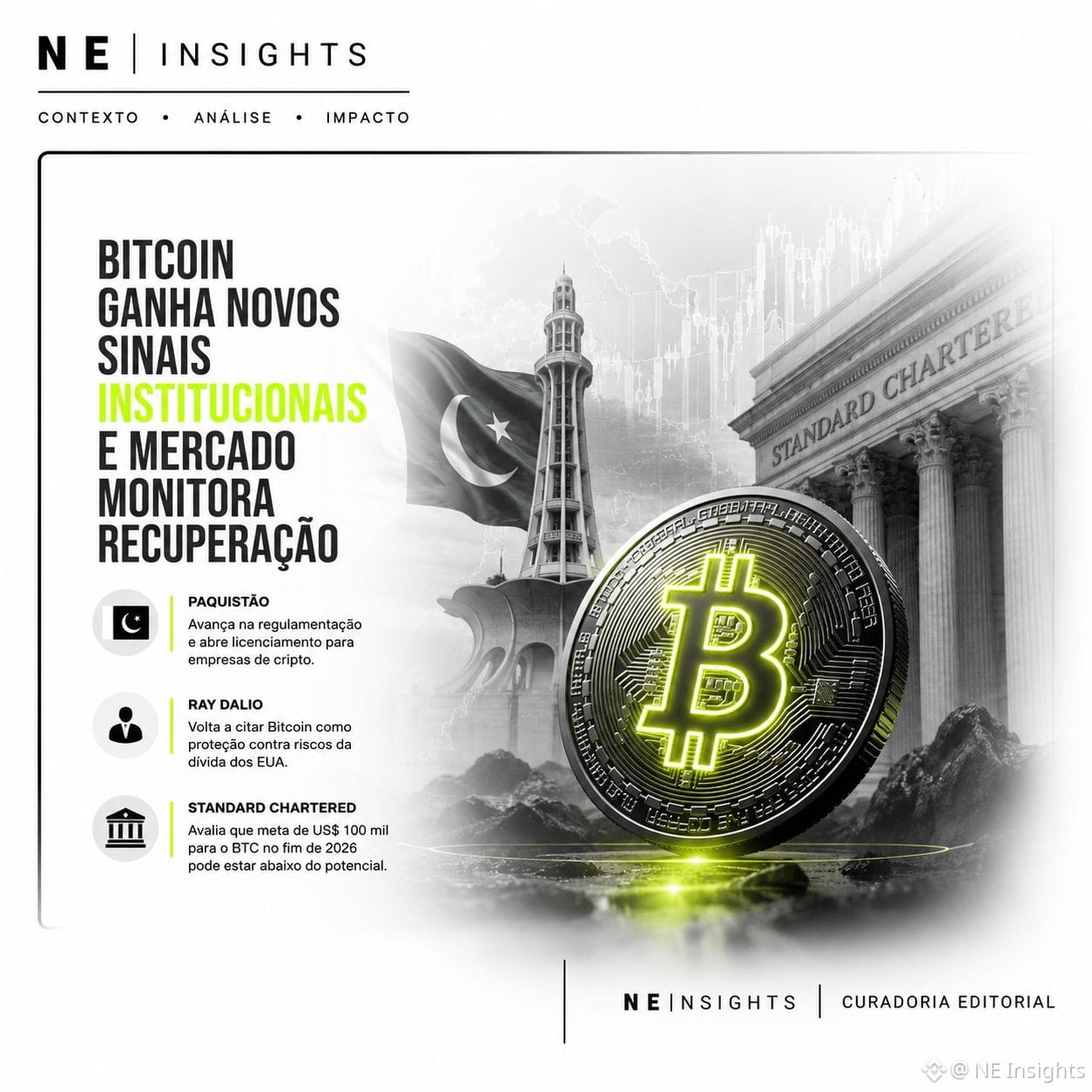
📊 Bitcoin has sent three different signals. And it’s worth separating the noise from what really matters.
🇵🇰 Pakistan has made progress in regulating virtual asset firms.
🪙 Ray Dalio has brought Bitcoin back into the conversation about protections against risks from U.S. debt.
📈 And Standard Chartered has raised the possibility that its target of US$ 100 thousand BTC by the end of 2026 could be low.
The point is: these are moves on different fronts.
Regulation on one side.
Macro on the other.
And institutional flow entering the equation.
In practice, this shows that Bitcoin is being watched by more people — and for different reasons.
But hold on.
That doesn’t guarantee a rally.
The market still needs to confirm whether buying flow will continue and how these factors will be reflected in price.
👀 Now the game is to track the flow.
💭 Which of these three factors do you think could weigh most on Bitcoin: regulation, macro, or institutional?
🔗Cointelegraph Brazil - 24/08/2026
📰 Market News
ℹ️ 𝗖𝗼𝗶𝗻𝘁𝗲𝘂́𝗱𝗼 𝗶𝗻𝗳𝗼𝗿𝗺𝗮𝘁𝗶𝘃𝗼 𝗯𝗮𝘀𝗲𝗮𝗱𝗼 𝗲𝗺 𝗶𝗻𝗳𝗼𝗿𝗺𝗮𝗰̧𝗼̃𝗲𝘀 𝗽𝘂́𝗯𝗹𝗶𝗰𝗮𝘀 𝗱𝗶𝘀𝗽𝗼𝗻𝗶́𝘃𝗲𝗶𝘀 𝗻𝗮 𝗱𝗮𝘁𝗮 𝗱𝗮 𝗽𝘂𝗯𝗹𝗶𝗰𝗮𝗰̧𝗮̃𝗼.
🇵🇰 Pakistan has made progress in regulating virtual asset firms.
🪙 Ray Dalio has brought Bitcoin back into the conversation about protections against risks from U.S. debt.
📈 And Standard Chartered has raised the possibility that its target of US$ 100 thousand BTC by the end of 2026 could be low.
The point is: these are moves on different fronts.
Regulation on one side.
Macro on the other.
And institutional flow entering the equation.
In practice, this shows that Bitcoin is being watched by more people — and for different reasons.
But hold on.
That doesn’t guarantee a rally.
The market still needs to confirm whether buying flow will continue and how these factors will be reflected in price.
👀 Now the game is to track the flow.
💭 Which of these three factors do you think could weigh most on Bitcoin: regulation, macro, or institutional?
🔗Cointelegraph Brazil - 24/08/2026
📰 Market News
ℹ️ 𝗖𝗼𝗶𝗻𝘁𝗲𝘂́𝗱𝗼 𝗶𝗻𝗳𝗼𝗿𝗺𝗮𝘁𝗶𝘃𝗼 𝗯𝗮𝘀𝗲𝗮𝗱𝗼 𝗲𝗺 𝗶𝗻𝗳𝗼𝗿𝗺𝗮𝗰̧𝗼̃𝗲𝘀 𝗽𝘂́𝗯𝗹𝗶𝗰𝗮𝘀 𝗱𝗶𝘀𝗽𝗼𝗻𝗶́𝘃𝗲𝗶𝘀 𝗻𝗮 𝗱𝗮𝘁𝗮 𝗱𝗮 𝗽𝘂𝗯𝗹𝗶𝗰𝗮𝗰̧𝗮̃𝗼.
🚨 ZORA on Binance Alpha: hype or a move to keep an eye on?
ZORA is gaining attention on Binance Alpha, but it goes beyond the ticker.
Zora works with on-chain content and the Creator Economy, with its own strong Layer 2 presence on Base.
⛓️ At the time of publication, about 4.47 billion ZORA are circulating, out of a maximum of 10 billion. The token appears in more than 1 million wallets.
The number stands out, but holders alone don’t show real demand.
🐋 Whales matter in the read.
Top 10 and Top 50 holders help you track concentration and position changes.
Transfers to exchanges or pools can increase the available supply.
💧 Liquidity also matters.
High volume doesn’t mean deep market. With less liquidity, large orders can cause slippage and accelerate moves.
📊 On the chart, volume becomes a key piece.
Supports, resistances, and moving averages help identify contested regions.
🔎 What to watch?
• Flow of the largest wallets
• Volume and liquidity
• Movements in pools
• Reactions in the main chart regions
Alpha boosts visibility.
The data shows whether that attention turns into real participation.
👀 Hype or fundamentals?
ℹ️ 𝗧𝗵𝗶𝘀 𝗰𝗼𝗻𝘁𝗲𝗻𝘁 𝗰𝗼𝗻𝘁𝗮𝗶𝗻𝘀 𝗲𝘅𝗰𝗹𝘂𝘀𝗶𝘃𝗲 𝗶𝗻𝗳𝗼𝗿𝗺𝗮𝘁𝗶𝗼𝗻 𝗮𝗻𝗱 𝗼𝗻𝗹𝘆 𝗲𝗱𝘂𝗰𝗮𝘁𝗶𝗼𝗻𝗮𝗹. 𝗜𝘁 𝗱𝗼𝗲𝘀 𝗻𝗼𝘁 𝗰𝗼𝗻𝘀𝘁𝗶𝘁𝘂𝘁𝗲 𝗮 𝗿𝗲𝗰𝗼𝗺𝗺𝗲𝗻𝗱𝗮𝘁𝗶𝗼𝗻 𝗼𝗳 𝗰𝗼𝗺𝗽𝗿𝗮, 𝘀𝗲𝗹𝗹, 𝗼𝗿 𝗶𝗻𝘃𝗲𝘀𝘁𝗺𝗲𝗻𝘁.
ZORA is gaining attention on Binance Alpha, but it goes beyond the ticker.
Zora works with on-chain content and the Creator Economy, with its own strong Layer 2 presence on Base.
⛓️ At the time of publication, about 4.47 billion ZORA are circulating, out of a maximum of 10 billion. The token appears in more than 1 million wallets.
The number stands out, but holders alone don’t show real demand.
🐋 Whales matter in the read.
Top 10 and Top 50 holders help you track concentration and position changes.
Transfers to exchanges or pools can increase the available supply.
💧 Liquidity also matters.
High volume doesn’t mean deep market. With less liquidity, large orders can cause slippage and accelerate moves.
📊 On the chart, volume becomes a key piece.
Supports, resistances, and moving averages help identify contested regions.
🔎 What to watch?
• Flow of the largest wallets
• Volume and liquidity
• Movements in pools
• Reactions in the main chart regions
Alpha boosts visibility.
The data shows whether that attention turns into real participation.
👀 Hype or fundamentals?
ℹ️ 𝗧𝗵𝗶𝘀 𝗰𝗼𝗻𝘁𝗲𝗻𝘁 𝗰𝗼𝗻𝘁𝗮𝗶𝗻𝘀 𝗲𝘅𝗰𝗹𝘂𝘀𝗶𝘃𝗲 𝗶𝗻𝗳𝗼𝗿𝗺𝗮𝘁𝗶𝗼𝗻 𝗮𝗻𝗱 𝗼𝗻𝗹𝘆 𝗲𝗱𝘂𝗰𝗮𝘁𝗶𝗼𝗻𝗮𝗹. 𝗜𝘁 𝗱𝗼𝗲𝘀 𝗻𝗼𝘁 𝗰𝗼𝗻𝘀𝘁𝗶𝘁𝘂𝘁𝗲 𝗮 𝗿𝗲𝗰𝗼𝗺𝗺𝗲𝗻𝗱𝗮𝘁𝗶𝗼𝗻 𝗼𝗳 𝗰𝗼𝗺𝗽𝗿𝗮, 𝘀𝗲𝗹𝗹, 𝗼𝗿 𝗶𝗻𝘃𝗲𝘀𝘁𝗺𝗲𝗻𝘁.
⚙️ CROSS Protocol: now matters something else
🔥 Mainnet 2.0 brought network changes, including the permanent burning of fees.
📊 But the data that matters most is another: real activity.
Users, volume, transactions, and on-chain flow show whether the network is gaining real usage—or just accumulating narrative.
⚠️ And here’s the risk: a technical update doesn’t guarantee adoption.
If users and applications don’t grow, the hype may cool down.
💭 Can CROSS turn development into real usage?
🌐 Ecosystem in Focus
ℹ️ 𝗖𝗼𝗻𝘁𝗲𝘂́𝗱𝗼 𝗶𝗻𝗳𝗼𝗿𝗺𝗮𝘁𝗶𝘃𝗼 𝗲 𝗲𝗱𝘂𝗰𝗮𝗰𝗶𝗼𝗻𝗮𝗹. 𝗡𝗮̃𝗼 𝗰𝗼𝗻𝘀𝘁𝗶𝘁𝘂𝗶 𝗿𝗲𝗰𝗼𝗺𝗲𝗻𝗱𝗮𝗰̧𝗮̃𝗼 𝗳𝗶𝗻𝗮𝗻𝗰𝗲𝗶𝗿𝗮.
🔥 Mainnet 2.0 brought network changes, including the permanent burning of fees.
📊 But the data that matters most is another: real activity.
Users, volume, transactions, and on-chain flow show whether the network is gaining real usage—or just accumulating narrative.
⚠️ And here’s the risk: a technical update doesn’t guarantee adoption.
If users and applications don’t grow, the hype may cool down.
💭 Can CROSS turn development into real usage?
🌐 Ecosystem in Focus
ℹ️ 𝗖𝗼𝗻𝘁𝗲𝘂́𝗱𝗼 𝗶𝗻𝗳𝗼𝗿𝗺𝗮𝘁𝗶𝘃𝗼 𝗲 𝗲𝗱𝘂𝗰𝗮𝗰𝗶𝗼𝗻𝗮𝗹. 𝗡𝗮̃𝗼 𝗰𝗼𝗻𝘀𝘁𝗶𝘁𝘂𝗶 𝗿𝗲𝗰𝗼𝗺𝗲𝗻𝗱𝗮𝗰̧𝗮̃𝗼 𝗳𝗶𝗻𝗮𝗻𝗰𝗲𝗶𝗿𝗮.
🚨 Whales moved BTC. And the destination matters.
🐋 One whale moved 7,700 BTC over the past three days.
Wintermute also sent 3,834.3 BTC to Binance this week.
💰 The point is the destination.
BTC entering an exchange can increase selling pressure and indicate profit-taking.
But hold on: a deposit doesn’t mean a sale.
📊 Now the market needs to confirm in price, volume, and liquidity.
If BTC absorbs this flow, the pressure may lose strength.
If it starts to give price back, the read changes.
🎯 Hype or distribution?
Now volume becomes the main point of attention.
📰 Market News
ℹ️ 𝗠𝗼𝗿𝗲 𝗶𝗻𝗳𝗼𝗿𝗺𝗮𝘁𝗶𝗼𝗻 𝗯𝗮𝘀𝗲𝗱 𝗼𝗻 𝗽𝘂𝗯𝗹𝗶𝗰𝗹𝘆 𝗮𝘃𝗮𝗶𝗹𝗮𝗯𝗹𝗲 𝗶𝗻𝗳𝗼𝗿𝗺𝗮𝘁𝗶𝗼𝗻 𝗽𝘂𝗯𝗹𝗶𝘀𝗵𝗲𝗱 𝗼𝗻 𝘁𝗵𝗲 𝗽𝘂𝗯𝗹𝗶𝗰𝗮𝘁𝗶𝗼𝗻 𝗱𝗮𝘁𝗲.
🐋 One whale moved 7,700 BTC over the past three days.
Wintermute also sent 3,834.3 BTC to Binance this week.
💰 The point is the destination.
BTC entering an exchange can increase selling pressure and indicate profit-taking.
But hold on: a deposit doesn’t mean a sale.
📊 Now the market needs to confirm in price, volume, and liquidity.
If BTC absorbs this flow, the pressure may lose strength.
If it starts to give price back, the read changes.
🎯 Hype or distribution?
Now volume becomes the main point of attention.
📰 Market News
ℹ️ 𝗠𝗼𝗿𝗲 𝗶𝗻𝗳𝗼𝗿𝗺𝗮𝘁𝗶𝗼𝗻 𝗯𝗮𝘀𝗲𝗱 𝗼𝗻 𝗽𝘂𝗯𝗹𝗶𝗰𝗹𝘆 𝗮𝘃𝗮𝗶𝗹𝗮𝗯𝗹𝗲 𝗶𝗻𝗳𝗼𝗿𝗺𝗮𝘁𝗶𝗼𝗻 𝗽𝘂𝗯𝗹𝗶𝘀𝗵𝗲𝗱 𝗼𝗻 𝘁𝗵𝗲 𝗽𝘂𝗯𝗹𝗶𝗰𝗮𝘁𝗶𝗼𝗻 𝗱𝗮𝘁𝗲.
🐋 The whale moved — and the next move matters more.
💰 About US$ 192.8 million in USDC left Aave and went to an unknown wallet on Ethereum.
🔎 The amount draws attention. But hold on: the transfer by itself doesn’t confirm a buy, sell, or accumulation.
📊 Now the game is to track the flow.
Centralized exchange, DEX, DeFi, or another wallet?
👀 It’s the next move that may reveal the intent behind those US$ 192.8 million.
Hype, or is there more behind it?
📊 Data in Focus | NEInsights
ℹ️ 𝗖𝗼𝗻𝘁𝗶𝗻𝘂𝗲𝗱 𝗶𝗻𝗳𝗼𝗿𝗺𝗮𝘁𝗶𝗼𝗻 𝗯𝗮𝘀𝗲𝗱 𝗼𝗻 𝗽𝘂𝗯𝗹𝗶𝗰𝗹𝘆 𝗮𝘃𝗮𝗶𝗹𝗮𝗯𝗹𝗲 𝗶𝗻𝗳𝗼𝗿𝗺𝗮𝘁𝗶𝗼𝗻 𝗽𝘂𝗯𝗹𝗶𝘀𝗵𝗲𝗱 𝗼𝗻 𝘁𝗵𝗲 𝗱𝗮𝘁𝗲 𝗼𝗳 𝘁𝗵𝗲 𝗽𝘂𝗯𝗹𝗶𝗰𝗮𝘁𝗶𝗼𝗻.
💰 About US$ 192.8 million in USDC left Aave and went to an unknown wallet on Ethereum.
🔎 The amount draws attention. But hold on: the transfer by itself doesn’t confirm a buy, sell, or accumulation.
📊 Now the game is to track the flow.
Centralized exchange, DEX, DeFi, or another wallet?
👀 It’s the next move that may reveal the intent behind those US$ 192.8 million.
Hype, or is there more behind it?
📊 Data in Focus | NEInsights
ℹ️ 𝗖𝗼𝗻𝘁𝗶𝗻𝘂𝗲𝗱 𝗶𝗻𝗳𝗼𝗿𝗺𝗮𝘁𝗶𝗼𝗻 𝗯𝗮𝘀𝗲𝗱 𝗼𝗻 𝗽𝘂𝗯𝗹𝗶𝗰𝗹𝘆 𝗮𝘃𝗮𝗶𝗹𝗮𝗯𝗹𝗲 𝗶𝗻𝗳𝗼𝗿𝗺𝗮𝘁𝗶𝗼𝗻 𝗽𝘂𝗯𝗹𝗶𝘀𝗵𝗲𝗱 𝗼𝗻 𝘁𝗵𝗲 𝗱𝗮𝘁𝗲 𝗼𝗳 𝘁𝗵𝗲 𝗽𝘂𝗯𝗹𝗶𝗰𝗮𝘁𝗶𝗼𝗻.
Log in to explore more content