

MAYA_
41.1k Posts

MAYA_
 Square Verified+
Report
Block User
I am MAYA_ 👉 Spot, Futures And Alpha Trading Market Analyst 💫
Frequent Trader
4.1 Years
1.2K+ Following
50.2K+ Followers
205.7K+ Liked
Posts
All
Quotes
Videos
Live
·
--
IT'S ALPHA TIME 🙋♀️🟢
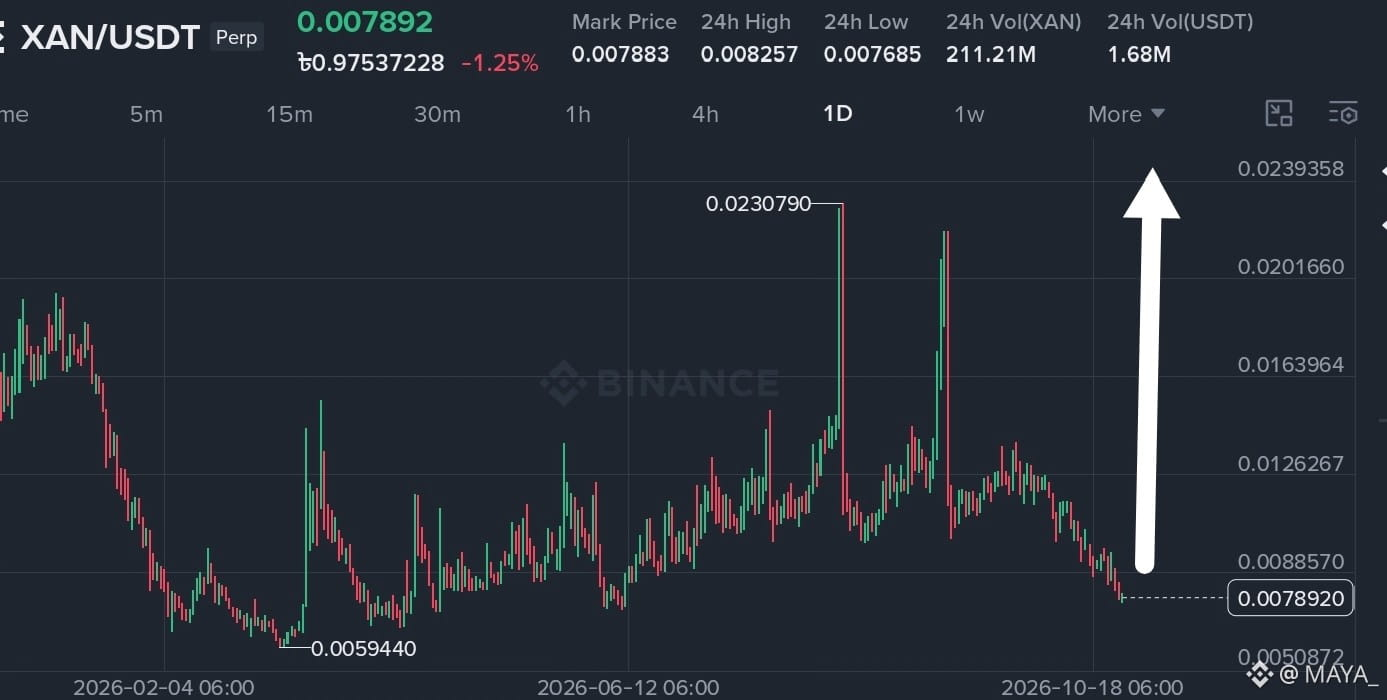
$XAN SPOT / FUTURE LONG 🟢
Target : 0.017🚀🔥
{alpha}(560x7427bd9542e64d1ac207a540cfce194b7390a07f)
Entry: 0.0078-0.0080
TARGETS:
0.0086
0.010
0.013
0.017
IT'S ALPHA TIME 🙋♀️🟢
$XAN SPOT / FUTURE LONG 🟢
Target : 0.017🚀🔥
Entry: 0.0078-0.0080
TARGETS:
0.0086
0.010
0.013
0.017
$XAN SPOT / FUTURE LONG 🟢
Target : 0.017🚀🔥
Entry: 0.0078-0.0080
TARGETS:
0.0086
0.010
0.013
0.017
1
316
·
--
Holding $XEC 10 USDT
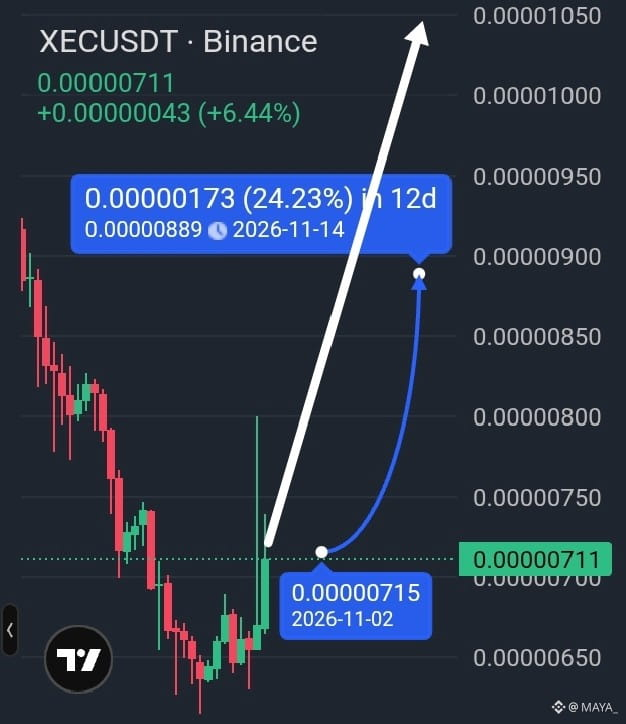
$XEC LONG 🟢🟢
XEC is attempting a gradual recovery. The price is currently hovering around $0.00000711. I will be keeping an eye on the $0.00000715 level; if it manages to hold this, there could be an opportunity for it to move up toward $0.00000889. However, I’m not getting too confident just yet, as the preceding downtrend must also be taken into account.
$XEC LONG 🟢🟢
XEC is attempting a gradual recovery. The price is currently hovering around $0.00000711. I will be keeping an eye on the $0.00000715 level; if it manages to hold this, there could be an opportunity for it to move up toward $0.00000889. However, I’m not getting too confident just yet, as the preceding downtrend must also be taken into account.
XEC is attempting a gradual recovery. The price is currently hovering around $0.00000711. I will be keeping an eye on the $0.00000715 level; if it manages to hold this, there could be an opportunity for it to move up toward $0.00000889. However, I’m not getting too confident just yet, as the preceding downtrend must also be taken into account.
1
336
·
--
#EarningsSeason
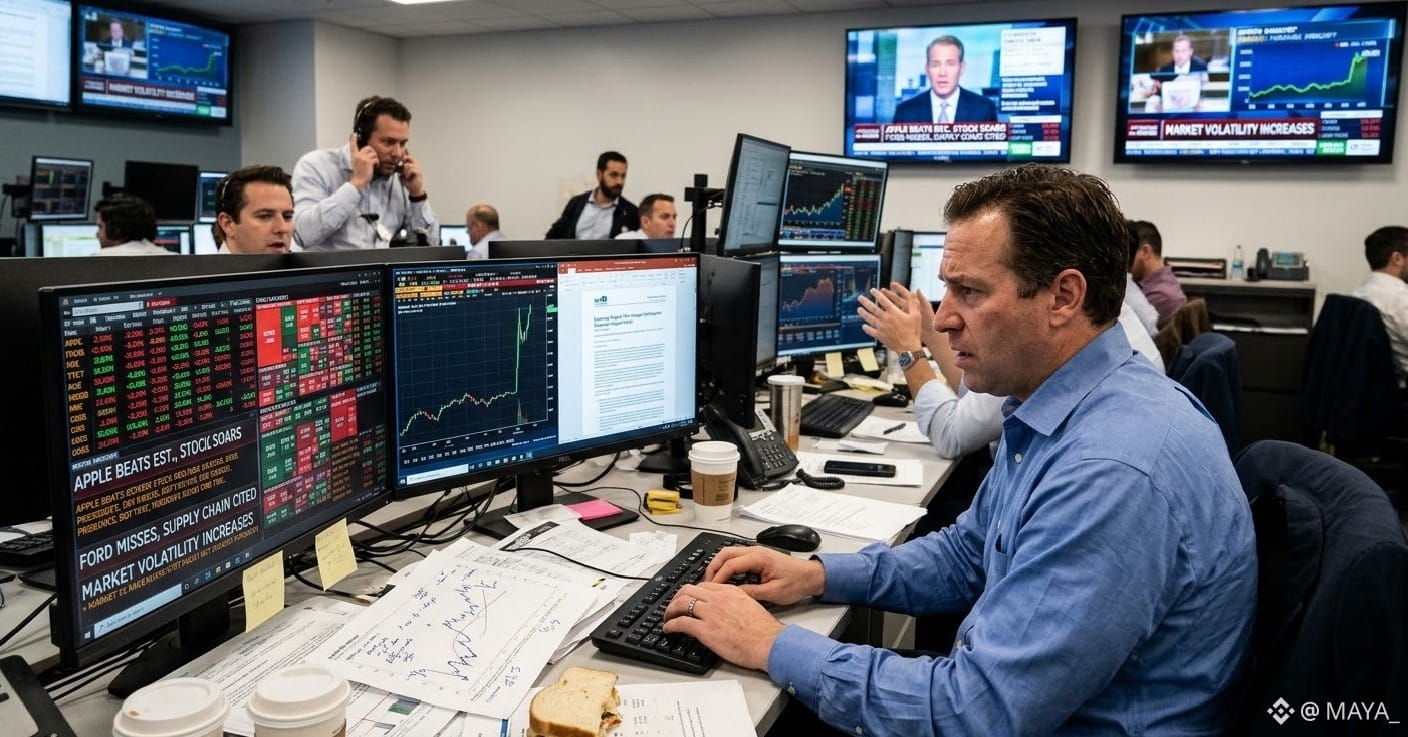
earnings season always feels a bit like a reality check for the whole market. everyone spends weeks guessing and arguing over charts, and then actual numbers drop and the truth just sort of lands. you get these massive swings when a company beats or misses expectations by even a tiny fraction, and it is honestly wild to watch how quickly sentiment flips. but looking past all the daily noise and ticker watching, it is really just a story about how businesses are actually holding up out there. are people still buying? are supply costs finally settling down? it is messy and unpredictable, but it tells you way more about where things are heading than any analyst report ever could.
$BTC
{future}(BTCUSDT)
$BNB
{future}(BNBUSDT)
$ETH
{future}(ETHUSDT)
#EarningsSeason
earnings season always feels a bit like a reality check for the whole market. everyone spends weeks guessing and arguing over charts, and then actual numbers drop and the truth just sort of lands. you get these massive swings when a company beats or misses expectations by even a tiny fraction, and it is honestly wild to watch how quickly sentiment flips. but looking past all the daily noise and ticker watching, it is really just a story about how businesses are actually holding up out there. are people still buying? are supply costs finally settling down? it is messy and unpredictable, but it tells you way more about where things are heading than any analyst report ever could.
$BTC
$BNB
$ETH
earnings season always feels a bit like a reality check for the whole market. everyone spends weeks guessing and arguing over charts, and then actual numbers drop and the truth just sort of lands. you get these massive swings when a company beats or misses expectations by even a tiny fraction, and it is honestly wild to watch how quickly sentiment flips. but looking past all the daily noise and ticker watching, it is really just a story about how businesses are actually holding up out there. are people still buying? are supply costs finally settling down? it is messy and unpredictable, but it tells you way more about where things are heading than any analyst report ever could.
$BTC
$BNB
$ETH
5
737
·
--
Verified
The role of $NEAR extends beyond trading; it is also utilized for gas fees, storage, staking, and network security. According to NEAR’s latest official tokenomics update, the token supply is now fully unlocked, the maximum annual inflation rate has been reduced from 5% to 2.5%, and a portion of the revenue generated from "NEAR Intents" may be directed toward a token buyback mechanism. These represent shifts in the economic framework; their market impact will depend on the consistency of actual revenue generation and the execution of governance decisions.
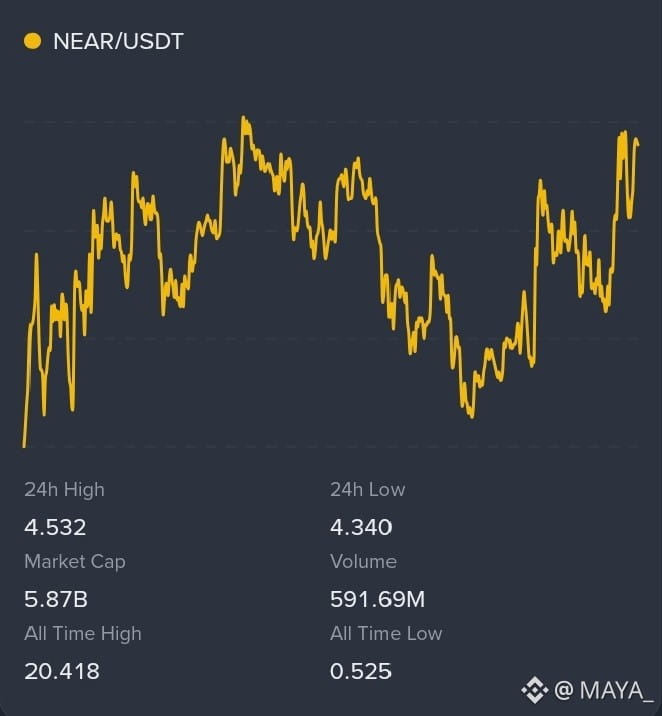
Current Market Conditions 👇👇👇
As of October 25, 2026, the $NEAR /USDT pair is trading at approximately $4.517 on the Binance spot market. The price opened at $4.354 over the last 24 hours, reflecting a change of about +3.74%. During this same period, the price reached a high of $4.532 and a low of $4.340.
$NEAR
{future}(NEARUSDT)
The role of $NEAR extends beyond trading; it is also utilized for gas fees, storage, staking, and network security. According to NEAR’s latest official tokenomics update, the token supply is now fully unlocked, the maximum annual inflation rate has been reduced from 5% to 2.5%, and a portion of the revenue generated from "NEAR Intents" may be directed toward a token buyback mechanism. These represent shifts in the economic framework; their market impact will depend on the consistency of actual revenue generation and the execution of governance decisions.
Current Market Conditions 👇👇👇
As of October 25, 2026, the $NEAR /USDT pair is trading at approximately $4.517 on the Binance spot market. The price opened at $4.354 over the last 24 hours, reflecting a change of about +3.74%. During this same period, the price reached a high of $4.532 and a low of $4.340.
$NEAR
Current Market Conditions 👇👇👇
As of October 25, 2026, the $NEAR /USDT pair is trading at approximately $4.517 on the Binance spot market. The price opened at $4.354 over the last 24 hours, reflecting a change of about +3.74%. During this same period, the price reached a high of $4.532 and a low of $4.340.
$NEAR
1
972
·
--
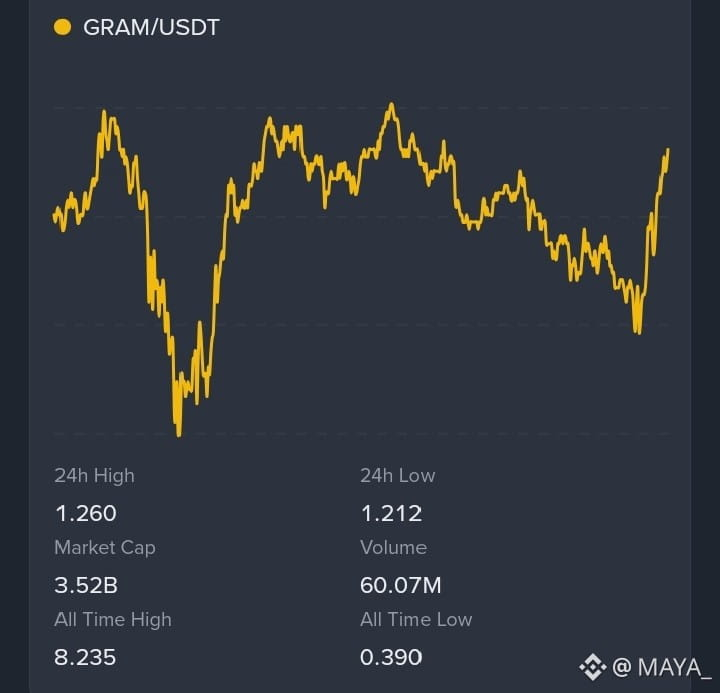
On the daily chart for $GRAM , the nearby support zone 🟢🚀
{future}(GRAMUSDT)
$1.23–$1.21: Today’s low and the support level near the most recent candle.
$1.16: A significant low point over the past 7 and 30 days; this serves as a relatively strong support zone.
The current price is approximately $1.25, up about +1.0% over the last 24 hours. Today’s range is $1.212–$1.260.
The technical outlook remains weak: the price is below the MA7, MA25, and MA99; the MACD shows a "death cross"; and the SuperTrend indicator is trending downward. The RSI(6) is around 30.23, indicating relatively high selling pressure—though this alone does not guarantee a trend reversal. A sustained drop below $1.16 could increase downside risk, while a recovery and stabilization around $1.30 might signal a easing of short-term pressure. Let’s see what happens! 👍
On the daily chart for $GRAM , the nearby support zone 🟢🚀
$1.23–$1.21: Today’s low and the support level near the most recent candle.
$1.16: A significant low point over the past 7 and 30 days; this serves as a relatively strong support zone.
The current price is approximately $1.25, up about +1.0% over the last 24 hours. Today’s range is $1.212–$1.260.
The technical outlook remains weak: the price is below the MA7, MA25, and MA99; the MACD shows a "death cross"; and the SuperTrend indicator is trending downward. The RSI(6) is around 30.23, indicating relatively high selling pressure—though this alone does not guarantee a trend reversal. A sustained drop below $1.16 could increase downside risk, while a recovery and stabilization around $1.30 might signal a easing of short-term pressure. Let’s see what happens! 👍
$1.23–$1.21: Today’s low and the support level near the most recent candle.
$1.16: A significant low point over the past 7 and 30 days; this serves as a relatively strong support zone.
The current price is approximately $1.25, up about +1.0% over the last 24 hours. Today’s range is $1.212–$1.260.
The technical outlook remains weak: the price is below the MA7, MA25, and MA99; the MACD shows a "death cross"; and the SuperTrend indicator is trending downward. The RSI(6) is around 30.23, indicating relatively high selling pressure—though this alone does not guarantee a trend reversal. A sustained drop below $1.16 could increase downside risk, while a recovery and stabilization around $1.30 might signal a easing of short-term pressure. Let’s see what happens! 👍
6
552
·
--
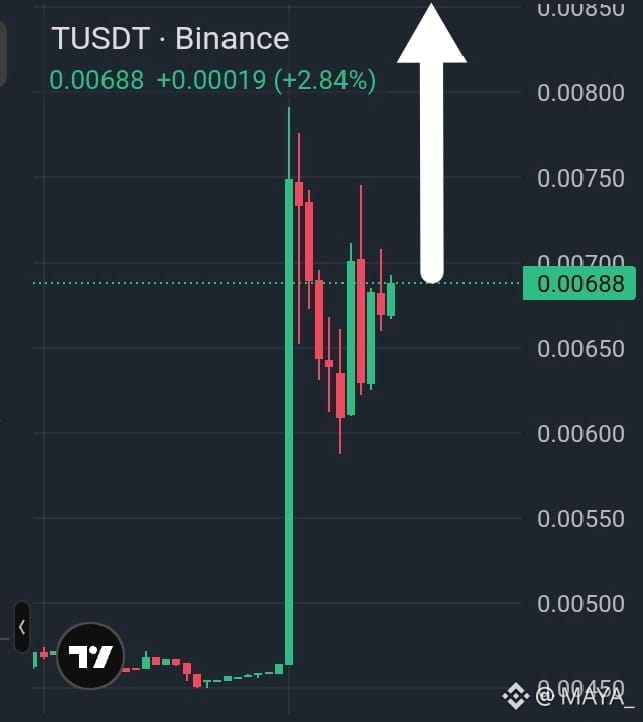
$T appears to be attempting to build resistance once again.🟢
{future}(TUSDT)
Entry: 0.0067 - 0.0069
TP1: 0.0075
TP2: 0.0082
Stop Loss: 0.0061
Consider the level of risk you are willing to take before entering.
#EarningsSeason
$T appears to be attempting to build resistance once again.🟢
Entry: 0.0067 - 0.0069
TP1: 0.0075
TP2: 0.0082
Stop Loss: 0.0061
Consider the level of risk you are willing to take before entering.
#EarningsSeason
Entry: 0.0067 - 0.0069
TP1: 0.0075
TP2: 0.0082
Stop Loss: 0.0061
Consider the level of risk you are willing to take before entering.
#EarningsSeason
4
232
·
--
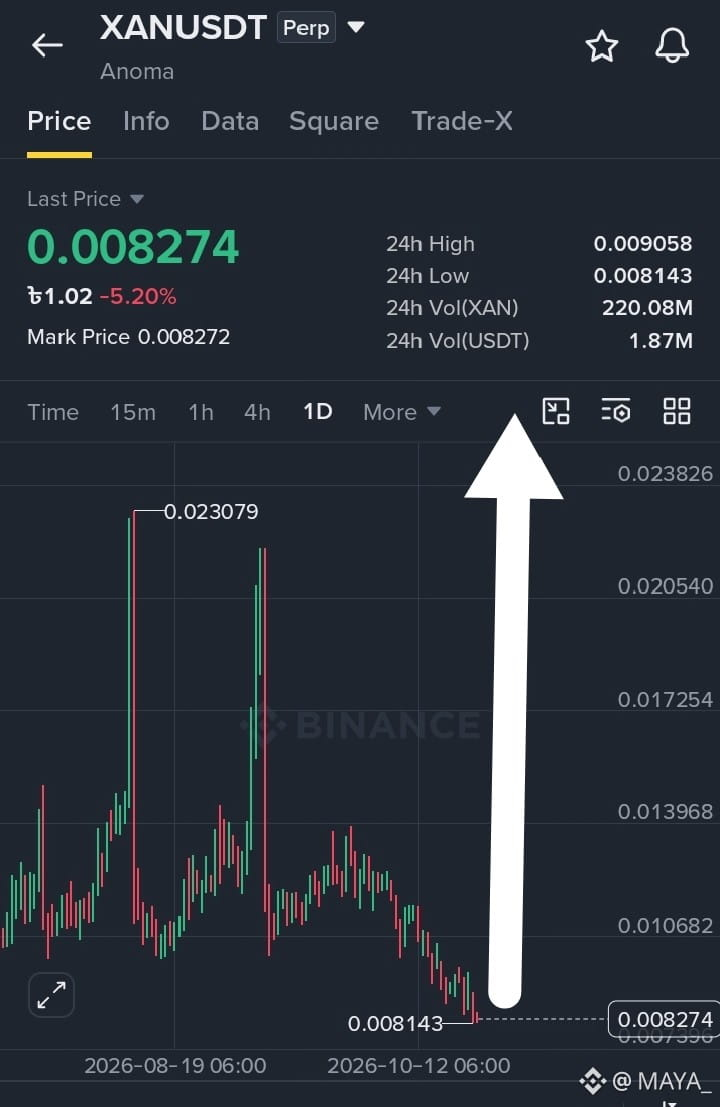
#XAN SPOT BUY 🟢🚀
Target : 0.009.
$XAN is on my radar for a quick scalp long.
{alpha}(560x7427bd9542e64d1ac207a540cfce194b7390a07f)
I’m watching for a move toward $0.009, but I don’t want to assume the price will get there without a fight. Short-term momentum can change quickly, so I’ll be keeping an eye on price action.
$0.009 is my target for now. Let’s see how it plays out.
#EarningsSeason
#XAN SPOT BUY 🟢🚀
Target : 0.009.
$XAN is on my radar for a quick scalp long.
I’m watching for a move toward $0.009, but I don’t want to assume the price will get there without a fight. Short-term momentum can change quickly, so I’ll be keeping an eye on price action.
$0.009 is my target for now. Let’s see how it plays out.
#EarningsSeason
Target : 0.009.
$XAN is on my radar for a quick scalp long.
I’m watching for a move toward $0.009, but I don’t want to assume the price will get there without a fight. Short-term momentum can change quickly, so I’ll be keeping an eye on price action.
$0.009 is my target for now. Let’s see how it plays out.
#EarningsSeason
6
381
·
--
#Ethereum
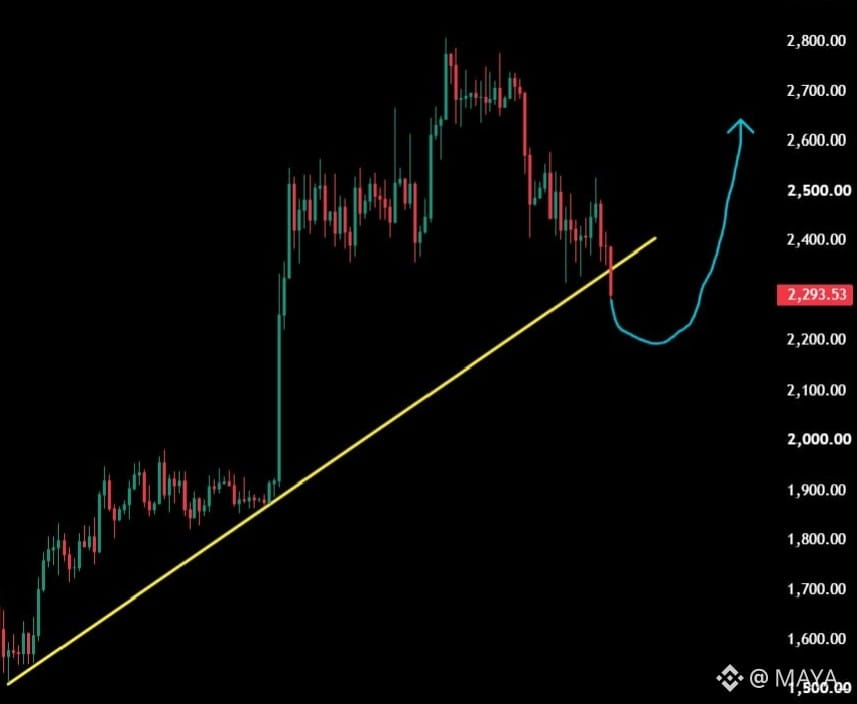
$ETH is getting close to an interesting point here.
{future}(ETHUSDT)
I wouldn’t be surprised if we see one more sharp wick to the downside before the market turns around. These final dips can shake out impatient traders, but nothing is guaranteed. If buyers step in at the right level, a move back above $3,000 could be on the table. Let’s see how price reacts first.
#BinancePick #EarningsSeason #MarketsPriceJust10%ChanceOfFedHikeNextWeek
#Ethereum
$ETH is getting close to an interesting point here.
I wouldn’t be surprised if we see one more sharp wick to the downside before the market turns around. These final dips can shake out impatient traders, but nothing is guaranteed. If buyers step in at the right level, a move back above $3,000 could be on the table. Let’s see how price reacts first.
#BinancePick #EarningsSeason #MarketsPriceJust10%ChanceOfFedHikeNextWeek
$ETH is getting close to an interesting point here.
I wouldn’t be surprised if we see one more sharp wick to the downside before the market turns around. These final dips can shake out impatient traders, but nothing is guaranteed. If buyers step in at the right level, a move back above $3,000 could be on the table. Let’s see how price reacts first.
#BinancePick #EarningsSeason #MarketsPriceJust10%ChanceOfFedHikeNextWeek
6
425
·
--
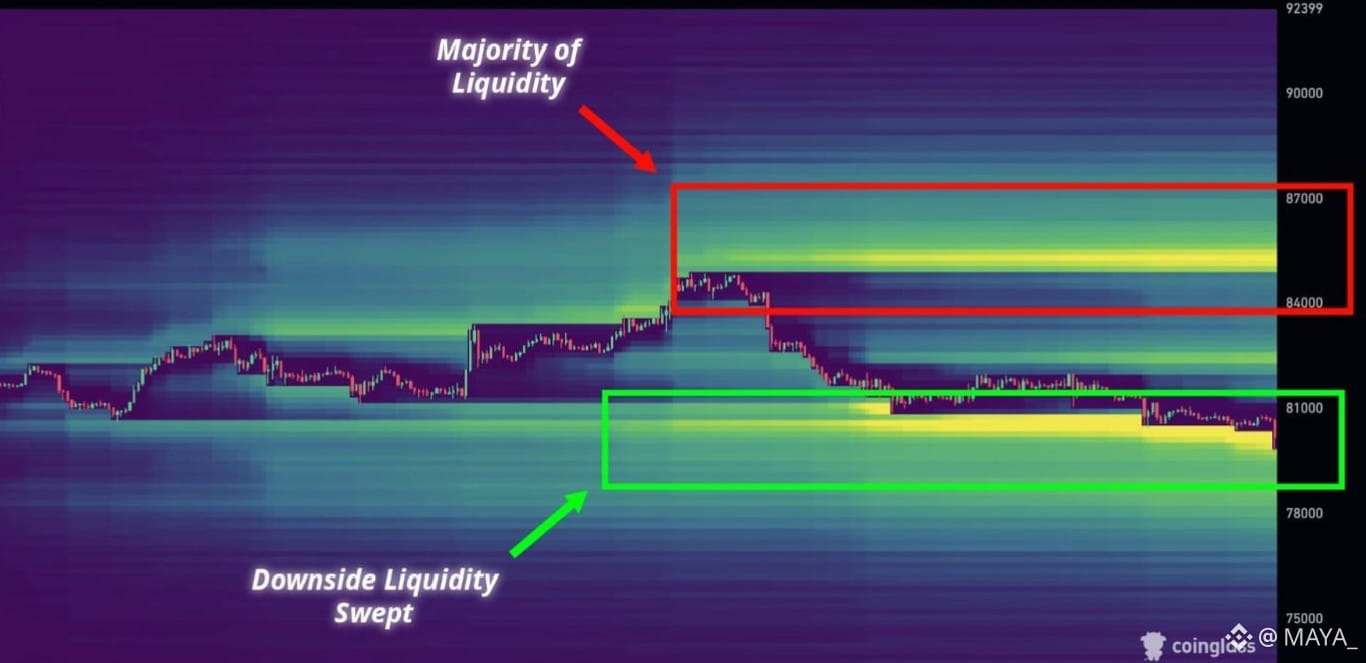
$BTC just swept the downside liquidity, and now I’m looking at what’s sitting above the current price.
{future}(BTCUSDT)
The interesting part? The biggest visible liquidity clusters are still overhead. 👀
Meanwhile, over $203.13M in crypto positions were liquidated in the last hour alone, and $193.92M came from longs. That’s a lot of traders getting caught on the wrong side. Now, could BTC move higher and squeeze the shorts next? It’s possible, especially with liquidity stacked above. But I wouldn’t call it guaranteed just yet.
I want to see how price reacts around those upper liquidity zones first. The next move could get interesting.
#OCCRemovesStablecoinSevenDayRedemptionExtension #MarketsPriceJust10%ChanceOfFedHikeNextWeek #BinancePick #EarningsSeason
$BTC just swept the downside liquidity, and now I’m looking at what’s sitting above the current price.
The interesting part? The biggest visible liquidity clusters are still overhead. 👀
Meanwhile, over $203.13M in crypto positions were liquidated in the last hour alone, and $193.92M came from longs. That’s a lot of traders getting caught on the wrong side. Now, could BTC move higher and squeeze the shorts next? It’s possible, especially with liquidity stacked above. But I wouldn’t call it guaranteed just yet.
I want to see how price reacts around those upper liquidity zones first. The next move could get interesting.
#OCCRemovesStablecoinSevenDayRedemptionExtension #MarketsPriceJust10%ChanceOfFedHikeNextWeek #BinancePick #EarningsSeason
The interesting part? The biggest visible liquidity clusters are still overhead. 👀
Meanwhile, over $203.13M in crypto positions were liquidated in the last hour alone, and $193.92M came from longs. That’s a lot of traders getting caught on the wrong side. Now, could BTC move higher and squeeze the shorts next? It’s possible, especially with liquidity stacked above. But I wouldn’t call it guaranteed just yet.
I want to see how price reacts around those upper liquidity zones first. The next move could get interesting.
#OCCRemovesStablecoinSevenDayRedemptionExtension #MarketsPriceJust10%ChanceOfFedHikeNextWeek #BinancePick #EarningsSeason
6
379
·
--
Bullish
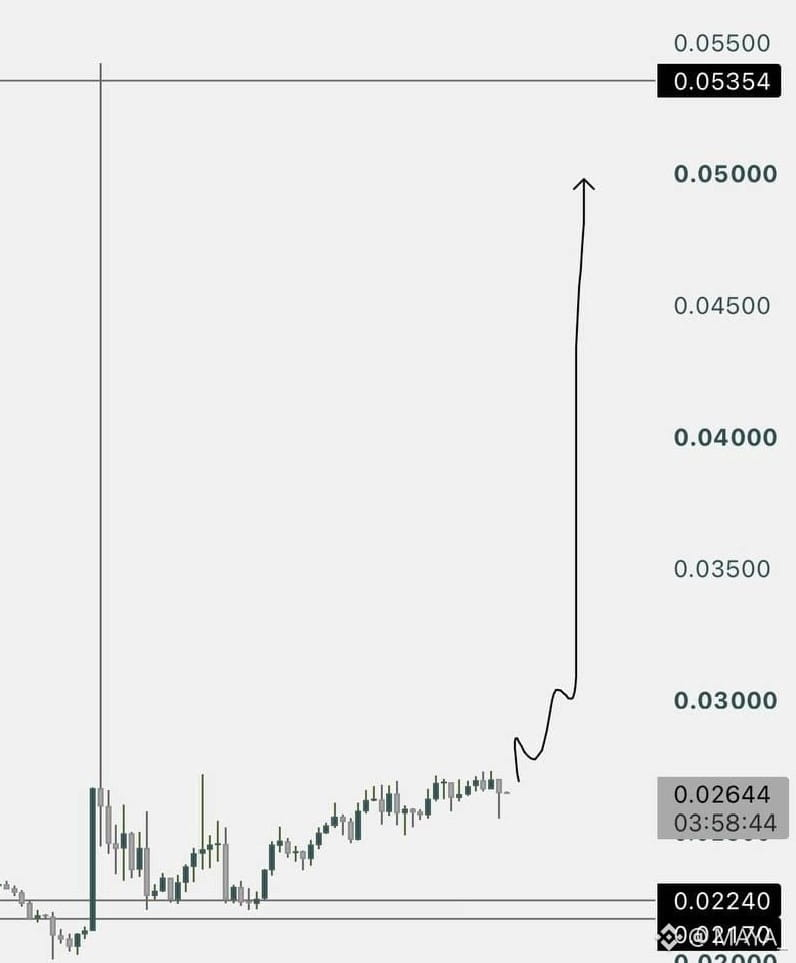
Based on current pricing, the $STBL token is trading at approximately $0.0269. Its current strength relative to Bitcoin suggests that a significant move may be in the making. There is a strong possibility of a sudden, large green candle or a "pump" emerging from the current consolidation zone. At this juncture, it is crucial to closely monitor the movement of trading volume.
{future}(STBLUSDT)
#BinancePick #EarningsSeason
Based on current pricing, the $STBL token is trading at approximately $0.0269. Its current strength relative to Bitcoin suggests that a significant move may be in the making. There is a strong possibility of a sudden, large green candle or a "pump" emerging from the current consolidation zone. At this juncture, it is crucial to closely monitor the movement of trading volume.
#BinancePick #EarningsSeason
#BinancePick #EarningsSeason
2
7
583
·
--
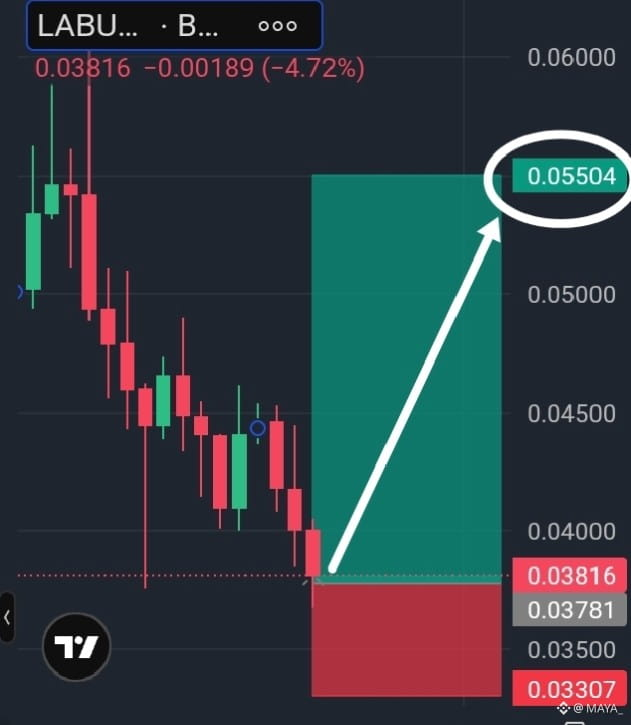
$LAB is under quite a bit of pressure right now.
$LAB SPOT /FUTURE BUY.🟢
Target : 0.055.
Looking at the chart, LAB is trading around $0.03817, and a downtrend is still evident on the daily timeframe. It’s hard to say whether it will bounce back immediately or dip a bit further. I’m keeping an eye on the zone around $0.0378. If it can hold this level, there might be a chance for a recovery — in which case, I’ll be watching the $0.045 and $0.055 levels.
However, don’t jump into a long position just because you see a green candle on the chart! Wait for confirmation first, then make your move.
#BinancePick #EarningsSeason #PepeJumps14%ToLeadAltcoinRebound
$LAB is under quite a bit of pressure right now.
$LAB SPOT /FUTURE BUY.🟢
Target : 0.055.
Looking at the chart, LAB is trading around $0.03817, and a downtrend is still evident on the daily timeframe. It’s hard to say whether it will bounce back immediately or dip a bit further. I’m keeping an eye on the zone around $0.0378. If it can hold this level, there might be a chance for a recovery — in which case, I’ll be watching the $0.045 and $0.055 levels.
However, don’t jump into a long position just because you see a green candle on the chart! Wait for confirmation first, then make your move.
#BinancePick #EarningsSeason #PepeJumps14%ToLeadAltcoinRebound
$LAB SPOT /FUTURE BUY.🟢
Target : 0.055.
Looking at the chart, LAB is trading around $0.03817, and a downtrend is still evident on the daily timeframe. It’s hard to say whether it will bounce back immediately or dip a bit further. I’m keeping an eye on the zone around $0.0378. If it can hold this level, there might be a chance for a recovery — in which case, I’ll be watching the $0.045 and $0.055 levels.
However, don’t jump into a long position just because you see a green candle on the chart! Wait for confirmation first, then make your move.
#BinancePick #EarningsSeason #PepeJumps14%ToLeadAltcoinRebound
8
558
·
--
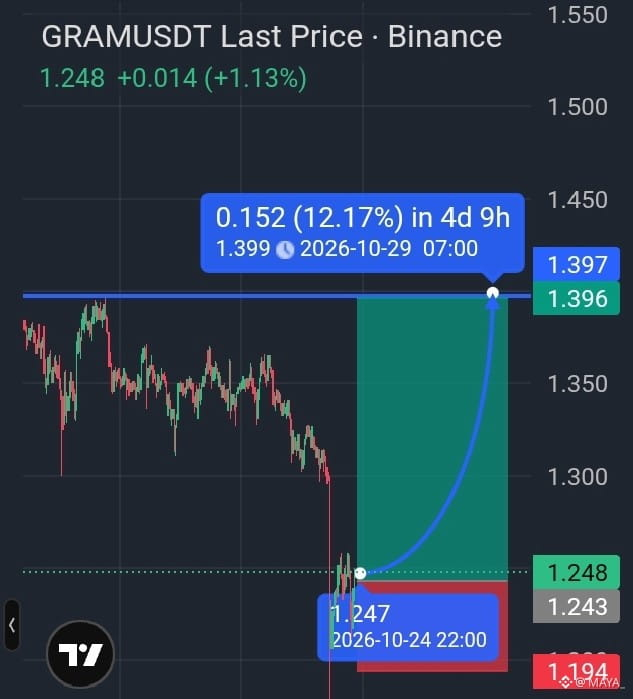
$GRAM USDT is showing an interesting setup after that sharp drop 🟢
I’m watching the 1.243–1.248 zone closely.
If price holds and starts moving up, 1.396 could be the next target. But if 1.194 breaks, the long idea gets risky. I wouldn’t rush into a trade just because the chart looks promising. Let price confirm first. The trend is your friend, but only until it changes. Keep your risk under control.
#BinancePick #EarningsSeason
$GRAM USDT is showing an interesting setup after that sharp drop 🟢
I’m watching the 1.243–1.248 zone closely.
If price holds and starts moving up, 1.396 could be the next target. But if 1.194 breaks, the long idea gets risky. I wouldn’t rush into a trade just because the chart looks promising. Let price confirm first. The trend is your friend, but only until it changes. Keep your risk under control.
#BinancePick #EarningsSeason
I’m watching the 1.243–1.248 zone closely.
If price holds and starts moving up, 1.396 could be the next target. But if 1.194 breaks, the long idea gets risky. I wouldn’t rush into a trade just because the chart looks promising. Let price confirm first. The trend is your friend, but only until it changes. Keep your risk under control.
#BinancePick #EarningsSeason
1
7
1k
·
--
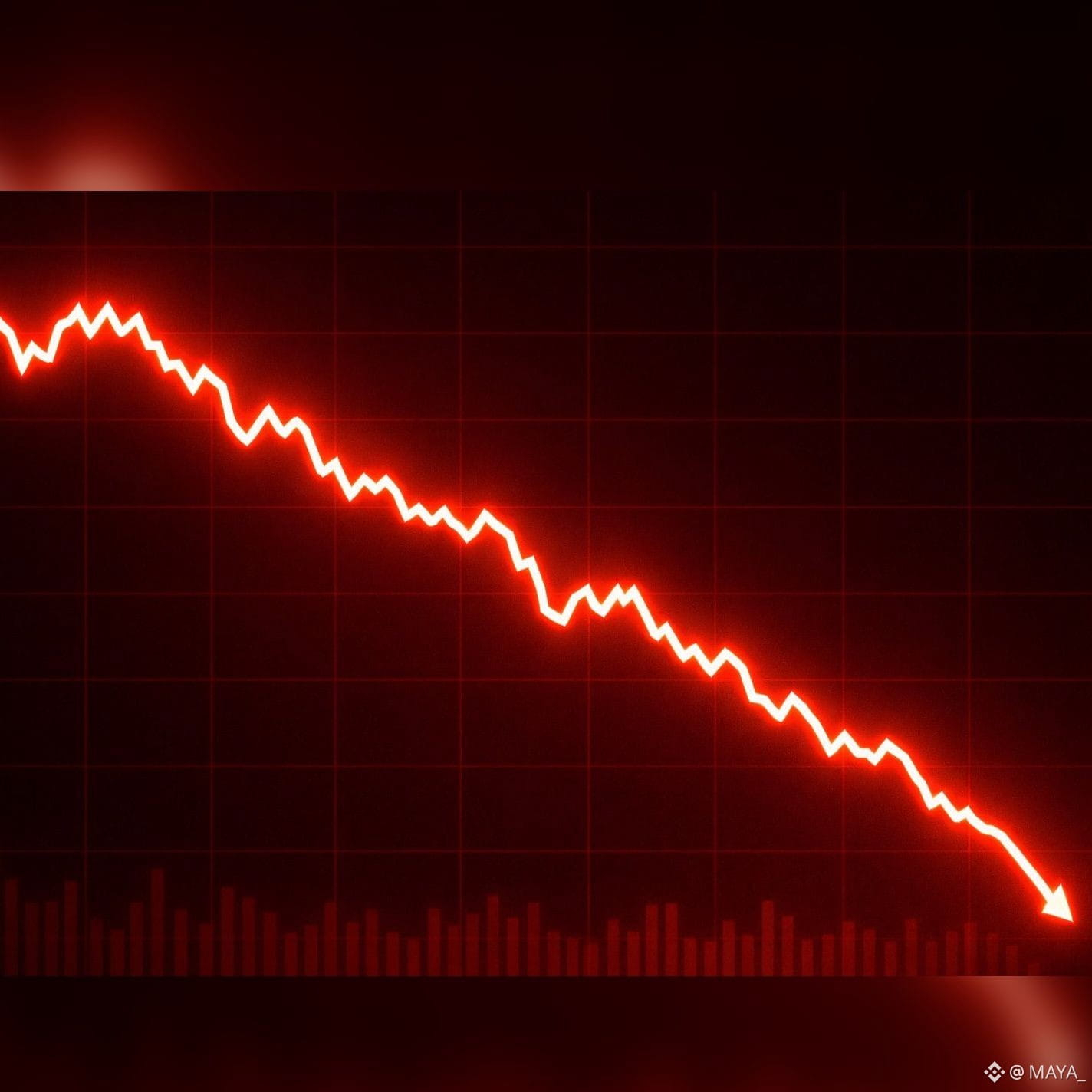
Crypto is taking a sharp hit right now, and the price levels are getting harder to ignore.
Bitcoin has dropped below $80,000, while ETH is under $2,350. SOL has slipped below $100, and XRP is trading under $1.30. But the part that caught my attention is the liquidation data. More than $200 million in leveraged long positions were wiped out within just 60 minutes.
That’s a lot of traders getting caught on the wrong side of the move. The question now is whether buyers step in at these levels or selling pressure continues. I’d be watching price action closely before jumping to any conclusions.
#BinancePick #EarningsSeason @Binance_Academy
Crypto is taking a sharp hit right now, and the price levels are getting harder to ignore.
Bitcoin has dropped below $80,000, while ETH is under $2,350. SOL has slipped below $100, and XRP is trading under $1.30. But the part that caught my attention is the liquidation data. More than $200 million in leveraged long positions were wiped out within just 60 minutes.
That’s a lot of traders getting caught on the wrong side of the move. The question now is whether buyers step in at these levels or selling pressure continues. I’d be watching price action closely before jumping to any conclusions.
#BinancePick #EarningsSeason @Binance Academy
Bitcoin has dropped below $80,000, while ETH is under $2,350. SOL has slipped below $100, and XRP is trading under $1.30. But the part that caught my attention is the liquidation data. More than $200 million in leveraged long positions were wiped out within just 60 minutes.
That’s a lot of traders getting caught on the wrong side of the move. The question now is whether buyers step in at these levels or selling pressure continues. I’d be watching price action closely before jumping to any conclusions.
#BinancePick #EarningsSeason @Binance Academy
1
1
7
368
·
--
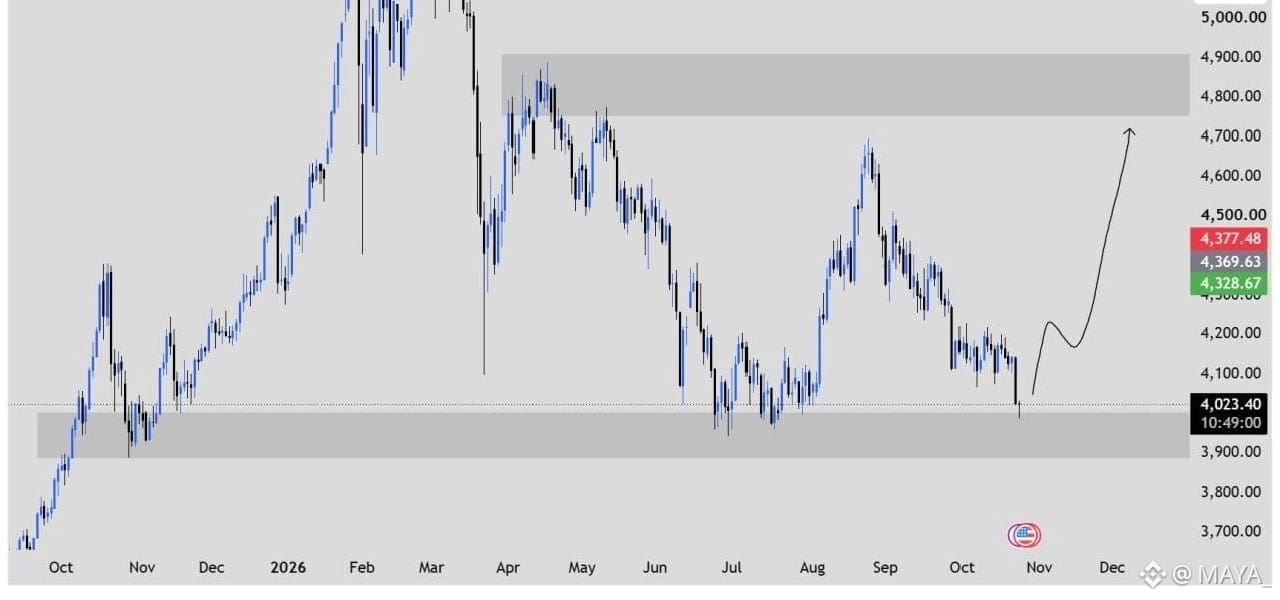
#GOLD_UPDATE
#Gold is sitting at a pretty important support zone on the daily chart, and I think this is where things could get interesting. If buyers manage to defend this area, we might see a decent bounce and a recovery toward higher levels. But I wouldn’t rush to call it a bullish reversal just yet. Other side of the picture matters too. If Gold closes a daily candle below this support, selling pressure could increase, opening the door for a deeper correction.
For now, I’m watching how price reacts here. The next daily close could tell us a lot about where Gold heads next.
$XAUT $XAU $XAUG.ETF
#GOLD_UPDATE
#Gold is sitting at a pretty important support zone on the daily chart, and I think this is where things could get interesting. If buyers manage to defend this area, we might see a decent bounce and a recovery toward higher levels. But I wouldn’t rush to call it a bullish reversal just yet. Other side of the picture matters too. If Gold closes a daily candle below this support, selling pressure could increase, opening the door for a deeper correction.
For now, I’m watching how price reacts here. The next daily close could tell us a lot about where Gold heads next.
$XAUT $XAU $XAUG.ETF
#Gold is sitting at a pretty important support zone on the daily chart, and I think this is where things could get interesting. If buyers manage to defend this area, we might see a decent bounce and a recovery toward higher levels. But I wouldn’t rush to call it a bullish reversal just yet. Other side of the picture matters too. If Gold closes a daily candle below this support, selling pressure could increase, opening the door for a deeper correction.
For now, I’m watching how price reacts here. The next daily close could tell us a lot about where Gold heads next.
$XAUT $XAU $XAUG.ETF
6
636
·
--
Article
BTC SWEPT THE LOWS BUT IS THE NEXT MOVE REALLY THAT SIMPLE ?I mean.....
Something feels interesting about BTC right now. Why did price sweep the equal lows and then bounce from the $81.5K support area?
That’s the part I’m paying attention to.
When price moves below a level that many traders are watching, it can trigger stop-losses and force some positions out of the market. And when price quickly moves back up, the situation changes a little. Traders who expected further downside may start questioning their positions, while others begin looking for a possible long entry. But one bounce doesn’t tell the whole story. I’ve seen how quickly a market can look bullish for a moment and then lose momentum again.
For now, BTC has reacted from the $81.5K key lower-timeframe support after sweeping the equal lows. The next question is whether buyers can actually follow through from here. There’s a possible bull flag developing, and if price manages to break above its structure, the first area I’ll be watching is $82.9K. Not because reaching that level is guaranteed. It’s simply the next local resistance that matters in this setup.
And honestly, this is where things could get a little tricky.
If BTC pushes towards $82.9K, some traders may see the move as confirmation that the market is ready to continue higher. Others might use that same level to take profits or look for a rejection. Both reactions are possible, and that’s why I wouldn’t want to assume that a breakout automatically means more upside. The second level on my chart is $83.6K, the monthly open. If buyers manage to push through the local resistance at $82.9K, then a retest of $83.6K could come into focus. That would be another important area to observe, especially if the upward move starts losing strength as price approaches it.
I’m not saying BTC must reject there. I’m saying that if price moves higher, these are the places where I want to watch the reaction rather than get carried away by the candle. There’s also a psychological side to this move. After a liquidity sweep, traders can become eager to catch the reversal. Nobody wants to miss the beginning of a strong rally, especially when price quickly recovers a level that looked vulnerable just moments earlier. That urgency can bring buyers into the market, but it can also make people enter before the move is properly confirmed.
And if the breakout fails? The same traders who rushed in may suddenly start looking for an exit. That’s why I’m more interested in how BTC behaves around resistance than in simply celebrating the bounce from support.
For now, $81.5K is the level behind this recovery. Above it, the possible continuation depends on whether the bull flag breaks and buyers can maintain momentum. A move towards $82.9K would be the first thing to watch, followed by the monthly open at $83.6K. If price gets there, I’ll be watching for signs of rejection instead of assuming the rally has unlimited room to run. One thing I still can’t say with confidence is whether this is the beginning of a stronger move higher or just another short-term recovery after liquidity was taken. Maybe the next few candles will make that clearer. Maybe they won’t.
For now, I’d rather let BTC show its hand than try to guess the entire move in advance.
The market can look convincing right before it changes direction. That’s exactly why these levels matter.
The market is volatile, and a breakout or rejection is never guaranteed. Watch the reaction, manage your risk, and don’t let the fear of missing a move make the decision for you🤔
$BTC
#BinancePick #EarningsSeason #BitcoinHashrateHitsSevenMonthHigh
BTC SWEPT THE LOWS BUT IS THE NEXT MOVE REALLY THAT SIMPLE ?
I mean.....
Something feels interesting about BTC right now. Why did price sweep the equal lows and then bounce from the $81.5K support area?
That’s the part I’m paying attention to.
When price moves below a level that many traders are watching, it can trigger stop-losses and force some positions out of the market. And when price quickly moves back up, the situation changes a little. Traders who expected further downside may start questioning their positions, while others begin looking for a possible long entry. But one bounce doesn’t tell the whole story. I’ve seen how quickly a market can look bullish for a moment and then lose momentum again.
For now, BTC has reacted from the $81.5K key lower-timeframe support after sweeping the equal lows. The next question is whether buyers can actually follow through from here. There’s a possible bull flag developing, and if price manages to break above its structure, the first area I’ll be watching is $82.9K. Not because reaching that level is guaranteed. It’s simply the next local resistance that matters in this setup.
And honestly, this is where things could get a little tricky.
If BTC pushes towards $82.9K, some traders may see the move as confirmation that the market is ready to continue higher. Others might use that same level to take profits or look for a rejection. Both reactions are possible, and that’s why I wouldn’t want to assume that a breakout automatically means more upside. The second level on my chart is $83.6K, the monthly open. If buyers manage to push through the local resistance at $82.9K, then a retest of $83.6K could come into focus. That would be another important area to observe, especially if the upward move starts losing strength as price approaches it.
I’m not saying BTC must reject there. I’m saying that if price moves higher, these are the places where I want to watch the reaction rather than get carried away by the candle. There’s also a psychological side to this move. After a liquidity sweep, traders can become eager to catch the reversal. Nobody wants to miss the beginning of a strong rally, especially when price quickly recovers a level that looked vulnerable just moments earlier. That urgency can bring buyers into the market, but it can also make people enter before the move is properly confirmed.
And if the breakout fails? The same traders who rushed in may suddenly start looking for an exit. That’s why I’m more interested in how BTC behaves around resistance than in simply celebrating the bounce from support.
For now, $81.5K is the level behind this recovery. Above it, the possible continuation depends on whether the bull flag breaks and buyers can maintain momentum. A move towards $82.9K would be the first thing to watch, followed by the monthly open at $83.6K. If price gets there, I’ll be watching for signs of rejection instead of assuming the rally has unlimited room to run. One thing I still can’t say with confidence is whether this is the beginning of a stronger move higher or just another short-term recovery after liquidity was taken. Maybe the next few candles will make that clearer. Maybe they won’t.
For now, I’d rather let BTC show its hand than try to guess the entire move in advance.
The market can look convincing right before it changes direction. That’s exactly why these levels matter.
The market is volatile, and a breakout or rejection is never guaranteed. Watch the reaction, manage your risk, and don’t let the fear of missing a move make the decision for you🤔
$BTC
#BinancePick #EarningsSeason #BitcoinHashrateHitsSevenMonthHigh
Something feels interesting about BTC right now. Why did price sweep the equal lows and then bounce from the $81.5K support area?
That’s the part I’m paying attention to.
When price moves below a level that many traders are watching, it can trigger stop-losses and force some positions out of the market. And when price quickly moves back up, the situation changes a little. Traders who expected further downside may start questioning their positions, while others begin looking for a possible long entry. But one bounce doesn’t tell the whole story. I’ve seen how quickly a market can look bullish for a moment and then lose momentum again.
For now, BTC has reacted from the $81.5K key lower-timeframe support after sweeping the equal lows. The next question is whether buyers can actually follow through from here. There’s a possible bull flag developing, and if price manages to break above its structure, the first area I’ll be watching is $82.9K. Not because reaching that level is guaranteed. It’s simply the next local resistance that matters in this setup.
And honestly, this is where things could get a little tricky.
If BTC pushes towards $82.9K, some traders may see the move as confirmation that the market is ready to continue higher. Others might use that same level to take profits or look for a rejection. Both reactions are possible, and that’s why I wouldn’t want to assume that a breakout automatically means more upside. The second level on my chart is $83.6K, the monthly open. If buyers manage to push through the local resistance at $82.9K, then a retest of $83.6K could come into focus. That would be another important area to observe, especially if the upward move starts losing strength as price approaches it.
I’m not saying BTC must reject there. I’m saying that if price moves higher, these are the places where I want to watch the reaction rather than get carried away by the candle. There’s also a psychological side to this move. After a liquidity sweep, traders can become eager to catch the reversal. Nobody wants to miss the beginning of a strong rally, especially when price quickly recovers a level that looked vulnerable just moments earlier. That urgency can bring buyers into the market, but it can also make people enter before the move is properly confirmed.
And if the breakout fails? The same traders who rushed in may suddenly start looking for an exit. That’s why I’m more interested in how BTC behaves around resistance than in simply celebrating the bounce from support.
For now, $81.5K is the level behind this recovery. Above it, the possible continuation depends on whether the bull flag breaks and buyers can maintain momentum. A move towards $82.9K would be the first thing to watch, followed by the monthly open at $83.6K. If price gets there, I’ll be watching for signs of rejection instead of assuming the rally has unlimited room to run. One thing I still can’t say with confidence is whether this is the beginning of a stronger move higher or just another short-term recovery after liquidity was taken. Maybe the next few candles will make that clearer. Maybe they won’t.
For now, I’d rather let BTC show its hand than try to guess the entire move in advance.
The market can look convincing right before it changes direction. That’s exactly why these levels matter.
The market is volatile, and a breakout or rejection is never guaranteed. Watch the reaction, manage your risk, and don’t let the fear of missing a move make the decision for you🤔
$BTC
#BinancePick #EarningsSeason #BitcoinHashrateHitsSevenMonthHigh
2
6
632

·
--
Article
MY LITTLE HALLOWEEN STORY WITH BINANCE 🎃Hay, listen Please...... 🙋♀️
Have you ever been like this, sitting alone in the corner of the room at night, everything is quiet, but suddenly you hear a small sound and it seems like someone unknown is standing behind the shadow?
To be honest,
This feeling is not new to me. When I was a child, I always showed a lot of courage when scary stories came up while hanging out with friends. I used to say that only weak-minded people are afraid of ghosts or the dark, I don't have any of these. But when I turned off the lights in the room at night and went to bed, I would feel a kind of shuddering feeling whenver I looked at the dark shadow in one corner of the room. I used to think to myself, instead of darkness, it wouldn't have hurt much if I had kept the small light in the corner on! But, now I'm older, life has moved on a lot with the wheel of busyness. But to be honest, even on a quiet night, when I suddenly hear a vague sound, that familiar fear from childhood quietly comes back. Then I laughed at myself, and at the same time I felt a sweet thrill. As Halloween approached this year, those old feelings in my heart were rekindled. When everyone around me was preparing to celebrate Halloween, I thought, what if I also created a spooky and mysterious atmosphere in my own way? The topic is quite fascinating, isn't it? 😱
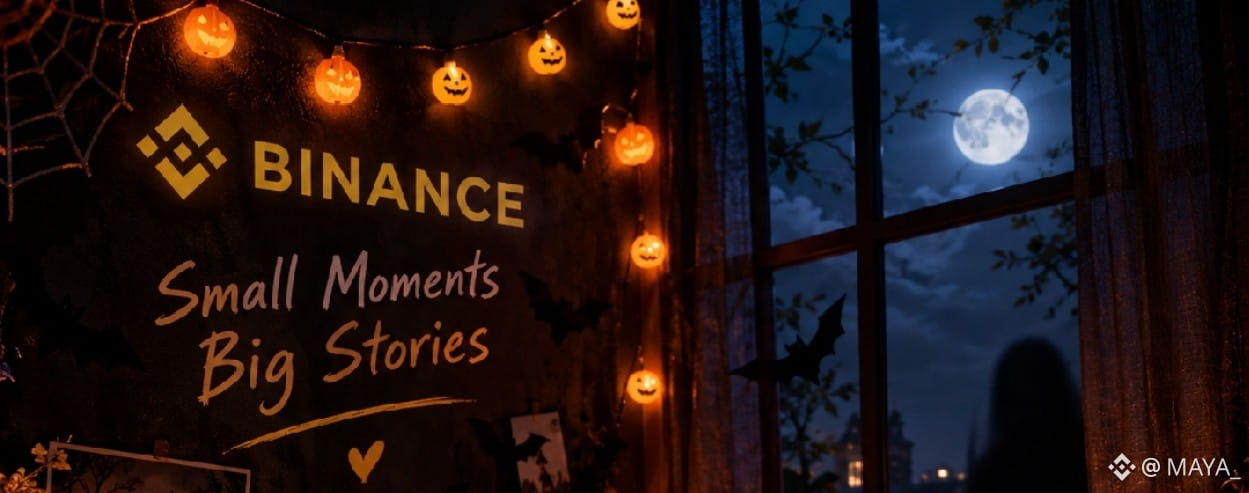
Listen, there was no need for a very big or grand event. I chose a corner of my room. There, I made a beautiful backdrop of black cloth and hung a few small orange warm lights. In the middle, I placed the familiar symbol of Halloween - a beautiful pumpkin🎃. And to connect our digital world with that environment, I placed the Binance logo next to it. A strange combination, where old traditions and new-age technology were creating a new story together. Honestly, the joy of creating something with your own imagination is completely different from buying expensive decorations from the market. I had to move the light around a few times to get the right light. Sometimes, when trying to capture the play of light and shadow in the picture frame, the light was too much, and sometimes, in the dim darkness, the logo was not clearly visible. Finally, after some effort, I found a corner that truly filled my mind with peace.
And yes - just then, a clear sound came from outside the room. I was completely stunned for a few seconds. I held my breath and tried to listen carefully. The sound again was as if someone had walked over something dry. Common sense told me that it was nothing more than the sound of dry branches or leaves moving in the wind. But oh, in the silence of the night and the atmosphere of Halloween, that moment seemed to have stopped completely. For a moment, the stories of those dark childhoods flashed before my eyes.
How strange we humans are, aren't we?
I knew in my heart that this was a very common occurrence, but with the atmosphere of darkness and imagination, we turned it into a big mystery. After a few moments, I gathered courage and went to the window and looked out. There was nothing spooky there, only a few dry leaves were rolling on the ground in the sweet wind. When I came back, I laughed out loud, remembering my strange thought. What a thrill it was to hear a sound that might not even reach the ear during the day, in the solitude of the night. This little experience made me think anew. Our lives are also a lot like this. The situation or environment is always the same, only our perspective changes. The main beauty of Halloween is also right here - creating a little extraordinary play of light and shadow in the ordinary, seeing everyday life with a little different eyes. My Hallowen this time with Binance was not just a photoshoot, it was a wonderful experience of touching my childhood and arranging a beautiful night on the canvas of my imagination. It's meaningful to me that even in this modern age of technology, we can frame our small feelings like this. I still smile to myself when I think about that little word at night. While there's no real mystery, the incident taught me that sometimes the little moments in life can create the most beautiful stories.
How's your Halloween night going?
Have you ever been stopped by a little word like this?
🎃🎃🎃
Happy Halloween to everyone in the Binance Community 👻💛🎃
#SEAPumpkinFrenzy
@BinanceBurmese
MY LITTLE HALLOWEEN STORY WITH BINANCE 🎃
Hay, listen Please...... 🙋♀️
Have you ever been like this, sitting alone in the corner of the room at night, everything is quiet, but suddenly you hear a small sound and it seems like someone unknown is standing behind the shadow?
To be honest,
This feeling is not new to me. When I was a child, I always showed a lot of courage when scary stories came up while hanging out with friends. I used to say that only weak-minded people are afraid of ghosts or the dark, I don't have any of these. But when I turned off the lights in the room at night and went to bed, I would feel a kind of shuddering feeling whenver I looked at the dark shadow in one corner of the room. I used to think to myself, instead of darkness, it wouldn't have hurt much if I had kept the small light in the corner on! But, now I'm older, life has moved on a lot with the wheel of busyness. But to be honest, even on a quiet night, when I suddenly hear a vague sound, that familiar fear from childhood quietly comes back. Then I laughed at myself, and at the same time I felt a sweet thrill. As Halloween approached this year, those old feelings in my heart were rekindled. When everyone around me was preparing to celebrate Halloween, I thought, what if I also created a spooky and mysterious atmosphere in my own way? The topic is quite fascinating, isn't it? 😱
Listen, there was no need for a very big or grand event. I chose a corner of my room. There, I made a beautiful backdrop of black cloth and hung a few small orange warm lights. In the middle, I placed the familiar symbol of Halloween - a beautiful pumpkin🎃. And to connect our digital world with that environment, I placed the Binance logo next to it. A strange combination, where old traditions and new-age technology were creating a new story together. Honestly, the joy of creating something with your own imagination is completely different from buying expensive decorations from the market. I had to move the light around a few times to get the right light. Sometimes, when trying to capture the play of light and shadow in the picture frame, the light was too much, and sometimes, in the dim darkness, the logo was not clearly visible. Finally, after some effort, I found a corner that truly filled my mind with peace.
And yes - just then, a clear sound came from outside the room. I was completely stunned for a few seconds. I held my breath and tried to listen carefully. The sound again was as if someone had walked over something dry. Common sense told me that it was nothing more than the sound of dry branches or leaves moving in the wind. But oh, in the silence of the night and the atmosphere of Halloween, that moment seemed to have stopped completely. For a moment, the stories of those dark childhoods flashed before my eyes.
How strange we humans are, aren't we?
I knew in my heart that this was a very common occurrence, but with the atmosphere of darkness and imagination, we turned it into a big mystery. After a few moments, I gathered courage and went to the window and looked out. There was nothing spooky there, only a few dry leaves were rolling on the ground in the sweet wind. When I came back, I laughed out loud, remembering my strange thought. What a thrill it was to hear a sound that might not even reach the ear during the day, in the solitude of the night. This little experience made me think anew. Our lives are also a lot like this. The situation or environment is always the same, only our perspective changes. The main beauty of Halloween is also right here - creating a little extraordinary play of light and shadow in the ordinary, seeing everyday life with a little different eyes. My Hallowen this time with Binance was not just a photoshoot, it was a wonderful experience of touching my childhood and arranging a beautiful night on the canvas of my imagination. It's meaningful to me that even in this modern age of technology, we can frame our small feelings like this. I still smile to myself when I think about that little word at night. While there's no real mystery, the incident taught me that sometimes the little moments in life can create the most beautiful stories.
How's your Halloween night going?
Have you ever been stopped by a little word like this?
🎃🎃🎃
Happy Halloween to everyone in the Binance Community 👻💛🎃
#SEAPumpkinFrenzy
@Binance Burmese
Have you ever been like this, sitting alone in the corner of the room at night, everything is quiet, but suddenly you hear a small sound and it seems like someone unknown is standing behind the shadow?
To be honest,
This feeling is not new to me. When I was a child, I always showed a lot of courage when scary stories came up while hanging out with friends. I used to say that only weak-minded people are afraid of ghosts or the dark, I don't have any of these. But when I turned off the lights in the room at night and went to bed, I would feel a kind of shuddering feeling whenver I looked at the dark shadow in one corner of the room. I used to think to myself, instead of darkness, it wouldn't have hurt much if I had kept the small light in the corner on! But, now I'm older, life has moved on a lot with the wheel of busyness. But to be honest, even on a quiet night, when I suddenly hear a vague sound, that familiar fear from childhood quietly comes back. Then I laughed at myself, and at the same time I felt a sweet thrill. As Halloween approached this year, those old feelings in my heart were rekindled. When everyone around me was preparing to celebrate Halloween, I thought, what if I also created a spooky and mysterious atmosphere in my own way? The topic is quite fascinating, isn't it? 😱
Listen, there was no need for a very big or grand event. I chose a corner of my room. There, I made a beautiful backdrop of black cloth and hung a few small orange warm lights. In the middle, I placed the familiar symbol of Halloween - a beautiful pumpkin🎃. And to connect our digital world with that environment, I placed the Binance logo next to it. A strange combination, where old traditions and new-age technology were creating a new story together. Honestly, the joy of creating something with your own imagination is completely different from buying expensive decorations from the market. I had to move the light around a few times to get the right light. Sometimes, when trying to capture the play of light and shadow in the picture frame, the light was too much, and sometimes, in the dim darkness, the logo was not clearly visible. Finally, after some effort, I found a corner that truly filled my mind with peace.
And yes - just then, a clear sound came from outside the room. I was completely stunned for a few seconds. I held my breath and tried to listen carefully. The sound again was as if someone had walked over something dry. Common sense told me that it was nothing more than the sound of dry branches or leaves moving in the wind. But oh, in the silence of the night and the atmosphere of Halloween, that moment seemed to have stopped completely. For a moment, the stories of those dark childhoods flashed before my eyes.
How strange we humans are, aren't we?
I knew in my heart that this was a very common occurrence, but with the atmosphere of darkness and imagination, we turned it into a big mystery. After a few moments, I gathered courage and went to the window and looked out. There was nothing spooky there, only a few dry leaves were rolling on the ground in the sweet wind. When I came back, I laughed out loud, remembering my strange thought. What a thrill it was to hear a sound that might not even reach the ear during the day, in the solitude of the night. This little experience made me think anew. Our lives are also a lot like this. The situation or environment is always the same, only our perspective changes. The main beauty of Halloween is also right here - creating a little extraordinary play of light and shadow in the ordinary, seeing everyday life with a little different eyes. My Hallowen this time with Binance was not just a photoshoot, it was a wonderful experience of touching my childhood and arranging a beautiful night on the canvas of my imagination. It's meaningful to me that even in this modern age of technology, we can frame our small feelings like this. I still smile to myself when I think about that little word at night. While there's no real mystery, the incident taught me that sometimes the little moments in life can create the most beautiful stories.
How's your Halloween night going?
Have you ever been stopped by a little word like this?
🎃🎃🎃
Happy Halloween to everyone in the Binance Community 👻💛🎃
#SEAPumpkinFrenzy
@Binance Burmese
8
5
35
997
Log in to explore more content
Join global crypto users on Binance Square
⚡️ Get latest and useful information about crypto.
💬 Trusted by the world’s largest crypto exchange.
👍 Discover real insights from verified creators.
Email / Phone number