
Gugugagaa
1.6k Posts

Gugugagaa
Report
Block User
A Researcher & A Learner
10 Following
19.5K+ Followers
5.7K+ Liked
Posts
All
Quotes
Videos
Live
·
--
Article
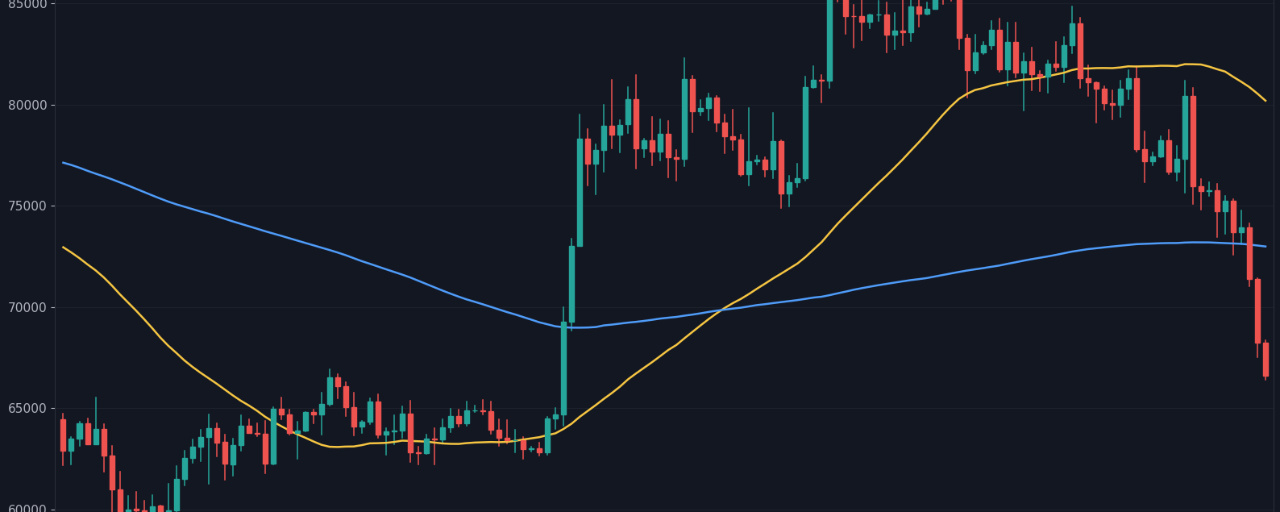
Is Your Chart a Mess? Try This One Line First to Make It Easier to ReadHave you ever opened a chart, seen the line go up and down like a tangled thread, then closed it again because you got overwhelmed before you could make sense of anything?
That’s totally normal. That’s why beginners need to start with one simple tool: the Moving Average.
A Moving Average is an average of prices that changes over time. Put simply: the closing prices from the last few periods are averaged, then plotted as a line that moves whenever new data comes in.
**How Can Such a Simple Line Help?**
Daily prices are noisy. A small rise causes a fuss, a small drop causes panic. But when you average them, the bigger picture becomes clearer: an uptrend, a downtrend, or aimless sideways movement.
Is Your Chart a Mess? Try This One Line First to Make It Easier to Read
Have you ever opened a chart, seen the line go up and down like a tangled thread, then closed it again because you got overwhelmed before you could make sense of anything?
That’s totally normal. That’s why beginners need to start with one simple tool: the Moving Average.
A Moving Average is an average of prices that changes over time. Put simply: the closing prices from the last few periods are averaged, then plotted as a line that moves whenever new data comes in.
**How Can Such a Simple Line Help?**
Daily prices are noisy. A small rise causes a fuss, a small drop causes panic. But when you average them, the bigger picture becomes clearer: an uptrend, a downtrend, or aimless sideways movement.
65
·
--
Article
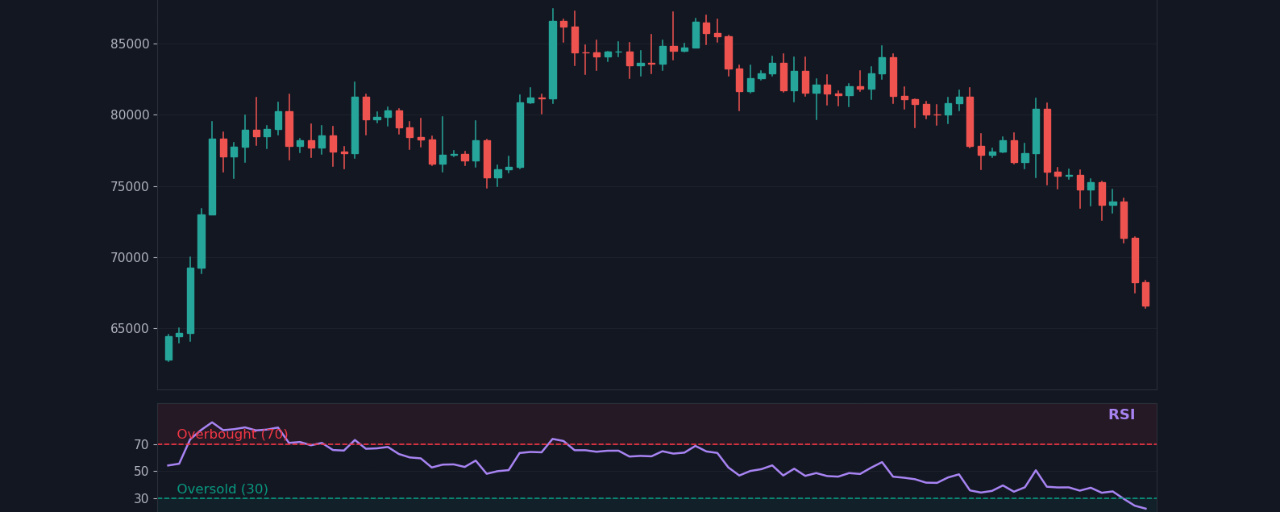
RSI Is Overbought, So Why Does the Price Keep Rising? Here’s What You’re MisunderstandingHave you ever seen RSI go above 70 and immediately assumed the price would fall, only for it to keep rising until you’re left staring in disbelief?
Don’t worry, RSI isn’t broken. You just thought it was a magic button.
RSI stands for Relative Strength Index. Simply put, it’s a tool for measuring how exhausted price movements are after rising or falling rapidly over a given period.
**RSI Is an Exhaustion Indicator, Not a Prediction**
Imagine you’re sprinting. Being out of breath doesn’t mean you’ll stop right that second. You can keep running, but you don’t have as much energy as you did at the start.
RSI Is Overbought, So Why Does the Price Keep Rising? Here’s What You’re Misunderstanding
Have you ever seen RSI go above 70 and immediately assumed the price would fall, only for it to keep rising until you’re left staring in disbelief?
Don’t worry, RSI isn’t broken. You just thought it was a magic button.
RSI stands for Relative Strength Index. Simply put, it’s a tool for measuring how exhausted price movements are after rising or falling rapidly over a given period.
**RSI Is an Exhaustion Indicator, Not a Prediction**
Imagine you’re sprinting. Being out of breath doesn’t mean you’ll stop right that second. You can keep running, but you don’t have as much energy as you did at the start.
40
·
--
Article
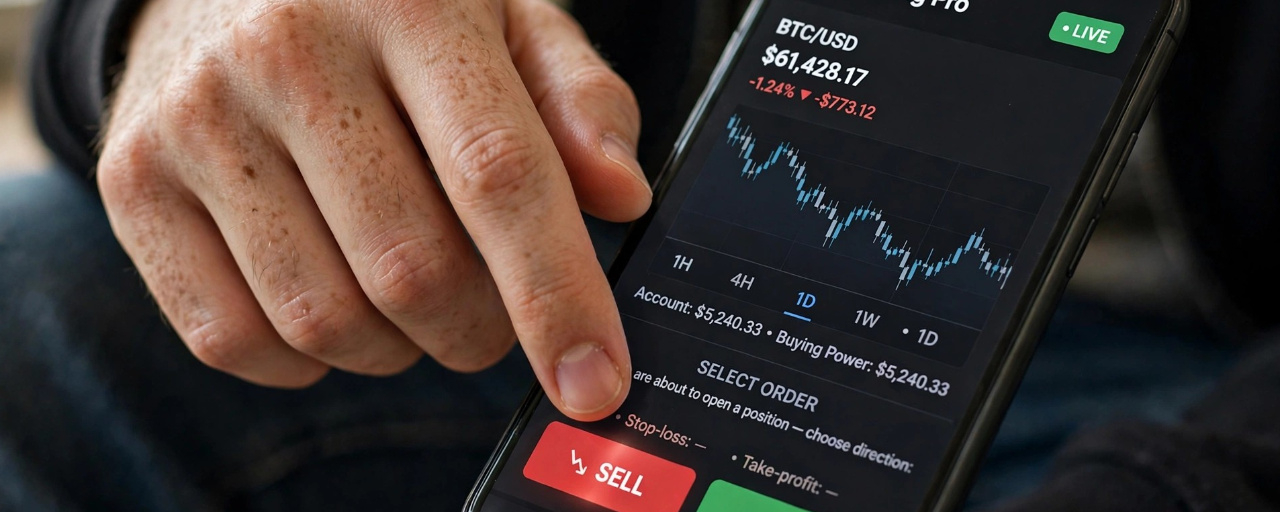
Limit vs. Market Orders: Buy Now or Wait for a Dip? Choose Wrong and Miss the TrainHave you ever wanted to buy a coin, then seen order options in the app that left you scratching your head, thinking, "Which one do I tap? Why are there only two ways to buy, and why is it so complicated?" Don't worry—these are the two most basic ways to buy on any exchange, and the difference is actually pretty simple.
Let's explain it in plain, coffee-shop language. A market order means buying right now at the current market price. A limit order means setting your own price and patiently waiting until someone is willing to sell at that price.
Limit vs. Market Orders: Buy Now or Wait for a Dip? Choose Wrong and Miss the Train
Have you ever wanted to buy a coin, then seen order options in the app that left you scratching your head, thinking, "Which one do I tap? Why are there only two ways to buy, and why is it so complicated?" Don't worry—these are the two most basic ways to buy on any exchange, and the difference is actually pretty simple.
Let's explain it in plain, coffee-shop language. A market order means buying right now at the current market price. A limit order means setting your own price and patiently waiting until someone is willing to sell at that price.
Let's explain it in plain, coffee-shop language. A market order means buying right now at the current market price. A limit order means setting your own price and patiently waiting until someone is willing to sell at that price.
42
·
--

Article
Made a Profit, So Why Did It Turn Into a Loss? Taking Profit Is the Art of Not Getting GreedyHave you ever looked at a green portfolio, smiled to yourself, and said, "Just a little more, then it'll be even bigger"? Then a few hours later, the green is gone, replaced by red, and your smile turns into a blank stare at the screen. The profit that was once real becomes just a memory and a painful story to tell.
That's where taking profit comes in. Simply put, take profit is an automatic sell order that triggers when the price rises to a target you set in advance. Its purpose is to lock in your gains so they're real, not just green numbers that could disappear at any moment.
Made a Profit, So Why Did It Turn Into a Loss? Taking Profit Is the Art of Not Getting Greedy
Have you ever looked at a green portfolio, smiled to yourself, and said, "Just a little more, then it'll be even bigger"? Then a few hours later, the green is gone, replaced by red, and your smile turns into a blank stare at the screen. The profit that was once real becomes just a memory and a painful story to tell.
That's where taking profit comes in. Simply put, take profit is an automatic sell order that triggers when the price rises to a target you set in advance. Its purpose is to lock in your gains so they're real, not just green numbers that could disappear at any moment.
That's where taking profit comes in. Simply put, take profit is an automatic sell order that triggers when the price rises to a target you set in advance. Its purpose is to lock in your gains so they're real, not just green numbers that could disappear at any moment.
43
·
--
Article
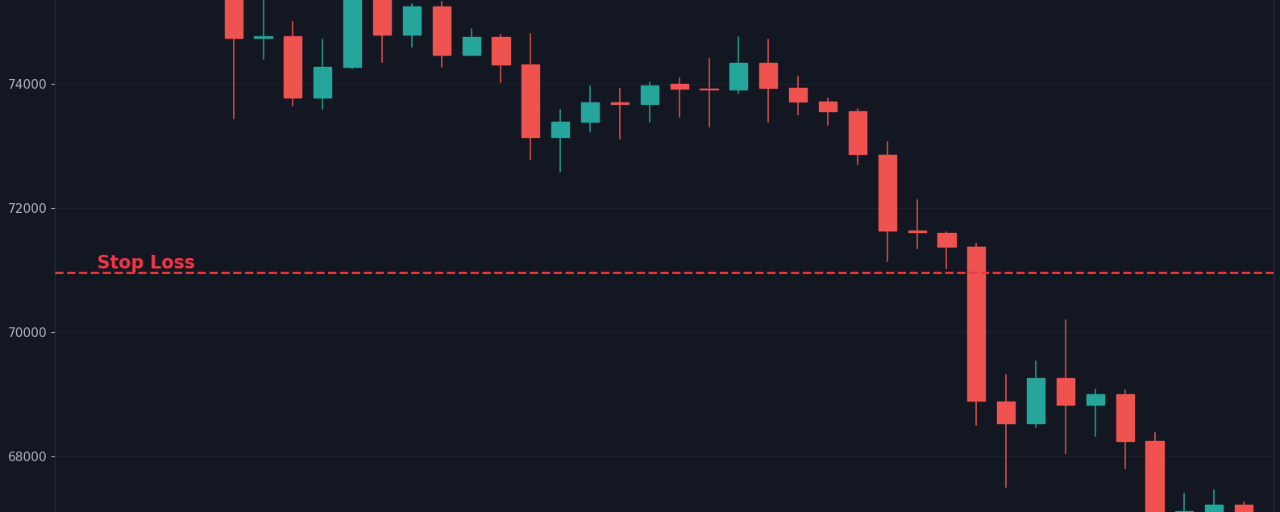
Don’t Go to Bed Without a Stop Loss Unless You Want to Wake Up to a Price PlungeHave you ever told yourself, "Ah, it’s only dipped a little—it’ll go back up," then gone to bed, only to wake up and find the price has plunged way down, leaving you staring at the chart over coffee that suddenly tastes really bitter? A classic story. Almost every trader has played the lead role at some point.
The tool for putting the brakes on situations like that is called a stop loss. Simply put, a stop loss is an automatic sell order you set in advance: if the price drops to the limit you choose, your position is sold automatically so your loss stops there. You decide your pain threshold before emotions get involved.
Don’t Go to Bed Without a Stop Loss Unless You Want to Wake Up to a Price Plunge
Have you ever told yourself, "Ah, it’s only dipped a little—it’ll go back up," then gone to bed, only to wake up and find the price has plunged way down, leaving you staring at the chart over coffee that suddenly tastes really bitter? A classic story. Almost every trader has played the lead role at some point.
The tool for putting the brakes on situations like that is called a stop loss. Simply put, a stop loss is an automatic sell order you set in advance: if the price drops to the limit you choose, your position is sold automatically so your loss stops there. You decide your pain threshold before emotions get involved.
The tool for putting the brakes on situations like that is called a stop loss. Simply put, a stop loss is an automatic sell order you set in advance: if the price drops to the limit you choose, your position is sold automatically so your loss stops there. You decide your pain threshold before emotions get involved.
1
101
·
--

Article
Is It Better to Buy Crypto at a Mall or an Open-Air Market? Here’s the Difference Between CEXs and DEXs So You Don’t Pick the Wrong OneHave you ever just gotten into crypto and heard someone say, "Just buy on a CEX, it’s easy," while someone else says, "A DEX gives you more freedom"? You’re left scratching your head: What even are CEXs and DEXs? They sound like cough medicine. But this choice can have a big impact on your experience holding crypto.
All right, let’s break it down simply. CEX stands for Centralized Exchange—a centralized exchange operated by a company. You sign up, verify your identity through KYC, deposit money, and then trade on its platform. DEX stands for Decentralized Exchange—an exchange that runs on smart contracts, where you trade directly from your own wallet without creating an account.
Is It Better to Buy Crypto at a Mall or an Open-Air Market? Here’s the Difference Between CEXs and DEXs So You Don’t Pick the Wrong One
Have you ever just gotten into crypto and heard someone say, "Just buy on a CEX, it’s easy," while someone else says, "A DEX gives you more freedom"? You’re left scratching your head: What even are CEXs and DEXs? They sound like cough medicine. But this choice can have a big impact on your experience holding crypto.
All right, let’s break it down simply. CEX stands for Centralized Exchange—a centralized exchange operated by a company. You sign up, verify your identity through KYC, deposit money, and then trade on its platform. DEX stands for Decentralized Exchange—an exchange that runs on smart contracts, where you trade directly from your own wallet without creating an account.
All right, let’s break it down simply. CEX stands for Centralized Exchange—a centralized exchange operated by a company. You sign up, verify your identity through KYC, deposit money, and then trade on its platform. DEX stands for Decentralized Exchange—an exchange that runs on smart contracts, where you trade directly from your own wallet without creating an account.
89
·
--

Article
Blockchain Stuck Like a Toll Road on Holiday, Then an Extra Lane Comes Along? Here’s the Difference Between Layer 1 vs Layer 2Have you ever wanted to make a transaction when the network is crowded, only to find the fees super expensive and the process slow like waiting in a long holiday traffic line at a toll gate? You just want to send some coins, but it feels like going home with the whole family. That’s where the story of Layer 1 and Layer 2 begins.
Let’s define it simply. Layer 1 is the main blockchain itself, the main toll road. For example, Bitcoin and Ethereum are Layer 1s. All original transactions are recorded and secured here. Strong and safe, but the road capacity is limited.
Blockchain Stuck Like a Toll Road on Holiday, Then an Extra Lane Comes Along? Here’s the Difference Between Layer 1 vs Layer 2
Have you ever wanted to make a transaction when the network is crowded, only to find the fees super expensive and the process slow like waiting in a long holiday traffic line at a toll gate? You just want to send some coins, but it feels like going home with the whole family. That’s where the story of Layer 1 and Layer 2 begins.
Let’s define it simply. Layer 1 is the main blockchain itself, the main toll road. For example, Bitcoin and Ethereum are Layer 1s. All original transactions are recorded and secured here. Strong and safe, but the road capacity is limited.
Let’s define it simply. Layer 1 is the main blockchain itself, the main toll road. For example, Bitcoin and Ethereum are Layer 1s. All original transactions are recorded and secured here. Strong and safe, but the road capacity is limited.
330
·
--

Article
How Can a Contract Run on Its Own Without a Notary or Any Drama? Meet Smart ContractsHave you ever made plans with someone, agreed on one thing, then when the day comes they change it—and you’re left empty-handed? With an ordinary contract, people can still find ways around things. Now imagine a contract that runs by itself once its conditions are met: it can’t be negotiated with, and no one can pretend to forget.
That’s a smart contract. Simply put, a smart contract is a computer program that lives on a blockchain and contains an agreement in the form of code: “if this happens, then do that.” Once its conditions are met, the program executes automatically without needing an intermediary.
How Can a Contract Run on Its Own Without a Notary or Any Drama? Meet Smart Contracts
Have you ever made plans with someone, agreed on one thing, then when the day comes they change it—and you’re left empty-handed? With an ordinary contract, people can still find ways around things. Now imagine a contract that runs by itself once its conditions are met: it can’t be negotiated with, and no one can pretend to forget.
That’s a smart contract. Simply put, a smart contract is a computer program that lives on a blockchain and contains an agreement in the form of code: “if this happens, then do that.” Once its conditions are met, the program executes automatically without needing an intermediary.
That’s a smart contract. Simply put, a smart contract is a computer program that lives on a blockchain and contains an agreement in the form of code: “if this happens, then do that.” Once its conditions are met, the program executes automatically without needing an intermediary.
96
·
--

Article
Why Does Sending Coins Keep Coming With Fees? Don’t Worry, That’s the Gas Fee—the Blockchain’s TollHave you ever tried to send coins worth, say, just Rp50,000, only to find that the transfer fee could buy you two cups of coffee? You immediately wonder, “Is this exchange being stingy, or am I just unlucky?” It feels like you’re taking the road near your house and suddenly being charged a ridiculously expensive toll.
That fee is called a gas fee. Simply put, it’s what you pay the blockchain network to process and record your transaction. You’re not just paying the exchange—this goes straight to the “road” itself, to the validators or miners who keep the network running.
Why Does Sending Coins Keep Coming With Fees? Don’t Worry, That’s the Gas Fee—the Blockchain’s Toll
Have you ever tried to send coins worth, say, just Rp50,000, only to find that the transfer fee could buy you two cups of coffee? You immediately wonder, “Is this exchange being stingy, or am I just unlucky?” It feels like you’re taking the road near your house and suddenly being charged a ridiculously expensive toll.
That fee is called a gas fee. Simply put, it’s what you pay the blockchain network to process and record your transaction. You’re not just paying the exchange—this goes straight to the “road” itself, to the validators or miners who keep the network running.
That fee is called a gas fee. Simply put, it’s what you pay the blockchain network to process and record your transaction. You’re not just paying the exchange—this goes straight to the “road” itself, to the validators or miners who keep the network running.
2
409
·
--
Article
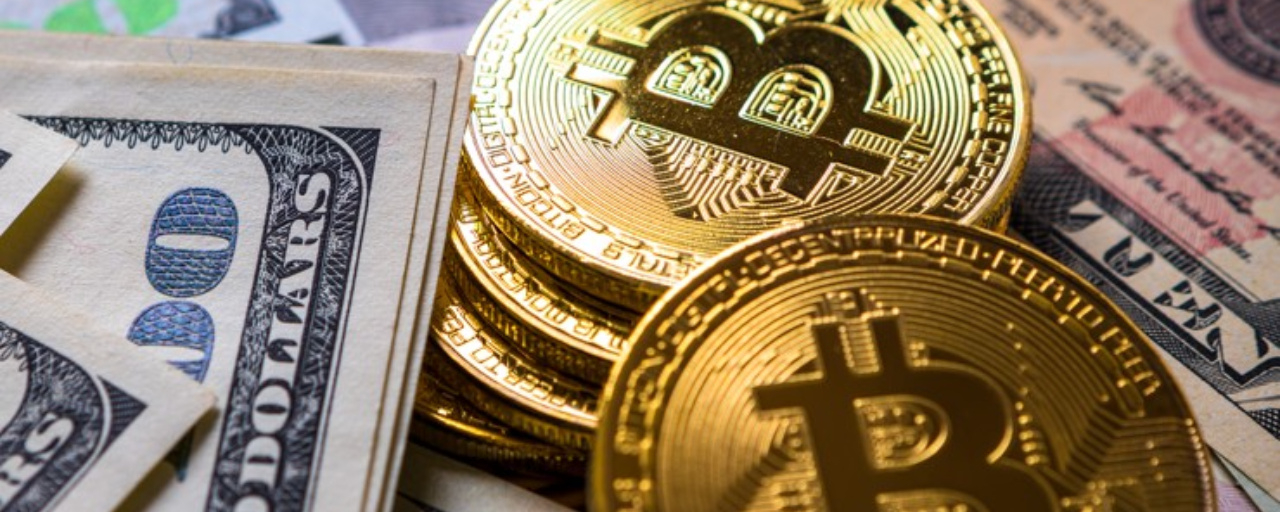
They Say It’s Stable—So How Can It Wobble? Get to Know Stablecoins So You’re Not Caught Off GuardEver get tired of watching your portfolio go up and down like a roller coaster, then hear someone say, “Just park it in stablecoins for now—it’s safe”? You move your money over and feel relieved... until you hear that some stablecoins have lost their peg. Cue the cold sweats, right?
Okay, let’s take it step by step. A stablecoin is a crypto coin designed to stay pegged to a stable asset, most commonly the US dollar. For example, it might be designed so that 1 coin is always worth 1 dollar. So it’s not meant to shoot up in value—its job is to stay put, like a temporary parking spot for your funds in the crypto world.
They Say It’s Stable—So How Can It Wobble? Get to Know Stablecoins So You’re Not Caught Off Guard
Ever get tired of watching your portfolio go up and down like a roller coaster, then hear someone say, “Just park it in stablecoins for now—it’s safe”? You move your money over and feel relieved... until you hear that some stablecoins have lost their peg. Cue the cold sweats, right?
Okay, let’s take it step by step. A stablecoin is a crypto coin designed to stay pegged to a stable asset, most commonly the US dollar. For example, it might be designed so that 1 coin is always worth 1 dollar. So it’s not meant to shoot up in value—its job is to stay put, like a temporary parking spot for your funds in the crypto world.
Okay, let’s take it step by step. A stablecoin is a crypto coin designed to stay pegged to a stable asset, most commonly the US dollar. For example, it might be designed so that 1 coin is always worth 1 dollar. So it’s not meant to shoot up in value—its job is to stay put, like a temporary parking spot for your funds in the crypto world.
62
·
--
Article
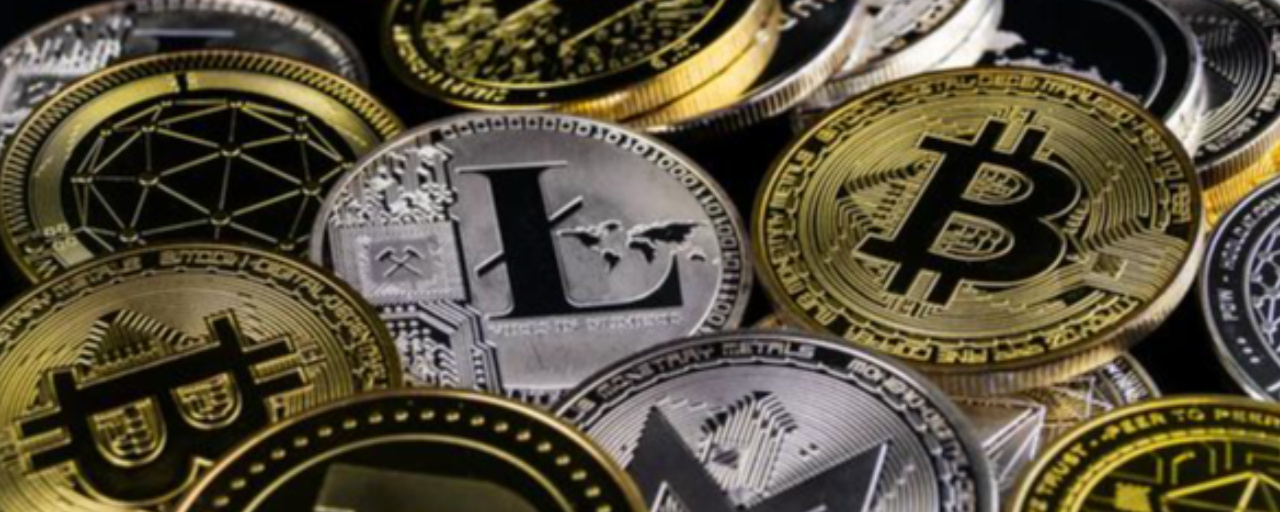
Billions of Coins vs. Just a Few: Understand Tokenomics Before Buying Into Sweet PromisesHave you ever seen a coin priced really low, just Rp10 per coin, and thought, "Wow, if it just goes up to Rp10,000, I’ll be rich"? It sounds reasonable—until you check the supply and find out there are trillions of coins in circulation. That’s when the dream falls apart.
The knowledge you need to understand things like this is called tokenomics—a combination of the words token and economics. Simply put, tokenomics is the economic rulebook for a coin: how many there are, who holds them, when they’re released, and what they’re used for.
**Key Terms You Need to Know**
Billions of Coins vs. Just a Few: Understand Tokenomics Before Buying Into Sweet Promises
Have you ever seen a coin priced really low, just Rp10 per coin, and thought, "Wow, if it just goes up to Rp10,000, I’ll be rich"? It sounds reasonable—until you check the supply and find out there are trillions of coins in circulation. That’s when the dream falls apart.
The knowledge you need to understand things like this is called tokenomics—a combination of the words token and economics. Simply put, tokenomics is the economic rulebook for a coin: how many there are, who holds them, when they’re released, and what they’re used for.
**Key Terms You Need to Know**
The knowledge you need to understand things like this is called tokenomics—a combination of the words token and economics. Simply put, tokenomics is the economic rulebook for a coin: how many there are, who holds them, when they’re released, and what they’re used for.
**Key Terms You Need to Know**
1
32
·
--
Article
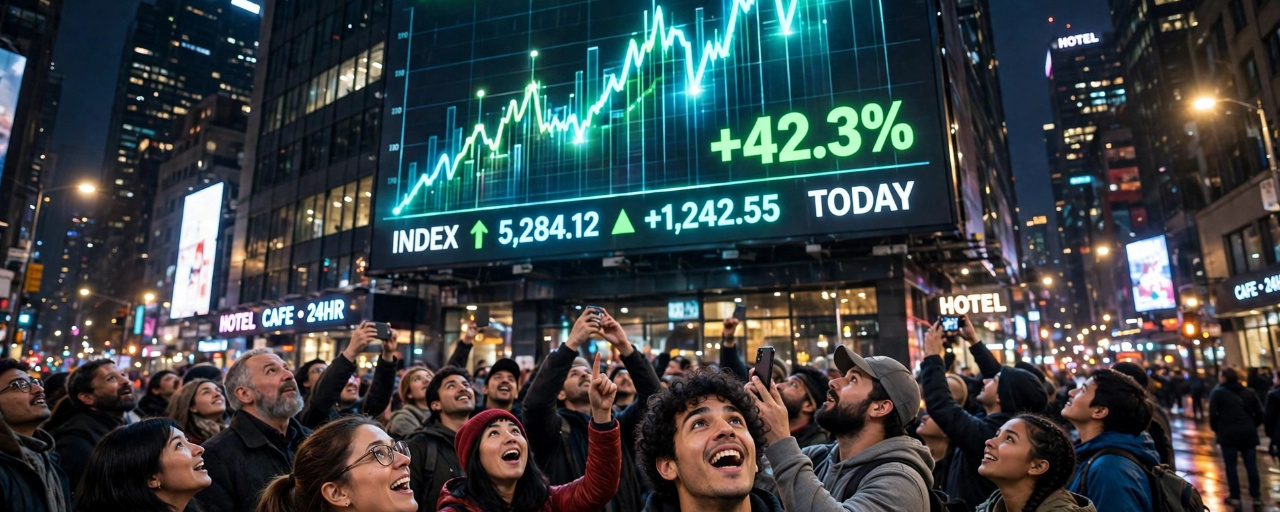
Everyone Buys at the Top, Then Cries Together: The Story of ATH and FOMO That Leaves Your Wallet EmptyHave you ever opened a group chat to find everyone yelling "ATH! ATH!" and then panicked and bought right away, only for the price to drop the next day while you just stare blankly at your balance? Congrats, you've just met the most legendary combo: ATH plus FOMO.
ATH stands for All-Time High—the highest price a coin has ever reached. Sounds pretty cool, right? Like a new record. The thing is, the highest price also means... well, it's the most expensive point so far. Buying there without thinking is like buying a concert ticket from the most expensive scalper.
Everyone Buys at the Top, Then Cries Together: The Story of ATH and FOMO That Leaves Your Wallet Empty
Have you ever opened a group chat to find everyone yelling "ATH! ATH!" and then panicked and bought right away, only for the price to drop the next day while you just stare blankly at your balance? Congrats, you've just met the most legendary combo: ATH plus FOMO.
ATH stands for All-Time High—the highest price a coin has ever reached. Sounds pretty cool, right? Like a new record. The thing is, the highest price also means... well, it's the most expensive point so far. Buying there without thinking is like buying a concert ticket from the most expensive scalper.
ATH stands for All-Time High—the highest price a coin has ever reached. Sounds pretty cool, right? Like a new record. The thing is, the highest price also means... well, it's the most expensive point so far. Buying there without thinking is like buying a concert ticket from the most expensive scalper.
1
72
·
--
Article
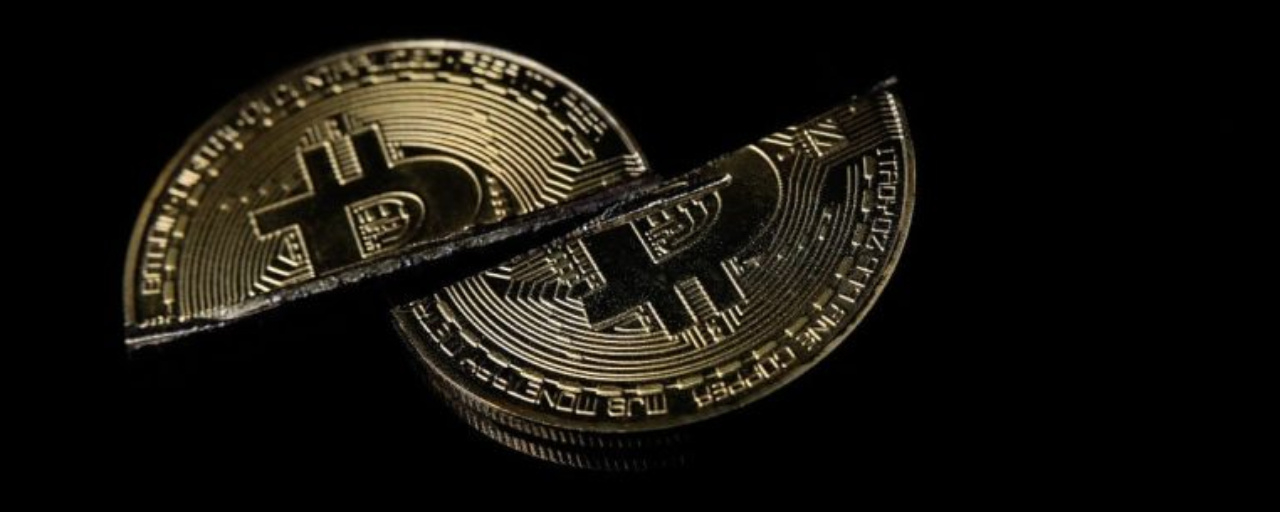
Ever Heard Bitcoin Gets “Cut” Every 4 Years? That’s Halving, Not HorrorHave you ever been chatting casually when someone says, “Be patient, halving is coming soon,” as if they’re waiting for a huge sale? You just nod along, even though inside you’re thinking, what the heck is halving, and why is everyone making such a big deal about it?
Don’t worry, you’re not alone. Halving is simple: the reward for Bitcoin miners gets cut in half, and it happens about every four years. It’s not the miners who get cut in half—their reward does.
**Why Does It Get Cut in Half?**
Bitcoin was designed to be scarce from the very beginning. There will only ever be 21 million coins—you can’t just print more whenever you feel like it, like paper money.
Ever Heard Bitcoin Gets “Cut” Every 4 Years? That’s Halving, Not Horror
Have you ever been chatting casually when someone says, “Be patient, halving is coming soon,” as if they’re waiting for a huge sale? You just nod along, even though inside you’re thinking, what the heck is halving, and why is everyone making such a big deal about it?
Don’t worry, you’re not alone. Halving is simple: the reward for Bitcoin miners gets cut in half, and it happens about every four years. It’s not the miners who get cut in half—their reward does.
**Why Does It Get Cut in Half?**
Bitcoin was designed to be scarce from the very beginning. There will only ever be 21 million coins—you can’t just print more whenever you feel like it, like paper money.
2
260
·
--
Article
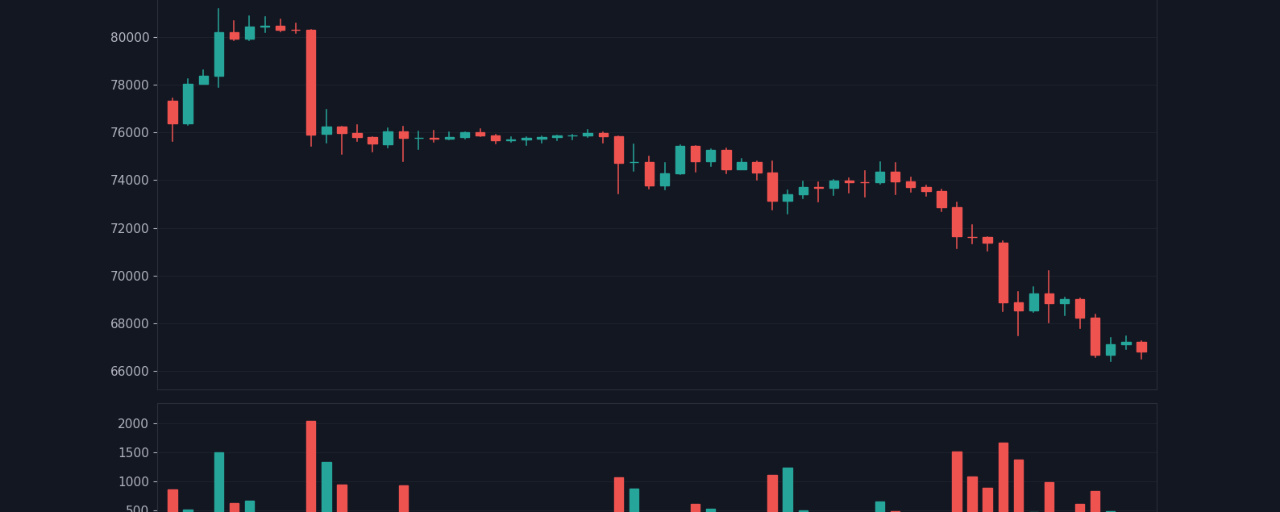
A Price Rise on Low Volume Can Easily ReverseHave you ever seen a coin’s price rise quite a bit and started to get interested, only to notice that the volume bars below the chart are short and sparse? It’s like someone shouting “It’s packed in here!” when the room is empty. That’s where trading volume comes in as a way to check whether a price move is genuine.
**Volume Shows How Many People Are Trading**
Trading volume is the amount of an asset traded during a specific period, such as one hour or one day. On a chart, it usually appears as bars at the bottom, separate from the price candles above.
A Price Rise on Low Volume Can Easily Reverse
Have you ever seen a coin’s price rise quite a bit and started to get interested, only to notice that the volume bars below the chart are short and sparse? It’s like someone shouting “It’s packed in here!” when the room is empty. That’s where trading volume comes in as a way to check whether a price move is genuine.
**Volume Shows How Many People Are Trading**
Trading volume is the amount of an asset traded during a specific period, such as one hour or one day. On a chart, it usually appears as bars at the bottom, separate from the price candles above.
**Volume Shows How Many People Are Trading**
Trading volume is the amount of an asset traded during a specific period, such as one hour or one day. On a chart, it usually appears as bars at the bottom, separate from the price candles above.
1
35
·
--
Article
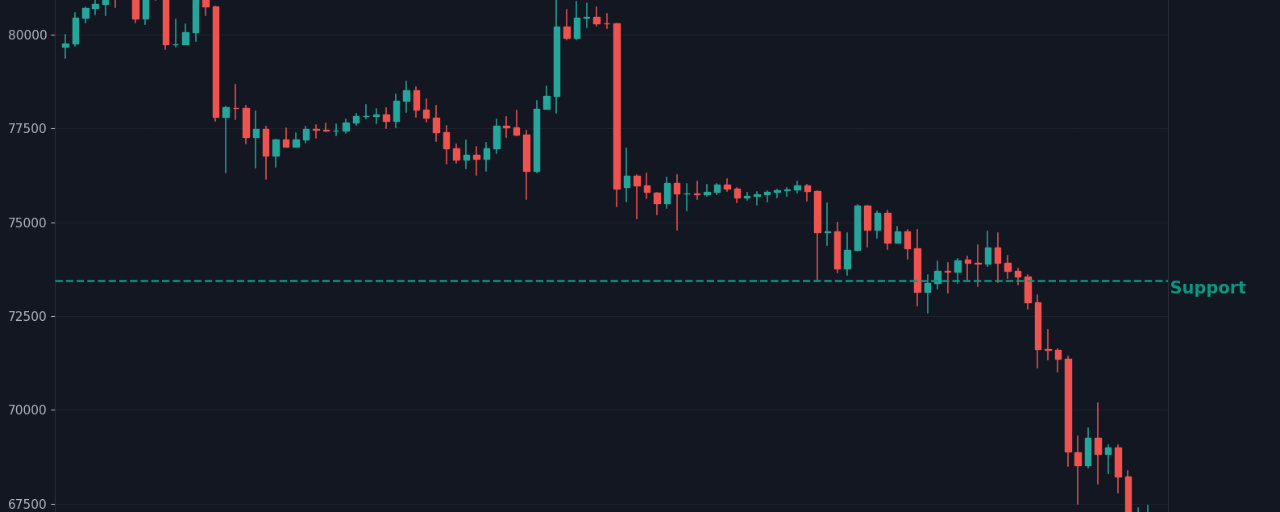
Why Does the Price Keep Bouncing at the Same Place? It’s Not a CoincidenceHave you ever noticed a coin’s price fall to a certain level, then bounce back up, with the same thing happening repeatedly around similar levels? Or the opposite: the price rises to a certain level, then keeps getting knocked back down. It feels like there’s an invisible wall. Well, that’s what we’re going to talk about.
**Support Is the Floor, Resistance Is the Ceiling**
Support is a price area below that often holds back a decline. Buyers usually start coming in here because they feel the price is cheap enough, making it harder for the price to keep falling and often causing it to bounce.
Why Does the Price Keep Bouncing at the Same Place? It’s Not a Coincidence
Have you ever noticed a coin’s price fall to a certain level, then bounce back up, with the same thing happening repeatedly around similar levels? Or the opposite: the price rises to a certain level, then keeps getting knocked back down. It feels like there’s an invisible wall. Well, that’s what we’re going to talk about.
**Support Is the Floor, Resistance Is the Ceiling**
Support is a price area below that often holds back a decline. Buyers usually start coming in here because they feel the price is cheap enough, making it harder for the price to keep falling and often causing it to bounce.
**Support Is the Floor, Resistance Is the Ceiling**
Support is a price area below that often holds back a decline. Buyers usually start coming in here because they feel the price is cheap enough, making it harder for the price to keep falling and often causing it to bounce.
1
79
·
--
Article
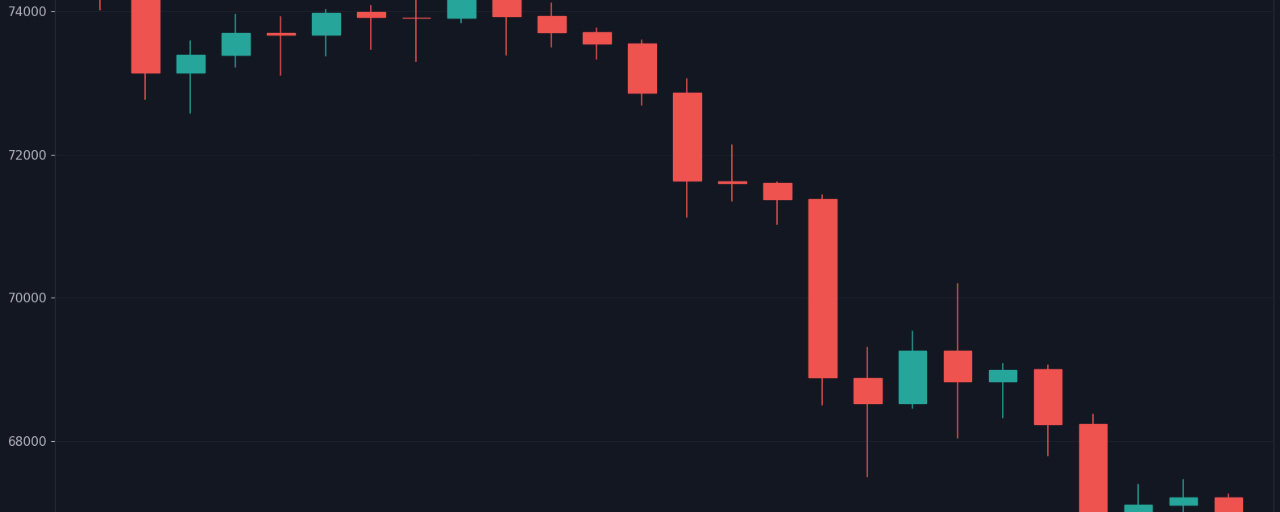
One Little Candlestick, Yet It Tells the Whole Story of Buyers vs. Sellers?Have you ever opened a crypto chart, seen a row of green and red candles, then closed it right away because it made your head spin? But each candlestick tells the whole story of the tug-of-war between buyers and sellers over a period of time. It’s much easier to read than it looks, seriously.
**The Anatomy of a Candle, Step by Step**
A candlestick is a way to show price movements over a period of time, such as 1 hour or 1 day. Each candle contains four pieces of information: the opening price, closing price, highest price, and lowest price during that period.
One Little Candlestick, Yet It Tells the Whole Story of Buyers vs. Sellers?
Have you ever opened a crypto chart, seen a row of green and red candles, then closed it right away because it made your head spin? But each candlestick tells the whole story of the tug-of-war between buyers and sellers over a period of time. It’s much easier to read than it looks, seriously.
**The Anatomy of a Candle, Step by Step**
A candlestick is a way to show price movements over a period of time, such as 1 hour or 1 day. Each candle contains four pieces of information: the opening price, closing price, highest price, and lowest price during that period.
**The Anatomy of a Candle, Step by Step**
A candlestick is a way to show price movements over a period of time, such as 1 hour or 1 day. Each candle contains four pieces of information: the opening price, closing price, highest price, and lowest price during that period.
1
93
·
--
Article
Why Are Buy and Sell Prices on Exchanges Always Different? It’s Not a Bug, BroHave you ever wanted to buy a coin, then noticed its buy price was slightly higher than its sell price and wondered if the app was broken or you were being ripped off? Don’t worry, it’s not a bug. This is normal in every market, and the key is the order book.
**An Order Book Is a Queue of Buy and Sell Orders**
An order book is a list of all pending orders that haven’t been filled. On one side are people who want to buy at a certain price, called bids. On the other side are people who want to sell at a certain price, called asks. The exchange keeps matching these two queues.
Why Are Buy and Sell Prices on Exchanges Always Different? It’s Not a Bug, Bro
Have you ever wanted to buy a coin, then noticed its buy price was slightly higher than its sell price and wondered if the app was broken or you were being ripped off? Don’t worry, it’s not a bug. This is normal in every market, and the key is the order book.
**An Order Book Is a Queue of Buy and Sell Orders**
An order book is a list of all pending orders that haven’t been filled. On one side are people who want to buy at a certain price, called bids. On the other side are people who want to sell at a certain price, called asks. The exchange keeps matching these two queues.
1
25
·
--

Article
The Coin’s Price Is Up on Screen, but When You Try to Sell, There Are No Buyers. What Now?Have you ever imagined owning something that’s supposedly valuable, but when you try to sell it, the shop is empty and there are no buyers at all? The digital version of that can really happen in crypto, and it’s called a liquidity problem. Beginners often overlook this topic because it doesn’t look as exciting as a chart.
**Liquidity Is About How Easy or Difficult It Is to Get In and Out**
Liquidity, simply put, is how easily an asset can be bought or sold quickly without causing its price to change much. A liquid coin has plenty of active buyers and sellers, so your trade can quickly find someone on the other side.
The Coin’s Price Is Up on Screen, but When You Try to Sell, There Are No Buyers. What Now?
Have you ever imagined owning something that’s supposedly valuable, but when you try to sell it, the shop is empty and there are no buyers at all? The digital version of that can really happen in crypto, and it’s called a liquidity problem. Beginners often overlook this topic because it doesn’t look as exciting as a chart.
**Liquidity Is About How Easy or Difficult It Is to Get In and Out**
Liquidity, simply put, is how easily an asset can be bought or sold quickly without causing its price to change much. A liquid coin has plenty of active buyers and sellers, so your trade can quickly find someone on the other side.
**Liquidity Is About How Easy or Difficult It Is to Get In and Out**
Liquidity, simply put, is how easily an asset can be bought or sold quickly without causing its price to change much. A liquid coin has plenty of active buyers and sellers, so your trade can quickly find someone on the other side.
1
33
·
--
Article
A Coin Costs Only Rp10, So You Think It’s Cheap? Not NecessarilyHave you ever seen a coin priced at just a few rupiah and immediately thought, “Wow, this is cheap. If it goes up to just Rp10,000, I’ll be rich”? Don’t worry—almost every beginner has thought that. The problem is, looking only at the price per coin is the oldest trap in crypto.
**What You Should Really Look At Is Market Cap**
Market cap, also known as market capitalization, is the total value of a coin. It’s simple to calculate: the price per coin multiplied by the number of coins in circulation.
Here’s an example to make it clearer. Let’s say Coin A costs Rp10, but there are 100 billion coins in circulation. Its market cap would be Rp10 multiplied by 100 billion, which comes to Rp1 trillion. Now let’s look at Coin B, which costs Rp1,000,000, but has only 1,000 coins in circulation. Its market cap is also Rp1 trillion. Their prices are worlds apart, but their total values are exactly the same.
A Coin Costs Only Rp10, So You Think It’s Cheap? Not Necessarily
Have you ever seen a coin priced at just a few rupiah and immediately thought, “Wow, this is cheap. If it goes up to just Rp10,000, I’ll be rich”? Don’t worry—almost every beginner has thought that. The problem is, looking only at the price per coin is the oldest trap in crypto.
**What You Should Really Look At Is Market Cap**
Market cap, also known as market capitalization, is the total value of a coin. It’s simple to calculate: the price per coin multiplied by the number of coins in circulation.
Here’s an example to make it clearer. Let’s say Coin A costs Rp10, but there are 100 billion coins in circulation. Its market cap would be Rp10 multiplied by 100 billion, which comes to Rp1 trillion. Now let’s look at Coin B, which costs Rp1,000,000, but has only 1,000 coins in circulation. Its market cap is also Rp1 trillion. Their prices are worlds apart, but their total values are exactly the same.
1
141
·
--

Article
Just 12 Ordinary Words, but They Could Save Your Entire WalletHave you ever been told to write down 12 random words when you first set up a wallet, and thought, “What is this, some kind of memorization exercise?” The words might seem insignificant—ordinary English nouns and verbs. But don’t be fooled: that sequence of words is the most sacred thing in your wallet.
**A Seed Phrase Is Your Master Backup Key**
A seed phrase is a sequence of 12 or 24 words that serves as your wallet’s primary backup. Using these words, your wallet can recreate your private key if you lose your phone, delete the app, or switch devices.
Just 12 Ordinary Words, but They Could Save Your Entire Wallet
Have you ever been told to write down 12 random words when you first set up a wallet, and thought, “What is this, some kind of memorization exercise?” The words might seem insignificant—ordinary English nouns and verbs. But don’t be fooled: that sequence of words is the most sacred thing in your wallet.
**A Seed Phrase Is Your Master Backup Key**
A seed phrase is a sequence of 12 or 24 words that serves as your wallet’s primary backup. Using these words, your wallet can recreate your private key if you lose your phone, delete the app, or switch devices.
**A Seed Phrase Is Your Master Backup Key**
A seed phrase is a sequence of 12 or 24 words that serves as your wallet’s primary backup. Using these words, your wallet can recreate your private key if you lose your phone, delete the app, or switch devices.
1
64
Log in to explore more content
Join global crypto users on Binance Square
⚡️ Get latest and useful information about crypto.
💬 Trusted by the world’s largest crypto exchange.
👍 Discover real insights from verified creators.
Email / Phone number
Trending Topics
CryptoSelloffTriggersMultipleWhaleLiquidations
21,450 views
392 Discussing
Crypto Liquidations Top $2B in 24 Hours as 329,000 Traders Are Wiped Out
Binance News
·18 Likes
·11.6k views
USSpotXRPETFsSeeLargestWeeklyOutflowIn8Months
58,063 views
719 Discussing
WillFOMCMinutesReinforceRateHikeExpectations?
5,298 views
143 Discussing