



Carefully! Lots of text.
A standard crypto card allows you to earn rewards in cryptocurrency and instantly convert it into fiat to pay for goods and services. Mastercard and Visa already issue crypto cards, which means you can use cryptocurrency for purchases all over the world.
A prepaid crypto card is similar to a crypto debit card. You can get a crypto card from a licensed issuer, such as a cryptocurrency exchange or bank. However, crypto cards come with certain risks. Your funds held on the card may lose their market value and transactions may be subject to taxes.
Crypto credit cards are more like regular credit cards with cryptocurrency rewards. You can pay your credit card bill with fiat and receive crypto bonuses on the money you spend.
Binance offers the Binance Visa Card for KYC and AML verified users. Registration takes no more than a couple of minutes, after which you can freely enjoy many benefits, such as cashback and zero commissions.
Introduction
Although the main advantage of cryptocurrency is its investment potential, it can still be used for exchange. When Satoshi Nakamoto created Bitcoin, he did not plan to make people billionaires. He conceived it as a global digital payment system, and one of the ways to implement this idea was to use crypto cards. This payment method helps people use cryptocurrencies and digital assets in their daily lives and even earn cryptocurrency rewards.

What is a crypto card?
A regular crypto card works the same as a debit card. You can use it to pay for goods and services supported by your card provider. It may seem like you are paying the seller with digital currency, but that is not the case. The seller receives fiat money into his account, not cryptocurrency. Your crypto card takes the cryptocurrency from your linked account, converts it into your local currency, and uses that amount to pay. We'll look at this with an example later.
Visa and MasterCard offer crypto cards in collaboration with partner companies that apply for a license. These are two of the most popular payment providers in the world, making crypto cards almost universally accepted by retailers. Some crypto cards offer cryptocurrency rewards only for funds spent using the card. To get a credit card, you must pass a credit check.
How does a crypto card work?
As we already said, the seller does not receive payment in cryptocurrency - the card converts it into fiat money.
For example, let's say you have $500 in BNB in your Binance Card deposit wallet. You pay a $100 restaurant bill with your crypto card. Then Binance sells 100 USD in BNB and loads fiat onto your card. The restaurant gets paid $100, leaving you with $400 in BNB in your wallet. All this takes no more than a few seconds.
You can also use crypto cards for ATM withdrawals if your service provider supports them. The method described above is also used to withdraw cash.
What is the difference between a crypto card and a credit/debit card?
There are a few minor differences between credit/debit cards and crypto cards. They make payments using the same methods. The main difference between a crypto card and a credit/debit card is that a crypto card must be loaded with cryptocurrency. A debit card stores fiat currency, and credit card transactions are also paid in fiat currency.
A prepaid crypto card works similar to a traditional debit card. You must have funds in your account before you can spend them. You cannot put fiat on a crypto card - only cryptocurrency. When you make a payment, your crypto wallet will immediately convert the funds.
Crypto credit cards increase your credit line, giving you the ability to buy now and pay later. Gemini and BlockFi have released cryptocurrency credit cards with cashback in cryptocurrency. The credit card bill is paid in regular fiat currency, meaning a cryptocurrency credit card is essentially a rewards credit card.
To order a card, you must be a client of a company that provides crypto cards, such as a crypto exchange or a cryptocurrency bank. Before ordering a cryptocurrency credit card, you will be required to undergo KYC (Know Your Customer) and AML (Anti-Money Laundering) verification procedures. In addition, you will be required to pass a credit check.
What are the benefits of a crypto card?
The key benefit of a prepaid crypto card is the ability to use crypto for everyday purchases. It is impossible to pay for a purchase with cryptocurrency without the support of the seller. But even so, confirmation of transactions with some coins (for example, Bitcoin) can take about 30 minutes. In addition, the price of coins can be unstable, which means there is a possibility of paying more or less than you expected.
Many cryptocurrency cards also offer cashback and discounts on subscriptions such as Spotify or Netflix. Many card providers offer these and other benefits similar to standard debit/credit card bonuses. Be sure to compare the benefits of each card to choose the best option for you. Be sure to research the fees you may have to pay for the conversion.
What are the risks of crypto cards?
Owning a crypto card carries the same risks as owning a cryptocurrency. If you have added Bitcoin (BTC) or Ether (ETH) to your account, your fiat account balance will constantly change. That is, the amount of funds in your account may rise or fall depending on exchange rates.
Also remember that many countries impose taxes on cryptocurrency payments. It doesn't matter whether you spend a couple of dollars on coffee or thousands on a car. If your cryptocurrency has made you a profit or loss, you will have to pay tax before you can use it to buy anything.
You can avoid this problem by purchasing stablecoins for use with a crypto card, since their price very rarely differs from the established one.
What is Binance Card?
The Binance Card is a Visa debit card connected to your Binance account. By topping up the wallet associated with your card, you can pay for purchases with cryptocurrency wherever Visa cards are accepted. It works the same way as the prepaid crypto debit cards mentioned above.
In which countries is the Binance Card available?
The Binance Card is only available to users from the following countries:
Austria, Belgium, Bulgaria, Hungary, Germany, Gibraltar, Greece, Denmark, Ireland, Italy, Iceland, Spain, Republic of Cyprus, Latvia, Lithuania, Liechtenstein, Luxembourg, Malta, Netherlands, Norway, Poland, Portugal, Romania, Slovakia, Slovenia , Finland, France, Croatia, Czech Republic, Sweden and Estonia.
How to get a Binance Card
Getting a card is very simple - you just need to have an account on Binance and live in a country from the list above. If you're not yet registered on Binance, check out our Binance Beginner's Guide and open an account in minutes. Before you apply for a Binance Card, you will need to pass all KYC and AML checks.
To order a card, log in and go to the Binance Card page by hovering over [Finance] on the Binance homepage and clicking on [Binance Visa Card].

Then click [Start] and [Order card]. You will see KYC information and a confirmation form.

After confirmation, you will be taken to the card order page. Here you can choose the format for displaying your name on the map. Click [Continue] to confirm your choice.
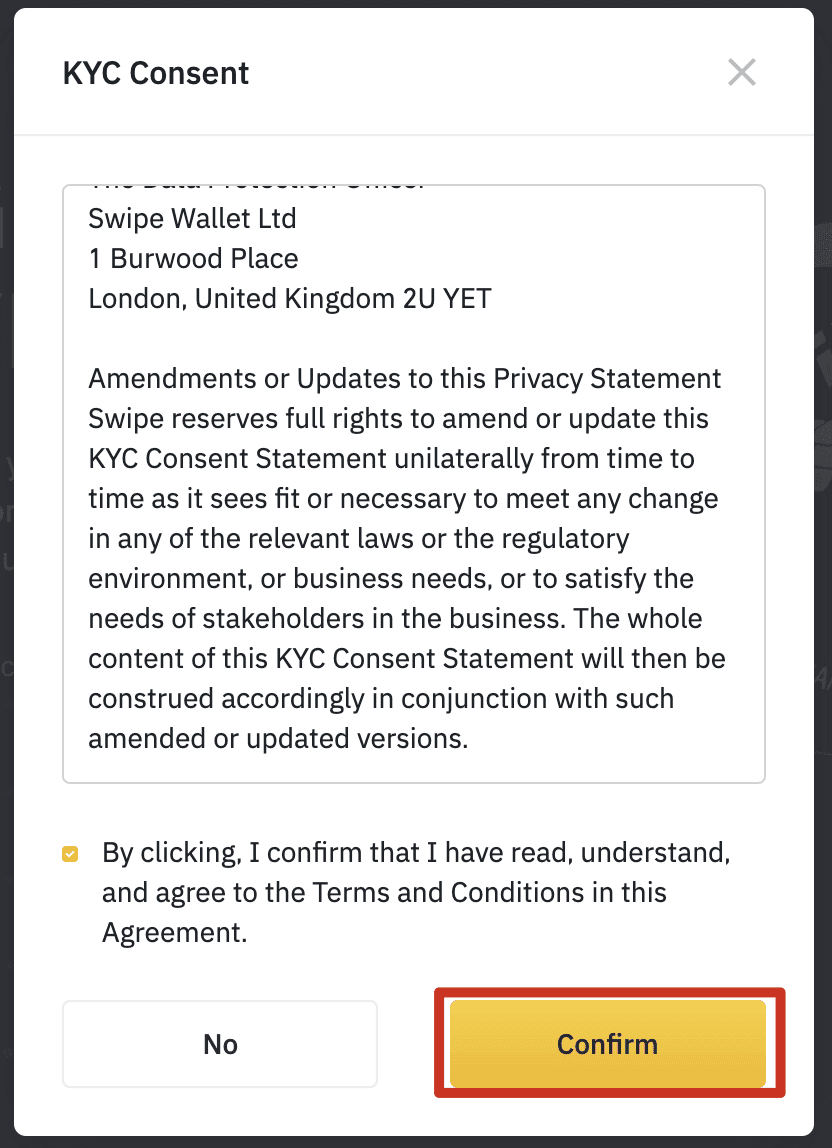
The data will be automatically filled into the appropriate information fields. Please review the Privacy Policy, Terms of Use, and Cardholder Agreement, then click [Order Binance Card].
After placing your order, you will have access to a virtual card that you can use before receiving a physical one. It can be added to Google Pay Send and even used for online purchases. If you have the Binance mobile app, you can order the card there. For more information on how to order a Binance Card, please see our Frequently Asked Questions section.
Benefits of Using Binance Card
Besides allowing you to spend your cryptocurrency in stores, restaurants, and anywhere else that accepts VISA cards, the Binance Card also comes with some unique benefits and bonuses.
1. Zero commissions. The Binance Visa Card is completely free for all Binance users. Binance does not charge administrative, processing or annual fees, but sometimes you may be charged third party fees.
2. You can store your funds in cryptocurrency. There is no need to convert crypto to fiat when making purchases. Binance converts currencies whenever it suits you, meaning you can always earn income in the market.
3. Cashback up to 8%. Depending on your average monthly BNB balance, you can earn up to 8% cashback on all your purchases. Cashback is returned in BNB to your Binance account. Read more about the cashback program here.
4. Security of funds. Your cryptocurrency funds will be protected at all times (SAFU). Binance provides a high level of security and uses strong data encryption methods.

Summary
If you have cryptocurrency that you no longer want to hold (HODL), a crypto card can help make it easier to convert your funds to fiat. To convert without a crypto card, you will have to manually transfer the fiat into your bank account, which may take several days, depending on the bank and cryptocurrency exchange. A crypto card is truly one of the most convenient ways to pay for purchases with cryptocurrency. However, be sure to keep track of your expenses and pay your taxes on time.