



This article briefly:
· Italy imposes 26% tax on cryptocurrency profits, affecting individual and corporate investors.
New tax policies could affect investment patterns and adoption of digital assets in Italy.
· Italy’s decision could help shape global cryptocurrency markets and the global regulatory framework.

In a major policy shift, Italy has imposed a 26% crypto tax, affecting both individual and corporate investors. What are the consequences in Italy and elsewhere?
The development brings crypto taxes in line with Italy’s standard capital gains tax rate. It could have broad implications for the country’s cryptocurrency market and affect the future regulatory landscape.
New Crypto Tax Regulations
The Italian government surprised many when it announced a 26% tax on cryptocurrencies. This marks a decisive shift in the country’s attitude towards digital assets.
The new tax will be levied on profits generated from cryptocurrency trading. It will affect individuals and businesses that hold or trade digital currencies.
The decision comes as cryptocurrencies continue to gain traction around the world, with many governments revising their tax policies to account for the emerging asset class.
Italy’s new tax rate aligns with the country’s standard capital gains tax rate, effectively removing cryptocurrencies’ previous tax-free status.
For investors and traders in Italy, this new tax policy will directly affect their cryptocurrency-related activities. For example, profits of €2,000 or more from digital asset trading will be subject to a 26% tax rate.
Therefore, new tax regulations may encourage investors to explore alternative investment vehicles or seek tax-efficient solutions to minimize the risk of higher taxes.
Possible impact on the market
Italy’s 26% tax on cryptocurrencies could have wider implications for the entire crypto market.
While it remains to be seen how this policy will impact the adoption of digital assets in the country, it could influence other countries to reassess their tax policies regarding cryptocurrencies.
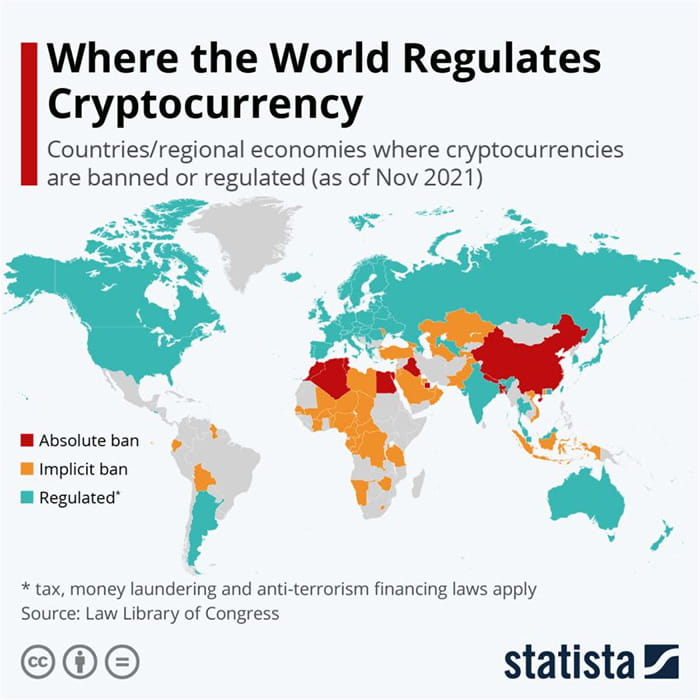
As governments around the world continue to grapple with the challenges posed by digital currencies, the implementation of tax regulations may become more common. Furthermore, this could affect the trajectory of the global cryptocurrency market and influence the development of future regulatory frameworks.