#中日韩东盟将设加密监管工作组 #《Trump wanted rate cuts; Warsh delivered a rate hike》
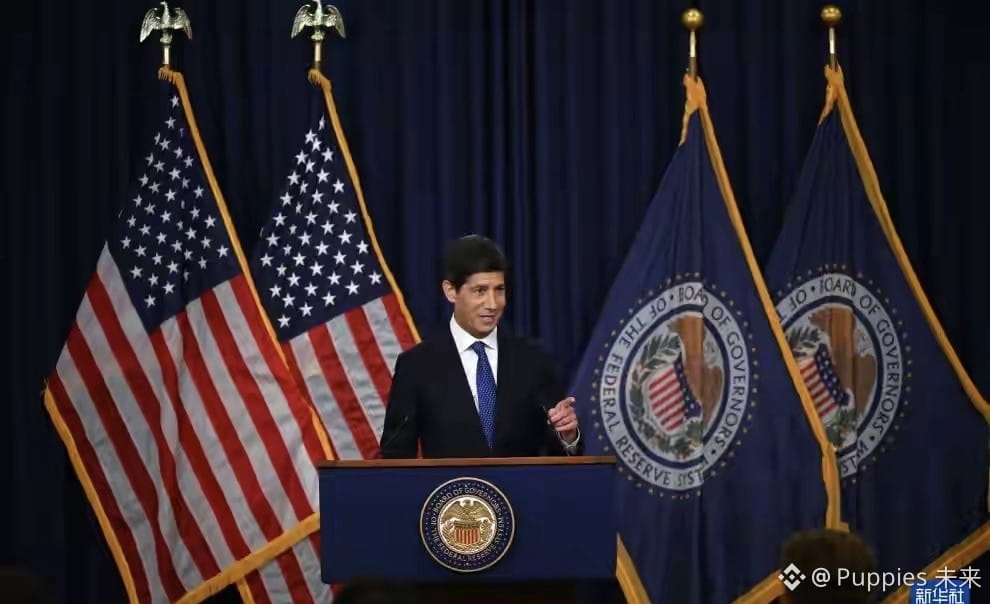
Trump picked Warsh hoping for rate cuts. Instead, Warsh became the first person in three years to raise rates at the Federal Reserve—and he may do it a second time. On the surface, the Fed is defying the White House. In reality, Trump’s policies have come full circle and hit him right back.
Who’s been stoking inflation? Global tariffs, the energy shock in the Middle East, and AI capital spending. Gasoline has topped $4 a gallon, and core PCE is climbing. The White House blames high prices on the Middle East while imposing new tariffs; it complains about high interest rates while adding fuel to inflation. It diagnosed the problem correctly, then prescribed the wrong medicine.
Warsh didn’t follow Burns; he chose the Volcker path. He made no promises to the White House about rate cuts, focusing only on inflation data. The blow landed first where things were hottest: the Nasdaq briefly fell into a technical bear market, and the 30-year mortgage rate hit 7.21%. For the same home, that means paying more than $900 extra a month. Politically, the White House could lose both chambers in the midterms—and the bill is coming due sooner than it did back then.
More interestingly, this time the dollar’s tidal wave didn’t sweep the yuan away: the yuan rose instead of falling, and the central bank actually raised the foreign-exchange reserve requirement ratio for banks to cool its appreciation. Ordinary people should remember: don’t look only at the interest when investing in dollar-denominated products—the exchange rate can wipe out the interest-rate advantage. Exporters, too, need to factor exchange rates into their costs when converting foreign currency.
Interest rates don’t rise out of nowhere; they simply shine a light on what’s driving inflation. This rate-hike notice is addressed to the whole world, but the first to sign for it is the White House itself.$BTC $SOL $PEPE