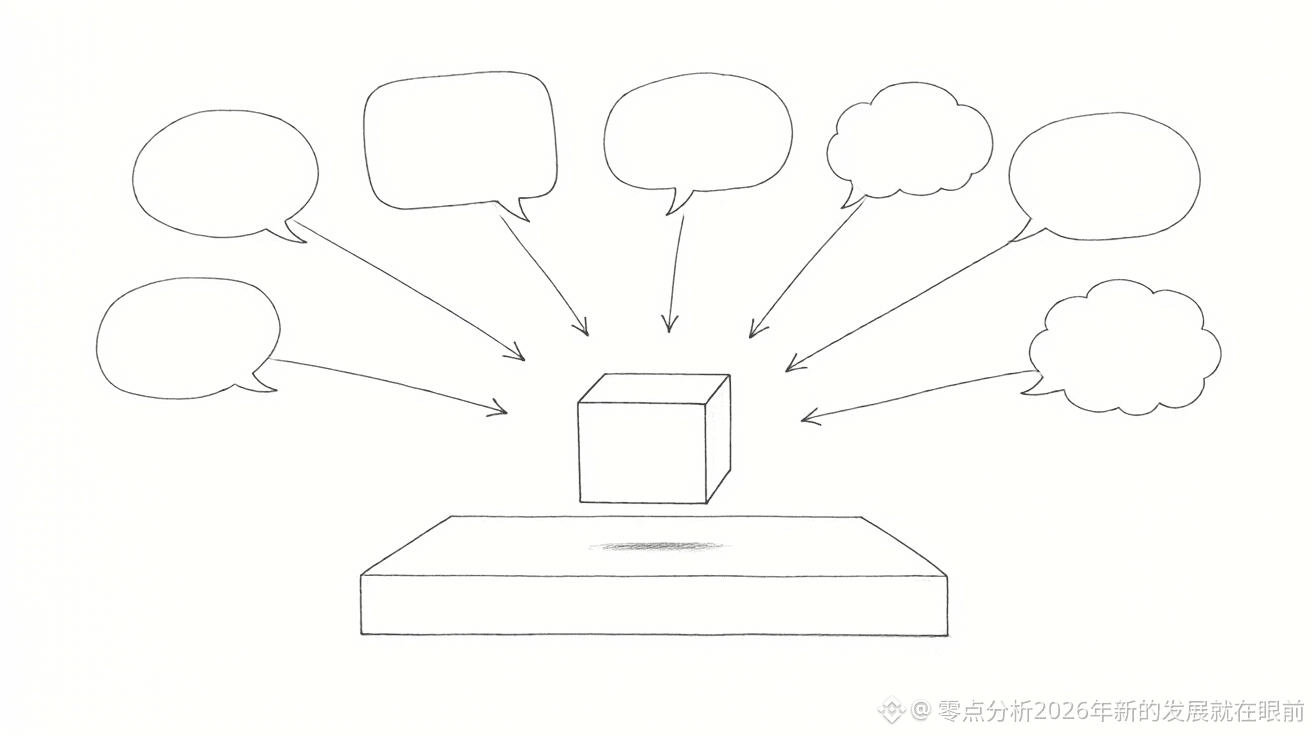
Several officials gave different views in the same week. Whose should you listen to? Start with the loudest voice. On November 18, Governor Waller said inflation was moving in the wrong direction and becoming more widespread, and that it might be necessary to give the market a shock. $ZEC
He laid out two options side by side: a 50-basis-point move in December, or starting with 25 while making clear that another increase in January would follow. But Chair Warsh opposed committing to a path in advance, arguing that it would tie the hands of those who need to respond to the data later on. $BNB
At the New York Fed, Williams struck a measured tone on November 17: no dramatic action was needed right now, and the approach of looking at the data and deciding from there had worked over the past few months. Hammack and Logan also leaned toward a gradual approach, although both favored tightening further. $SOL
At the October meeting, the vote was 10 to 2. The two dissenting votes were cast by Cook and Hammack, who wanted an immediate 25-basis-point increase rather than waiting.
The disagreement stemmed from price figures that had not cooled. October headline inflation rose 0.4% month over month, versus expectations of 0.3%; core inflation rose 0.3%, holding at that level for the third consecutive month, against expectations of just 0.2%.
Last fall’s shutdown left the year-over-year figure blank. Without that comparison, officials are paying even closer attention to the month-over-month decimals.
Waller had made his threshold clear as early as November 10: if core inflation was still at 0.3% month over month or higher, a 50-basis-point move should be on the table. His remarks on the 18th amounted to repeating the line he had drawn for himself.
None of these comments changed interest rates themselves. Rates were raised once in September, held steady in October, and the current range remains in place.
What officials say in the statement and at the subsequent press conference on December 8–9 will be what really settles the matter.
Personal opinions only; not investment advice. You are responsible for any gains or losses.
#交易员排除美联储12月加息50基点