
Syed Kings
51 Posts

Syed Kings
Report
Block User
Here are the latest BNB market details I found on Binance.
Open Trade
Frequent Trader
1.5 Years
5 Following
3 Followers
3 Liked
Posts
Portfolio
·
--
Bullish
₿ American Bitcoin’s Profit Story Has a Hidden Detail
Trump-family-backed American Bitcoin reported roughly **$126 million in Q3 net income**, reversing a loss from the previous quarter.
But there is an important detail behind that headline:
A large part of the improvement came from the increase in the value of the company’s Bitcoin holdings.
The company reported around **8,427 $BTC ** in its reserve and mined roughly **891 $BTC ** during the quarter.
At the same time, mining costs increased significantly, showing the two sides of the Bitcoin-mining business:
📈 Bitcoin appreciation can dramatically improve reported results.
⚡ But higher energy and operating costs can squeeze mining margins.
That means investors should look beyond the headline profit number and watch Bitcoin reserves, mining cost per BTC, production efficiency and BTC price together.
#NVIDIAReinstatesJensenHuangasCEO #WillMarketsStageAThanksgivingReliefRally? #BitcoinEndsRecord17DayStreakOfLowerHighs #TradersPriceOut50bpDecemberFedHike #MuskWarnsOfAICashCrunch

34
·
--
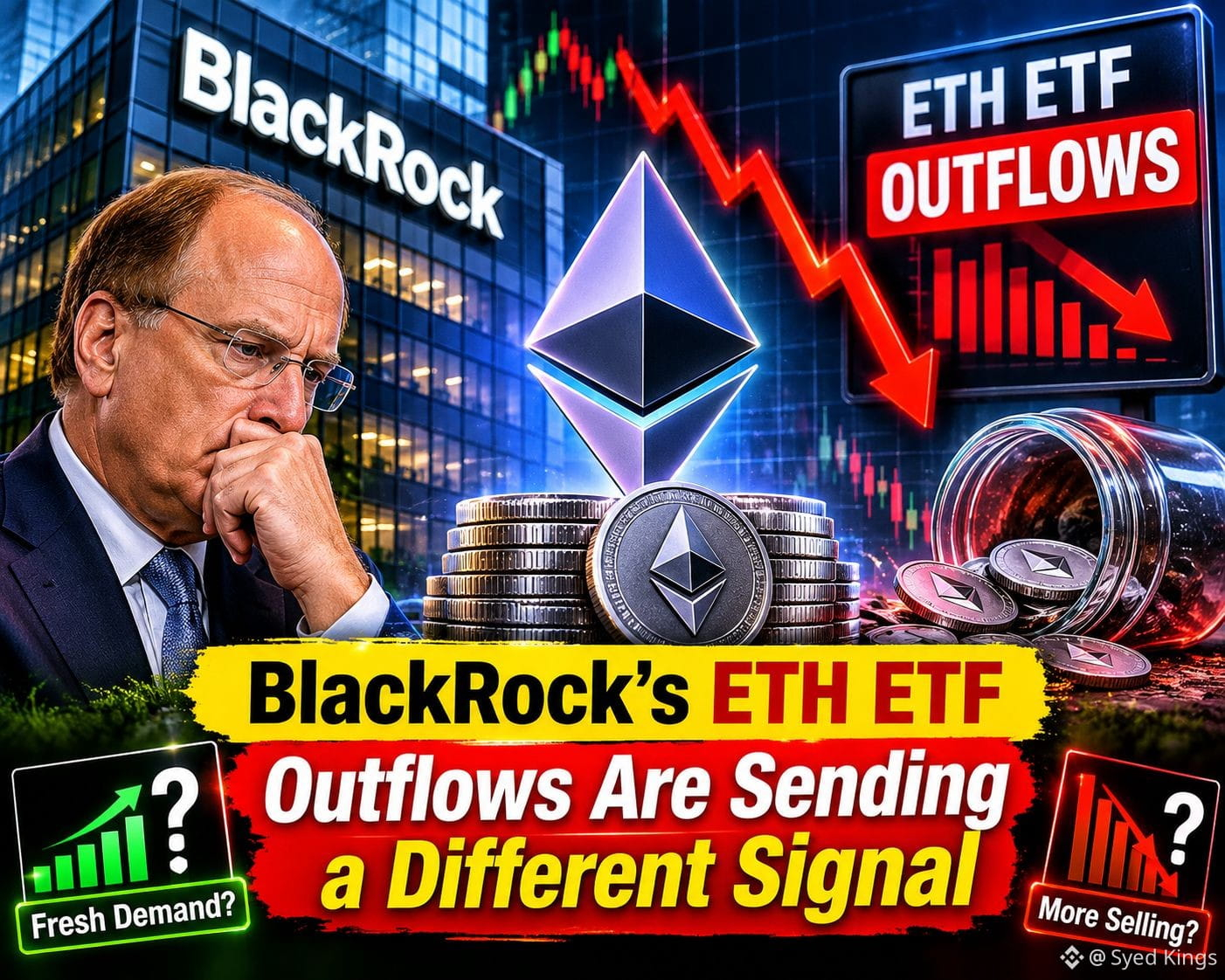
⚠️ BlackRock’s $ETH ETF Outflows Are Sending a Different Signal
Ethereum has been under pressure, and institutional ETF flows have become one of the most important indicators to watch.
Recent data showed significant withdrawals from U.S. spot Ether ETFs, with BlackRock’s ETHA accounting for a very large portion of one reported outflow day.
But here is the rare part:
ETF outflows don't automatically mean “Ethereum is finished.”
They show that the ETF channel is currently experiencing selling pressure.
The real market question is whether $ETH can attract fresh institutional demand after the selling wave.
If flows turn positive while price remains weak, that could become an interesting divergence.
If price rises together with renewed ETF inflows, the recovery signal becomes much stronger.
For $ETH , **price + ETF flow confirmation** is more informative than price alone.
#NVIDIAReinstatesJensenHuangasCEO #WillMarketsStageAThanksgivingReliefRally? #WillOctCorePCEShiftFedHikeExpectations? #WillOctCorePCEShiftFedHikeExpectations? #TradersPriceOut50bpDecemberFedHike
25
·
--
🌐 “Evolve” Could Be the Most Important Word at Binance Blockchain Week
Binance Blockchain Week returns to Bangkok on November 28–29 under the theme **Evolve**.
But the interesting part isn't just the conference itself.
The theme reflects a much bigger transformation happening inside crypto:
Traditional finance and blockchain infrastructure are increasingly moving toward the same rails.
Payments, tokenized stocks, real-world assets, AI and digital assets are being discussed as connected parts of the next financial system.
🔎 Rare angle:
The next crypto cycle may not be driven only by speculative tokens.
It could increasingly be driven by infrastructure — tokenization, payments, institutional access and blockchain-based financial products.
That is the part of the market worth watching beyond short-term price candles.
#EvolveAtBinanceBlockchainWeek

4
·
--
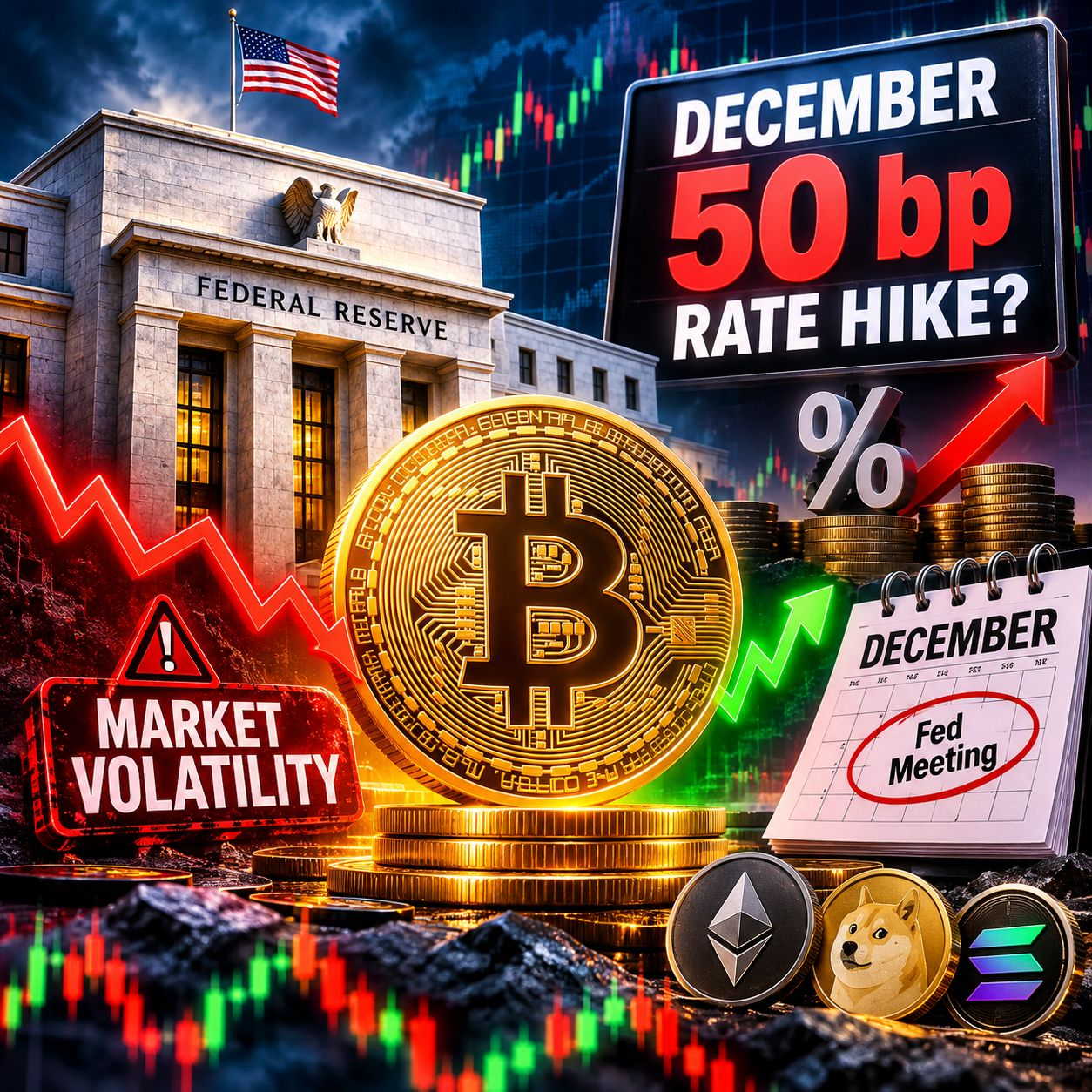
📉 The 50bp Fed Debate Could Become a Major Crypto Volatility Trigger
Markets have been reassessing the possibility of a larger December rate increase.
Recent Fed minutes showed that some policymakers considered stronger action if inflation remains persistent, while market expectations have shifted toward a more moderate move.
Here is the rare trading insight:
Markets do not always move because of the final decision.
They often move because expectations change BEFORE the decision.
If traders suddenly increase the probability of a 50bp move, Treasury yields and the dollar could react first — potentially putting pressure on Bitcoin and other risk assets.
If those expectations reverse, the same positioning can unwind in the opposite direction.
So for crypto traders, the December Fed meeting is already a positioning event — not just a future news event.
#TradersPriceOut50bpDecemberFedHike
9
·
--
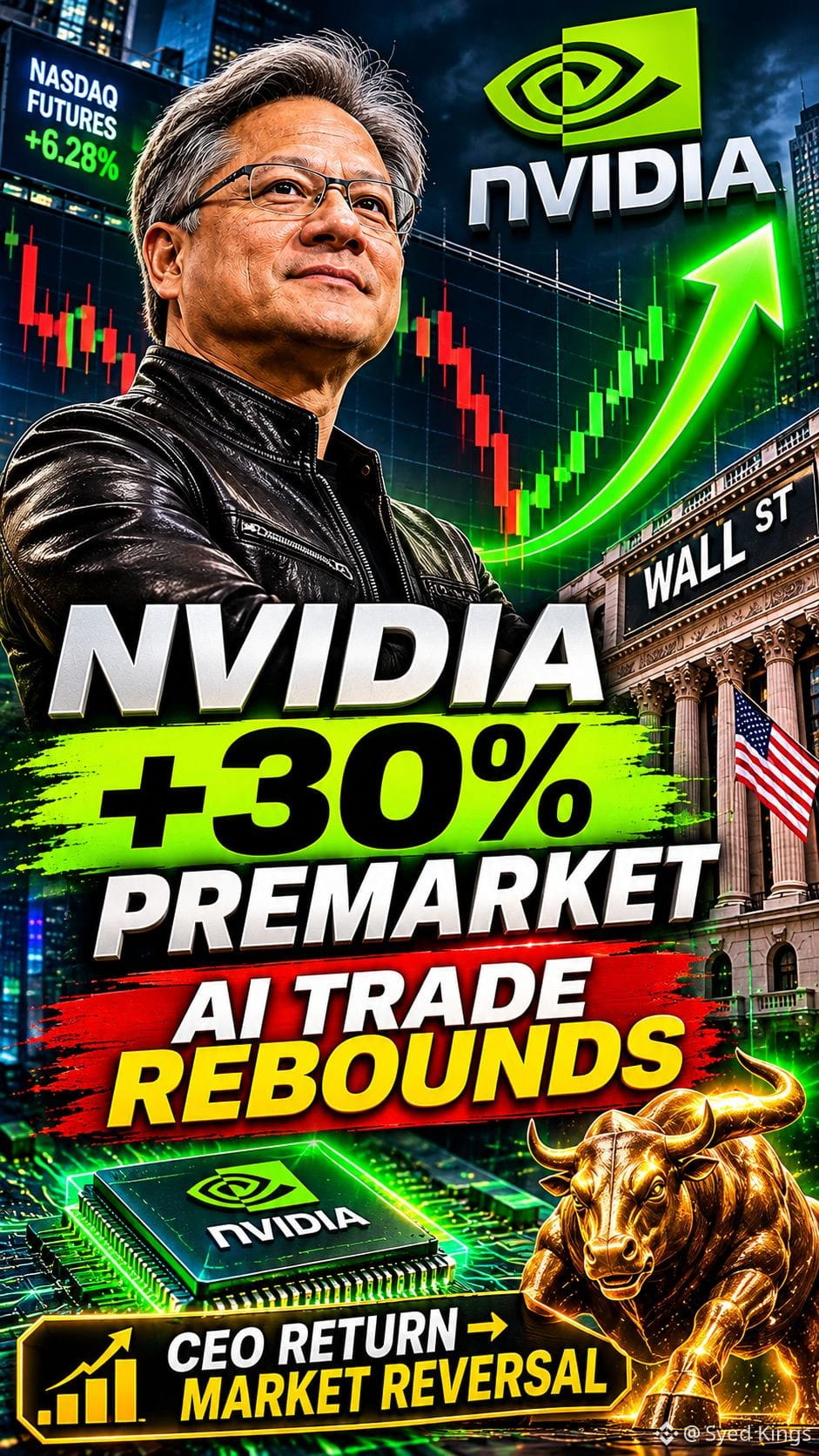
🚀 NVIDIA’s Premarket Jump Is More Than a Single-Stock Move
NVIDIA’s huge premarket rebound came after the company reinstated Jensen Huang as CEO, reversing the leadership shock announced earlier in November.
But the deeper market signal is broader:
AI stocks had just experienced an aggressive selloff as investors questioned whether enormous AI spending would continue generating sufficient returns.
Now the market is testing the opposite thesis.
If NVIDIA can hold its gains after the opening bell, traders may interpret that as evidence that the AI selloff was at least partly an overshoot.
If the move fades sharply, it could signal that investors still want to reduce exposure despite the leadership news.
📊 The key metric is therefore not the headline percentage — it is whether the buying survives real market liquidity.
#NVIDIAReinstatesJensenHuangasCEO #WillMarketsStageAThanksgivingReliefRally? #EvolveAtBinanceBlockchainWeek
138
·
--
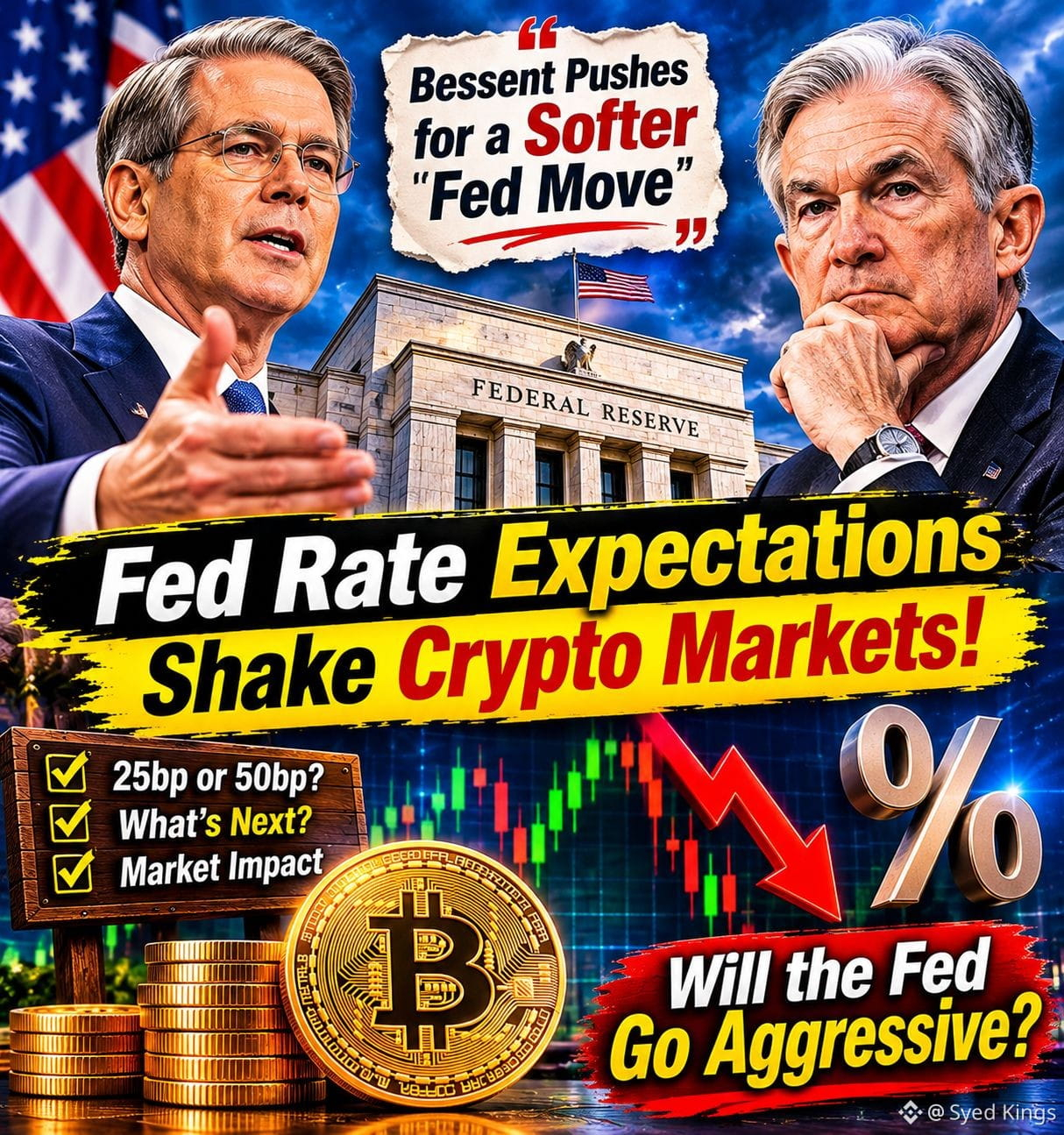
⚠️ Bessent’s Fed Comments Matter More Than They Look
Treasury Secretary Scott Bessent has pushed back against calls for a larger Fed rate increase, arguing that policymakers should look forward rather than overreact to previous inflation concerns.
Why does crypto care?
Because interest rates influence the amount of liquidity available to risk assets.
The interesting market setup is this:
The Fed minutes have shown strong concern about persistent inflation, while Bessent is arguing against an overly aggressive move.
That creates a policy divergence narrative.
If markets begin pricing a less aggressive Fed path, the dollar and Treasury yields can react — and crypto can respond quickly because Bitcoin trades continuously while traditional markets have limited holiday hours.
The next major confirmation point is the incoming inflation data.
#BitcoinEndsRecord17DayStreakOfLowerHighs
#NVIDIAReinstatesJensenHuangasCEO #TradersPriceOut50bpDecemberFedHike
12
·
--
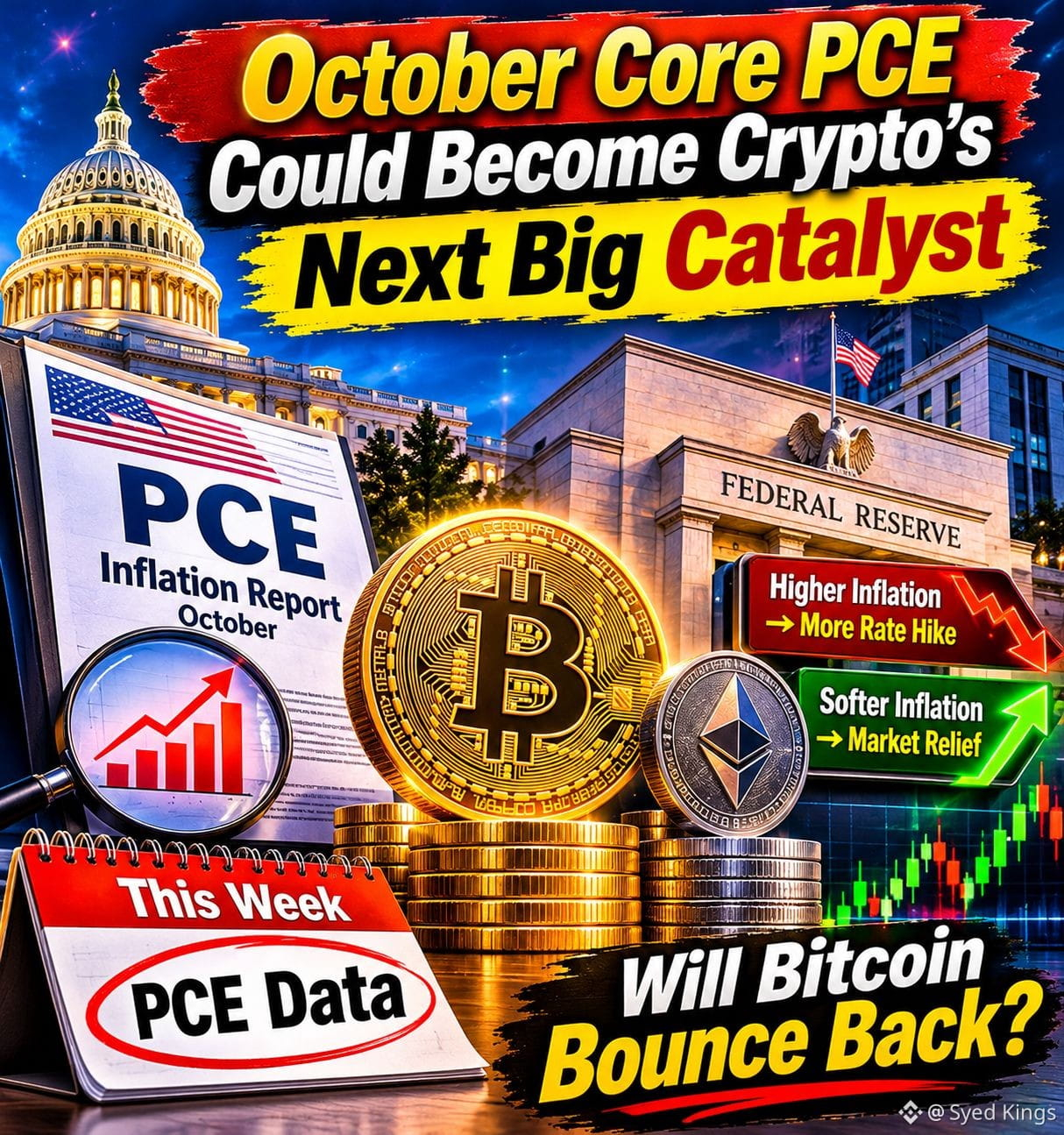
🔥 October Core PCE Could Become Crypto’s Next Big Catalyst
The U.S. PCE inflation report is due this week, and this number matters because it is one of the Federal Reserve’s preferred inflation gauges.
Markets are already heavily focused on the December Fed decision.
The rare setup:
📌 Hotter-than-expected inflation → rate-hike expectations can strengthen → liquidity pressure may increase.
📌 Softer inflation → pressure on rates can ease → risk assets may receive relief.
That makes Wednesday’s PCE release potentially more important for crypto than another ordinary economic-data day.
Bitcoin is currently trying to recover after touching roughly $55K, so macro data arriving during this rebound could determine whether the move becomes a recovery or merely a relief bounce.
#WillOctCorePCEShiftFedHikeExpectations?
25
·
--
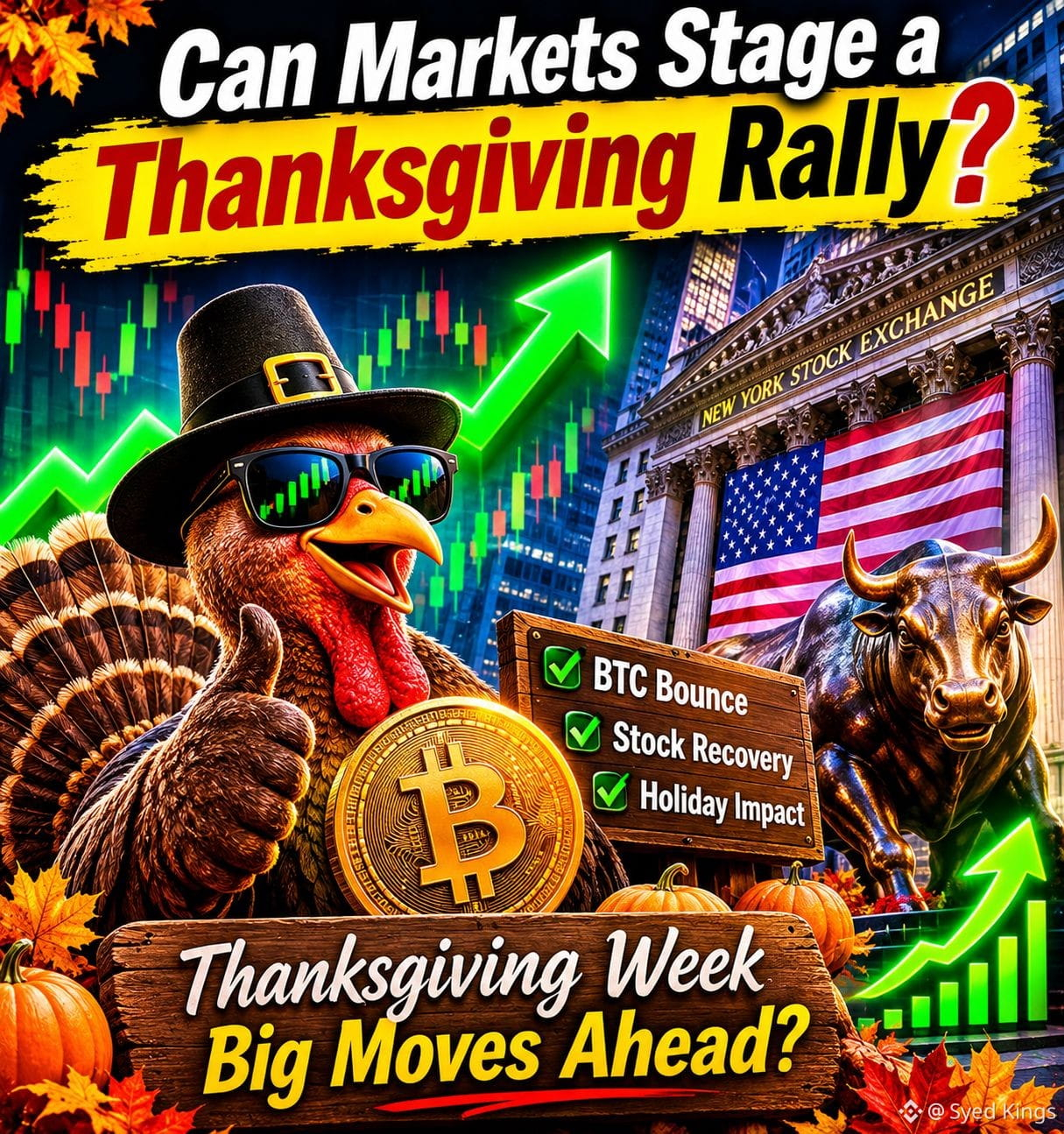
📈 Can Markets Stage a Thanksgiving Rally?
After one of the ugliest risk-off weeks of 2026, markets are entering a holiday-shortened U.S. trading week with traders watching whether the rebound can turn into a genuine recovery.
$BTC already bounced from around $55K toward the $60K+ area, while U.S. equity futures recovered sharply.
But here is the rare part many traders overlook:
A low-volume holiday week can amplify price movements.
With U.S. markets closed for Thanksgiving and closing early on Friday, liquidity can become thinner. That means relatively smaller orders can sometimes create larger-than-normal moves.
For BTC, the important question is not simply “green or red.”
The real signal is whether buyers can defend the rebound while ETF flows and macro data remain under pressure.
#WillMarketsStageAThanksgivingReliefRally?
23
·
--
🚨 NVIDIA: The Leadership Reversal That Shook AI Markets
NVIDIA’s decision to reinstate Jensen Huang as CEO immediately became more than a corporate headline — it became a major sentiment event for the entire AI trade.
The market reaction is especially important because AI stocks had just suffered one of their sharpest risk-off sessions of 2026. NVIDIA’s reversal triggered a powerful rebound in AI-linked equities and showed how heavily investors still associate NVIDIA’s future with Huang’s leadership.
🔎 Rare market angle: this is not simply about one CEO. It is a confidence signal for the entire AI infrastructure narrative. When leadership uncertainty disappears at a company sitting at the center of the AI supply chain, traders can rapidly reprice risk across semiconductors, data centers and related crypto/AI assets.
The bigger question now is whether this rally survives after the initial news shock fades.
#NVIDIAReinstatesJensenHuangasCEO

249
·
--
TradFi for Beginners: The Crypto Connection
TradFi = Traditional Finance.
It includes banks, stock markets, asset managers, insurance companies, bonds and other established financial institutions.
The interesting part is that TradFi and crypto are no longer completely separate worlds.
Examples include:
ETFs → institutional Bitcoin exposure
Stablecoins → digital payments
RWA tokenization → blockchain-based financial assets
Custody → institutional crypto infrastructure
This is why understanding TradFi can help you understand crypto market movements.
Bitcoin doesn't trade in isolation anymore.
Crypto is increasingly connected to the same liquidity, rates and institutional flows that move traditional markets.
#WillMarketsStageAThanksgivingReliefRally? #NvidiaJumpsOver9%Premarket #TradersPriceOut50bpDecemberFedHike #EvolveAtBinanceBlockchainWeek #NVIDIAReinstatesJensenHuangasCEO
62
·
--
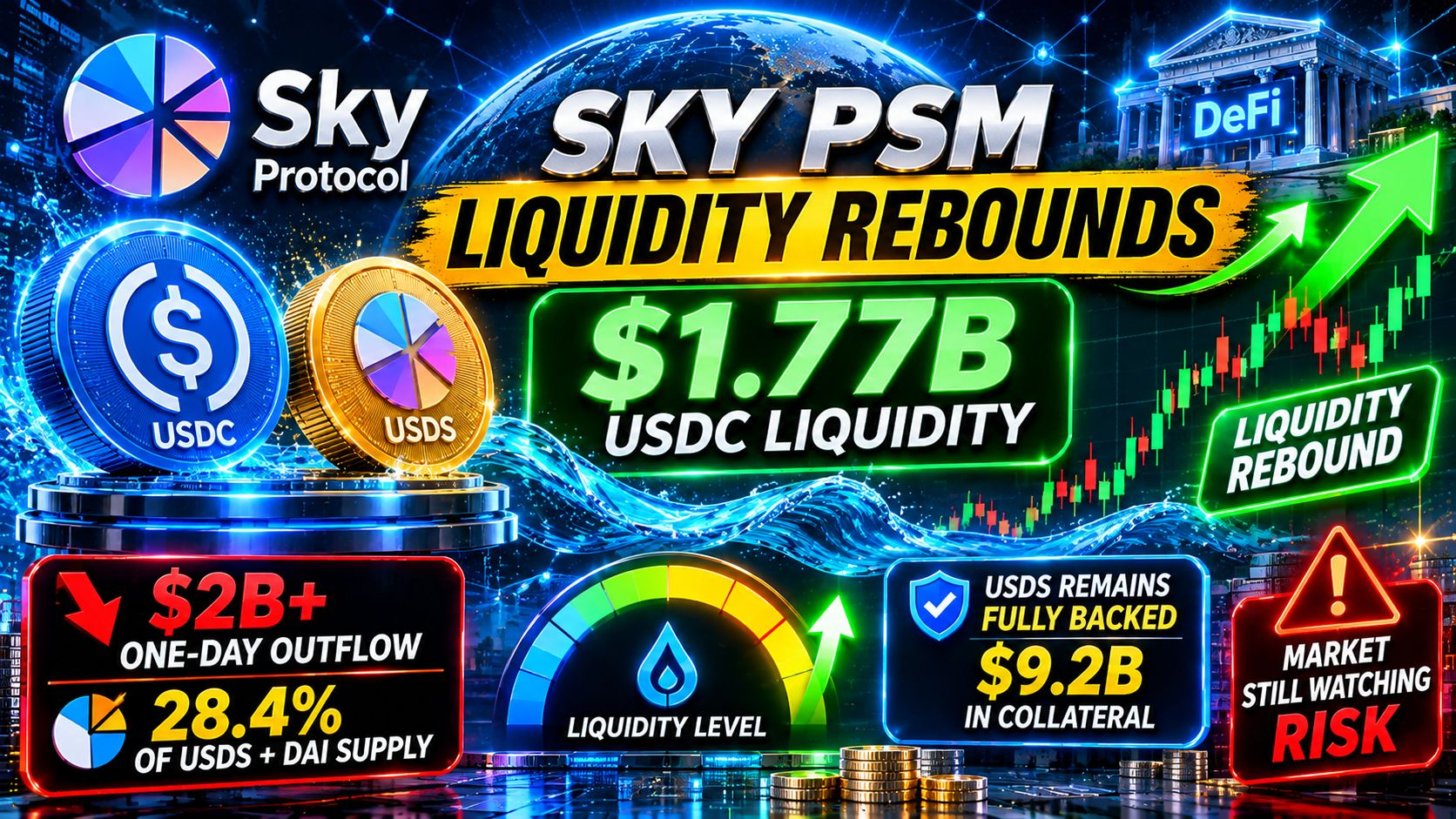
Sky + $USDC Liquidity: Why Stablecoin Liquidity Is a Bigger Signal Than Price
Sky's ecosystem is showing why stablecoin liquidity can be an important DeFi metric.
$USDC liquidity is not simply about how much stablecoin exists.
What matters is where that liquidity is available, how deeply it can support trading and lending, and whether users are actually deploying it.
This distinction is important during volatile markets.
A protocol can have a large stablecoin balance but still experience weak effective liquidity if capital is fragmented or inactive.
For DeFi, the next major signal may therefore be liquidity quality—not just liquidity quantity.
#TradersPriceOut50bpDecemberFedHike
#EvolveAtBinanceBlockchainWeek #NVIDIAReinstatesJensenHuangasCEO
96
·
--
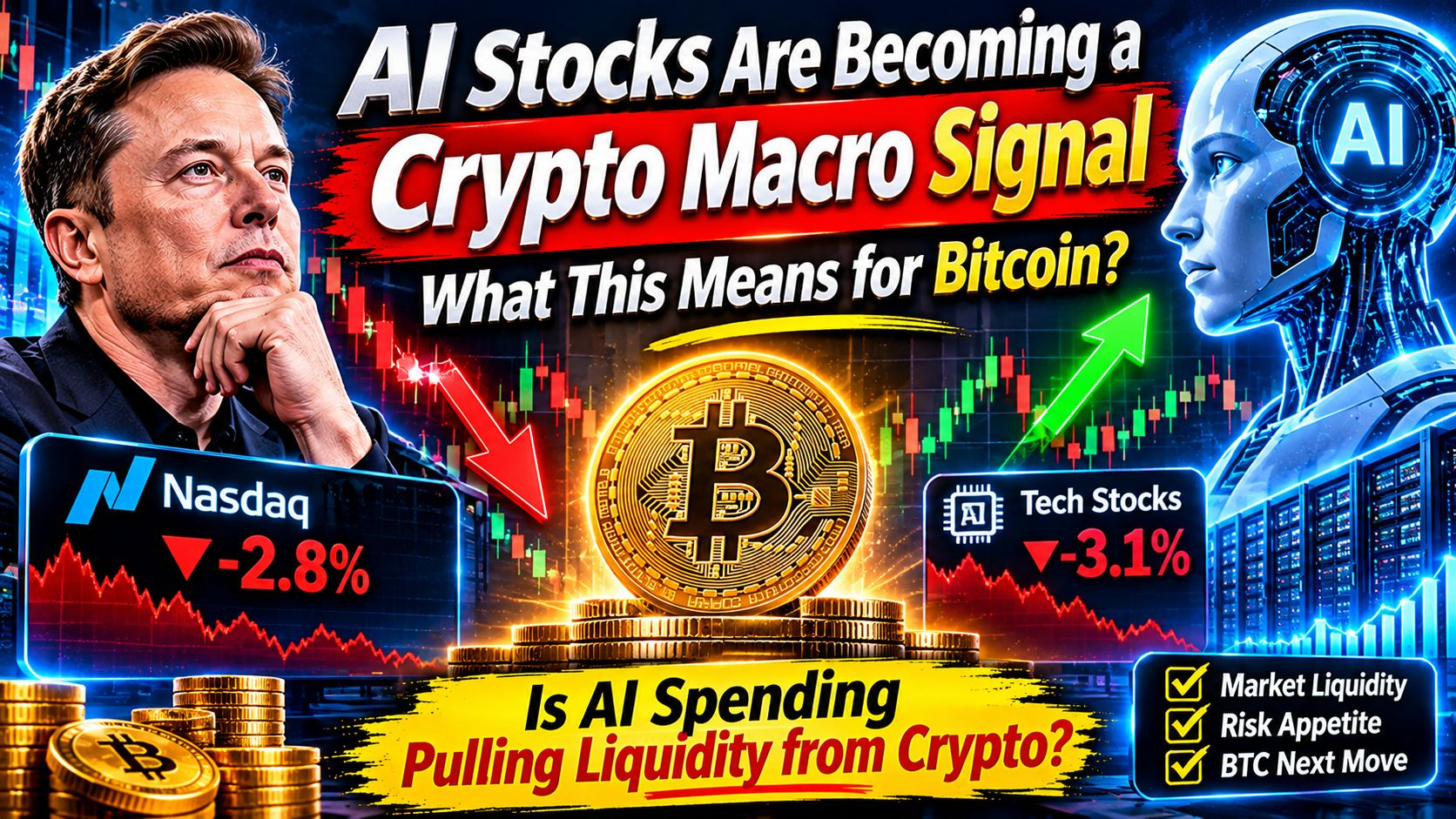
Musk's AI Cash-Crunch Warning Has a Hidden Crypto Angle
AI companies are spending enormous amounts on computing infrastructure before all of that investment necessarily turns into revenue.
That creates a potential capital-efficiency problem.
Reports cited in today's discussion suggest some AI server orders have seen major price increases, while funding pressure could eventually affect technology and semiconductor spending.
Why should crypto users care?
Because AI and crypto increasingly compete for the same pool of speculative and institutional capital.
If AI spending absorbs more capital, some investors may reduce exposure elsewhere.
So the bigger question is:
Is the AI boom creating a new capital cycle—or pulling liquidity away from crypto?
#MuskWarnsOfAICashCrunch

11
·
--
Trump-Backed American Bitcoin: The Institutional Mining Story
Bitcoin mining is increasingly becoming a corporate and strategic infrastructure story—not just a crypto-native business.
The American Bitcoin narrative is important because it connects three themes:
Bitcoin mining + U.S. infrastructure + institutional capital
The bigger question isn't simply how much Bitcoin a company holds.
It is whether large-scale mining operations can remain profitable while facing changing energy costs, hardware expenses, Bitcoin price volatility and network difficulty.
That makes mining economics an important metric to watch alongside BTC price.
#NVIDIAReinstatesJensenHuangasCEO
#WillMarketsStageAThanksgivingReliefRally? #WillOctCorePCEShiftFedHikeExpectations?
255
·
--
BlackRock + Ethereum: Why ETF Outflows Matter
Ethereum is facing an important institutional-flow question.
Recent market data shows Ethereum ETFs experienced significant net outflows during the past week, while ETH itself was trading around the $1,700 area.
But here is the part many people miss:
ETF outflows do not automatically mean long-term institutional rejection of Ethereum.
Flows can change because of short-term positioning, risk reduction, macro uncertainty or portfolio rebalancing.
The better signal is whether outflows continue for multiple sessions—or reverse as market sentiment improves.
For $ETH , flow direction + price reaction may be more informative than one day's headline.
#EvolveAtBinanceBlockchainWeek

ETH+2.96%
BLKUS+4.61%
27
·
--
Bullish
Binance Blockchain Week: The Bigger Story Is Beyond Crypto Prices
The next phase of blockchain adoption is increasingly moving toward stablecoins, tokenized real-world assets, institutional finance and AI-powered financial applications.
That is why Binance Blockchain Week 2026 is worth watching.
The event is scheduled for November 28–29 in Bangkok, with institutional and infrastructure themes expected to be prominent.
The important shift isn't simply “more people buying crypto.”
It is the possibility of blockchain infrastructure becoming part of traditional financial systems.
That could be a much bigger long-term narrative than another short-term token pump.
#NVIDIAReinstatesJensenHuangasCEO #WillMarketsStageAThanksgivingReliefRally?
#WillOctCorePCEShiftFedHikeExpectations?

10
·
--
Bessent's Softer Tone Could Matter for Crypto
Markets often react not only to what policymakers announce—but also to changes in their language.
A softer policy stance can influence expectations around liquidity, interest rates and the U.S. dollar. Those variables are especially important for Bitcoin because crypto tends to react strongly to changes in global risk appetite.
The rare angle here is expectations:
Markets can start moving before an actual policy change happens.
That means traders watching only official decisions may be late to the narrative.
For crypto, the next question is whether softer policy expectations translate into stronger liquidity.
#BessentSoftensStanceOnHuang’sNvidiaReturn

141
·
--
Will October Core PCE Change the Fed's Next Move?
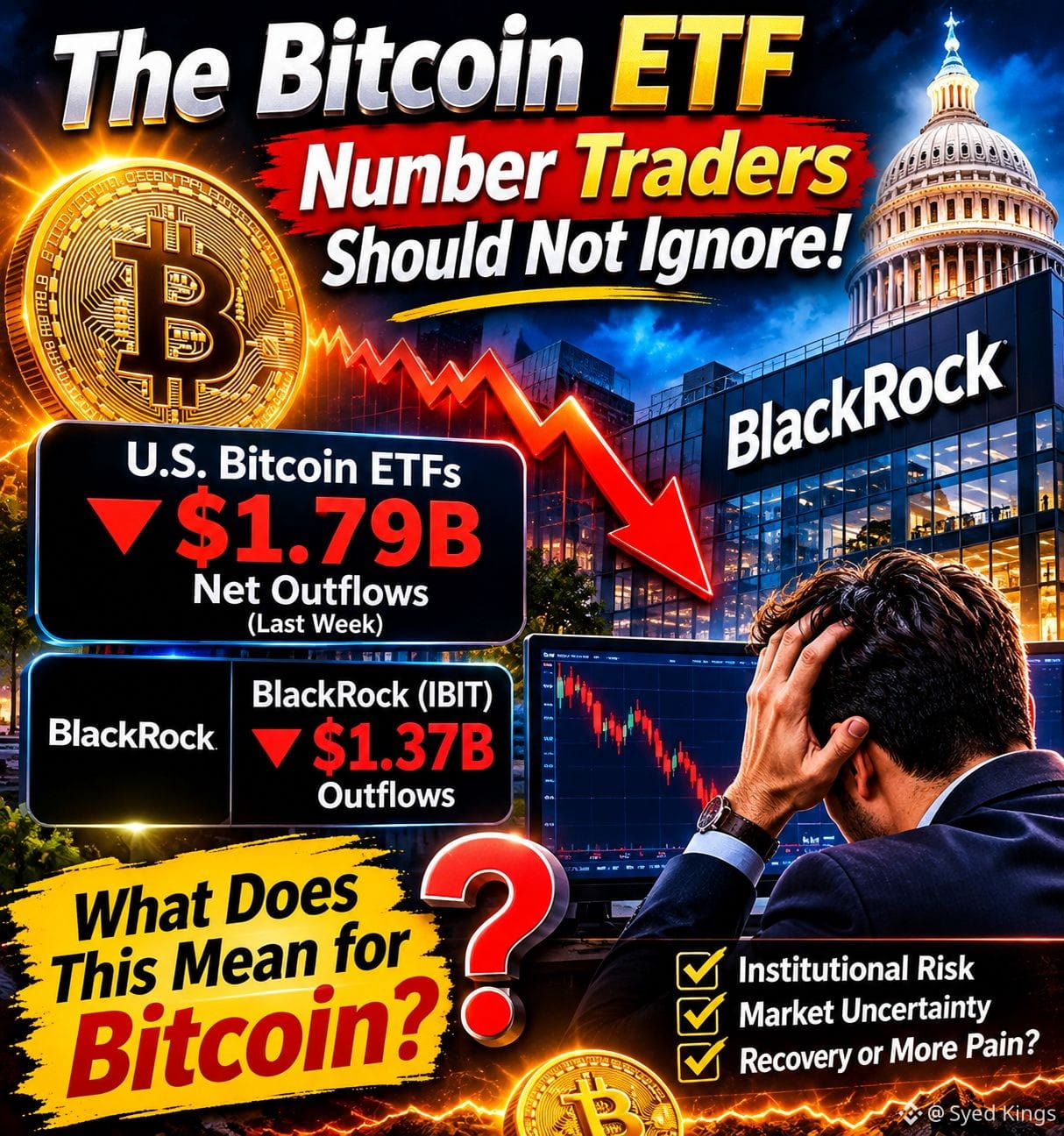
The October Core PCE report is one of this week's most important macro catalysts for crypto.
Why?
Core PCE is closely watched because it measures underlying inflation without food and energy. A hotter-than-expected number could strengthen the case for tighter monetary policy, while a softer number could improve expectations for easier policy.
For Bitcoin, the important reaction may not come from the PCE number alone.
Watch the combination of:
PCE → Treasury yields → Dollar → $BTC
That chain can reveal whether macro liquidity is becoming a tailwind or a headwind for risk assets.
#WillOctCorePCEShiftFedHikeExpectations?
24
·
--
Will Markets Stage a Thanksgiving Recovery?
Crypto is entering a week where macro data could matter more than headlines.
Bitcoin has recovered toward the $61K–$62K area after recently trading near $55K, but the bigger question is whether this bounce can survive the upcoming U.S. inflation and GDP releases.
The interesting part: U.S. Thanksgiving week can bring thinner traditional-market liquidity, while crypto continues trading 24/7.
That combination can create sharper moves than normal.
Key levels to watch: $BTC momentum, $ETFT.ETF flows, U.S. yields and the dollar.
A holiday rally is possible—but confirmation matters more than hype.
#WillMarketsStageAThanksgivingReliefRally?

44
·
--
Was $55K the bottom for $BTC ? Honestly... i don't think so 😅
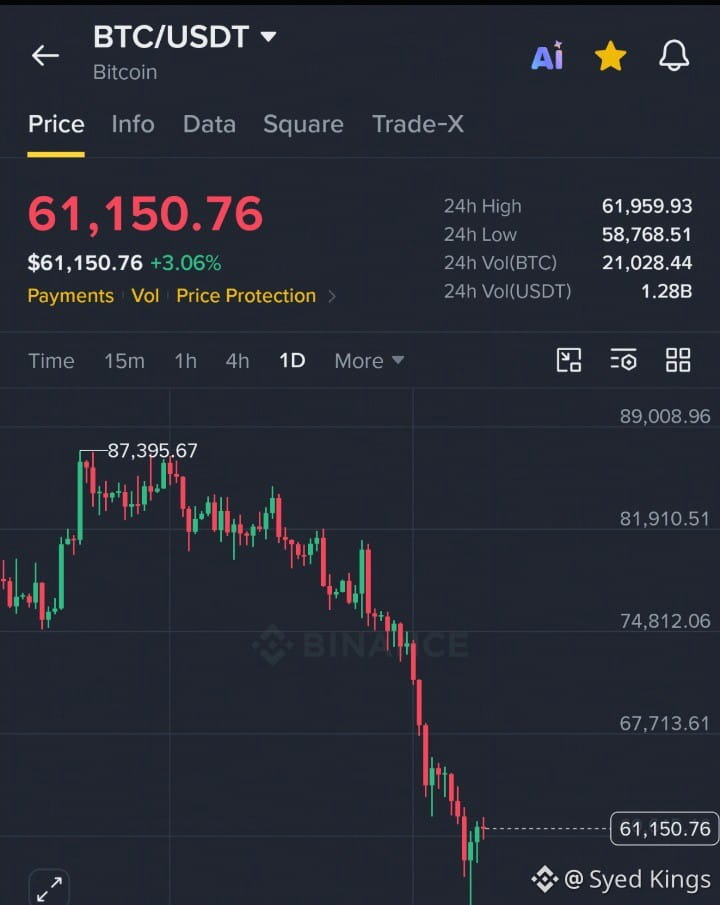
Bitcoin has recovered above $61K after crashing to $55,130... and now everyone is talking about a possible Thanksgiving relief rally.
But buddies... look at the bigger picture.
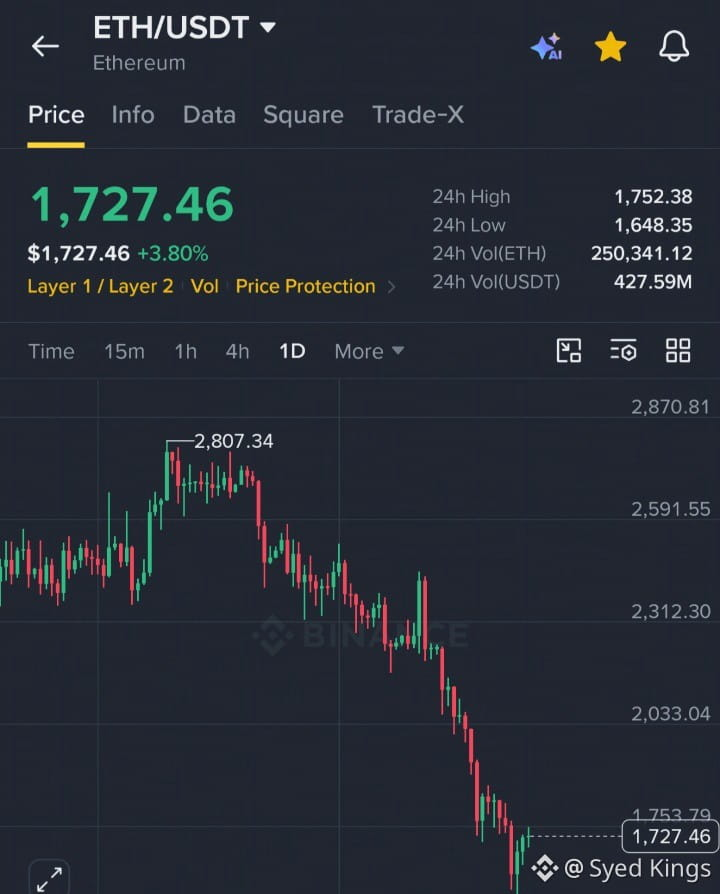
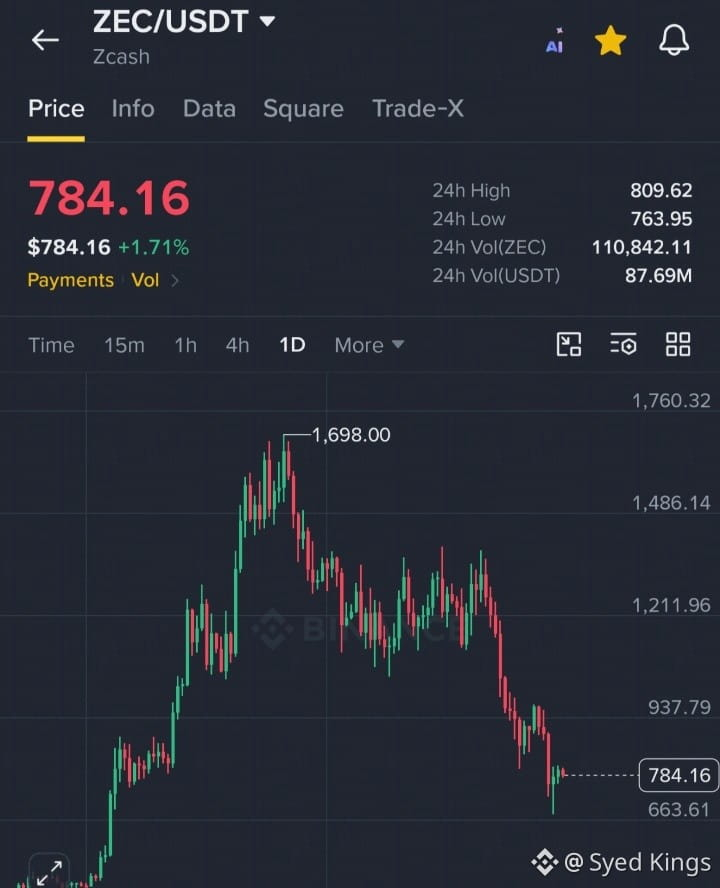
Bitcoin is still down nearly 30% from $87K, $ETH is struggling around $1,727 after touching $1,538 and $ZEC is barely recovering near $784 after that brutal selloff.
A few green candles won't suddenly fix all this damage 🥲
Now... could we see a Thanksgiving rally? Definitely possible 😁
Especially if buyers keep defending $60K and BTC manages to push back toward $64K-$65K.
But a relief rally and a real market reversal are TWO different things.
I still think another dip below $55K is possible if this recovery loses strength.
That's why i am not chasing this bounce... just accumulating slowly, keeping USDT ready for lower entries.
If we get a proper recovery, good. If we get another dump, i wanna have cash ready 💪🏻
What do you think... Thanksgiving rally or another trap before the next dump? 👀
#WillMarketsStageAThanksgivingReliefRally?
5
·
--
South Korea is moving toward tighter monitoring of crypto transfers, especially transactions involving high-risk overseas exchanges and personal wallets.
The Financial Services Commission has indicated that authorities will strengthen registration and review requirements for virtual-asset service providers under revised financial-transaction rules.
The interesting part is the focus on **where crypto moves**, not simply whether someone owns crypto.
Transfers from domestic crypto platforms toward high-risk overseas exchanges and private wallets are receiving greater attention because regulators are targeting money laundering risks.
This could become an important trend globally.
As crypto adoption grows, regulators are increasingly moving from basic exchange registration toward monitoring the entire movement of digital assets across borders.
The rare takeaway: the next major regulatory battle may be less about banning crypto and more about making crypto transfers traceable and compliant.
#EvolveAtBinanceBlockchainWeek #RussiaAllowsExchangesToOfferCryptoTrading #TrumpToGive18KGoldWatchesToTopFourTRUMPHolders #ChinaKoreaTaiwanPrepareStockRescuesAheadOfMonday #SouthKoreaPlansToReleaseDigitalAssetBasicActDraft

12
Log in to explore more content
Join global crypto users on Binance Square
⚡️ Get latest and useful information about crypto.
💬 Trusted by the world’s largest crypto exchange.
👍 Discover real insights from verified creators.
Email / Phone number
Trending Topics
NVIDIAReinstatesJensenHuangasCEO
4,147 views
312 Discussing
TradFi News | Nvidia Board Unanimously Reinstates Jensen Huang as CEO; Shares Jump 30% Premarket
Binance News
·15 Likes
·18.3k views
WillMarketsStageAThanksgivingReliefRally?
102,672 views
1,510 Discussing
WillOctCorePCEShiftFedHikeExpectations?
37,073 views
600 Discussing