If every node has to verify every transaction, where is the performance ceiling for a public blockchain?
First, some background: Ethereum initially planned to use execution sharding. After 2020, it shifted to a rollup-centric roadmap, with sharding repurposed to support data availability.
Why the change? Sharding poses a security challenge: each shard is managed by only a subset of validators, so attackers can concentrate their efforts on a single shard, making it easier to attack than the entire chain.
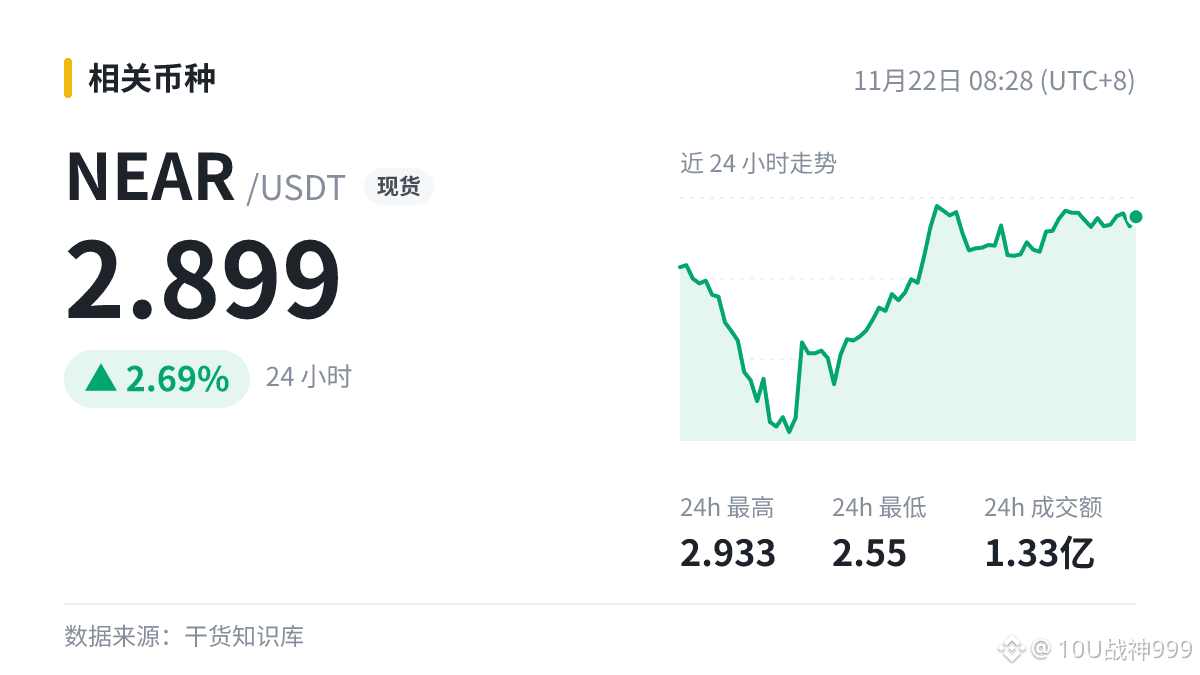
$NEAR is NEAR’s native token. This public blockchain uses the Nightshade sharding design.
There’s no shame in moving more slowly. Surviving matters far more than making a big profit once.