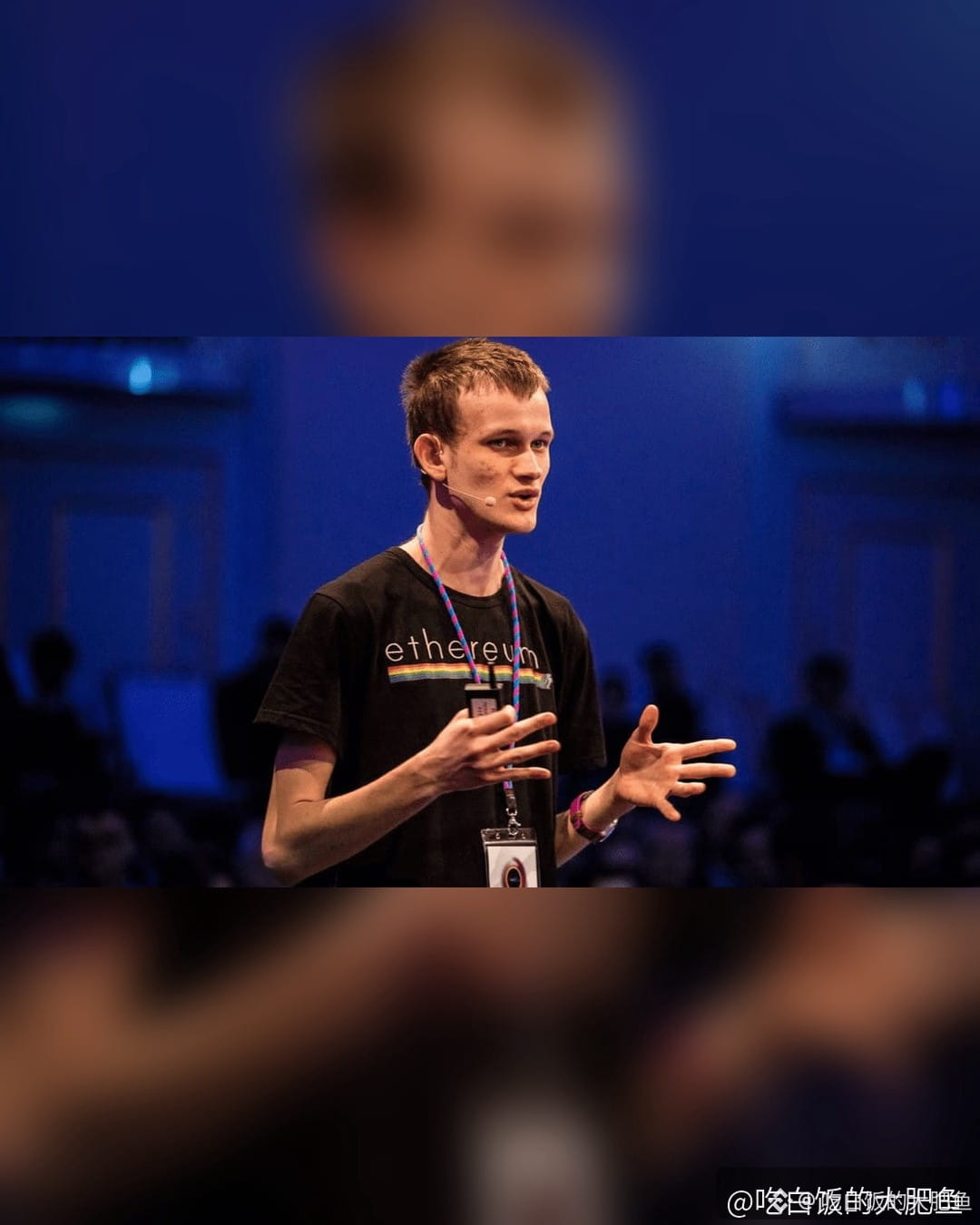
ETH is down about 14% this week, yet today Vitalik is talking about something a decade away.
On November 16, Vitalik publicly changed his tune on X: over the past few weeks, his view of leanPCS went from “totally bearish” to “totally bullish.” It’s a key piece of Ethereum’s post-quantum roadmap, outlined in draft EIP-8288, which he co-authored with developer Thomas Coratger in June this year.
The problem is specific: quantum computers will eventually threaten the elliptic-curve cryptography that protects accounts today, while post-quantum signatures are much larger—a signature grows from 65 bytes to 1–6 KB, and zero-knowledge proofs balloon from a few hundred bytes to around 128 KB. There’s simply no room to put all of that on-chain.
EIP-8288’s solution is to aggregate first and put it on-chain afterward: nodes repeatedly bundle everyone’s signatures and proofs into a single STARK, leaving just one “master proof” and a short statement on-chain. Vitalik outlined three paths: leanSPHINCS, which supports only one type of signature, is the simplest; leanSTARK, which can do everything, is the most general-purpose, but would first require Ethereum to define a new programming language—effectively “moving beyond the EVM”—and would take the longest; his pick, leanPCS, sits in the middle. It’s just as general-purpose as leanSTARK, but could be deployed much sooner.
How this whale sees it: this has nothing to do with what ETH is worth tonight. A draft is just a draft, and there’s no mainnet launch timeline. The Foundation’s target for its post-quantum infrastructure is 2029. The significance lies elsewhere: while others are still debating how far this downturn will go, Ethereum is already investing in security for a decade from now. Whether the long-term narrative can translate into price remains to be seen until the aggregation solution is actually running. In the short term, the focus is still on whether $1,800 can hold. $ETH