
The power of self-fulfilling prophecies
While researching and looking for information, I heard that markets are sometimes cyclical. I started reviewing the daily timeframe history and noticed some pretty interesting things.
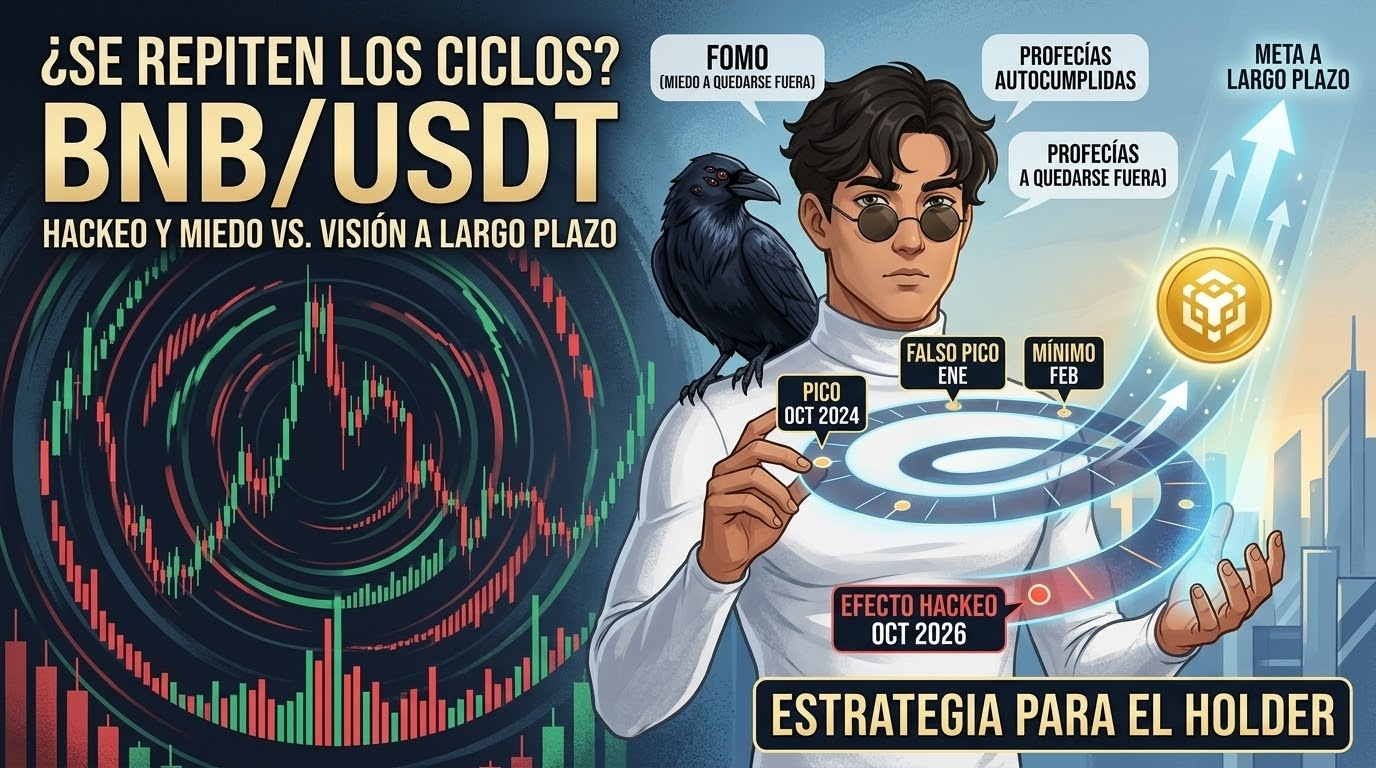
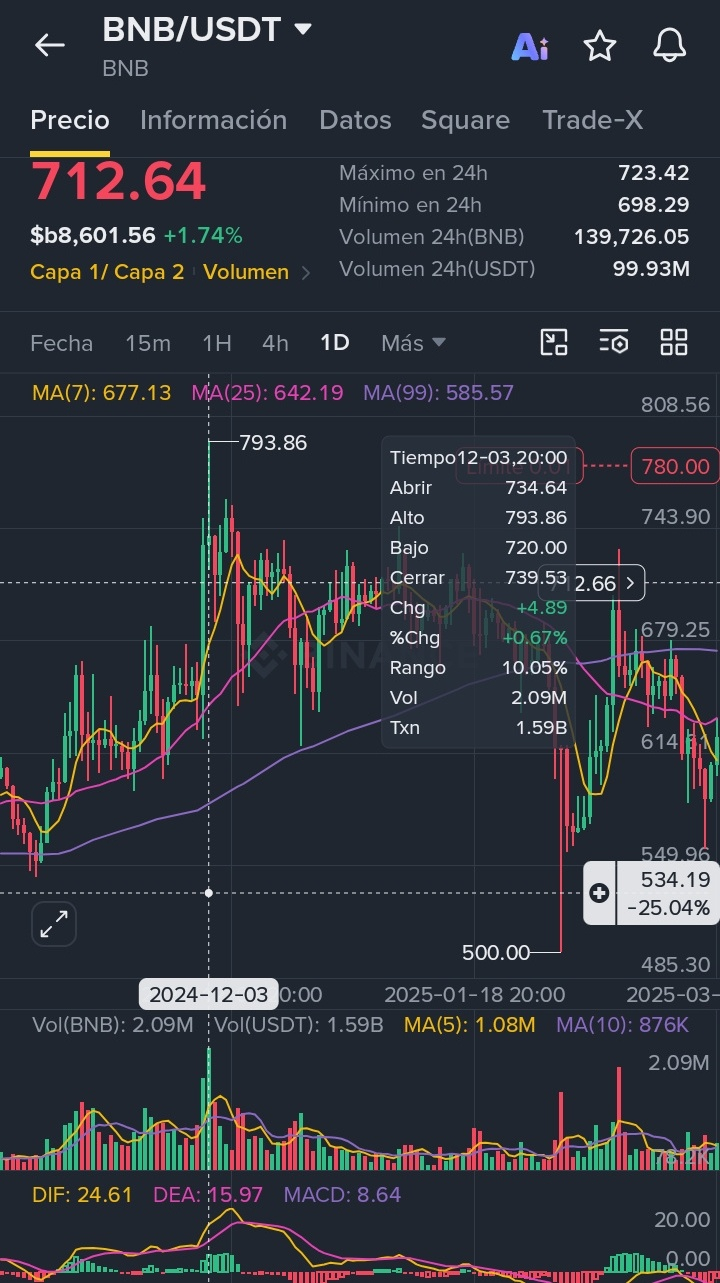
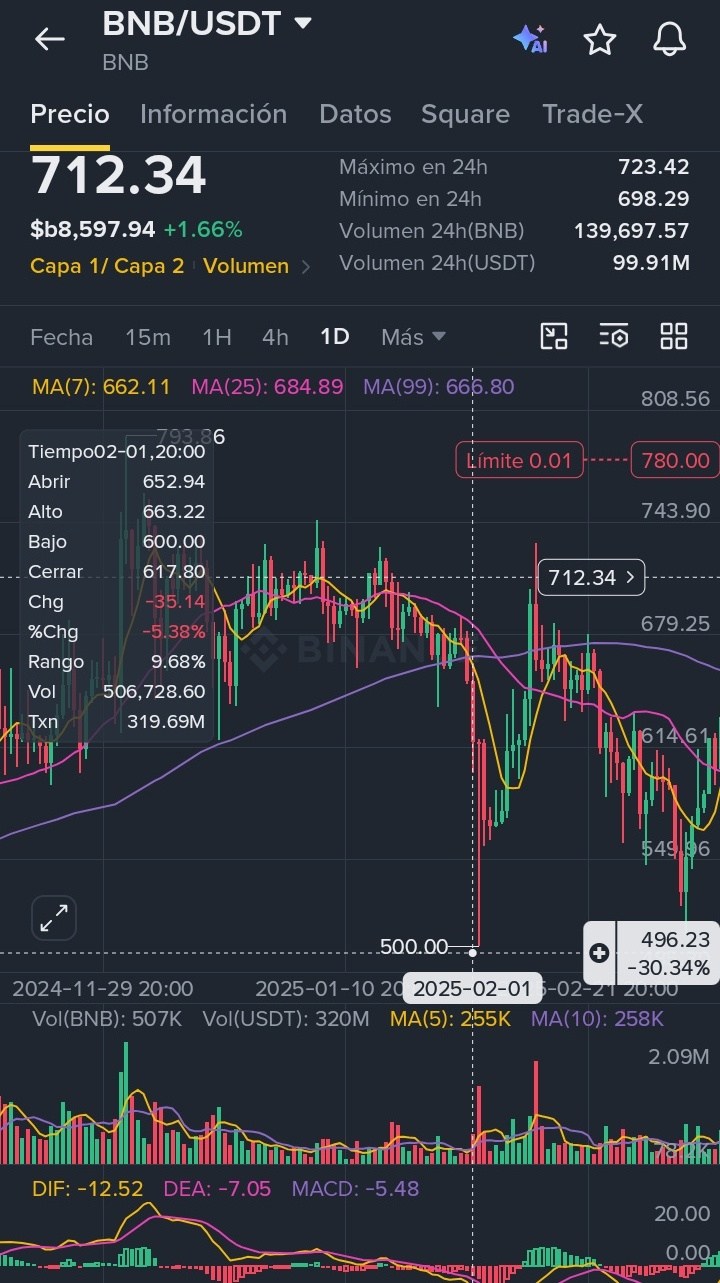
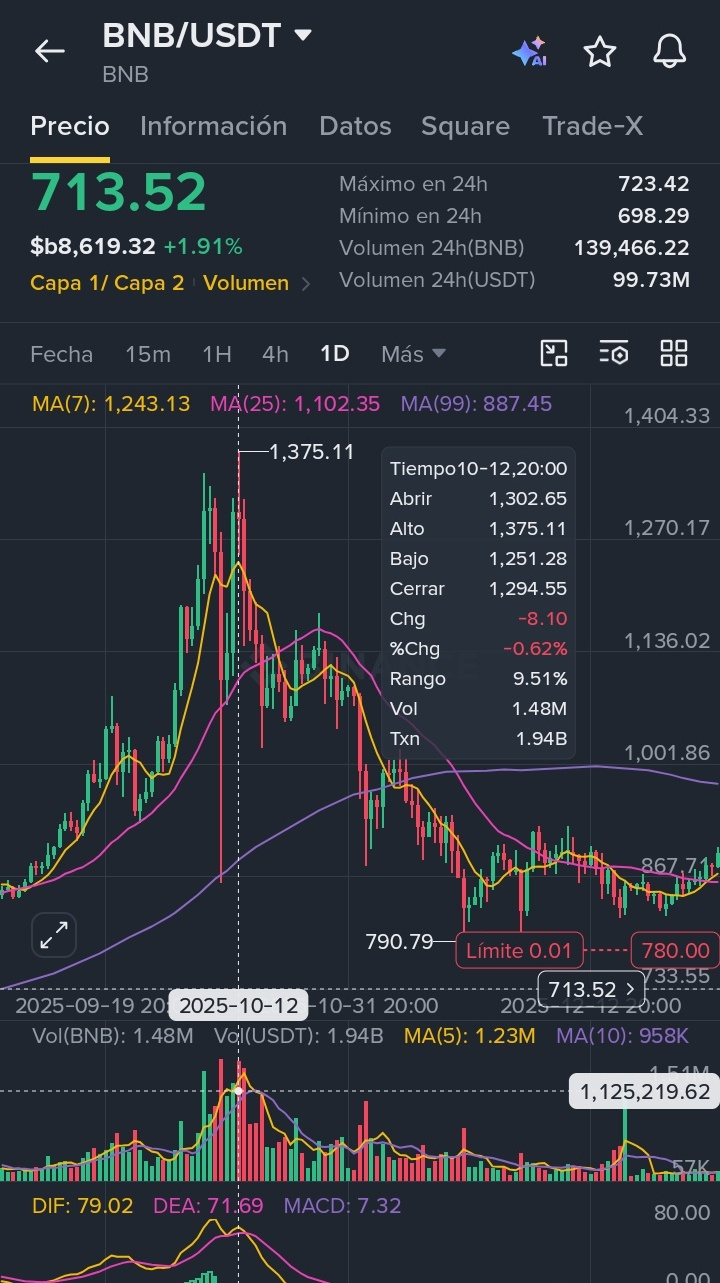
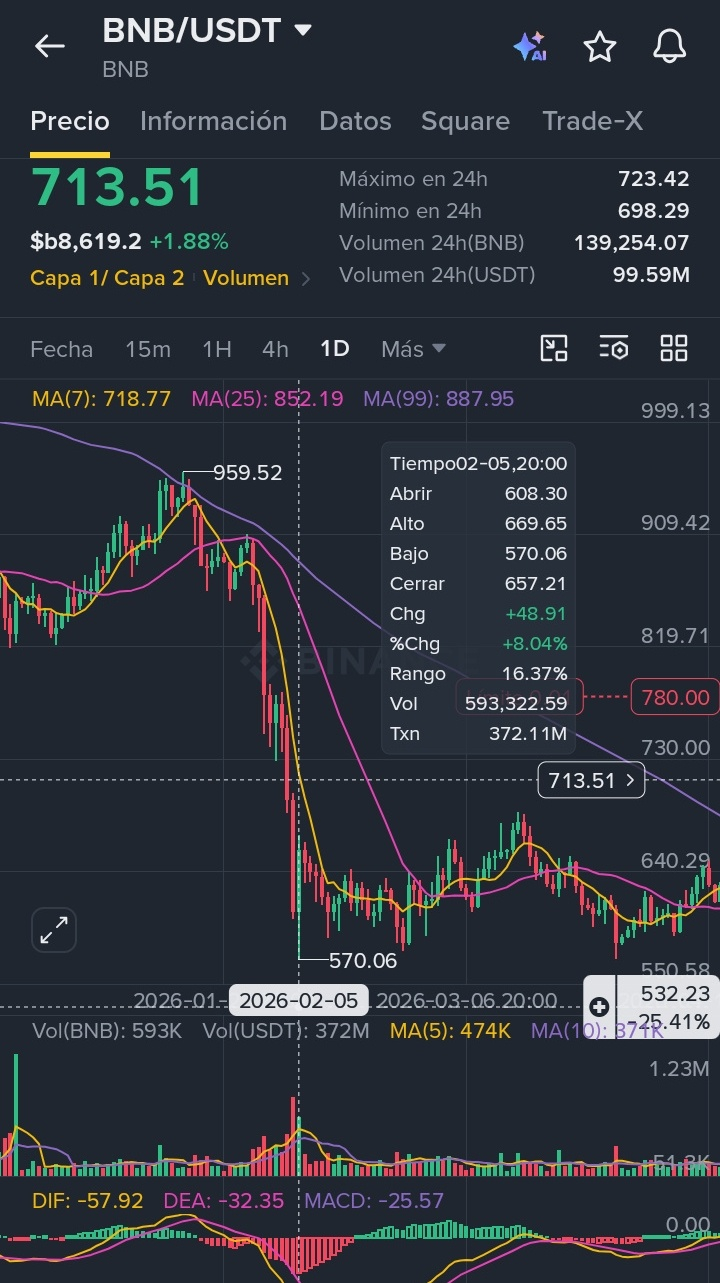
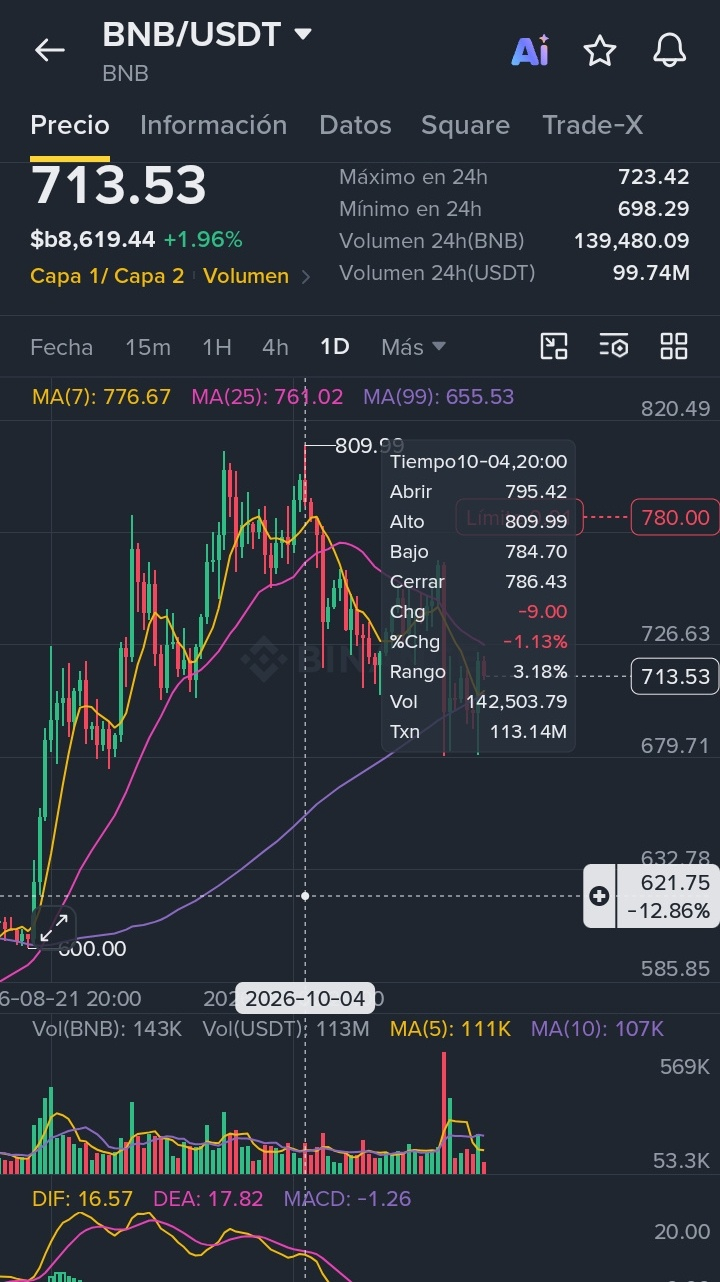
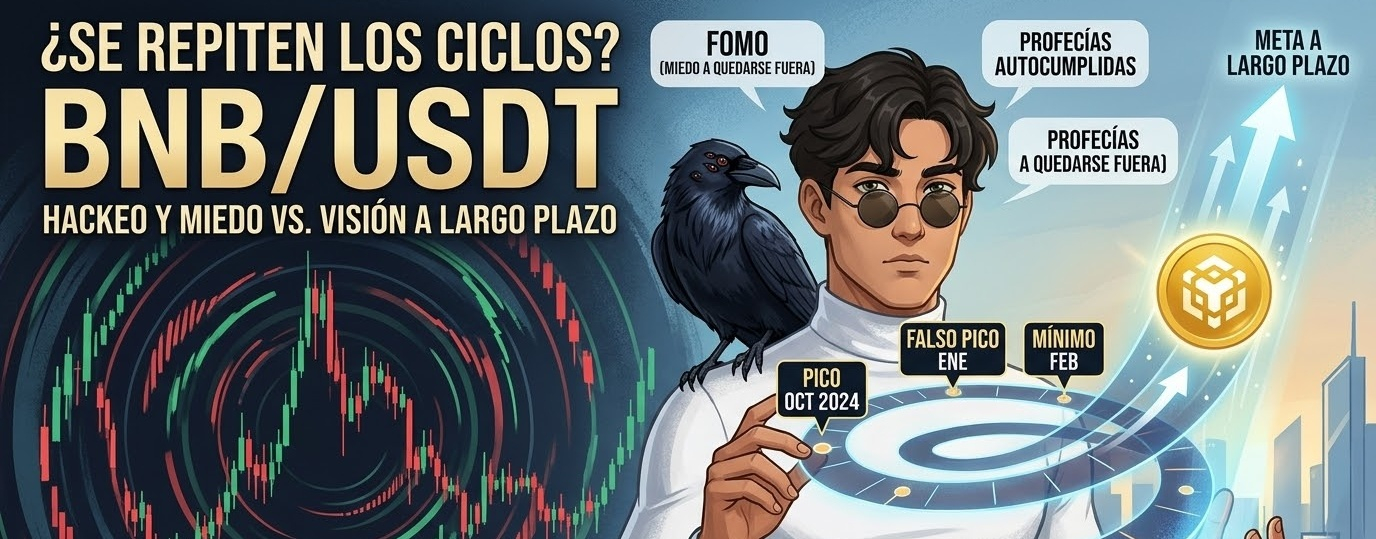
Looking at the charts, it’s curious to see how, around the same time in October last year, we had a peak followed by a drop of almost the same magnitude. After that, the price stabilized and formed another false peak in the second week of January, before plunging to a low in the first week of February. If we keep looking for patterns, we can see a very similar trend in December 2024, with its corresponding high and a low in February 2025.
When we analyze this, a fascinating question arises: Why do these dates seem to repeat? The answer often lies behind what we call self-fulfilling prophecies.
What is a self-fulfilling prophecy in the market?
In trading, a self-fulfilling prophecy occurs when a large number of people believe something will happen on a particular date (for example, that the market will fall in February or rise in October). Since everyone acts on that same belief—some selling early to protect themselves and others buying in hopes of hitting the bottom—their own actions end up causing exactly what they feared or hoped would happen. The cycle repeats not because it's a fixed mathematical law, but because collective psychology goes on autopilot.
Other important questions arise around this phenomenon:
1. Why wasn't a higher high reached this year than last year?
We often expect the market to break records all the time, but after very strong gains, prices need to rest. The market's energy temporarily runs out, liquidity moves elsewhere, and the asset enters a natural pause or consolidation phase.
2. Did the hack affect that rally?
Unexpected events, such as a major hack in the ecosystem, always trigger fear and short-term price swings. Even if the platform reacts quickly to protect users, this kind of news abruptly undermines confidence and halts any attempt at an organic rally that the chart may have been building around that time.
3. Will there be an even bigger drop this February?
It's tempting to think, "If it happened before, then the prophecy came true, so it will happen exactly the same way now." However, markets evolve. Although seasonal patterns and crowd psychology are real, blindly trusting that the same crash will repeat down to the last detail can lead us into traps.
4. How reliable are historical analyses?
Charts and history show us probabilities, not absolute certainties. They tell us how the crowd has reacted to certain situations in the past, but the market is alive and constantly changes in response to the global economy, news, and unexpected events.
5. How can we use this information to our advantage?
Big players (whales): They tend to understand people's emotional behavior very well and use periods of mass euphoria to sell and moments of panic to buy at low prices.
Those of us who are holders (long-term investors): Knowing that we operate in a market driven by psychology and self-fulfilling prophecies, we can stay calm, avoid giving in to FOMO (Fear of Missing Out, or the fear of being left behind when you see the price rising quickly), and use smart strategies to accumulate gradually (DCA) instead of spending all our capital at once.
Conclusion
Will the cycles happen again next year simply because of collective expectations? Maybe yes, maybe no. But at the end of the day, whatever happens with these fluctuations from October to February, our goal remains firm: we continue to believe in $BNB because our vision is long-term.