
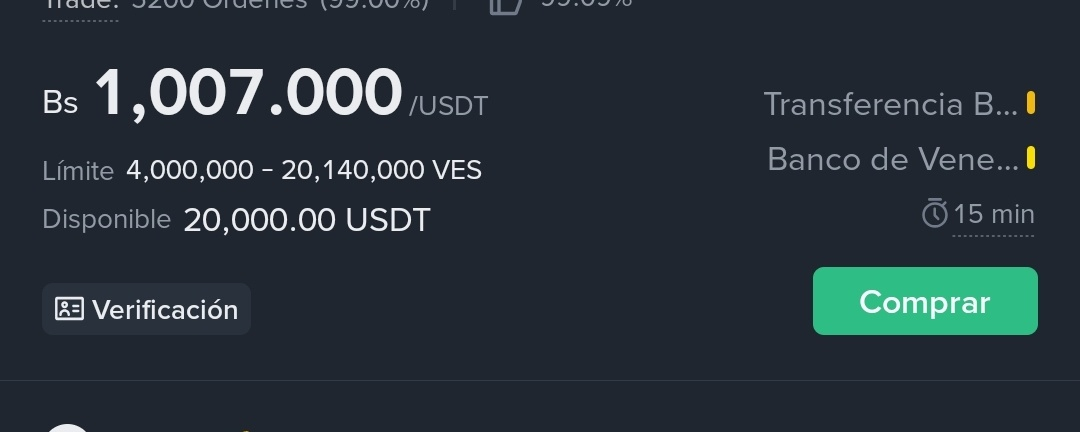

When we trade directly with one another on digital platforms using assets such as $USDT, we tend to think the only real risk is falling for a scam and losing our money. However, the true danger in Venezuela’s current financial ecosystem is legal in nature.
If you don’t legally verify the source of the funds, the identity of your counterparty, and the traceability of the bolívares, you could end up implicated in serious crimes. In Venezuela, criminal law is extremely strict regarding the flow of capital from digital sources, and ignorance of the law does not exempt you from liability.
Below, we explain in an educational way which offenses under the Special Law against Cybercrime and other Venezuelan regulations P2P users may commit through a lack of legal due diligence.
1. Money Laundering
This is the primary offense that compliance units at national banks (under the oversight of SUDEBAN) and financial crime divisions pursue most aggressively.
• How can you become involved unintentionally? Imagine you place an order to sell your crypto assets and agree to have a bank account in someone else’s name (someone who is not the verified account holder on Binance) transfer bolívares to you. If that money comes from prior electronic fraud or hacking, you are helping to “clean” the funds and introduce them into the regular banking system. Legal implications: Even if you only intended to sell your legitimate assets, under the Organic Law against Organized Crime and Terrorist Financing, you become an indispensable link in laundering the money. Your bank account becomes the bridge organized crime needs to conceal the trail of the offense.
2. Fraudulent Use of Smart Cards or Similar Instruments (Art. 16, LEDI)
The Special Law against Cybercrime (LEDI) imposes severe penalties on anyone who, by any means, conducts transactions using financial instruments, debit/credit cards, or someone else’s banking details without proper authorization.
• How can you become involved unintentionally? This happens when you accept triangulated transactions in which your counterparty on Binance tells you: “My aunt / my client / my business partner will transfer the money to you.” If that third party is actually a victim of phishing or their banking details were unlawfully stolen by the scammer you are chatting with, you are directly participating in carrying out the fraud. Legal implications: If you receive funds from a bank account compromised through cyber techniques, the authorities may prosecute you under this article. The fact that the bolívares enter your account directly points to you as the ultimate beneficiary of the fraudulent use of those digital funds.
3. Deceptive Offer or Electronic Fraud (Art. 15, LEDI, and the Criminal Code)
P2P is often cybercriminals’ preferred way to make money obtained through electronic scams disappear, such as fake investment schemes or simulated currency sales.
• How can you become involved unintentionally? The criminal targets an outside victim on social media and tells them to transfer the money directly to your domestic bank account under a false pretext. At the same time, the criminal places a buy order with you on Binance, and when you see the bolívares in your account, you release the crypto assets (such as $USDT). Legal implications: When the victim reports the cyber fraud to the CICPC or the Prosecutor’s Office, the only visible and legally traceable path of the funds leads to you. Because you failed to exercise due diligence by checking that the bank account holder was the same person as the platform user, the judicial system may classify you as a participant in carrying out the electronic fraud. The criminal walks away with clean, irreversible assets in a private wallet, while you are left facing an ongoing criminal investigation and the preventive freezing of your accounts.
Conclusion: Digital compliance is your only shield
Trading crypto assets in Venezuela is a legitimate activity, but it requires an extremely rigorous standard of regulatory compliance. The immutability of the blockchain is your best ally in demonstrating the transparency of your transactions, provided that you keep your digital records, carefully verify the identity of your counterparties, and firmly reject any attempt at financial triangulation or the use of third-party accounts.
Tell me, what legal topic would you like me to write about in the next article? Write it in the comments.
Check out the charts for my favorite coins: $SOL $BTC $BNB. We’re still in a downtrend.
Disclaimer: This article is strictly for educational and informational purposes and does not constitute formal legal advice.