
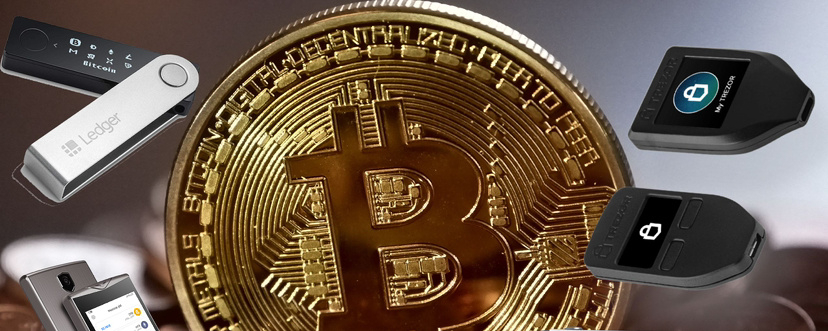

We buy a hardware wallet to protect our cryptocurrencies from hacks. But what happens if the danger is inside the device itself?
Several recent incidents raise a troubling question.
Trezor is investigating a Safe 5 purchased from a former authorized reseller. A user claims to have discovered an additional electronic component capable of reading information displayed on the screen, including the recovery phrase. The manufacturer considers the report credible, but the implant has not yet been confirmed in a laboratory.
In Singapore, police also reported modified Ledgers being sold in some stores, linked to losses of around 3.5 million Singapore dollars.
For its part, Keystone announced the destruction of 18,835 devices after a key used to verify their authenticity was stolen.
So the problem isn’t limited to hackers attacking the internet: it also affects manufacturing, distribution, and the supply chain.
What about you—would you still buy a hardware wallet from a reseller if you couldn’t verify its entire provenance?
#Ledger #Trezor #Keystone #HardwareWallet #CryptoSecurity #SelfCustody