
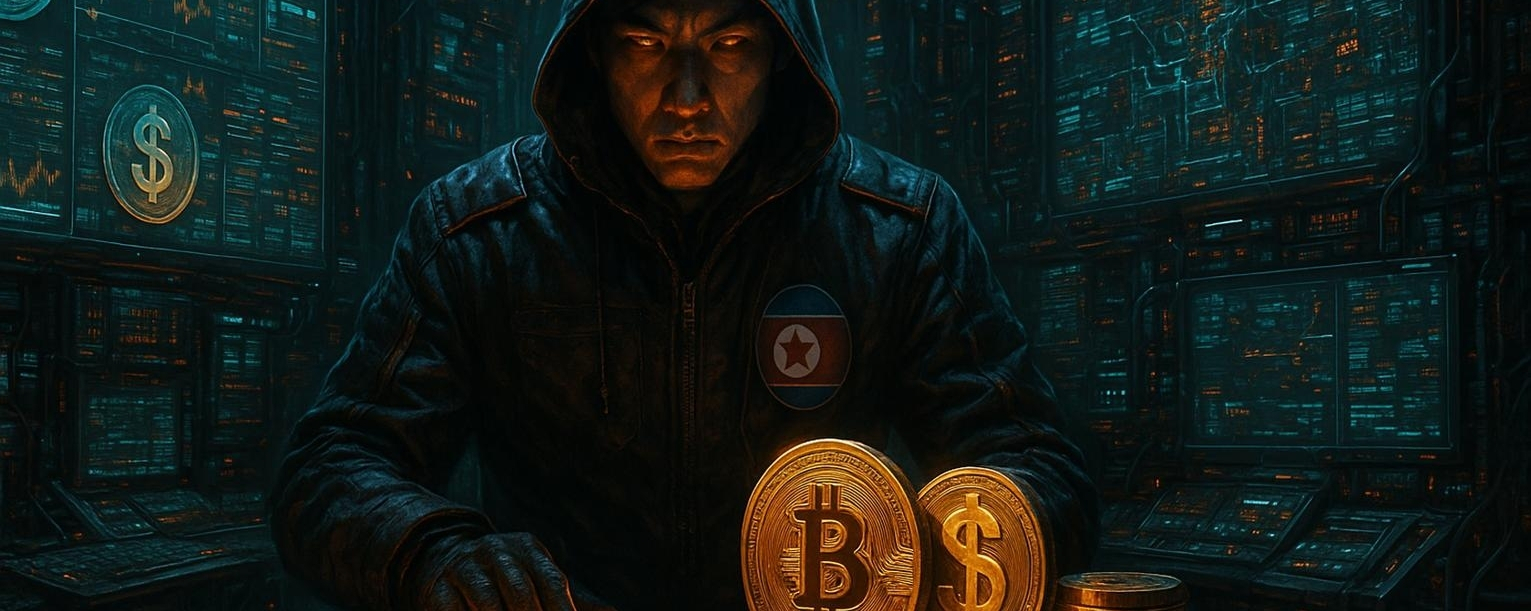

FBI POINTS TO NORTH KOREA BEHIND US$6.3 BILLION CRYPTO THEFT: GET TO KNOW TRADERTRAITOR
The cryptocurrency industry is once again facing one of the biggest security incidents to attract worldwide attention.
At the end of October 2026, Binance reported an asset theft incident with an estimated impact of around US$6.3 billion.
The latest development comes from the FBI, which has linked the attack to a North Korean hacking group known as TraderTraitor.
This case is not just about the loss of a large amount of assets. It raises broader concerns about exchange security, digital asset laundering, and the crypto industry’s ability to withstand organized attacks.
1. Who Is TraderTraitor?
TraderTraitor is the name of a cyber activity group that U.S. authorities have linked to North Korea.
According to the FBI, the group was involved in digital asset theft and malicious cyber activity.
The FBI linked the group to the theft of crypto from Binance in October 2026.
The FBI also said the group had previously been linked to the theft of about US$1.5 billion from Bybit in 2025.
This shows that large-scale digital asset theft can involve groups with technical expertise and organized operations.
However, the FBI's attribution should be distinguished from the outcome of legal proceedings against specific individuals.
2. How Could the Attack Happen?
According to Binance's initial explanation, the incident may have involved the compromise of a DevOps engineer's laptop.
The attackers are suspected of gaining access to a service container and being able to submit unauthorized withdrawal transactions.
Meanwhile, the investigation into the perpetrators and the attack route is ongoing.
One factor that makes this case notable is how quickly the assets were moved after the theft.
Funds can be moved across various blockchain addresses in a short time.
This means that incident response cannot focus solely on securing the systems that were attacked.
Companies also need to track the movement of funds and coordinate with other parties.
3. Where Were the Stolen Assets Moved?
According to an Associated Press report, the FBI said the perpetrators converted most of the stolen assets into Ethereum.
The perpetrators are suspected of using various services and transaction routes to disguise the origin of the funds.
Why Ethereum?
Because the Ethereum ecosystem offers many services and protocols that allow assets to be exchanged and transferred.
However, blockchain transactions still leave a public trail.
Blockchain analytics companies can monitor asset movements, identify transaction patterns, and help link related addresses.
On the other hand, not all assets can be frozen directly. The ability to freeze them depends on the type of asset, its issuer, the network, and the mechanisms available.
4. How Is the Crypto Industry Responding?
One important response is coordination among exchanges, blockchain analytics companies, and stablecoin issuers.
Some asset issuers can freeze certain tokens if the relevant conditions are met and they have the technical ability to do so.
Binance also said it had set aside more than US$6.34 billion to replace the affected assets.
In an update on October 31, Binance said that about 90% of the affected assets had been replaced.
The company said users would not suffer financial losses as a result of the theft.
This development is important, but replacing assets through an exchange and recovering assets from perpetrators are two different things.
Compensating users for their losses does not automatically mean that all the stolen funds have been recovered.
5. What Impact Does This Have on the Crypto Industry?
There are three impacts to consider.
First: exchanges' operational security is becoming increasingly important.
Protecting private keys alone is not enough.
Employee devices, internal systems, authentication, and transaction approval mechanisms all need multiple layers of protection.
Second: industry coordination is becoming increasingly important.
Exchanges cannot face major attacks alone.
Cooperation with blockchain analytics companies, stablecoin issuers, and law enforcement can help limit the movement of funds.
Third: transparency is a factor in building trust.
Users need clear information about the impact of incidents, asset recovery, and security improvements.
6. Should Investors Be Worried?
This incident deserves attention, but it is not a reason to assume that all crypto assets are unsafe.
The security risks of each platform and network are different.
Investors can take several steps:
Enable multifactor authentication.
Avoid unverified links.
Never share your seed phrase or private key.
Understand the risks of storing assets on an exchange.
Check official announcements if a service disruption occurs.
Personal security remains important even when using a major platform.
Conclusion
The Binance case shows that the cryptocurrency industry faces increasingly complex threats.
Attacks do not always stem from smart contract vulnerabilities or private key theft. Work devices, internal systems, and operational processes can also provide an entry point.
The FBI's attribution of the attack to TraderTraitor adds a new dimension to the case: digital asset theft can involve organized cyber groups operating across borders.
Going forward, the crypto industry needs to strengthen security, transparency, and coordination across platforms.
The question is no longer whether the crypto industry will face another attack, but how prepared it will be when one occurs.
💬 Community Discussion
In your opinion, who should bear the greatest responsibility for keeping crypto assets secure?
A. The exchange where the assets are traded.
B. The users who store the assets.
C. Blockchain and protocol developers.
D. Regulators and law enforcement.
Share your opinion in the comments.
SOURCES AND REFERENCES
1. Associated Press — FBI links Binance theft to North Korean group
https://apnews.com/article/883f18140c1e21ce0c38781e72cbe315
2. Reuters — Binance replaces 90% of affected assets
https://www.reuters.com/legal/government/binance-says-90-stolen-assets-replenished-2026-10-31/
3. Washington Post — Investigation into the attack and movement of assets
https://www.washingtonpost.com/technology/2026/10/31/how-suspected-north-korean-hackers-swiped-billions-crypto-only-minutes/
4. Binance — Official update on asset replacement
https://www.binance.com/en/square/post/383244799724069
This article is for informational and educational purposes only and is not investment advice.