

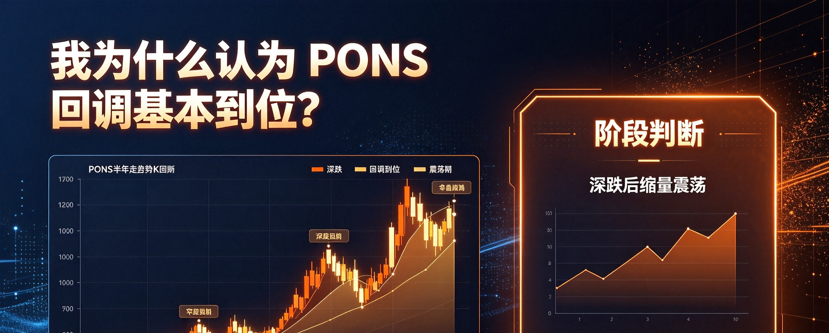

Within the Robinhood Chain ecosystem, PONS is a rather unique asset. It isn't an RWA token, but the native token of the chain's largest token launchpad. After the recent broad market sell-off, PONS fell sharply along with the market. Many people now feel that most of the selling pressure has passed and that it has entered a choppy bottoming phase.
Earlier price action: Powered by its launchpad ecosystem, it staged a massive rally
After Robinhood Chain launched in July, the chain lacked an easy-to-use tool for ordinary users to launch meme coins. The PONS launchpad filled that gap immediately. The vast majority of new meme tokens on the chain are minted and launched through the PONS platform.
The platform’s rules are simple: projects pay fees in WETH to launch tokens on it, and those fees are used to buy back PONS. Transaction fees on PONS itself are burned, creating a deflationary cycle driven by the launchpad business.
Fueled by a steady stream of new token launches, PONS surged from its lows, reaching a market cap of several hundred million at its peak. At the time, new tokens were popping up all over Robinhood Chain, trading volume on the platform kept climbing, and the market assigned it a high valuation.
But after the surge, problems gradually began to emerge. Its price action depends heavily on the hype around on-chain memes. As soon as interest in new token launches cools and whales start taking profits, the price can quickly retrace. There were several waves of large whale sales in September, with individual sell orders worth several million dollars hitting the market and driving the price lower, as it absorbed profit-taking from buyers at higher levels.
This pullback has released much of the selling pressure, and the price has moved into a range-bound phase.
The broader market weakened in this downturn, altcoins sold off across the board, and PONS also underwent a deep correction.
Unlike ARB and UNI, PONS is essentially a launchpad token for the ecosystem, and its price is tied to on-chain meme activity, making it naturally much more volatile. This downturn flushed out many of the short-term traders who had taken profits earlier, as well as some whale holdings.
It’s now clear from the chart that downward momentum has weakened significantly. There are no more repeated, sharp sell-offs, and the price has started moving back and forth within a defined range.
Put simply, most of the selling pressure has been released, and bulls and bears are now battling it out. The price faces resistance from buyers trapped at higher levels, while ecosystem fundamentals provide support below. In the short term, it’s likely to keep trading sideways.
One thing to keep in mind: a correction reaching its bottom doesn’t mean the price will immediately rally. The sideways phase can be the most frustrating, with repeated wicks in both directions—testing support one moment, then making a small rebound to test resistance the next. This can take a lot of time.
Why its underlying fundamentals look promising
1. The key gateway to Robinhood Chain’s meme ecosystem
For launching tokens across the chain, the PONS launchpad remains the go-to choice. As long as people keep launching new tokens on Robinhood Chain, the platform will continue generating fees and buying back and burning tokens. Its value is underpinned by the level of on-chain token-launch activity, not just by speculative narratives.
2. The token model is inherently deflationary
Revenue from token launches is used for buybacks, and transaction fees are burned. The more active the ecosystem, the more tokens are burned. If the market recovers and a new wave of on-chain token launches returns, the market may once again price in the deflationary effect.
3. This downturn has flushed out a lot of short-term speculative holders
Many of the short-term traders who entered during the earlier surge have exited during this pullback. Those still in the market are more likely to be long-term investors who believe in the Robinhood ecosystem. Trading within a range is a process of transferring holdings, shifting supply from higher levels to lower ones.
Risks to keep in mind (this token carries much more risk than UNI and ARB)
1. It is extremely dependent on on-chain meme activity. If new token launches on Robinhood Chain remain sluggish, platform fees will fall directly, buybacks and burns will decline, and the fundamental thesis will weaken. Unlike ARB and UNI, it doesn’t also have RWA asset-related businesses to provide a backstop.
2. Token holdings are relatively concentrated. Early whales still hold a substantial amount, and a large sell-off during a sideways period could break support at any time and trigger another rapid decline.
3. Regulatory spillover risk. If Robinhood Chain’s overall business comes under regulatory pressure, activity across the entire ecosystem could cool, with PONS among the first to be affected.
4. Competition in the sector. New launchpads could emerge at any time and draw users and token-launch demand away.