
My core assessment is this: What makes Robinhood Chain most worth watching isn’t that it’s yet another new L2, but that it could bring traditional brokerage funds, stock assets, stablecoins, and DeFi liquidity together in a single ecosystem.
Robinhood’s biggest competitive advantage is that it already has financial customers and a trading platform, so it doesn’t have to rely entirely on crypto-native users.
However, I would divide its development into two parts:
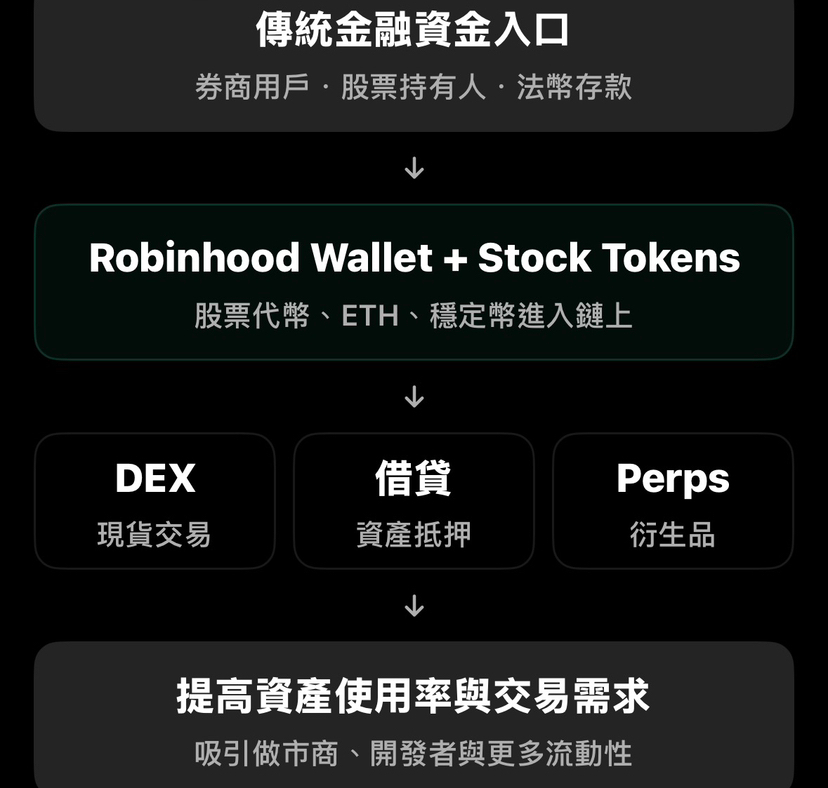
Bring new funds on-chain: tokenized stocks, Robinhood Wallet, cross-chain bridges, and institutional partnerships.
Keep funds on-chain: lending, collateral, perpetual contracts, trading pools, and AI-powered automated strategies.
The second point is what really matters. If capital comes in only to trade meme coins and then leaves, even high short-term trading volumes may not lead to a sustainable financial ecosystem.
I. What innovations does Robinhood Chain already offer?
On July 1, 2026, Robinhood Chain officially launched its public mainnet. Built using Arbitrum technology, it uses ETH to pay gas fees and offers financial applications such as stock tokens, on-chain trading, and lending.
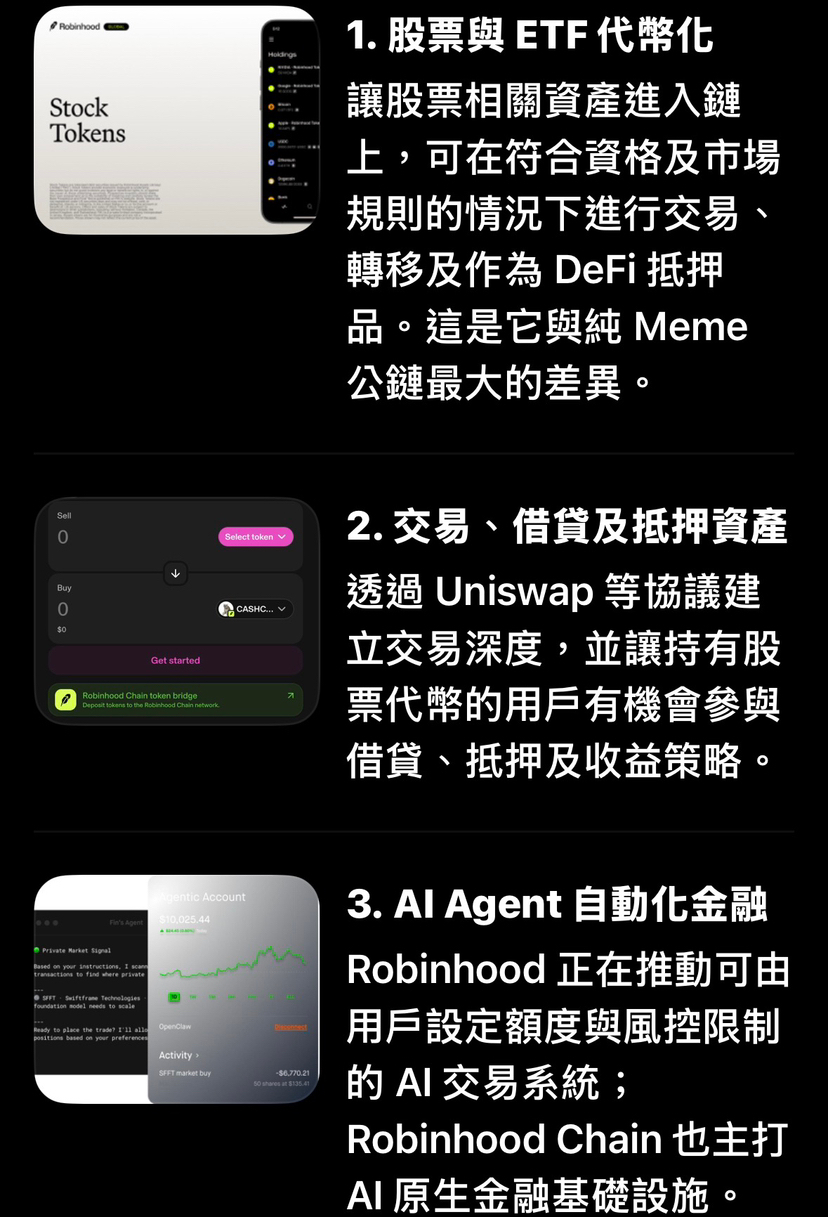
Of these innovations, the integration of stock tokens with on-chain DeFi is most likely to create demand for capital that differs from that of other L2s. AI Agents also have long-term potential worth watching, but it's important to distinguish between products already available, protocols being integrated, and future visions.
II. How much capital is on-chain right now?
DeFiLlama query snapshot; figures fluctuate with market conditions
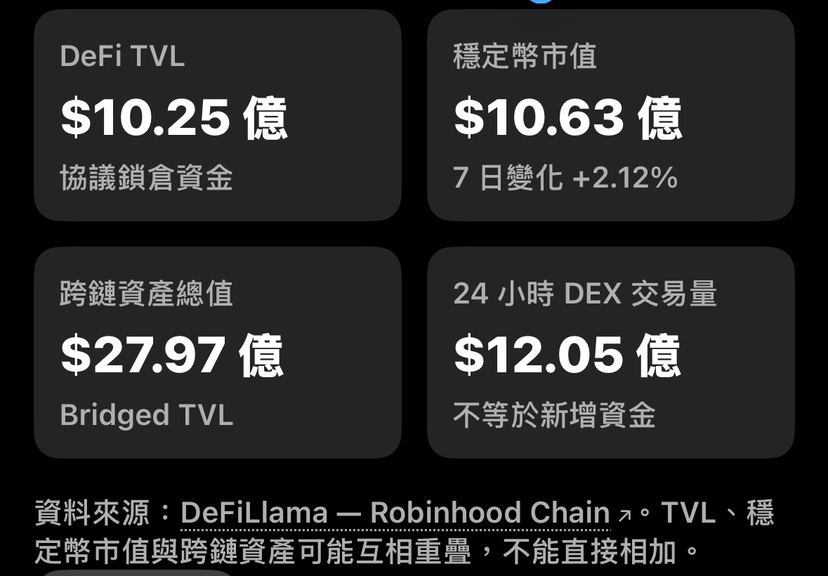
This shows that it is no longer a new chain used only by test users. But the more important question is: how much of its current liquidity comes from genuine financial demand, rather than short-term rewards, leverage loops, and meme speculation?
III. How can Robinhood keep bringing new capital on-chain?
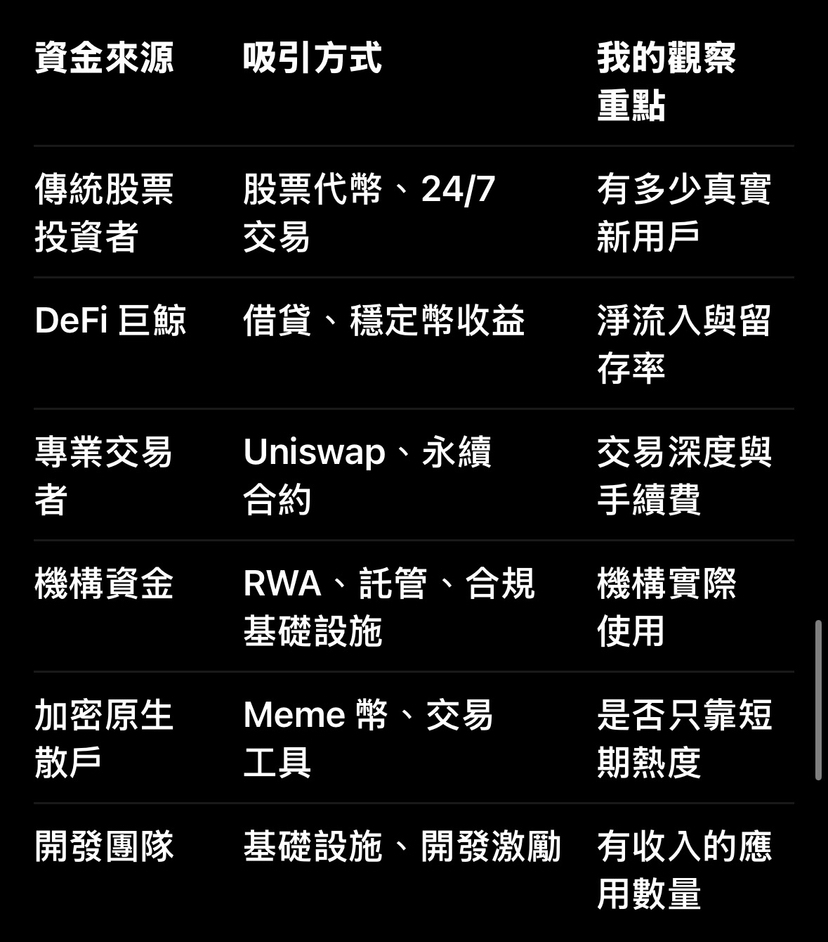
Confirmed user acquisition measures include Robinhood Earn offering USDG lending through Morpho, advertised at launch with an estimated APY of around 7%; Lighter also allocated 11 million LIT for eligible Robinhood users to participate in trading rewards. These are concrete mechanisms for attracting capital, but returns are not guaranteed, rewards are conditional, and this does not mean all these activities take place directly on Robinhood Chain.
IV. The three areas I think are most likely to take off next
RWA-backed lending
If stock tokens can be widely used as collateral, stock investors may be able to access on-chain liquidity without selling their assets. This is the long-term narrative most worth tracking, but collateral haircuts, liquidation, and legal rights must be addressed.
Stablecoin yields and payments
For ordinary users, stablecoin lending may be easier to understand than trading tokens on-chain. If competitive, transparent-yield products can be offered consistently, they may attract capital from people who have not previously used DeFi.
AI Agents + on-chain
AI-driven automated asset allocation, trading, and lending strategies could increase how often on-chain financial services are used. But if they simply generate large volumes of bot-driven activity, their contribution to the ecosystem's value will be limited.