📰 On September 29, ether.fi announced that by the end of this quarter it will spin off its restaking business and fully pivot to a new crypto bank. The CEO was very direct: restaking no longer offers meaningful return opportunities, while safety risks cannot be ignored.
🔥 The data is indeed a bit brutal. As of September 30, the total LRT market has about $1.45 billion locked, but weekly protocol revenue is only around $100,000. It looks like there’s a lot of capital, yet the portion that can truly be paid out to the protocol is very thin—top projects can only collectively change direction.
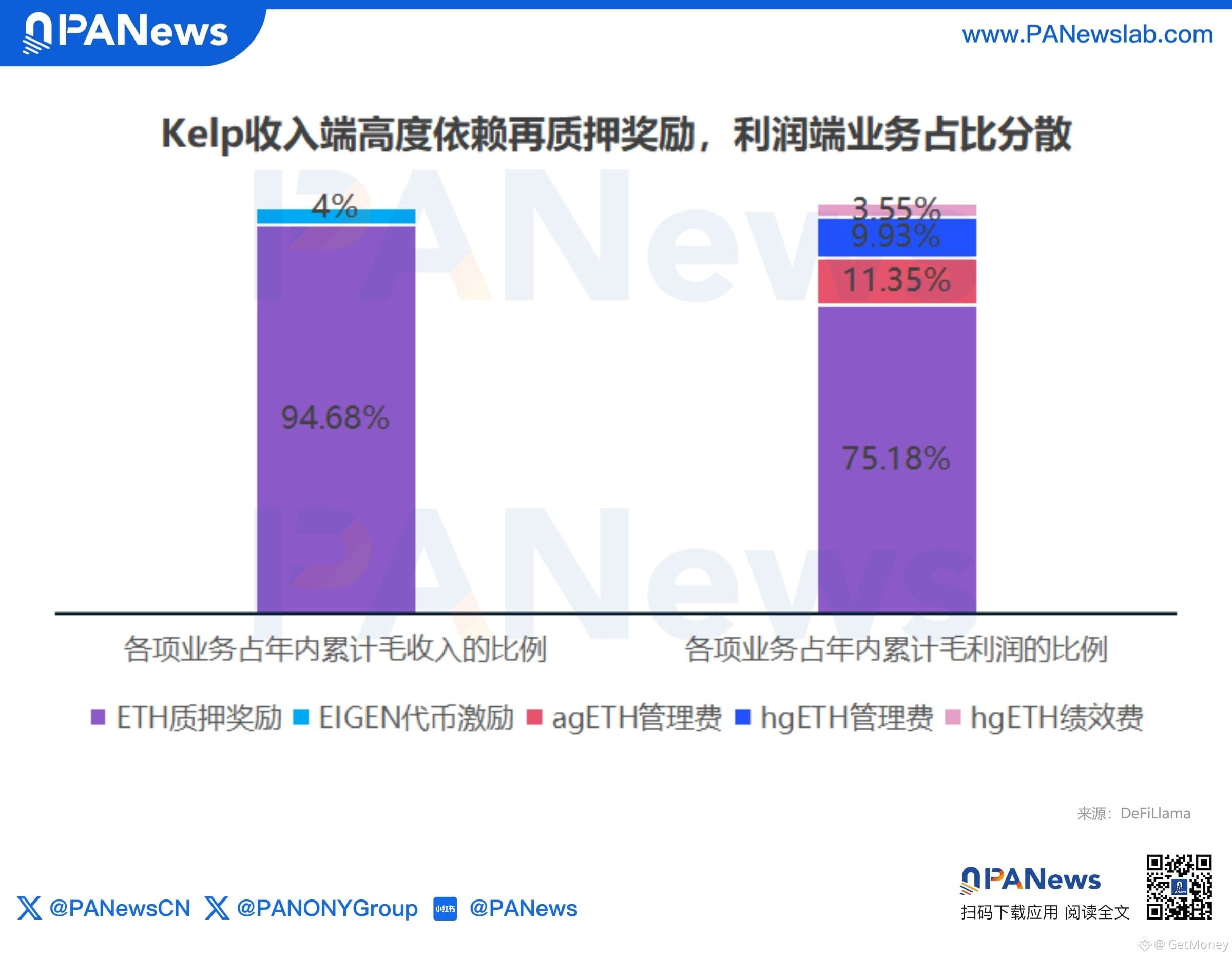
Kelp is a classic example. This year its gross revenue has reached $26.52 million, but the genuinely discretionary share is only 5%, resulting in protocol profits of $14.1 million. Meanwhile, the Gain strategy vault with around $30 million TVL generated nearly 25% profit using about 2.5% of its TVL. Honestly, the numbers already make it clear which side the project should bet on.
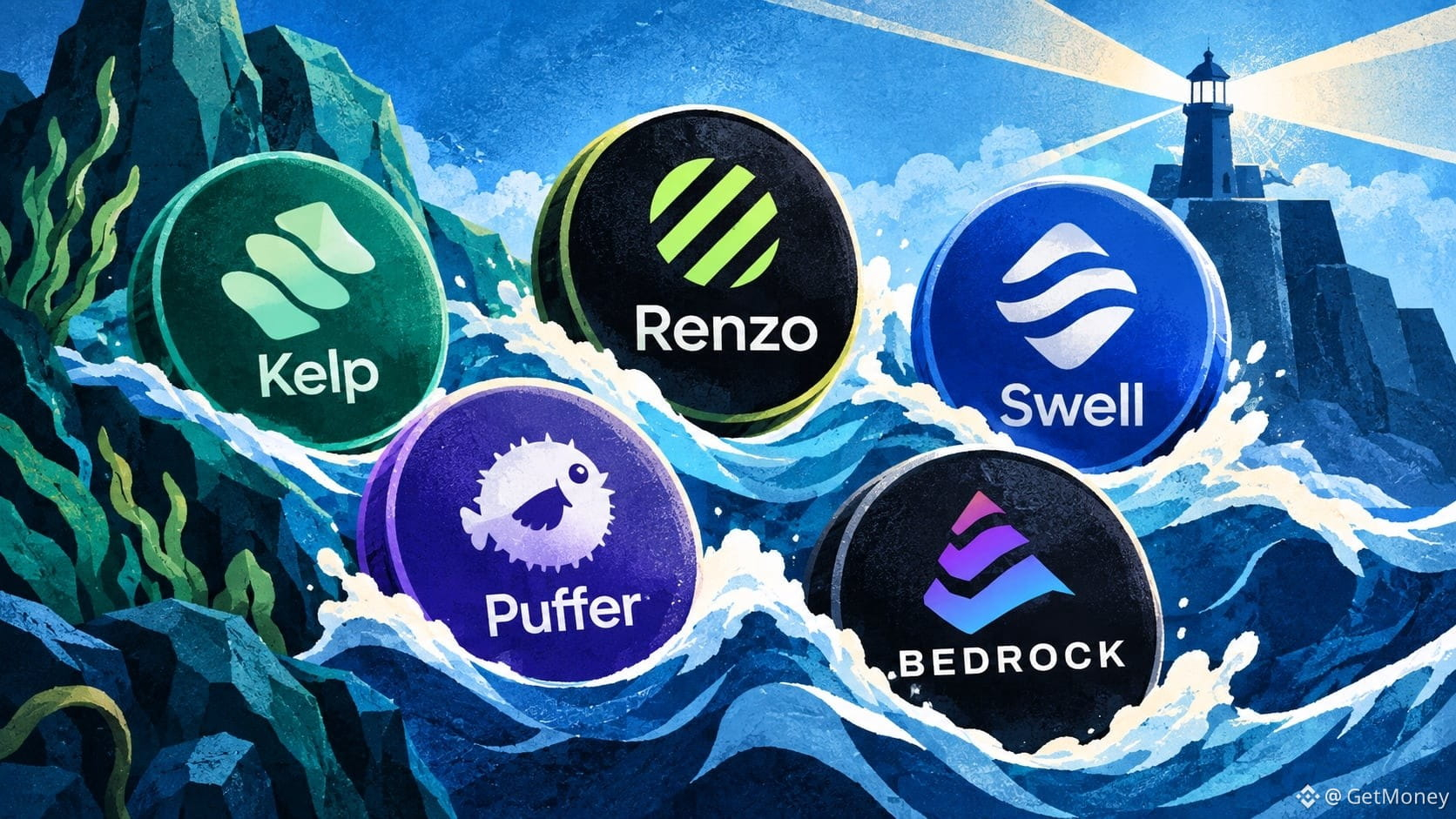
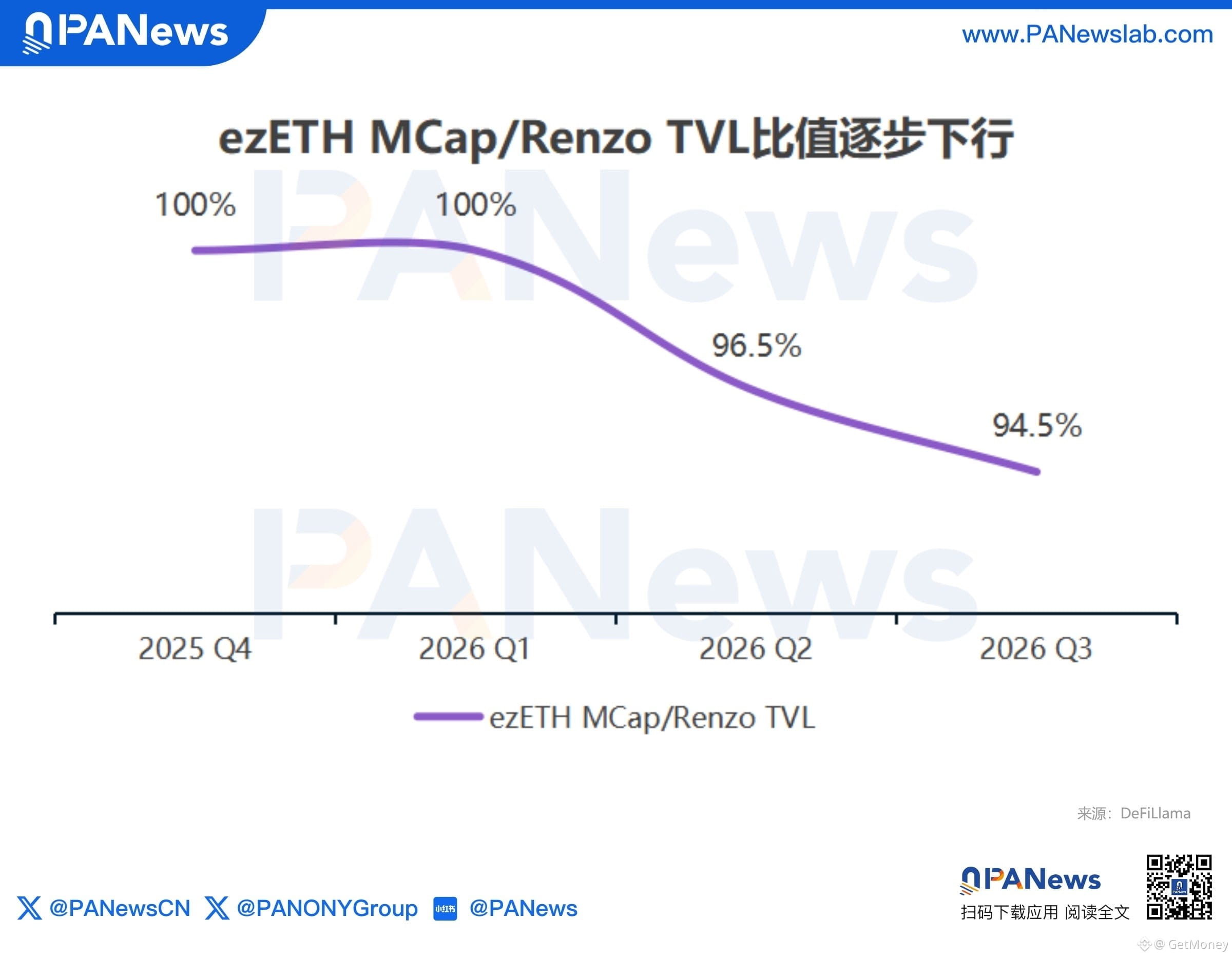
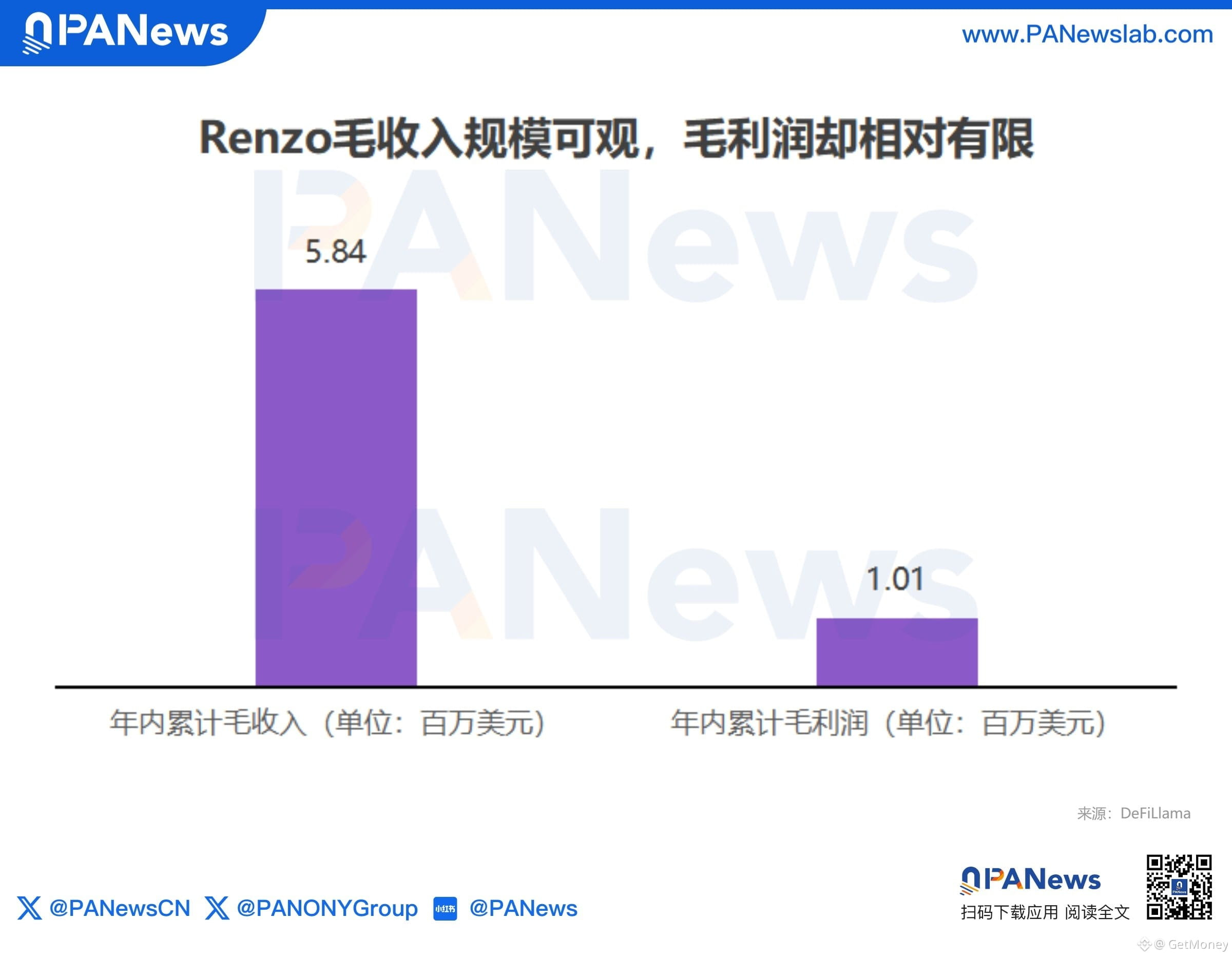
💡 Renzo has shifted to on-chain structured yield products, Swell shut down and closed上线 in less than a year (Swellchain), then moved to build an AI trading application, Faro, on Hyperliquid; Puffer is betting on institutional services, pre-confirmations, and Rollup infrastructure. They’re not just changing a name to keep telling the story—they’re looking for real, chargeable business.
⚠️ The more realistic issue is security. Kelp suffered a cross-chain bridge attack in April, where about 116,500 rsETH were forged and released, worth roughly $293 million. After that, it even narrowed the scope of supported multi-chain bridges. Returns are already thin; after another accident, it’s hard for the balance sheet to withstand it.
🤔 If in the end an LRT protocol mainly makes money from vault management fees, transaction services, or infrastructure charges, would you still value it as a restaking project?
#以太坊 #LRT #再质押 #DeFi
🔥 The data is indeed a bit brutal. As of September 30, the total LRT market has about $1.45 billion locked, but weekly protocol revenue is only around $100,000. It looks like there’s a lot of capital, yet the portion that can truly be paid out to the protocol is very thin—top projects can only collectively change direction.
Kelp is a classic example. This year its gross revenue has reached $26.52 million, but the genuinely discretionary share is only 5%, resulting in protocol profits of $14.1 million. Meanwhile, the Gain strategy vault with around $30 million TVL generated nearly 25% profit using about 2.5% of its TVL. Honestly, the numbers already make it clear which side the project should bet on.
💡 Renzo has shifted to on-chain structured yield products, Swell shut down and closed上线 in less than a year (Swellchain), then moved to build an AI trading application, Faro, on Hyperliquid; Puffer is betting on institutional services, pre-confirmations, and Rollup infrastructure. They’re not just changing a name to keep telling the story—they’re looking for real, chargeable business.
⚠️ The more realistic issue is security. Kelp suffered a cross-chain bridge attack in April, where about 116,500 rsETH were forged and released, worth roughly $293 million. After that, it even narrowed the scope of supported multi-chain bridges. Returns are already thin; after another accident, it’s hard for the balance sheet to withstand it.
🤔 If in the end an LRT protocol mainly makes money from vault management fees, transaction services, or infrastructure charges, would you still value it as a restaking project?
#以太坊 #LRT #再质押 #DeFi