



Binance has delisted 42 spot tokens and 28 derivatives contracts in the first three quarters of 2026, amid a challenging crypto market phase in which many projects face pressure on liquidity and real revenue from the protocol.
Amid a difficult phase in the crypto market, Binance is increasing the frequency of reviewing and delisting assets on its platform. In the first three quarters of 2026, the exchange removed 42 spot tokens and 28 derivatives trading contracts, with the low fully diluted valuation (FDV) asset group accounting for a significant share.
Statistical data shows that Binance delisted 42 tokens in the spot market in 2026, exceeding the total number of spot tokens removed in all previous years combined. At the same time, the exchange also delisted 28 derivatives contracts.
The frequency of delisting events has also surged compared with last year. On average, every 28 days Binance announces a delisting, while the figure for 2025 was 52 days. This suggests that the process of reviewing the assets traded on the exchange is happening more frequently.
This happens as the cryptocurrency market enters a phase of sharp divergence. After growth cycles, a large number of projects are brought to the market with the expectation of attracting users, liquidity, and investment capital. However, when market conditions become less favorable, the ability of these projects to sustain operations also faces substantial pressure.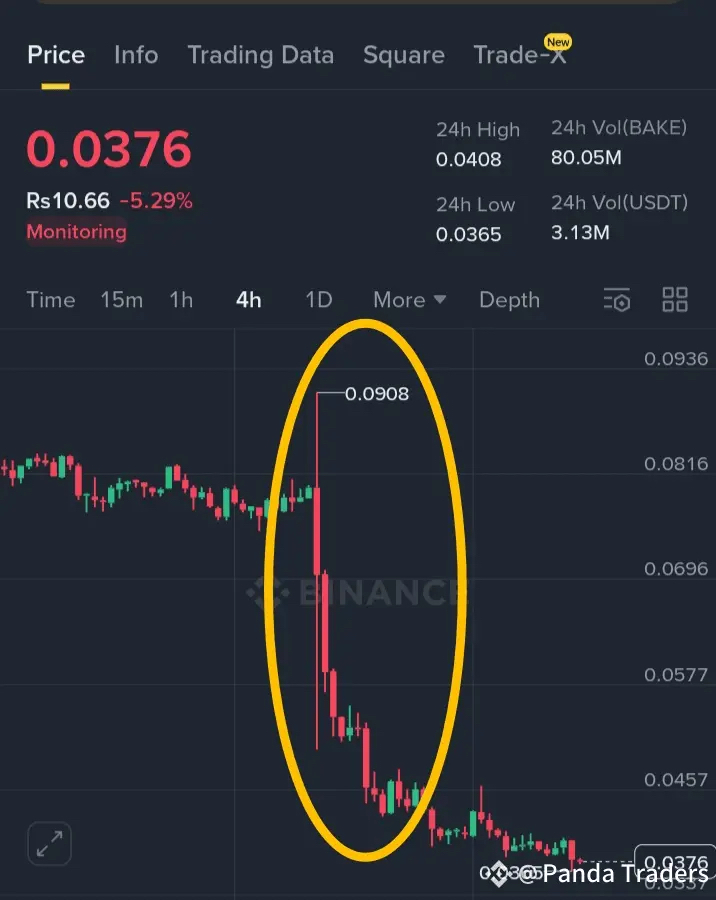
One of the issues the market is concerned about is the ability to generate real revenue from the protocol. During bull market periods, many projects can attract users through incentive programs, token rewards, or speculative capital inflows. However, when liquidity declines and speculation cools down, models that do not create sustainable cash flow from real-world activity may struggle to maintain their ecosystems.
This is particularly notable for tokens with low capitalization scale and low FDV. According to statistics, 49% of the tokens on spot trading that Binance delisted this year have FDV below USD 10 million. Meanwhile, there has been no case of tokens in the group with FDV above USD 100 million being removed from the spot market by Binance.
FDV reflects the assumed valuation of a project if all tokens were released to the market. For projects with low FDV, liquidity and market size are often more limited, making token prices more easily affected when capital is withdrawn from risky assets.
However, FDV is not the only factor that determines whether a token will be delisted. Binance regularly assesses many factors related to the asset and the trading market. Therefore, a token with low FDV appearing on a delisting list does not necessarily mean that the FDV size is the direct cause of this decision.
The difference between the spot and derivatives markets also shows that newly listed assets can face different kinds of risks. Of the 28 derivatives contracts delisted in 2026, as many as 23 relate to new tokens that Binance listed starting in 2025.
Meanwhile, the spot tokens that get removed from exchanges have often been traded for many years. This indicates that even a project that managed to hold its position in the market for a long time can still be brought under review when market conditions, liquidity, or trading activity change.
The origins of token listings are also a noteworthy point. About 26% of delisted spot tokens were introduced via Binance Launchpool or Launchpad. For the futures market, 63% of delisted tokens previously appeared on Binance Alpha.
Binance Alpha is a platform that introduces new projects and tokens within the Binance ecosystem. A large proportion of futures tokens that previously appeared on this platform being delisted suggests that the lifecycle of new assets in the derivatives market may be relatively short—especially when liquidity and trading demand fail to meet initial expectations.
Against the backdrop of the market entering what is likened to a “cryptocurrency winter” phase, pressure on projects is growing. As speculative capital inflows slow down, the ability to create value and generate real revenue from the protocol becomes a more important factor for long-term survival.
Projects that rely too heavily on token issuance, liquidity incentives, or new capital inflows may face difficulties when market conditions are no longer favorable. Conversely, protocols that use real-world operations and have stable revenue sources have a stronger basis to keep operating even when token prices fluctuate.
Binance’s continuous reviews and delistings of assets therefore reflect not only changes in the trading lineup of a major exchange, but also the screening process taking place across the entire market. As liquidity becomes scarce and investors grow more cautious, the gap between projects with real economic activity and those mainly based on market expectations tends to become increasingly clear.