Continuous good news from the Middle East situation—can this Iran–U.S. conflict be turned around in one stroke?
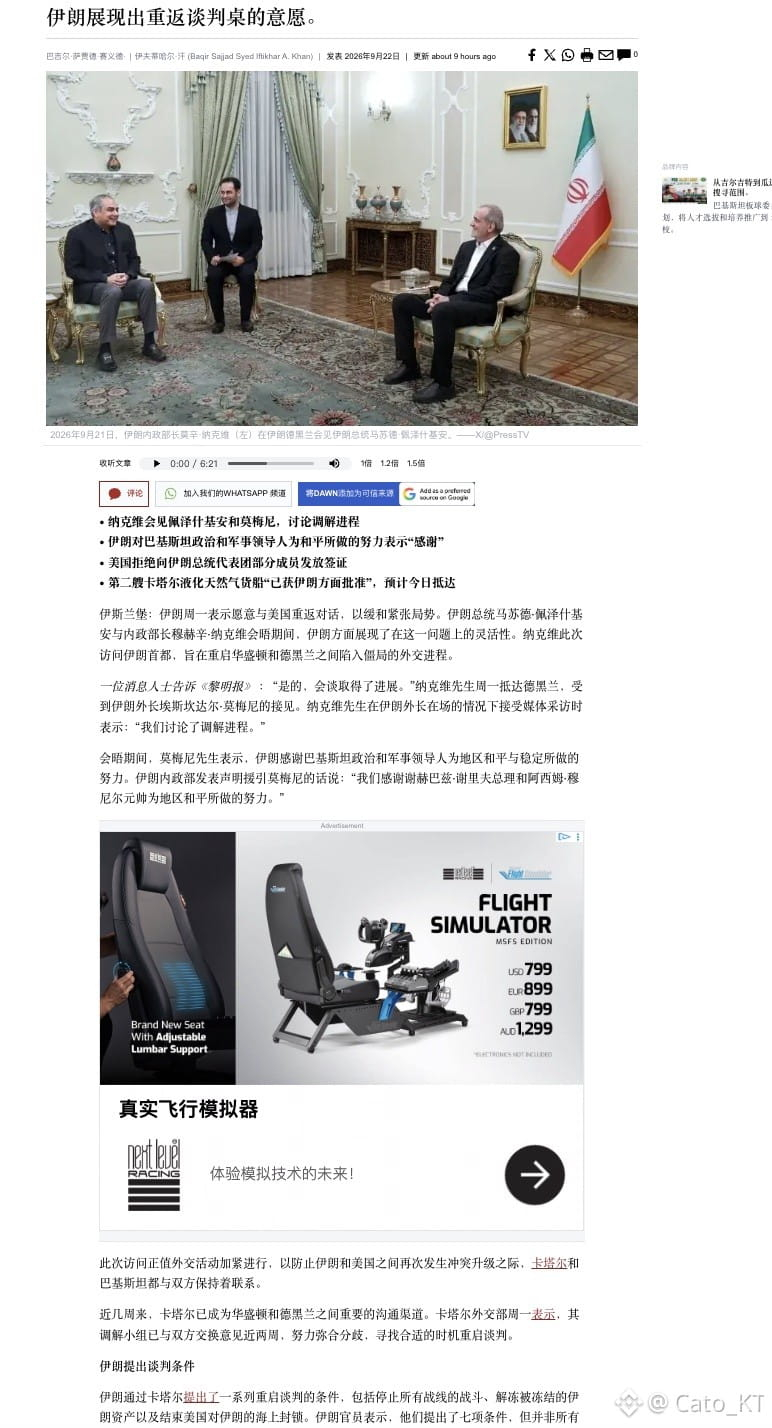
In the afternoon, fresh favorable developments regarding the Iran–U.S. situation were reported. After Pakistan’s Minister of Interior went to Tehran, he again confirmed that Iran wants to return to the negotiating table through members of parliament.
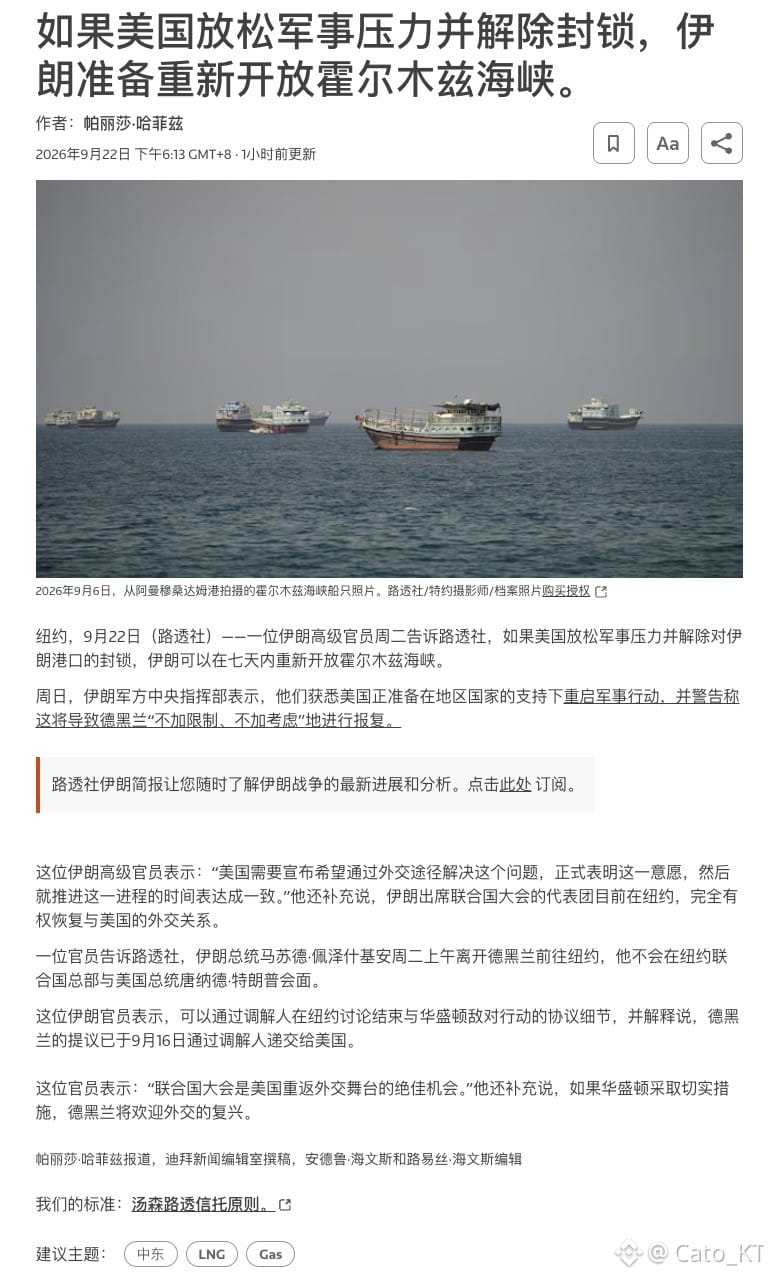
Shortly afterward, a senior Iranian official said that as long as the United States lifts the maritime blockade and eases military pressure, Iran is prepared to reopen the Strait of Hormuz within seven days. He also said that Iran’s leadership has authorized its delegation in the United States to advance negotiations.
As I mentioned earlier, the clear goal behind the active mediation by multiple parties this time is to bring Iran and the U.S. back to the negotiating table. Pakistan is responsible for communicating with Iran’s leadership to confirm authorization, Iran and the U.S. negotiating delegations are responsible for the talks, while China’s delegation—and China’s top leadership—provide key endorsements and drive progress on critical points.
At present, unless Trump or the United States truly does not want peace, I believe the current posture is the best and most appropriate stepping stone.
If Trump does not choose to return to negotiations, it is very likely he will completely miss the optimal negotiation window—leaving the United States trapped deep in the geopolitical quagmire of the Middle East.
Good news is also coming from the energy supply side. Saudi’s oil pipeline has resumed operations, and energy exports via the Red Sea are preparing to recover. Overall, the situation still appears relatively optimistic. Brent and WTI prices have already begun to show a downward trend!#AI股持续上涨还有哪些投资机会
In the afternoon, fresh favorable developments regarding the Iran–U.S. situation were reported. After Pakistan’s Minister of Interior went to Tehran, he again confirmed that Iran wants to return to the negotiating table through members of parliament.
Shortly afterward, a senior Iranian official said that as long as the United States lifts the maritime blockade and eases military pressure, Iran is prepared to reopen the Strait of Hormuz within seven days. He also said that Iran’s leadership has authorized its delegation in the United States to advance negotiations.
As I mentioned earlier, the clear goal behind the active mediation by multiple parties this time is to bring Iran and the U.S. back to the negotiating table. Pakistan is responsible for communicating with Iran’s leadership to confirm authorization, Iran and the U.S. negotiating delegations are responsible for the talks, while China’s delegation—and China’s top leadership—provide key endorsements and drive progress on critical points.
At present, unless Trump or the United States truly does not want peace, I believe the current posture is the best and most appropriate stepping stone.
If Trump does not choose to return to negotiations, it is very likely he will completely miss the optimal negotiation window—leaving the United States trapped deep in the geopolitical quagmire of the Middle East.
Good news is also coming from the energy supply side. Saudi’s oil pipeline has resumed operations, and energy exports via the Red Sea are preparing to recover. Overall, the situation still appears relatively optimistic. Brent and WTI prices have already begun to show a downward trend!#AI股持续上涨还有哪些投资机会