
易琳Ten
98 Posts

易琳Ten
交易是修行,盈利是结果,纪律是信仰。🐺📈
98 Following
19.2K+ Followers
6.4K+ Liked
Posts
All
Quotes
PINNED

See translation

沿途LuckyStar
·
--
BullishLast night, BTC and ETH rose together. BTC surged above 68,000+, and ETH jumped nearly 10% back above 2,000. Across the whole market, futures positions were liquidated for nearly $1.9 billion, and most of it was long liquidations.
Sure, it went up—but will you chase it? The red envelopes have been sent 🧧🧧🧧, let’s chat in the comments about your answer. $BTC $ETH #yantu
Sure, it went up—but will you chase it? The red envelopes have been sent 🧧🧧🧧, let’s chat in the comments about your answer. $BTC $ETH #yantu

长得帅不如跑的快1688
·
--
🚨 Bitcoin’s next big move may not be decided by Bitcoin.
It may be decided by the FED.
Crypto has already delivered a powerful breakout.
But now the biggest variable for risk assets is moving back to:
INTEREST RATES.
If the Fed stays hawkish:
💵 The dollar could remain strong
📈 Treasury yields stay elevated
💧 Global liquidity stays tight
₿ BTC faces more pressure at higher levels
But if markets begin pricing a real policy shift:
💰 Liquidity expectations improve
📉 Yields could cool further
🔥 Capital returns to risk assets
₿ Bitcoin’s breakout could enter a second phase
So the real question isn’t:
“Does BTC go up or down tomorrow?”
It’s:
WHAT IS THE FED’S NEXT MOVE?
For Bitcoin,
the breakout is only step one.
What could determine how far this rally ultimately goes is still:
GLOBAL LIQUIDITY.
Now I’m watching:
🏦 The Fed’s next signal
📈 U.S. Treasury yields
💵 The U.S. dollar
₿ Whether BTC holds its breakout zone
👇 Your take?
POLICY EASING → BTC HIGHER 🟢
or
HIGHER RATES → MORE PRESSURE 🔴?
#BTC #ETH #BNB
It may be decided by the FED.
Crypto has already delivered a powerful breakout.
But now the biggest variable for risk assets is moving back to:
INTEREST RATES.
If the Fed stays hawkish:
💵 The dollar could remain strong
📈 Treasury yields stay elevated
💧 Global liquidity stays tight
₿ BTC faces more pressure at higher levels
But if markets begin pricing a real policy shift:
💰 Liquidity expectations improve
📉 Yields could cool further
🔥 Capital returns to risk assets
₿ Bitcoin’s breakout could enter a second phase
So the real question isn’t:
“Does BTC go up or down tomorrow?”
It’s:
WHAT IS THE FED’S NEXT MOVE?
For Bitcoin,
the breakout is only step one.
What could determine how far this rally ultimately goes is still:
GLOBAL LIQUIDITY.
Now I’m watching:
🏦 The Fed’s next signal
📈 U.S. Treasury yields
💵 The U.S. dollar
₿ Whether BTC holds its breakout zone
👇 Your take?
POLICY EASING → BTC HIGHER 🟢
or
HIGHER RATES → MORE PRESSURE 🔴?
#BTC #ETH #BNB


圣克斯Lucky1688
·
--
🧧🎁🌹🧧🎁🌹
Tech giants prepare for on-chain settlement: Apple (Apple) and Google (Google)’s latest hiring requirements show that the two companies are gearing up for underlying technology and product development related to stablecoins and tokenized deposits.
HK-listed Web3 concept stocks surge: Shares of Hong Kong-listed company Boyaa Interactive (00434.HK) rose more than 6% intraday today. The company announced continued purchases of Bitcoin and increased funding for Web3 ecosystem projects.
Altcoin cycle signals: Signals from on-chain and data analytics institutions (such as Glassnode) indicate that market capital has begun to show signs of style rotation to some extent, sparking discussion in the market about whether an “Altcoin Season” might be starting.
Follow me and answer 1 to take the $SOL red envelope
🧧🎁🌹🧧🎁🌹
Tech giants prepare for on-chain settlement: Apple (Apple) and Google (Google)’s latest hiring requirements show that the two companies are gearing up for underlying technology and product development related to stablecoins and tokenized deposits.
HK-listed Web3 concept stocks surge: Shares of Hong Kong-listed company Boyaa Interactive (00434.HK) rose more than 6% intraday today. The company announced continued purchases of Bitcoin and increased funding for Web3 ecosystem projects.
Altcoin cycle signals: Signals from on-chain and data analytics institutions (such as Glassnode) indicate that market capital has begun to show signs of style rotation to some extent, sparking discussion in the market about whether an “Altcoin Season” might be starting.
Follow me and answer 1 to take the $SOL red envelope
🧧🎁🌹🧧🎁🌹



王仔大王
·
--
Since the banquet can’t be avoided, then raise your cup to socialize and make sure favors are delivered properly—our bottom line won’t retreat. $NVDAB



晚风Vesper_1688
·
--
【Live Preview|Butterfly C President ➕ Top 100 Community Building】
🦋 Special live stream starts every day✨
⏰ Time: 15:00—17:30 (afternoon)
📍 Live room: Evening Breeze Vesper_1688 (Binance live room)
📈 In a choppy market, Butterfly C President continues to pursue extreme deflation and real token burns, moving forward steadily through community consensus 💪
📊 Key topics of the live stream: interpreting deflation data, alliance planning, track upgrades, and long-term ecosystem value 🌱.
You’re welcome to join on time, and wait together for the cycle to bloom 🦋🌟
#以太坊突破2700美元
#1688家族family
🦋 Special live stream starts every day✨
⏰ Time: 15:00—17:30 (afternoon)
📍 Live room: Evening Breeze Vesper_1688 (Binance live room)
📈 In a choppy market, Butterfly C President continues to pursue extreme deflation and real token burns, moving forward steadily through community consensus 💪
📊 Key topics of the live stream: interpreting deflation data, alliance planning, track upgrades, and long-term ecosystem value 🌱.
You’re welcome to join on time, and wait together for the cycle to bloom 🦋🌟
#以太坊突破2700美元
#1688家族family



DK短线复刻
·
--
Follow replies to claim red envelopes 🎁🎁


奋斗Hustle-1688
·
--
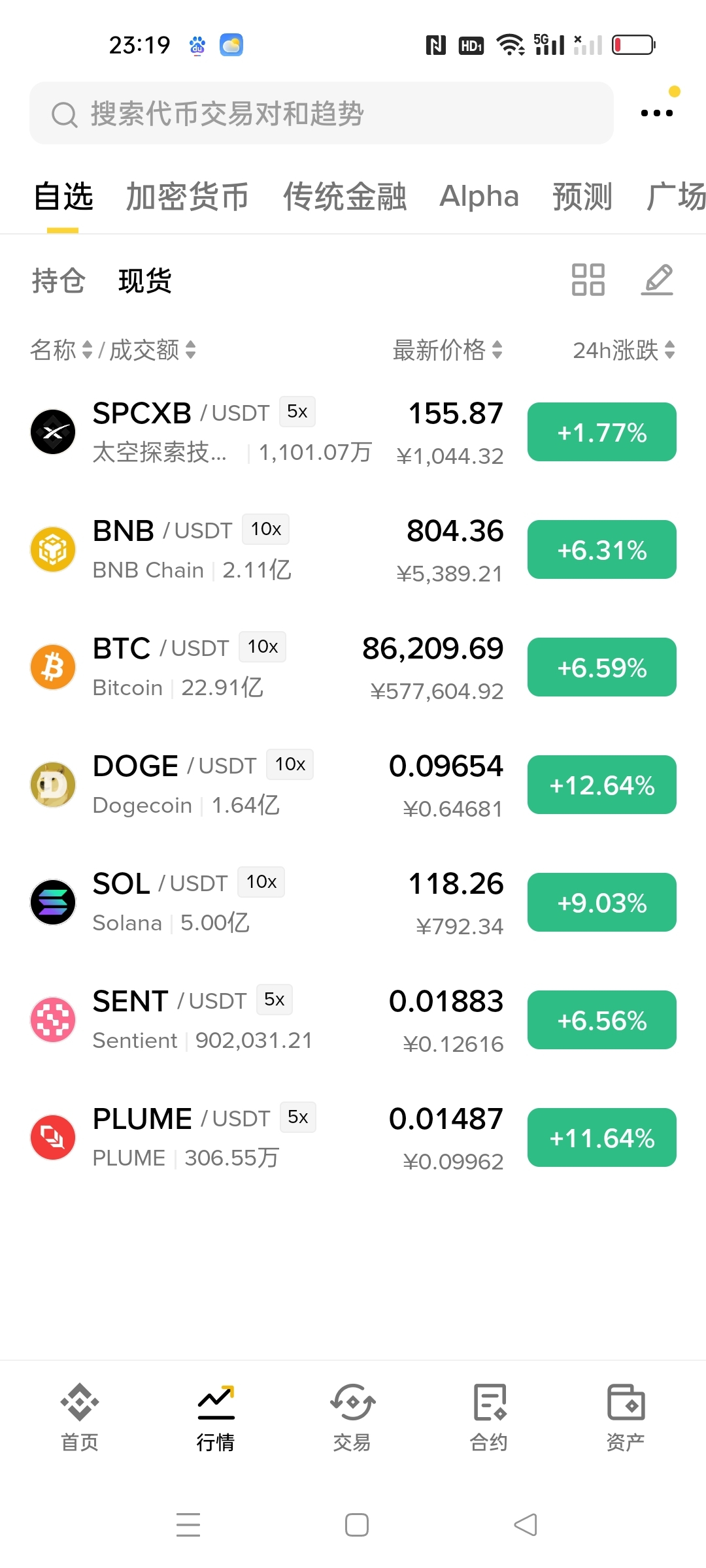
$BTC This market is crazy, it’s like a full-blown bull market cycle. Going long feels like you’ll end up the bag-holder, shorting risks getting squeezed, so the only option is to watch from the sidelines.

@520龙行天下
is speaking[LIVE] 🎙️ The market has been going up, up, up lately—have you all been getting your share of the meat?
5.2k listens

易琳Ten
·
--
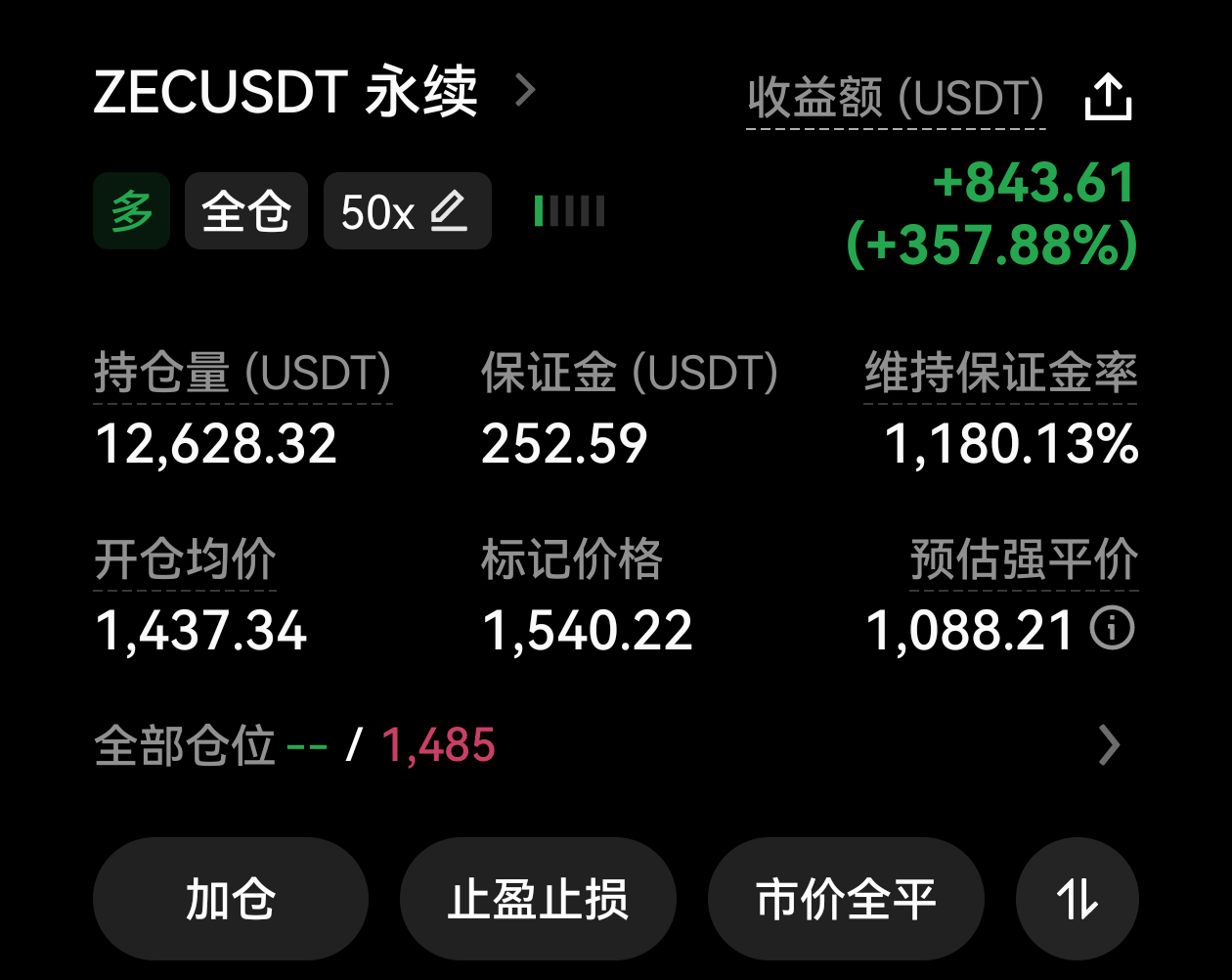
I will never call Zec the other woman again. Turns out it’s a treasure. You can collect crops with multiple accounts.






Log in to explore more content