Acer-Del (2352) completes a 20-minute offshore drone delivery test across the strait to Xiaoliuqiu, overcoming transportation constraints in rural healthcare
BenQ Health Life exhibited its “Rural Drone Delivery and Smart Pharmacy Telecare Program” at the Taipei World Trade Center Exhibition Hall 1. The program is jointly carried out by Ding Ding Pharmacy (a company in which Qisda (Acer-Del 2352) has invested; parent company: Nobel 6844), the Taiwan Drone Association (Taiwan Unmanned Aerial Vehicle Association), UniCo (U-vision Co-creation), and Carbon-Based Technology (Carbon-Based Tech 7719). It integrates artificial intelligence, 5G communications, and drone logistics to build a cross-sea medical delivery route from Ding Ding Pharmacy’s Donggang branch directly to the Xiaoliuqiu health center, addressing long-standing transportation limitations faced by outlying islands in rural areas.
Integrating cross-industry resources to reshape rural medical delivery models
This project is demonstrated at the World Trade Center by “BenQ Health Life,” showcasing an AI-smart pharmacy, 5G communications, and drone logistics technology framework jointly built by the Ding Ding Pharmacy store network, the Taiwan Drone Association, UniCo (U-vision Co-creation), and Carbon-Based Technology—backed by investment from the Acer-Del Group. The team uses vertical takeoff and landing (VTOL) drones together with an AI task dispatch platform. To date, they have completed more than 100 flight test runs, with a cumulative cross-sea distance of 1,700 kilometers—reducing the island pharmacy pickup process from half a day to about 20 minutes.
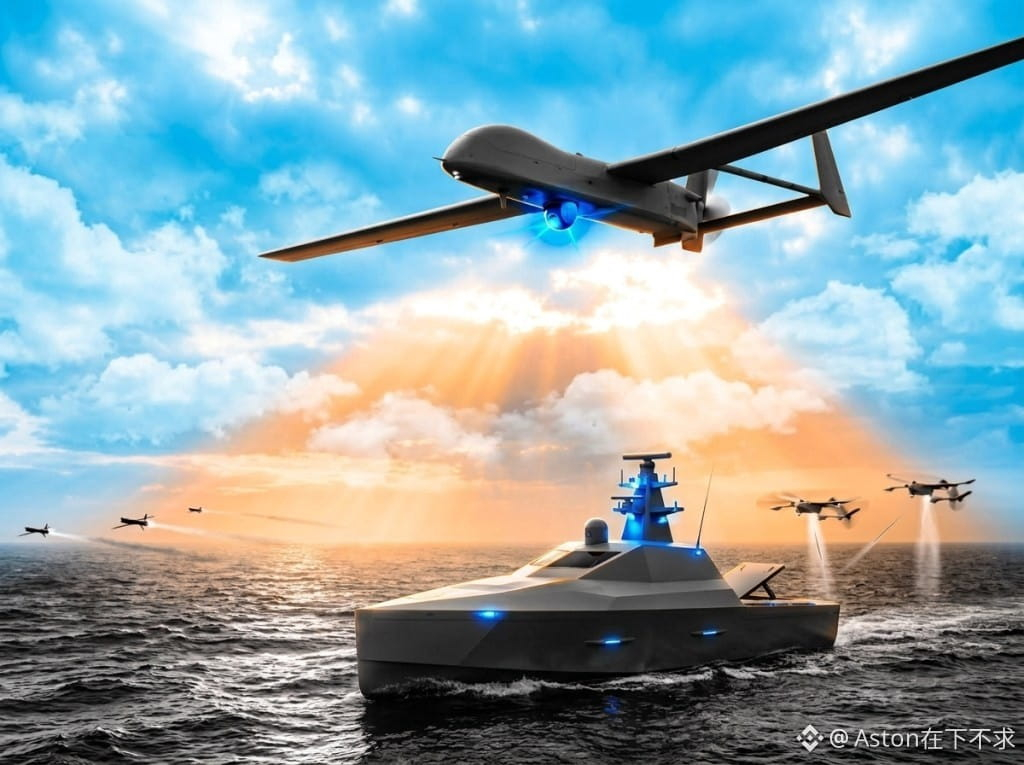
The drones used in this operational trial are provided by “Carbon-Based Technology.” Originally developed for offshore fishery patrol and maritime reconnaissance, after integrating a smart video recognition system, the drones can predict risks before flight and, during flight, identify obstacles, vessels, and birds in real time—ensuring safety for cross-sea deliveries.
Drone technology applications driving the development of rural medical logistics
Carbon-Based Technology Chairman Chen Wen-hong said that the company’s VTOL drone platform was originally developed for offshore fishery patrol and maritime reconnaissance needs. It has capabilities including fixed-location VTOL operations, long-distance navigation, and adaptability to maritime environments.
Zhang Jun-hao, chairman of the Taiwan Drone Association, said the project demonstrates a cross-domain application scenario—extending drones from maritime reconnaissance into medical logistics. It accumulates flight test data for medical deliveries to islands. If weather information integration and remote operations management are further combined, drones in the future will be able to gradually expand into routine pharmaceutical transport, emergency medical supply delivery, disaster relief, and resupply for remote areas—offering both public resilience and commercial value.
Inter-agency compliance verification promotes the normalization of smart healthcare
The research team has already completed real-world field validation and passed the procedures for the Ministry of Health and Welfare’s Good Distribution Practice (GDP) for pharmaceuticals as well as the Civil Aviation Administration’s relevant project permit processes. The project’s lead team said that the next steps will focus on developing fixed commercial routes and normalized medical and pharmaceutical delivery services. At the current stage, multiple county and city government health bureaus and medical institutions are already in talks for cooperation. In the next phase, tests will be conducted across different medical settings to accelerate the move toward normalized application of AI smart healthcare.
Key takeaways summary notes in this article
- Build a drone medical transportation ecosystem: Acer-Del coordinates Ding Ding Pharmacy, the Taiwan Drone Association, UniCo (U-vision Co-creation), and Carbon-Based Technology to create a cross-sea medical transportation and delivery route from Donggang, Pingtung to Xiaoliuqiu.
- Improve transportation efficiency: By integrating AI and 5G communications, the project has accumulated 1,700 kilometers of delivery test mileage, reducing island pharmacy pickup time from half a day to about 20 minutes.
- Integrate cross-domain technology specifications: Using Carbon-Based Technology’s VTOL drones combined with AI image recognition and route prediction functions to enhance maritime flight safety.
- Regulatory validation in place: The project has passed the MoHW GDP pharmaceutical distribution guidelines and Civil Aviation Administration project permits. It is currently negotiating normalized commercial partnerships with multiple local health bureaus and hospitals.
The article “Acer-Del (2352) completes a 20-minute Xiaoliuqiu cross-sea drone delivery test, overcoming transportation constraints for rural healthcare” first appeared in.
BenQ Health Life exhibited its “Rural Drone Delivery and Smart Pharmacy Telecare Program” at the Taipei World Trade Center Exhibition Hall 1. The program is jointly carried out by Ding Ding Pharmacy (a company in which Qisda (Acer-Del 2352) has invested; parent company: Nobel 6844), the Taiwan Drone Association (Taiwan Unmanned Aerial Vehicle Association), UniCo (U-vision Co-creation), and Carbon-Based Technology (Carbon-Based Tech 7719). It integrates artificial intelligence, 5G communications, and drone logistics to build a cross-sea medical delivery route from Ding Ding Pharmacy’s Donggang branch directly to the Xiaoliuqiu health center, addressing long-standing transportation limitations faced by outlying islands in rural areas.
Integrating cross-industry resources to reshape rural medical delivery models
This project is demonstrated at the World Trade Center by “BenQ Health Life,” showcasing an AI-smart pharmacy, 5G communications, and drone logistics technology framework jointly built by the Ding Ding Pharmacy store network, the Taiwan Drone Association, UniCo (U-vision Co-creation), and Carbon-Based Technology—backed by investment from the Acer-Del Group. The team uses vertical takeoff and landing (VTOL) drones together with an AI task dispatch platform. To date, they have completed more than 100 flight test runs, with a cumulative cross-sea distance of 1,700 kilometers—reducing the island pharmacy pickup process from half a day to about 20 minutes.
The drones used in this operational trial are provided by “Carbon-Based Technology.” Originally developed for offshore fishery patrol and maritime reconnaissance, after integrating a smart video recognition system, the drones can predict risks before flight and, during flight, identify obstacles, vessels, and birds in real time—ensuring safety for cross-sea deliveries.
Drone technology applications driving the development of rural medical logistics
Carbon-Based Technology Chairman Chen Wen-hong said that the company’s VTOL drone platform was originally developed for offshore fishery patrol and maritime reconnaissance needs. It has capabilities including fixed-location VTOL operations, long-distance navigation, and adaptability to maritime environments.
Zhang Jun-hao, chairman of the Taiwan Drone Association, said the project demonstrates a cross-domain application scenario—extending drones from maritime reconnaissance into medical logistics. It accumulates flight test data for medical deliveries to islands. If weather information integration and remote operations management are further combined, drones in the future will be able to gradually expand into routine pharmaceutical transport, emergency medical supply delivery, disaster relief, and resupply for remote areas—offering both public resilience and commercial value.
Inter-agency compliance verification promotes the normalization of smart healthcare
The research team has already completed real-world field validation and passed the procedures for the Ministry of Health and Welfare’s Good Distribution Practice (GDP) for pharmaceuticals as well as the Civil Aviation Administration’s relevant project permit processes. The project’s lead team said that the next steps will focus on developing fixed commercial routes and normalized medical and pharmaceutical delivery services. At the current stage, multiple county and city government health bureaus and medical institutions are already in talks for cooperation. In the next phase, tests will be conducted across different medical settings to accelerate the move toward normalized application of AI smart healthcare.
Key takeaways summary notes in this article
- Build a drone medical transportation ecosystem: Acer-Del coordinates Ding Ding Pharmacy, the Taiwan Drone Association, UniCo (U-vision Co-creation), and Carbon-Based Technology to create a cross-sea medical transportation and delivery route from Donggang, Pingtung to Xiaoliuqiu.
- Improve transportation efficiency: By integrating AI and 5G communications, the project has accumulated 1,700 kilometers of delivery test mileage, reducing island pharmacy pickup time from half a day to about 20 minutes.
- Integrate cross-domain technology specifications: Using Carbon-Based Technology’s VTOL drones combined with AI image recognition and route prediction functions to enhance maritime flight safety.
- Regulatory validation in place: The project has passed the MoHW GDP pharmaceutical distribution guidelines and Civil Aviation Administration project permits. It is currently negotiating normalized commercial partnerships with multiple local health bureaus and hospitals.
The article “Acer-Del (2352) completes a 20-minute Xiaoliuqiu cross-sea drone delivery test, overcoming transportation constraints for rural healthcare” first appeared in.