Campaign money is never about principles—it’s about seats.
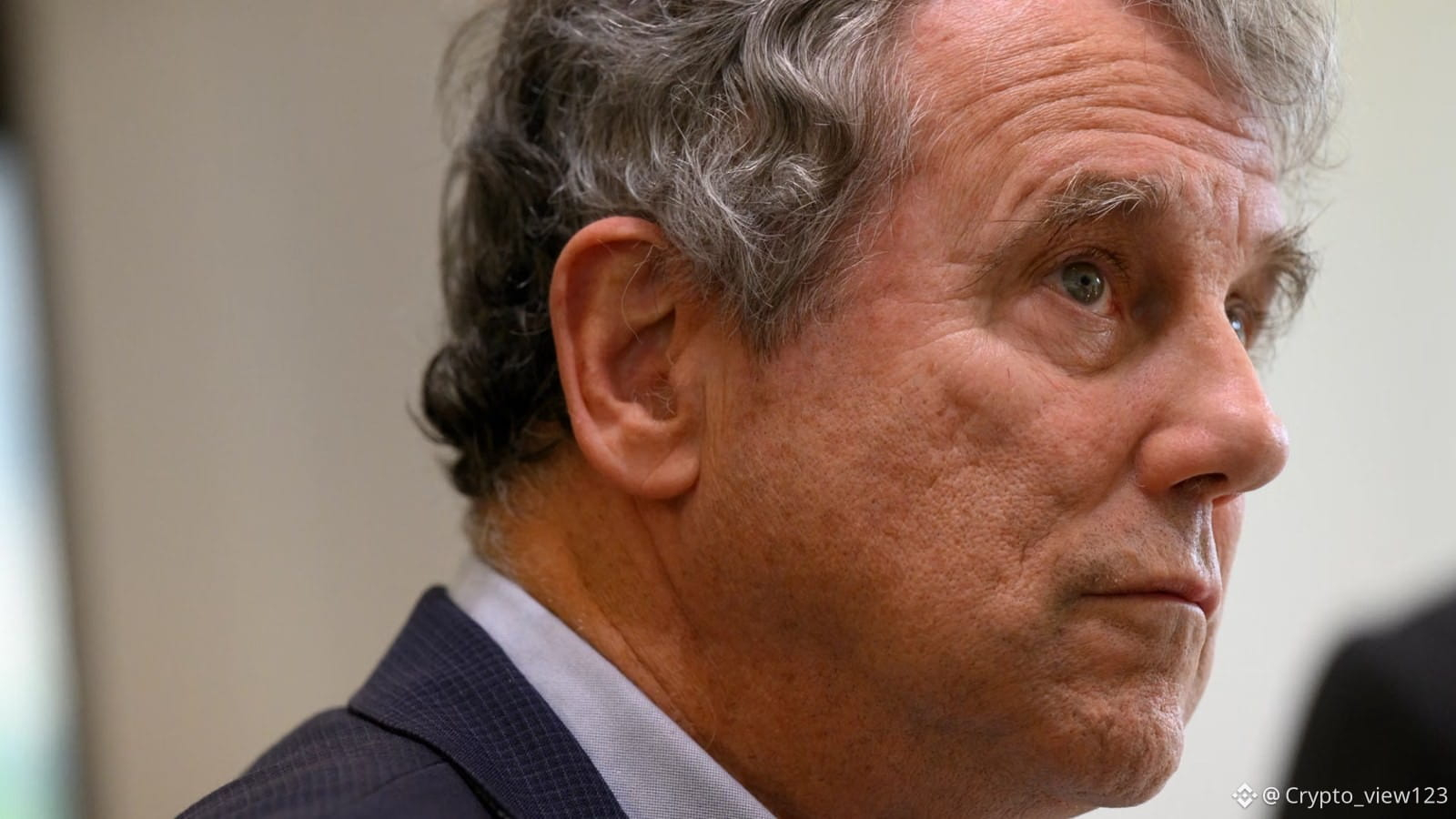
The Fairshake political action committee in the cryptocurrency industry is putting up $30 million to oppose Sherrod Brown’s Senate re-election bid. This is the largest spending the industry’s election group has made in 2026. Two years ago, the same committee spent $40 million to oppose the same person—then, too, it was its biggest move.
The amounts change, but the logic doesn’t. For an industry that isn’t fully established yet, securing control of key seats is more cost-effective than lobbying for every clause one by one. It isn’t buying issues—it’s buying candidates.
Even more noteworthy is the timing. This spending lands in the middle of the election cycle, and big money moving early means that in the later phase, the agenda will be shaped by who can get through first, and only then by how the provisions are written.
Across two election cycles, the industry has learned the same lesson. The wording can be tweaked slowly; the voting outcome can only be set once. One is measured over years, the other over a single term.
A vote in the Senate is not just a step in the legislative process. It determines who gets onto committees, who sets the agenda, and which proposals are placed on the table first. For this industry, rewriting a clause can take years, while replacing a seat often requires just one vote. When you do the math, it isn’t complicated.
Pay first to decide who will write the rules, then talk about how the rules should be written.
#加密监管 #US Election
The Fairshake political action committee in the cryptocurrency industry is putting up $30 million to oppose Sherrod Brown’s Senate re-election bid. This is the largest spending the industry’s election group has made in 2026. Two years ago, the same committee spent $40 million to oppose the same person—then, too, it was its biggest move.
The amounts change, but the logic doesn’t. For an industry that isn’t fully established yet, securing control of key seats is more cost-effective than lobbying for every clause one by one. It isn’t buying issues—it’s buying candidates.
Even more noteworthy is the timing. This spending lands in the middle of the election cycle, and big money moving early means that in the later phase, the agenda will be shaped by who can get through first, and only then by how the provisions are written.
Across two election cycles, the industry has learned the same lesson. The wording can be tweaked slowly; the voting outcome can only be set once. One is measured over years, the other over a single term.
A vote in the Senate is not just a step in the legislative process. It determines who gets onto committees, who sets the agenda, and which proposals are placed on the table first. For this industry, rewriting a clause can take years, while replacing a seat often requires just one vote. When you do the math, it isn’t complicated.
Pay first to decide who will write the rules, then talk about how the rules should be written.
#加密监管 #US Election