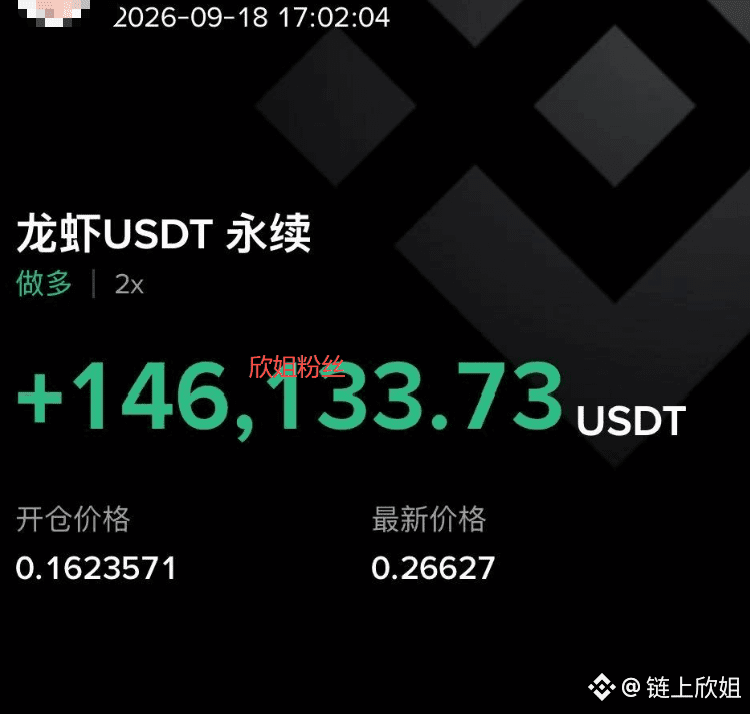
Fans often ask, “Can you get rich overnight? Isn’t it obvious?” If you don’t want to get rich overnight, why even come to the crypto market? A friend of mine went from 300,000 to ten million. He even lost down to only 70,000 at one point. His experience made me understand: the crypto market may offer chances to turn things around, but it is never “easy money.” What matters most is reverence for risk and the habit of studying patterns.
1. 6 practical takeaways from market rules: Find your rhythm in the market’s patterns
1. Don’t panic-sell during a big drop in the early session; be cautious about chasing late-session surges
A big drop in the morning is often an overreaction to overnight bad news. You can watch for a potential rebound opportunity afterward. But if the price suddenly spikes near the closing bell, it could be the main players testing the market or luring buyers. There’s a good chance the next day will open lower to absorb liquidity—so don’t blindly follow the crowd.
2. Volume is the “barometer of weather”—know how to read it before you act
When volume shrinks while prices keep rising, it suggests the main players have stronger control, and the uptrend may continue. If prices fall on shrinking volume, panic selling hasn’t fully exhausted—there may still be further adjustments.
3. Sector trends come in phases—don’t be greedy for the last bits
Most sector rallies go through a “five-wave structure”: wave one attracts followers, wave two shakes them out, wave three is the main surge (with the biggest gains), wave four brings divergence, and wave five lifts to distribute. If you notice the leader is stalling and follow-up gains are weak, you should be alert to a potential top.
4. Correlation signals between BTC and altcoins
During BTC’s acceleration phase at the top, if some category of altcoin suddenly pumps, it may signal capital rotating—so be cautious about a possible BTC reversal. Conversely, if the leading coin stops falling and rebounds, the index often follows with a recovery, which can be used as a trend reference.
5. Being focused matters more than being “all-purpose”
Newcomers shouldn’t chase too much at once. First master one style (e.g., day trading or swing trading). After you’re skilled, you can expand. Constantly switching strategies often leads you into traps in each method.
6. Different market conditions call for different tools
Price action can be divided into three types: rising, falling, and sideways.
◦ In a rising phase, technical indicators tend to have a higher win rate—you can ride the trend.
◦ In a sideways phase, using support and resistance levels to sell high and buy low works better.
◦ In a falling phase, most indicators become less reliable—moving less and watching more is safer.
The market moves fast—when things change, I’ll react immediately. If you want to hold your positions steadily and catch these key moves, move fast: 欣姐粉丝跟单策略基地
1. 6 practical takeaways from market rules: Find your rhythm in the market’s patterns
1. Don’t panic-sell during a big drop in the early session; be cautious about chasing late-session surges
A big drop in the morning is often an overreaction to overnight bad news. You can watch for a potential rebound opportunity afterward. But if the price suddenly spikes near the closing bell, it could be the main players testing the market or luring buyers. There’s a good chance the next day will open lower to absorb liquidity—so don’t blindly follow the crowd.
2. Volume is the “barometer of weather”—know how to read it before you act
When volume shrinks while prices keep rising, it suggests the main players have stronger control, and the uptrend may continue. If prices fall on shrinking volume, panic selling hasn’t fully exhausted—there may still be further adjustments.
3. Sector trends come in phases—don’t be greedy for the last bits
Most sector rallies go through a “five-wave structure”: wave one attracts followers, wave two shakes them out, wave three is the main surge (with the biggest gains), wave four brings divergence, and wave five lifts to distribute. If you notice the leader is stalling and follow-up gains are weak, you should be alert to a potential top.
4. Correlation signals between BTC and altcoins
During BTC’s acceleration phase at the top, if some category of altcoin suddenly pumps, it may signal capital rotating—so be cautious about a possible BTC reversal. Conversely, if the leading coin stops falling and rebounds, the index often follows with a recovery, which can be used as a trend reference.
5. Being focused matters more than being “all-purpose”
Newcomers shouldn’t chase too much at once. First master one style (e.g., day trading or swing trading). After you’re skilled, you can expand. Constantly switching strategies often leads you into traps in each method.
6. Different market conditions call for different tools
Price action can be divided into three types: rising, falling, and sideways.
◦ In a rising phase, technical indicators tend to have a higher win rate—you can ride the trend.
◦ In a sideways phase, using support and resistance levels to sell high and buy low works better.
◦ In a falling phase, most indicators become less reliable—moving less and watching more is safer.
The market moves fast—when things change, I’ll react immediately. If you want to hold your positions steadily and catch these key moves, move fast: 欣姐粉丝跟单策略基地