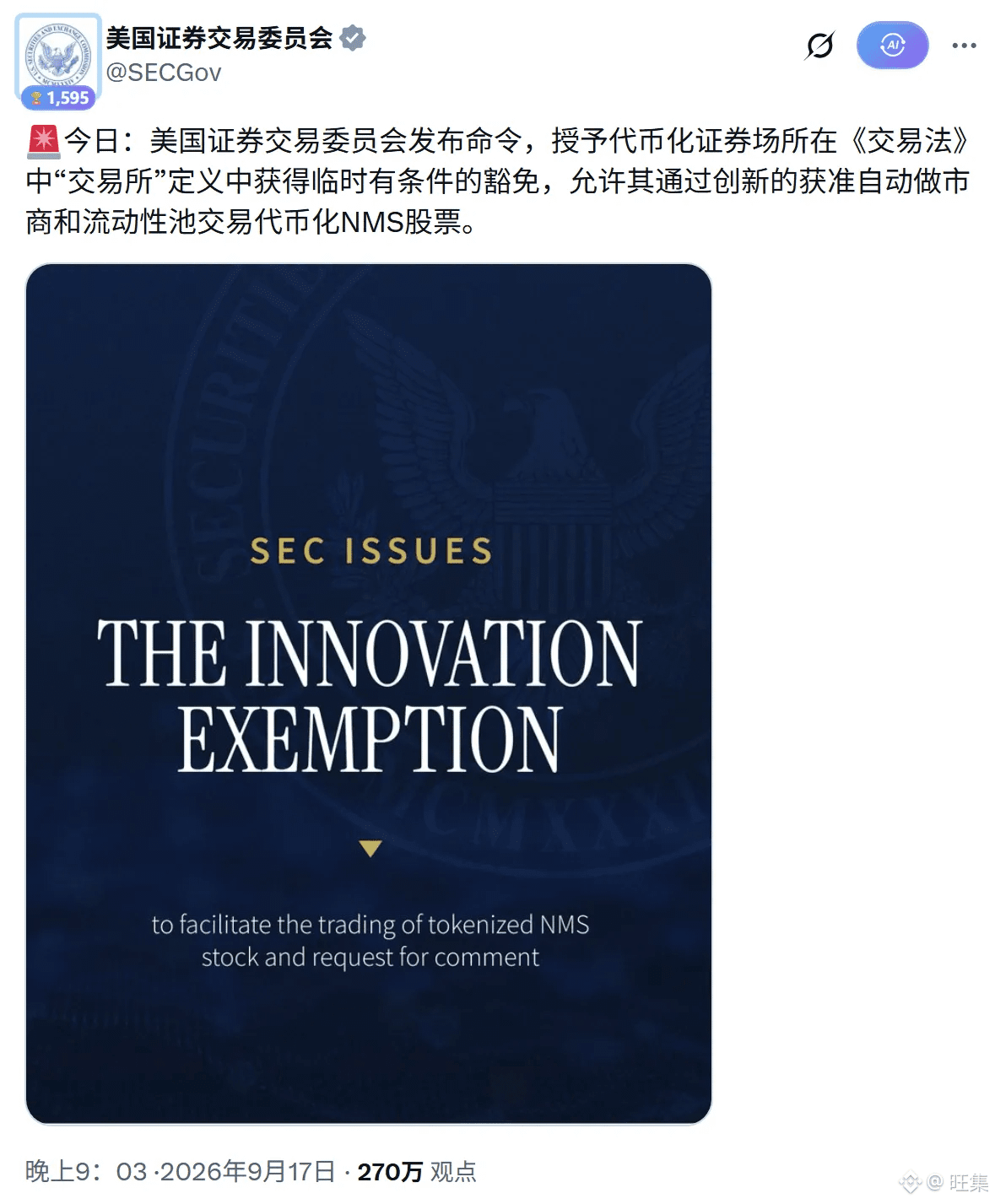
On September 17, 2026, the U.S. Securities and Exchange Commission (SEC) adopted an important resolution: it officially approved traditional U.S. stock on-chain trading. More precisely, this resolution is the “Innovation Exemption,” which allows qualified tokenized securities platforms to obtain formal permission to conduct securities trading. One increasingly clear trend is that competition in on-chain finance is shifting from “getting assets onto the chain” to “what can be done with assets after they are on-chain.”
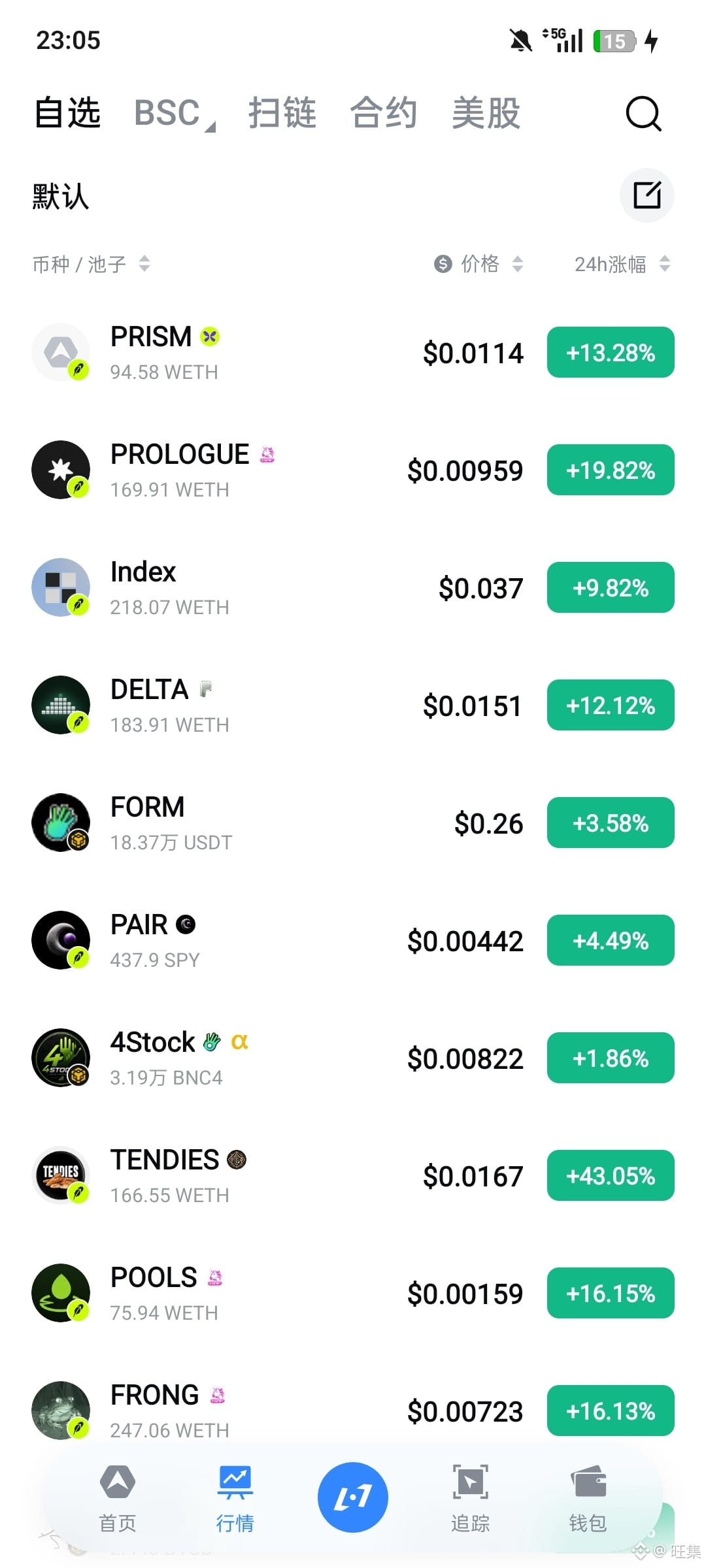
Robinhood turns stock tokens into financial components that can be directly called by DEXs, lending protocols, and other smart contracts, while Circle builds the funding and settlement layer starting from USDC. Even more interestingly, meme coins are beginning to take on the role of traffic and liquidity entry points, redirecting speculative capital that previously stayed within the crypto market toward real-world assets such as stock tokens.
So the next focus should be: who can best handle trading, collateralization, pricing, clearing, and risk management between assets. In the future, the truly valuable positions are likely to be found in these “connective layers.”
Robinhood turns stock tokens into financial components that can be directly called by DEXs, lending protocols, and other smart contracts, while Circle builds the funding and settlement layer starting from USDC. Even more interestingly, meme coins are beginning to take on the role of traffic and liquidity entry points, redirecting speculative capital that previously stayed within the crypto market toward real-world assets such as stock tokens.
So the next focus should be: who can best handle trading, collateralization, pricing, clearing, and risk management between assets. In the future, the truly valuable positions are likely to be found in these “connective layers.”