
自由1688
368 Posts

自由1688

ETH Holder
Occasional Trader
2 Years
611 Following
24.4K+ Followers
16.3K+ Liked
Posts
All
Quotes
Videos
Live
PINNED

PINNED

奕泽YIZZE
·
--
🧧🧧Explore the infinite possibilities of the digital economy. The blockchain wave is reshaping the value system. With strong underlying technology and ecosystem advantages, the LUCIC token shows tremendous growth potential. Join the core force of a united market-making syndicate to unlock exclusive card dividend rights—standing shoulder to shoulder with high-quality assets.
Follow, like, and share 🧧🧧🧧🎁🎁🎁
Follow, like, and share 🧧🧧🧧🎁🎁🎁



Bilawal Ashiq
·
--
🧧🧧 Clam Repost And Like Pls Gift 🎉🎉
$BNB
$BNB

Prof Denial
·
--
🐕 $DOGE reward 🎁 is waiting!
✨ $DOGE Reward 🎉 Live Now ✨
Check your reward Now !!!
claim it before the offer ends !!!
✨ $DOGE Reward 🎉 Live Now ✨
Check your reward Now !!!
claim it before the offer ends !!!

king Gulfam
·
--
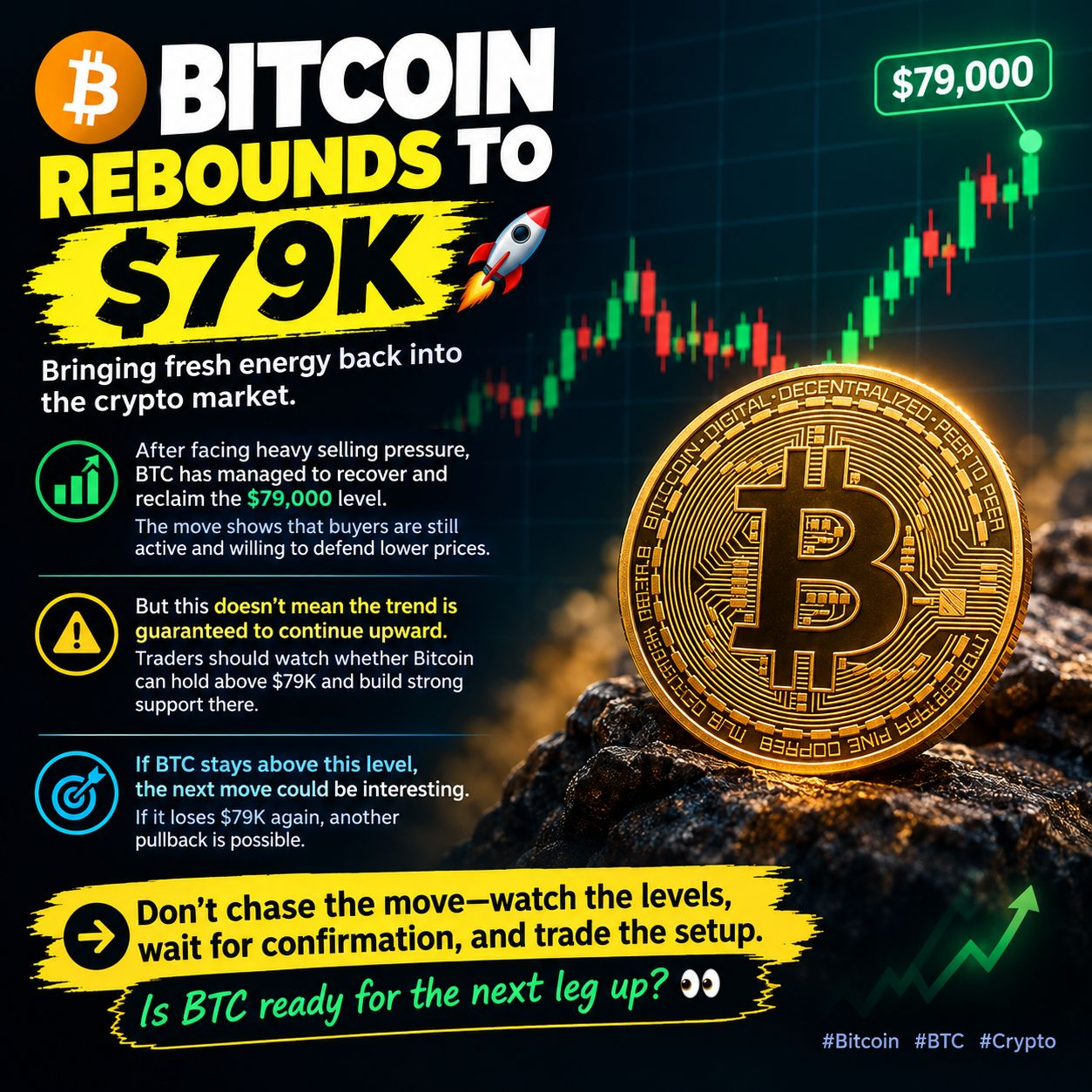
#BitcoinReboundsTo$79K
Bitcoin rebounds to $79K, bringing fresh energy back into the crypto market. 🚀
After facing heavy selling pressure, BTC has managed to recover and reclaim the $79,000 level.
The move shows that buyers are still active and willing to defend lower prices.
But this doesn’t mean the trend is guaranteed to continue upward. Traders should watch whether Bitcoin can hold above $79K and build strong support there.
If BTC stays above this level, the next move could be interesting. If it loses $79K again, another pullback is possible.
Don’t chase the move—watch the levels, wait for confirmation, and trade the setup. Is BTC ready for the next leg up? 👀
$AIN
$AKE
$POWER
Bitcoin rebounds to $79K, bringing fresh energy back into the crypto market. 🚀
After facing heavy selling pressure, BTC has managed to recover and reclaim the $79,000 level.
The move shows that buyers are still active and willing to defend lower prices.
But this doesn’t mean the trend is guaranteed to continue upward. Traders should watch whether Bitcoin can hold above $79K and build strong support there.
If BTC stays above this level, the next move could be interesting. If it loses $79K again, another pullback is possible.
Don’t chase the move—watch the levels, wait for confirmation, and trade the setup. Is BTC ready for the next leg up? 👀
$AIN
$AKE
$POWER

Ahmed Ali Nizamani
·
--
Who is the CEO of Binance ?
Correct Answer = 🎁🎁🎁🎁
Correct Answer = 🎁🎁🎁🎁


PK Aima
·
--
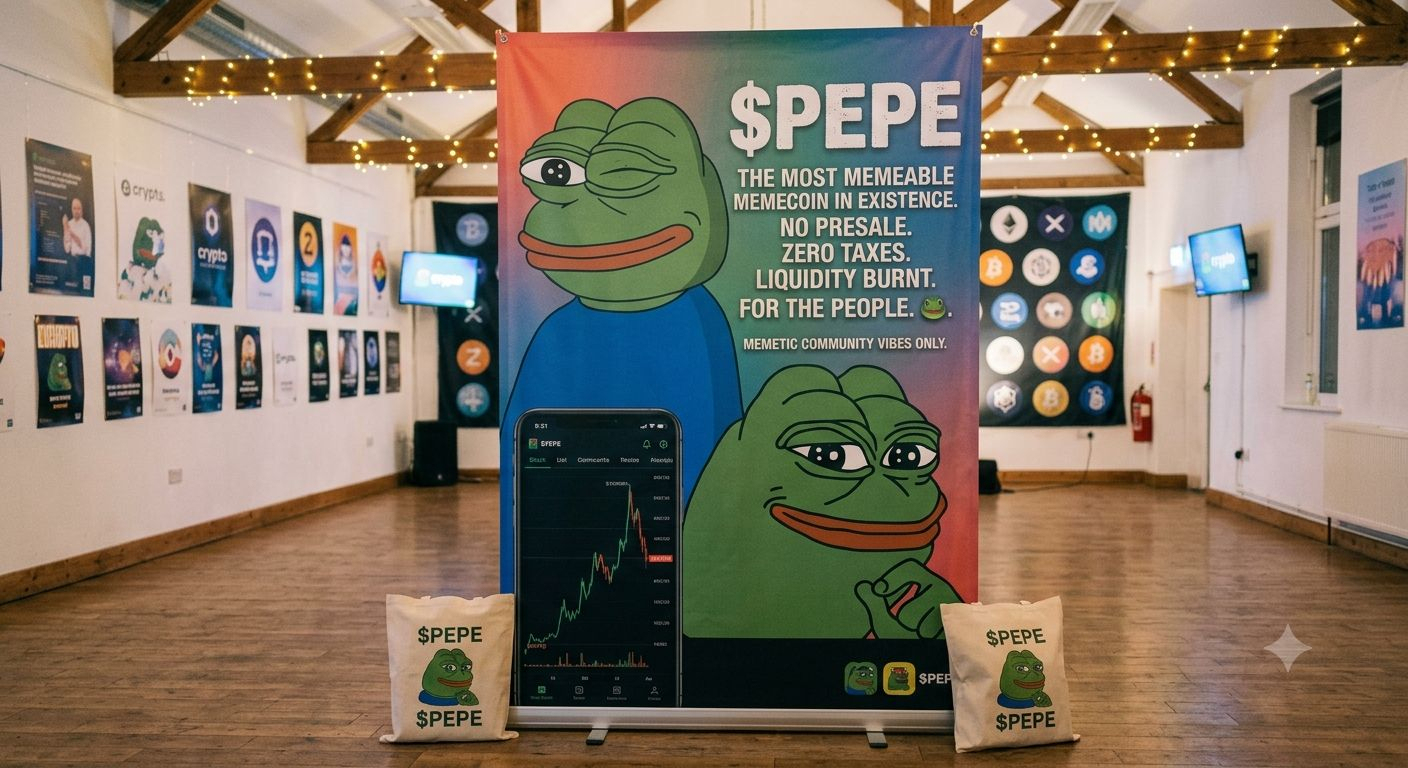
Memes move fast but $PEPE proved that pure cultural momentum can build a permanent footprint in crypto. Launching with zero pre sales, zero taxes and a burned liquidity pool, $PEPE revived classic, unfiltered memecoin culture by relying entirely on community virality rather than corporate playbooks. It successfully transformed one of the internet’s most iconic memes into a top tier liquid asset with deep market liquidity and high daily turnover across major exchanges. By eliminating transaction taxes and complex fee mechanics, it offered straightforward buy and sell dynamics that resonated with traders worldwide. This frictionless model helped spark a broader resurgence across the entire memecoin sector, establishing a clear blueprint for modern community tokens. While high volatility remains inherent to meme-driven assets, $PEPE has secured its place as a cornerstone of crypto culture, demonstrating how raw internet consensus and organic community engagement can command serious market attention.

周周1688
·
--
[Ended] 🎙️ Let’s Talk About Trading and Positioning BNB!
16.2k listens

币圈现货小旋风
·
--
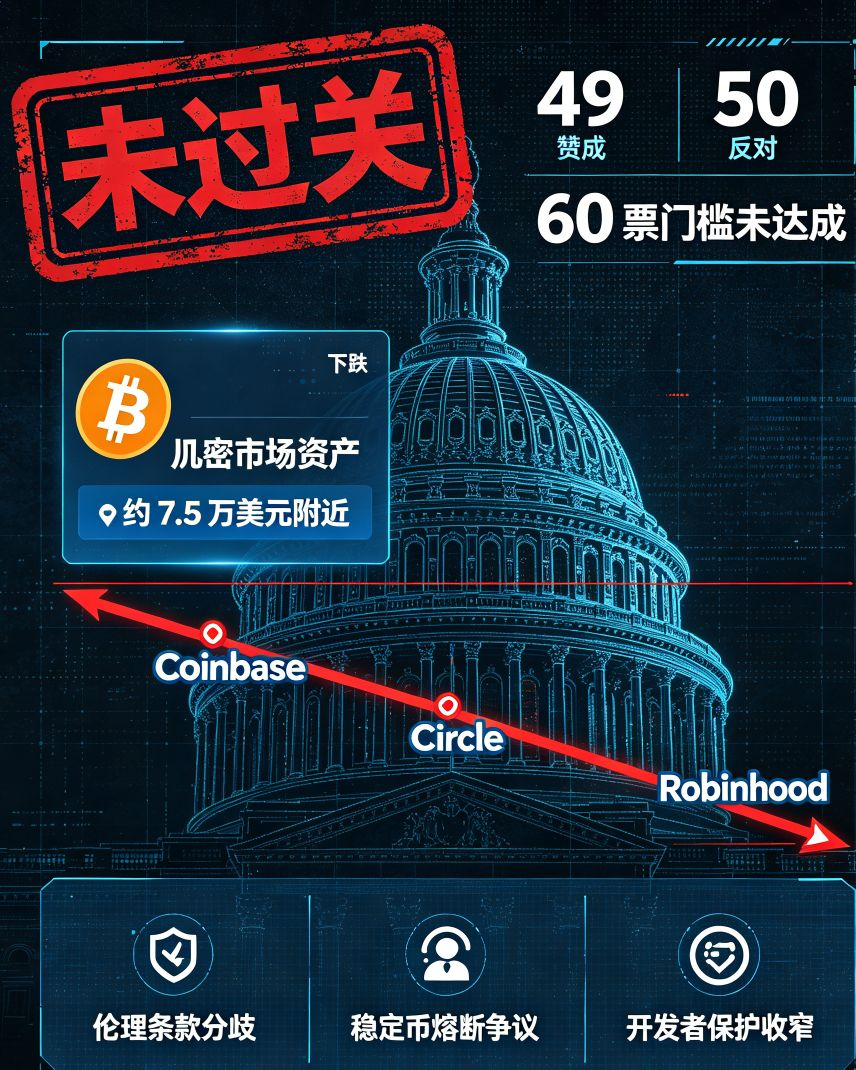
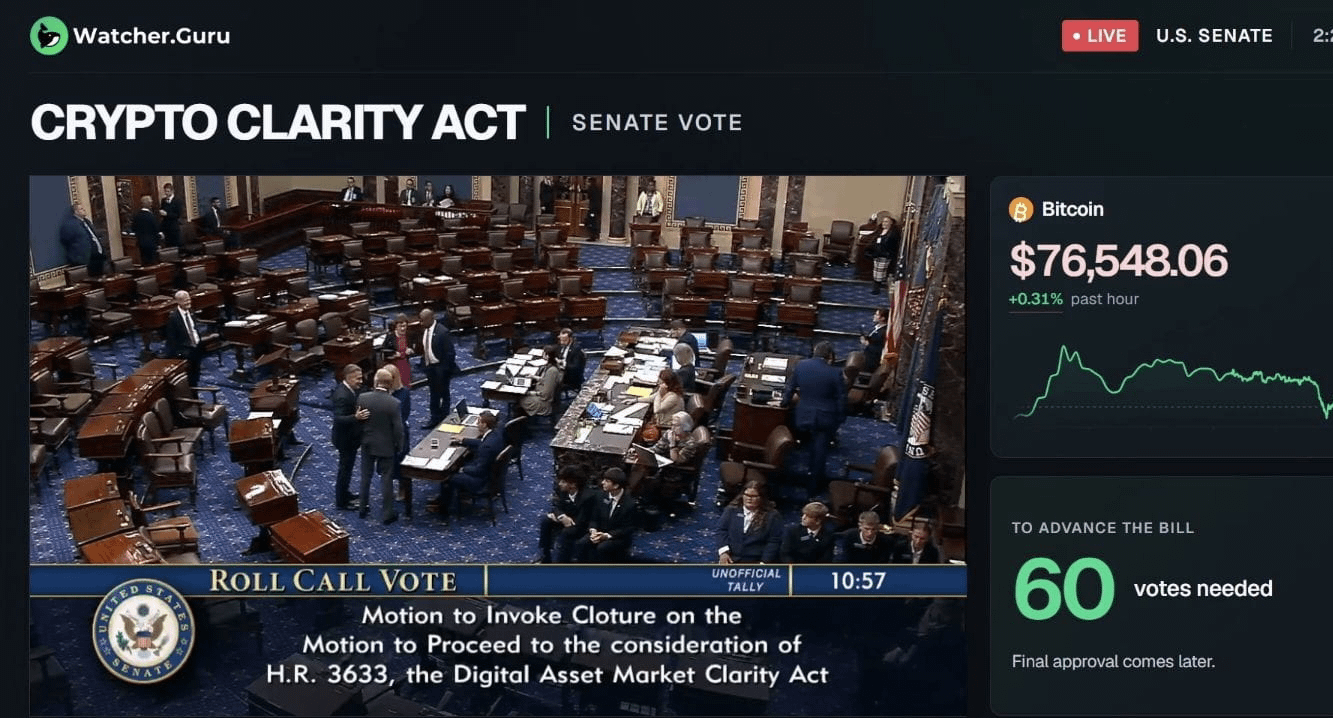
$ZEC $SOL Fellow folks, pay attention: early this morning, the U.S. Senate’s encrypted regulation bill hit a snag in the voting—it failed outright, with 49 in favor and 50 against. It missed the 60-vote threshold by a single breath, and was immediately stalled. After more than a year of back-and-forth and two postponements of the vote, it still couldn’t be enacted. As soon as the news broke, Bitcoin’s price dipped in the short term to around 75,000, and crypto-related stocks like Coinbase also fell across the board. 🚨
The core reason this time the bill got stuck is the ethics clause. The Democrats won’t accept the final proposal from the Republicans, and in the end neither side was willing to give an inch. The Republicans had already compromised on a number of points—adjusting officials’ holdings, stabilizing-coin circuit breakers, and protections for DeFi developers—but they still couldn’t win enough votes. 🚨
Many people think that if a bill doesn’t pass, regulation will completely loosen—don’t think that. The bill is only temporarily shelved, not permanently dead. Even if Congress can’t get legislation through, the SEC will still continue regulating the market under the existing rules. 🚨
The biggest impact of this incident is that market expectations cool off. Funds that had been betting on the bill’s passage are starting to withdraw. In the short term, price fluctuations will likely be amplified—don’t blindly try to bottom-fish. Going forward, keep an eye on whether both parties will restart negotiations, because news can trigger sudden surges and plunges at any time. Market risk is very high—everyone make sure to manage positions properly and control risk. 🚨#美联储加息是否已成定局 #以太坊跌破2400美元 #比特币跌至7.6万美元
The core reason this time the bill got stuck is the ethics clause. The Democrats won’t accept the final proposal from the Republicans, and in the end neither side was willing to give an inch. The Republicans had already compromised on a number of points—adjusting officials’ holdings, stabilizing-coin circuit breakers, and protections for DeFi developers—but they still couldn’t win enough votes. 🚨
Many people think that if a bill doesn’t pass, regulation will completely loosen—don’t think that. The bill is only temporarily shelved, not permanently dead. Even if Congress can’t get legislation through, the SEC will still continue regulating the market under the existing rules. 🚨
The biggest impact of this incident is that market expectations cool off. Funds that had been betting on the bill’s passage are starting to withdraw. In the short term, price fluctuations will likely be amplified—don’t blindly try to bottom-fish. Going forward, keep an eye on whether both parties will restart negotiations, because news can trigger sudden surges and plunges at any time. Market risk is very high—everyone make sure to manage positions properly and control risk. 🚨#美联储加息是否已成定局 #以太坊跌破2400美元 #比特币跌至7.6万美元


E L E X A
·
--
🚨 IT’S LIVE 🚨
Watching is simple… but winners take action 👀
🎁 Want FREE $USDT?
💬 Comment 888
❤️ Like
🔁 Share
➕ Follow
⏳ Don’t miss your chance — spots are limited!
Drop 888 below and join now 🚀
#Crypto #USDT #Giveaway
Watching is simple… but winners take action 👀
🎁 Want FREE $USDT?
💬 Comment 888
❤️ Like
🔁 Share
➕ Follow
⏳ Don’t miss your chance — spots are limited!
Drop 888 below and join now 🚀
#Crypto #USDT #Giveaway


Aria Daisy 阿莉娅_黛西
·
--
🎉 PEPE GIVEAWAY — 1,000 PEPE UP FOR GRABS! 🐸
I’m excited to announce a special PEPE Coin Giveaway for the Binance community!
🎁 1,000 PEPE will be distributed among 10 lucky winners.
How to participate:
✅ Follow my profile
🔁 Repost this post
💬 Comment “ 1 ” below
That’s it! Simple, transparent, and open to everyone.
Thank you for your continued support and for being part of the community. 💚
🍀 Good luck to all participants!
Let’s grow support and succeed together. 🚀
#PEPE #GIVEAWAY🎁 #Binance
$PEPE $BABYSHARK
I’m excited to announce a special PEPE Coin Giveaway for the Binance community!
🎁 1,000 PEPE will be distributed among 10 lucky winners.
How to participate:
✅ Follow my profile
🔁 Repost this post
💬 Comment “ 1 ” below
That’s it! Simple, transparent, and open to everyone.
Thank you for your continued support and for being part of the community. 💚
🍀 Good luck to all participants!
Let’s grow support and succeed together. 🚀
#PEPE #GIVEAWAY🎁 #Binance
$PEPE $BABYSHARK


圣克斯Lucky1688
·
--
🧧🔥🧧🔥🧧🔥
Institutional view on core inflation (Core CPI): Driven by recent oil price increases, total CPI is more susceptible to energy-price shocks. Institutional capital is more focused on Core CPI, excluding food and energy. If headline CPI is elevated but Core CPI continues to cool, the market is prone to a “break down first, then quickly rebound in a V-shape” pattern.
Be alert to two-way needle pokes in derivatives: At the moment of data release (8:30 AM ET), it can easily trigger on-chain activity and settlement/clearing for exchange contracts. It’s recommended to avoid opening high leverage before and after the data release.
Watch how ETF flows provide follow-on support: Once the CPI data lands, it removes near-term macro uncertainty. After the release, the daily net inflow/outflow of US spot Bitcoin ETFs will determine whether the market can start a sustained, trend-like rebound.
Follow me—answer 1 will take away a $SOL double-hongbao!
🧧🔥🧧🔥🧧🔥
$BTC $BNB $ETH
Institutional view on core inflation (Core CPI): Driven by recent oil price increases, total CPI is more susceptible to energy-price shocks. Institutional capital is more focused on Core CPI, excluding food and energy. If headline CPI is elevated but Core CPI continues to cool, the market is prone to a “break down first, then quickly rebound in a V-shape” pattern.
Be alert to two-way needle pokes in derivatives: At the moment of data release (8:30 AM ET), it can easily trigger on-chain activity and settlement/clearing for exchange contracts. It’s recommended to avoid opening high leverage before and after the data release.
Watch how ETF flows provide follow-on support: Once the CPI data lands, it removes near-term macro uncertainty. After the release, the daily net inflow/outflow of US spot Bitcoin ETFs will determine whether the market can start a sustained, trend-like rebound.
Follow me—answer 1 will take away a $SOL double-hongbao!
🧧🔥🧧🔥🧧🔥
$BTC $BNB $ETH


⁰MR RAJ⁰
·
--
Bullish22 years later, Voyager 1’s “dead” thrusters roared back to life, keeping the legendary spacecraft connected to Earth. 🚀❤️
$CVC $LSK $FIL
#AnthropicCEOCallsForAISlowdown #CPIWatch #BitcoinThirdSingleBlockReorgInFourWeeks #WhiteHouseRejectsAISlowdownCalls #UKMayExemptTokenizedGoldFromFundRules
$CVC $LSK $FIL
#AnthropicCEOCallsForAISlowdown #CPIWatch #BitcoinThirdSingleBlockReorgInFourWeeks #WhiteHouseRejectsAISlowdownCalls #UKMayExemptTokenizedGoldFromFundRules


RCB signal
·
--
claim web3 benefits 👈 .
.
claim here 👈
.
click now ✅
.
.
claim here 👈
.
click now ✅
.


叮当 Doraemon
·
--
Circle’s Arc mainnet goes live.
This chain is a bit different.
It’s not simply about recreating another Layer 1. Instead, it directly sets its sights on institutional settlement, stablecoin payments, tokenized assets, and an always-on financial market.
More importantly, the first batch of validators includes traditional financial institutions such as BlackRock, DTCC, Visa, Mastercard, and ICE.
The list of 11 institutions that Circle previously released.
I think the real change worth studying here is this:
In the past, traditional finance was using blockchain.
Now, traditional finance is starting to participate in running blockchain.
These two are completely different concepts.
If in the future stocks, funds, payments, and settlement gradually move onto the chain, then blockchain may no longer be just the infrastructure of Crypto.
It may slowly become financial infrastructure itself.
With Arc going live today, I’d rather treat it as a signal:
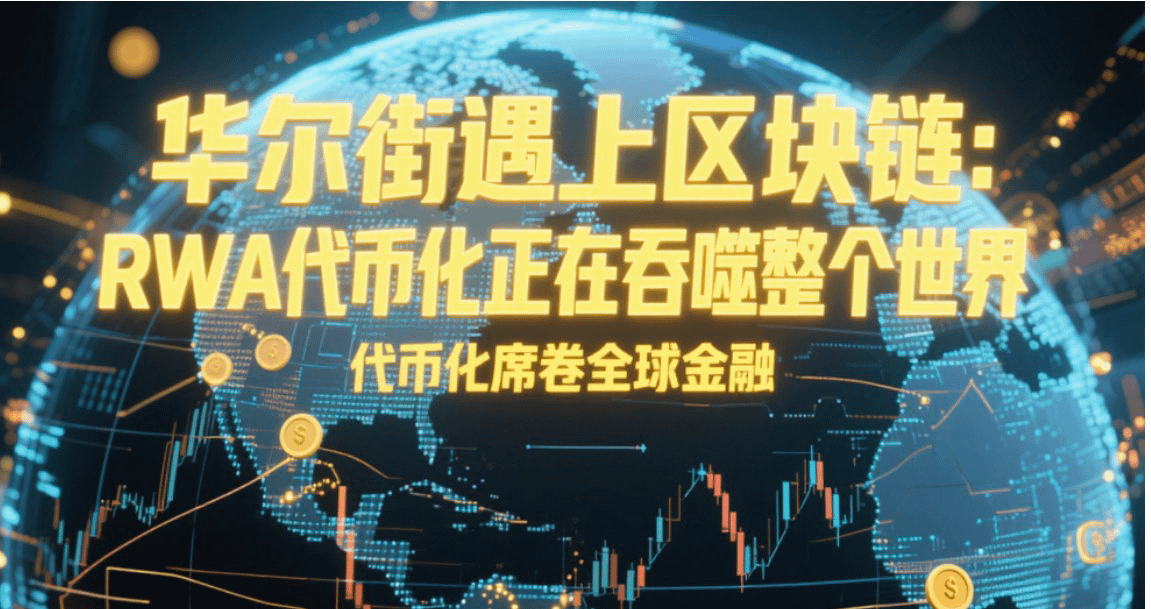
Wall Street is moving from “researching Crypto” to “building Crypto”.
This chain is a bit different.
It’s not simply about recreating another Layer 1. Instead, it directly sets its sights on institutional settlement, stablecoin payments, tokenized assets, and an always-on financial market.
More importantly, the first batch of validators includes traditional financial institutions such as BlackRock, DTCC, Visa, Mastercard, and ICE.
The list of 11 institutions that Circle previously released.
I think the real change worth studying here is this:
In the past, traditional finance was using blockchain.
Now, traditional finance is starting to participate in running blockchain.
These two are completely different concepts.
If in the future stocks, funds, payments, and settlement gradually move onto the chain, then blockchain may no longer be just the infrastructure of Crypto.
It may slowly become financial infrastructure itself.
With Arc going live today, I’d rather treat it as a signal:
Wall Street is moving from “researching Crypto” to “building Crypto”.

心月势不可挡
·
--
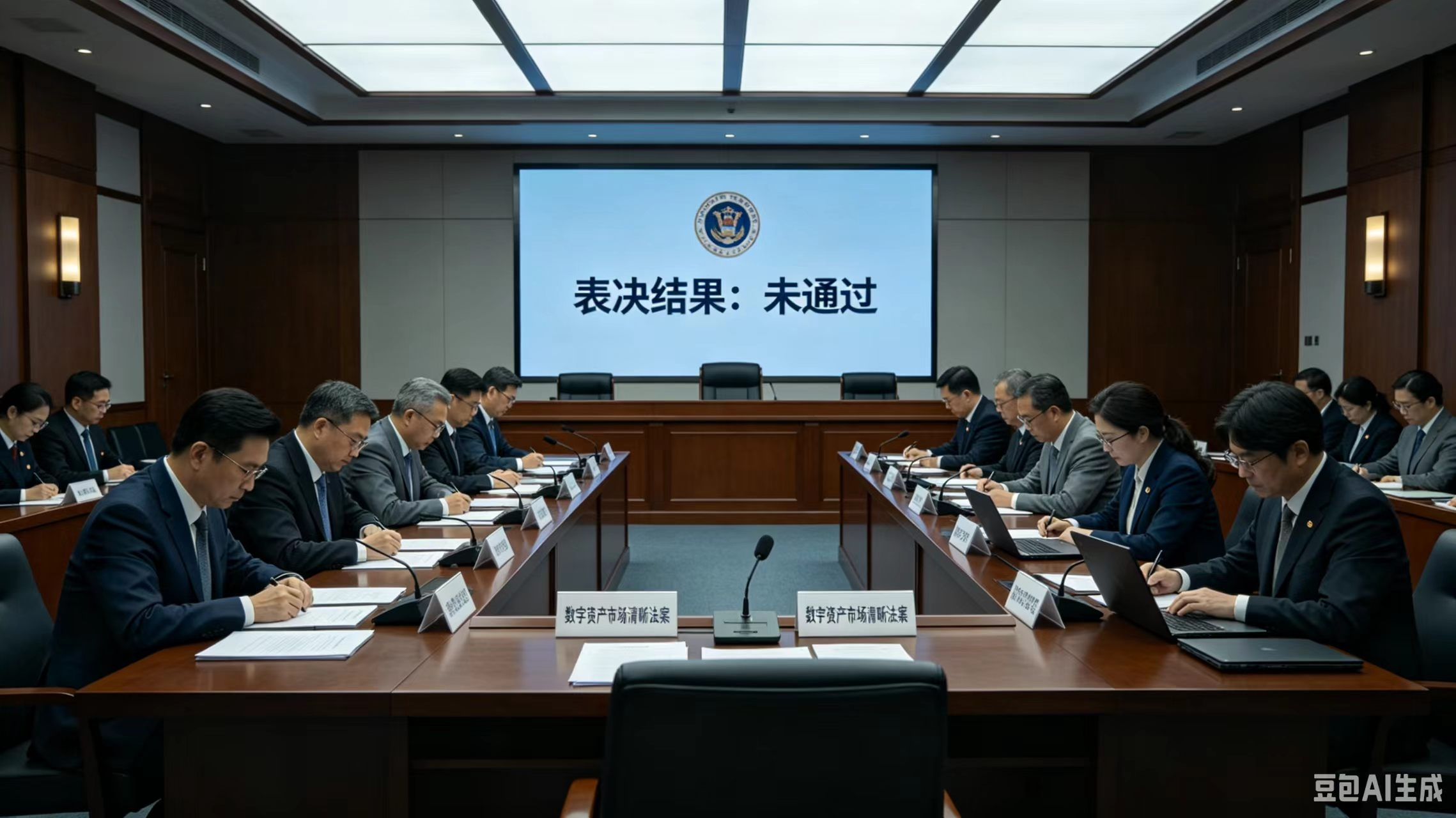
In the early hours of September 16, Beijing time, the U.S. Senate delivered its result on a procedural vote regarding the “Clarity Act” for the digital assets market. The bill failed to clear the 60-vote threshold, so it cannot move on to the next stage of formal consideration. The highly anticipated crypto regulatory legislation—one that the industry had pinned great hopes on—has, for now, been stalled.
One point needs to be clarified: this time, the bill was not directly rejected. Instead, it failed at the procedural step required to advance. The bill remains on the congressional calendar, and in theory there is still a possibility of being brought back for reconsideration. However, given the pace of congressional proceedings, the likelihood of it being enacted again within 2026 has become extremely low.
What problem the bill was originally meant to address
The bill is widely seen as a landmark piece of legislation in the crypto industry. Its core goal is to clarify regulatory authority and responsibilities: to define the jurisdictional boundaries between the SEC and the CFTC; to lay out a federal-level compliance path for crypto exchanges and stablecoin projects; and to put an end to the long-standing situation where “regulation relies on enforcement actions and the rules are unclear.”
For a long time, the biggest pain point for the crypto industry has been vague and ambiguous rules. Institutional capital wants to enter the market but lacks a unified legal benchmark. Ordinary investors also face the risk of platform blowups and having no clear path to seek redress. Industry stakeholders from multiple sides have spent significant effort lobbying and negotiating, hoping that this bill could end the regulatory gray area.
Why it ultimately failed to clear the threshold
The bill was stalled due to irreconcilable disagreements between the two parties.
On the Democratic side, the view is that the existing version does not provide sufficient strength on consumer protection, anti-money laundering, and risk controls. They worry that the bill would give the industry overly relaxed space, sowing hidden financial risk vulnerabilities. Some Republican lawmakers, meanwhile, are concerned that expanding regulatory authority would raise compliance costs for businesses and dampen the innovative momentum of digital asset development.
Even though the legislative team revised the provisions multiple times and added patches such as interest-constraint measures for public officials, the core conflict still could not be bridged. In the end, the vote margin was clearly insufficient, and it failed to meet the Senate’s hard requirements to advance the bill.
One point needs to be clarified: this time, the bill was not directly rejected. Instead, it failed at the procedural step required to advance. The bill remains on the congressional calendar, and in theory there is still a possibility of being brought back for reconsideration. However, given the pace of congressional proceedings, the likelihood of it being enacted again within 2026 has become extremely low.
What problem the bill was originally meant to address
The bill is widely seen as a landmark piece of legislation in the crypto industry. Its core goal is to clarify regulatory authority and responsibilities: to define the jurisdictional boundaries between the SEC and the CFTC; to lay out a federal-level compliance path for crypto exchanges and stablecoin projects; and to put an end to the long-standing situation where “regulation relies on enforcement actions and the rules are unclear.”
For a long time, the biggest pain point for the crypto industry has been vague and ambiguous rules. Institutional capital wants to enter the market but lacks a unified legal benchmark. Ordinary investors also face the risk of platform blowups and having no clear path to seek redress. Industry stakeholders from multiple sides have spent significant effort lobbying and negotiating, hoping that this bill could end the regulatory gray area.
Why it ultimately failed to clear the threshold
The bill was stalled due to irreconcilable disagreements between the two parties.
On the Democratic side, the view is that the existing version does not provide sufficient strength on consumer protection, anti-money laundering, and risk controls. They worry that the bill would give the industry overly relaxed space, sowing hidden financial risk vulnerabilities. Some Republican lawmakers, meanwhile, are concerned that expanding regulatory authority would raise compliance costs for businesses and dampen the innovative momentum of digital asset development.
Even though the legislative team revised the provisions multiple times and added patches such as interest-constraint measures for public officials, the core conflict still could not be bridged. In the end, the vote margin was clearly insufficient, and it failed to meet the Senate’s hard requirements to advance the bill.

只会呐喊的尖刀手
·
--
Fell over
So naturally I kissed the earth
And, while I was at it, picked up
That candy that had just dropped
A moment ago
So naturally I kissed the earth
And, while I was at it, picked up
That candy that had just dropped
A moment ago


MAYA_
·
--
$BTC $85k coming soon 🚀🔥
GIFT BOX 🎁🎁🎁
GIFT BOX 🎁🎁🎁


生蚝哥Oyster
·
--
BullishA setback is not the end.
The road may be winding, but the light of hope is still ahead.
Don’t let today’s uncertainty wear down your confidence. Settle your mind, hold steady to your resolve, and wait for the right moment—our opportunity will surely arrive as promised 🌱
The road may be winding, but the light of hope is still ahead.
Don’t let today’s uncertainty wear down your confidence. Settle your mind, hold steady to your resolve, and wait for the right moment—our opportunity will surely arrive as promised 🌱

Log in to explore more content