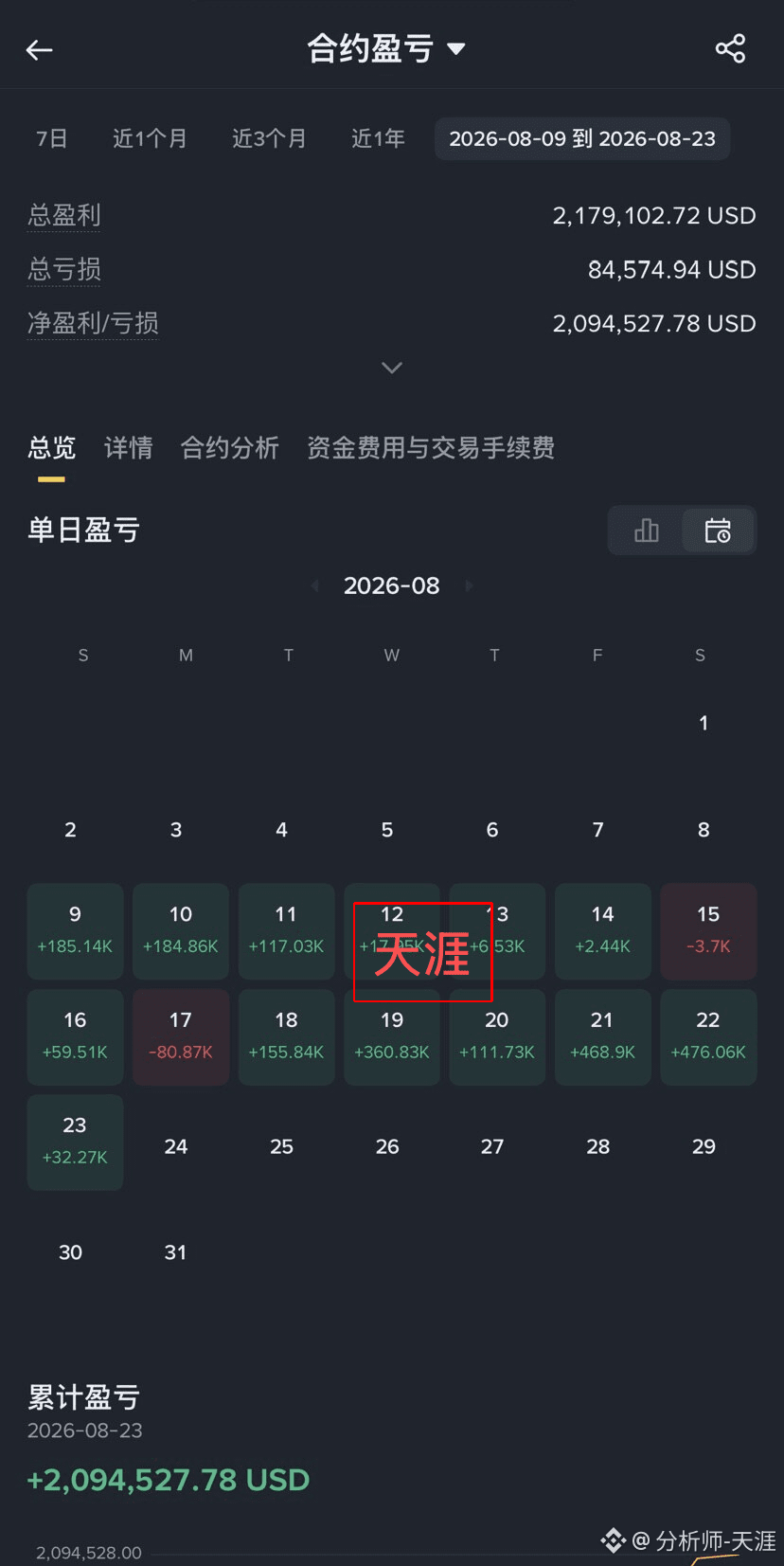
After staying in the crypto world for long enough, you’ll realize a rather painful truth: many people don’t lose to the market trends—they lose to their own minds, the one that always wants to predict the market.
In my first few years in the scene, I thought about where the top was and where the bottom was every day. I even hoped I could time every trade perfectly—buy at the lowest point and sell at the highest. So what happened? You buy and it drops. You cut and it rises. My account didn’t grow, and my mindset got knocked out by the market first.
Later, I slowly figured out something: the real money-makers, more often than not, don’t guess the trend. They’re simply waiting—waiting for price to reach their zone, waiting for the signal to light up, waiting for the risk-reward ratio to become favorable. If it’s not in place, they don’t act; if there’s no signal, they don’t touch it.
Everyone online is shouting “bull market,” and I won’t understand it—I still stay in cash. I used to be afraid of missing opportunities. Now the thing I fear most is making random moves. The market offers chances every day, but your principal is only one. Missing one wave won’t kill you; making one reckless trade could wipe out months of profit you already built.
Over the years, my biggest growth wasn’t learning how many indicators to use—it was learning restraint. When you’re at the right spot, you trade. If you’re wrong, you admit it. If you’re right, you hold it. If there’s no opportunity, you wait. I can’t control how the market moves, but I can control my position size, stop-loss, and timing—those are things I can decide.
In the end, when trading comes down to it, the real competition is never who’s smarter—it’s who has better discipline.
The crypto world has never lacked stories of overnight wealth. What’s truly scarce are people who can survive through both bull and bear markets and stay at the table. Your account can grow slowly, and very often it’s not because you grabbed so many opportunities—it’s because you successfully avoided the trades you never should have made.
#STRC优先股回购达6.35亿美元
In my first few years in the scene, I thought about where the top was and where the bottom was every day. I even hoped I could time every trade perfectly—buy at the lowest point and sell at the highest. So what happened? You buy and it drops. You cut and it rises. My account didn’t grow, and my mindset got knocked out by the market first.
Later, I slowly figured out something: the real money-makers, more often than not, don’t guess the trend. They’re simply waiting—waiting for price to reach their zone, waiting for the signal to light up, waiting for the risk-reward ratio to become favorable. If it’s not in place, they don’t act; if there’s no signal, they don’t touch it.
Everyone online is shouting “bull market,” and I won’t understand it—I still stay in cash. I used to be afraid of missing opportunities. Now the thing I fear most is making random moves. The market offers chances every day, but your principal is only one. Missing one wave won’t kill you; making one reckless trade could wipe out months of profit you already built.
Over the years, my biggest growth wasn’t learning how many indicators to use—it was learning restraint. When you’re at the right spot, you trade. If you’re wrong, you admit it. If you’re right, you hold it. If there’s no opportunity, you wait. I can’t control how the market moves, but I can control my position size, stop-loss, and timing—those are things I can decide.
In the end, when trading comes down to it, the real competition is never who’s smarter—it’s who has better discipline.
The crypto world has never lacked stories of overnight wealth. What’s truly scarce are people who can survive through both bull and bear markets and stay at the table. Your account can grow slowly, and very often it’s not because you grabbed so many opportunities—it’s because you successfully avoided the trades you never should have made.
#STRC优先股回购达6.35亿美元