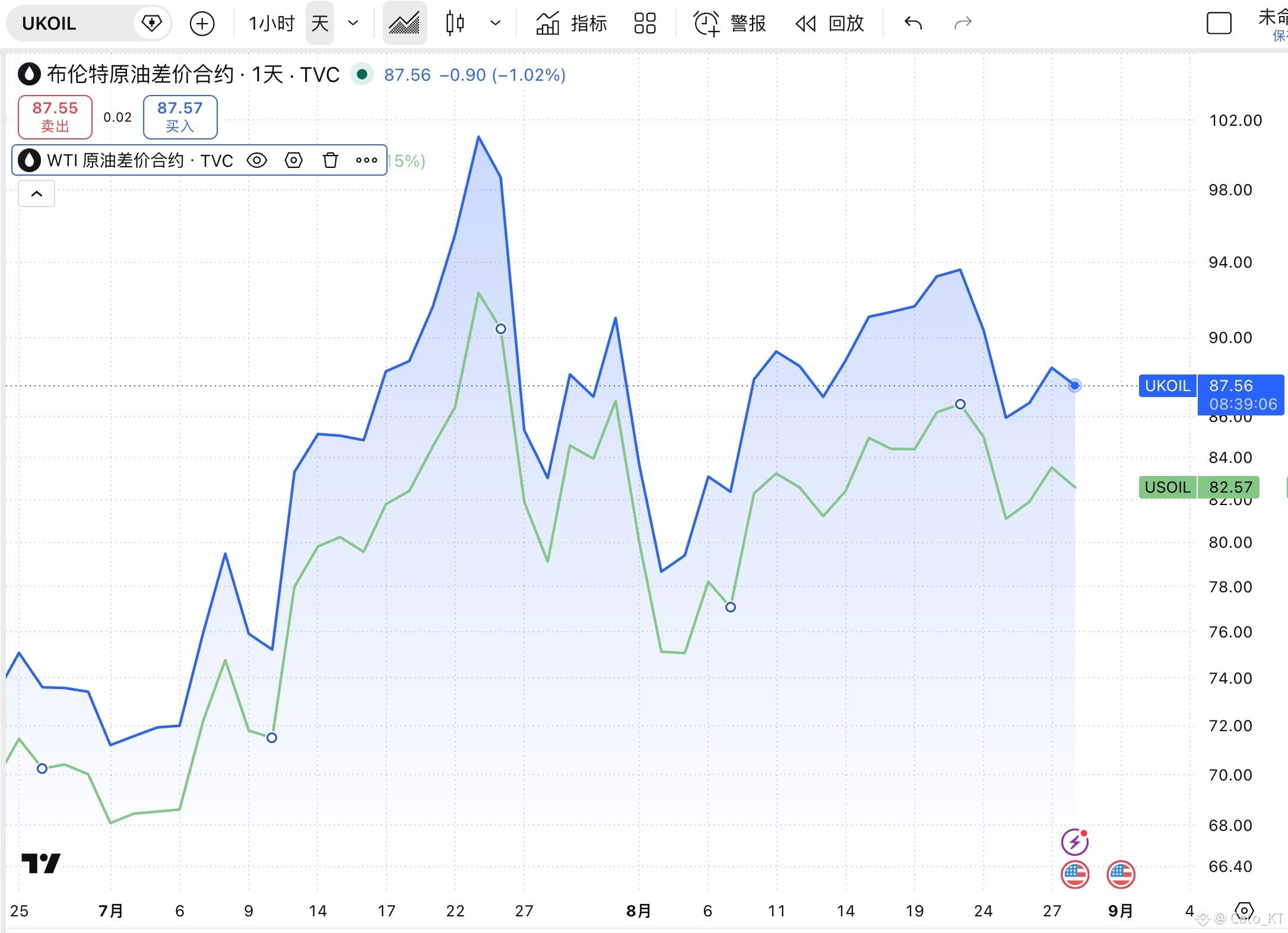
To summarize the current situation between the United States and Iran: in simple terms, Trump wants to pressure Iran through his allies as a final move, to seek negotiation opportunities and to gain negotiating leverage.
The major premise is that the likelihood of the United States taking action against Iran in the near term is already very low. Trump himself and the U.S. military have confirmed this. But when facing a tough Iran, how can the U.S. force Iran to return to the negotiating table and secure negotiating initiative?
The situation is straightforward: relying on economic sanctions, the U.S. alone with its unilateral sanctions is not enough. Trump also wants to mobilize U.S.-aligned allies to impose comprehensive sanctions on Iran. Trump isn’t unwilling to talk to Iran; what he wants is for Iran to submit under the “gun barrel” and hold talks with the United States.
Trump has directly negated the rules of the 60-day ceasefire agreement—meaning Trump does not want to fully carry out the conditions in the previous understanding memorandum. After all, many of them were essentially a way to paint a rosy picture. Iran, for its part, not only demands full implementation, but also adds extra conditions, and has already formed political and practical control and oversight of the Strait of Hormuz.
Given this scenario, I don’t know whether Trump will change his strategic line, but I can be sure that if economic sanctions remain ineffective, then Trump will basically have no “cards” left to play.
Obviously, this is not just a problem on the part of the United States or Iran alone. To kick off negotiations, Iran needs to downgrade its conditions, and the U.S. needs to ease its stance. This is clearly understood by regional mediators, which is why, recently, countries like Qatar have been communicating frequently with Iran, becoming a bridge for U.S.–Iran dialogue.
In my view, to facilitate negotiations, Trump needs to give up the goal of having Iran negotiate while “submitting.” Second, he needs to acknowledge the current Strait management model. For Iran, it also needs to downgrade two key conditions: unfreezing overseas assets and reducing U.S. military threats in the Middle East. Otherwise, talks will be difficult to launch in the short term.
Of course, overall I still think the outlook is optimistic. After the likelihood of military conflict is greatly reduced, returning to negotiations is only a matter of time. Besides, as September approaches, Trump has a lot to deal with, and he obviously doesn’t have enough time. He needs to disengage from the Middle East problem as soon as possible, otherwise he will surely lose the midterm election! #卡塔尔延长LNG不可抗力一个月
The major premise is that the likelihood of the United States taking action against Iran in the near term is already very low. Trump himself and the U.S. military have confirmed this. But when facing a tough Iran, how can the U.S. force Iran to return to the negotiating table and secure negotiating initiative?
The situation is straightforward: relying on economic sanctions, the U.S. alone with its unilateral sanctions is not enough. Trump also wants to mobilize U.S.-aligned allies to impose comprehensive sanctions on Iran. Trump isn’t unwilling to talk to Iran; what he wants is for Iran to submit under the “gun barrel” and hold talks with the United States.
Trump has directly negated the rules of the 60-day ceasefire agreement—meaning Trump does not want to fully carry out the conditions in the previous understanding memorandum. After all, many of them were essentially a way to paint a rosy picture. Iran, for its part, not only demands full implementation, but also adds extra conditions, and has already formed political and practical control and oversight of the Strait of Hormuz.
Given this scenario, I don’t know whether Trump will change his strategic line, but I can be sure that if economic sanctions remain ineffective, then Trump will basically have no “cards” left to play.
Obviously, this is not just a problem on the part of the United States or Iran alone. To kick off negotiations, Iran needs to downgrade its conditions, and the U.S. needs to ease its stance. This is clearly understood by regional mediators, which is why, recently, countries like Qatar have been communicating frequently with Iran, becoming a bridge for U.S.–Iran dialogue.
In my view, to facilitate negotiations, Trump needs to give up the goal of having Iran negotiate while “submitting.” Second, he needs to acknowledge the current Strait management model. For Iran, it also needs to downgrade two key conditions: unfreezing overseas assets and reducing U.S. military threats in the Middle East. Otherwise, talks will be difficult to launch in the short term.
Of course, overall I still think the outlook is optimistic. After the likelihood of military conflict is greatly reduced, returning to negotiations is only a matter of time. Besides, as September approaches, Trump has a lot to deal with, and he obviously doesn’t have enough time. He needs to disengage from the Middle East problem as soon as possible, otherwise he will surely lose the midterm election! #卡塔尔延长LNG不可抗力一个月