
Here’s what makes Plasma stand out: it’s not just another Ethereum copycat dressed up with buzzwords. Plasma is built from the ground up for one thing—making stablecoins the backbone of global finance. Picture a blockchain that’s more like a high-speed train than a Swiss Army knife; it’s not trying to do everything, just move value around as fast and reliably as possible. I’ve spent years tearing apart crypto projects, and honestly, Plasma feels like someone finally ditched the old playbook. It’s not just tweaking what came before—it’s rethinking the whole system, right down to how consensus and economics work together.
Let’s start with the real magic—PlasmaBFT. This isn’t your run-of-the-mill proof-of-stake. It’s built for speed, locking in transactions in under a second without cutting corners on decentralization. You get block times consistently below one second and throughput that clears 1,000 transactions per second. That’s not just a flex; it’s a lifeline for things like remittances and big enterprise payouts, where even a few seconds of lag can wreck user trust. The secret sauce? Plasma separates transaction types. Simple stablecoin transfers get their own express lane, so they don’t get stuck behind complex smart contracts. No more fighting for gas space like you see on Ethereum—just smooth, predictable payments.
But speed alone isn’t the whole story. Plasma plugs straight into the Ethereum ecosystem thanks to the Reth execution client. Developers can bring over their Solidity contracts and favorite wallets—MetaMask, WalletConnect—without rewriting a thing. That’s huge for adoption. Builders don’t have to start from scratch, and users get a familiar experience. Plasma takes it further with protocol-level account abstraction. No more worrying about gas fees or approvals; the chain handles all that behind the scenes, so using a Web3 app feels as slick as Venmo or PayPal. Toss in zero-knowledge proofs for privacy and stateless scaling, and you’ve got a platform that’s ready for the next billion users, especially in places where privacy actually matters.
Now, about the economics—Plasma’s stablecoin-first play is smart. The protocol actually subsidizes payments, so you get gasless USDT transfers and fees that don’t spike when the network’s busy. Security? It’s anchored to Bitcoin, making it tough for anyone to mess with. Over 25 stablecoins run on Plasma, and it’s already fourth worldwide by USDT balance. That’s intentional. The design is modular, ready for whatever regulators throw at it, and there’s real-time auditing so you know the assets are actually there. In countries where banks just don’t cut it, Plasma lets people send money on their phones, swap local currencies, and avoid middlemen entirely.
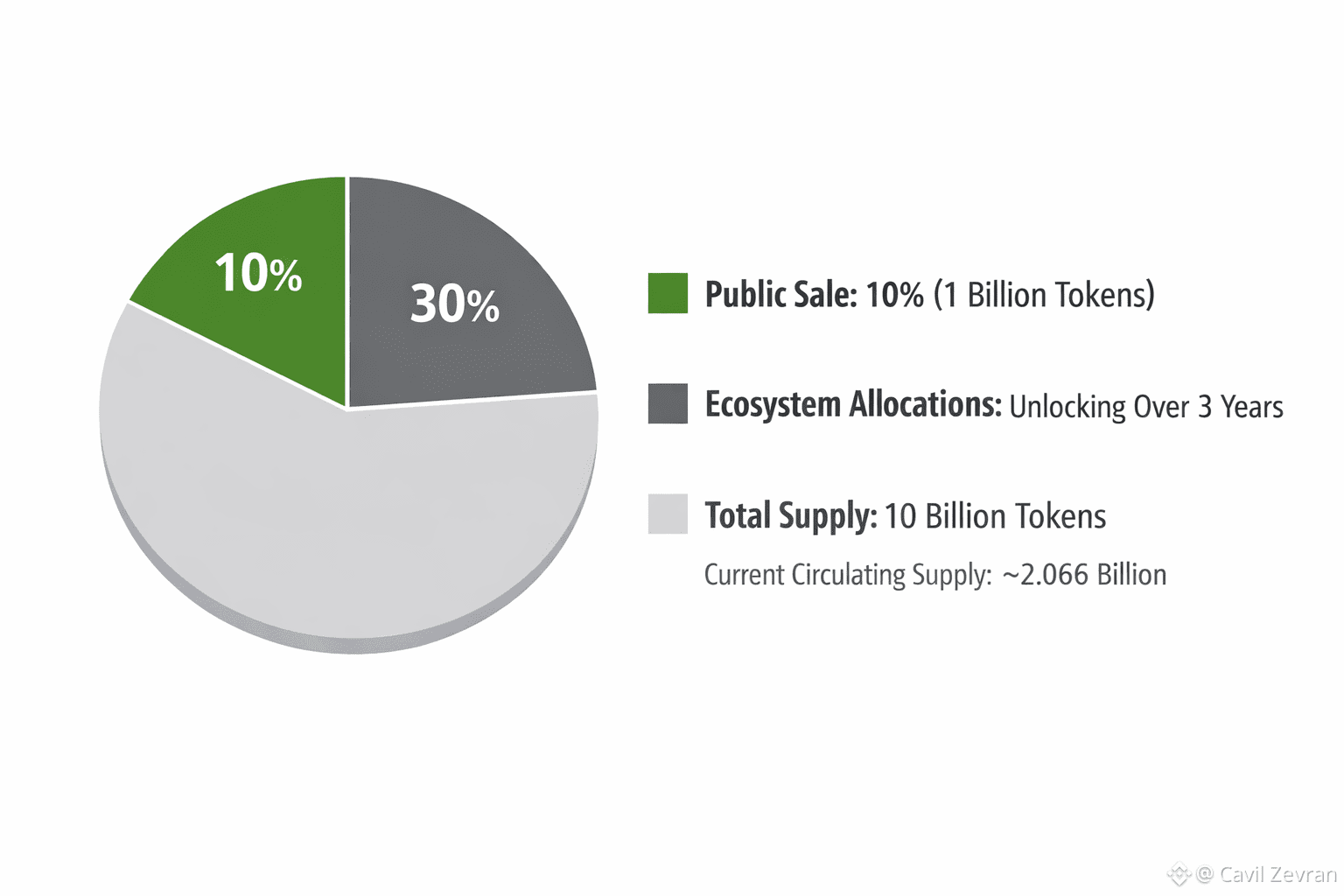
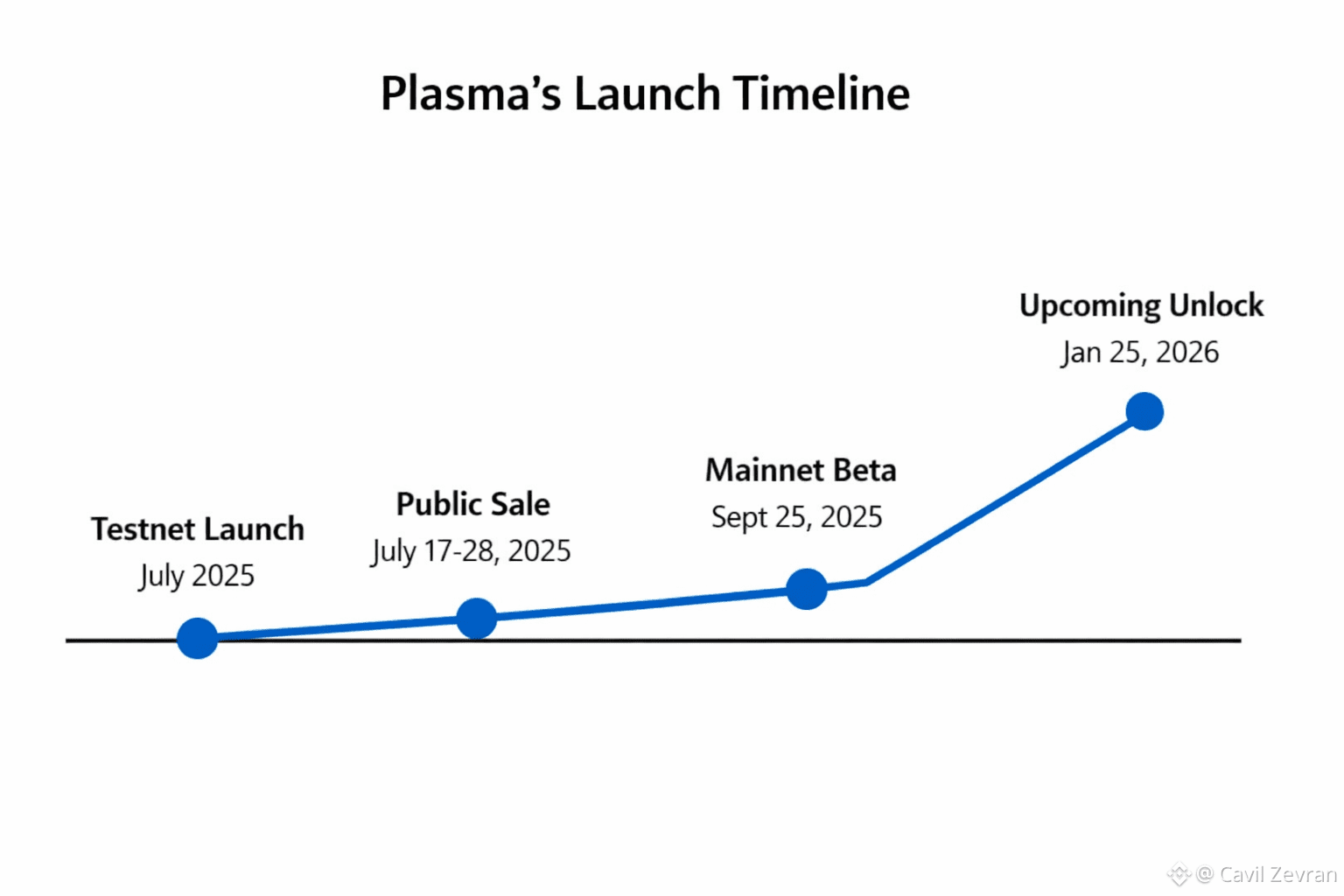
Tokenomics? Plasma’s XPL token model is built for the long haul. Total supply: 10 billion. The mainnet beta launched September 25, 2025, with $2 billion in stablecoins moving on day one—over 100 partners on board. During the public sale (July 17–28, 2025), they sold 1 billion XPL (10% of the total) at a $500 million valuation—$0.05 per token. Over 4,000 wallets got involved in the deposit campaign, locking up more than $1 billion in stablecoins. The median deposit was about $12,000, and final commitments hit $373 million—a whopping 7x more than they planned for. They didn’t just pocket the extra, either—unused allocations were spread out fairly, and token unlocks are slow-dripped over three years to keep things stable. As of January 2026, about 2.066 billion XPL are in circulation, with more set to unlock soon.
So, what actually puts Plasma ahead in the Layer 1 and 2 race? It’s leading a new wave of Plasma protocols—think INTMAX as a peer—by zeroing in on stateless scaling and stablecoin adoption for real-world payments. Where other projects like Arbitrum or zkSync chase broad scalability, Plasma keeps its eyes on payments, cross-chain liquidity, and programmable storage. It’s not tech for tech’s sake. Plasma makes it possible to put real-world assets on-chain—corporate bonds, trade invoices, real estate, even gold. Settlements that used to take days now happen in seconds. That’s not just an upgrade. It’s a total rethink of what blockchains can actually do for people who need them.


