
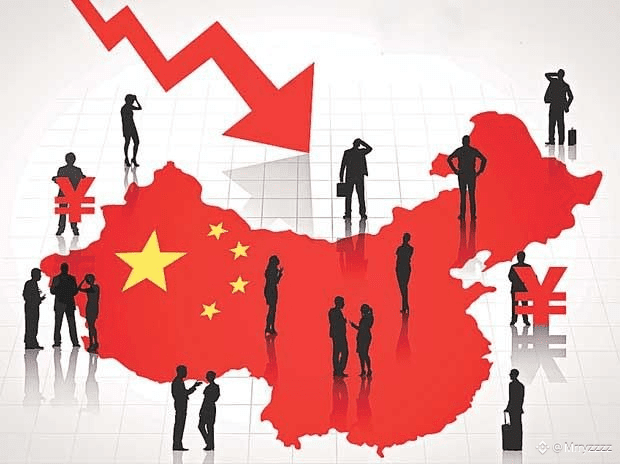
China's economic growth is expected to slow down in 2025, with experts predicting a growth rate of around 4.5%, below the government's target of "around 5%". The country's service sector has already shown signs of weakening, with the services Purchasing Managers' Index (PMI) falling to 52.1 in November, its lowest level in five months.
Economic Challenges
- Weak Consumption: Weak consumer demand poses a significant risk to China's economy, with 73% of experts surveyed by MERICS citing it as a major concern.
- Debt: Excessive national, provincial, and local government debt levels have weakened public spending and financial stability, with 71% of experts identifying it as a significant risk.
- Real Estate Market: China's property crisis remains a concern, with new home prices inching up but resale prices continuing to slide. The oversupply of housing units is estimated to be around 60 million units.

Government Response
To address these challenges, the government is expected to implement stimulus measures, including¹:
- Fiscal Policy: A fiscal deficit ratio of 4.0% of GDP, up from 3.0% in 2024, to support growth.
- Monetary Policy: Interest rate cuts to boost economic activity.
- Investment in Technology: Focus on developing "new quality productive forces", including AI, clean energy, and biotechnology.
Opportunities
Despite the challenges, China's economy is expected to benefit from:
- Artificial Intelligence: AI adoption is expected to boost productivity and growth, with Goldman Sachs estimating a 0.2-0.3 percentage point boost to China's GDP by 2030.
- Urbanization: Further liberalization of the hukou system could boost urban consumption and facilitate a more efficient labor market.
Overall, China's economy faces significant challenges in 2025, but the government's stimulus measures and focus on technological innovation could help mitigate these risks and support growth.


