

The highly anticipated trial of FTX founder Sam Bankman-Fried (SBF) has begun. The trial sparked a series of heated disputes and passionate scenes in the courtroom.
The U.S. Department of Justice (DOJ), which led the prosecution, did not remain silent and instead portrayed Bankman-Fried as a key player involved in the fraud scheme, which directly challenged his innocence plea.
Alameda Perks
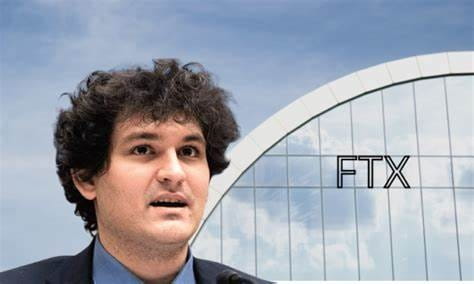
From the beginning, the prosecutors’ strategy was clear: They sought to paint Bankman-Fried’s crypto empire as a shaky affair built on lies. They focused specifically on the testimony of key witnesses, particularly FTX’s current leadership, directed by Enron bankruptcy chief John Jay Ray III, which cast doubt on the once high-profile crypto industry tycoon. The reputational damage was huge.
However, one of the biggest blows to the defense came from FTX co-founder Gary Wang, who admitted to fraud in court and revealed the "privileges" FTX provided to Bankman-Fried's hedge fund Alameda. These privileges allowed Alameda to withdraw a large amount of resources, and Wang also implicated several other top FTX and Alameda executives (including Caroline Ellison and Nishad Singh) in a network of wire fraud, securities fraud, and commodities fraud.
In addition to the testimony, the Justice Department also appears to be tightening its grip on Bankman-Fried's assets. They issued a forfeiture bill targeting two luxury jets associated with Bankman-Fried: a Bombardier Global and an Embraer Legacy. This shows the Justice Department taking an aggressive stance in trying to seize assets they believe were obtained through illegal means.
However, Bankman-Fried is not only facing pressure in the courts. His past actions, including public filings, multiple charges and his "apology tour", have damaged the public's perception of him.
The defense also faced challenges and, at times, a decidedly unfavorable reception from District Judge Lewis Kaplan. Some objections raised by the defense were quickly dismissed, and observers noted that some questions from defense attorney Chris Everdell were also quickly rejected.
SBF parents are visibly distressed
Meanwhile, as the defense struggled to grapple with the harsh charges and the difficulty of its own strategy, Bankman-Fried’s parents showed clear signs of the emotional toll they’ve taken from the trial, as evidenced by dramatic, tense moments in the courtroom during the defense’s questioning of former FTX engineer Adam Yedidia.
SBF’s mother, Barbara Fried, seemed particularly affected. On several occasions, observers noticed her removing her glasses and covering her eyes with her fists, a gesture many in the room interpreted as an attempt to hold back tears or cope with the pain she was feeling. This depth of emotion displayed by the mother vividly demonstrated the emotional impact that a public trial has on an individual.
Meanwhile, Sam's father, Joseph Bankman, also did not escape the heavy pressure of the lawsuit. He was visibly depressed, perhaps out of frustration or disappointment, adding a gloomy atmosphere to the courtroom.
Outside the courtroom, the ripples of the trial are already being felt. Venture capital firm Paradigm revealed a massive blow to SBF’s finances, announcing that their previous $27.8 billion investment in FTX is now zero, as announced by co-founder Matt Huang. In addition to his account, biographer Michael Lewis’ book Towards Infinity revealed that Bankman-Fried decided to change the lockup period for SRM tokens because he was concerned about the growing wealth of his employees.
While crucial to the outcome of a trial, the jury is not immune to the red tape of the trial process, and reports indicate that jurors have varying levels of engagement, with some appearing disinterested and others looking possibly exhausted.