
#tipsneeded
tipsneeded
454,210 views
469 Discussing
Hot
Latest

I was bored and didn't know what to do, so I downloaded Binance to try out something new. I was never into crypto, I never even tried learning about it. This is my first post and I dont even know if anyone will be able to see this, please give some tips in the comments, I tried putting in 15$ to see how crypto acts these first few days, who knows I might find myself in this, or maybe not. I put 8$ into BTC, 4$ into ETH and 3$ into SOL, is this how it should be, but just in larger investations? #new #TipsNeeded $BTC $ETH $SOL
I was bored and didn't know what to do, so I downloaded Binance to try out something new. I was never into crypto, I never even tried learning about it. This is my first post and I dont even know if anyone will be able to see this, please give some tips in the comments, I tried putting in 15$ to see how crypto acts these first few days, who knows I might find myself in this, or maybe not. I put 8$ into BTC, 4$ into ETH and 3$ into SOL, is this how it should be, but just in larger investations? #new #TipsNeeded $BTC $ETH $SOL
1
131

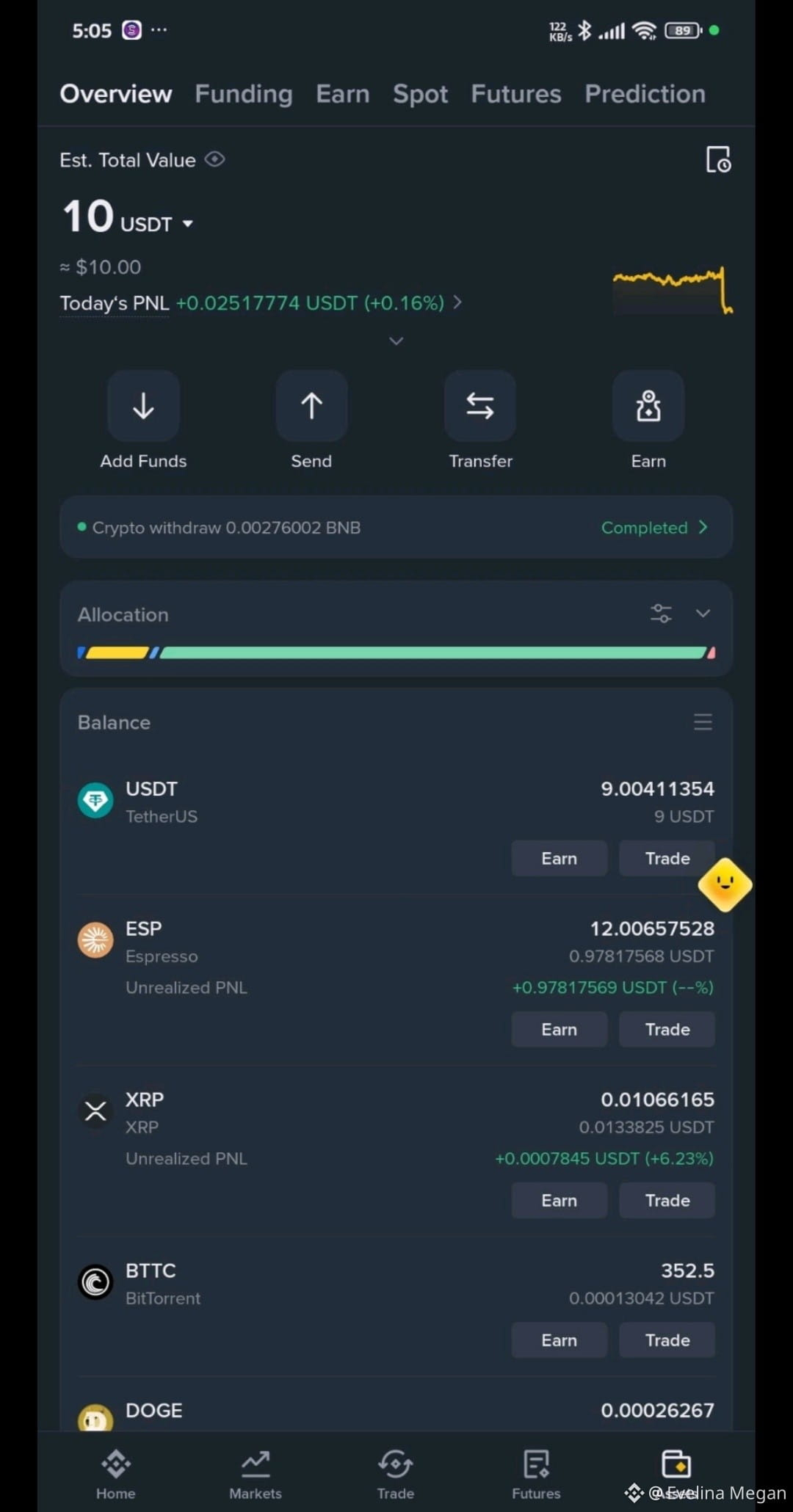
you can give me a tip if you want 😁#TipsNeeded
you can give me a tip if you want 😁#TipsNeeded
2
69


·
--
Bearish
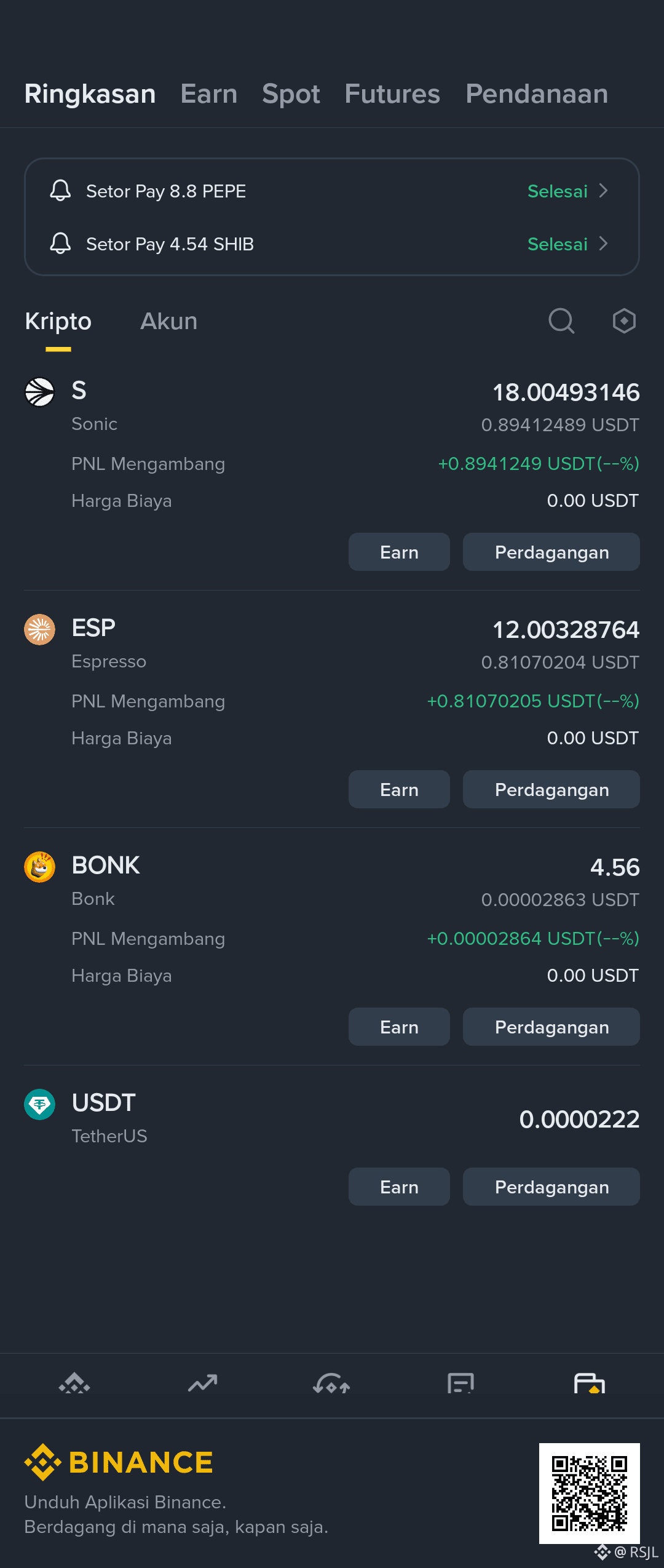
this is a total wreck ahhh... what's going on...
anyone can help😭#CryptoOIDropsOver50Percent #Rungkad #HelpMeRecover #TipsNeeded
this is a total wreck ahhh... what's going on...
anyone can help😭#CryptoOIDropsOver50Percent #Rungkad #HelpMeRecover #TipsNeeded
anyone can help😭#CryptoOIDropsOver50Percent #Rungkad #HelpMeRecover #TipsNeeded
Sourced by user sharing on Binance
1
2
774

·
--
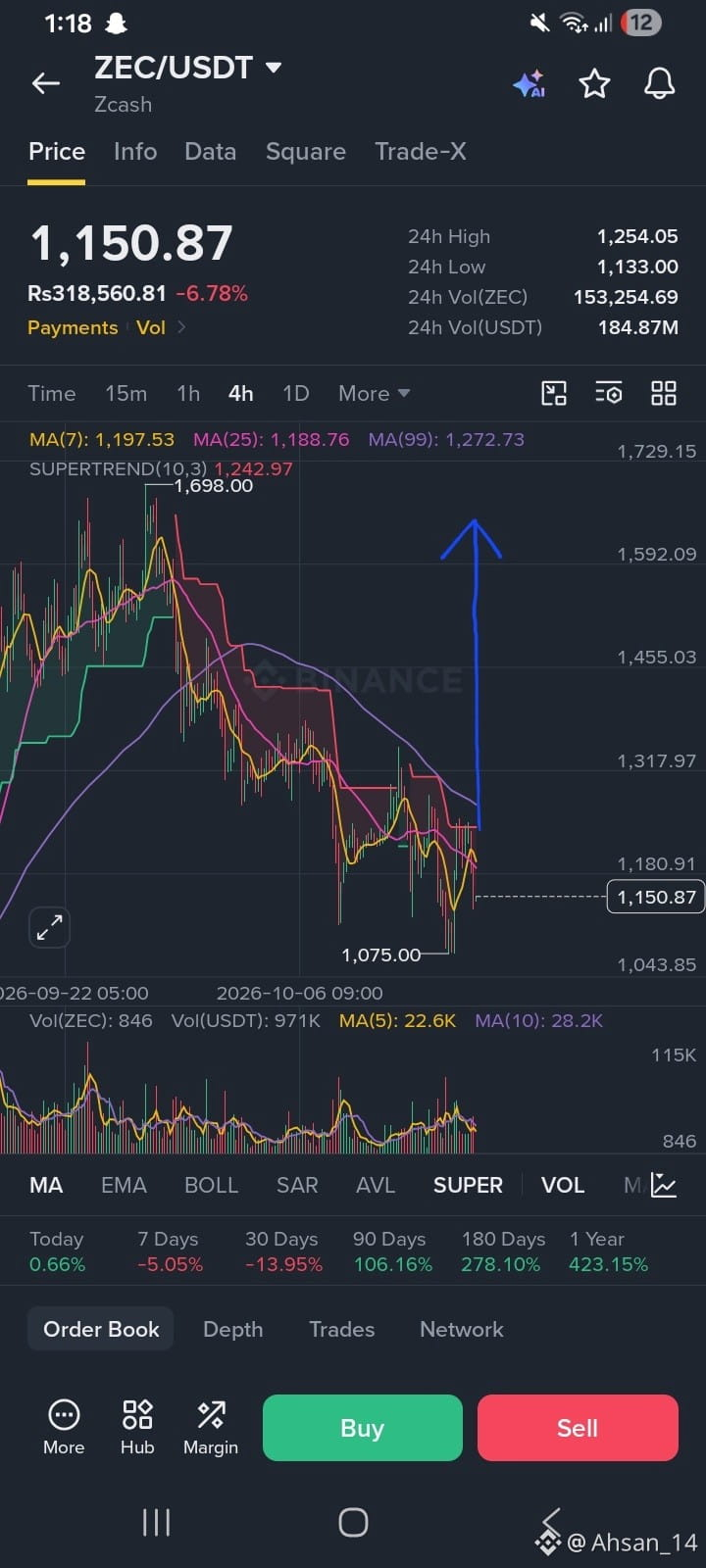
🛑 90% of crypto losses happen in this one moment!
You know the feeling—you buy a coin, it dips a little, you tell yourself "it'll bounce back," then the loss grows while you just watch. That's the moment things slip.
💡 Today's tip, short and simple:
Before any trade, write down (or type in your notes app):
1. Entry price
2. Stop Loss
3. Take Profit
The trade starts and ends right there. Everything in between is just noise. Don't change the plan because of fear or greed.
#TradebStocks #trade #TipsNeeded
$BTC $ETH $TSLAB
160


·
--
Tips Trading Binance
Binance is one of the most widely used cryptocurrency trading platforms by traders around the world. For beginners, crypto trading requires not only an understanding of price movements, but also discipline and risk management. Without a clear strategy, traders can suffer losses in a short time.
The first step is to understand the difference between Spot Trading and Futures Trading. Spot allows users to buy or sell assets directly, while Futures allows the use of leverage which can magnify potential profits as well as losses. Beginners should understand how these work before using leverage.
Next, determine the amount of capital you are ready to use and do not risk all of your capital in a single transaction. One approach that is often used is limiting risk to about 1% of total capital for each transaction.
This way, several losing trades do not immediately exhaust all your funds.
Using a Stop Loss is also important. A Stop Loss helps limit losses when the price moves against your predictions. In addition, traders should set a profit target before opening a position.
Comparing risk and potential reward, for example 1:2, can help make a trading plan more measurable.
Traders also need to avoid FOMO (Fear of Missing Out). Rapid price increases often make people buy without enough analysis. Decisions should be made based on a strategy, not emotions.
Finally, keep a trading journal. Record your entry price, Stop Loss, Take Profit, the reason for opening a position, and the results of the trade. From these notes, traders can evaluate their strategy and correct mistakes.
Trading on Binance is not a way to get instant profits. Knowledge, discipline, risk management, and consistency are important parts of building a more planned trading habit.
#TipsNeeded
#Binance
#ProfitWithConfidence
126

What are the specific vessel specs and delivery timelines for QatarEnergy's multi-phase LNG carrier#us-irantalksfuelstrongstockmarketrebound
QatarEnergy’s Historic LNG Shipping Expansion Program encompasses 128 vessels. Designed to support the North Field Expansion (NFE and NFS) projects and long-term fleet renewal, the program is split between 104 conventional-sized carriers and 24 world-record ultra-large QC-Max carriers
Key Vessel Specifications by Class
The orderbook is divided into two distinct vessel classes engineered for high thermodynamic efficiency and strict environmental compliance:
Shipyard Allocation & Builder Shares
Four major global shipyards are executing the 128-ship orderbook under Phase I and Phase II contracts:
HD Hyundai Heavy Industries (South Korea): Building 34 conventional 174,000 m³ vessels.Samsung Heavy Industries (South Korea): Building 31 conventional 174,000 m³ vessels.Hanwha Ocean (South Korea): Building 27 conventional 174,000 m³ vessels.Hudong-Zhonghua Shipbuilding (China): Building 36 vessels total—12 conventional 174,000 m³ units and all 24 QC-Max (271,000 m³) mega-carriers.
Phase-by-Phase Delivery Timelines
The delivery schedule is phased across multiple years to align directly with onshore production train start-ups at Ras Laffan
Initial Deliveries (2024 – 2025): 32 conventional vessels were handed over by late 2025 (including early units like Sharq, Shra'Ouh, Mraikh, and Mesaieed).Current Peak Deliveries (2026 – 2027): Conventional 174,000 m³ vessels are being delivered at an active rate of 25–35 ships per year. Over 40 time-charter agreements are assigned across international owners (such as MISC, K-Line, MOL, NYK, and China Merchants).QC-Max Ramp-Up (2028 – 2030): Deliveries for the 24 QC-Max vessels from Hudong-Zhonghua begin in H1 2028 and extend through 2030, timed to match full-capacity output from the North Field South expansion.
$BTC $OILK.ETF #FollowersGrowth #SupportCreators #TipsNeeded
What are the specific vessel specs and delivery timelines for QatarEnergy's multi-phase LNG carrier
#us-irantalksfuelstrongstockmarketrebound
QatarEnergy’s Historic LNG Shipping Expansion Program encompasses 128 vessels. Designed to support the North Field Expansion (NFE and NFS) projects and long-term fleet renewal, the program is split between 104 conventional-sized carriers and 24 world-record ultra-large QC-Max carriers
Key Vessel Specifications by Class
The orderbook is divided into two distinct vessel classes engineered for high thermodynamic efficiency and strict environmental compliance:
Shipyard Allocation & Builder Shares
Four major global shipyards are executing the 128-ship orderbook under Phase I and Phase II contracts:
HD Hyundai Heavy Industries (South Korea): Building 34 conventional 174,000 m³ vessels.Samsung Heavy Industries (South Korea): Building 31 conventional 174,000 m³ vessels.Hanwha Ocean (South Korea): Building 27 conventional 174,000 m³ vessels.Hudong-Zhonghua Shipbuilding (China): Building 36 vessels total—12 conventional 174,000 m³ units and all 24 QC-Max (271,000 m³) mega-carriers.
Phase-by-Phase Delivery Timelines
The delivery schedule is phased across multiple years to align directly with onshore production train start-ups at Ras Laffan
Initial Deliveries (2024 – 2025): 32 conventional vessels were handed over by late 2025 (including early units like Sharq, Shra'Ouh, Mraikh, and Mesaieed).Current Peak Deliveries (2026 – 2027): Conventional 174,000 m³ vessels are being delivered at an active rate of 25–35 ships per year. Over 40 time-charter agreements are assigned across international owners (such as MISC, K-Line, MOL, NYK, and China Merchants).QC-Max Ramp-Up (2028 – 2030): Deliveries for the 24 QC-Max vessels from Hudong-Zhonghua begin in H1 2028 and extend through 2030, timed to match full-capacity output from the North Field South expansion.
$BTC $OILK.ETF #FollowersGrowth #SupportCreators #TipsNeeded
44
What does the global LNG carrier newbuild orderbook look like for the rest of 2026 and 2027?#us-irantalksfuelstrongstockmarketrebound
The global Liquefied Natural Gas Carrier (LNGC) orderbook stands at unprecedented historic levels. Driven by QatarEnergy’s massive fleet expansion, new U.S. Gulf Coast export projects, and compliance with strict environmental regulations (IMO carbon intensity targets), the vessel pipeline entering late 2026 and 2027 represents one of the largest delivery waves in maritime history.
Key Highlights of the 2026–2027 Orderbook
Unprecedented Capacity Ratio: The current active orderbook comprises roughly 340 to 360 LNGCs on firm order. This represents ~38%–40% of the existing global operating fleet by capacity—the highest orderbook-to-fleet ratio of any major commercial shipping sector.Peak Delivery Phase (2026–2027): Deliveries are heavily front-loaded into 2026 and 2027, with 100–120 vessels entering service in 2026 and 110–130 vessels scheduled for 2027.Record Newbuild Pricing: Standard conventional 174,000 m³ LNGC contract prices hold steady near record highs at $248M–$260M per vessel (compared to $180M–$200M pre-2021) due to tight shipyard slot availability.Extreme Yard Concentration: Korean yards hold full orderbook slots through 2027–2028, meaning new orders placed today face delivery windows stretching out to late 2028 or 2029.
Shipyard Breakdown & Market Share
South Korea continues to lead in high-specification, membrane-containment LNGC construction, though Chinese yards have captured a record share of total new orders through 2026.
Primary Demand Drivers for the Delivery Surge
QatarEnergy Historic Fleet Expansion: Over 100 vessels in the current orderbook belong to QatarEnergy’s multi-phase mega-tender program to support the North Field East and North Field South expansion projects.U.S. Gulf Coast Liquefaction Ramp-Up: Offtakers from major U.S. Phase-2 export projects (e.g., Plaquemines, Corpus Christi Stage 3, Port Arthur) ordered tonnage to cover long-term FOB contracts coming online through 2026–2028.Steam-Turbine Replacement (Fleet Renewal): Approximately 15%–20% of the existing global fleet consists of aging, inefficient steam-turbine LNGCs. Strict IMO carbon regulations (CII/EEXI) are pushing operators to scrap or replace older vessels with ultra-efficient 2-stroke dual-fuel carriers.
Charter Rate & Market Outlook (2027+)
Because LNGC deliveries in 2026 and 2027 are set to outpace near-term liquefaction project start-ups, the market is bracing for structural rate softening starting in 2027:
Supply Absorption Gap: If new export capacity ramps up slower than the incoming 110+ vessels in 2027, uncommitted spot ships will face downward pressure on spot charter rates.Tiered Fleet Division: A sharp divide is opening between modern 2-stroke mega-carriers (which command long-term multi-year charter coverage) and older steam-turbine vessels, which risk becoming uncharterable and facing accelerated scrapping by late 2027.
$LNGX.ETF $USDC #FollowersGrowth #SupportCreator #TipsNeeded
What does the global LNG carrier newbuild orderbook look like for the rest of 2026 and 2027?
#us-irantalksfuelstrongstockmarketrebound
The global Liquefied Natural Gas Carrier (LNGC) orderbook stands at unprecedented historic levels. Driven by QatarEnergy’s massive fleet expansion, new U.S. Gulf Coast export projects, and compliance with strict environmental regulations (IMO carbon intensity targets), the vessel pipeline entering late 2026 and 2027 represents one of the largest delivery waves in maritime history.
Key Highlights of the 2026–2027 Orderbook
Unprecedented Capacity Ratio: The current active orderbook comprises roughly 340 to 360 LNGCs on firm order. This represents ~38%–40% of the existing global operating fleet by capacity—the highest orderbook-to-fleet ratio of any major commercial shipping sector.Peak Delivery Phase (2026–2027): Deliveries are heavily front-loaded into 2026 and 2027, with 100–120 vessels entering service in 2026 and 110–130 vessels scheduled for 2027.Record Newbuild Pricing: Standard conventional 174,000 m³ LNGC contract prices hold steady near record highs at $248M–$260M per vessel (compared to $180M–$200M pre-2021) due to tight shipyard slot availability.Extreme Yard Concentration: Korean yards hold full orderbook slots through 2027–2028, meaning new orders placed today face delivery windows stretching out to late 2028 or 2029.
Shipyard Breakdown & Market Share
South Korea continues to lead in high-specification, membrane-containment LNGC construction, though Chinese yards have captured a record share of total new orders through 2026.
Primary Demand Drivers for the Delivery Surge
QatarEnergy Historic Fleet Expansion: Over 100 vessels in the current orderbook belong to QatarEnergy’s multi-phase mega-tender program to support the North Field East and North Field South expansion projects.U.S. Gulf Coast Liquefaction Ramp-Up: Offtakers from major U.S. Phase-2 export projects (e.g., Plaquemines, Corpus Christi Stage 3, Port Arthur) ordered tonnage to cover long-term FOB contracts coming online through 2026–2028.Steam-Turbine Replacement (Fleet Renewal): Approximately 15%–20% of the existing global fleet consists of aging, inefficient steam-turbine LNGCs. Strict IMO carbon regulations (CII/EEXI) are pushing operators to scrap or replace older vessels with ultra-efficient 2-stroke dual-fuel carriers.
Charter Rate & Market Outlook (2027+)
Because LNGC deliveries in 2026 and 2027 are set to outpace near-term liquefaction project start-ups, the market is bracing for structural rate softening starting in 2027:
Supply Absorption Gap: If new export capacity ramps up slower than the incoming 110+ vessels in 2027, uncommitted spot ships will face downward pressure on spot charter rates.Tiered Fleet Division: A sharp divide is opening between modern 2-stroke mega-carriers (which command long-term multi-year charter coverage) and older steam-turbine vessels, which risk becoming uncharterable and facing accelerated scrapping by late 2027.
$LNGX.ETF $USDC #FollowersGrowth #SupportCreator #TipsNeeded
USDC+0.01%
LNGXETF-3.01%
12
How have global LNG tanker charter rates and spot freight prices reacted to longer shipping routes?#us-irantalksfuelstrongstockmarketrebound
The relationship between longer shipping routes and LNG freight dynamics illustrates a unique market structural split: while ton-mile demand has surged dramatically, spot charter rates have behaved differently than crude or container shipping rates.
1. Ton-Mile Expansion vs. Fleet Supply Oversupply
Normally, taking the Cape of Good Hope route adds 3,500–4,000 nautical miles and 10–14 extra days per leg, which absorbs vessel capacity and spikes charter rates. However, LNG shipping has seen a distinct structural buffer:
Massive Newbuild Deliveries: Record LNG carrier (LNGC) orderbook deliveries over recent years expanded the global LNG fleet past 700+ vessels. This influx of new capacity has largely neutralized the fleet tightness that longer routes would normally create.Ton-Mile Surge: Even though U.S. LNG ton-miles jumped by over 55% as cargoes were forced around Africa or diverted east, available global shipping capacity absorbed the extra sea time without triggering severe systemic vessel shortages.
2. Spot Charter Rates vs. Crude/Container Rates
While crude tankers (VLCCs) and container ships saw spot rates surge on Middle East transit disruptions, LNG spot charter rates dropped or normalized due to ample regional vessel supply and muted spot cargo growth relative to fleet size:
Atlantic Basin Spot Rates: Traded around $40,000–$45,000/day, sharply down from previous multi-hundred-thousand spikes.Pacific Basin Spot Rates: Sustained a structural premium, holding near $69,000–$82,000/day due to tighter regional vessel availability and longer Asian distance draws.Two-Stroke Efficiency Split: Older steam-turbine LNGCs struggled to cover operational costs (earning <$10k–$15k/day), while modern 2-stroke mega-carriers commanded nearly all profitable long-haul charter demand.
3. Compounding Voyage & Operational Expenses
Even when day-charter rates remain subdued, the physical cost of completing an LNG voyage has risen significantly due to rerouting overhead:
$BTC $GAS #FollowersGrowth #SupportCreators #TipsNeeded
How have global LNG tanker charter rates and spot freight prices reacted to longer shipping routes?
#us-irantalksfuelstrongstockmarketrebound
The relationship between longer shipping routes and LNG freight dynamics illustrates a unique market structural split: while ton-mile demand has surged dramatically, spot charter rates have behaved differently than crude or container shipping rates.
1. Ton-Mile Expansion vs. Fleet Supply Oversupply
Normally, taking the Cape of Good Hope route adds 3,500–4,000 nautical miles and 10–14 extra days per leg, which absorbs vessel capacity and spikes charter rates. However, LNG shipping has seen a distinct structural buffer:
Massive Newbuild Deliveries: Record LNG carrier (LNGC) orderbook deliveries over recent years expanded the global LNG fleet past 700+ vessels. This influx of new capacity has largely neutralized the fleet tightness that longer routes would normally create.Ton-Mile Surge: Even though U.S. LNG ton-miles jumped by over 55% as cargoes were forced around Africa or diverted east, available global shipping capacity absorbed the extra sea time without triggering severe systemic vessel shortages.
2. Spot Charter Rates vs. Crude/Container Rates
While crude tankers (VLCCs) and container ships saw spot rates surge on Middle East transit disruptions, LNG spot charter rates dropped or normalized due to ample regional vessel supply and muted spot cargo growth relative to fleet size:
Atlantic Basin Spot Rates: Traded around $40,000–$45,000/day, sharply down from previous multi-hundred-thousand spikes.Pacific Basin Spot Rates: Sustained a structural premium, holding near $69,000–$82,000/day due to tighter regional vessel availability and longer Asian distance draws.Two-Stroke Efficiency Split: Older steam-turbine LNGCs struggled to cover operational costs (earning <$10k–$15k/day), while modern 2-stroke mega-carriers commanded nearly all profitable long-haul charter demand.
3. Compounding Voyage & Operational Expenses
Even when day-charter rates remain subdued, the physical cost of completing an LNG voyage has risen significantly due to rerouting overhead:
$BTC $GAS #FollowersGrowth #SupportCreators #TipsNeeded
32
Maximum safe leverage level for a BTC trade with entry at $68,000 and stop-loss at $66,200.#usppimissmayeasebtcpressure
The maximum safe leverage level for an entry at $68,000 and a stop-loss at $66,200 is $31\times$ to $33\times$ on isolated margin (or up to $37.7\times$ if assuming $0\%$ maintenance margin).
Above $33\times$, exchange auto-liquidation will trigger before your trade reaches the technical stop-loss, ruining your 2% risk management model.
Step-by-Step Mathematical Derivation
1. Calculate Required Stop-Loss Distance
2. Absolute Theoretical Maximum Leverage (Zero Maintenance Margin)
If an exchange required zero maintenance margin (MMR = 0%), your liquidation price would occur exactly when position losses equal 100% of initial collateral
At $37.77\times$ leverage, a $2.647\%$ decline completely wipes out initial margin.
3. Real-World Safe Maximum Leverage (Accounting for MMR & Buffer)
Major crypto exchanges (Binance, Bybit, OKX) require a Maintenance Margin Rate ($\text{MMR}$)—typically $0.40\% \text{ to } 0.50\%$ for BTC base-tier positions—to cover liquidator fees and market slippage.
The actual Isolated Liquidation Price formula for a Long position is:
Leverage vs. Liquidation & Execution Matrix
Assuming a $10,000 account balance and adhering strictly to a 2% dollar risk cap ($200 max loss):
Practical Trading Takeaway
Maximum Cap on Isolated Margin: Keep leverage $\le 30\times$ for this trade setup. This guarantees that your technical stop-loss at $66,200 executes cleanly without exchange auto-liquidation fees or slippage penalties overriding your $200$ (2%) risk limit.On Cross Margin: You can technically set higher leverage to reduce collateral lockup, as your full account equity protects the liquidation price. However, your position size must remain fixed at 0.1111 BTC per $10,000 equity to maintain the 2% risk limit.
$BTC $ETH #TipsNeeded
Maximum safe leverage level for a BTC trade with entry at $68,000 and stop-loss at $66,200.
#usppimissmayeasebtcpressure
The maximum safe leverage level for an entry at $68,000 and a stop-loss at $66,200 is $31\times$ to $33\times$ on isolated margin (or up to $37.7\times$ if assuming $0\%$ maintenance margin).
Above $33\times$, exchange auto-liquidation will trigger before your trade reaches the technical stop-loss, ruining your 2% risk management model.
Step-by-Step Mathematical Derivation
1. Calculate Required Stop-Loss Distance
2. Absolute Theoretical Maximum Leverage (Zero Maintenance Margin)
If an exchange required zero maintenance margin (MMR = 0%), your liquidation price would occur exactly when position losses equal 100% of initial collateral
At $37.77\times$ leverage, a $2.647\%$ decline completely wipes out initial margin.
3. Real-World Safe Maximum Leverage (Accounting for MMR & Buffer)
Major crypto exchanges (Binance, Bybit, OKX) require a Maintenance Margin Rate ($\text{MMR}$)—typically $0.40\% \text{ to } 0.50\%$ for BTC base-tier positions—to cover liquidator fees and market slippage.
The actual Isolated Liquidation Price formula for a Long position is:
Leverage vs. Liquidation & Execution Matrix
Assuming a $10,000 account balance and adhering strictly to a 2% dollar risk cap ($200 max loss):
Practical Trading Takeaway
Maximum Cap on Isolated Margin: Keep leverage $\le 30\times$ for this trade setup. This guarantees that your technical stop-loss at $66,200 executes cleanly without exchange auto-liquidation fees or slippage penalties overriding your $200$ (2%) risk limit.On Cross Margin: You can technically set higher leverage to reduce collateral lockup, as your full account equity protects the liquidation price. However, your position size must remain fixed at 0.1111 BTC per $10,000 equity to maintain the 2% risk limit.
$BTC $ETH #TipsNeeded
84
calculate position sizing & stop-loss levels for a Bitcoin trade risking 2% of account equity.#usppimissmayeasebtcpressure
To cap your risk at exactly 2% of total account equity, position size must be calculated backward from your stop-loss distance, not chosen arbitrarily based on leverage or intuition
Key Formulas
Step-by-Step Scenario Example
Assuming an account size of $50,000, a target entry on Bitcoin at $67,000, and a technical stop-loss placed below a recent swing low at $64,990:
f trading spot: Allocate $33,332.50 (approx. 66.6% of your account). If BTC hits $64,990, your loss will be exactly $1,000 (2%).If trading perpetual futures: You can use margin/leverage to control the $33,332.50 position without locking up your full account balance, while keeping the liquidation price safely below your technical stop-loss.
Technical Methods for Setting Stop-Loss Levels
$ATRO.US #UNIUSDT #TipsNeeded
calculate position sizing & stop-loss levels for a Bitcoin trade risking 2% of account equity.
#usppimissmayeasebtcpressure
To cap your risk at exactly 2% of total account equity, position size must be calculated backward from your stop-loss distance, not chosen arbitrarily based on leverage or intuition
Key Formulas
Step-by-Step Scenario Example
Assuming an account size of $50,000, a target entry on Bitcoin at $67,000, and a technical stop-loss placed below a recent swing low at $64,990:
f trading spot: Allocate $33,332.50 (approx. 66.6% of your account). If BTC hits $64,990, your loss will be exactly $1,000 (2%).If trading perpetual futures: You can use margin/leverage to control the $33,332.50 position without locking up your full account balance, while keeping the liquidation price safely below your technical stop-loss.
Technical Methods for Setting Stop-Loss Levels
$ATRO.US #UNIUSDT #TipsNeeded
99
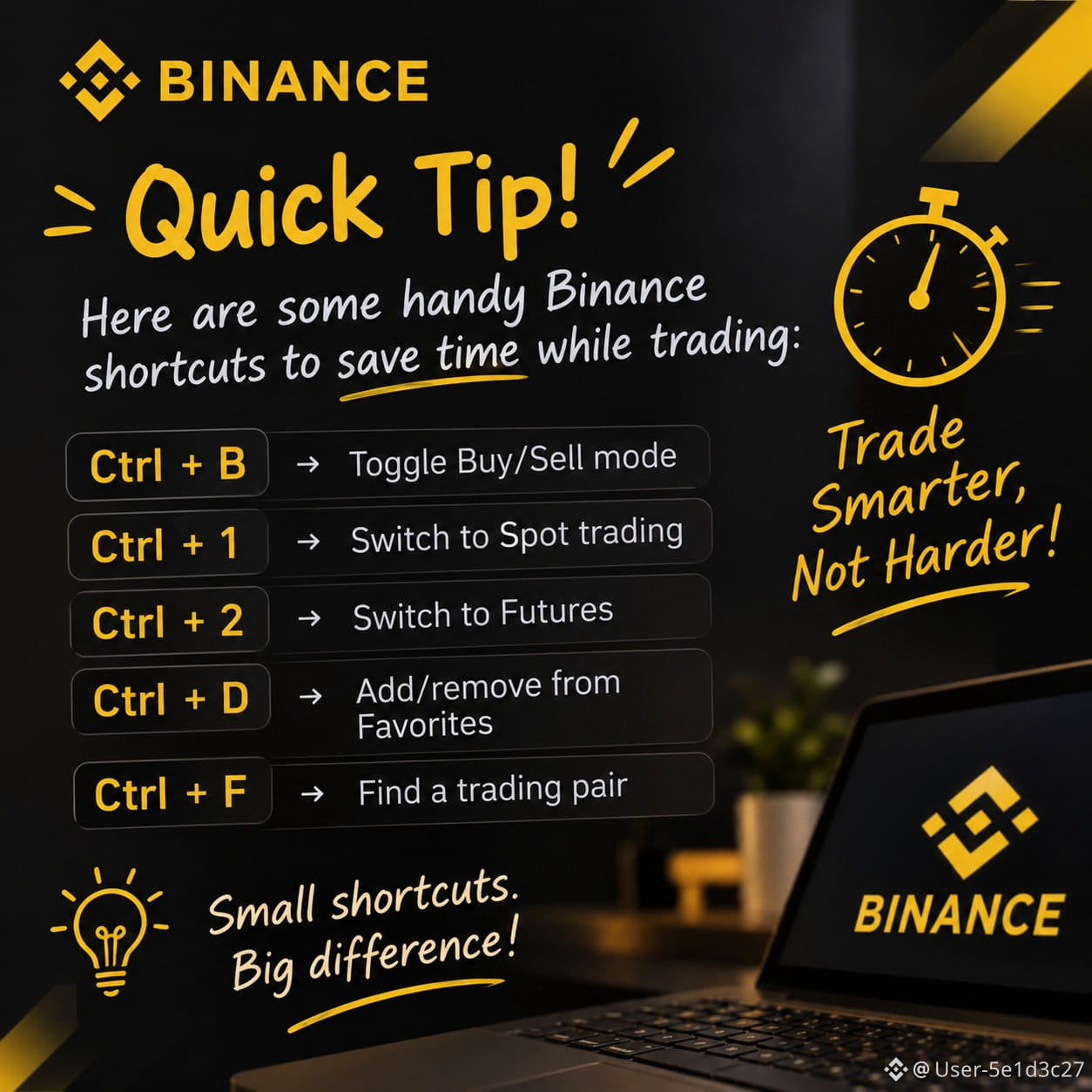
1
78

·
--
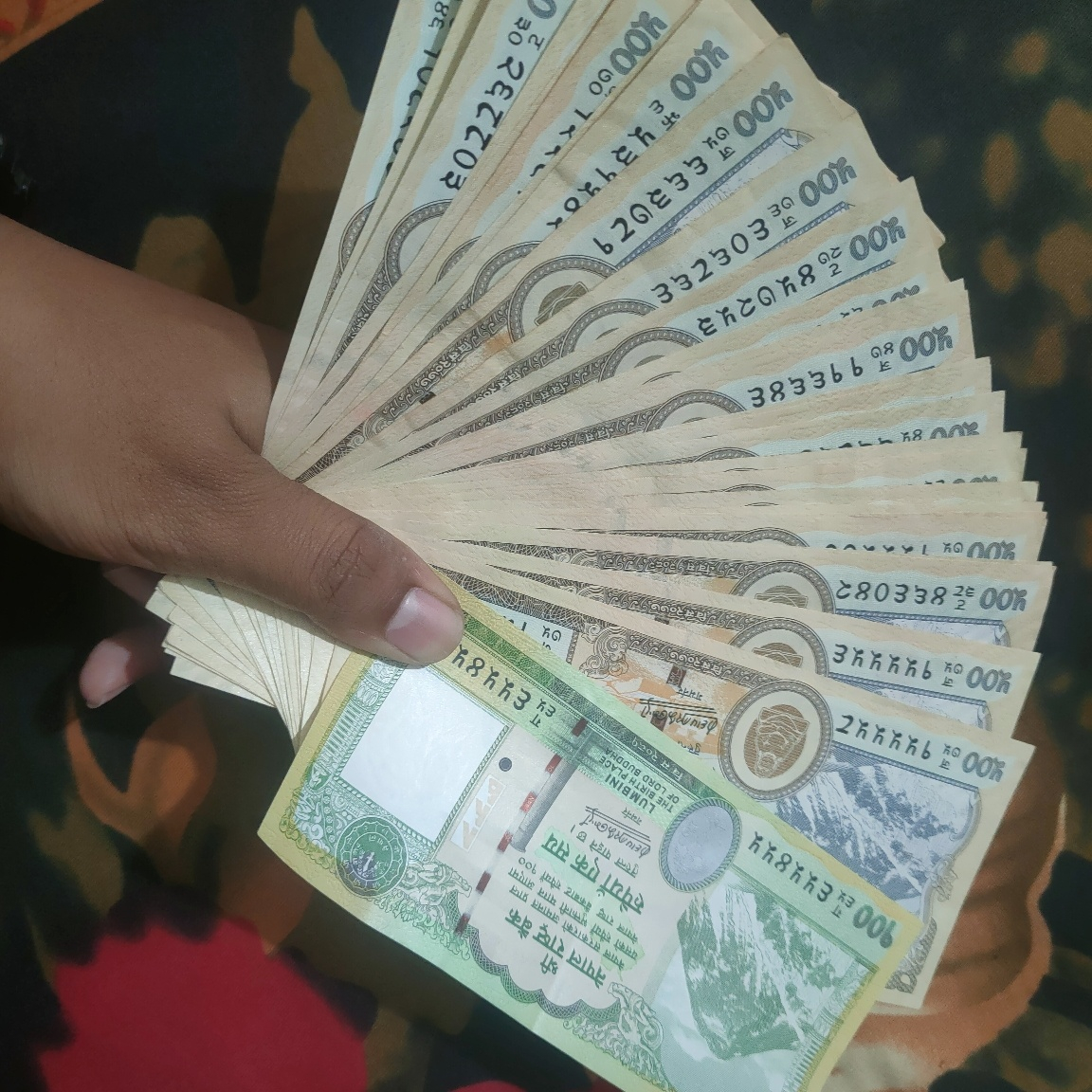
My expression when I see people making thousands of dollars from futures, and there’s no tip notification 😇 #Tipsupport #EarningsSeason #SolanaSetToActivateAlpenglowToday $BTC $ETH #TipsNeeded #cyrpto $META
My expression when I see people making thousands of dollars from futures, and there’s no tip notification 😇 #Tipsupport #EarningsSeason #SolanaSetToActivateAlpenglowToday $BTC $ETH #TipsNeeded #cyrpto $META

67

·
--
Does anyone know and could you explain how spot trading works to make money? I understand it involves buying and selling, but that's about it. If you have any tips or other ways to generate profits, I'd really appreciate it #darpararecibir #TipsNeeded #cryptouniverseofficial $ETH $BTC
Does anyone know and could you explain how spot trading works to make money? I understand it involves buying and selling, but that's about it. If you have any tips or other ways to generate profits, I'd really appreciate it #darpararecibir #TipsNeeded #cryptouniverseofficial $ETH $BTC
85

·
--
🚨 Israeli Media Claim: Russia May Have Supplied Advanced Air Defense to Iran 🇷🇺⚠️
$D $JCT $PUFFER
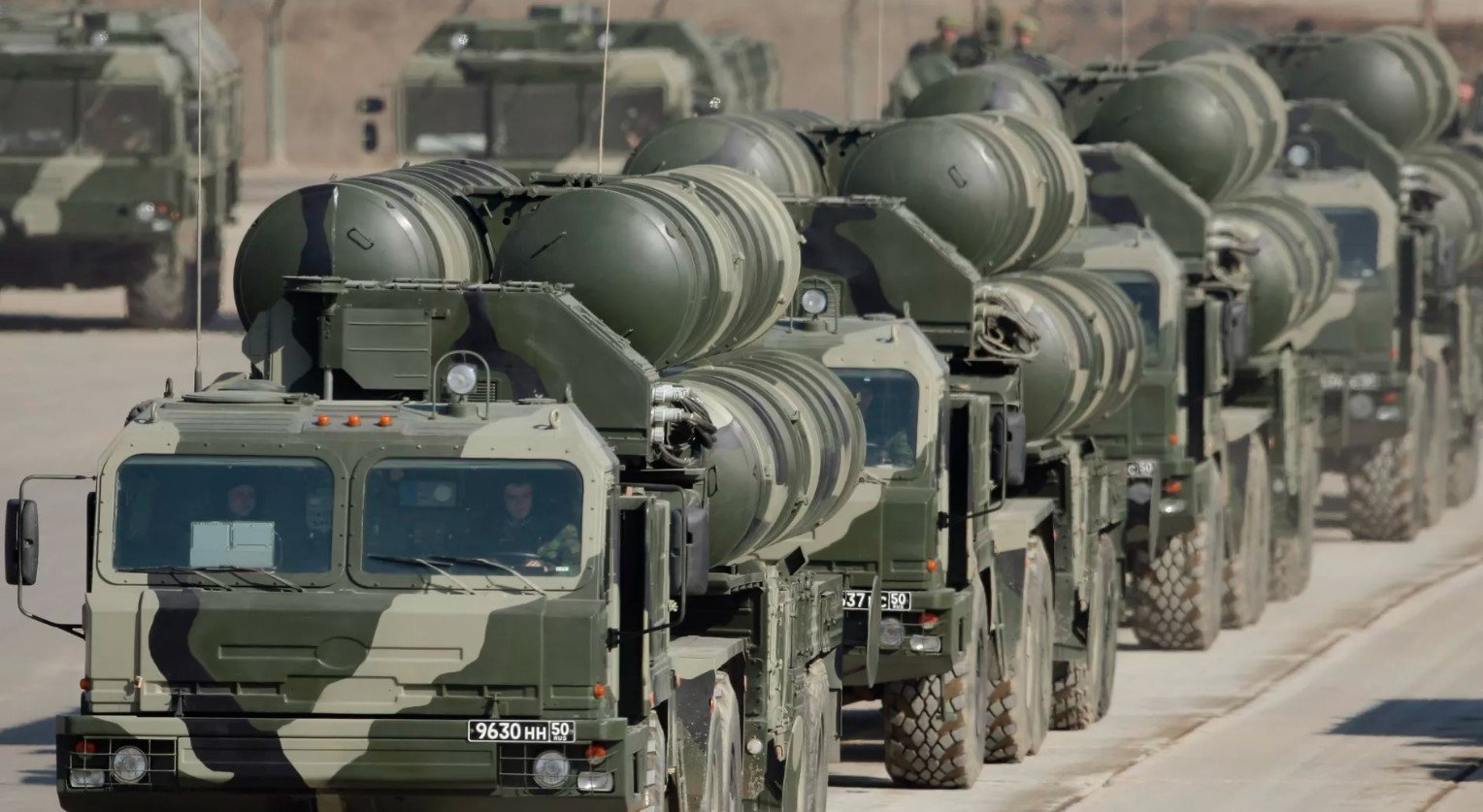
Israeli media reports suggest that Russia may have supplied S-500 air defense system to Iran. However, there is currently no confirmed evidence from major international sources that the S-500 system has actually been delivered. Existing reports indicate military cooperation between Russia and Iran, including missile deals and support, but not this specific system.
Reality check (straight talk):
The S-500 is one of Russia’s most advanced defense systems.
If it were truly deployed in Iran, it would be huge global news everywhere, not just a dramatic line from one media outlet.
Right now, this looks more like alarm language or speculation, not verified fact.
#TipsNeeded
Source: Israeli media reports | Reuters | Al Jazeera | Defense analysis
1
1
215

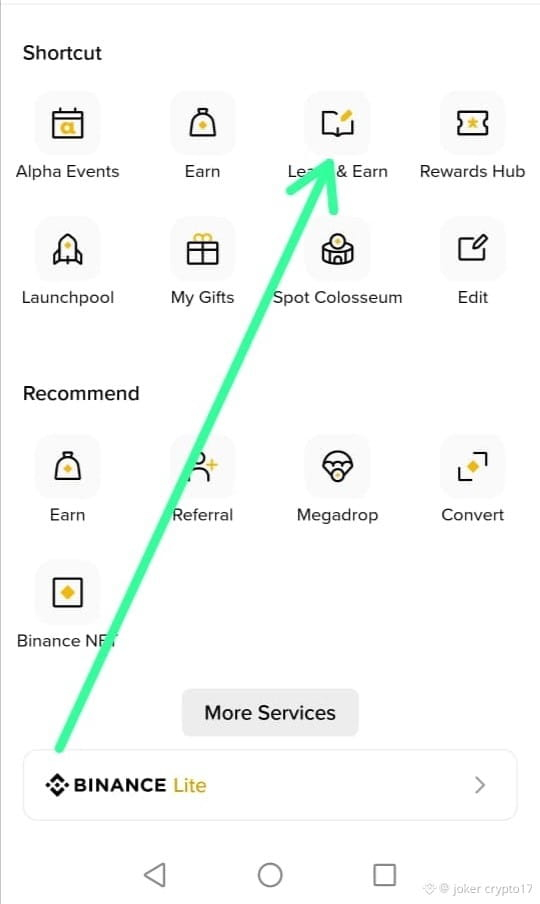
How to access in earn and learn
#
Step 1:
Open the Binance app, go to your dashboard, and tap “Learn & Earn.”
*Step 2:
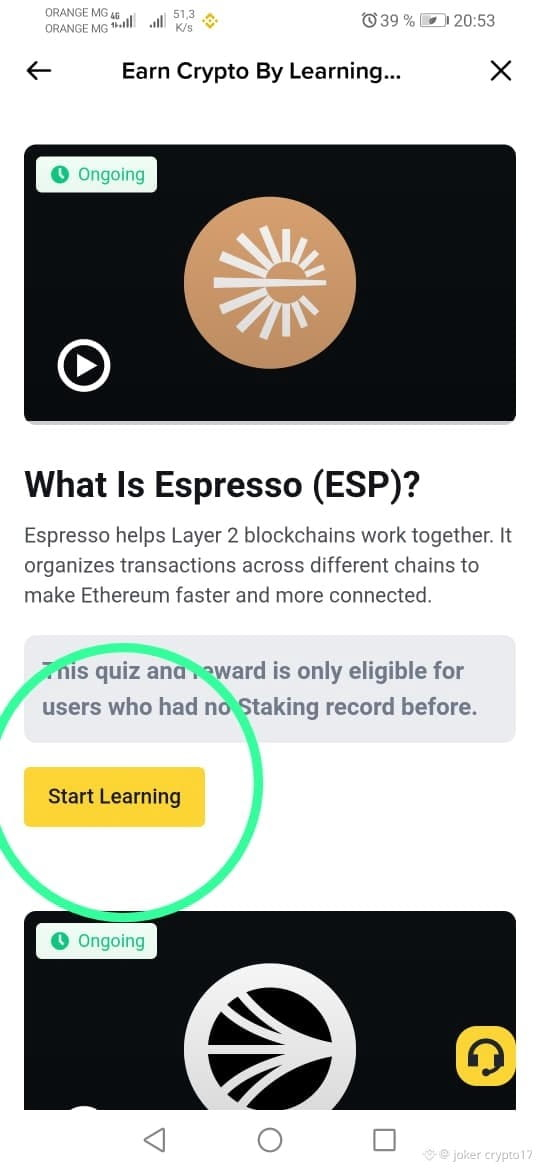
On the Binance Academypage, tap “Activity Rules” to read the rules or scroll down to find available quizzes.
Step 3:
Select a quiz like “What Is Espresso(ESP) ?” and tap “Start Learning.”
Watch the video or read the content, then complete the quiz to earn free crypto.
✅ Done
#LearntoEarn #Crypto $BTC #TipsNeeded #everyoneonbinance #givemefreecrypto

171


·
--
#TipButtonAvailable #TipsNeeded #TipCreator $🚀 Small wins matter in crypto!
Today I’m focused on one thing: consistency, not hype. 📈
No chasing pumps.
No emotional trades.
Just learning, managing risk, and improving every day. 💪
If you’re also building your crypto journey from zero, drop a ❤️
💰 Even a small tip helps support my journey — thank you! 🙏
Today I’m focused on one thing: consistency, not hype. 📈
No chasing pumps.
No emotional trades.
Just learning, managing risk, and improving every day. 💪
If you’re also building your crypto journey from zero, drop a ❤️
💰 Even a small tip helps support my journey — thank you! 🙏
40

Log in to explore more content
Join global crypto users on Binance Square
⚡️ Get latest and useful information about crypto.
💬 Trusted by the world’s largest crypto exchange.
👍 Discover real insights from verified creators.
Email / Phone number
Trending Topics
1
#A Packed Week of Earnings and Data Tests Markets
68,063 views
430 Discussing
2
#AnthropicIPOTestsInvestorAppetiteForAI
133,741 views
1,481 Discussing
3
#NvidiaBoardNotConsideringHuang’sReturnasCEO
1,929 views
63 Discussing
4
#WhatInvestmentSignalsDo13FFilingsReveal?
908 views
43 Discussing
5
#SevenUSBanksDisclose$29.4MInXRPETFHoldings
22 views
6 Discussing
6
#InvescoStablecoinReservesFundLaunchesOnEthereum
82 views
8 Discussing
7
#CypherpunkReports$306MQ3NetProfit
408 views
8 Discussing
8
#OPTIMJACKAttackInfectsAtLeast186Websites
1,378 views
45 Discussing
9
#StrategySells2.09MMSTRSharesFor$244.7M
823 views
13 Discussing
10
#StablecoinMarketShrinksAtFastestPaceSinceTerraLuna
1,454 views
34 Discussing