

#musk
musk
2.8M views
1,564 Discussing
Hot
Latest


·
--
Respect from the Ukrainian 🇺🇦🇺🇦🇺🇦 people for such words! The main thing is that there be actions, not just words.
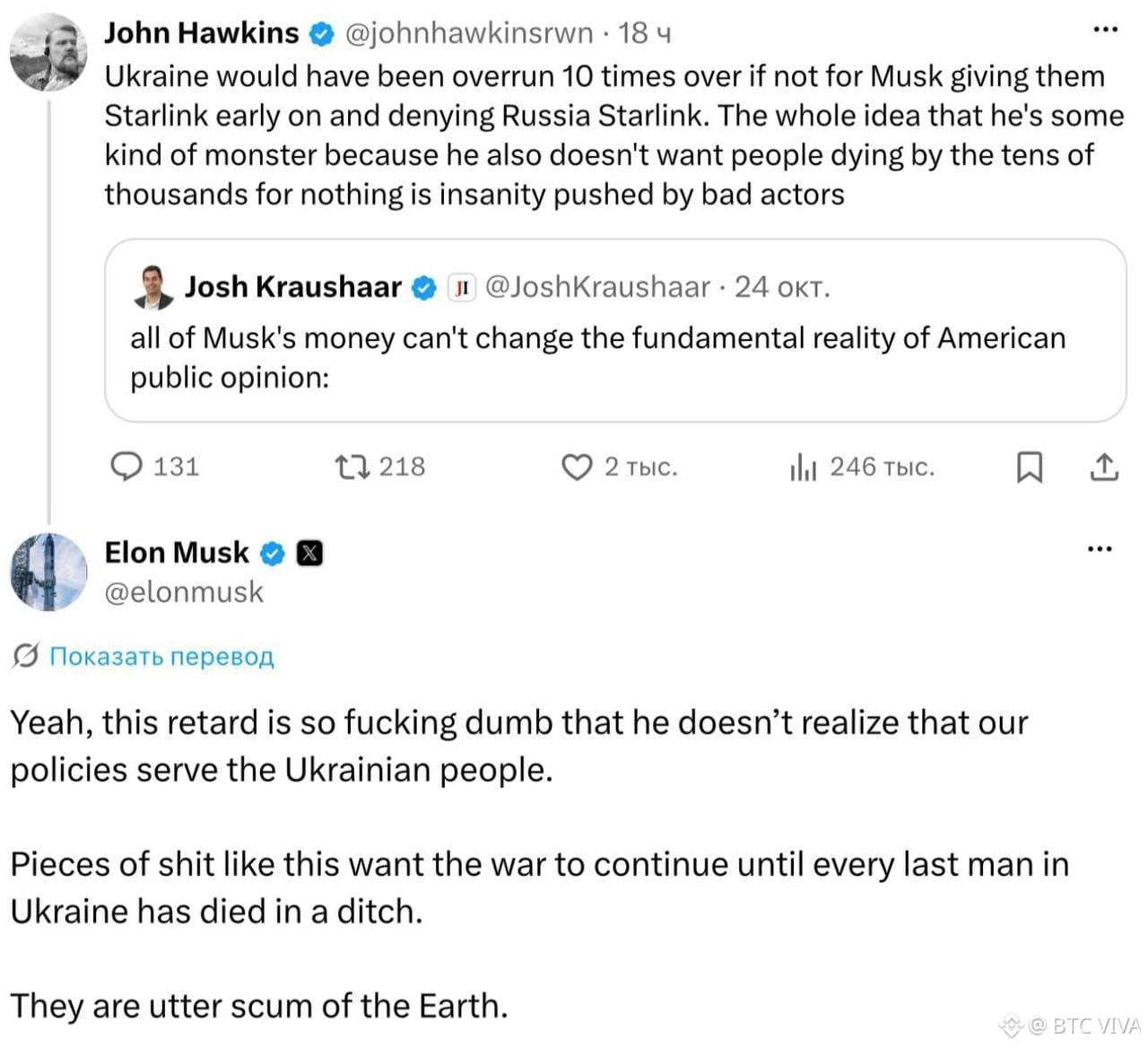
Elon Musk labeled those who want the war in Ukraine to continue—at the cost of the lives of Ukrainian men—as "pieces of filth" and "human scum."
He made this remark in response to a post noting that 50% of MAGA supporters sympathize with Ukraine, while only 5% sympathize with Russia.
"Yeah, this moron is so damn stupid that he doesn't even realize our policy serves the interests of the Ukrainian people. Pieces of filth like him want the war to go on until every last man in Ukraine dies in some ditch. They are absolute human scum," Musk wrote.
#Musk #ukraine
$SPCXB
{spot}(SPCXBUSDT)
Respect from the Ukrainian 🇺🇦🇺🇦🇺🇦 people for such words! The main thing is that there be actions, not just words.
Elon Musk labeled those who want the war in Ukraine to continue—at the cost of the lives of Ukrainian men—as "pieces of filth" and "human scum."
He made this remark in response to a post noting that 50% of MAGA supporters sympathize with Ukraine, while only 5% sympathize with Russia.
"Yeah, this moron is so damn stupid that he doesn't even realize our policy serves the interests of the Ukrainian people. Pieces of filth like him want the war to go on until every last man in Ukraine dies in some ditch. They are absolute human scum," Musk wrote.
#Musk #ukraine
$SPCXB
Elon Musk labeled those who want the war in Ukraine to continue—at the cost of the lives of Ukrainian men—as "pieces of filth" and "human scum."
He made this remark in response to a post noting that 50% of MAGA supporters sympathize with Ukraine, while only 5% sympathize with Russia.
"Yeah, this moron is so damn stupid that he doesn't even realize our policy serves the interests of the Ukrainian people. Pieces of filth like him want the war to go on until every last man in Ukraine dies in some ditch. They are absolute human scum," Musk wrote.
#Musk #ukraine
$SPCXB
Gonzo_the_Greatest:
Илон Муск - шлюпка Питуна, как и Трумп)))
11
33
16k
·
--
Bearish
🤖 Musk: In the future, money will lose its meaning, and working will become optional
Elon Musk has suggested that AI and robots could provide humans with virtually any goods or services. In such a future, conventional money would lose its significance, with value instead being measured in terms of energy, power, and mass.
He estimates that robotization and space exploration could potentially create an economy roughly a million times larger than the current one on Earth.
At the same time, he acknowledged that if AI becomes far more intelligent than humans, maintaining control over it will be extremely difficult.
#Musk #AI #ROBOT
🤖 Musk: In the future, money will lose its meaning, and working will become optional
Elon Musk has suggested that AI and robots could provide humans with virtually any goods or services. In such a future, conventional money would lose its significance, with value instead being measured in terms of energy, power, and mass.
He estimates that robotization and space exploration could potentially create an economy roughly a million times larger than the current one on Earth.
At the same time, he acknowledged that if AI becomes far more intelligent than humans, maintaining control over it will be extremely difficult.
#Musk #AI #ROBOT
Elon Musk has suggested that AI and robots could provide humans with virtually any goods or services. In such a future, conventional money would lose its significance, with value instead being measured in terms of energy, power, and mass.
He estimates that robotization and space exploration could potentially create an economy roughly a million times larger than the current one on Earth.
At the same time, he acknowledged that if AI becomes far more intelligent than humans, maintaining control over it will be extremely difficult.
#Musk #AI #ROBOT
3
238

Verified
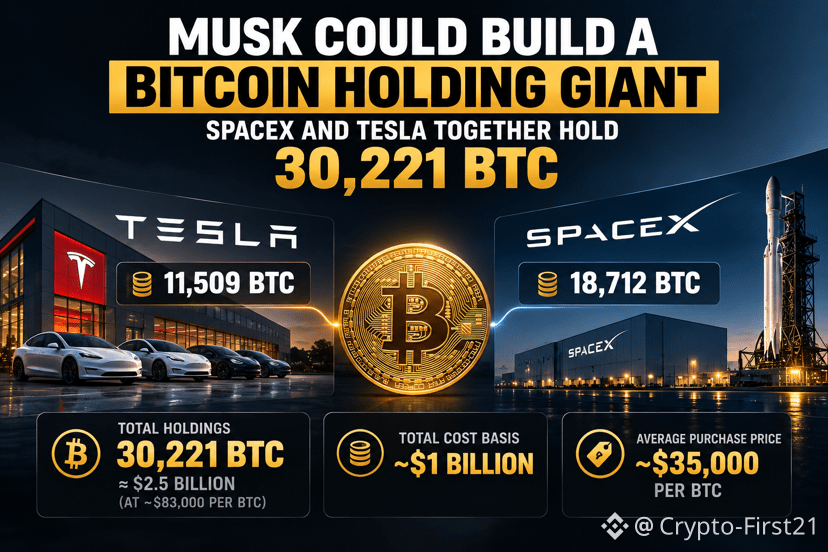
WHAT IF TESLA AND SPACEX BECAME ONE $2.5 BILLION BITCOIN GIANT? 🔥
Elon Musk’s companies reportedly hold a combined 30,221 BTC and a potential merger could bring both treasuries under one corporate roof.
• Tesla: 11,509 BTC
• SpaceX: 18,712 BTC
• Total: 30,221 BTC
• Estimated value: $2.5 billion at $83K per BTC
Their combined estimated cost basis is around $1 billion, implying an average purchase price near $35,000 per BTC.
Both companies have reportedly formed independent committees to evaluate a possible merger. No deal has been confirmed.
Hmm…. I think that The real story isn’t just the Bitcoin they hold. It’s what combining two major corporate treasuries could mean for Musk’s long term strategy.
$IOST #musk #cryptofirst21
WHAT IF TESLA AND SPACEX BECAME ONE $2.5 BILLION BITCOIN GIANT? 🔥
Elon Musk’s companies reportedly hold a combined 30,221 BTC and a potential merger could bring both treasuries under one corporate roof.
• Tesla: 11,509 BTC
• SpaceX: 18,712 BTC
• Total: 30,221 BTC
• Estimated value: $2.5 billion at $83K per BTC
Their combined estimated cost basis is around $1 billion, implying an average purchase price near $35,000 per BTC.
Both companies have reportedly formed independent committees to evaluate a possible merger. No deal has been confirmed.
Hmm…. I think that The real story isn’t just the Bitcoin they hold. It’s what combining two major corporate treasuries could mean for Musk’s long term strategy.
$IOST #musk #cryptofirst21
Elon Musk’s companies reportedly hold a combined 30,221 BTC and a potential merger could bring both treasuries under one corporate roof.
• Tesla: 11,509 BTC
• SpaceX: 18,712 BTC
• Total: 30,221 BTC
• Estimated value: $2.5 billion at $83K per BTC
Their combined estimated cost basis is around $1 billion, implying an average purchase price near $35,000 per BTC.
Both companies have reportedly formed independent committees to evaluate a possible merger. No deal has been confirmed.
Hmm…. I think that The real story isn’t just the Bitcoin they hold. It’s what combining two major corporate treasuries could mean for Musk’s long term strategy.
$IOST #musk #cryptofirst21
1
7
1.3k
·
--
🤣🤣🤣🤣🤣🤣🤣
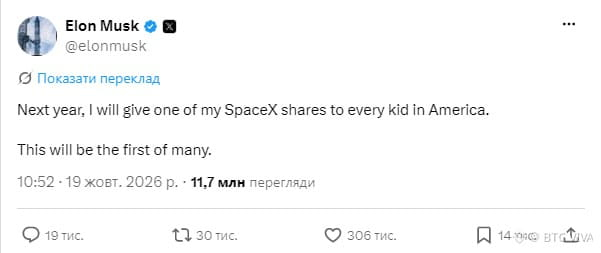
Elon Musk promises to gift one share of SpaceX to every child in the United States next year
➡️ There are 72 million children under the age of 18 living in the U.S. Given the current price of a SpaceX share ($146.03), fulfilling this promise would cost the businessman $10.5 billion. Currently, he holds approximately 6.4 billion SpaceX shares (including options), representing a 48.4% stake in the American company.
#SpaceX #Musk
$SPCXB
{spot}(SPCXBUSDT)
🤣🤣🤣🤣🤣🤣🤣
Elon Musk promises to gift one share of SpaceX to every child in the United States next year
➡️ There are 72 million children under the age of 18 living in the U.S. Given the current price of a SpaceX share ($146.03), fulfilling this promise would cost the businessman $10.5 billion. Currently, he holds approximately 6.4 billion SpaceX shares (including options), representing a 48.4% stake in the American company.
#SpaceX #Musk
$SPCXB
Elon Musk promises to gift one share of SpaceX to every child in the United States next year
➡️ There are 72 million children under the age of 18 living in the U.S. Given the current price of a SpaceX share ($146.03), fulfilling this promise would cost the businessman $10.5 billion. Currently, he holds approximately 6.4 billion SpaceX shares (including options), representing a 48.4% stake in the American company.
#SpaceX #Musk
$SPCXB
Abu Fahadأ:
💛
1
16
5.3k

💥 💥 💥 🚀
CEO #SpaceX Elon Musk has expressed his intention to give one share of his company to every child in the United States in 2027. He wrote about this on the X platform on Monday, October 19.
💬 "Next year, I will give one of my SpaceX shares to every child in America," Musk said.
The company head did not specify exactly how he plans to do this.
According to Newsweek, Musk owns approximately 6.4 billion SpaceX shares—slightly less than half of all the company's shares.
#Musk $SPCXB
💥 💥 💥 🚀
CEO #SpaceX Elon Musk has expressed his intention to give one share of his company to every child in the United States in 2027. He wrote about this on the X platform on Monday, October 19.
💬 "Next year, I will give one of my SpaceX shares to every child in America," Musk said.
The company head did not specify exactly how he plans to do this.
According to Newsweek, Musk owns approximately 6.4 billion SpaceX shares—slightly less than half of all the company's shares.
#Musk $SPCXB
CEO #SpaceX Elon Musk has expressed his intention to give one share of his company to every child in the United States in 2027. He wrote about this on the X platform on Monday, October 19.
💬 "Next year, I will give one of my SpaceX shares to every child in America," Musk said.
The company head did not specify exactly how he plans to do this.
According to Newsweek, Musk owns approximately 6.4 billion SpaceX shares—slightly less than half of all the company's shares.
#Musk $SPCXB
CcCcCcCcCcCcCcCcCc:
vaya los antisocialistas con sus ideas socialistas. igual a Trump y sus desesperados 5 mil dólares
2
2
6
1.1k

·
--
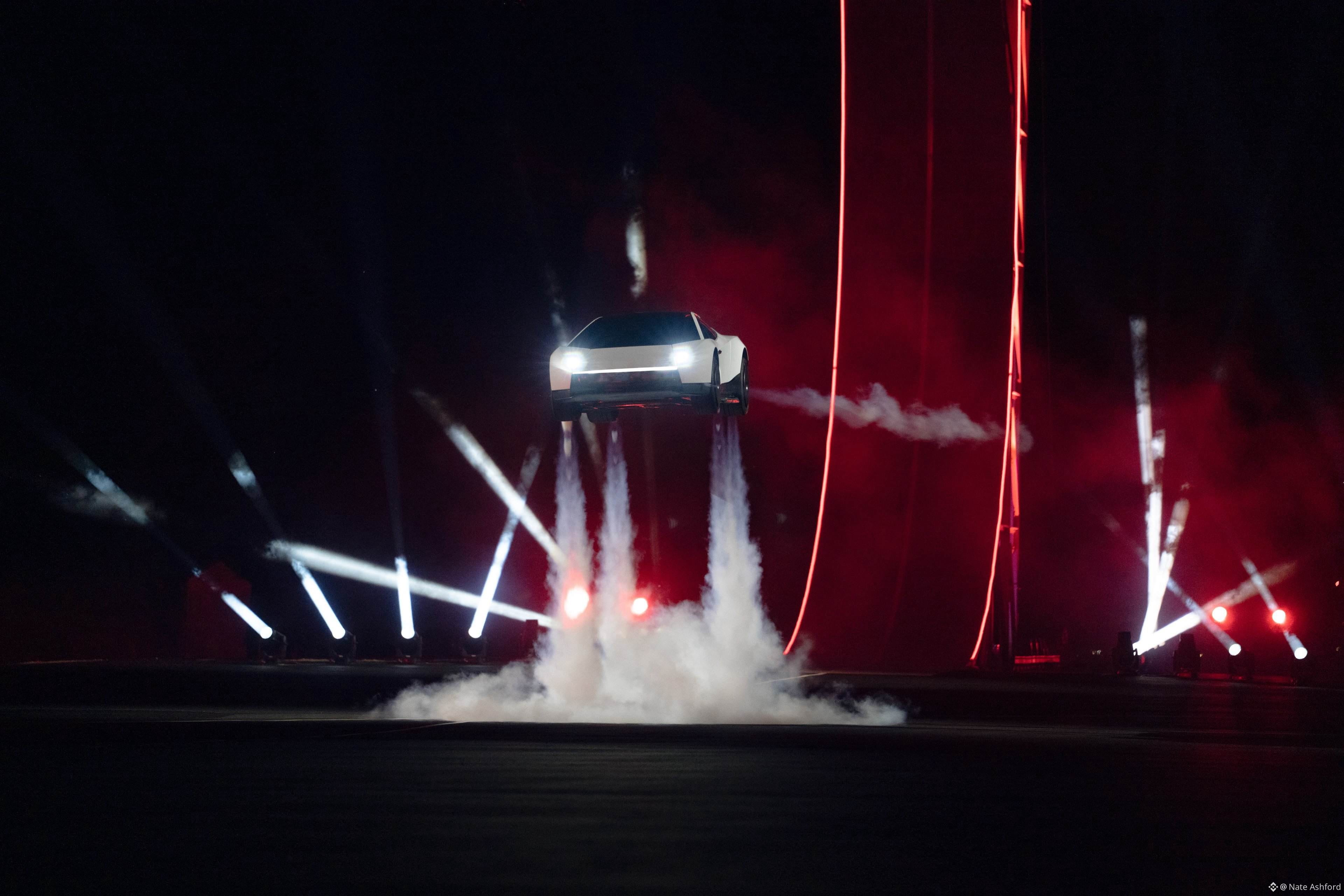
#Musk $TSLAB The Roadster took flight. So why didn’t Tesla stock?
Because this isn’t ten years ago. Investors now want answers: When will it enter mass production? How many can Tesla sell? And how much profit will it make?
More importantly, the core technology behind the Roadster’s cold-gas thrusters and high-pressure gas storage system comes from SpaceX. Without it, this Tesla wouldn’t be getting off the ground—literally.
The next question for investors: Will Tesla and SpaceX actually merge?
#Musk $TSLAB The Roadster took flight. So why didn’t Tesla stock?
Because this isn’t ten years ago. Investors now want answers: When will it enter mass production? How many can Tesla sell? And how much profit will it make?
More importantly, the core technology behind the Roadster’s cold-gas thrusters and high-pressure gas storage system comes from SpaceX. Without it, this Tesla wouldn’t be getting off the ground—literally.
The next question for investors: Will Tesla and SpaceX actually merge?
Because this isn’t ten years ago. Investors now want answers: When will it enter mass production? How many can Tesla sell? And how much profit will it make?
More importantly, the core technology behind the Roadster’s cold-gas thrusters and high-pressure gas storage system comes from SpaceX. Without it, this Tesla wouldn’t be getting off the ground—literally.
The next question for investors: Will Tesla and SpaceX actually merge?
1
245

·
--
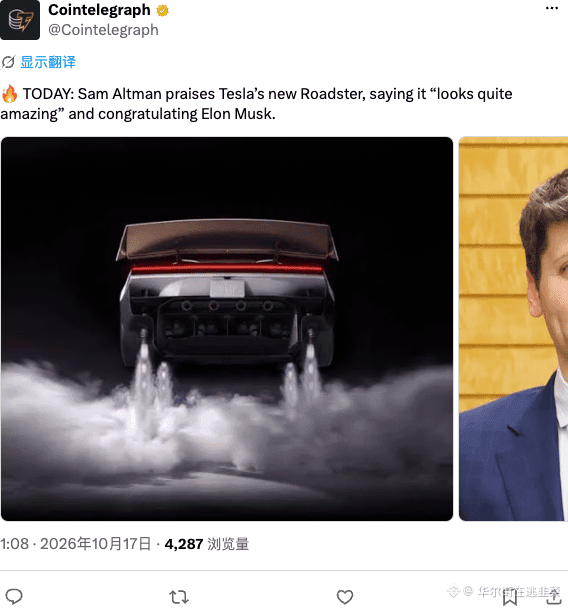
Altman praised Musk’s new Roadster, saying “looks quite amazing,” and even offered his congratulations 🤝
Two years ago, they were tearing into each other in court. Now they’re publicly singing each other’s praises. The crypto crowd saw it and immediately recognized the playbook—just like a project team and an exchange falling out, then making up again.
Enjoy the drama if you like, but there are always interests behind powerful people shaking hands. Don’t rush to pick a side.
$BTC #AI #Musk
Altman praised Musk’s new Roadster, saying “looks quite amazing,” and even offered his congratulations 🤝
Two years ago, they were tearing into each other in court. Now they’re publicly singing each other’s praises. The crypto crowd saw it and immediately recognized the playbook—just like a project team and an exchange falling out, then making up again.
Enjoy the drama if you like, but there are always interests behind powerful people shaking hands. Don’t rush to pick a side.
$BTC #AI #Musk
Two years ago, they were tearing into each other in court. Now they’re publicly singing each other’s praises. The crypto crowd saw it and immediately recognized the playbook—just like a project team and an exchange falling out, then making up again.
Enjoy the drama if you like, but there are always interests behind powerful people shaking hands. Don’t rush to pick a side.
$BTC #AI #Musk
415
·
--
Bullish
Partly True
🤯🤯🤯🤯🤯🤯🤯
🤣🤣🤣🤣🤣🤣🤣
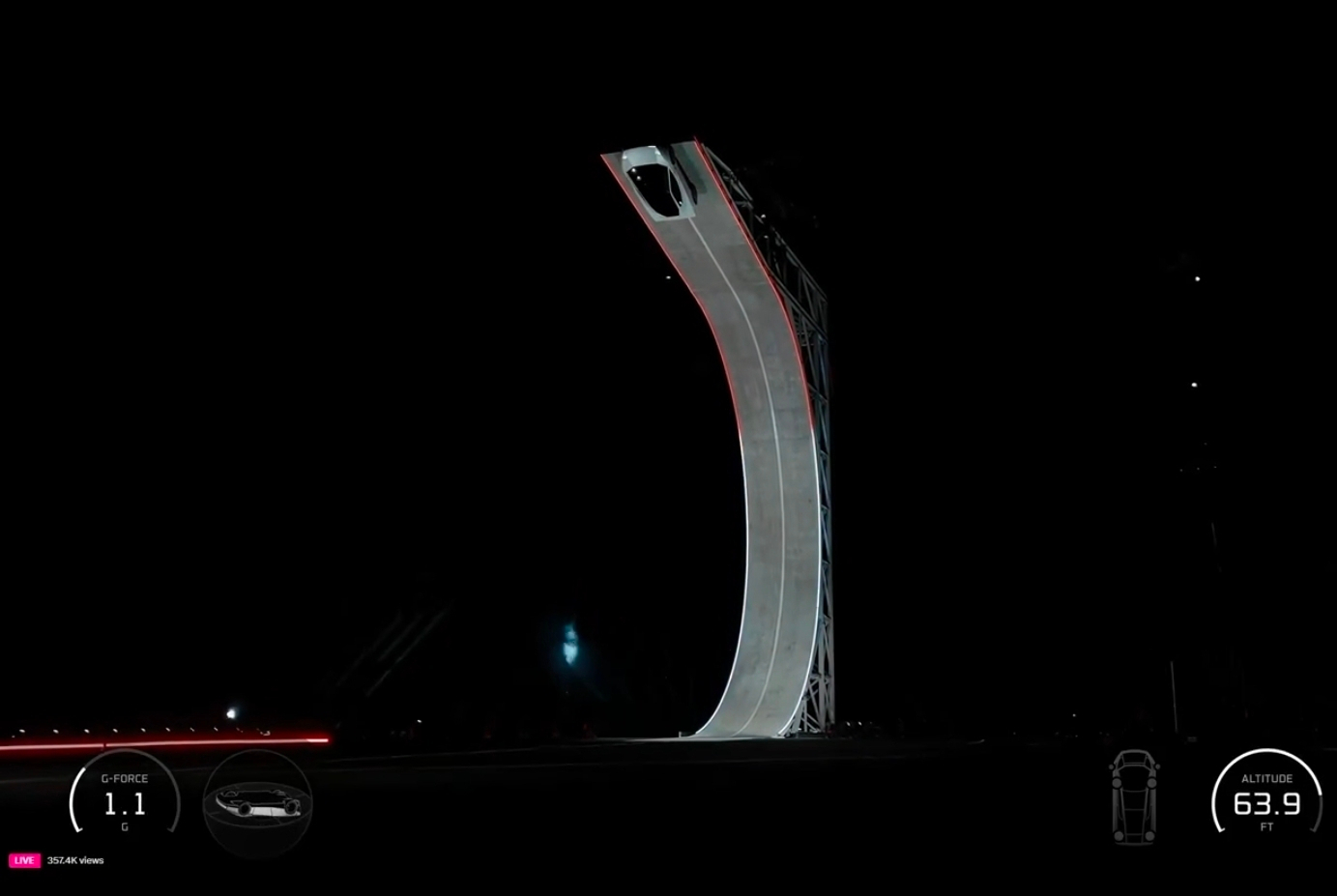
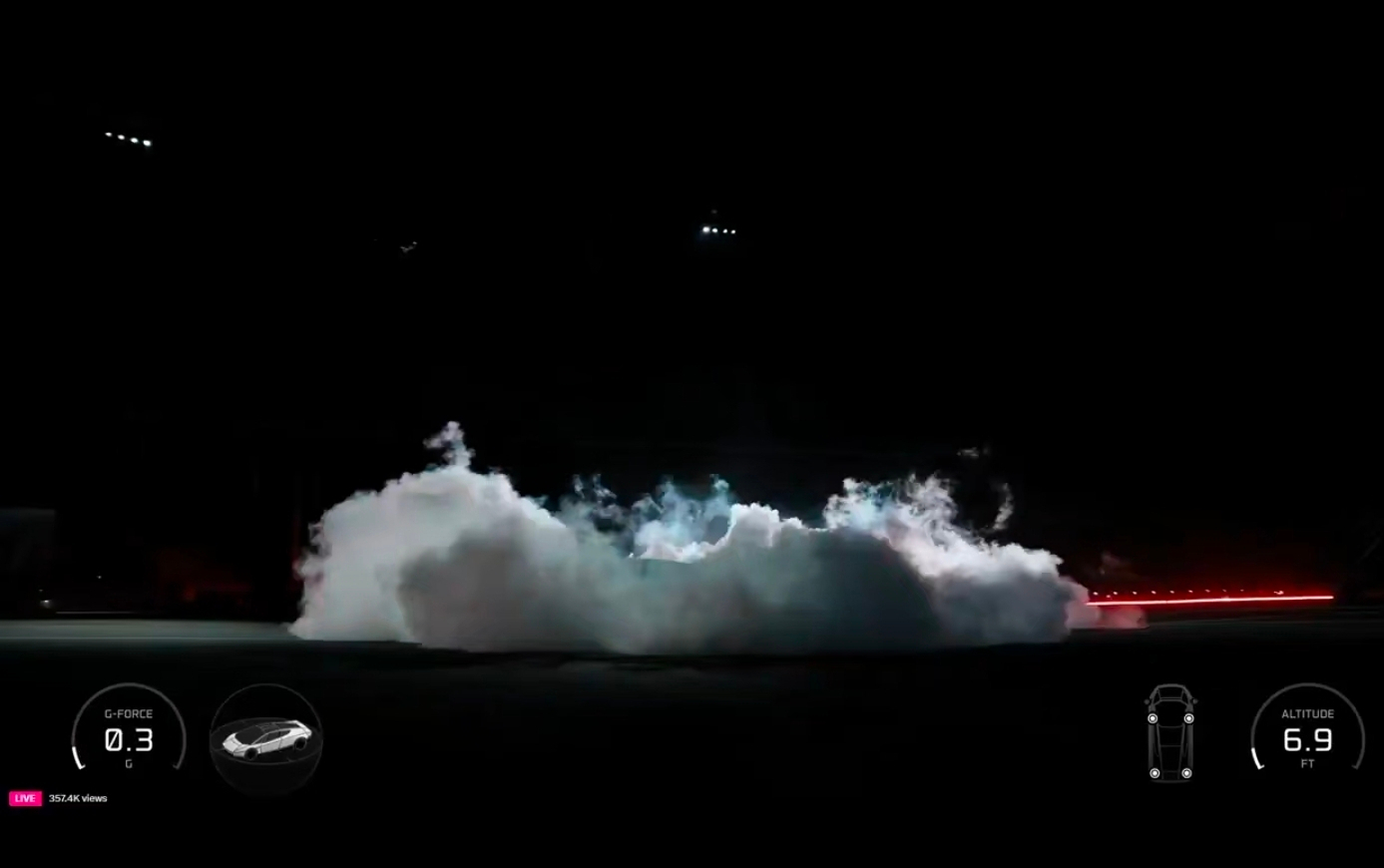
Is Tesla bringing *Back to the Future* to life?
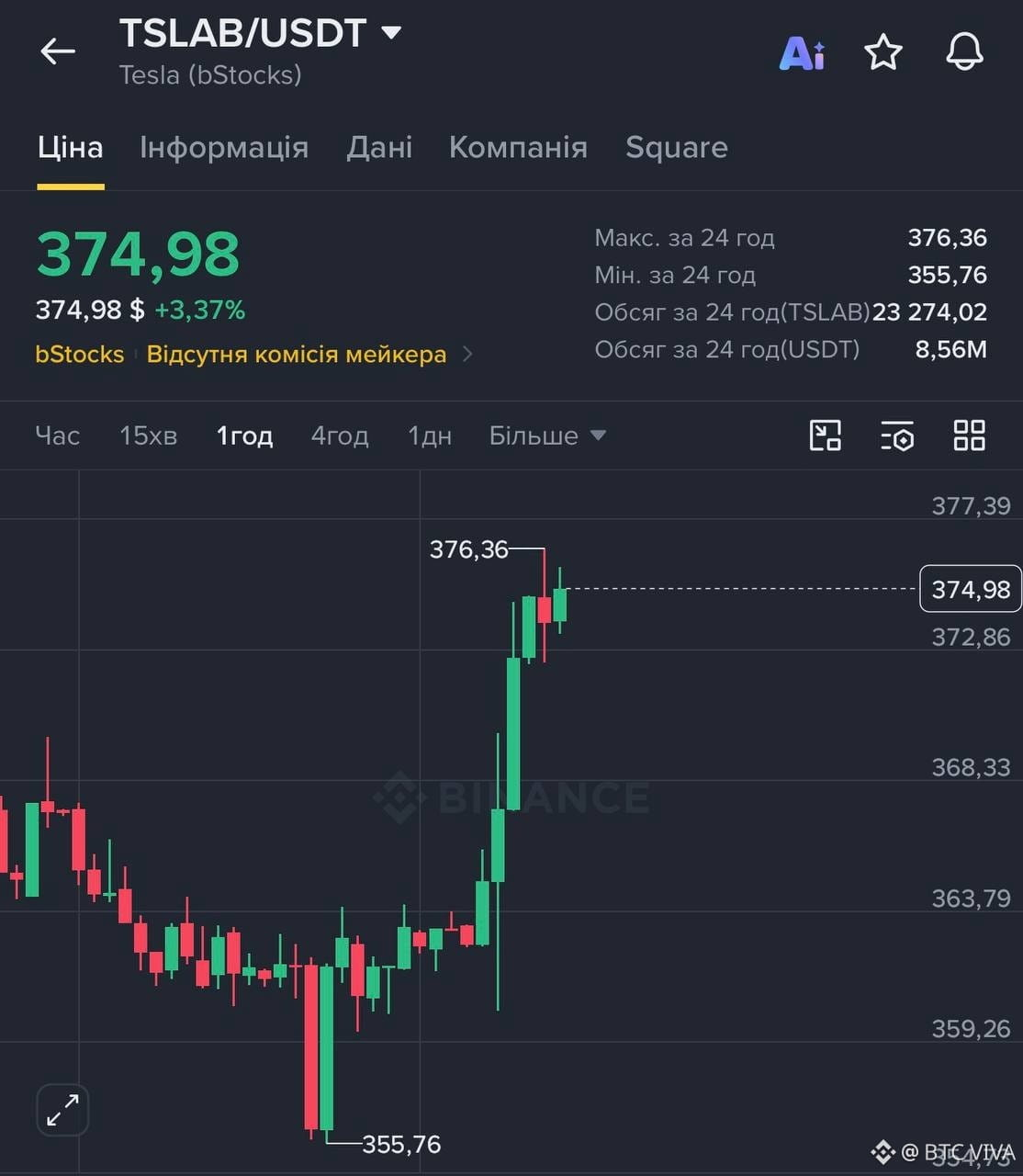
Following the company's presentation, TSLA shares responded positively.
Musk unveiled a Roadster that practically flies, thanks to rocket thrusters developed by SpaceX, and boasts an acceleration from 0 to 100 km/h in 0.81 seconds.#SpaceX
#TeslaRevolution #Musk
$TSLAB
{spot}(TSLABUSDT)
$SPCXB
{spot}(SPCXBUSDT)
🤯🤯🤯🤯🤯🤯🤯
🤣🤣🤣🤣🤣🤣🤣
Is Tesla bringing *Back to the Future* to life?
Following the company's presentation, TSLA shares responded positively.
Musk unveiled a Roadster that practically flies, thanks to rocket thrusters developed by SpaceX, and boasts an acceleration from 0 to 100 km/h in 0.81 seconds.#SpaceX
#TeslaRevolution #Musk
$TSLAB
$SPCXB
🤣🤣🤣🤣🤣🤣🤣
Is Tesla bringing *Back to the Future* to life?
Following the company's presentation, TSLA shares responded positively.
Musk unveiled a Roadster that practically flies, thanks to rocket thrusters developed by SpaceX, and boasts an acceleration from 0 to 100 km/h in 0.81 seconds.#SpaceX
#TeslaRevolution #Musk
$TSLAB
$SPCXB
2
10
470
·
--
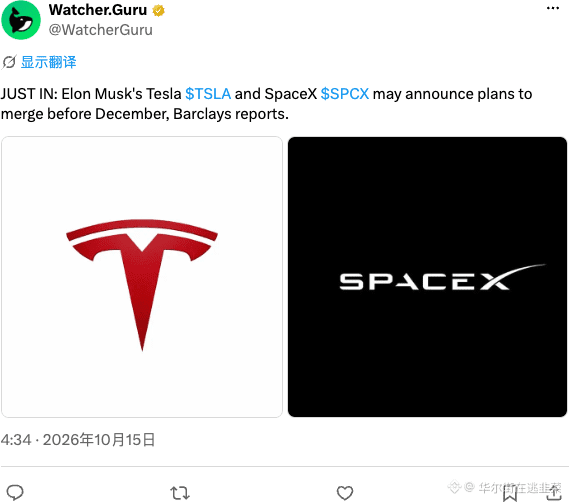
Is Musk going to merge Tesla and SpaceX? Barclays tossed out this juicy rumor, and the market immediately started imagining a trillion-dollar aerospace-and-EV behemoth. Don’t get carried away—rumors like this are usually used to pump the stock before being debunked. If a merger really happened, regulatory approval and shareholder approval alone could drag the fight into next year. 🚨
$BTC $TSLA #SpaceX #Musk
Is Musk going to merge Tesla and SpaceX? Barclays tossed out this juicy rumor, and the market immediately started imagining a trillion-dollar aerospace-and-EV behemoth. Don’t get carried away—rumors like this are usually used to pump the stock before being debunked. If a merger really happened, regulatory approval and shareholder approval alone could drag the fight into next year. 🚨
$BTC $TSLA #SpaceX #Musk
$BTC $TSLA #SpaceX #Musk
382

·
--
Bearish
Verified
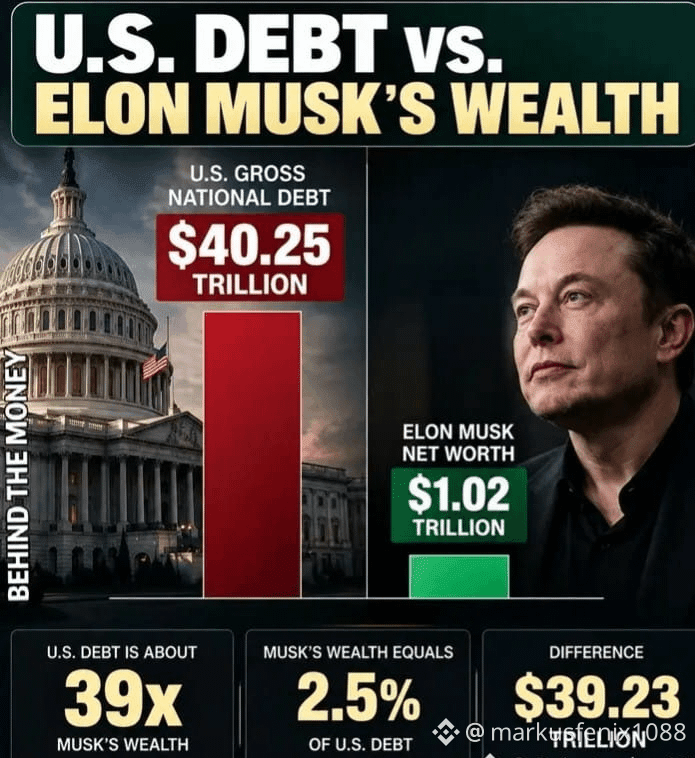
#Musk U.S. DEBT VS. ELON MUSK’S FORTUNE 🇺🇸 | OCTOBER 2026
How large is the U.S. national debt of $40.25 trillion compared with Elon Musk’s estimated fortune?
KEY FIGURES
- U.S. gross public debt: $40.25 trillion
- Elon Musk’s net worth: $1.02 trillion
- U.S. debt is approximately 39 times Musk’s fortune.
- Musk’s fortune is approximately 2.5% of U.S. debt.
- Difference: $39.23 trillion
The U.S. national debt represents the government’s obligations. Net worth is the estimated value of assets minus liabilities; it is not cash available to pay off public debt.
Sources: U.S. Congressional Joint Economic Committee (October 8, 2026); Bloomberg Billionaires Index (October 8, 2026)
$XRP
{future}(XRPUSDT)
#Musk U.S. DEBT VS. ELON MUSK’S FORTUNE 🇺🇸 | OCTOBER 2026
How large is the U.S. national debt of $40.25 trillion compared with Elon Musk’s estimated fortune?
KEY FIGURES
- U.S. gross public debt: $40.25 trillion
- Elon Musk’s net worth: $1.02 trillion
- U.S. debt is approximately 39 times Musk’s fortune.
- Musk’s fortune is approximately 2.5% of U.S. debt.
- Difference: $39.23 trillion
The U.S. national debt represents the government’s obligations. Net worth is the estimated value of assets minus liabilities; it is not cash available to pay off public debt.
Sources: U.S. Congressional Joint Economic Committee (October 8, 2026); Bloomberg Billionaires Index (October 8, 2026)
$XRP
How large is the U.S. national debt of $40.25 trillion compared with Elon Musk’s estimated fortune?
KEY FIGURES
- U.S. gross public debt: $40.25 trillion
- Elon Musk’s net worth: $1.02 trillion
- U.S. debt is approximately 39 times Musk’s fortune.
- Musk’s fortune is approximately 2.5% of U.S. debt.
- Difference: $39.23 trillion
The U.S. national debt represents the government’s obligations. Net worth is the estimated value of assets minus liabilities; it is not cash available to pay off public debt.
Sources: U.S. Congressional Joint Economic Committee (October 8, 2026); Bloomberg Billionaires Index (October 8, 2026)
$XRP
8
6.9k

SpaceX has agreed to acquire a nationwide low-band spectrum portfolio to advance Starlink Mobile, a move Elon Musk described as a “very big deal.”
The spectrum, in the 800 MHz band, is intended to help Starlink expand into terrestrial mobile services alongside its satellite network. Shares of AT&T, Verizon, and T-Mobile declined as investors weighed the potential competitive impact on traditional carriers.
The development marks another step in SpaceX’s push deeper into the U.S. telecom market.
$SPCXB $SPCX #SpaceX #Starlink #Telecom #Musk #CoinVahini
SpaceX has agreed to acquire a nationwide low-band spectrum portfolio to advance Starlink Mobile, a move Elon Musk described as a “very big deal.”
The spectrum, in the 800 MHz band, is intended to help Starlink expand into terrestrial mobile services alongside its satellite network. Shares of AT&T, Verizon, and T-Mobile declined as investors weighed the potential competitive impact on traditional carriers.
The development marks another step in SpaceX’s push deeper into the U.S. telecom market.
$SPCXB $SPCX #SpaceX #Starlink #Telecom #Musk #CoinVahini
The spectrum, in the 800 MHz band, is intended to help Starlink expand into terrestrial mobile services alongside its satellite network. Shares of AT&T, Verizon, and T-Mobile declined as investors weighed the potential competitive impact on traditional carriers.
The development marks another step in SpaceX’s push deeper into the U.S. telecom market.
$SPCXB $SPCX #SpaceX #Starlink #Telecom #Musk #CoinVahini
21

·
--
Musk’s Starlink will take over and act as an operator itself.
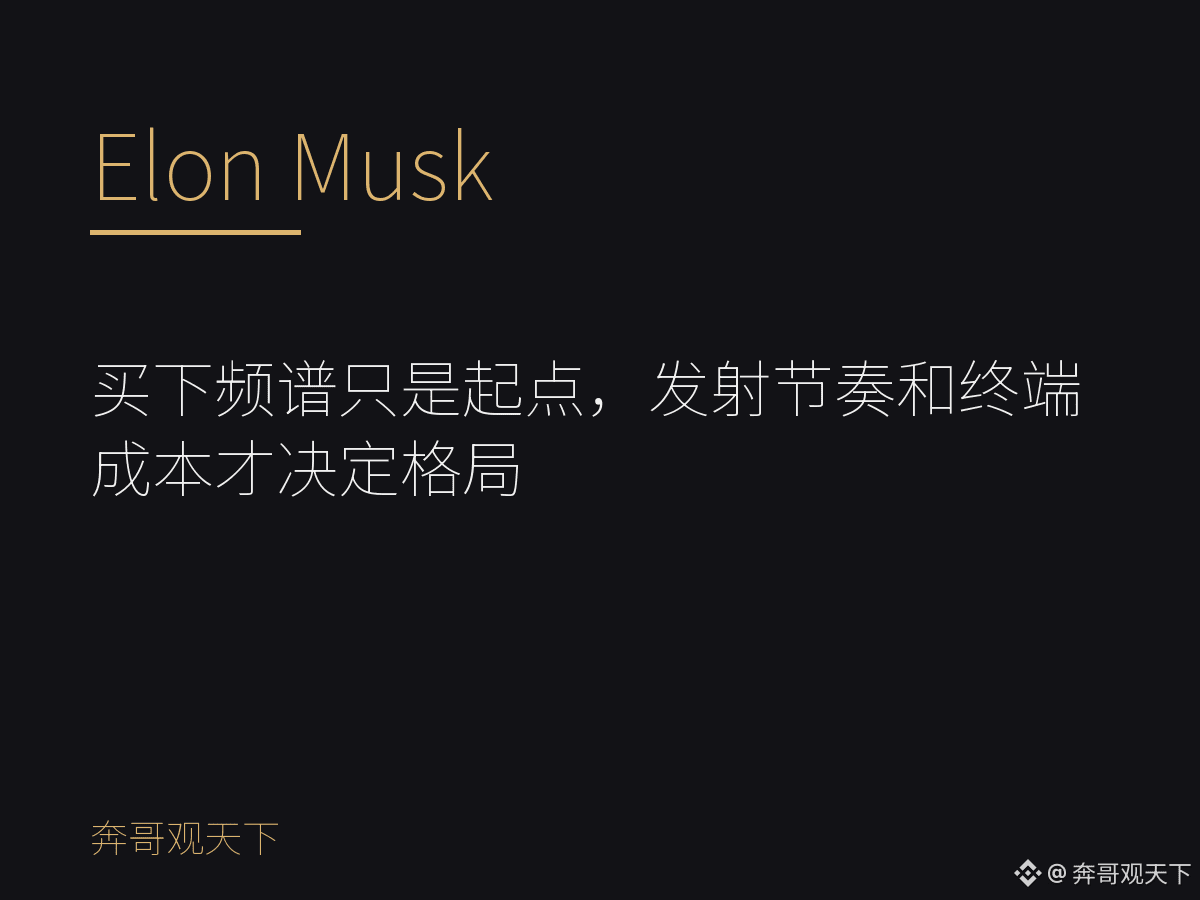
On October 8, SpaceX announced that it has agreed to acquire a set of 800MHz low-band spectrum license holdings covering the entire United States. The company’s stated rationale is that this deal would allow Starlink satellite services to directly transform into a major U.S. mobile operator. Musk’s wording is shorter: it’s the final piece needed to complete mobile signal coverage.
After the news broke, the three traditional U.S. carriers all dropped sharply after trading hours—Verizon fell 5.1%, while AT&T and T-Mobile each slid 5.8%.
Spectrum is a licensing resource—expensive, tightly regulated, and valuable. Once you buy it and make it operational, it’s like finding a starting point on a timeline. Going forward, there are two remaining variables that will determine the overall landscape: the satellite launch schedule and terminal costs. Neither of these has an announced answer yet.
#Starlink #Musk
Musk’s Starlink will take over and act as an operator itself.
On October 8, SpaceX announced that it has agreed to acquire a set of 800MHz low-band spectrum license holdings covering the entire United States. The company’s stated rationale is that this deal would allow Starlink satellite services to directly transform into a major U.S. mobile operator. Musk’s wording is shorter: it’s the final piece needed to complete mobile signal coverage.
After the news broke, the three traditional U.S. carriers all dropped sharply after trading hours—Verizon fell 5.1%, while AT&T and T-Mobile each slid 5.8%.
Spectrum is a licensing resource—expensive, tightly regulated, and valuable. Once you buy it and make it operational, it’s like finding a starting point on a timeline. Going forward, there are two remaining variables that will determine the overall landscape: the satellite launch schedule and terminal costs. Neither of these has an announced answer yet.
#Starlink #Musk
On October 8, SpaceX announced that it has agreed to acquire a set of 800MHz low-band spectrum license holdings covering the entire United States. The company’s stated rationale is that this deal would allow Starlink satellite services to directly transform into a major U.S. mobile operator. Musk’s wording is shorter: it’s the final piece needed to complete mobile signal coverage.
After the news broke, the three traditional U.S. carriers all dropped sharply after trading hours—Verizon fell 5.1%, while AT&T and T-Mobile each slid 5.8%.
Spectrum is a licensing resource—expensive, tightly regulated, and valuable. Once you buy it and make it operational, it’s like finding a starting point on a timeline. Going forward, there are two remaining variables that will determine the overall landscape: the satellite launch schedule and terminal costs. Neither of these has an announced answer yet.
#Starlink #Musk
45
·
--
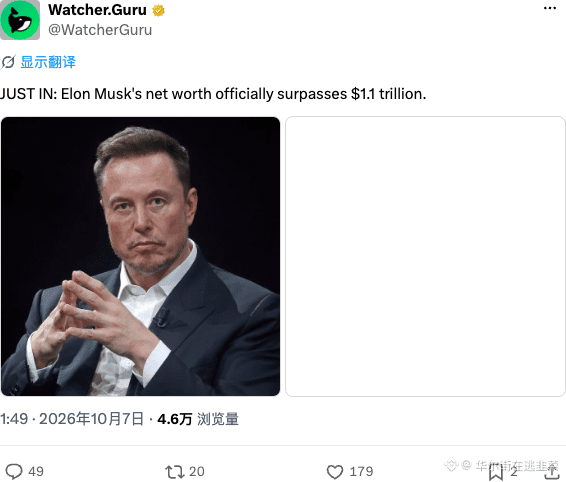
Elon Musk’s net worth has officially topped $1.1 trillion, making him the first trillionaire in human history. Back in the day, a single DOGE tweet from him could send the price soaring tenfold. Now, his personal fortune is worth half the entire crypto market. No amount of hype from KOLs can beat one tweet from the Dogefather—the greatest meme in history was never a coin, but the story of his own life 🐶
$DOGE #Musk
Elon Musk’s net worth has officially topped $1.1 trillion, making him the first trillionaire in human history. Back in the day, a single DOGE tweet from him could send the price soaring tenfold. Now, his personal fortune is worth half the entire crypto market. No amount of hype from KOLs can beat one tweet from the Dogefather—the greatest meme in history was never a coin, but the story of his own life 🐶
$DOGE #Musk
$DOGE #Musk
2.2k
SpaceX Files for Historic IPO, Targets Nasdaq Under “SPCX”
Elon Musk’s SpaceX has officially filed for what could become the largest IPO in history, revealing rare financial details about the company’s rocket, satellite internet, AI, and future space mining ambitions.
According to the SEC filing:
• SpaceX generated $4.7 billion in revenue in the first quarter
• The company posted a $1.9 billion operating loss
• Elon Musk will retain 85.1% voting control after the IPO
• SpaceX plans to list on Nasdaq under the ticker “SPCX”
One of the biggest surprises:
The filing reportedly reveals plans for near Earth asteroid mining operations signaling that SpaceX is positioning itself not only as a launch company, but as a future space resource giant.
AI company Anthropic will pay SpaceX $1.25 billion per month through May 2029, highlighting the growing connection between AI infrastructure and space based communications.
While the IPO size and final valuation remain undisclosed, previous reports suggested SpaceX explored raising around $75 billion at a valuation near $1.75 trillion.
If confirmed, this would instantly become one of the most important public offerings in financial history, merging AI, aerospace, satellite networks, and space industrialization into a single market giant.
#GoogleLaunchesGemini3.5Flash #Musk $B $LAB $SKYAI #cryptofirst21
SpaceX Files for Historic IPO, Targets Nasdaq Under “SPCX”
Elon Musk’s SpaceX has officially filed for what could become the largest IPO in history, revealing rare financial details about the company’s rocket, satellite internet, AI, and future space mining ambitions.
According to the SEC filing:
• SpaceX generated $4.7 billion in revenue in the first quarter
• The company posted a $1.9 billion operating loss
• Elon Musk will retain 85.1% voting control after the IPO
• SpaceX plans to list on Nasdaq under the ticker “SPCX”
One of the biggest surprises:
The filing reportedly reveals plans for near Earth asteroid mining operations signaling that SpaceX is positioning itself not only as a launch company, but as a future space resource giant.
AI company Anthropic will pay SpaceX $1.25 billion per month through May 2029, highlighting the growing connection between AI infrastructure and space based communications.
While the IPO size and final valuation remain undisclosed, previous reports suggested SpaceX explored raising around $75 billion at a valuation near $1.75 trillion.
If confirmed, this would instantly become one of the most important public offerings in financial history, merging AI, aerospace, satellite networks, and space industrialization into a single market giant.
#GoogleLaunchesGemini3.5Flash #Musk $B $LAB $SKYAI #cryptofirst21
Elon Musk’s SpaceX has officially filed for what could become the largest IPO in history, revealing rare financial details about the company’s rocket, satellite internet, AI, and future space mining ambitions.
According to the SEC filing:
• SpaceX generated $4.7 billion in revenue in the first quarter
• The company posted a $1.9 billion operating loss
• Elon Musk will retain 85.1% voting control after the IPO
• SpaceX plans to list on Nasdaq under the ticker “SPCX”
One of the biggest surprises:
The filing reportedly reveals plans for near Earth asteroid mining operations signaling that SpaceX is positioning itself not only as a launch company, but as a future space resource giant.
AI company Anthropic will pay SpaceX $1.25 billion per month through May 2029, highlighting the growing connection between AI infrastructure and space based communications.
While the IPO size and final valuation remain undisclosed, previous reports suggested SpaceX explored raising around $75 billion at a valuation near $1.75 trillion.
If confirmed, this would instantly become one of the most important public offerings in financial history, merging AI, aerospace, satellite networks, and space industrialization into a single market giant.
#GoogleLaunchesGemini3.5Flash #Musk $B $LAB $SKYAI #cryptofirst21
7
481

·
--
🟠 Musk and Saylor hint at Bitcoin growth as the DOGE government efficiency program wraps up
The Department of Government Efficiency (DOGE), a temporary government program, officially wrapped up on July 4 as planned. Despite its collapse in November of last year and a silent savings tracker since January, the commission stated it achieved significant savings. Elon Musk, the former co-leader, marked the occasion with a patriotic video, while Michael Saylor of MicroStrategy replied with a cryptic message hinting at a "₿etter" alternative. Traders interpret Saylor’s response—replacing the letter with a Bitcoin symbol—as a signal for Bitcoin to take up the mantle of "hard money" from the government reform efforts. This exchange of views revives memories of Saylor’s past calls for Tesla to hold Bitcoin, fueling speculation about a possible resurgence of institutional interest.
📊 This shift in narrative could provide a small psychological boost to Bitcoin, potentially influencing short-term sentiment and trading actions, though an immediate price impact is unlikely without further specific developments.
Is Saylor’s "₿etter" a real call to action for institutional adoption of Bitcoin, or just festive noise? 👇
#doge #bitcoin #musk #saylor #microstrategy
🟠 Musk and Saylor hint at Bitcoin growth as the DOGE government efficiency program wraps up
The Department of Government Efficiency (DOGE), a temporary government program, officially wrapped up on July 4 as planned. Despite its collapse in November of last year and a silent savings tracker since January, the commission stated it achieved significant savings. Elon Musk, the former co-leader, marked the occasion with a patriotic video, while Michael Saylor of MicroStrategy replied with a cryptic message hinting at a "₿etter" alternative. Traders interpret Saylor’s response—replacing the letter with a Bitcoin symbol—as a signal for Bitcoin to take up the mantle of "hard money" from the government reform efforts. This exchange of views revives memories of Saylor’s past calls for Tesla to hold Bitcoin, fueling speculation about a possible resurgence of institutional interest.
📊 This shift in narrative could provide a small psychological boost to Bitcoin, potentially influencing short-term sentiment and trading actions, though an immediate price impact is unlikely without further specific developments.
Is Saylor’s "₿etter" a real call to action for institutional adoption of Bitcoin, or just festive noise? 👇
#doge #bitcoin #musk #saylor #microstrategy
The Department of Government Efficiency (DOGE), a temporary government program, officially wrapped up on July 4 as planned. Despite its collapse in November of last year and a silent savings tracker since January, the commission stated it achieved significant savings. Elon Musk, the former co-leader, marked the occasion with a patriotic video, while Michael Saylor of MicroStrategy replied with a cryptic message hinting at a "₿etter" alternative. Traders interpret Saylor’s response—replacing the letter with a Bitcoin symbol—as a signal for Bitcoin to take up the mantle of "hard money" from the government reform efforts. This exchange of views revives memories of Saylor’s past calls for Tesla to hold Bitcoin, fueling speculation about a possible resurgence of institutional interest.
📊 This shift in narrative could provide a small psychological boost to Bitcoin, potentially influencing short-term sentiment and trading actions, though an immediate price impact is unlikely without further specific developments.
Is Saylor’s "₿etter" a real call to action for institutional adoption of Bitcoin, or just festive noise? 👇
#doge #bitcoin #musk #saylor #microstrategy
168

$SPACEX VALUATION DROPS $20 IN SINGLE DAY – MUSK LOSES $109B 💥
The numbers here are staggering. A $20/share slide erased nearly $110 billion from Musk's paper wealth in 24 hours — that's more than most crypto projects' entire market cap. SpaceX still sits at $156/share, but this kind of velocity on a private stock usually means big money repositioning.
When a whale of this magnitude takes a hit, liquidity often rotates into other assets. Last time Musk's net worth took a similar haircut, we saw weird volume spikes on tokens he's mentioned. Are you watching any Musk-correlated names for a potential bid?
Not financial advice. Always manage your risk.
#SpaceX #Musk #ValuationDrop #CryptoMarket
💎
$SPACEX VALUATION DROPS $20 IN SINGLE DAY – MUSK LOSES $109B 💥
The numbers here are staggering. A $20/share slide erased nearly $110 billion from Musk's paper wealth in 24 hours — that's more than most crypto projects' entire market cap. SpaceX still sits at $156/share, but this kind of velocity on a private stock usually means big money repositioning.
When a whale of this magnitude takes a hit, liquidity often rotates into other assets. Last time Musk's net worth took a similar haircut, we saw weird volume spikes on tokens he's mentioned. Are you watching any Musk-correlated names for a potential bid?
Not financial advice. Always manage your risk.
#SpaceX #Musk #ValuationDrop #CryptoMarket
💎
The numbers here are staggering. A $20/share slide erased nearly $110 billion from Musk's paper wealth in 24 hours — that's more than most crypto projects' entire market cap. SpaceX still sits at $156/share, but this kind of velocity on a private stock usually means big money repositioning.
When a whale of this magnitude takes a hit, liquidity often rotates into other assets. Last time Musk's net worth took a similar haircut, we saw weird volume spikes on tokens he's mentioned. Are you watching any Musk-correlated names for a potential bid?
Not financial advice. Always manage your risk.
#SpaceX #Musk #ValuationDrop #CryptoMarket
💎
86
·
--

Article
Musk and the trillion in the stock market: the 'space boom'Something's off. In 2025, Amazon reported record revenues of $716 billion, generating net profits of nearly $78 billion. Also in 2025, Elon Musk's SpaceX racked up revenues of $18.7 billion and losses of $4.9 billion due to the necessary investments in developing artificial intelligence, data centers, and space rockets. Two days ago, on the New York Stock Exchange, where SpaceX just went public, Musk's company was valued almost the same as Amazon, around $2.7 trillion. Do you see something off too? Volkswagen, which is going through a rough patch, sold 9 million cars in 2025, generating revenues of $340 billion and profits of $7.3 billion: its market cap hovers around $53 billion. Musk's Tesla sold 1.6 million cars in 2025, generated revenues of $95 billion (and falling) with profits of $3.8 billion: valued at $1.3 trillion in the stock market. Nobel Prize winner Paul Krugman summarized the situation this way: "We have a term for companies that seem successful because they keep attracting new investors, precisely because they appear profitable. We call this Ponzi schemes. And Elon Musk is essentially a human Ponzi scheme." The market buys promises, or to be kind, genius. Look at the old Twitter case: bought by Musk with a $13 billion bank loan, renamed X, and wrecked in a few months amid sponsor exodus and panic on Wall Street; Trump's return to the White House brought back some investors and gave him a breather, just enough time to integrate X into xAI (March 2025), capitalizing on the market's enthusiasm for artificial intelligence, even if Grok isn't exactly considered a success in the sector. Today, those two companies (with revenues of $3.2 billion and losses of $6.4 billion in 2025) are being merged into SpaceX, which includes a profitable company (Starlink) and yet another round of promises from good old Elon Musk (from 18 to "$1 trillion in revenue by 2030"). It's not Musk's entrepreneurial and industrial acumen that's in question, but the multiples of his companies in the stock market, as the day the bubble bursts, the bang will be heard throughout the solar system: and thus, at least, our man will have fulfilled his promise of taking us to Mars...
Musk and the trillion in the stock market: the 'space boom'
Something's off. In 2025, Amazon reported record revenues of $716 billion, generating net profits of nearly $78 billion. Also in 2025, Elon Musk's SpaceX racked up revenues of $18.7 billion and losses of $4.9 billion due to the necessary investments in developing artificial intelligence, data centers, and space rockets. Two days ago, on the New York Stock Exchange, where SpaceX just went public, Musk's company was valued almost the same as Amazon, around $2.7 trillion. Do you see something off too? Volkswagen, which is going through a rough patch, sold 9 million cars in 2025, generating revenues of $340 billion and profits of $7.3 billion: its market cap hovers around $53 billion. Musk's Tesla sold 1.6 million cars in 2025, generated revenues of $95 billion (and falling) with profits of $3.8 billion: valued at $1.3 trillion in the stock market. Nobel Prize winner Paul Krugman summarized the situation this way: "We have a term for companies that seem successful because they keep attracting new investors, precisely because they appear profitable. We call this Ponzi schemes. And Elon Musk is essentially a human Ponzi scheme." The market buys promises, or to be kind, genius. Look at the old Twitter case: bought by Musk with a $13 billion bank loan, renamed X, and wrecked in a few months amid sponsor exodus and panic on Wall Street; Trump's return to the White House brought back some investors and gave him a breather, just enough time to integrate X into xAI (March 2025), capitalizing on the market's enthusiasm for artificial intelligence, even if Grok isn't exactly considered a success in the sector. Today, those two companies (with revenues of $3.2 billion and losses of $6.4 billion in 2025) are being merged into SpaceX, which includes a profitable company (Starlink) and yet another round of promises from good old Elon Musk (from 18 to "$1 trillion in revenue by 2030"). It's not Musk's entrepreneurial and industrial acumen that's in question, but the multiples of his companies in the stock market, as the day the bubble bursts, the bang will be heard throughout the solar system: and thus, at least, our man will have fulfilled his promise of taking us to Mars...
2
1.8k

·
--
Market Buzz: Rumor has it that Musk is pushing Mag8 to allocate part of their balance sheet to $BTC, even suggesting an aggressive idea of "holding a quarter of a Bitcoin" in total.
The crux of this narrative isn't whether a single statement can materialize immediately, but rather it brings the question of whether "corporate treasury assets need to include Bitcoin" back into focus. If we see real board proposals, earnings report disclosures, or custodial fund inflows, that could provide stronger support for the price; if it's just media hype, it’s more likely to result in short-term emotional fluctuations.
Key Takeaway: Don't chase headlines, keep an eye on announcements, large on-chain movements, and institutional holdings changes. #比特币 #Musk
Market Buzz: Rumor has it that Musk is pushing Mag8 to allocate part of their balance sheet to $BTC , even suggesting an aggressive idea of "holding a quarter of a Bitcoin" in total.
The crux of this narrative isn't whether a single statement can materialize immediately, but rather it brings the question of whether "corporate treasury assets need to include Bitcoin" back into focus. If we see real board proposals, earnings report disclosures, or custodial fund inflows, that could provide stronger support for the price; if it's just media hype, it’s more likely to result in short-term emotional fluctuations.
Key Takeaway: Don't chase headlines, keep an eye on announcements, large on-chain movements, and institutional holdings changes. #比特币 #Musk
The crux of this narrative isn't whether a single statement can materialize immediately, but rather it brings the question of whether "corporate treasury assets need to include Bitcoin" back into focus. If we see real board proposals, earnings report disclosures, or custodial fund inflows, that could provide stronger support for the price; if it's just media hype, it’s more likely to result in short-term emotional fluctuations.
Key Takeaway: Don't chase headlines, keep an eye on announcements, large on-chain movements, and institutional holdings changes. #比特币 #Musk
120

·
--
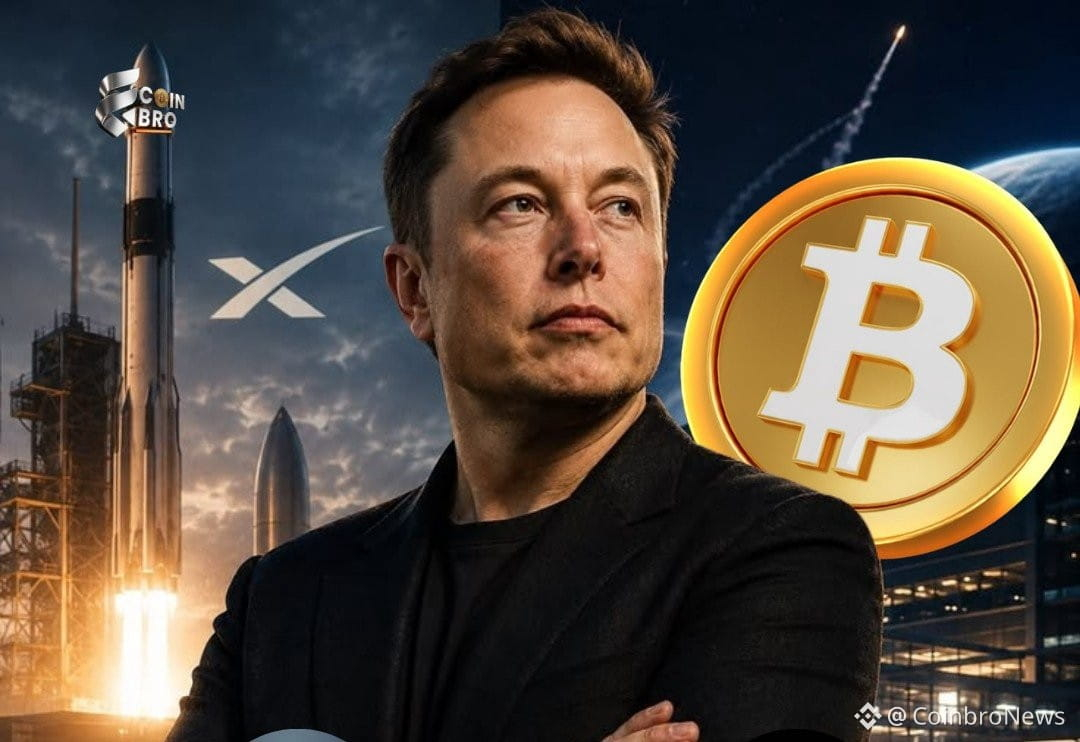
BREAKING: Elon Musk’s net worth is closing in on Bitcoin’s total market cap — the gap narrowed to just $80 billion during Friday’s trading.
#Musk #bitcoin #SaylorHintsStrategyBitcoinBuy $BTC $SPCX
BREAKING: Elon Musk’s net worth is closing in on Bitcoin’s total market cap — the gap narrowed to just $80 billion during Friday’s trading.
#Musk #bitcoin #SaylorHintsStrategyBitcoinBuy $BTC $SPCX
#Musk #bitcoin #SaylorHintsStrategyBitcoinBuy $BTC $SPCX
144
·
--
⚡️⚡️⚡️⚡️⚡️⚡️⚡️⚡️⚡️⚡️⚡️⚡️⚡️⚡️⚡️⚡️
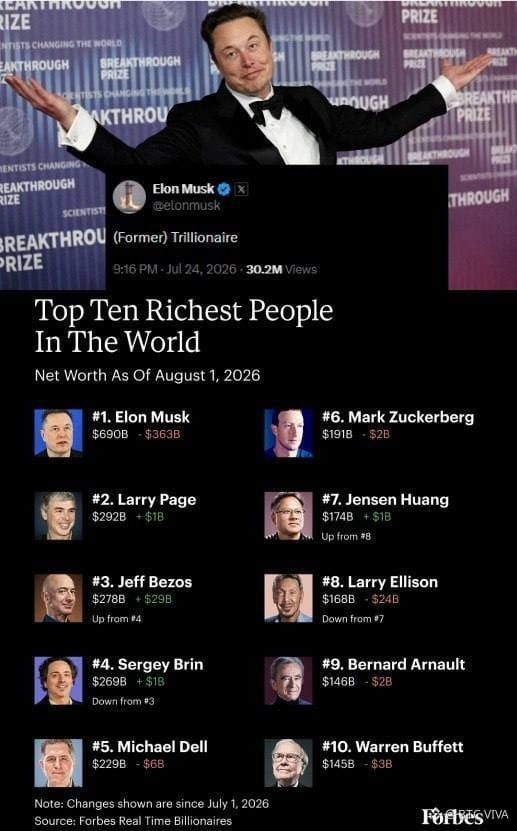
Elon Musk is no longer a trillionaire: he lost $363 billion in just one month, according to Forbes.
The publication reports that this is the largest drop in wealth in history. Musk's net worth is currently estimated at approximately $690 billion.
#Musk #SpaceX #JensenHuang
#JeffBezosWedding
$BNB
{future}(BNBUSDT)
⚡️⚡️⚡️⚡️⚡️⚡️⚡️⚡️⚡️⚡️⚡️⚡️⚡️⚡️⚡️⚡️
Elon Musk is no longer a trillionaire: he lost $363 billion in just one month, according to Forbes.
The publication reports that this is the largest drop in wealth in history. Musk's net worth is currently estimated at approximately $690 billion.
#Musk #SpaceX #JensenHuang
#JeffBezosWedding
$BNB
Elon Musk is no longer a trillionaire: he lost $363 billion in just one month, according to Forbes.
The publication reports that this is the largest drop in wealth in history. Musk's net worth is currently estimated at approximately $690 billion.
#Musk #SpaceX #JensenHuang
#JeffBezosWedding
$BNB
1
10
1.1k
Log in to explore more content
Join global crypto users on Binance Square
⚡️ Get latest and useful information about crypto.
💬 Trusted by the world’s largest crypto exchange.
👍 Discover real insights from verified creators.
Email / Phone number
Trending Topics
1
#BinancePick
2.6M views
140,754 Discussing
2
#EarningsSeason
5M views
24,263 Discussing
3
#FranklinTempletonFilesForTwoDividendToBitcoinETFs
427 views
50 Discussing
4
#StrategyMSTRSurpassesNasdaqInMarketCap
607 views
60 Discussing
5
#CanadaProposesStablecoinRedemptionWithin3BusinessDays
63 views
9 Discussing
6
#ElectrumWalletBugLetRogueServersStealFunds
7,034 views
216 Discussing
7
#ArgentineCourtDismissesLIBRACaseAgainstMilei
16,066 views
295 Discussing
8
#SKHynixReportedlyPlansSpecialDividendFromKioxiaStakeSale
2,989 views
48 Discussing
9
#KeystoneWebsiteBreachExposesBuyersShippingAddresses
1,614 views
40 Discussing
10
#USQ3GDPAndSeptemberPCEDueNextWeek
92,514 views
1,113 Discussing