

#middleeast
middleeast
2M views
4,501 Discussing
Hot
Latest

Speaking at a weekly cabinet meeting, Israeli Defense Minister Israel Katz announced that the military has been ordered to prepare for a potential full-scale war against the Palestinian Authority in the West Bank. A detailed operational offensive plan has already been finalized and approved by Prime Minister Benjamin Netanyahu and Katz.
This development marks a dramatic escalation in Middle Eastern geopolitical tensions, shifting focus directly toward conflict with the PA. Expanding active combat operations beyond current fronts threatens to completely destabilize regional stability and disrupt broader energy transit routes.
Rising war risks typically trigger an immediate flight to safe-haven assets, driving capital directly into crude oil, gold, and the US dollar. Sovereign bond yields could face downward pressure as heightened risk aversion dampens appetite across global equities.
For digital assets like $BTC, localized geopolitical shocks often trigger short-term liquidity contractions and volatile sell-offs. However, prolonged global uncertainty continues to reinforce the long-term investment case for decentralized safe havens.
#Geopolitics #MiddleEast #MacroEconomics
Speaking at a weekly cabinet meeting, Israeli Defense Minister Israel Katz announced that the military has been ordered to prepare for a potential full-scale war against the Palestinian Authority in the West Bank. A detailed operational offensive plan has already been finalized and approved by Prime Minister Benjamin Netanyahu and Katz.
This development marks a dramatic escalation in Middle Eastern geopolitical tensions, shifting focus directly toward conflict with the PA. Expanding active combat operations beyond current fronts threatens to completely destabilize regional stability and disrupt broader energy transit routes.
Rising war risks typically trigger an immediate flight to safe-haven assets, driving capital directly into crude oil, gold, and the US dollar. Sovereign bond yields could face downward pressure as heightened risk aversion dampens appetite across global equities.
For digital assets like $BTC , localized geopolitical shocks often trigger short-term liquidity contractions and volatile sell-offs. However, prolonged global uncertainty continues to reinforce the long-term investment case for decentralized safe havens.
#Geopolitics #MiddleEast #MacroEconomics
This development marks a dramatic escalation in Middle Eastern geopolitical tensions, shifting focus directly toward conflict with the PA. Expanding active combat operations beyond current fronts threatens to completely destabilize regional stability and disrupt broader energy transit routes.
Rising war risks typically trigger an immediate flight to safe-haven assets, driving capital directly into crude oil, gold, and the US dollar. Sovereign bond yields could face downward pressure as heightened risk aversion dampens appetite across global equities.
For digital assets like $BTC , localized geopolitical shocks often trigger short-term liquidity contractions and volatile sell-offs. However, prolonged global uncertainty continues to reinforce the long-term investment case for decentralized safe havens.
#Geopolitics #MiddleEast #MacroEconomics
262

·
--
According to a report by a CCTV correspondent, at least two loud explosions were heard in Yemen’s capital, Sana’a, on the evening of the 6th, accompanied by the roar of warplanes. The Houthi movement later confirmed that Saudi forces had launched airstrikes that night on several provinces, including Sana’a, Amran, Al Jawf, and Saada.
Renewed tensions in the Middle East have directly undermined market expectations that the situation would remain relatively calm in the near term. Yemen and its surrounding region control key trade routes, including the Red Sea. The escalation of military conflict has undoubtedly heightened concerns over global supply chains and energy security.
Sudden geopolitical events of this kind often quickly fuel risk aversion. Crude oil prices are usually among the first to come under pressure and fluctuate, while traditional safe-haven assets such as spot gold may also attract a temporary wave of buying. When conflicts escalate, risk appetite across traditional financial markets tends to contract, prompting a defensive stance.
In crypto markets, short-term sentiment is typically affected by shifts in macro liquidity preferences. When risk aversion rises, investors often prefer to wait on the sidelines, and some capital may temporarily move out of high-risk assets. The market’s subsequent direction will depend on whether the situation escalates further. #MiddleEast #Geopolitics #CrudeOil
According to a report by a CCTV correspondent, at least two loud explosions were heard in Yemen’s capital, Sana’a, on the evening of the 6th, accompanied by the roar of warplanes. The Houthi movement later confirmed that Saudi forces had launched airstrikes that night on several provinces, including Sana’a, Amran, Al Jawf, and Saada.
Renewed tensions in the Middle East have directly undermined market expectations that the situation would remain relatively calm in the near term. Yemen and its surrounding region control key trade routes, including the Red Sea. The escalation of military conflict has undoubtedly heightened concerns over global supply chains and energy security.
Sudden geopolitical events of this kind often quickly fuel risk aversion. Crude oil prices are usually among the first to come under pressure and fluctuate, while traditional safe-haven assets such as spot gold may also attract a temporary wave of buying. When conflicts escalate, risk appetite across traditional financial markets tends to contract, prompting a defensive stance.
In crypto markets, short-term sentiment is typically affected by shifts in macro liquidity preferences. When risk aversion rises, investors often prefer to wait on the sidelines, and some capital may temporarily move out of high-risk assets. The market’s subsequent direction will depend on whether the situation escalates further. #MiddleEast #Geopolitics #CrudeOil
Renewed tensions in the Middle East have directly undermined market expectations that the situation would remain relatively calm in the near term. Yemen and its surrounding region control key trade routes, including the Red Sea. The escalation of military conflict has undoubtedly heightened concerns over global supply chains and energy security.
Sudden geopolitical events of this kind often quickly fuel risk aversion. Crude oil prices are usually among the first to come under pressure and fluctuate, while traditional safe-haven assets such as spot gold may also attract a temporary wave of buying. When conflicts escalate, risk appetite across traditional financial markets tends to contract, prompting a defensive stance.
In crypto markets, short-term sentiment is typically affected by shifts in macro liquidity preferences. When risk aversion rises, investors often prefer to wait on the sidelines, and some capital may temporarily move out of high-risk assets. The market’s subsequent direction will depend on whether the situation escalates further. #MiddleEast #Geopolitics #CrudeOil
339
·
--
Israeli Defense Minister Katz stated clearly at the weekly cabinet meeting that the military had completed its combat readiness deployment in the West Bank. He said the IDF had officially received orders and was ready at any moment to respond to a potential scenario involving war with the Palestinian National Authority (PA). If the situation triggers such a response, Israel will declare a state of war and launch a full-scale offensive according to a detailed plan approved by the prime minister, Netanyahu, and the defense minister.
These remarks signal that geopolitical confrontation in the Middle East could spread beyond Gaza to the core governance structures of the West Bank. Previously, the Palestinian National Authority was widely viewed as a relatively moderate negotiating partner, but the defense minister’s hard-line statement has upended that expectation of balance. This significantly raises the overall risk of a systemic, multi-front conflict in the region.
In response to signs that potential conflict in the Middle East could escalate again, risk aversion is gradually gaining ground in global traditional financial markets. Oil prices typically receive short-term risk-premium support amid concerns about supply disruptions. Safe-haven assets such as gold and the U.S. dollar may also attract some hedging demand, while risk assets such as equities face valuation pressures.
In the short term, crypto markets also face a test of diverging liquidity preferences. Some funds may choose to wait on the sidelines or flow into more stable assets, causing major coins, including $BTC , to experience wide fluctuations. Future trends will depend on whether military action actually materializes, as well as the pace at which macro liquidity absorbs the geopolitical shock. 🌍
#MiddleEast #Geopolitics #CryptoMarket
Israeli Defense Minister Katz stated clearly at the weekly cabinet meeting that the military had completed its combat readiness deployment in the West Bank. He said the IDF had officially received orders and was ready at any moment to respond to a potential scenario involving war with the Palestinian National Authority (PA). If the situation triggers such a response, Israel will declare a state of war and launch a full-scale offensive according to a detailed plan approved by the prime minister, Netanyahu, and the defense minister.
These remarks signal that geopolitical confrontation in the Middle East could spread beyond Gaza to the core governance structures of the West Bank. Previously, the Palestinian National Authority was widely viewed as a relatively moderate negotiating partner, but the defense minister’s hard-line statement has upended that expectation of balance. This significantly raises the overall risk of a systemic, multi-front conflict in the region.
In response to signs that potential conflict in the Middle East could escalate again, risk aversion is gradually gaining ground in global traditional financial markets. Oil prices typically receive short-term risk-premium support amid concerns about supply disruptions. Safe-haven assets such as gold and the U.S. dollar may also attract some hedging demand, while risk assets such as equities face valuation pressures.
In the short term, crypto markets also face a test of diverging liquidity preferences. Some funds may choose to wait on the sidelines or flow into more stable assets, causing major coins, including $BTC , to experience wide fluctuations. Future trends will depend on whether military action actually materializes, as well as the pace at which macro liquidity absorbs the geopolitical shock. 🌍
#MiddleEast #Geopolitics #CryptoMarket
These remarks signal that geopolitical confrontation in the Middle East could spread beyond Gaza to the core governance structures of the West Bank. Previously, the Palestinian National Authority was widely viewed as a relatively moderate negotiating partner, but the defense minister’s hard-line statement has upended that expectation of balance. This significantly raises the overall risk of a systemic, multi-front conflict in the region.
In response to signs that potential conflict in the Middle East could escalate again, risk aversion is gradually gaining ground in global traditional financial markets. Oil prices typically receive short-term risk-premium support amid concerns about supply disruptions. Safe-haven assets such as gold and the U.S. dollar may also attract some hedging demand, while risk assets such as equities face valuation pressures.
In the short term, crypto markets also face a test of diverging liquidity preferences. Some funds may choose to wait on the sidelines or flow into more stable assets, causing major coins, including $BTC , to experience wide fluctuations. Future trends will depend on whether military action actually materializes, as well as the pace at which macro liquidity absorbs the geopolitical shock. 🌍
#MiddleEast #Geopolitics #CryptoMarket
433

Israeli Defense Minister Israel Katz confirmed at a recent cabinet meeting that the Israeli military had received orders to prepare fully for the possibility of war with the Palestinian Authority (PA). Katz stated explicitly that the comprehensive offensive plans had been approved by both Prime Minister Benjamin Netanyahu and himself, and that a state of war would be formally declared if the situation deteriorated.
These remarks signal a real risk that the governance and security framework in the West Bank could collapse entirely. Markets had generally expected the situation there to remain under control, but the military leadership’s public mobilization order has shattered that fragile balance. Geopolitical conflict in the Middle East is spreading across multiple fronts and becoming increasingly difficult to contain.
The sharp escalation in geopolitical risks is heightening global risk aversion and inflation concerns. Uncertainty over crude oil supply routes, combined with concerns about shipping security, is driving safe-haven funds toward traditional hard assets and the U.S. dollar. Volatility in bond yields is also tightening macro liquidity conditions, putting considerable pressure on global financial markets.
For crypto markets, geopolitical black swan events often trigger forced sell-offs by highly leveraged investors. Although some investors are counting on $BTC ’s safe-haven properties, amid weakening liquidity across risk assets, investors are inclined to move to the sidelines. Crypto asset volatility may increase significantly in the near term.
#Geopolitics #MiddleEast #MacroEconomy
Israeli Defense Minister Israel Katz confirmed at a recent cabinet meeting that the Israeli military had received orders to prepare fully for the possibility of war with the Palestinian Authority (PA). Katz stated explicitly that the comprehensive offensive plans had been approved by both Prime Minister Benjamin Netanyahu and himself, and that a state of war would be formally declared if the situation deteriorated.
These remarks signal a real risk that the governance and security framework in the West Bank could collapse entirely. Markets had generally expected the situation there to remain under control, but the military leadership’s public mobilization order has shattered that fragile balance. Geopolitical conflict in the Middle East is spreading across multiple fronts and becoming increasingly difficult to contain.
The sharp escalation in geopolitical risks is heightening global risk aversion and inflation concerns. Uncertainty over crude oil supply routes, combined with concerns about shipping security, is driving safe-haven funds toward traditional hard assets and the U.S. dollar. Volatility in bond yields is also tightening macro liquidity conditions, putting considerable pressure on global financial markets.
For crypto markets, geopolitical black swan events often trigger forced sell-offs by highly leveraged investors. Although some investors are counting on $BTC ’s safe-haven properties, amid weakening liquidity across risk assets, investors are inclined to move to the sidelines. Crypto asset volatility may increase significantly in the near term.
#Geopolitics #MiddleEast #MacroEconomy
These remarks signal a real risk that the governance and security framework in the West Bank could collapse entirely. Markets had generally expected the situation there to remain under control, but the military leadership’s public mobilization order has shattered that fragile balance. Geopolitical conflict in the Middle East is spreading across multiple fronts and becoming increasingly difficult to contain.
The sharp escalation in geopolitical risks is heightening global risk aversion and inflation concerns. Uncertainty over crude oil supply routes, combined with concerns about shipping security, is driving safe-haven funds toward traditional hard assets and the U.S. dollar. Volatility in bond yields is also tightening macro liquidity conditions, putting considerable pressure on global financial markets.
For crypto markets, geopolitical black swan events often trigger forced sell-offs by highly leveraged investors. Although some investors are counting on $BTC ’s safe-haven properties, amid weakening liquidity across risk assets, investors are inclined to move to the sidelines. Crypto asset volatility may increase significantly in the near term.
#Geopolitics #MiddleEast #MacroEconomy
404
·
--
Partly True
According to information disclosed by the Israeli authorities on October 4, during a trial in the United Arab Emirates a Dubai Airline copilot of Omani nationality testified that he had planned to hijack a flight on September 30 and directly crash into Ben Gurion International Airport in Tel Aviv. The pilot attacked the captain while in the air over Jordan, intending to prevent Israeli fighter jets from being able to intercept in time, but was stopped decisively by the injured captain. The investigation also showed that the attack had been planned for a long time even before the pilot was hired.
Extreme security risks targeting civil aviation infrastructure in the Middle East have once again come to light, immediately triggering deep concerns among all parties about the spillover of regional conflicts into aviation security. Although this crisis was successfully averted, the incident has further heightened security mistrust in a region that is already fragile, making nerves in the area—already taut—more sensitive.
In traditional financial markets, risk-averse sentiment was quickly disrupted, with crude oil and gold prices experiencing amplified short-term fluctuations. Funds tend to seek short-term buffers in defense-related assets and safe-haven U.S. dollars. The overall macro environment remains highly vulnerable to sudden geopolitical events, and investors’ concerns about supply chain and shipping security are unlikely to dissipate in the short term.
For the cryptocurrency market, $BTC and mainstream assets are currently taking an objective wait-and-see stance, and liquidity has not shifted into any dramatic one-way bets. Such sudden security incidents often magnify the volatility of leveraged trading within an extremely short timeframe, with frequent swings in sentiment between bulls and bears. It is therefore advisable to stay rational during choppy market conditions and closely monitor further developments in the situation.
#Geopolitics #AviationSecurity #MiddleEast
According to information disclosed by the Israeli authorities on October 4, during a trial in the United Arab Emirates a Dubai Airline copilot of Omani nationality testified that he had planned to hijack a flight on September 30 and directly crash into Ben Gurion International Airport in Tel Aviv. The pilot attacked the captain while in the air over Jordan, intending to prevent Israeli fighter jets from being able to intercept in time, but was stopped decisively by the injured captain. The investigation also showed that the attack had been planned for a long time even before the pilot was hired.
Extreme security risks targeting civil aviation infrastructure in the Middle East have once again come to light, immediately triggering deep concerns among all parties about the spillover of regional conflicts into aviation security. Although this crisis was successfully averted, the incident has further heightened security mistrust in a region that is already fragile, making nerves in the area—already taut—more sensitive.
In traditional financial markets, risk-averse sentiment was quickly disrupted, with crude oil and gold prices experiencing amplified short-term fluctuations. Funds tend to seek short-term buffers in defense-related assets and safe-haven U.S. dollars. The overall macro environment remains highly vulnerable to sudden geopolitical events, and investors’ concerns about supply chain and shipping security are unlikely to dissipate in the short term.
For the cryptocurrency market, $BTC and mainstream assets are currently taking an objective wait-and-see stance, and liquidity has not shifted into any dramatic one-way bets. Such sudden security incidents often magnify the volatility of leveraged trading within an extremely short timeframe, with frequent swings in sentiment between bulls and bears. It is therefore advisable to stay rational during choppy market conditions and closely monitor further developments in the situation.
#Geopolitics #AviationSecurity #MiddleEast
Extreme security risks targeting civil aviation infrastructure in the Middle East have once again come to light, immediately triggering deep concerns among all parties about the spillover of regional conflicts into aviation security. Although this crisis was successfully averted, the incident has further heightened security mistrust in a region that is already fragile, making nerves in the area—already taut—more sensitive.
In traditional financial markets, risk-averse sentiment was quickly disrupted, with crude oil and gold prices experiencing amplified short-term fluctuations. Funds tend to seek short-term buffers in defense-related assets and safe-haven U.S. dollars. The overall macro environment remains highly vulnerable to sudden geopolitical events, and investors’ concerns about supply chain and shipping security are unlikely to dissipate in the short term.
For the cryptocurrency market, $BTC and mainstream assets are currently taking an objective wait-and-see stance, and liquidity has not shifted into any dramatic one-way bets. Such sudden security incidents often magnify the volatility of leveraged trading within an extremely short timeframe, with frequent swings in sentiment between bulls and bears. It is therefore advisable to stay rational during choppy market conditions and closely monitor further developments in the situation.
#Geopolitics #AviationSecurity #MiddleEast
417
According to information disclosed by the Israeli side on October 4, in the September 30 Dubai Air aircraft attack, Hamam Hamami, an Omani co-pilot, admitted during interrogation in the UAE that his original plan was to fly the passenger aircraft into the terminal building of Ben Gurion International Airport in Tel Aviv, Israel, directly. The suspect attacked the captain in the airspace over Jordan with the intention of evading interception by Israeli fighter jets, but was stopped in time by the injured captain’s efforts.
This attempted attack not only exposes serious loopholes in aviation security and background checks, but also shows that the ongoing geopolitical conflict in the Middle East is penetrating the civil aviation sector and critical infrastructure. If the terrorist plot had succeeded, it would very likely trigger a broad military escalation and shipping/transportation blockades, significantly increasing the risk of asymmetric conflict across the entire Middle East region.
A rapid deterioration in the geopolitical security situation would directly strengthen global risk-avoidance sentiment, and in the short term raise the risk premium for safe-haven assets such as international oil and gold. Against a backdrop where macro liquidity is already sensitive, disruptions to shipping and the aviation supply chain would also bring potential sticky inflation expectations, suppressing investors’ risk appetite in capital markets.
For the crypto market, sudden geopolitical “black swan” events often trigger liquidity withdrawal and deleveraging, subjecting $BTC and high-beta assets to downward pressure. In the current environment, investors need to stay vigilant, as the short-term attractiveness of defensive assets is clearly higher than that of risk assets.
#Geopolitics #MiddleEast #CryptoRisk
According to information disclosed by the Israeli side on October 4, in the September 30 Dubai Air aircraft attack, Hamam Hamami, an Omani co-pilot, admitted during interrogation in the UAE that his original plan was to fly the passenger aircraft into the terminal building of Ben Gurion International Airport in Tel Aviv, Israel, directly. The suspect attacked the captain in the airspace over Jordan with the intention of evading interception by Israeli fighter jets, but was stopped in time by the injured captain’s efforts.
This attempted attack not only exposes serious loopholes in aviation security and background checks, but also shows that the ongoing geopolitical conflict in the Middle East is penetrating the civil aviation sector and critical infrastructure. If the terrorist plot had succeeded, it would very likely trigger a broad military escalation and shipping/transportation blockades, significantly increasing the risk of asymmetric conflict across the entire Middle East region.
A rapid deterioration in the geopolitical security situation would directly strengthen global risk-avoidance sentiment, and in the short term raise the risk premium for safe-haven assets such as international oil and gold. Against a backdrop where macro liquidity is already sensitive, disruptions to shipping and the aviation supply chain would also bring potential sticky inflation expectations, suppressing investors’ risk appetite in capital markets.
For the crypto market, sudden geopolitical “black swan” events often trigger liquidity withdrawal and deleveraging, subjecting $BTC and high-beta assets to downward pressure. In the current environment, investors need to stay vigilant, as the short-term attractiveness of defensive assets is clearly higher than that of risk assets.
#Geopolitics #MiddleEast #CryptoRisk
This attempted attack not only exposes serious loopholes in aviation security and background checks, but also shows that the ongoing geopolitical conflict in the Middle East is penetrating the civil aviation sector and critical infrastructure. If the terrorist plot had succeeded, it would very likely trigger a broad military escalation and shipping/transportation blockades, significantly increasing the risk of asymmetric conflict across the entire Middle East region.
A rapid deterioration in the geopolitical security situation would directly strengthen global risk-avoidance sentiment, and in the short term raise the risk premium for safe-haven assets such as international oil and gold. Against a backdrop where macro liquidity is already sensitive, disruptions to shipping and the aviation supply chain would also bring potential sticky inflation expectations, suppressing investors’ risk appetite in capital markets.
For the crypto market, sudden geopolitical “black swan” events often trigger liquidity withdrawal and deleveraging, subjecting $BTC and high-beta assets to downward pressure. In the current environment, investors need to stay vigilant, as the short-term attractiveness of defensive assets is clearly higher than that of risk assets.
#Geopolitics #MiddleEast #CryptoRisk
447
·
--
Iranian military spokesperson Akraminyah announced on October 4 via the Iranian Fars News Agency, formally confirming that the Iranian military has decided to comprehensively increase its missile range. The official said this decision is based on combat experience summarized from recent conflicts involving the U.S. and Israel, with the aim of countering forces and warships deployed by the opponent at distances of up to 1,000 kilometers from the Iranian coastline. Relevant R&D is currently underway.
Against the backdrop of the Middle East situation remaining stalemated, this move not only breaks the relative balance in strike range maintained previously, but also keeps the outside world highly attentive to possible cascading effects triggered by defense upgrades. The market is closely monitoring whether this technical adjustment will further heighten potential security risks along nearby shipping lanes and key infrastructure.
As geopolitical statements continue to intensify, risk appetite in traditional financial markets is facing renewed scrutiny. Potential concerns in the oil supply chain may influence energy price expectations, which could then have multi-dimensional spillover effects on inflation trends and bond yields—prompting a certain degree of renewed attention to safe-haven assets.
For the cryptocurrency market, macroeconomic uncertainty has pushed in-market funds’ sentiment into a phase of back-and-forth tug-of-war. Some investors prefer to observe $BTC as a non-sovereign reserve asset, but overall liquidity is still constrained by the contraction of global risk appetite. Future market developments will still need to be assessed comprehensively in light of the broader macro environment.🌐
#Geopolitics #MiddleEast #CryptoMarket
Iranian military spokesperson Akraminyah announced on October 4 via the Iranian Fars News Agency, formally confirming that the Iranian military has decided to comprehensively increase its missile range. The official said this decision is based on combat experience summarized from recent conflicts involving the U.S. and Israel, with the aim of countering forces and warships deployed by the opponent at distances of up to 1,000 kilometers from the Iranian coastline. Relevant R&D is currently underway.
Against the backdrop of the Middle East situation remaining stalemated, this move not only breaks the relative balance in strike range maintained previously, but also keeps the outside world highly attentive to possible cascading effects triggered by defense upgrades. The market is closely monitoring whether this technical adjustment will further heighten potential security risks along nearby shipping lanes and key infrastructure.
As geopolitical statements continue to intensify, risk appetite in traditional financial markets is facing renewed scrutiny. Potential concerns in the oil supply chain may influence energy price expectations, which could then have multi-dimensional spillover effects on inflation trends and bond yields—prompting a certain degree of renewed attention to safe-haven assets.
For the cryptocurrency market, macroeconomic uncertainty has pushed in-market funds’ sentiment into a phase of back-and-forth tug-of-war. Some investors prefer to observe $BTC as a non-sovereign reserve asset, but overall liquidity is still constrained by the contraction of global risk appetite. Future market developments will still need to be assessed comprehensively in light of the broader macro environment.🌐
#Geopolitics #MiddleEast #CryptoMarket
Against the backdrop of the Middle East situation remaining stalemated, this move not only breaks the relative balance in strike range maintained previously, but also keeps the outside world highly attentive to possible cascading effects triggered by defense upgrades. The market is closely monitoring whether this technical adjustment will further heighten potential security risks along nearby shipping lanes and key infrastructure.
As geopolitical statements continue to intensify, risk appetite in traditional financial markets is facing renewed scrutiny. Potential concerns in the oil supply chain may influence energy price expectations, which could then have multi-dimensional spillover effects on inflation trends and bond yields—prompting a certain degree of renewed attention to safe-haven assets.
For the cryptocurrency market, macroeconomic uncertainty has pushed in-market funds’ sentiment into a phase of back-and-forth tug-of-war. Some investors prefer to observe $BTC as a non-sovereign reserve asset, but overall liquidity is still constrained by the contraction of global risk appetite. Future market developments will still need to be assessed comprehensively in light of the broader macro environment.🌐
#Geopolitics #MiddleEast #CryptoMarket
124
·
--
According to Iranian official and local reports, on the evening of October 3, the air defense system on Qeshm Island, located near the Strait of Hormuz in Iran, was urgently activated twice. Reports from multiple parts of the island described loud explosions. Local residents even claimed to have witnessed what appeared to be an aircraft being hit from the air, and found debris of anti-aircraft missile booster units on the ground.
Situated at a key choke point in the Persian Gulf, any meaningful air-defense fire in this area is highly likely to trigger market concerns about possible disruptions to oil supply routes. With the geopolitical situation remaining tense, the market is closely watching whether the conflict will further expand to core energy facilities.
In traditional financial markets, oil prices, along with safe-haven assets such as gold, remain highly sensitive to any military developments in the Middle East. If the situation is confirmed to escalate, energy transport risks would directly push up inflation expectations and set off a chain reaction affecting global bond markets and the U.S. dollar.
For the crypto market, sudden geopolitical events often first trigger short-term de-leveraging driven by risk aversion, leading to heightened volatility in $BTC and major assets. Subsequently, funds may seek a new balance between risk-off sentiment and the anti-inflation narrative. Investors are advised to closely follow subsequent official updates.
#Geopolitics #CrudeOil #MiddleEast
According to Iranian official and local reports, on the evening of October 3, the air defense system on Qeshm Island, located near the Strait of Hormuz in Iran, was urgently activated twice. Reports from multiple parts of the island described loud explosions. Local residents even claimed to have witnessed what appeared to be an aircraft being hit from the air, and found debris of anti-aircraft missile booster units on the ground.
Situated at a key choke point in the Persian Gulf, any meaningful air-defense fire in this area is highly likely to trigger market concerns about possible disruptions to oil supply routes. With the geopolitical situation remaining tense, the market is closely watching whether the conflict will further expand to core energy facilities.
In traditional financial markets, oil prices, along with safe-haven assets such as gold, remain highly sensitive to any military developments in the Middle East. If the situation is confirmed to escalate, energy transport risks would directly push up inflation expectations and set off a chain reaction affecting global bond markets and the U.S. dollar.
For the crypto market, sudden geopolitical events often first trigger short-term de-leveraging driven by risk aversion, leading to heightened volatility in $BTC and major assets. Subsequently, funds may seek a new balance between risk-off sentiment and the anti-inflation narrative. Investors are advised to closely follow subsequent official updates.
#Geopolitics #CrudeOil #MiddleEast
Situated at a key choke point in the Persian Gulf, any meaningful air-defense fire in this area is highly likely to trigger market concerns about possible disruptions to oil supply routes. With the geopolitical situation remaining tense, the market is closely watching whether the conflict will further expand to core energy facilities.
In traditional financial markets, oil prices, along with safe-haven assets such as gold, remain highly sensitive to any military developments in the Middle East. If the situation is confirmed to escalate, energy transport risks would directly push up inflation expectations and set off a chain reaction affecting global bond markets and the U.S. dollar.
For the crypto market, sudden geopolitical events often first trigger short-term de-leveraging driven by risk aversion, leading to heightened volatility in $BTC and major assets. Subsequently, funds may seek a new balance between risk-off sentiment and the anti-inflation narrative. Investors are advised to closely follow subsequent official updates.
#Geopolitics #CrudeOil #MiddleEast
41

·
--
Middle East flights resuming!First Dubai-Tel Aviv flight carrying passengers retrieved from Dabo lands in Tel Aviv. Previously, Dubai Air suspended flights to Israel due to a security incident, leaving over 10,000 people stranded. A boost for crypto-driven international exchange!#中东恢复 $BTC $BNB
Middle East flights resuming: First Dubai-Tel Aviv flight with stranded Israelis lands. Dubai Air suspended Israel flights after security incident, leaving 10k+ stranded. Good for crypto international connections! #MiddleEast $BTC $BNB
Middle East flights resuming!First Dubai-Tel Aviv flight carrying passengers retrieved from Dabo lands in Tel Aviv. Previously, Dubai Air suspended flights to Israel due to a security incident, leaving over 10,000 people stranded. A boost for crypto-driven international exchange!#中东恢复 $BTC $BNB
Middle East flights resuming: First Dubai-Tel Aviv flight with stranded Israelis lands. Dubai Air suspended Israel flights after security incident, leaving 10k+ stranded. Good for crypto international connections! #MiddleEast $BTC $BNB
Middle East flights resuming: First Dubai-Tel Aviv flight with stranded Israelis lands. Dubai Air suspended Israel flights after security incident, leaving 10k+ stranded. Good for crypto international connections! #MiddleEast $BTC $BNB
370
Key members of the Trump administration, led by Vice President Vance alongside Secretary of State Rubio and Defense Secretary Hegseth, held an unannounced meeting at Camp David on Friday to determine strategic moves on Iran and the Houthi conflict. President Trump hinted shortly after that significant developments concerning Tehran are imminent.
Unscheduled war council gatherings at Camp David are exceptionally rare, historically preceding major Middle East military escalations. This secretive summit signals a likely pivot toward direct operational measures against regional threats.
Escalating conflict risks immediate disruptions across global crude oil transit routes. Traditional markets face renewed inflationary pressures, potentially boosting the US dollar and Treasury yields amid prolonged tight monetary policy expectations.
For crypto, heightened geopolitical tension typically triggers short-term risk-off liquidations. However, if energy shocks reignite inflation and currency debasement fears, $BTC could rapidly regain strong demand as a macro hedge. 🛡️
#Geopolitics #MiddleEast #MacroEconomics
Key members of the Trump administration, led by Vice President Vance alongside Secretary of State Rubio and Defense Secretary Hegseth, held an unannounced meeting at Camp David on Friday to determine strategic moves on Iran and the Houthi conflict. President Trump hinted shortly after that significant developments concerning Tehran are imminent.
Unscheduled war council gatherings at Camp David are exceptionally rare, historically preceding major Middle East military escalations. This secretive summit signals a likely pivot toward direct operational measures against regional threats.
Escalating conflict risks immediate disruptions across global crude oil transit routes. Traditional markets face renewed inflationary pressures, potentially boosting the US dollar and Treasury yields amid prolonged tight monetary policy expectations.
For crypto, heightened geopolitical tension typically triggers short-term risk-off liquidations. However, if energy shocks reignite inflation and currency debasement fears, $BTC could rapidly regain strong demand as a macro hedge. 🛡️
#Geopolitics #MiddleEast #MacroEconomics
Unscheduled war council gatherings at Camp David are exceptionally rare, historically preceding major Middle East military escalations. This secretive summit signals a likely pivot toward direct operational measures against regional threats.
Escalating conflict risks immediate disruptions across global crude oil transit routes. Traditional markets face renewed inflationary pressures, potentially boosting the US dollar and Treasury yields amid prolonged tight monetary policy expectations.
For crypto, heightened geopolitical tension typically triggers short-term risk-off liquidations. However, if energy shocks reignite inflation and currency debasement fears, $BTC could rapidly regain strong demand as a macro hedge. 🛡️
#Geopolitics #MiddleEast #MacroEconomics
84
·
--
Shock! Dubai Airways co-pilot accused of "terrorist attack" with fire axe! Aviation safety is concerning, and the security situation in the Middle East is complex—this is precisely an area where cryptocurrency is rapidly developing. #航空安全 #中东动态 $ETH
Shocking! Dubai Airways co-pilot accused of "terrorist attack" with fire axe! Middle East's complex security situation contrasts with its rapid crypto adoption. #AviationSecurity #MiddleEast $ETH
Shock! Dubai Airways co-pilot accused of "terrorist attack" with fire axe! Aviation safety is concerning, and the security situation in the Middle East is complex—this is precisely an area where cryptocurrency is rapidly developing. #航空安全 #中东动态 $ETH
Shocking! Dubai Airways co-pilot accused of "terrorist attack" with fire axe! Middle East's complex security situation contrasts with its rapid crypto adoption. #AviationSecurity #MiddleEast $ETH
Shocking! Dubai Airways co-pilot accused of "terrorist attack" with fire axe! Middle East's complex security situation contrasts with its rapid crypto adoption. #AviationSecurity #MiddleEast $ETH
107
·
--
According to Axios, on Friday, key members of the Trump administration’s core cabinet held a top-secret, closed-door meeting at Camp David for several hours to specifically discuss the next military and diplomatic steps regarding the situation in Iran and the conflict between Saudi Arabia and the Yemeni Houthi forces. The meeting was chaired by Vice President Vance and attended by key officials including Secretary of State Rubio, Defense Secretary Hegseth, Middle East envoy Witkoff, CIA Director Ratcliffe, and Chairman of the Joint Chiefs of Staff Brown, among others. After the meeting, Trump made similarly cryptic remarks.
Such rare high-level closed-door meetings typically signal that major decisions are being formulated. Not long after the last meeting of a similar level, a larger-scale direct conflict in the Middle East erupted. With the market highly alert to the security of Middle East energy corridors and the risk of geopolitical spillover, investors are closely watching whether the U.S. will take further sanctions or military deterrent actions.
Geopolitical uncertainty often directly increases buy-side demand for safe-haven assets. Oil price volatility may intensify and raise concerns about a rebound in inflation, which in turn can affect bond yields and the U.S. dollar’s performance. In traditional financial markets, when faced with such unclear and major strategic shifts, participants often adopt a defensive posture.
For the crypto market, $BTC and other mainstream assets, in the short term, both face liquidity pressure typical of risk assets and have certain digital safe-haven characteristics. Before the news becomes clearer, a wait-and-see sentiment may dominate trading, and the likelihood of deleveraging and volatile, range-bound shakeouts is likely to rise in tandem.🌍
#Geopolitics #MiddleEast #CryptoMacro
According to Axios, on Friday, key members of the Trump administration’s core cabinet held a top-secret, closed-door meeting at Camp David for several hours to specifically discuss the next military and diplomatic steps regarding the situation in Iran and the conflict between Saudi Arabia and the Yemeni Houthi forces. The meeting was chaired by Vice President Vance and attended by key officials including Secretary of State Rubio, Defense Secretary Hegseth, Middle East envoy Witkoff, CIA Director Ratcliffe, and Chairman of the Joint Chiefs of Staff Brown, among others. After the meeting, Trump made similarly cryptic remarks.
Such rare high-level closed-door meetings typically signal that major decisions are being formulated. Not long after the last meeting of a similar level, a larger-scale direct conflict in the Middle East erupted. With the market highly alert to the security of Middle East energy corridors and the risk of geopolitical spillover, investors are closely watching whether the U.S. will take further sanctions or military deterrent actions.
Geopolitical uncertainty often directly increases buy-side demand for safe-haven assets. Oil price volatility may intensify and raise concerns about a rebound in inflation, which in turn can affect bond yields and the U.S. dollar’s performance. In traditional financial markets, when faced with such unclear and major strategic shifts, participants often adopt a defensive posture.
For the crypto market, $BTC and other mainstream assets, in the short term, both face liquidity pressure typical of risk assets and have certain digital safe-haven characteristics. Before the news becomes clearer, a wait-and-see sentiment may dominate trading, and the likelihood of deleveraging and volatile, range-bound shakeouts is likely to rise in tandem.🌍
#Geopolitics #MiddleEast #CryptoMacro
Such rare high-level closed-door meetings typically signal that major decisions are being formulated. Not long after the last meeting of a similar level, a larger-scale direct conflict in the Middle East erupted. With the market highly alert to the security of Middle East energy corridors and the risk of geopolitical spillover, investors are closely watching whether the U.S. will take further sanctions or military deterrent actions.
Geopolitical uncertainty often directly increases buy-side demand for safe-haven assets. Oil price volatility may intensify and raise concerns about a rebound in inflation, which in turn can affect bond yields and the U.S. dollar’s performance. In traditional financial markets, when faced with such unclear and major strategic shifts, participants often adopt a defensive posture.
For the crypto market, $BTC and other mainstream assets, in the short term, both face liquidity pressure typical of risk assets and have certain digital safe-haven characteristics. Before the news becomes clearer, a wait-and-see sentiment may dominate trading, and the likelihood of deleveraging and volatile, range-bound shakeouts is likely to rise in tandem.🌍
#Geopolitics #MiddleEast #CryptoMacro
115

·
--
Vice President JD Vance and top U.S. security officials just chaired an urgent closed-door meeting at Camp David on Friday to discuss a new strategy targeting Iran and the Saudi Arabia–Houthi conflict. The event brought together the full lineup of Secretary of State Rubio, Defense Secretary Hegseth, and CIA Director Ratcliffe, signaling major upcoming military decisions.
This move is especially noteworthy because unusual meetings at Camp David are very rare unless there is a major development. A similar development occurred in mid-last year just before military tensions erupted, suggesting Washington may be preparing a new, decisive phase of intervention.
Traditional financial markets are closely monitoring the risk of disruptions to energy supplies in the Middle East. Crude oil prices and the U.S. dollar are likely to see sharp fluctuations as geopolitical risks rise, while hedging flows tend to move toward safe-haven assets such as gold.
For the crypto market, risk-averse sentiment could create short-term adjustment pressure on $BTC and the broader market. However, if instability persists and weakens the fiat financial system, long-term capital may continue to view crypto as an independent store of value. 🌐
#Geopolitics #MiddleEast #EnergyCrisis
Vice President JD Vance and top U.S. security officials just chaired an urgent closed-door meeting at Camp David on Friday to discuss a new strategy targeting Iran and the Saudi Arabia–Houthi conflict. The event brought together the full lineup of Secretary of State Rubio, Defense Secretary Hegseth, and CIA Director Ratcliffe, signaling major upcoming military decisions.
This move is especially noteworthy because unusual meetings at Camp David are very rare unless there is a major development. A similar development occurred in mid-last year just before military tensions erupted, suggesting Washington may be preparing a new, decisive phase of intervention.
Traditional financial markets are closely monitoring the risk of disruptions to energy supplies in the Middle East. Crude oil prices and the U.S. dollar are likely to see sharp fluctuations as geopolitical risks rise, while hedging flows tend to move toward safe-haven assets such as gold.
For the crypto market, risk-averse sentiment could create short-term adjustment pressure on $BTC and the broader market. However, if instability persists and weakens the fiat financial system, long-term capital may continue to view crypto as an independent store of value. 🌐
#Geopolitics #MiddleEast #EnergyCrisis
This move is especially noteworthy because unusual meetings at Camp David are very rare unless there is a major development. A similar development occurred in mid-last year just before military tensions erupted, suggesting Washington may be preparing a new, decisive phase of intervention.
Traditional financial markets are closely monitoring the risk of disruptions to energy supplies in the Middle East. Crude oil prices and the U.S. dollar are likely to see sharp fluctuations as geopolitical risks rise, while hedging flows tend to move toward safe-haven assets such as gold.
For the crypto market, risk-averse sentiment could create short-term adjustment pressure on $BTC and the broader market. However, if instability persists and weakens the fiat financial system, long-term capital may continue to view crypto as an independent store of value. 🌐
#Geopolitics #MiddleEast #EnergyCrisis
442
U.S. President Donald Trump stated that the Iran issue will soon be resolved regardless of the method, right as suspected airstrikes were reported in Sana'a, Yemen on the evening of October 1. This sharp escalation in rhetoric and regional military activity coincides with a strong rebound in the US Dollar Index, which climbed 0.64% to close at 102.102.
The simultaneous emergence of hardline statements and military friction in the Middle East has disrupted recent market assumptions of regional stability. Investors are quickly re-evaluating geopolitical risk premiums as supply chain and energy security concerns resurface.
Traditional financial markets responded swiftly with a flight to liquidity, pushing the greenback higher against major currencies like the euro and British pound. Crude oil and safe-haven assets are seeing renewed interest, while broader risk sentiment faces headwinds from rising dollar strength.
For the crypto market, a surging dollar and heightened macro uncertainty typically dampen immediate speculative momentum for $BTC. However, sustained geopolitical tensions could accelerate institutional interest in decentralized collateral if traditional fiat liquidity tightens further.
#Geopolitics #MiddleEast #MacroEconomy
U.S. President Donald Trump stated that the Iran issue will soon be resolved regardless of the method, right as suspected airstrikes were reported in Sana'a, Yemen on the evening of October 1. This sharp escalation in rhetoric and regional military activity coincides with a strong rebound in the US Dollar Index, which climbed 0.64% to close at 102.102.
The simultaneous emergence of hardline statements and military friction in the Middle East has disrupted recent market assumptions of regional stability. Investors are quickly re-evaluating geopolitical risk premiums as supply chain and energy security concerns resurface.
Traditional financial markets responded swiftly with a flight to liquidity, pushing the greenback higher against major currencies like the euro and British pound. Crude oil and safe-haven assets are seeing renewed interest, while broader risk sentiment faces headwinds from rising dollar strength.
For the crypto market, a surging dollar and heightened macro uncertainty typically dampen immediate speculative momentum for $BTC . However, sustained geopolitical tensions could accelerate institutional interest in decentralized collateral if traditional fiat liquidity tightens further.
#Geopolitics #MiddleEast #MacroEconomy
The simultaneous emergence of hardline statements and military friction in the Middle East has disrupted recent market assumptions of regional stability. Investors are quickly re-evaluating geopolitical risk premiums as supply chain and energy security concerns resurface.
Traditional financial markets responded swiftly with a flight to liquidity, pushing the greenback higher against major currencies like the euro and British pound. Crude oil and safe-haven assets are seeing renewed interest, while broader risk sentiment faces headwinds from rising dollar strength.
For the crypto market, a surging dollar and heightened macro uncertainty typically dampen immediate speculative momentum for $BTC . However, sustained geopolitical tensions could accelerate institutional interest in decentralized collateral if traditional fiat liquidity tightens further.
#Geopolitics #MiddleEast #MacroEconomy
10
·
--
Middle East tensions rising again! If Dubai flight incident linked to Iran is confirmed, Israel may respond. Market risk appetite cooling down, $BTC or could be the biggest winner. Are crypto markets ready for volatility?
Middle East tensions rising again! If Dubai flight incident linked to Iran is confirmed, Israel may respond. Market risk appetite cooling down, $BTC could be the biggest winner. Are crypto markets ready for volatility?
#Geopolitics #MiddleEast $BTC $ETH
Middle East tensions rising again! If Dubai flight incident linked to Iran is confirmed, Israel may respond. Market risk appetite cooling down, $BTC or could be the biggest winner. Are crypto markets ready for volatility?
Middle East tensions rising again! If Dubai flight incident linked to Iran is confirmed, Israel may respond. Market risk appetite cooling down, $BTC could be the biggest winner. Are crypto markets ready for volatility?
#Geopolitics #MiddleEast $BTC $ETH
Middle East tensions rising again! If Dubai flight incident linked to Iran is confirmed, Israel may respond. Market risk appetite cooling down, $BTC could be the biggest winner. Are crypto markets ready for volatility?
#Geopolitics #MiddleEast $BTC $ETH
229

·
--
🚨 MIDDLE EAST GEOPOLITICAL FLASHPOINT: FLYDUBAI COCKPIT CRISIS & IRANIAN TENSION 🇦🇪🇸🇦🇮🇱
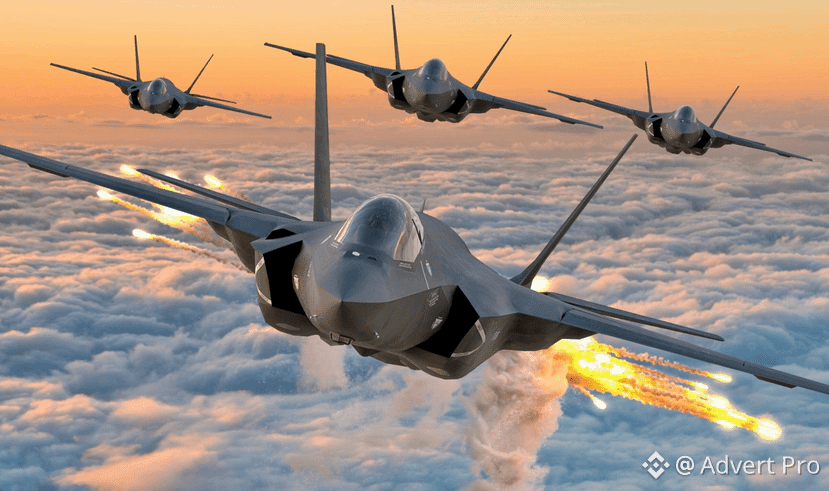
🔥 The violent mid-flight cockpit incident aboard Flydubai Flight FZ1073 (en route from Dubai to Tel Aviv) has sent shockwaves through global markets and aviation security frameworks. After an emergency transponder code was triggered following a cockpit stabbing and a sudden 16,000-foot plunge, off-duty pilots and passengers managed to subdue the assailant before executing an emergency landing in Tabuk, Saudi Arabia.
With Israeli authorities investigating potential state-backed terrorism and regional intelligence assessing retaliatory scenarios, this crisis directly threatens regional stability, aviation protocols, and Abraham Accords normalization dynamics.
🪙 Crypto Market Benchmark Context :
$BTC (Bitcoin): Prime global macro liquidity proxy and digital safe-haven asset; sensitive to geopolitical conflict escalation, flight-to-quality capital flows, and sudden risk-off market drops.
$ARK (ARK Innovation / Ecosystem): High-beta smart contract protocol; functions as a gauge for speculative retail liquidity and ecosystem yield activity during macro uncertainty.
$QNT (Quant Network): Enterprise interoperability layer; sensitive to cross-border financial routing, central bank digital settlement frameworks, and institutional liquidity preservation.
⚠️ Trader & Risk Warning:
Unfolding geopolitical crises, military jet scrambles, and retaliatory defense headlines induce severe, unpredictable whipsaws across crypto and traditional markets! Always maintain strict risk discipline, enforce hard Stop-Loss (SL) parameters, and keep perpetual leverage conservative (2x–5x max)! 🛡️⚡
#Binance #Geopolitics #MiddleEast #CryptoTrading
🚨 MIDDLE EAST GEOPOLITICAL FLASHPOINT: FLYDUBAI COCKPIT CRISIS & IRANIAN TENSION 🇦🇪🇸🇦🇮🇱
🔥 The violent mid-flight cockpit incident aboard Flydubai Flight FZ1073 (en route from Dubai to Tel Aviv) has sent shockwaves through global markets and aviation security frameworks. After an emergency transponder code was triggered following a cockpit stabbing and a sudden 16,000-foot plunge, off-duty pilots and passengers managed to subdue the assailant before executing an emergency landing in Tabuk, Saudi Arabia.
With Israeli authorities investigating potential state-backed terrorism and regional intelligence assessing retaliatory scenarios, this crisis directly threatens regional stability, aviation protocols, and Abraham Accords normalization dynamics.
🪙 Crypto Market Benchmark Context :
$BTC (Bitcoin): Prime global macro liquidity proxy and digital safe-haven asset; sensitive to geopolitical conflict escalation, flight-to-quality capital flows, and sudden risk-off market drops.
$ARK (ARK Innovation / Ecosystem): High-beta smart contract protocol; functions as a gauge for speculative retail liquidity and ecosystem yield activity during macro uncertainty.
$QNT (Quant Network): Enterprise interoperability layer; sensitive to cross-border financial routing, central bank digital settlement frameworks, and institutional liquidity preservation.
⚠️ Trader & Risk Warning:
Unfolding geopolitical crises, military jet scrambles, and retaliatory defense headlines induce severe, unpredictable whipsaws across crypto and traditional markets! Always maintain strict risk discipline, enforce hard Stop-Loss (SL) parameters, and keep perpetual leverage conservative (2x–5x max)! 🛡️⚡
#Binance #Geopolitics #MiddleEast #CryptoTrading
🔥 The violent mid-flight cockpit incident aboard Flydubai Flight FZ1073 (en route from Dubai to Tel Aviv) has sent shockwaves through global markets and aviation security frameworks. After an emergency transponder code was triggered following a cockpit stabbing and a sudden 16,000-foot plunge, off-duty pilots and passengers managed to subdue the assailant before executing an emergency landing in Tabuk, Saudi Arabia.
With Israeli authorities investigating potential state-backed terrorism and regional intelligence assessing retaliatory scenarios, this crisis directly threatens regional stability, aviation protocols, and Abraham Accords normalization dynamics.
🪙 Crypto Market Benchmark Context :
$BTC (Bitcoin): Prime global macro liquidity proxy and digital safe-haven asset; sensitive to geopolitical conflict escalation, flight-to-quality capital flows, and sudden risk-off market drops.
$ARK (ARK Innovation / Ecosystem): High-beta smart contract protocol; functions as a gauge for speculative retail liquidity and ecosystem yield activity during macro uncertainty.
$QNT (Quant Network): Enterprise interoperability layer; sensitive to cross-border financial routing, central bank digital settlement frameworks, and institutional liquidity preservation.
⚠️ Trader & Risk Warning:
Unfolding geopolitical crises, military jet scrambles, and retaliatory defense headlines induce severe, unpredictable whipsaws across crypto and traditional markets! Always maintain strict risk discipline, enforce hard Stop-Loss (SL) parameters, and keep perpetual leverage conservative (2x–5x max)! 🛡️⚡
#Binance #Geopolitics #MiddleEast #CryptoTrading
2
425
US Central Command confirmed on September 30 that the aircraft carrier USS George Bush is actively operating in the Arabian Sea to enforce the US blockade on Iran. Military forces have already intercepted and redirected 125 commercial vessels to maintain strict compliance with the maritime embargo.
This aggressive enforcement marks a tangible escalation in Middle Eastern geopolitical tensions. By directly halting commercial traffic, the US is tightening physical bottlenecks on global crude oil logistics rather than just relying on paper sanctions.
Energy markets face immediate supply risks, driving upward pressure on crude oil prices and reigniting broader inflation concerns. Traditional financial markets are pivoting into defensive mode as bond yields fluctuate and safe-haven assets like the US dollar gain traction.
For the crypto sector, heightened geopolitical friction typically triggers a short-term liquidity drain away from risk assets. If sustained crude oil spikes complicate central bank monetary easing, crypto assets like $BTC may face choppy consolidation before any safe-haven narrative takes hold.
#Geopolitics #CrudeOil #MiddleEast
US Central Command confirmed on September 30 that the aircraft carrier USS George Bush is actively operating in the Arabian Sea to enforce the US blockade on Iran. Military forces have already intercepted and redirected 125 commercial vessels to maintain strict compliance with the maritime embargo.
This aggressive enforcement marks a tangible escalation in Middle Eastern geopolitical tensions. By directly halting commercial traffic, the US is tightening physical bottlenecks on global crude oil logistics rather than just relying on paper sanctions.
Energy markets face immediate supply risks, driving upward pressure on crude oil prices and reigniting broader inflation concerns. Traditional financial markets are pivoting into defensive mode as bond yields fluctuate and safe-haven assets like the US dollar gain traction.
For the crypto sector, heightened geopolitical friction typically triggers a short-term liquidity drain away from risk assets. If sustained crude oil spikes complicate central bank monetary easing, crypto assets like $BTC may face choppy consolidation before any safe-haven narrative takes hold.
#Geopolitics #CrudeOil #MiddleEast
This aggressive enforcement marks a tangible escalation in Middle Eastern geopolitical tensions. By directly halting commercial traffic, the US is tightening physical bottlenecks on global crude oil logistics rather than just relying on paper sanctions.
Energy markets face immediate supply risks, driving upward pressure on crude oil prices and reigniting broader inflation concerns. Traditional financial markets are pivoting into defensive mode as bond yields fluctuate and safe-haven assets like the US dollar gain traction.
For the crypto sector, heightened geopolitical friction typically triggers a short-term liquidity drain away from risk assets. If sustained crude oil spikes complicate central bank monetary easing, crypto assets like $BTC may face choppy consolidation before any safe-haven narrative takes hold.
#Geopolitics #CrudeOil #MiddleEast
138
·
--
The U.S. Central Command announced on September 30 that the U.S. “George H. W. Bush” aircraft carrier is currently on duty in the Arabian Sea, fully supporting the execution of measures to impose a blockade targeting Iran. Official data shows that as of that day, the U.S. military had intercepted and guided 125 merchant vessels to ensure that all blockade requirements were strictly implemented.
This operation means that the maritime blockade in the Middle East has been further put into effect, directly pushing the geopolitical standoff into the frontline execution phase. While the market had previously expected sanctions, the carrier’s on-the-ground involvement and large-scale intervention in commercial shipping still puts the stability of supply in the Middle East’s crude oil transportation routes to the test.
From a macro-asset perspective, disruptions to shipping routes typically quickly increase the risk premium for oil, which in turn raises global inflation expectations. In such friction, commodity markets and safe-haven assets often diverge in performance; U.S. Treasury yields and the U.S. dollar index may also adjust their pace accordingly, and overall investor risk-off sentiment is being passively intensified.
For the crypto market, sudden spikes in geopolitical tensions usually lead to short-term liquidity tilting toward defense, and volatility in mainstream assets such as BTC may increase. Whether the subsequent capital will use any opportunity to pull back to seek safer entries or quickly absorb the sentiment mainly depends on whether the conflict will further spread—so it’s best to stay objective and calm in your trading.👀
#Geopolitics #CrudeOil #MiddleEast
The U.S. Central Command announced on September 30 that the U.S. “George H. W. Bush” aircraft carrier is currently on duty in the Arabian Sea, fully supporting the execution of measures to impose a blockade targeting Iran. Official data shows that as of that day, the U.S. military had intercepted and guided 125 merchant vessels to ensure that all blockade requirements were strictly implemented.
This operation means that the maritime blockade in the Middle East has been further put into effect, directly pushing the geopolitical standoff into the frontline execution phase. While the market had previously expected sanctions, the carrier’s on-the-ground involvement and large-scale intervention in commercial shipping still puts the stability of supply in the Middle East’s crude oil transportation routes to the test.
From a macro-asset perspective, disruptions to shipping routes typically quickly increase the risk premium for oil, which in turn raises global inflation expectations. In such friction, commodity markets and safe-haven assets often diverge in performance; U.S. Treasury yields and the U.S. dollar index may also adjust their pace accordingly, and overall investor risk-off sentiment is being passively intensified.
For the crypto market, sudden spikes in geopolitical tensions usually lead to short-term liquidity tilting toward defense, and volatility in mainstream assets such as BTC may increase. Whether the subsequent capital will use any opportunity to pull back to seek safer entries or quickly absorb the sentiment mainly depends on whether the conflict will further spread—so it’s best to stay objective and calm in your trading.👀
#Geopolitics #CrudeOil #MiddleEast
This operation means that the maritime blockade in the Middle East has been further put into effect, directly pushing the geopolitical standoff into the frontline execution phase. While the market had previously expected sanctions, the carrier’s on-the-ground involvement and large-scale intervention in commercial shipping still puts the stability of supply in the Middle East’s crude oil transportation routes to the test.
From a macro-asset perspective, disruptions to shipping routes typically quickly increase the risk premium for oil, which in turn raises global inflation expectations. In such friction, commodity markets and safe-haven assets often diverge in performance; U.S. Treasury yields and the U.S. dollar index may also adjust their pace accordingly, and overall investor risk-off sentiment is being passively intensified.
For the crypto market, sudden spikes in geopolitical tensions usually lead to short-term liquidity tilting toward defense, and volatility in mainstream assets such as BTC may increase. Whether the subsequent capital will use any opportunity to pull back to seek safer entries or quickly absorb the sentiment mainly depends on whether the conflict will further spread—so it’s best to stay objective and calm in your trading.👀
#Geopolitics #CrudeOil #MiddleEast
5
·
--
🚨 MIDDLE EAST AVIATION SIEGE: TURKEY SEIZES IRANIAN JET AMID SANCTIONS & DEBT CRISIS 🇹🇷🇮🇷🇺🇸
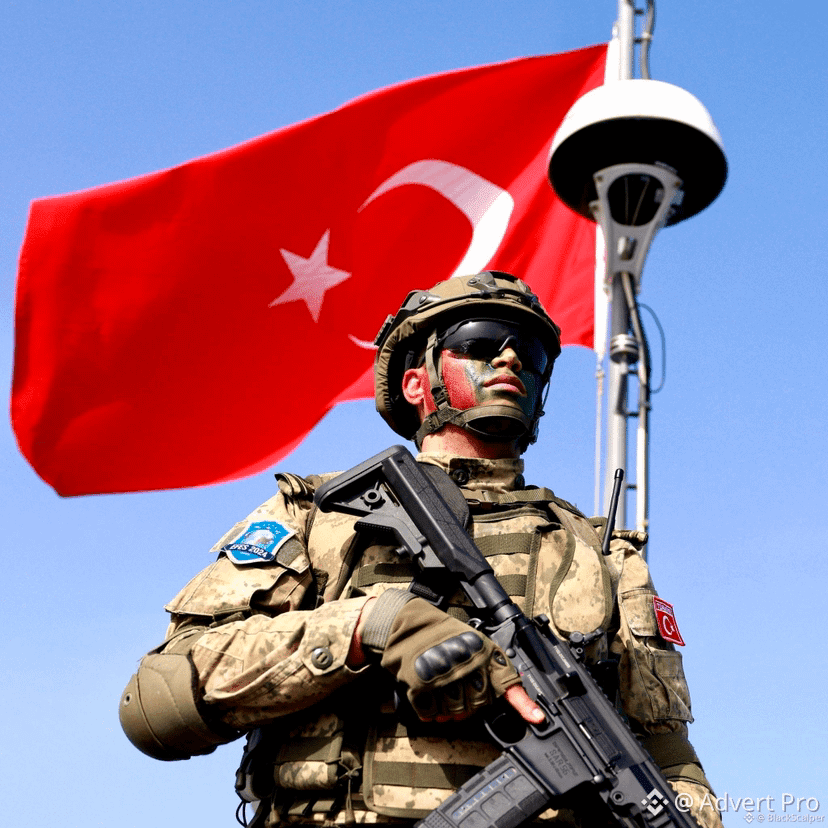
🔥 The court-ordered seizure of a Caspian Airlines Boeing 737 at Istanbul Airport over a $3.4 million (€3M) service debt marks a sharp geopolitical shift. Executed right before takeoff with passengers aboard, this enforcement comes as newly tightened U.S. secondary sanctions apply extreme pressure on foreign hubs handling Iranian aviation assets.
💡 Core Takeaways Behind the Regional Aviation Strain:
👀 Sanctions Enforcement vs. Regional Hubs: Despite ongoing diplomatic ties, Turkey's enforcement highlights how U.S. secondary sanctions are forcing foreign airports and service providers to strictly squeeze non-compliant regional airlines.
🪙 Crypto Market Benchmark Context :
$BNB (BNB Chain): Core exchange utility token; acts as a macro liquidity gauge for global retail volume and regulatory-compliant crypto infrastructure.
$PENGU (Pudgy Penguins): High-beta NFT/IP Web3 ecosystem token; driven by speculative sentiment and retail liquidity cycles.
$ASTER (Astar Network): Multi-chain dApp framework; sensitive to cross-border Web3 enterprise adoption and developer activity.
⚠️ Trader & Risk Warning:
Escalating regional friction and geopolitical headlines trigger rapid volatility across global markets! Always enforce hard Stop-Loss parameters, manage position sizing conservatively, and keep perpetual leverage low (2x–5x max)! 🛡️⚡
💬 Will enforcement actions at key hubs like Istanbul push sanctioned nations entirely toward non-Western trade and financial channels? Share your thoughts below! 👇
📌 Follow & Like for daily geopolitical breakdowns, market analysis, and disciplined crypto risk management setups! 🔥
#Binance #Geopolitics #MiddleEast #CryptoTrading
🚨 MIDDLE EAST AVIATION SIEGE: TURKEY SEIZES IRANIAN JET AMID SANCTIONS & DEBT CRISIS 🇹🇷🇮🇷🇺🇸
🔥 The court-ordered seizure of a Caspian Airlines Boeing 737 at Istanbul Airport over a $3.4 million (€3M) service debt marks a sharp geopolitical shift. Executed right before takeoff with passengers aboard, this enforcement comes as newly tightened U.S. secondary sanctions apply extreme pressure on foreign hubs handling Iranian aviation assets.
💡 Core Takeaways Behind the Regional Aviation Strain:
👀 Sanctions Enforcement vs. Regional Hubs: Despite ongoing diplomatic ties, Turkey's enforcement highlights how U.S. secondary sanctions are forcing foreign airports and service providers to strictly squeeze non-compliant regional airlines.
🪙 Crypto Market Benchmark Context :
$BNB (BNB Chain): Core exchange utility token; acts as a macro liquidity gauge for global retail volume and regulatory-compliant crypto infrastructure.
$PENGU (Pudgy Penguins): High-beta NFT/IP Web3 ecosystem token; driven by speculative sentiment and retail liquidity cycles.
$ASTER (Astar Network): Multi-chain dApp framework; sensitive to cross-border Web3 enterprise adoption and developer activity.
⚠️ Trader & Risk Warning:
Escalating regional friction and geopolitical headlines trigger rapid volatility across global markets! Always enforce hard Stop-Loss parameters, manage position sizing conservatively, and keep perpetual leverage low (2x–5x max)! 🛡️⚡
💬 Will enforcement actions at key hubs like Istanbul push sanctioned nations entirely toward non-Western trade and financial channels? Share your thoughts below! 👇
📌 Follow & Like for daily geopolitical breakdowns, market analysis, and disciplined crypto risk management setups! 🔥
#Binance #Geopolitics #MiddleEast #CryptoTrading
🔥 The court-ordered seizure of a Caspian Airlines Boeing 737 at Istanbul Airport over a $3.4 million (€3M) service debt marks a sharp geopolitical shift. Executed right before takeoff with passengers aboard, this enforcement comes as newly tightened U.S. secondary sanctions apply extreme pressure on foreign hubs handling Iranian aviation assets.
💡 Core Takeaways Behind the Regional Aviation Strain:
👀 Sanctions Enforcement vs. Regional Hubs: Despite ongoing diplomatic ties, Turkey's enforcement highlights how U.S. secondary sanctions are forcing foreign airports and service providers to strictly squeeze non-compliant regional airlines.
🪙 Crypto Market Benchmark Context :
$BNB (BNB Chain): Core exchange utility token; acts as a macro liquidity gauge for global retail volume and regulatory-compliant crypto infrastructure.
$PENGU (Pudgy Penguins): High-beta NFT/IP Web3 ecosystem token; driven by speculative sentiment and retail liquidity cycles.
$ASTER (Astar Network): Multi-chain dApp framework; sensitive to cross-border Web3 enterprise adoption and developer activity.
⚠️ Trader & Risk Warning:
Escalating regional friction and geopolitical headlines trigger rapid volatility across global markets! Always enforce hard Stop-Loss parameters, manage position sizing conservatively, and keep perpetual leverage low (2x–5x max)! 🛡️⚡
💬 Will enforcement actions at key hubs like Istanbul push sanctioned nations entirely toward non-Western trade and financial channels? Share your thoughts below! 👇
📌 Follow & Like for daily geopolitical breakdowns, market analysis, and disciplined crypto risk management setups! 🔥
#Binance #Geopolitics #MiddleEast #CryptoTrading

1
403
·
--
According to the latest report this week by U.S. media outlet AXIOS, Qatar’s officials have recently been actively mediating U.S.-Iran diplomatic talks in Doha. However, because neither side is willing to make concessions, the negotiations have stalled. Insiders say Iran has put forward demands that the U.S. cannot accept, while the U.S. believes it holds the advantage and does not need to give ground. Even some officials worry that there may be a risk of renewed escalation of military conflict in the future.
The negotiations were once expected by the market to ease the highly tense nerves in the Middle East. Yet both sides have adopted extremely hardline stances. This has not only left the mediator frustrated, but has also completely dashed the anticipated geopolitical cooling, with uncertainty once again shrouding the international situation.
As geopolitical risks resurface, they directly affect the performance of commodities and safe-haven assets. Crude oil prices have seen increased volatility amid concerns about supply disruptions. Meanwhile, safe-haven funds have returned to the U.S. dollar and gold, and sentiment across global traditional financial markets overall has leaned toward cautious defense.
For the crypto market, $BTC and major altcoins in the short term will face a dual test from tightened external liquidity and renewed risk-averse sentiment. Before the macro environment becomes clearer, capital may repeatedly swing between risk assets and safe-haven assets. Everyone is advised to stay rational and objective—watch more and act less.
#Geopolitics #MiddleEast #CryptoMarket
According to the latest report this week by U.S. media outlet AXIOS, Qatar’s officials have recently been actively mediating U.S.-Iran diplomatic talks in Doha. However, because neither side is willing to make concessions, the negotiations have stalled. Insiders say Iran has put forward demands that the U.S. cannot accept, while the U.S. believes it holds the advantage and does not need to give ground. Even some officials worry that there may be a risk of renewed escalation of military conflict in the future.
The negotiations were once expected by the market to ease the highly tense nerves in the Middle East. Yet both sides have adopted extremely hardline stances. This has not only left the mediator frustrated, but has also completely dashed the anticipated geopolitical cooling, with uncertainty once again shrouding the international situation.
As geopolitical risks resurface, they directly affect the performance of commodities and safe-haven assets. Crude oil prices have seen increased volatility amid concerns about supply disruptions. Meanwhile, safe-haven funds have returned to the U.S. dollar and gold, and sentiment across global traditional financial markets overall has leaned toward cautious defense.
For the crypto market, $BTC and major altcoins in the short term will face a dual test from tightened external liquidity and renewed risk-averse sentiment. Before the macro environment becomes clearer, capital may repeatedly swing between risk assets and safe-haven assets. Everyone is advised to stay rational and objective—watch more and act less.
#Geopolitics #MiddleEast #CryptoMarket
The negotiations were once expected by the market to ease the highly tense nerves in the Middle East. Yet both sides have adopted extremely hardline stances. This has not only left the mediator frustrated, but has also completely dashed the anticipated geopolitical cooling, with uncertainty once again shrouding the international situation.
As geopolitical risks resurface, they directly affect the performance of commodities and safe-haven assets. Crude oil prices have seen increased volatility amid concerns about supply disruptions. Meanwhile, safe-haven funds have returned to the U.S. dollar and gold, and sentiment across global traditional financial markets overall has leaned toward cautious defense.
For the crypto market, $BTC and major altcoins in the short term will face a dual test from tightened external liquidity and renewed risk-averse sentiment. Before the macro environment becomes clearer, capital may repeatedly swing between risk assets and safe-haven assets. Everyone is advised to stay rational and objective—watch more and act less.
#Geopolitics #MiddleEast #CryptoMarket
387
Log in to explore more content
Join global crypto users on Binance Square
⚡️ Get latest and useful information about crypto.
💬 Trusted by the world’s largest crypto exchange.
👍 Discover real insights from verified creators.
Email / Phone number
Trending Topics
1
#FedMinutesFocusOnOctoberPause
46,258 views
708 Discussing
2
#BinanceLaunchesBinanceIntelligence
988,043 views
5,964 Discussing
3
#EvernorthDelaysNasdaqDebutToOct12
1,664 views
93 Discussing
4
#RobinhoodAdds$25MInBitcoinToBalanceSheet
1,495 views
40 Discussing
5
#SP500AndNasdaqHitRecordHighs
8,862 views
303 Discussing
6
#USMortgageRatesRiseTo7.49%
9,341 views
269 Discussing
7
#BTCFallsBelow$84K
88,618 views
208 Discussing
8
#DubaiVARAIssuesReserveAssetAuditCircular
34,507 views
853 Discussing
9
#SECApproves3XBitcoinETF
32,986 views
693 Discussing
10
#WinklevossFilesSpotZcashETFApplication
41,657 views
805 Discussing