

#gold
gold
23.9M views
60,192 Discussing
Hot
Latest

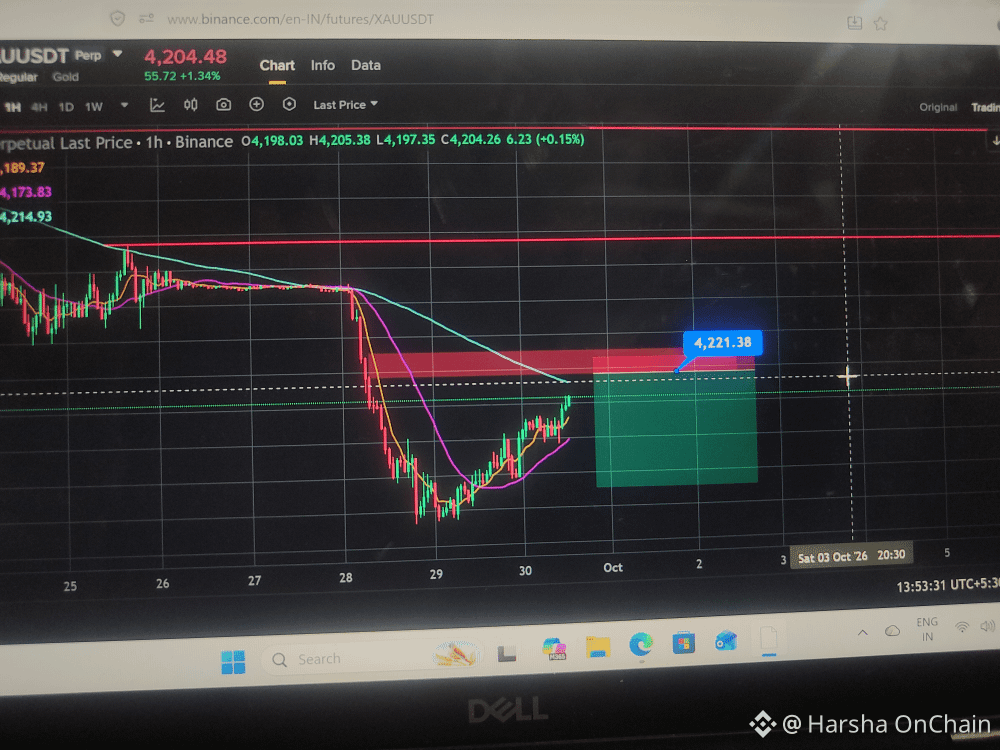
206 Atlas:
The trend label contradicts the +1.33% move. If 4230 is your stop, you are buying a local top in an uptrend.
1
214

🪙 $GOLD.US (XAU/USD) — Today, 30 Sep 2026
Gold is volatile but attempting to stabilize after a sharp September sell-off.
* Spot gold: around $4,180/oz today.
* September performance: down roughly 6% so far.
* Main pressure: stronger USD, elevated Treasury yields, and expectations that the Fed could raise rates again.
* Key catalyst today: U.S. PCE inflation data. A softer reading could help gold; stronger inflation could increase pressure on $XAUT /USD.
Important levels:
🟢 $4,200–$4,300 — recovery zone
🔴 $4,100 — important downside area mentioned by Reuters
If price breaks and holds above $4,200, momentum could improve; losing $4,100 would keep downside pressure in focus.
🇵🇰 Pakistan: reported 24K gold is around Rs436k–Rs442k per tola, with sources differing based on market/update timing.
#EarningsSeason #xau #GOLD
{future}(XAUTUSDT)
🪙 $GOLD.US (XAU/USD) — Today, 30 Sep 2026
Gold is volatile but attempting to stabilize after a sharp September sell-off.
* Spot gold: around $4,180/oz today.
* September performance: down roughly 6% so far.
* Main pressure: stronger USD, elevated Treasury yields, and expectations that the Fed could raise rates again.
* Key catalyst today: U.S. PCE inflation data. A softer reading could help gold; stronger inflation could increase pressure on $XAUT /USD.
Important levels:
🟢 $4,200–$4,300 — recovery zone
🔴 $4,100 — important downside area mentioned by Reuters
If price breaks and holds above $4,200, momentum could improve; losing $4,100 would keep downside pressure in focus.
🇵🇰 Pakistan: reported 24K gold is around Rs436k–Rs442k per tola, with sources differing based on market/update timing.
#EarningsSeason #xau #GOLD
Gold is volatile but attempting to stabilize after a sharp September sell-off.
* Spot gold: around $4,180/oz today.
* September performance: down roughly 6% so far.
* Main pressure: stronger USD, elevated Treasury yields, and expectations that the Fed could raise rates again.
* Key catalyst today: U.S. PCE inflation data. A softer reading could help gold; stronger inflation could increase pressure on $XAUT /USD.
Important levels:
🟢 $4,200–$4,300 — recovery zone
🔴 $4,100 — important downside area mentioned by Reuters
If price breaks and holds above $4,200, momentum could improve; losing $4,100 would keep downside pressure in focus.
🇵🇰 Pakistan: reported 24K gold is around Rs436k–Rs442k per tola, with sources differing based on market/update timing.
#EarningsSeason #xau #GOLD
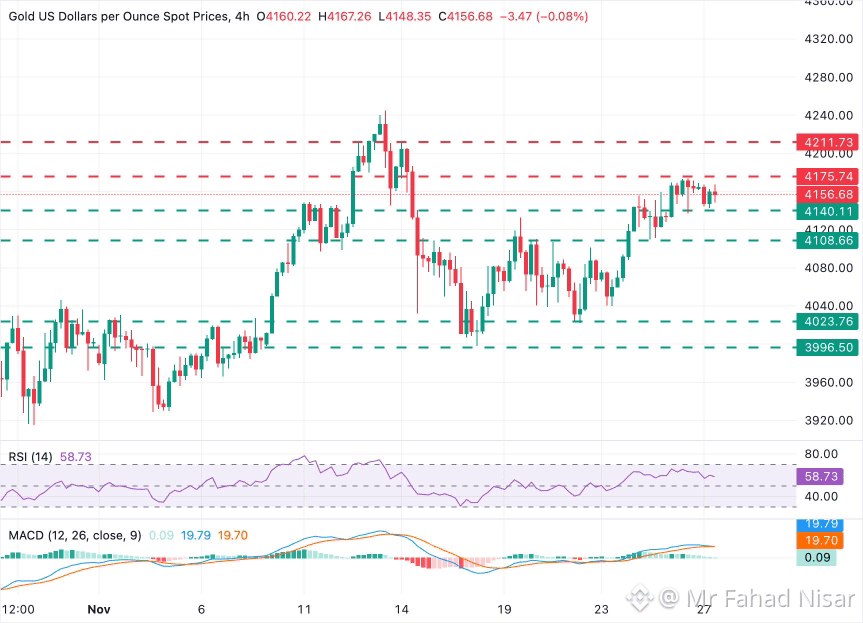
206 Atlas:
Gold’s reliance on PCE data makes $4,200 a fragile pivot. A break below $4,100 confirms the bearish trend despite any short-term stabilization attempts.
1
234

·
--
📉 PAX Gold ($PAXG) rejected again from resistance. Leaning short 🩸
💬 Still below the bigger downtrend. 1H got rejected at the 50 EMA and couldn't reclaim. ⭐ Score 63/100 (B+).
🔴 Idea: SHORT
🎯 Entry: 4184.95
🛑 Stop: 4208.03 (-0.55%)
✅ Target: 4138.79 (+1.10%)
⚖️ R:R ~1:2.0
🧩 Pattern: EMATrend
📊 Market snapshot:
⏱ Funding 0.0050% (Neutral), next in 2h 01m
📦 OI $102.80M
💰 24h vol $88.26M
📈 24h range 4149.87–4222.79 (+0.5%)
✨ Why it stands out:
• Futures-only
• 🚀 Volume ×2.9 above average
💬 Already short $PAXG, or sitting this one out?
🔔 If this kind of chart walkthrough is useful, hit Follow so you catch the next ones 👆
#PAXG #Gold #BinanceFutures #BinanceSquare
⚠️ Not financial advice — size small and use a stop.
📉 PAX Gold ($PAXG ) rejected again from resistance. Leaning short 🩸
💬 Still below the bigger downtrend. 1H got rejected at the 50 EMA and couldn't reclaim. ⭐ Score 63/100 (B+).
🔴 Idea: SHORT
🎯 Entry: 4184.95
🛑 Stop: 4208.03 (-0.55%)
✅ Target: 4138.79 (+1.10%)
⚖️ R:R ~1:2.0
🧩 Pattern: EMATrend
📊 Market snapshot:
⏱ Funding 0.0050% (Neutral), next in 2h 01m
📦 OI $102.80M
💰 24h vol $88.26M
📈 24h range 4149.87–4222.79 (+0.5%)
✨ Why it stands out:
• Futures-only
• 🚀 Volume ×2.9 above average
💬 Already short $PAXG , or sitting this one out?
🔔 If this kind of chart walkthrough is useful, hit Follow so you catch the next ones 👆
#PAXG #Gold #BinanceFutures #BinanceSquare
⚠️ Not financial advice — size small and use a stop.
💬 Still below the bigger downtrend. 1H got rejected at the 50 EMA and couldn't reclaim. ⭐ Score 63/100 (B+).
🔴 Idea: SHORT
🎯 Entry: 4184.95
🛑 Stop: 4208.03 (-0.55%)
✅ Target: 4138.79 (+1.10%)
⚖️ R:R ~1:2.0
🧩 Pattern: EMATrend
📊 Market snapshot:
⏱ Funding 0.0050% (Neutral), next in 2h 01m
📦 OI $102.80M
💰 24h vol $88.26M
📈 24h range 4149.87–4222.79 (+0.5%)
✨ Why it stands out:
• Futures-only
• 🚀 Volume ×2.9 above average
💬 Already short $PAXG , or sitting this one out?
🔔 If this kind of chart walkthrough is useful, hit Follow so you catch the next ones 👆
#PAXG #Gold #BinanceFutures #BinanceSquare
⚠️ Not financial advice — size small and use a stop.
4

·
--
Bullish
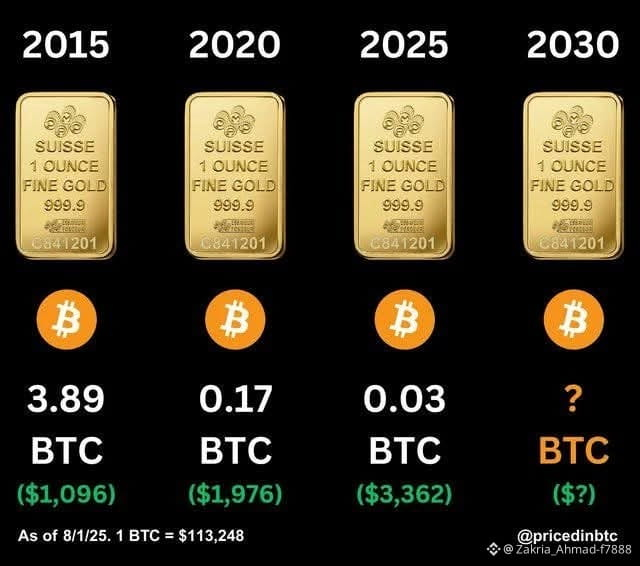
Bitcoin vs Gold: The Changing Equation
One thing stands out in this comparison: the amount of Bitcoin needed to equal the value of 1 ounce of gold has fallen dramatically over time.
In the image:
2015: 1 oz gold ≈ 3.89 BTC
2020: ≈ 0.17 BTC
2025: ≈ 0.03 BTC
2030: ?
That doesn't mean Bitcoin will automatically outperform gold in the future. The 2030 figure is unknown, and both assets can experience major volatility.
But the historical comparison shows how dramatically Bitcoin's market value has changed relative to gold over the past decade.
For me, the interesting question isn't “Gold or Bitcoin?”
It's:
What will the gold-to-Bitcoin ratio look like in 2030?
#Bitcoin #BTC #GOLD #Crypto #Binance #BitcoinVsGold $NVDAB $AAPLB $NVDA.US #Investing #markets
Bitcoin vs Gold: The Changing Equation
One thing stands out in this comparison: the amount of Bitcoin needed to equal the value of 1 ounce of gold has fallen dramatically over time.
In the image:
2015: 1 oz gold ≈ 3.89 BTC
2020: ≈ 0.17 BTC
2025: ≈ 0.03 BTC
2030: ?
That doesn't mean Bitcoin will automatically outperform gold in the future. The 2030 figure is unknown, and both assets can experience major volatility.
But the historical comparison shows how dramatically Bitcoin's market value has changed relative to gold over the past decade.
For me, the interesting question isn't “Gold or Bitcoin?”
It's:
What will the gold-to-Bitcoin ratio look like in 2030?
#Bitcoin #BTC #GOLD #Crypto #Binance #BitcoinVsGold $NVDAB $AAPLB $NVDA.US #Investing #markets
One thing stands out in this comparison: the amount of Bitcoin needed to equal the value of 1 ounce of gold has fallen dramatically over time.
In the image:
2015: 1 oz gold ≈ 3.89 BTC
2020: ≈ 0.17 BTC
2025: ≈ 0.03 BTC
2030: ?
That doesn't mean Bitcoin will automatically outperform gold in the future. The 2030 figure is unknown, and both assets can experience major volatility.
But the historical comparison shows how dramatically Bitcoin's market value has changed relative to gold over the past decade.
For me, the interesting question isn't “Gold or Bitcoin?”
It's:
What will the gold-to-Bitcoin ratio look like in 2030?
#Bitcoin #BTC #GOLD #Crypto #Binance #BitcoinVsGold $NVDAB $AAPLB $NVDA.US #Investing #markets
1
42

#earningsseason 🇻🇪 $TRUMP | Venezuela Gold Controversy
According to The New York Times, gold transported from Venezuela to the U.S. is reportedly facing processing delays as some refineries remain concerned about potential links to corruption and organized-crime networks.
The report says shipments worth hundreds of millions of dollars are being held in warehouses while U.S. authorities review compliance and anti-corruption concerns.
It also reports that Washington negotiated a multimillion-dollar agreement with Venezuela’s state mining company Minerven to facilitate gold sales in U.S. markets.
The developments raise questions about due diligence, sanctions compliance, and the oversight of Venezuela’s gold trade. 👀
What’s your take on this? 👇
#TRUMP #Venezuela #Gold $TRUMP
{spot}(TRUMPUSDT)
#earningsseason 🇻🇪 $TRUMP | Venezuela Gold Controversy
According to The New York Times, gold transported from Venezuela to the U.S. is reportedly facing processing delays as some refineries remain concerned about potential links to corruption and organized-crime networks.
The report says shipments worth hundreds of millions of dollars are being held in warehouses while U.S. authorities review compliance and anti-corruption concerns.
It also reports that Washington negotiated a multimillion-dollar agreement with Venezuela’s state mining company Minerven to facilitate gold sales in U.S. markets.
The developments raise questions about due diligence, sanctions compliance, and the oversight of Venezuela’s gold trade. 👀
What’s your take on this? 👇
#TRUMP #Venezuela #Gold $TRUMP
According to The New York Times, gold transported from Venezuela to the U.S. is reportedly facing processing delays as some refineries remain concerned about potential links to corruption and organized-crime networks.
The report says shipments worth hundreds of millions of dollars are being held in warehouses while U.S. authorities review compliance and anti-corruption concerns.
It also reports that Washington negotiated a multimillion-dollar agreement with Venezuela’s state mining company Minerven to facilitate gold sales in U.S. markets.
The developments raise questions about due diligence, sanctions compliance, and the oversight of Venezuela’s gold trade. 👀
What’s your take on this? 👇
#TRUMP #Venezuela #Gold $TRUMP
23

Gold ($XAU ) is trading around $4,191 to $4,198 USD per troy ounce, attempting a steady technical recovery following a sharp multi-session pullback from earlier monthly highs.
Key Technical Levels & Market Drivers
Support Zones: Immediate near-term support is building around $4,175 to $4,190, with a critical primary demand zone protecting the downside between $4,110 and $4,140.
Resistance Barriers: Overhead supply is clustered near $4,200 to $4,230. A confirmed high-volume break above this range is required to shift short-term momentum back toward upper resistance clusters near $4,280–$4,320.
Macro & Yield Context: Price action remains sensitive to shifting U.S. Treasury yields, ongoing inflation data releases, and shifting market expectations regarding upcoming Federal Reserve monetary policy adjustments.
$XAU
#QNTRises287% #TrumpRejectsAIRulesForVoluntaryAudits #GOLD #XAU #BitgetHotWalletBreachTiedToThirdPartySecurityFlaw
{future}(XAUUSDT)
Gold ($XAU ) is trading around $4,191 to $4,198 USD per troy ounce, attempting a steady technical recovery following a sharp multi-session pullback from earlier monthly highs.
Key Technical Levels & Market Drivers
Support Zones: Immediate near-term support is building around $4,175 to $4,190, with a critical primary demand zone protecting the downside between $4,110 and $4,140.
Resistance Barriers: Overhead supply is clustered near $4,200 to $4,230. A confirmed high-volume break above this range is required to shift short-term momentum back toward upper resistance clusters near $4,280–$4,320.
Macro & Yield Context: Price action remains sensitive to shifting U.S. Treasury yields, ongoing inflation data releases, and shifting market expectations regarding upcoming Federal Reserve monetary policy adjustments.
$XAU
#QNTRises287% #TrumpRejectsAIRulesForVoluntaryAudits #GOLD #XAU #BitgetHotWalletBreachTiedToThirdPartySecurityFlaw
Key Technical Levels & Market Drivers
Support Zones: Immediate near-term support is building around $4,175 to $4,190, with a critical primary demand zone protecting the downside between $4,110 and $4,140.
Resistance Barriers: Overhead supply is clustered near $4,200 to $4,230. A confirmed high-volume break above this range is required to shift short-term momentum back toward upper resistance clusters near $4,280–$4,320.
Macro & Yield Context: Price action remains sensitive to shifting U.S. Treasury yields, ongoing inflation data releases, and shifting market expectations regarding upcoming Federal Reserve monetary policy adjustments.
$XAU
#QNTRises287% #TrumpRejectsAIRulesForVoluntaryAudits #GOLD #XAU #BitgetHotWalletBreachTiedToThirdPartySecurityFlaw
3

HISTORIC VOLATILITY TESTS $XAU AS SMART MONEY FACES KEY RESISTANCE AT 4250 🚨
Entry: 4,200 ⚡
Target: 4,250 🚀
$XAU is staging a technical retracement back toward 4,200 after recording seven massive daily liquidations this year—a historical volatility threshold not seen since 2008. 📊 Institutional order flow remains overall bearish, framing this current upside bounce as a liquidity test into key supply.
📌 The primary structural pivot sits around 4,250, followed by secondary resistance at 4,290. Buyers must absorb heavy seller interest at these key levels to invalidate the prevailing downside expansion and clear a pathway toward 4,500. 🔍
💬 Are institutional sellers preparing to defend the 4,250 supply zone, or will buyers reclaim control? 👇
⚠️ Not financial advice. Always manage your risk. 🛡️
🏷️ #XAU #Gold #MarketStructure #TechnicalAnalysis
🎯 🦈
HISTORIC VOLATILITY TESTS $XAU AS SMART MONEY FACES KEY RESISTANCE AT 4250 🚨
Entry: 4,200 ⚡
Target: 4,250 🚀
$XAU is staging a technical retracement back toward 4,200 after recording seven massive daily liquidations this year—a historical volatility threshold not seen since 2008. 📊 Institutional order flow remains overall bearish, framing this current upside bounce as a liquidity test into key supply.
📌 The primary structural pivot sits around 4,250, followed by secondary resistance at 4,290. Buyers must absorb heavy seller interest at these key levels to invalidate the prevailing downside expansion and clear a pathway toward 4,500. 🔍
💬 Are institutional sellers preparing to defend the 4,250 supply zone, or will buyers reclaim control? 👇
⚠️ Not financial advice. Always manage your risk. 🛡️
🏷️ #XAU #Gold #MarketStructure #TechnicalAnalysis
🎯 🦈
Entry: 4,200 ⚡
Target: 4,250 🚀
$XAU is staging a technical retracement back toward 4,200 after recording seven massive daily liquidations this year—a historical volatility threshold not seen since 2008. 📊 Institutional order flow remains overall bearish, framing this current upside bounce as a liquidity test into key supply.
📌 The primary structural pivot sits around 4,250, followed by secondary resistance at 4,290. Buyers must absorb heavy seller interest at these key levels to invalidate the prevailing downside expansion and clear a pathway toward 4,500. 🔍
💬 Are institutional sellers preparing to defend the 4,250 supply zone, or will buyers reclaim control? 👇
⚠️ Not financial advice. Always manage your risk. 🛡️
🏷️ #XAU #Gold #MarketStructure #TechnicalAnalysis
🎯 🦈
8

·
--
💰#Gold consolidates rebound from eight-week lows, while trading below $4,200 early Wednesday.
💸 US Dollar sees a profit-taking pullback ahead of US ADP jobs and PCE Inflation data.
📉 Gold reverts to the key support-turned-resistance near $4,185, with daily RSI still bearish.
Analysis on the next XAU/USD moves ⏬
{future}(XAUUSDT)
💰#Gold consolidates rebound from eight-week lows, while trading below $4,200 early Wednesday.
💸 US Dollar sees a profit-taking pullback ahead of US ADP jobs and PCE Inflation data.
📉 Gold reverts to the key support-turned-resistance near $4,185, with daily RSI still bearish.
Analysis on the next XAU/USD moves ⏬
💸 US Dollar sees a profit-taking pullback ahead of US ADP jobs and PCE Inflation data.
📉 Gold reverts to the key support-turned-resistance near $4,185, with daily RSI still bearish.
Analysis on the next XAU/USD moves ⏬

206 Atlas:
The $4,185 level is a logical resistance given the bearish RSI and failed rebound. Watch for a decisive break or rejection to confirm the next move.
1
146


STRAIGHT TO TP2//90pips✅
Let’s CLOSE our trade now and set breakeven if you wish to hold now‼️
Nonstop smashing TP with #AasimmajeedAMC
$XAU
#GOLD #EarningsSeason
STRAIGHT TO TP2//90pips✅
Let’s CLOSE our trade now and set breakeven if you wish to hold now‼️
Nonstop smashing TP with #AasimmajeedAMC
$XAU
#GOLD #EarningsSeason
Let’s CLOSE our trade now and set breakeven if you wish to hold now‼️
Nonstop smashing TP with #AasimmajeedAMC
$XAU
#GOLD #EarningsSeason
1
104
Round 1 STRAIGHT TO TP1//50pips✅
Let’s CLOSE our trade now and set breakeven if you wish to hold now‼️
What a great way to start our day🔥
$XAU
#GOLD #EarningsSeason
Round 1 STRAIGHT TO TP1//50pips✅
Let’s CLOSE our trade now and set breakeven if you wish to hold now‼️
What a great way to start our day🔥
$XAU
#GOLD #EarningsSeason
Let’s CLOSE our trade now and set breakeven if you wish to hold now‼️
What a great way to start our day🔥
$XAU
#GOLD #EarningsSeason
Aasim Majeed AMC
·
--
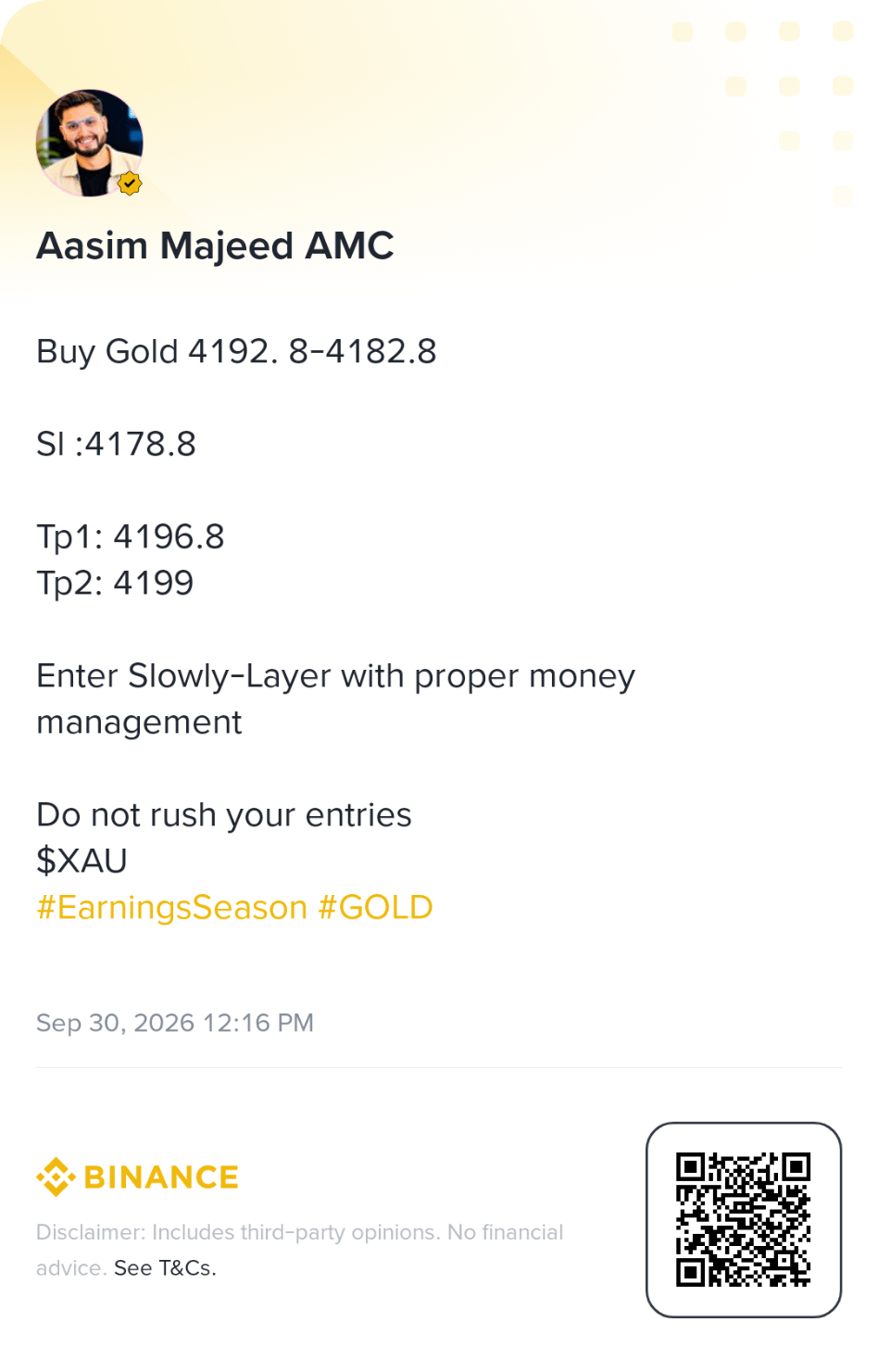
Buy Gold 4192. 8-4182.8
Sl :4178.8
Tp1: 4196.8
Tp2: 4199
Enter Slowly-Layer with proper money management
Do not rush your entries
$XAU
#EarningsSeason #GOLD
Sl :4178.8
Tp1: 4196.8
Tp2: 4199
Enter Slowly-Layer with proper money management
Do not rush your entries
$XAU
#EarningsSeason #GOLD
30
Buy Gold 4192. 8-4182.8
Sl :4178.8
Tp1: 4196.8
Tp2: 4199
Enter Slowly-Layer with proper money management
Do not rush your entries
$XAU
#EarningsSeason #GOLD
Buy Gold 4192. 8-4182.8
Sl :4178.8
Tp1: 4196.8
Tp2: 4199
Enter Slowly-Layer with proper money management
Do not rush your entries
$XAU
#EarningsSeason #GOLD
Sl :4178.8
Tp1: 4196.8
Tp2: 4199
Enter Slowly-Layer with proper money management
Do not rush your entries
$XAU
#EarningsSeason #GOLD
1
1
87

·
--
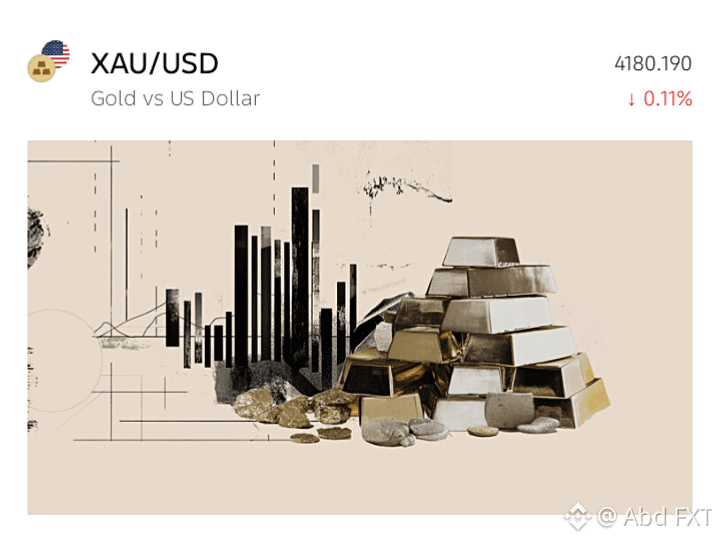
India Gold Price Today: Steady at INR 12,905 per Gram
Gold prices in India remained broadly unchanged on Wednesday - FXStreet
Today's Price:
• 1 Gram: INR 12,905.95 (Yesterday: 12,904.41)
• 1 Tola: INR 150,533.20 (Yesterday: 150,514.50)
• 10 Grams: INR 129,057.20
• 1 Troy Ounce: INR 401,421.20
Why Gold matters?
Gold = Safe-haven asset, hedge against inflation & weak currency. Central banks (China, India, Turkey) bought 1,136 tonnes worth $70B in 2022 - highest ever.
Note: Price calculated from XAU/USD converted to INR. Local rates may vary slightly.
Source: FXStreet Team - 30.09.2026
#GOLD #XAUUSD #GoldPriceRecordHigh #trading
India Gold Price Today: Steady at INR 12,905 per Gram
Gold prices in India remained broadly unchanged on Wednesday - FXStreet
Today's Price:
• 1 Gram: INR 12,905.95 (Yesterday: 12,904.41)
• 1 Tola: INR 150,533.20 (Yesterday: 150,514.50)
• 10 Grams: INR 129,057.20
• 1 Troy Ounce: INR 401,421.20
Why Gold matters?
Gold = Safe-haven asset, hedge against inflation & weak currency. Central banks (China, India, Turkey) bought 1,136 tonnes worth $70B in 2022 - highest ever.
Note: Price calculated from XAU/USD converted to INR. Local rates may vary slightly.
Source: FXStreet Team - 30.09.2026
#GOLD #XAUUSD #GoldPriceRecordHigh #trading
Gold prices in India remained broadly unchanged on Wednesday - FXStreet
Today's Price:
• 1 Gram: INR 12,905.95 (Yesterday: 12,904.41)
• 1 Tola: INR 150,533.20 (Yesterday: 150,514.50)
• 10 Grams: INR 129,057.20
• 1 Troy Ounce: INR 401,421.20
Why Gold matters?
Gold = Safe-haven asset, hedge against inflation & weak currency. Central banks (China, India, Turkey) bought 1,136 tonnes worth $70B in 2022 - highest ever.
Note: Price calculated from XAU/USD converted to INR. Local rates may vary slightly.
Source: FXStreet Team - 30.09.2026
#GOLD #XAUUSD #GoldPriceRecordHigh #trading
107

·
--
Bullish
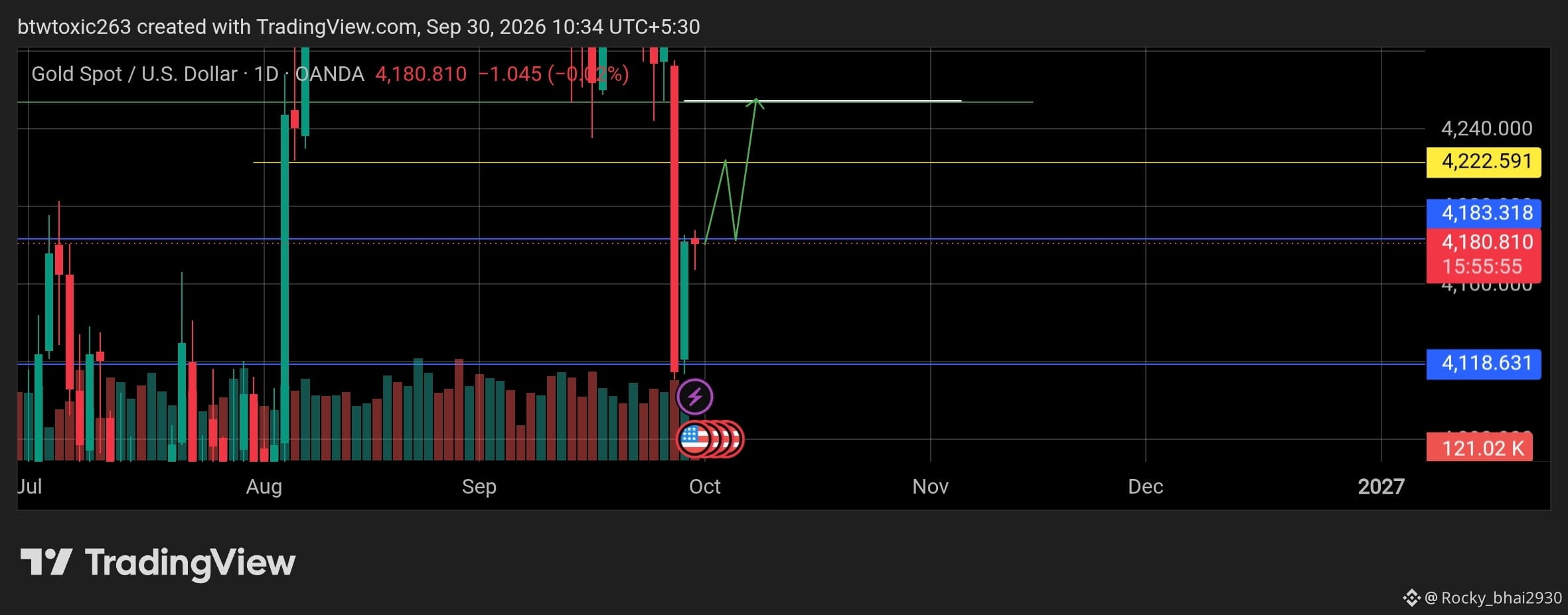
🟢 $XAU 1D — Bullish Setup Loading?
Gold is currently holding around $4,180 after a sharp correction.
$4,118 is the key support zone — as long as this level holds, the bullish structure remains interesting.
Immediate resistance: $4,183.
A clean breakout above $4,183 could open the path toward $4,222.
If momentum continues, the next major zone to watch is around $4,250.
📌 Key level: $4,118
🚀 Breakout level: $4,183
🎯 Targets: $4,222 → $4,250
⚠️ A daily close below $4,118 would weaken this bullish setup.
Gold is at a decision zone — breakout or another retest? 👀🔥
{future}(XAUUSDT)
#GOLD #XAUUSD #GoldAnalysis #Trading #Forex
🟢 $XAU 1D — Bullish Setup Loading?
Gold is currently holding around $4,180 after a sharp correction.
$4,118 is the key support zone — as long as this level holds, the bullish structure remains interesting.
Immediate resistance: $4,183.
A clean breakout above $4,183 could open the path toward $4,222.
If momentum continues, the next major zone to watch is around $4,250.
📌 Key level: $4,118
🚀 Breakout level: $4,183
🎯 Targets: $4,222 → $4,250
⚠️ A daily close below $4,118 would weaken this bullish setup.
Gold is at a decision zone — breakout or another retest? 👀🔥
#GOLD #XAUUSD #GoldAnalysis #Trading #Forex
Gold is currently holding around $4,180 after a sharp correction.
$4,118 is the key support zone — as long as this level holds, the bullish structure remains interesting.
Immediate resistance: $4,183.
A clean breakout above $4,183 could open the path toward $4,222.
If momentum continues, the next major zone to watch is around $4,250.
📌 Key level: $4,118
🚀 Breakout level: $4,183
🎯 Targets: $4,222 → $4,250
⚠️ A daily close below $4,118 would weaken this bullish setup.
Gold is at a decision zone — breakout or another retest? 👀🔥
#GOLD #XAUUSD #GoldAnalysis #Trading #Forex
1
151

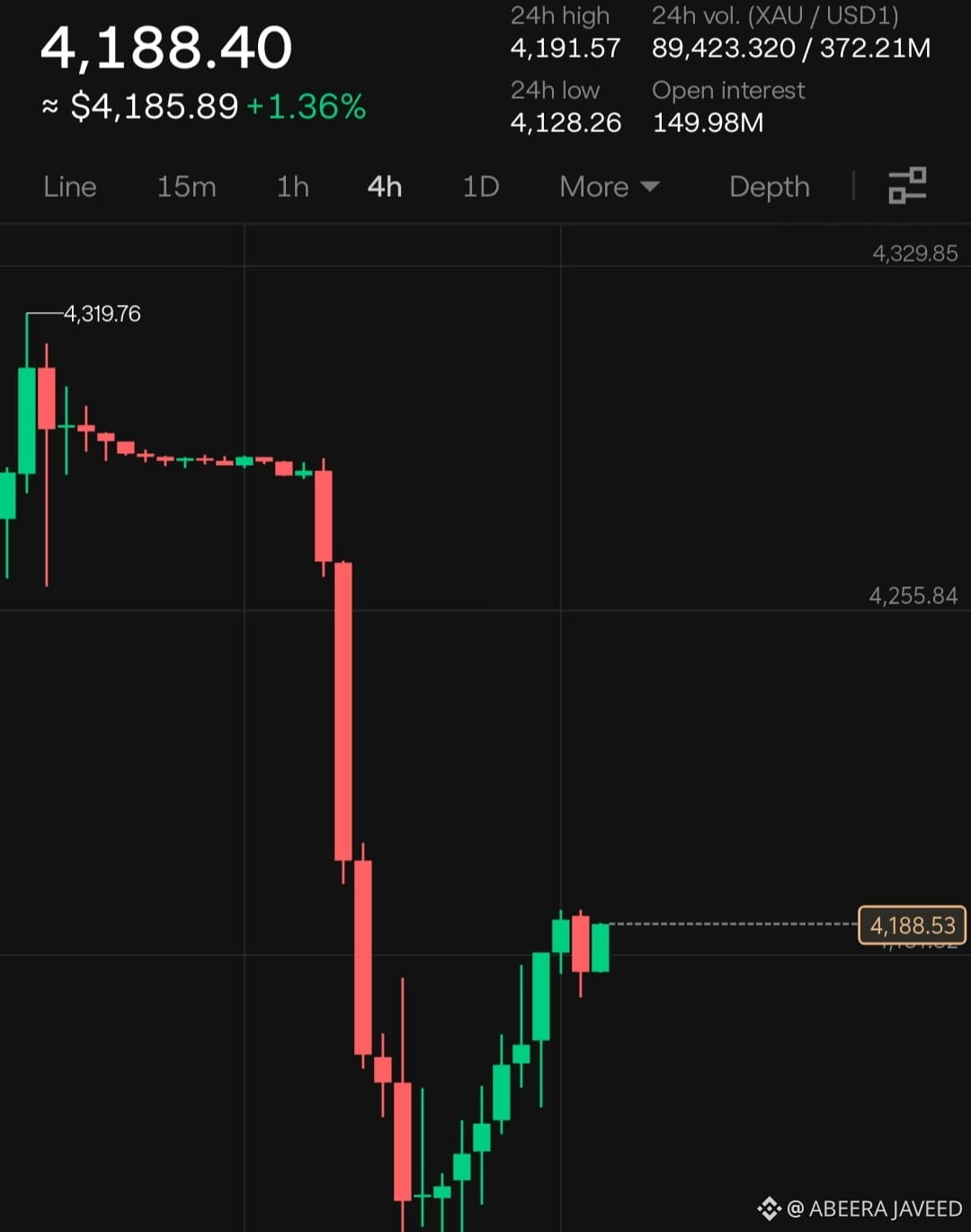

BANK OF KOREA ACCUMULATING GOLD AS SOVEREIGN RESERVES PREPARE FOR MACRO SHIFT $BTC 🏦 ⚡
Central banks are quietly positioning before the end of the year. The Bank of Korea is set to pull 1 ton of gold directly off the open market in December, underscoring a persistent global shift toward hard reserve assets. 🏦
When sovereign institutions step up their bids for physical gold, capital allocators inevitably turn their attention toward $PAXG and $BTC . 💡 Liquidity tends to follow sovereign conviction, and this accumulation trend reinforces the macro bid for scarce assets as global debt expands. 📊
💬 Do you see sovereign gold buying as a leading indicator for the next crypto macro leg up? 👇
⚠️ Not financial advice. Always manage your risk. 🛡️
🏷️ #BTC #PAXG #Gold #Macro #Crypto
🏦 💎
BANK OF KOREA ACCUMULATING GOLD AS SOVEREIGN RESERVES PREPARE FOR MACRO SHIFT $BTC 🏦 ⚡
Central banks are quietly positioning before the end of the year. The Bank of Korea is set to pull 1 ton of gold directly off the open market in December, underscoring a persistent global shift toward hard reserve assets. 🏦
When sovereign institutions step up their bids for physical gold, capital allocators inevitably turn their attention toward $PAXG and $BTC . 💡 Liquidity tends to follow sovereign conviction, and this accumulation trend reinforces the macro bid for scarce assets as global debt expands. 📊
💬 Do you see sovereign gold buying as a leading indicator for the next crypto macro leg up? 👇
⚠️ Not financial advice. Always manage your risk. 🛡️
🏷️ #BTC #PAXG #Gold #Macro #Crypto
🏦 💎
Central banks are quietly positioning before the end of the year. The Bank of Korea is set to pull 1 ton of gold directly off the open market in December, underscoring a persistent global shift toward hard reserve assets. 🏦
When sovereign institutions step up their bids for physical gold, capital allocators inevitably turn their attention toward $PAXG and $BTC . 💡 Liquidity tends to follow sovereign conviction, and this accumulation trend reinforces the macro bid for scarce assets as global debt expands. 📊
💬 Do you see sovereign gold buying as a leading indicator for the next crypto macro leg up? 👇
⚠️ Not financial advice. Always manage your risk. 🛡️
🏷️ #BTC #PAXG #Gold #Macro #Crypto
🏦 💎
88

·
--
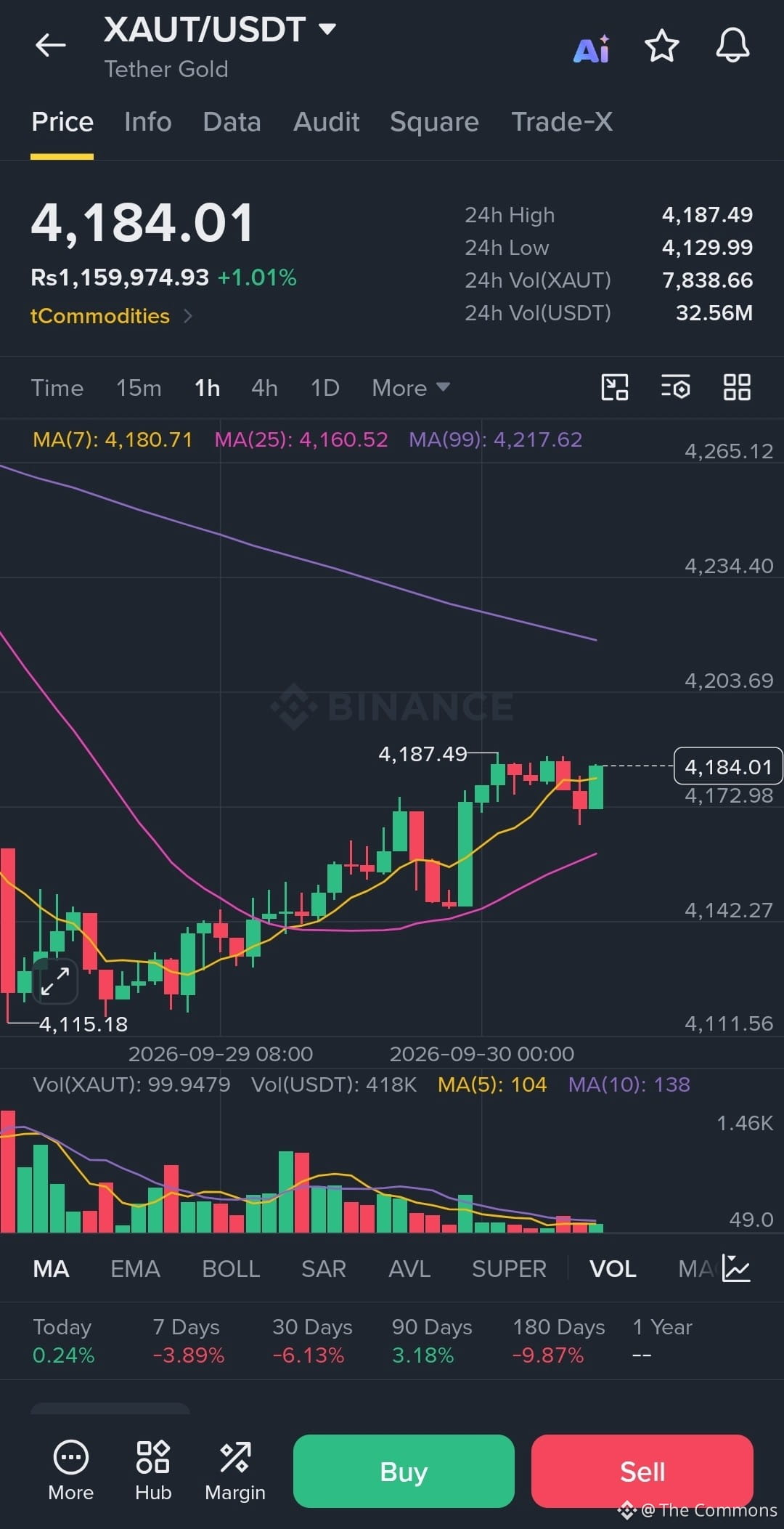
🚨$XAUT /USDT GOLD WATCH! 🪙🔥
XAUT is trading around $4,184, holding above the MA(7) at $4,180 and MA(25) at $4,160. Bulls are still showing strength, but $4,187–$4,200 is the key resistance zone.
📈 Potential setup:
Entry: $4,180–$4,184
🎯 TP1: $4,200
🎯 TP2: $4,217
🛑 SL: $4,160
Break above $4,200 with volume could bring another push higher.
⚠️ Trade with proper risk management—levels are based on the chart, not guaranteed.
#XAUTUSTD #Gold #BİNANCESQUARE
{future}(XAUTUSDT)
🚨$XAUT /USDT GOLD WATCH! 🪙🔥
XAUT is trading around $4,184, holding above the MA(7) at $4,180 and MA(25) at $4,160. Bulls are still showing strength, but $4,187–$4,200 is the key resistance zone.
📈 Potential setup:
Entry: $4,180–$4,184
🎯 TP1: $4,200
🎯 TP2: $4,217
🛑 SL: $4,160
Break above $4,200 with volume could bring another push higher.
⚠️ Trade with proper risk management—levels are based on the chart, not guaranteed.
#XAUTUSTD #Gold #BİNANCESQUARE
XAUT is trading around $4,184, holding above the MA(7) at $4,180 and MA(25) at $4,160. Bulls are still showing strength, but $4,187–$4,200 is the key resistance zone.
📈 Potential setup:
Entry: $4,180–$4,184
🎯 TP1: $4,200
🎯 TP2: $4,217
🛑 SL: $4,160
Break above $4,200 with volume could bring another push higher.
⚠️ Trade with proper risk management—levels are based on the chart, not guaranteed.
#XAUTUSTD #Gold #BİNANCESQUARE
127

🟡 GOLD BOUNCES BACK AFTER 4% CRASH!
Gold recovered as traders reassessed the Fed’s rate path amid stubbornly high Treasury yields.
📈 Gold jumped up to 1.4% to $4,175.20/oz after Monday’s 4% plunge.
⚠️ But the pressure remains:
• US long-term Treasury yield hit its highest since 2002
• Elevated oil prices could keep inflation higher
• Higher yields increase the opportunity cost of holding non-yielding gold
🔥 Key question: Can gold sustain the rebound, or will high yields trigger another sell-off?
Trade Here 👉 $XAU | $XAG | $PAXG
{future}(PAXGUSDT)
{future}(XAGUSDT)
{future}(XAUUSDT)
#EarningsSeason #USJobOpeningsFallToFiveMonthLow #GOLD #StreamerClub #Write2Earn
🟡 GOLD BOUNCES BACK AFTER 4% CRASH!
Gold recovered as traders reassessed the Fed’s rate path amid stubbornly high Treasury yields.
📈 Gold jumped up to 1.4% to $4,175.20/oz after Monday’s 4% plunge.
⚠️ But the pressure remains:
• US long-term Treasury yield hit its highest since 2002
• Elevated oil prices could keep inflation higher
• Higher yields increase the opportunity cost of holding non-yielding gold
🔥 Key question: Can gold sustain the rebound, or will high yields trigger another sell-off?
Trade Here 👉 $XAU | $XAG | $PAXG
#EarningsSeason #USJobOpeningsFallToFiveMonthLow #GOLD #StreamerClub #Write2Earn
Gold recovered as traders reassessed the Fed’s rate path amid stubbornly high Treasury yields.
📈 Gold jumped up to 1.4% to $4,175.20/oz after Monday’s 4% plunge.
⚠️ But the pressure remains:
• US long-term Treasury yield hit its highest since 2002
• Elevated oil prices could keep inflation higher
• Higher yields increase the opportunity cost of holding non-yielding gold
🔥 Key question: Can gold sustain the rebound, or will high yields trigger another sell-off?
Trade Here 👉 $XAU | $XAG | $PAXG
#EarningsSeason #USJobOpeningsFallToFiveMonthLow #GOLD #StreamerClub #Write2Earn

236

·
--
Bearish
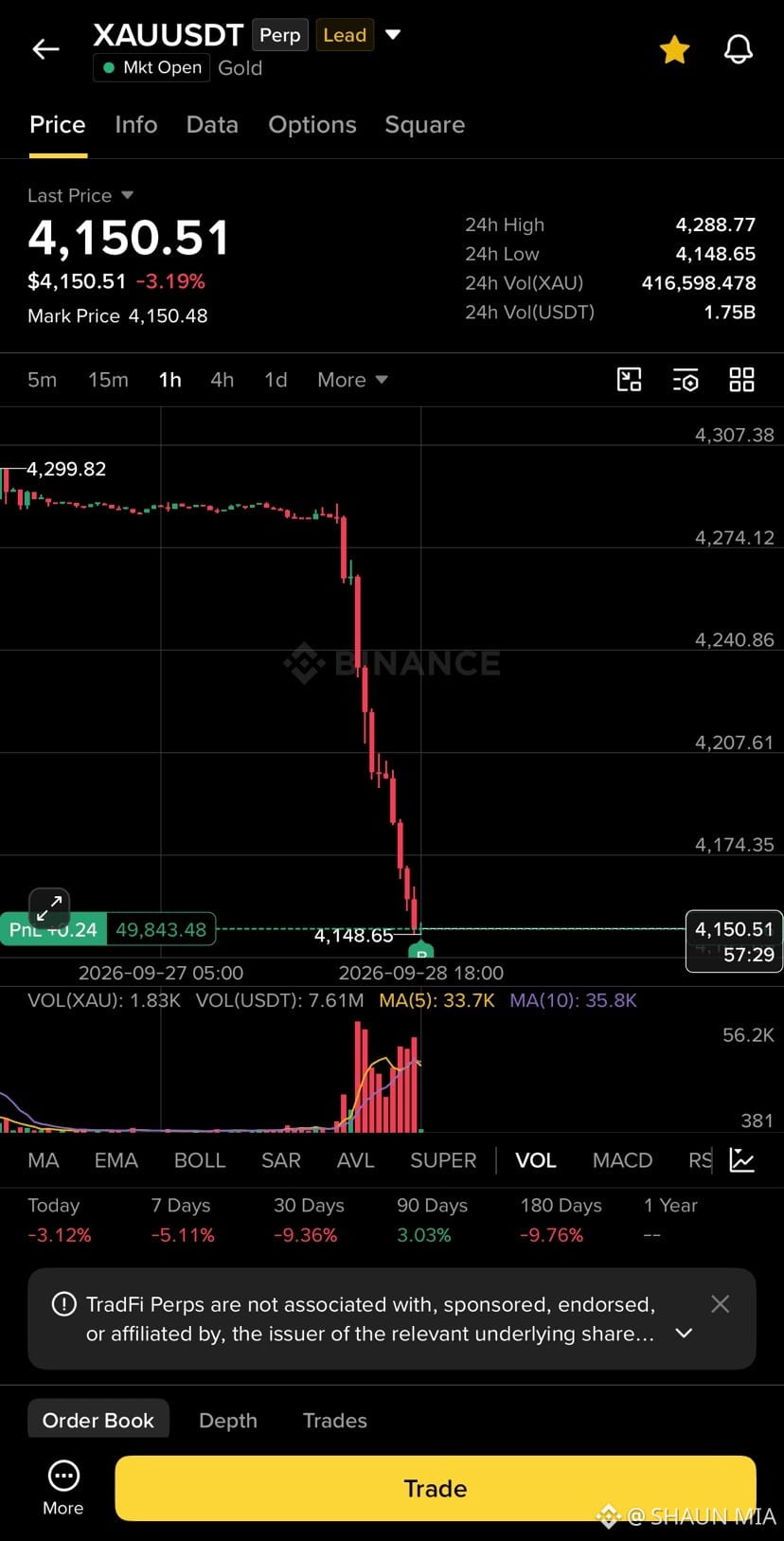
📉 Gold Market Update — XAU/USDT
Gold is showing strong selling pressure, with XAU/USDT down around 3.19% in the 24-hour move shown on the chart.
Markets can move fast, so staying calm and managing risk is important. 📊
Are you watching gold during this dip? 👀
#Binance #XAU #Gold #Trading #CryptoMarket
📉 Gold Market Update — XAU/USDT
Gold is showing strong selling pressure, with XAU/USDT down around 3.19% in the 24-hour move shown on the chart.
Markets can move fast, so staying calm and managing risk is important. 📊
Are you watching gold during this dip? 👀
#Binance #XAU #Gold #Trading #CryptoMarket
Gold is showing strong selling pressure, with XAU/USDT down around 3.19% in the 24-hour move shown on the chart.
Markets can move fast, so staying calm and managing risk is important. 📊
Are you watching gold during this dip? 👀
#Binance #XAU #Gold #Trading #CryptoMarket
3
208

·
--
Bullish
Dear Binancians ♥️ ♥️
𝐬𝐭𝐨𝐩…. 𝐬𝐭𝐨𝐩…. 𝐬𝐭𝐨𝐩 scrolling guys ❗❗
Read this before it’s too late…
Give me just 5 minutes..... I wanna share meh #GOLD analysis with you....
{future}(XAUUSDT)
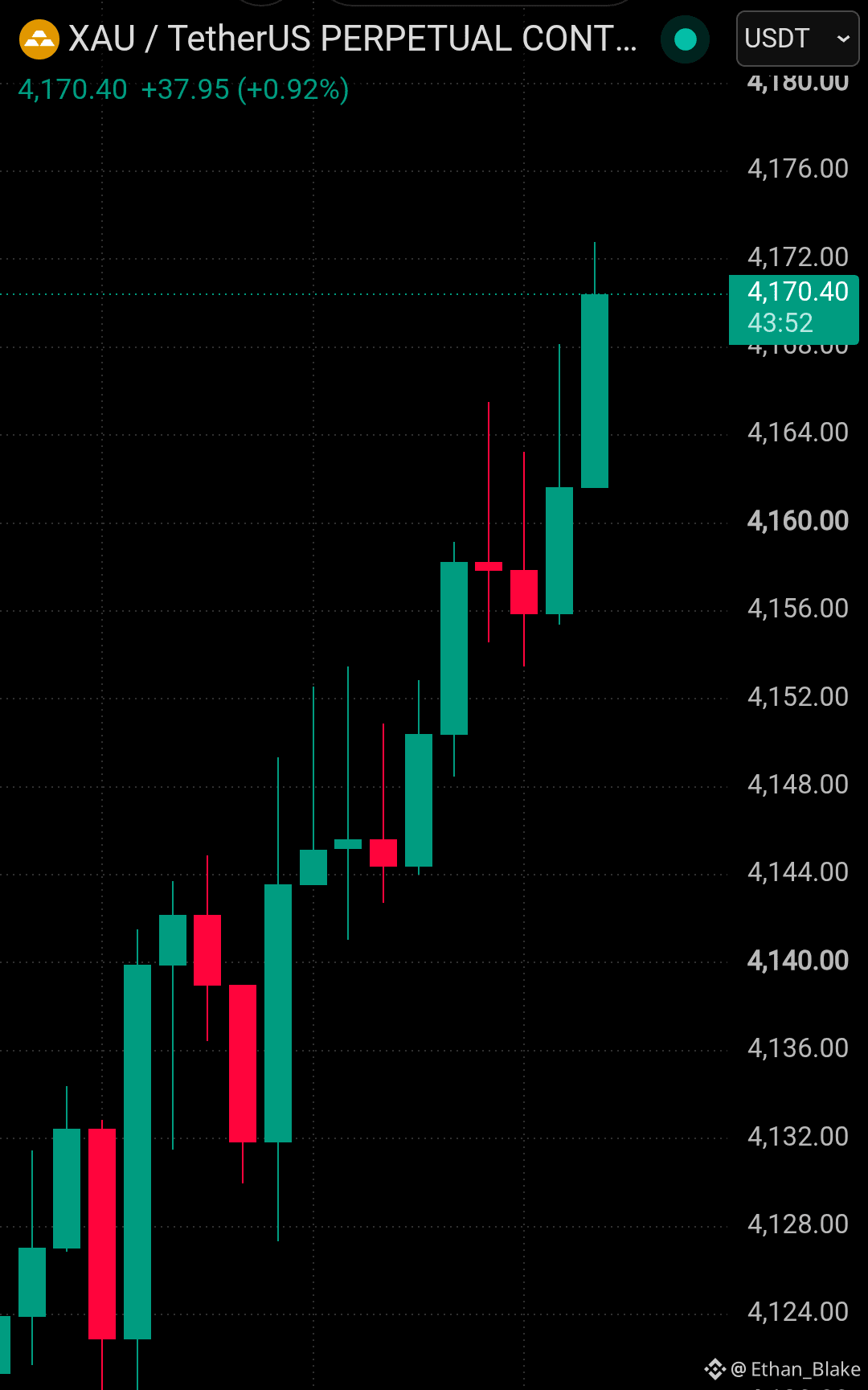
$XAU /USDT LONG
Gold is pushing higher with strong bullish momentum, printing higher highs and higher lows on the chart.
▸ Entry Zone: $4,164 – $4,168
▸ TP1: $4,175
▸ TP2: $4,185
▸ TP3: $4,250
▸ Stop Loss: $4,154
↳ Price is holding above the recent $4,160 area and pressing into $4,172 resistance. A clean breakout above $4,172 could support further continuation.
Dear Binancians ♥️ ♥️
𝐬𝐭𝐨𝐩…. 𝐬𝐭𝐨𝐩…. 𝐬𝐭𝐨𝐩 scrolling guys ❗❗
Read this before it’s too late…
Give me just 5 minutes..... I wanna share meh #GOLD analysis with you....
$XAU /USDT LONG
Gold is pushing higher with strong bullish momentum, printing higher highs and higher lows on the chart.
▸ Entry Zone: $4,164 – $4,168
▸ TP1: $4,175
▸ TP2: $4,185
▸ TP3: $4,250
▸ Stop Loss: $4,154
↳ Price is holding above the recent $4,160 area and pressing into $4,172 resistance. A clean breakout above $4,172 could support further continuation.
𝐬𝐭𝐨𝐩…. 𝐬𝐭𝐨𝐩…. 𝐬𝐭𝐨𝐩 scrolling guys ❗❗
Read this before it’s too late…
Give me just 5 minutes..... I wanna share meh #GOLD analysis with you....
$XAU /USDT LONG
Gold is pushing higher with strong bullish momentum, printing higher highs and higher lows on the chart.
▸ Entry Zone: $4,164 – $4,168
▸ TP1: $4,175
▸ TP2: $4,185
▸ TP3: $4,250
▸ Stop Loss: $4,154
↳ Price is holding above the recent $4,160 area and pressing into $4,172 resistance. A clean breakout above $4,172 could support further continuation.
168

·
--
Bullish
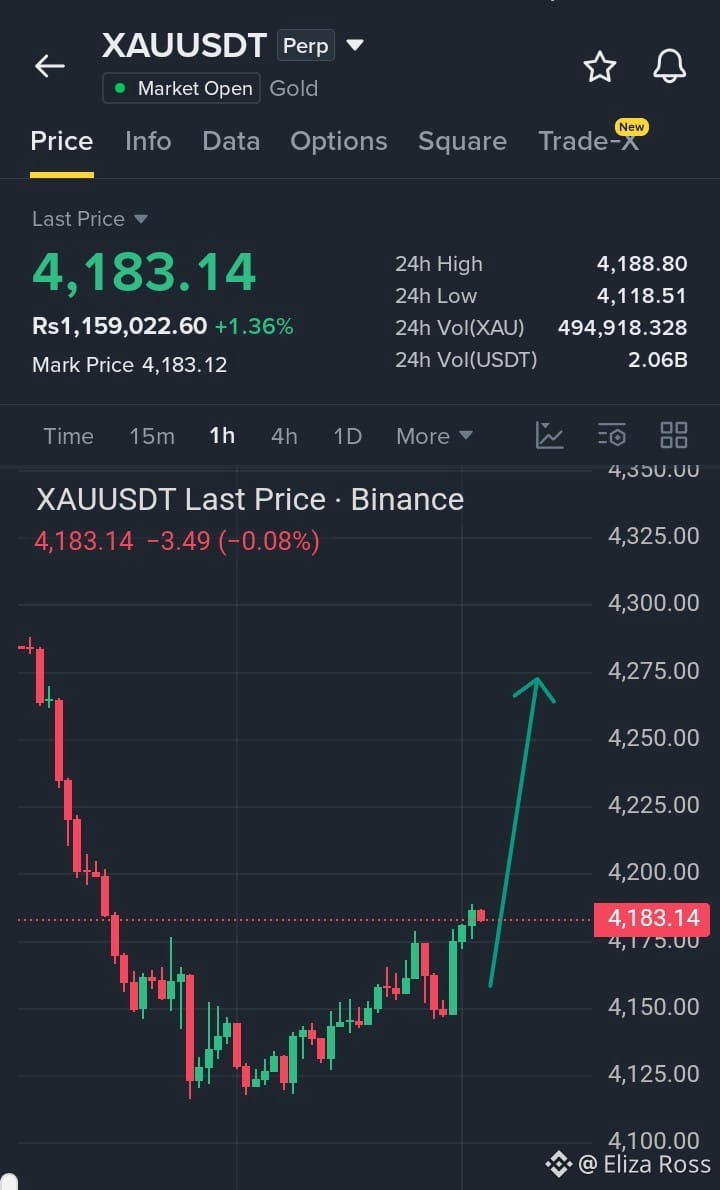
🥇 GOLD ($XAU ) — RECOVERY MODE! EYES ON $4,270
Buy Long Now $XAU With 20X Leverage Max...
Entry: $4,175–$4,185
TP1: $4,220
TP2: $4,250
TP3: $4,270
SL: $4,145
#Gold is bouncing from the $4,120 support zone and showing fresh buying interest. I'm watching for a continuation toward $4,270.
Buy Now And Trade Here On $XAU
{future}(XAUUSDT)
🥇 GOLD ($XAU ) — RECOVERY MODE! EYES ON $4,270
Buy Long Now $XAU With 20X Leverage Max...
Entry: $4,175–$4,185
TP1: $4,220
TP2: $4,250
TP3: $4,270
SL: $4,145
#Gold is bouncing from the $4,120 support zone and showing fresh buying interest. I'm watching for a continuation toward $4,270.
Buy Now And Trade Here On $XAU
Buy Long Now $XAU With 20X Leverage Max...
Entry: $4,175–$4,185
TP1: $4,220
TP2: $4,250
TP3: $4,270
SL: $4,145
#Gold is bouncing from the $4,120 support zone and showing fresh buying interest. I'm watching for a continuation toward $4,270.
Buy Now And Trade Here On $XAU
1
154
Log in to explore more content
Join global crypto users on Binance Square
⚡️ Get latest and useful information about crypto.
💬 Trusted by the world’s largest crypto exchange.
👍 Discover real insights from verified creators.
Email / Phone number
Trending Topics
1
#BitcoinClears$85200
50 views
42 Discussing
2
#AltcoinSeasonIndexHoldsAbove60For5Days
2,139 views
288 Discussing
3
#BitcoinSlipsBelow$84000
1,154 views
74 Discussing
4
#USADPAdds90000JobsInSeptember
157 views
124 Discussing
5
#USCorePCEEasesTo3%InAugust
95 views
112 Discussing
6
#KospiPostsWorstQuarterSince2020
942 views
162 Discussing
7
#SECToClarifyOnChainFundraisingRules
6,000 views
336 Discussing
8
#UKFCAOpensCryptoFirmAuthorization
9,679 views
313 Discussing
9
#JapanMOFStudyGroupOnTokenizedGovtBonds
8,137 views
278 Discussing
10
#QNTRises287%
45,633 views
646 Discussing