

#bitcoinstrategy
bitcoinstrategy
6.9M views
2,634 Discussing
Over 60 publicly traded companies have adopted a Bitcoin strategy, with thousands of private firms following suit. Why are businesses turning to Bitcoin as a reserve asset? Do you think this is a sustainable long-term strategy?
Hot
Latest
Strategy Rakes in $19.5 Billion in Q3; Bitcoin Investment Strategy Sets Records, Tokenized U.S. Stocks Open New Opportunities
I. The Biggest Winner of Earnings Season
The 2026 third-quarter earnings season has kicked off, and Strategy (formerly MicroStrategy) has delivered a stunning set of results. The tech company, whose core asset is Bitcoin, reported net income of $19.53 billion, including $20.91 billion in digital asset gains. The figure not only set a company record but also sparked widespread discussion in the U.S. stock market about cryptocurrency investment strategies.
Compared with $2.79 billion in the same period last year, Strategy's net income grew nearly sevenfold. This explosive growth was driven mainly by the sustained rise in Bitcoin's price. The company disclosed in its earnings report that it sold $432 million worth of Bitcoin in the third quarter, showing that it is moving beyond simply accumulating coins and beginning to actively manage its assets and realize profits.
II. Commercial Validation of the Bitcoin Strategy
Strategy's success offers institutional investors a replicable model. Adding Bitcoin to a corporate balance sheet is not merely a hedge against inflation; it has also become a tangible source of profit. The Bitcoin accumulation strategy that company founder Michael Saylor has championed for years received its strongest commercial validation yet this quarter.
Notably, Strategy is not alone. A growing number of publicly traded companies are following this model and allocating part of their cash reserves to Bitcoin. This approach was considered aggressive in 2025, but by 2026 it had become a widely discussed corporate financial management strategy.
III. Market Sentiment and Risk Coexist
Data from Binance Square shows that BNB led the news in popularity with 26,521 mentions, followed by BTC and SOL with 22,668 and 21,503 mentions, respectively. This high level of attention reflects continued market enthusiasm for crypto assets, but also points to the risk of volatility.
Recent security incidents have also sounded alarm bells. Binance suffered a security incident involving approximately $6.3 billion, while Polymarket lost $2.65 million after an attack on a third-party provider. Both cases remind investors that, alongside the pursuit of high returns, asset security must be taken seriously. North Korea's Lazarus Group is suspected of involvement in multiple attacks on exchanges, further underscoring the central importance of cybersecurity in crypto finance.
IV. New Opportunities in Tokenized U.S. Stocks
The convergence of traditional and crypto finance is opening up a new frontier for tokenized U.S. stocks. Tokenized stock products on Binance's Web3 platform span sectors from technology to pharmaceuticals, including EEMon and MRNAon. These tokenized assets allow investors around the world to trade U.S. stocks around the clock, breaking free from traditional trading-hour restrictions.
In market performance, the PARTI token rose 42.39% over the past 24 hours, while MAGMA and BLESS gained 30.75% and 29.56%, respectively. This high volatility reflects market activity, but also serves as a reminder that investors need to assess risks carefully.
V. Regulatory Breakthrough for Stablecoins
Ripple's RLUSD stablecoin received a Moody's A2 long-term rating and a P-1 short-term rating, making it the first stablecoin to receive an investment-grade rating. This milestone marks the evolution of stablecoins from crypto-native tools into mainstream financial products. RLUSD is backed by short-term U.S. government assets and cash, held in custody by BNY Mellon, with a target reserve ratio of 103%.
This regulatory recognition could clear the way for institutional investors to enter the crypto market. Once stablecoins receive credit ratings on par with traditional bank deposits, more conservative capital may flow into this emerging market.
VI. Outlook and Reflections
The market is currently at a critical turning point. On the one hand, the success of companies like Strategy demonstrates the commercial value of cryptocurrency investment; on the other, security incidents and regulatory uncertainty remain a sword of Damocles hanging overhead.
For everyday investors, participating in the crypto market requires a clear understanding of risk. Strong earnings-season figures are certainly encouraging, but market volatility means that high returns come with high risks. Tokenized U.S. stocks and stablecoins offer traditional investors new ways to enter the market, but it is also important to understand how these new financial products work and what risks they may entail.
In the financial markets of the future, the boundary between traditional and crypto finance will become increasingly blurred. Participants who understand the rules of both worlds will be best positioned to gain an advantage in this wave of financial innovation.
#EarningsSeason #USMidtermElections #BitcoinStrategy
14


Article
Will Global Geopolitical Risks Push Bitcoin Above $85,000?{spot}(BTCUSDT)
Bitcoin is demonstrating strong resilience, holding above $80,000 after navigating heightened geopolitical tensions in the Middle East and ongoing fluctuations in global energy prices. While macroeconomic headwinds and shifting Federal Reserve rate expectations have temporarily slowed broader momentum, institutional buyers are actively soaking up liquidity near critical support thresholds. At the same time, top traditional banking institutions continue expanding their digital asset infrastructure, signaling sustained interest despite short-term market turbulence.
This delicate balance between macroeconomic risk and structural institutional accumulation presents strategic tactical opportunities for active traders. Keeping a close watch on volume consolidation around $80,000 and tracking global macroeconomic headlines will be essential for identifying high-probability breakout setups. Disciplined risk management and waiting for verified directional volume signals remain paramount while the broader crypto ecosystem absorbs macroeconomic pressures.
Do you expect Bitcoin to break past $85,000 this week or retest lower support levels first?
$BTC #CryptoAnalysis #MarketUpdate #BitcoinStrategy #CoinVahini
Will Global Geopolitical Risks Push Bitcoin Above $85,000?
Bitcoin is demonstrating strong resilience, holding above $80,000 after navigating heightened geopolitical tensions in the Middle East and ongoing fluctuations in global energy prices. While macroeconomic headwinds and shifting Federal Reserve rate expectations have temporarily slowed broader momentum, institutional buyers are actively soaking up liquidity near critical support thresholds. At the same time, top traditional banking institutions continue expanding their digital asset infrastructure, signaling sustained interest despite short-term market turbulence.
This delicate balance between macroeconomic risk and structural institutional accumulation presents strategic tactical opportunities for active traders. Keeping a close watch on volume consolidation around $80,000 and tracking global macroeconomic headlines will be essential for identifying high-probability breakout setups. Disciplined risk management and waiting for verified directional volume signals remain paramount while the broader crypto ecosystem absorbs macroeconomic pressures.
Do you expect Bitcoin to break past $85,000 this week or retest lower support levels first?
$BTC #CryptoAnalysis #MarketUpdate #BitcoinStrategy #CoinVahini
16

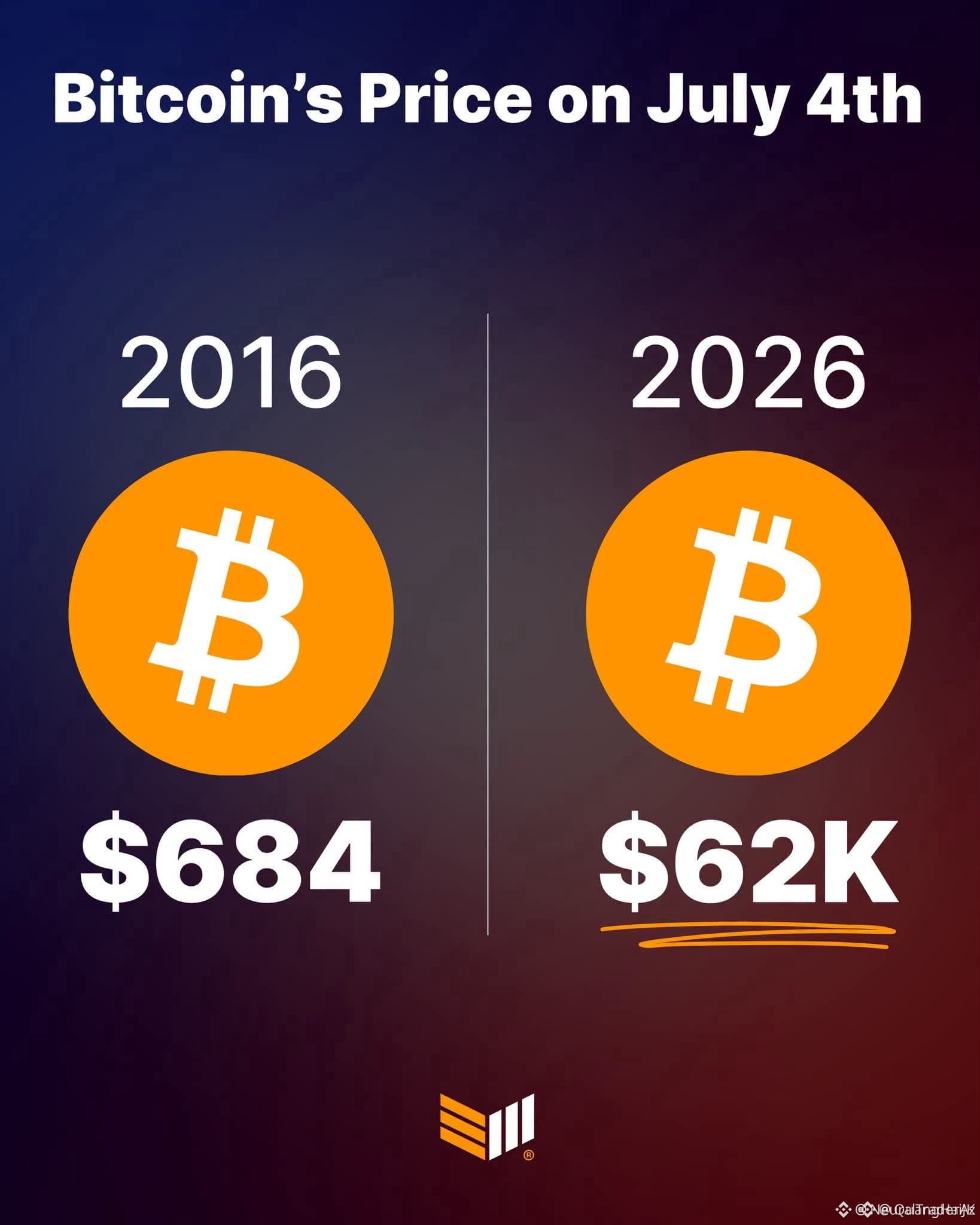
$BTC JULY 4TH HISTORY SHOWS A PATTERN THAT MAY REPEAT 🔥
Body:
July 4th has been a pivot point for Bitcoin across the last decade. Prices range from $684 in 2016 to a peak of $109,000 in 2025, then back to $62,500 today. This specific date has often marked either a local top or a springboard for the next leg.
The drop from $109K to $62.5K aligns with prior July 4th corrections. Volume profiles and liquidity sweeps around this level could dictate the next major move. Are you buying the historical dip or waiting for more structure to form?
Not financial advice. Always manage your risk.
#BTC #HistoricalData #July4th #BitcoinStrategy
💎
84

·
--
Bullish
Verified
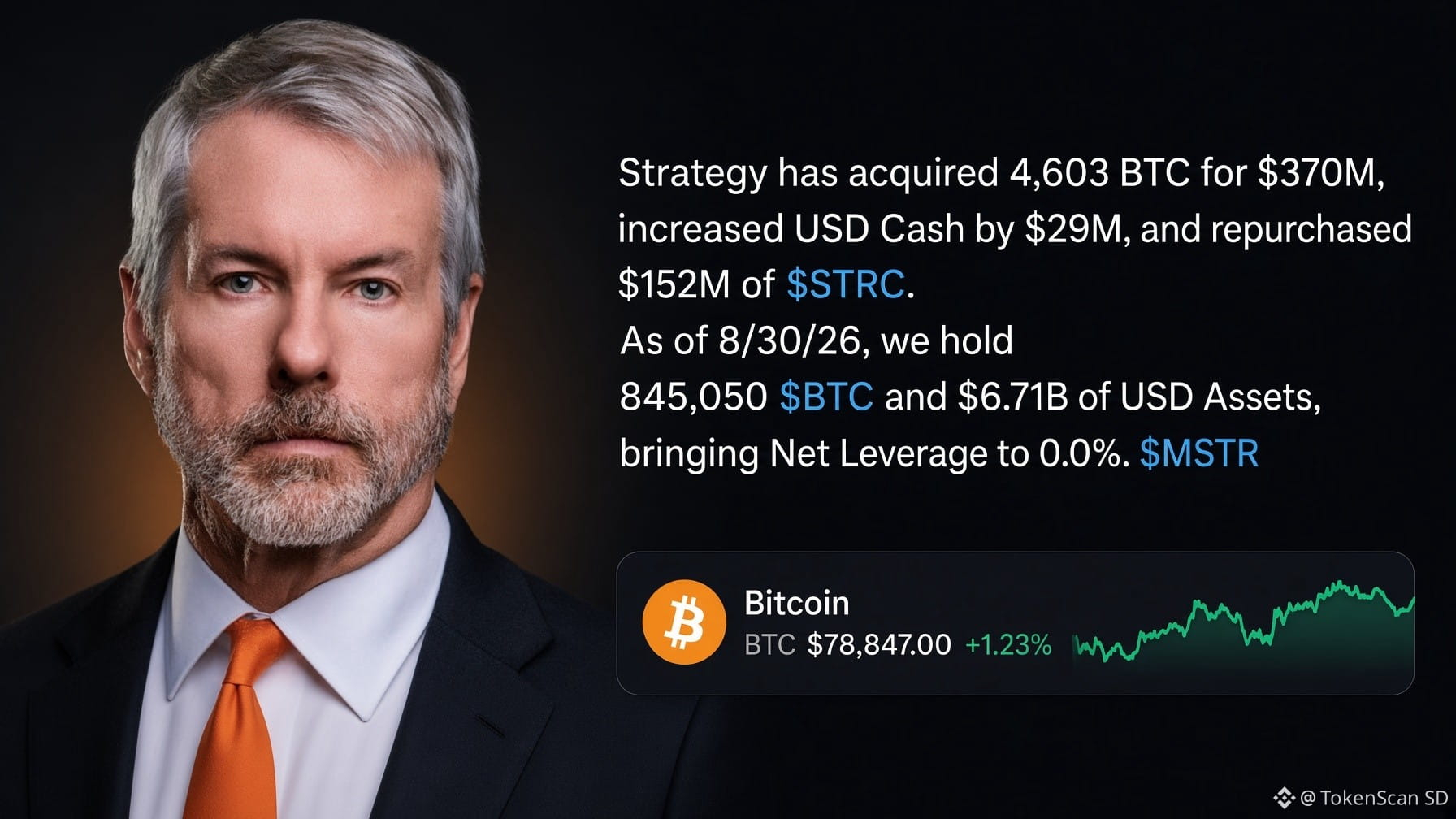
Saylor mode: ON. There is no such thing as “enough”.
A new strategy has just snapped up 4.603 BTC worth $370 million; cash is up $29 million, plus a $152 million share buyback.
Total now: 845.050 $BTC + $6.71 billion in USD assets.
Net leverage? 0.0%.
This is not FOMO. This is a long-term value backup strategy that has already been carried out for years.
Current BTC price is $78.847.
Saylor is still buying. Are you still waiting?
$MSTR $BTC #BitcoinStrategy #Saylor
468

·
--
Most traders are focused on the headline. Smart money is watching the *volume profile* of that Bitwise BTC sale.
Here's the play: Bitwise CEO Hunter Horsley is out saying Bitcoin "wants to be higher." The market saw a significant 3,588 BTC sale by Strategy for dividends, and what did BTC do? It bounced. This isn't a coincidence. The underlying demand, even during significant outflows, suggests a strong conviction from institutional players. The volume profile analysis of that sell-off reveals where the real accumulation happened *beneath* the surface noise. Smart money isn't just selling; they're strategically re-entering at levels that suggest a higher target. #OnChainData #BitcoinStrategy #MarketEdge
This signals that the recent "sell-off" was more of a re-distribution or re-allocation event rather than outright capitulation. Expect continued upward pressure as liquidity is absorbed and smart money positions itself for the next leg up.
Keep a close eye on the 7-day moving average of Bitcoin whale transaction counts. A sustained increase here, post-dividend sale, confirms this narrative. #WhaleWatch
What are you seeing that contradicts this bullish interpretation?
33
$STRC DROPS 25% - THE REAL RISK TO SAYLOR'S BITCOIN STRATEGY 🔥
STRC now trades at $76.20, well below its $100 par value, while Strategy holds only $1.4B in reserves against a $1.2B annual dividend obligation. This is not a liquidation trigger like Terra Luna, but it is a confidence test.
The market is pricing in the possibility that Saylor may not prioritize these perpetual preferred dividends. If that happens, future capital raises become more expensive — and Bitcoin buy pace slows. The distinction matters: structural vulnerability, not mechanical collapse.
Are you holding STRC or watching for the next capital market signal?
Not financial advice. Always manage your risk.
#STRC #PreferredStock #DividendRisk #BitcoinStrategy
🔥
BTC-1.42%
MSTRUS-6.68%
58


Article
The Hidden Liquidity Secret (Highly Engaging)The Secret They Don’t Want You to Know About Market Dips 🤫👀
Ever wondered why the market dumps exactly after you buy, or pumps the second you close your trade in a loss? No, the market isn't tracking your specific wallet—but big institutions absolutely are tracking the crowd.
Welcome to the world of Liquidity Pools.
How It Works: While retail traders are busy drawing hundreds of lines on their charts, Smart Money (Whales and Market Makers) only looks for one thing: Where are the stop-losses sitting?
When thousands of traders put their stop-losses just below a support level, it creates a massive "Liquidity Pool" (free money for big players).Institutions purposefully push the price down just enough to trigger your stop-losses, buy your cheap coins, and then instantly pump the price back up.
Your New Rule to Avoid the Trap: Stop rushing into trades at obvious support lines. Instead, wait for the market to fake out, hunt the liquidity, and then look for your entry when everyone else is panicking.
Stop being the liquidity. Start trading alongside the giants. 💼💎
Have you ever been "stop-loss hunted" right before a massive pump? Share your pain in the comments! 👇
{spot}(BTCUSDT)
#CryptoSecrets #WhaleTrading #BitcoinStrategy #SmartMoney
The Hidden Liquidity Secret (Highly Engaging)
The Secret They Don’t Want You to Know About Market Dips 🤫👀
Ever wondered why the market dumps exactly after you buy, or pumps the second you close your trade in a loss? No, the market isn't tracking your specific wallet—but big institutions absolutely are tracking the crowd.
Welcome to the world of Liquidity Pools.
How It Works: While retail traders are busy drawing hundreds of lines on their charts, Smart Money (Whales and Market Makers) only looks for one thing: Where are the stop-losses sitting?
When thousands of traders put their stop-losses just below a support level, it creates a massive "Liquidity Pool" (free money for big players).Institutions purposefully push the price down just enough to trigger your stop-losses, buy your cheap coins, and then instantly pump the price back up.
Your New Rule to Avoid the Trap: Stop rushing into trades at obvious support lines. Instead, wait for the market to fake out, hunt the liquidity, and then look for your entry when everyone else is panicking.
Stop being the liquidity. Start trading alongside the giants. 💼💎
Have you ever been "stop-loss hunted" right before a massive pump? Share your pain in the comments! 👇
#CryptoSecrets #WhaleTrading #BitcoinStrategy #SmartMoney
81

MICHAEL SAYLOR: CORPORATE $BTC HOLDINGS ARE INEVITABLE 🏦
Saylor argues businesses are the legal driver of BTC success—citing efficiency, scale, and transparency over individuals. The trend is clear: Metaplanet just became the world's third-largest BTC holder, while MicroStrategy’s leverage strategy draws criticism from Ripple’s CEO.
If more large firms adopt Bitcoin as a reserve asset, we could see a structural demand shift. Yet the leverage and volatility risks remain real barriers. Are you positioning for institutional adoption or waiting for a clearer catalyst?
Not financial advice. Always manage your risk.
#BTC #CorporateAdoption #InstitutionalInvestment #BitcoinStrategy
🔥

58

Institutions going all in on Bitcoin
Remixpoint in Japan is pivoting to a Bitcoin only strategy, liquidating its ETH, SOL, XRP, and DOGE holdings to focus entirely on its 1506 BTC position.
#Remixpoint #BitcoinStrategy
Institutions going all in on Bitcoin
Remixpoint in Japan is pivoting to a Bitcoin only strategy, liquidating its ETH, SOL, XRP, and DOGE holdings to focus entirely on its 1506 BTC position.
#Remixpoint #BitcoinStrategy
Remixpoint in Japan is pivoting to a Bitcoin only strategy, liquidating its ETH, SOL, XRP, and DOGE holdings to focus entirely on its 1506 BTC position.
#Remixpoint #BitcoinStrategy

1
30

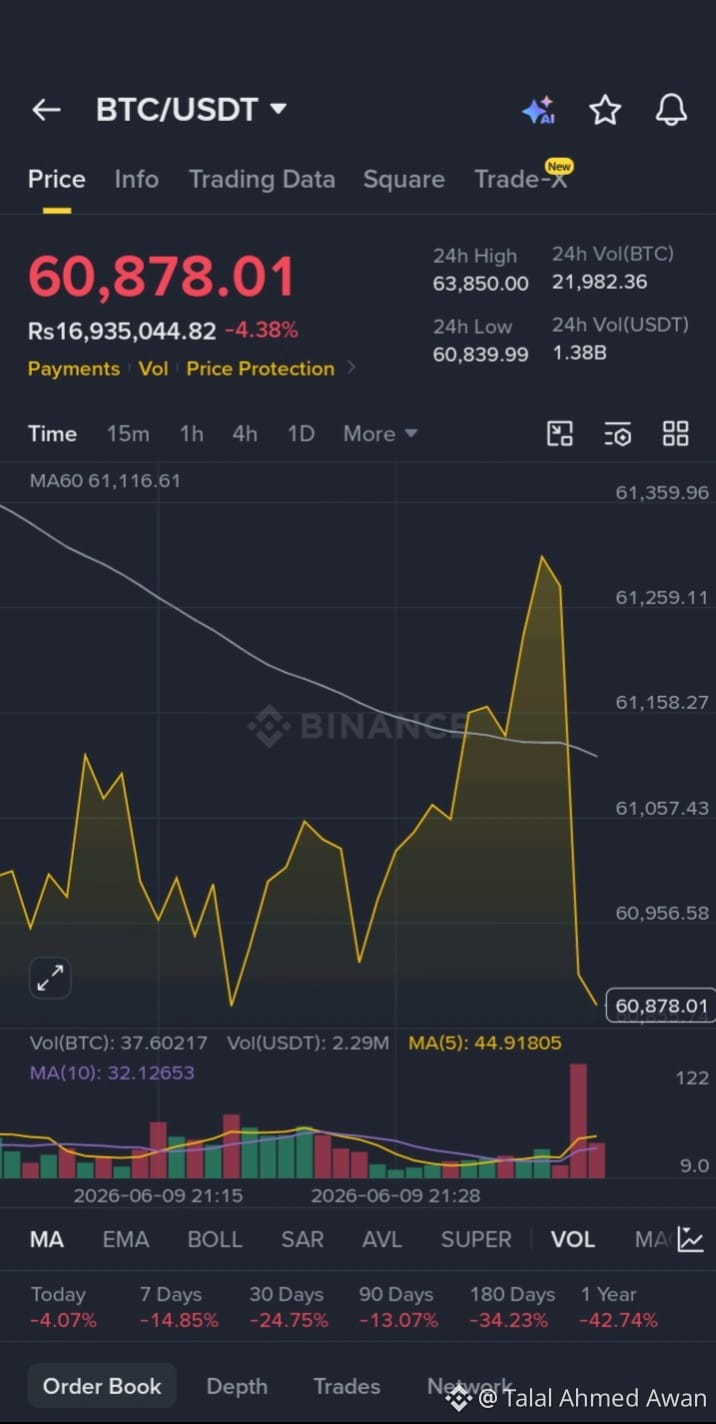
📉 Bitcoin $BTC attempted a short-term rally but was rejected and sold off quickly.$BTC Selling pressure is currently stronger than buying pressure.$BTC
{spot}(BTCUSDT)
#Bitcoin❗ #BitcoinStrategy
📉 Bitcoin $BTC attempted a short-term rally but was rejected and sold off quickly.$BTC Selling pressure is currently stronger than buying pressure.$BTC
#Bitcoin❗ #BitcoinStrategy
#Bitcoin❗ #BitcoinStrategy
117

·
--
Bitcoin 2026: The Perfect Storm
For the Binance community
---
Why This Cycle Hits Different
While the media debates Bitcoin's "death" for the hundredth time, sovereign wealth funds and corporate treasuries are quietly accumulating. This isn't 2021 retail mania—it's institutional restructuring of global capital.
The math is simple: post-halving supply shock + ETF demand eating 5,000-10,000 BTC monthly + global monetary uncertainty = a supply squeeze that could push BTC toward 200K-250K by Q4 2026.
Three Pillars
Pillar Reality
Institutional Lock-In BlackRock's ETF holds 50B+. Once giants allocate 2-5%, they become dip buyers—not sellers.
Supply Shock Only 900 BTC mined daily. Demand already exceeds new supply.
Monetary Reset Central banks printed 25T. Bitcoin now competes with gold and sovereign bonds—and it's winning.
The Real Alpha
The opportunity isn't just buying BTC. It's the ecosystem: Lightning Network, Bitcoin-native DeFi, and nation-state adoption. Traders who navigate spot, futures, and yield strategies capture multiples of the underlying move.
My Take
Three cycles taught me one thing: weak hands fold, strong hands accumulate. 2026 is different—this is institutional, not emotional. Volatility stays, but the trajectory is clear.
Don't spectate. Participate.
1. DCA weekly
2. Learn Bitcoin yield strategies
3. Self-custody your keys
4. Think in SATs, not dollars
The future of money is being built block by block. Your move.
---
#Bitcoin #BTC #Binance #Crypto2026 #StackSats #Bitcoin #BTC #Binance #Crypto2026 #BitcoinHalving #InstitutionalCrypto #StackSats #FinancialFreedom #BitcoinStrategy
172

·
--
Strategy shifts Bitcoin treasury approach.
Michael Saylor's corporate treasury strategy is evolving beyond simple accumulation. The latest moves signal a significant shift toward active management and liquidity optimization for held Bitcoin positions. Markets have responded positively to the transparency and adaptability shown by leadership during this transition phase.
Institutional players are watching closely as the company demonstrates how long-term holders can balance aggressive accumulation with operational flexibility. This nuanced approach may set a new benchmark for corporate Bitcoin management across public companies globally.
The move reflects growing maturity in how firms treat Bitcoin — not merely as a static store of value, but as an actively managed balance sheet asset with strategic liquidity requirements. Treasury departments are now considering how digital assets can serve both long-term appreciation goals and short-term operational needs.
Financial markets have interpreted this evolution as a sign that corporate Bitcoin adoption is entering a more sophisticated phase. The ability to maintain conviction while adapting management techniques suggests the asset class has reached a level of stability that allows for nuanced portfolio strategies.
Will more public firms follow this hybrid accumulation-and-management model in the coming quarters? The answer could reshape how institutions approach Bitcoin treasury allocation. Drop your take below. 👇
#CorporateTreasury #BitcoinStrategy #ActiveManagement
76

·
--
It looks like the Bitcoin giant is having a crisis, but don't @ me, it's just a 'revaluation'. According to CEO Phong Le, they're not panicking unless BTC crashes to $10K - talk about a HODL strategy #cryptorevaluation #bitcoinstrategy
Their plan? Issue fresh preferred stock and resume buying once their Stretch shares come back to par - yikes, that's a lot of acronyms. In simpler words, when the dust settles, they'll start buying like there's no tomorrow. The question is, what happens to the price of BTC if they do?
Their plan? Issue fresh preferred stock and resume buying once their Stretch shares come back to par - yikes, that's a lot of acronyms. In simpler words, when the dust settles, they'll start buying like there's no tomorrow. The question is, what happens to the price of BTC if they do?
57

·
--
🚨 Bitcoin Update
$BTC Strategy (MSTR) has bought 4,603 BTC for ~$370M at an average price of $80,318 per BTC.
📈 Its total holdings now stand at 845,050 BTC, reinforcing the broader trend of institutional Bitcoin accumulation.
#Bitcoin #BitcoinStrategy
🚨 Bitcoin Update
$BTC Strategy (MSTR) has bought 4,603 BTC for ~$370M at an average price of $80,318 per BTC.
📈 Its total holdings now stand at 845,050 BTC, reinforcing the broader trend of institutional Bitcoin accumulation.
#Bitcoin #BitcoinStrategy
$BTC Strategy (MSTR) has bought 4,603 BTC for ~$370M at an average price of $80,318 per BTC.
📈 Its total holdings now stand at 845,050 BTC, reinforcing the broader trend of institutional Bitcoin accumulation.
#Bitcoin #BitcoinStrategy
12

🚨 BREAKING: MSTR & STRC hit 52-week lows, but Saylor doubles down on his long-term Bitcoin strategy. A test of conviction for BTC-centric corporate treasuries.
#BitcoinStrategy #MarketWatch
Full story: https://cryptoversenews.eu/bitcoin/michael-saylor-responds-to-scrutiny-as-strategy-shares-and-s/
🚨 BREAKING: MSTR & STRC hit 52-week lows, but Saylor doubles down on his long-term Bitcoin strategy. A test of conviction for BTC-centric corporate treasuries.
#BitcoinStrategy #MarketWatch
Full story: https://cryptoversenews.eu/bitcoin/michael-saylor-responds-to-scrutiny-as-strategy-shares-and-s/
#BitcoinStrategy #MarketWatch
Full story: https://cryptoversenews.eu/bitcoin/michael-saylor-responds-to-scrutiny-as-strategy-shares-and-s/
BTC-1.42%
MSTRUS-6.68%
56

$BTC STRATEGY'S ACCUMULATION MODEL SHOWING CRACKS 🔥
Ripple’s CEO just called out Strategy’s playbook — using STRC preferred stock to keep buying Bitcoin while it trades 25% below its target par value. That’s not a small discount; it’s a signal that institutional confidence is cracking. Cash reserves that once covered dividends for 7 years now barely cover 14 months.
BTC sliding under 59k pulled Strategy’s stock and STRC down with it. Some analysts say the model isn’t broken, just inefficient in a weak market. But if STRC doesn’t reclaim par, that huge source of BTC demand may evaporate.
Do you think Strategy’s leverage cycle is nearing its limit, or is this just a temporary pressure point?
Not financial advice. Always manage your risk.
#BTC #STRC #BitcoinStrategy #CryptoRisk
🔥
BTC-1.42%
MSTRUS-6.68%
24

·
--
Bullish
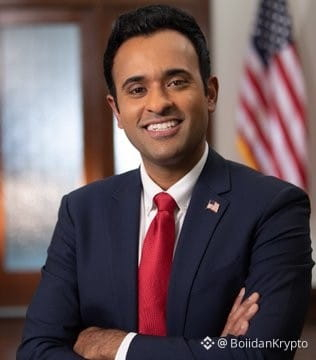
JUST DROPPING: 🚨🇺🇸 Vivek Ramaswamy’s ‘Strive’ just scooped up 1,109 #Bitcoin — that’s a cool $85 MILLION bet on the future of hard money. 💰🐂
So let me get this straight… while the Fed keeps printing paper into oblivion, one of the sharpest minds in America is stacking sats like there’s no tomorrow. 🤯 Either he knows something you don’t, or you’re about to get left behind watching fiat melt.
Here’s the real debate 👇
Is this a genius hedge against inflation or a reckless gamble on a digital casino? 🎰 Because if institutions keep loading up, the “Bitcoin has no value” argument is officially dead on arrival. 💀
Drop your take 👇 — Bull or bear? Would YOU buy here?
#BitcoinStrategy #InflationHedge #WakeUp
$BTC
{future}(BTCUSDT)
JUST DROPPING: 🚨🇺🇸 Vivek Ramaswamy’s ‘Strive’ just scooped up 1,109 #Bitcoin — that’s a cool $85 MILLION bet on the future of hard money. 💰🐂
So let me get this straight… while the Fed keeps printing paper into oblivion, one of the sharpest minds in America is stacking sats like there’s no tomorrow. 🤯 Either he knows something you don’t, or you’re about to get left behind watching fiat melt.
Here’s the real debate 👇
Is this a genius hedge against inflation or a reckless gamble on a digital casino? 🎰 Because if institutions keep loading up, the “Bitcoin has no value” argument is officially dead on arrival. 💀
Drop your take 👇 — Bull or bear? Would YOU buy here?
#BitcoinStrategy #InflationHedge #WakeUp
$BTC

118
Verified
Japanese company Remixpoint sold its entire altcoin portfolio, including ETH and SOL, to shift its crypto strategy exclusively toward Bitcoin holdings.
#BitcoinStrategy #Remixpoint
Japanese company Remixpoint sold its entire altcoin portfolio, including ETH and SOL, to shift its crypto strategy exclusively toward Bitcoin holdings.
#BitcoinStrategy #Remixpoint
#BitcoinStrategy #Remixpoint
1
14

·
--
Bullish
A Battle of Minds at the Bitcoin Summit… How Should We Evaluate MSTR?
The crypto community is buzzing with a heated debate between two of the biggest names in the game:
Michael Saylor and Jack Mallers, over the right way to assess MicroStrategy and its Bitcoin strategy.
🔍 The crux of the matter:
Mallers is questioning the company's model, asking:
Is issuing new shares to buy BTC a dilution of shareholder value?
Saylor confidently counters:
It's not dilution, but a conversion of capital into tangible assets — whether cash or Bitcoin — which enhances long-term value.
Why is this debate crucial? This discussion isn't just about MSTR, but touches on a deeper question:
How should we evaluate companies that use Bitcoin as a treasury asset?
Is BTC merely a speculative asset or a new standard for value storage within companies?
Insight: Markets are no longer just measuring companies by traditional profits, but are starting to view capital behavior and how it’s employed in the new financial system.
#BTC #MicroStrategy #CryptoNews #BitcoinStrategy #CryptoInsights
{future}(BTCUSDT)
{future}(MSTRUSDT)
A Battle of Minds at the Bitcoin Summit… How Should We Evaluate MSTR?
The crypto community is buzzing with a heated debate between two of the biggest names in the game:
Michael Saylor and Jack Mallers, over the right way to assess MicroStrategy and its Bitcoin strategy.
🔍 The crux of the matter:
Mallers is questioning the company's model, asking:
Is issuing new shares to buy BTC a dilution of shareholder value?
Saylor confidently counters:
It's not dilution, but a conversion of capital into tangible assets — whether cash or Bitcoin — which enhances long-term value.
Why is this debate crucial? This discussion isn't just about MSTR, but touches on a deeper question:
How should we evaluate companies that use Bitcoin as a treasury asset?
Is BTC merely a speculative asset or a new standard for value storage within companies?
Insight: Markets are no longer just measuring companies by traditional profits, but are starting to view capital behavior and how it’s employed in the new financial system.
#BTC #MicroStrategy #CryptoNews #BitcoinStrategy #CryptoInsights


1
271
·
--
Did you know companies are increasingly adding Bitcoin to their balance sheets, not just as an investment, but as a core treasury strategy?
This is all about Treasury Diversification. Think of it like a smart investor not putting all their eggs in one basket. Instead of just holding cash, companies like Metaplanet are strategically adding Bitcoin to their reserves. This can offer protection against inflation and currency devaluation. #CryptoTreasury #BitcoinStrategy
Metaplanet just added another 2,823 Bitcoin to their holdings in the second quarter, bringing their total to a massive 43,000 BTC! They bought it at an average of $78,608 per coin. This shows a growing confidence in Bitcoin as a long-term store of value for businesses.
The takeaway? As more companies embrace digital assets like Bitcoin for treasury management, it signals a maturing crypto market and can influence broader adoption. Keep an eye on how these corporate strategies evolve. #DigitalAssets
What do you think about companies holding Bitcoin on their balance sheets?
59
Log in to explore more content
Join global crypto users on Binance Square
⚡️ Get latest and useful information about crypto.
💬 Trusted by the world’s largest crypto exchange.
👍 Discover real insights from verified creators.
Email / Phone number
Related Coins
Trending Topics
1
#SuspectedNorthKoreaAttacksAccountForNearly89%OfCryptoHackLosses
995 views
26 Discussing
2
#OpenAICutsFundraisingTargetBy$10B
404 views
38 Discussing
3
#ASICHasReceivedNoPredictionMarketApplications
6,360 views
239 Discussing
4
#RecallAnnouncesLiquidationPlansToBurn35.86%OfSupply
318 views
13 Discussing
5
#TetherReports$191.5BInQ3Reserves
128 views
8 Discussing
6
#UniswapA16zSeekDeFiExemptionFromIllinoisCryptoTax
61,663 views
1,172 Discussing
7
#HKDollarStablecoinHKDAPToLaunchOnSolana
45,652 views
772 Discussing
8
#$1.5BInLeveragedCryptoBetsLiquidated
79,352 views
288 Discussing
9
#TrezorSaysCryptoBilisSoldWalletMayContainMaliciousComponents
6,514 views
97 Discussing
10
#KOSPIFalls3.53%BackBelow6000
93,237 views
1,356 Discussing